
When considering the value of landscape architecture, we need to go beyond the definition of designing spaces by combining art and science to create places for people. The value that landscape architecture offers can be divided into environmental, social, economic and cultural aspects.
ENVIRONMENTAL
As landscape architects, we can be seen as stewards of the land who design living systems. When designing these systems, we seek to improve on what is before us whilst addressing many of the environmental issues facing the world.
Climate Change – Mitigation, Adaptation and Resilience
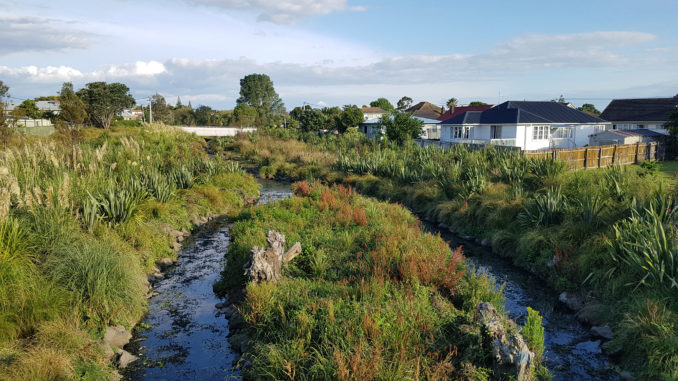
As landscape architects, we often design spaces that sequester carbon, mitigate the impacts of climate change, enable adaptation, and increase resilience. Whether we are creating shade to mitigate heat islands, managing stormwater to prevent flooding, or improving coastlines to enhance resilience.

Habitat Restoration & Biodiversity Conservation
Through designing frameworks and master plans, and implementing landscape designs, we can create wildlife and green corridors, restore degraded areas such as landfills and polluted rivers, and plant native species. These are some of the approaches that landscape architects undertake to build habitats and improve biodiversity.
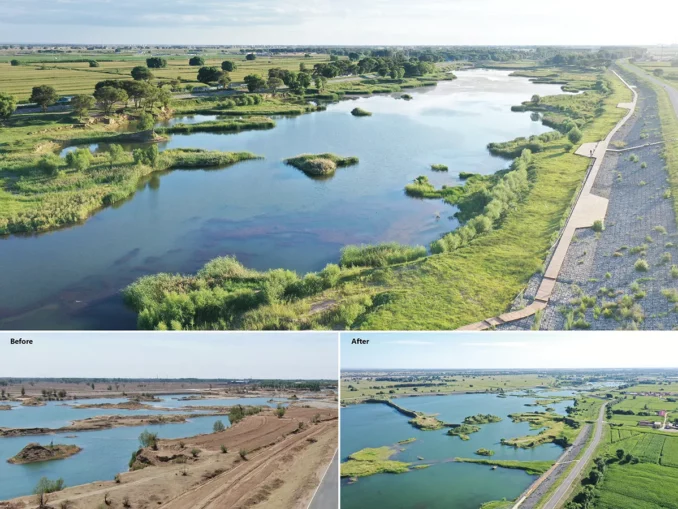
by Shanghai Landscape Architecture Garden Design & Research Institute Co., Ltd (SLADI)
SOCIAL
Landscapes can provide direct impacts on the social well-being of people in their cities, communities and neighbourhoods.
Mental Health
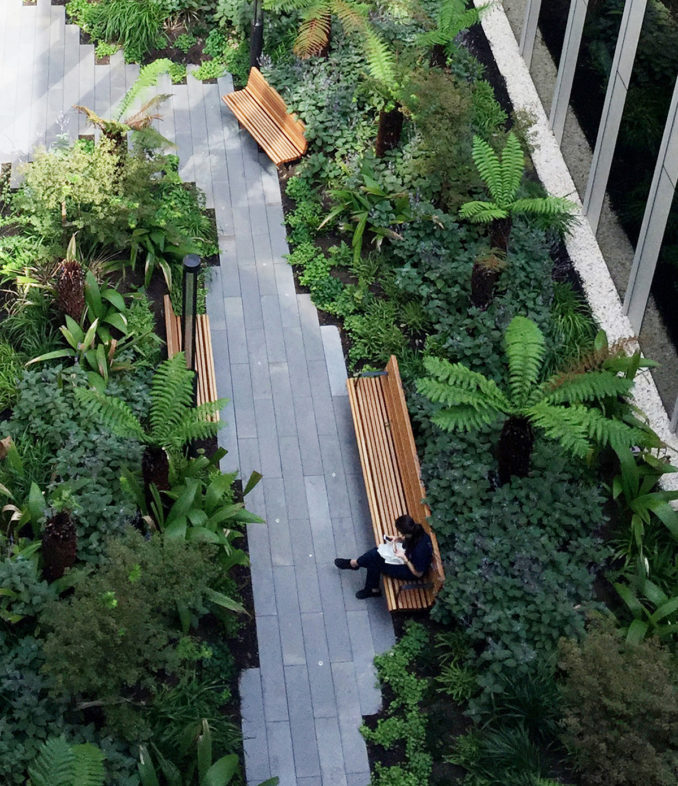
By providing green spaces for people, we can improve their mental health as they reduce stress, anxiety and depression and restore mental focus. Landscape architects design parks, open spaces, therapeutic gardens, and community gardens, which are just a few ways people can become involved in their communities.
Physical Well-being
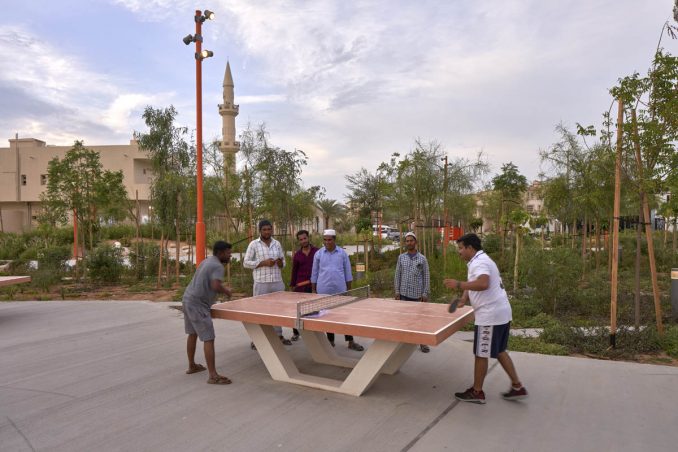
By including shared paths, trails, playgrounds, sports fields and accessible spaces (squares & plazas) in their designs, landscape architects provide places for people to be active and improve their day-to-day health.
Social Cohesion
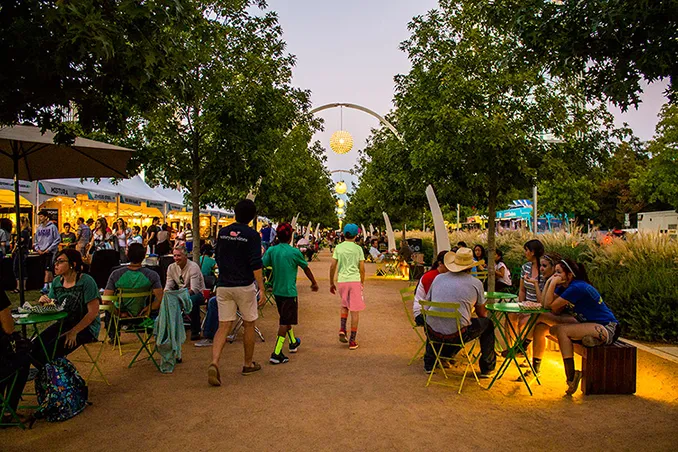
Often called third spaces, parks, plazas, and gardens offer opportunities for people to come together, socialise, interact, and play. Whether it is the daily walk with the dog or the big annual festival, these spaces give people the chance to be a community.
Safety and Equity
Landscape architects can design holistically with considerations of lighting, access, and safety to provide safe spaces for everyone.
ECONOMIC
Although landscape architects are regarded as a cost, the value they add to projects cannot be underestimated and is often an impressive multiple of their fee.
Reduced Infrastructure Costs
The capacity of landscape architects to incorporate nature-based solutions and develop green infrastructure can lower the expenses of stormwater systems and reduce the need for expensive treatment and rehabilitation of rivers and waterways. Also mitigate risks and reduce the costs of rebuilding cities and towns after major events such as floods and storms.

Lower Energy Costs
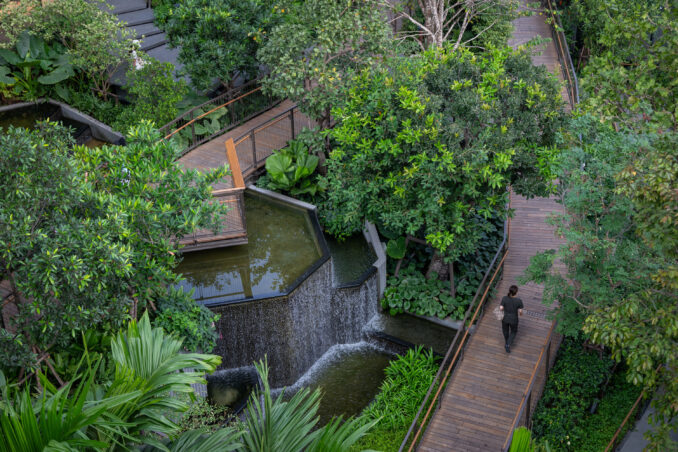
It is possible to reduce buildings’ energy requirements by using urban cooling techniques, such as water features, planting large shade trees and designing for prevailing winds.
Property Values
In many parts of the world, landscapes are seen as capable of increasing property value, whether residential or commercial. They can do so by providing perceived benefits (environmental, social, and aesthetic) that landscapes offer. Would the value of properties overlooking a park or in a heavy tree-lined street be the same without the landscape amenities? However, there is a need to balance the provision of a good housing mix to ensure the social benefits are realised.
Creating Cities for People
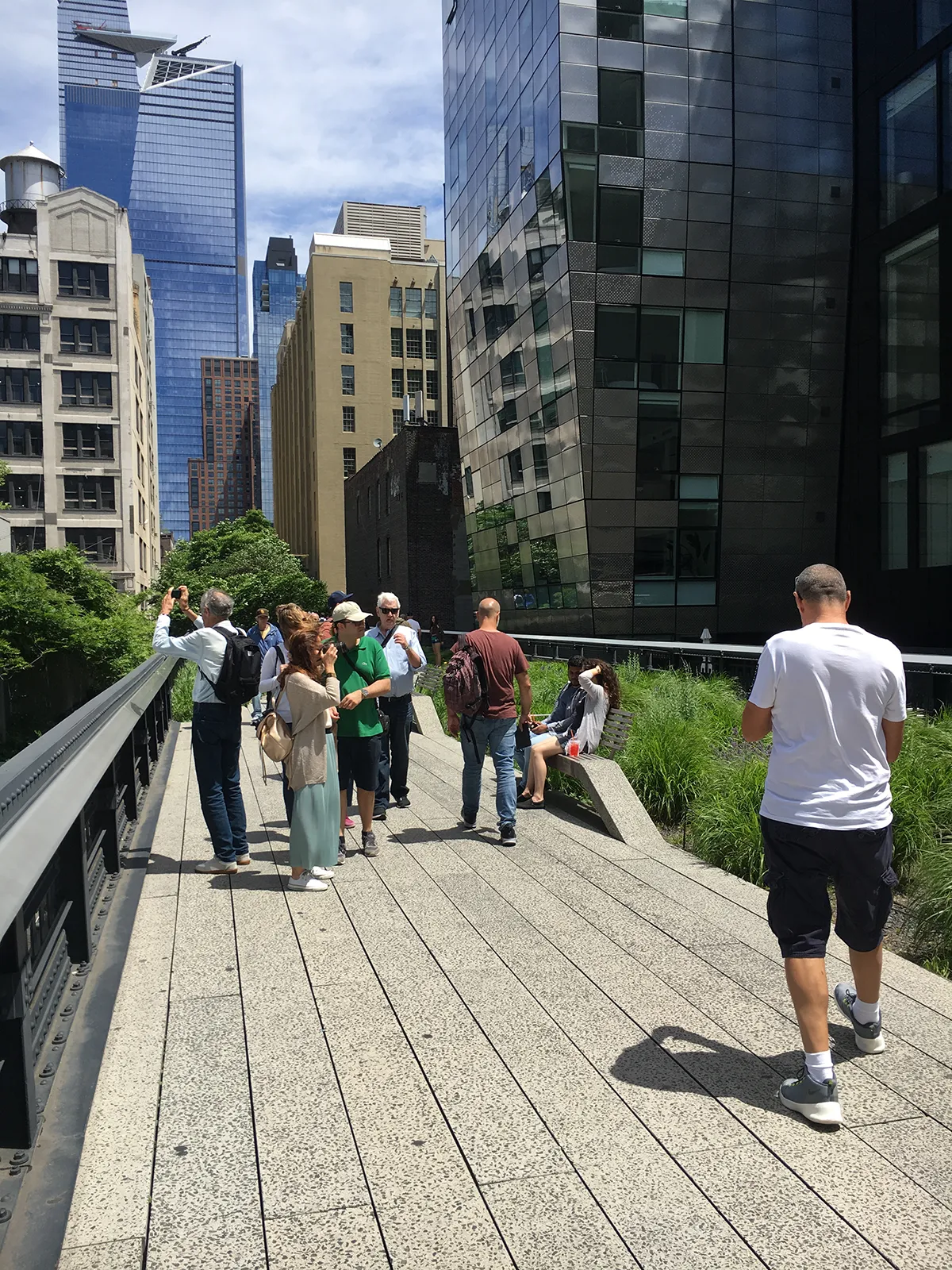
By creating cities designed for people, you can attract more residents by leveraging the environmental and social benefits that good landscape design offers.
Commercial Viability
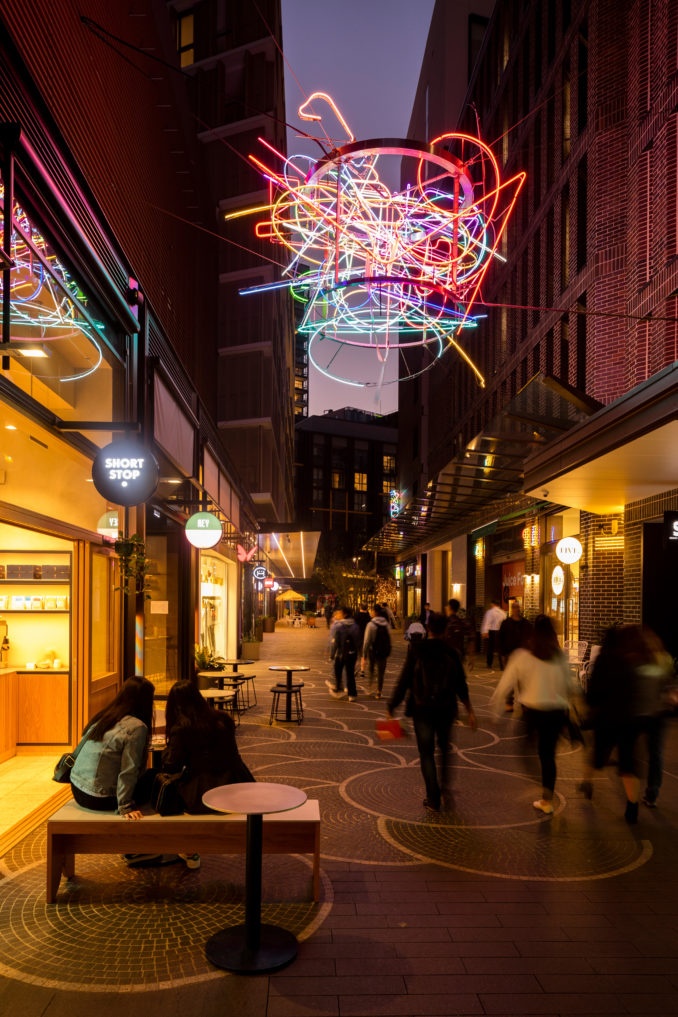
Landscape architects can create designs that draw people to visit, increasing visitation and sales, therefore attracting greater rents. Many of the world’s plazas and streets command higher rents and have better precinct viability through good landscape design.
CULTURAL
Landscape architects can provide cities and places with a sense of memory and identity through the conservation of places and the inclusion of stories.
Preserving Memory
Through memorial design, plaza design, and the preservation of historical landscapes, landscape architects can tell people’s stories and preserve their memories.
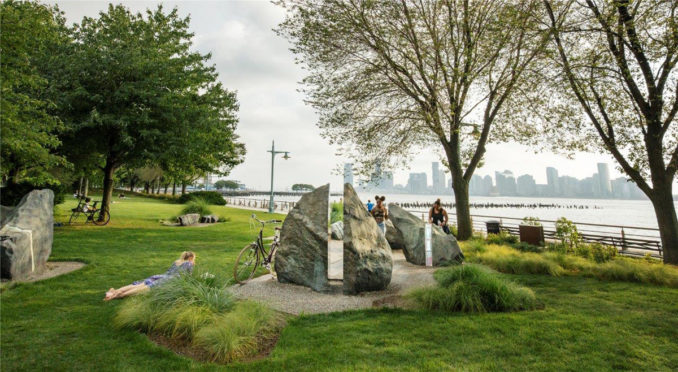
Embracing Identity
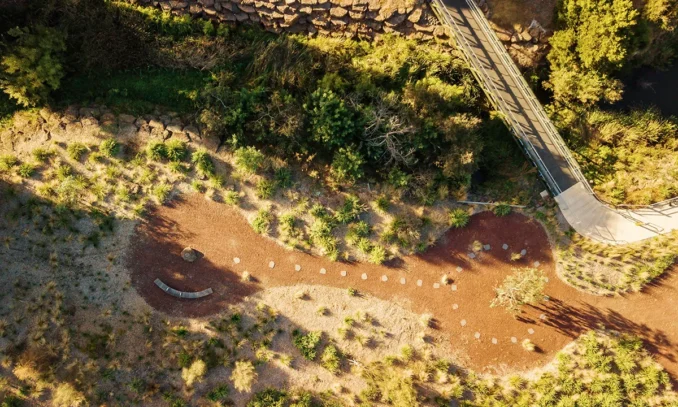
Landscape architects, through the use of materials and plant species, and by involving people (indigenous and local), can create spaces that realise and celebrate a place’s identity.

The value of landscape architecture is intrinsic to the lives of people and cities. As a profession, we have the ability to problem-solve, collaborate, and create value, whether environmental, social, economic, or cultural. We have the ability to see the potential beauty and value in what exists or what could be.
Article by Damian Holmes, Founder and Editor of World Landscape Architecture.