
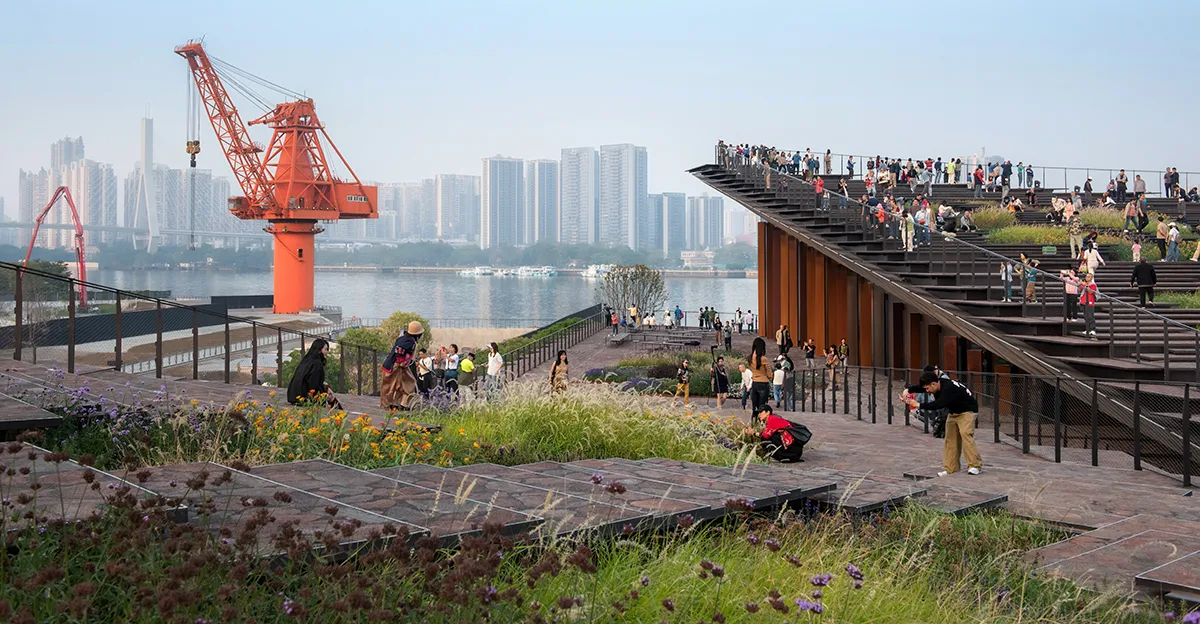
Shipyard 1914 lies on the former premises of Guangzhou Shipyard in Liwan District, covering approximately 8.0541 hectares. Centred on the urban renewal of old industrial heritage, the project rejects reckless demolition and static conservation. Adopting the core strategy of “ultimate preservation and high-level intervention”, it retains the original industrial texture and site spirit while incorporating cultural buildings designed by Kengo Kuma to achieve harmony between tradition and modernity. Transforming the derelict shipyard into a public cultural landmark that integrates riverside ecology and urban life, it sets a replicable benchmark for revitalising industrial heritage.
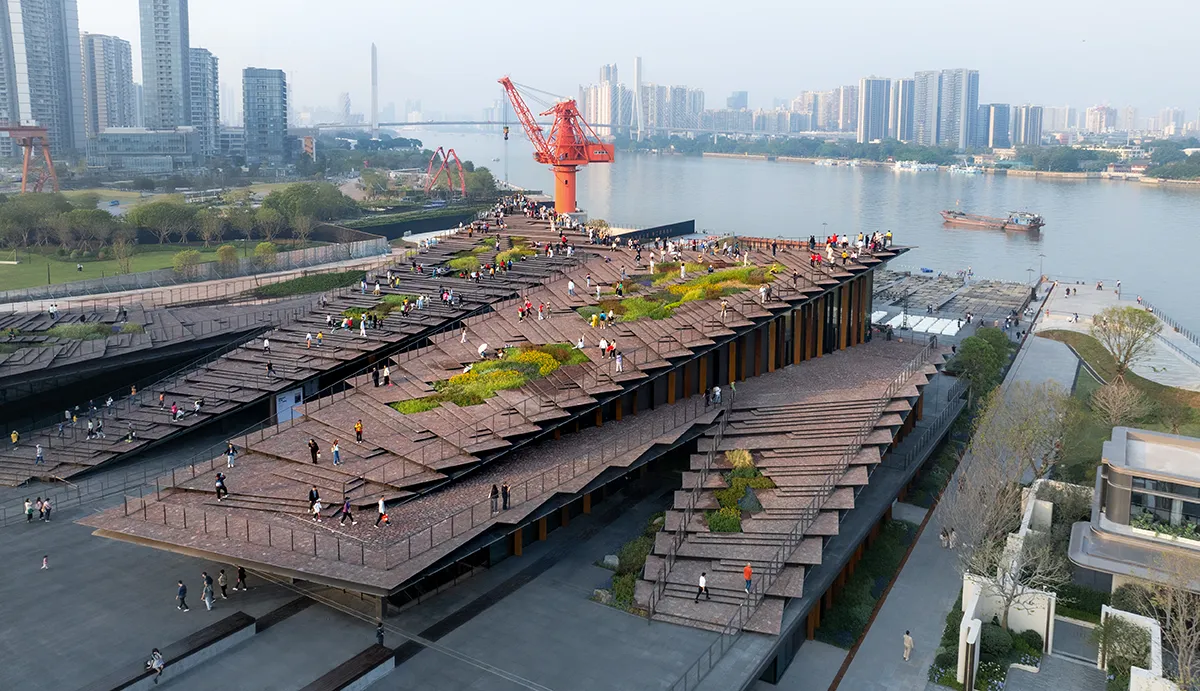
Founded in 1914, Guangzhou Shipyard is the cradle of modern shipbuilding in South China, having witnessed a century of growth in China’s shipping industry. After ceasing operations in 2017, the century-old ship platforms were constrained by limited space, untapped historical value, and rigid renovation methods. Numerous industrial sites along the Pearl River have long been caught between reconstruction and rigid preservation, struggling to balance urban expansion and historical heritage.
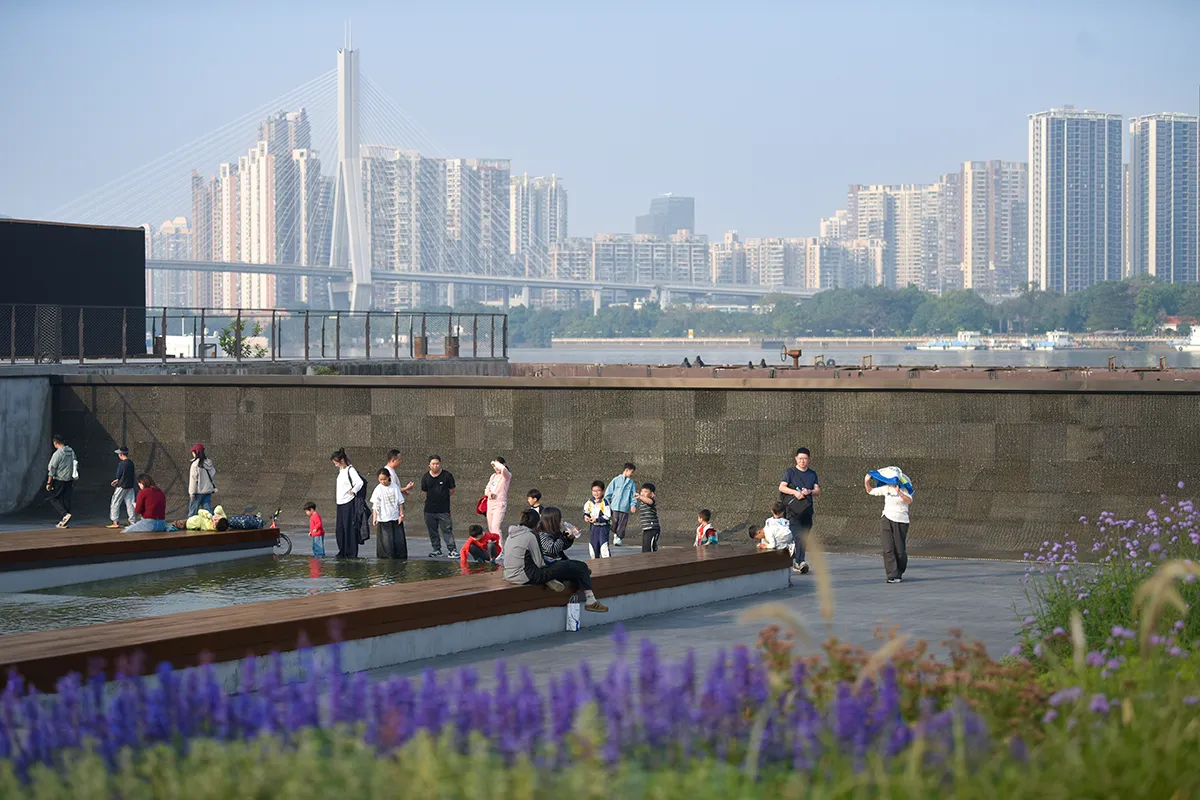
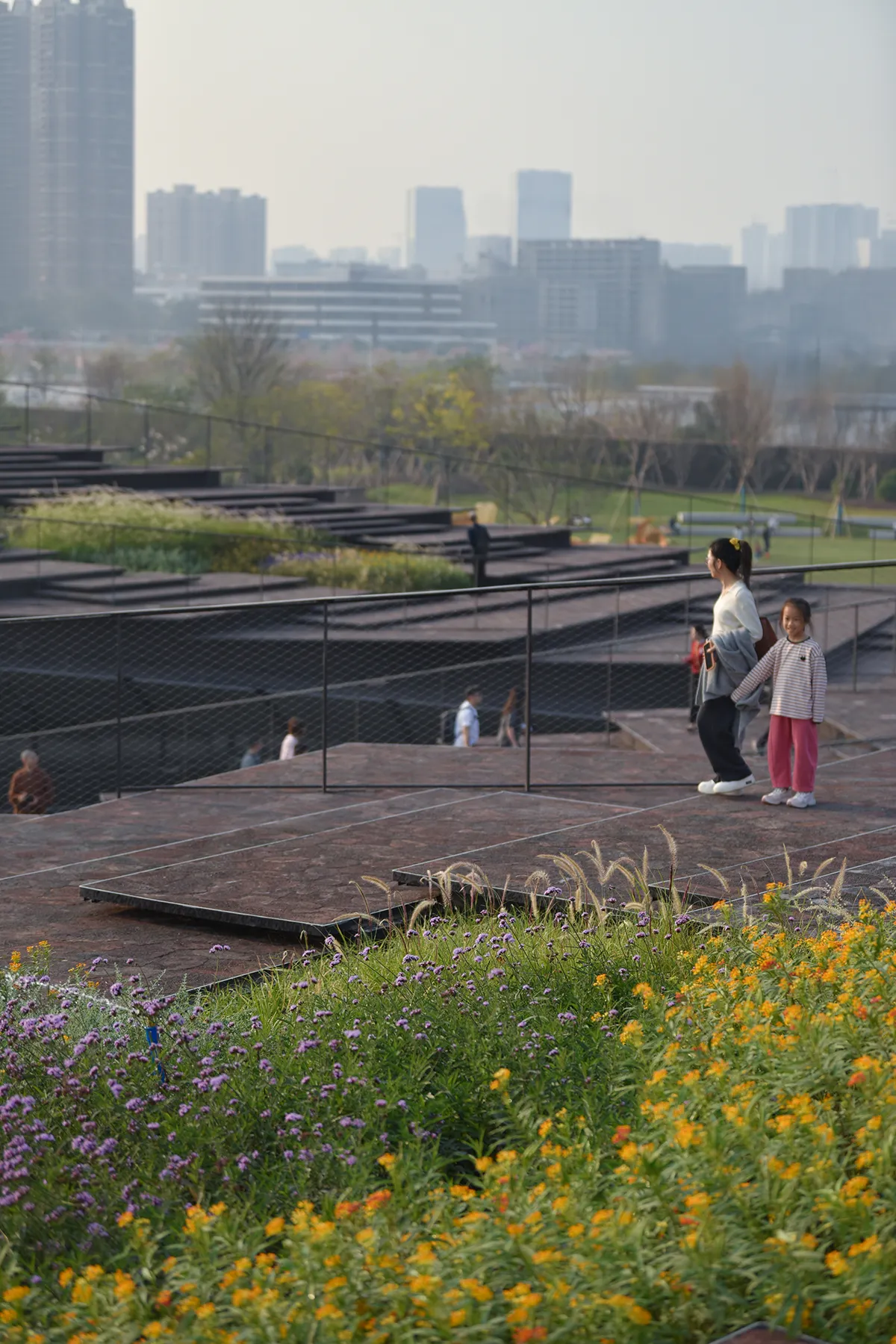
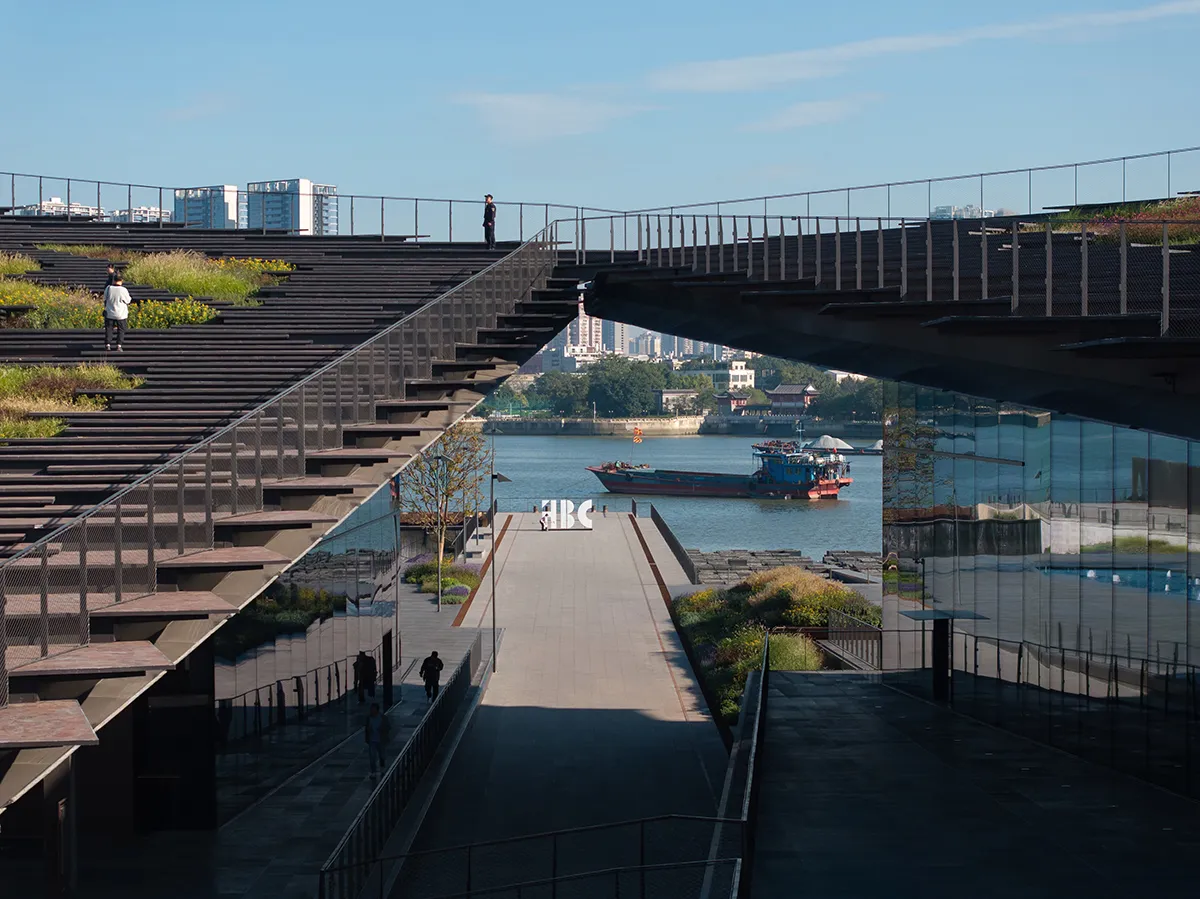
Instead of superficial renovation, the project aims to truly revitalise industrial heritage. Taking industrial relics as natural viewing frames along the river, it coordinates three vital relationships: the integration of heritage features and waterfront scenery, the combination of industrial memories and public experience, and the dialogue between traditional shipyard culture and contemporary urban life. Officially opened in November 2025, Shipyard 1914 has emerged as a model for industrial heritage regeneration in Guangzhou. It fully preserves the historical fabric of the industrial site, with Kengo Kuma’s earth-sheltered architecture subtly embedded into the original industrial landscape, creating a rich spatial dialogue between past and present. An immersive riverside walking route is constructed to form layered waterfront landscapes. By applying local materials and ecological planting, the site maintains its historic charm while achieving low maintenance and sustainable development. It seamlessly blends shipping culture, riverside scenery, and everyday urban leisure, blurring the boundaries among industrial relics, natural views, and public life. The site has drawn crowds of residents and visitors, revitalising the whole area and endowing the century-old shipyard with new vitality as a distinguished waterfront cultural landmark. This practice verifies that non-demolition, non-seclusion, mild intervention and public-oriented design enable industrial heritage to conserve historical memories and embrace future urban development.
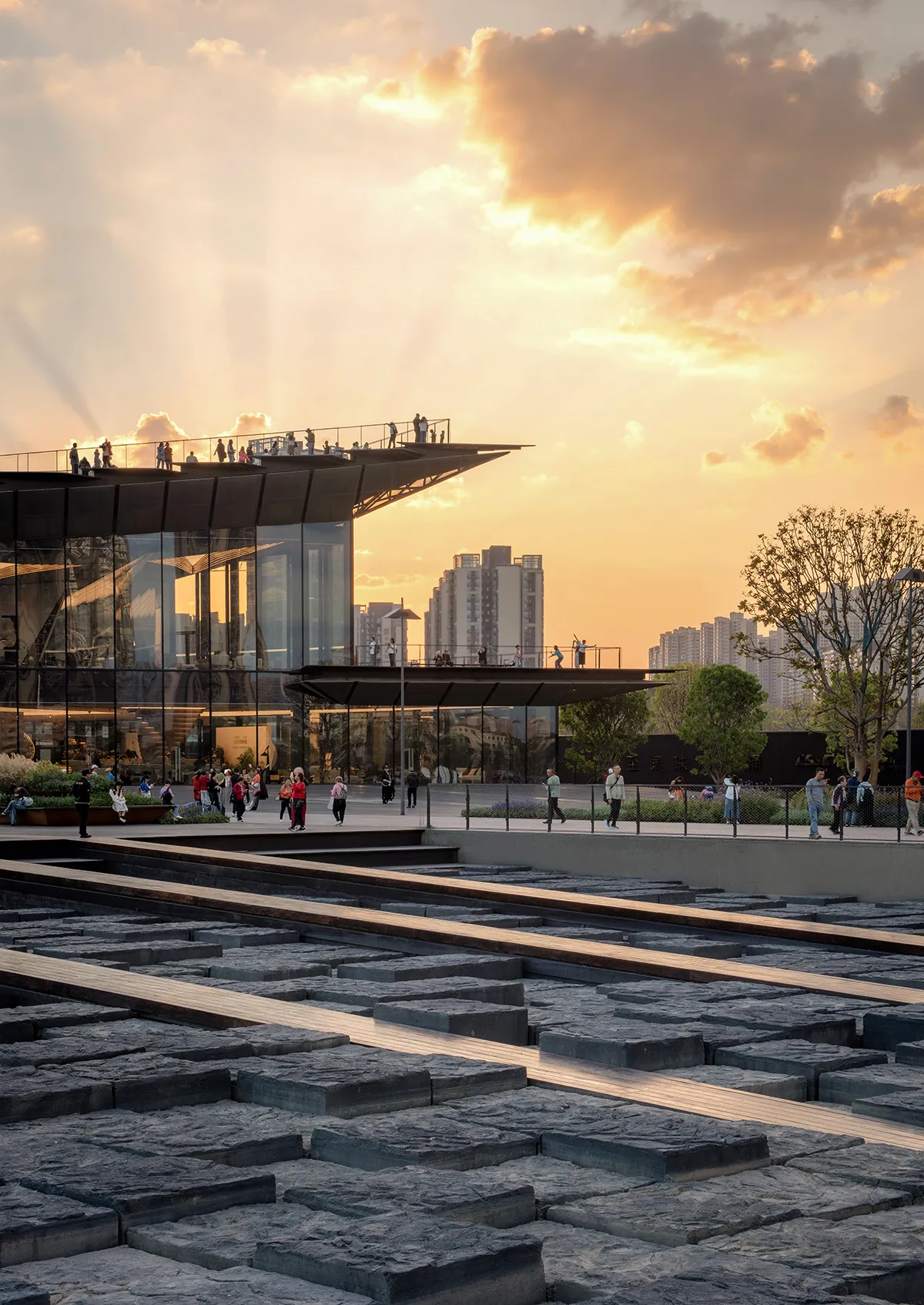
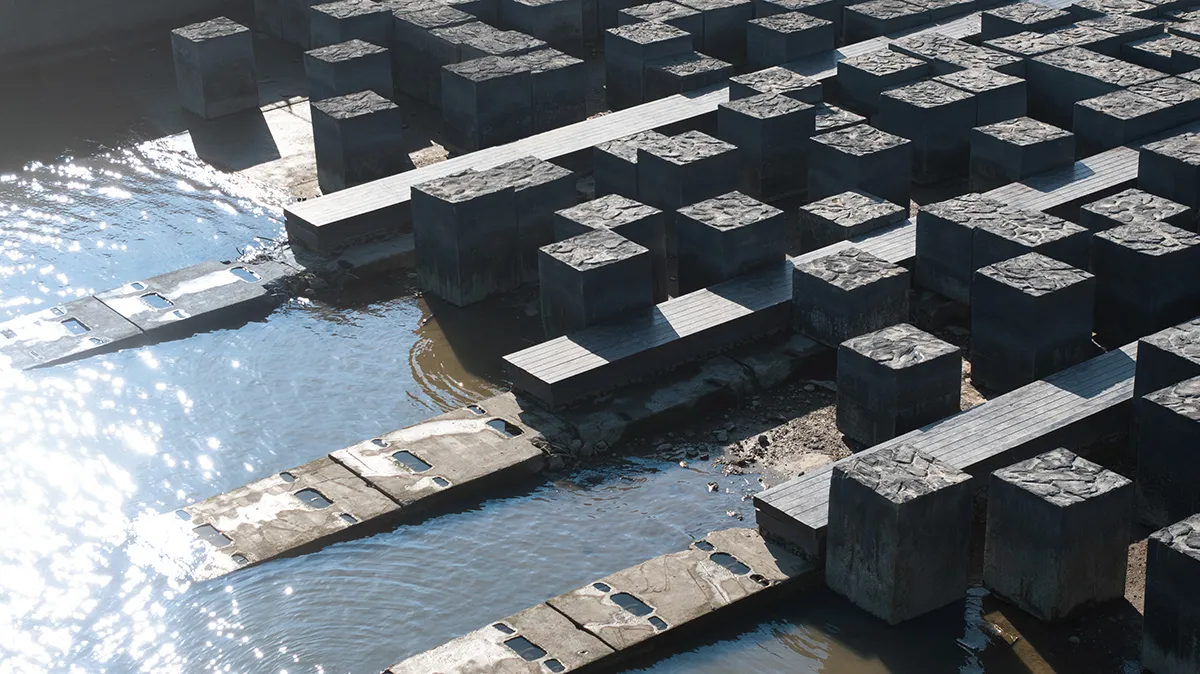
Rooted in the shipyard slipway’s industrial heritage, this project strictly adheres to heritage conservation guidelines during construction and promotes low-intervention development. It blends practical functionality with aesthetic appeal, transforming rigid industrial boundaries into versatile public spaces.
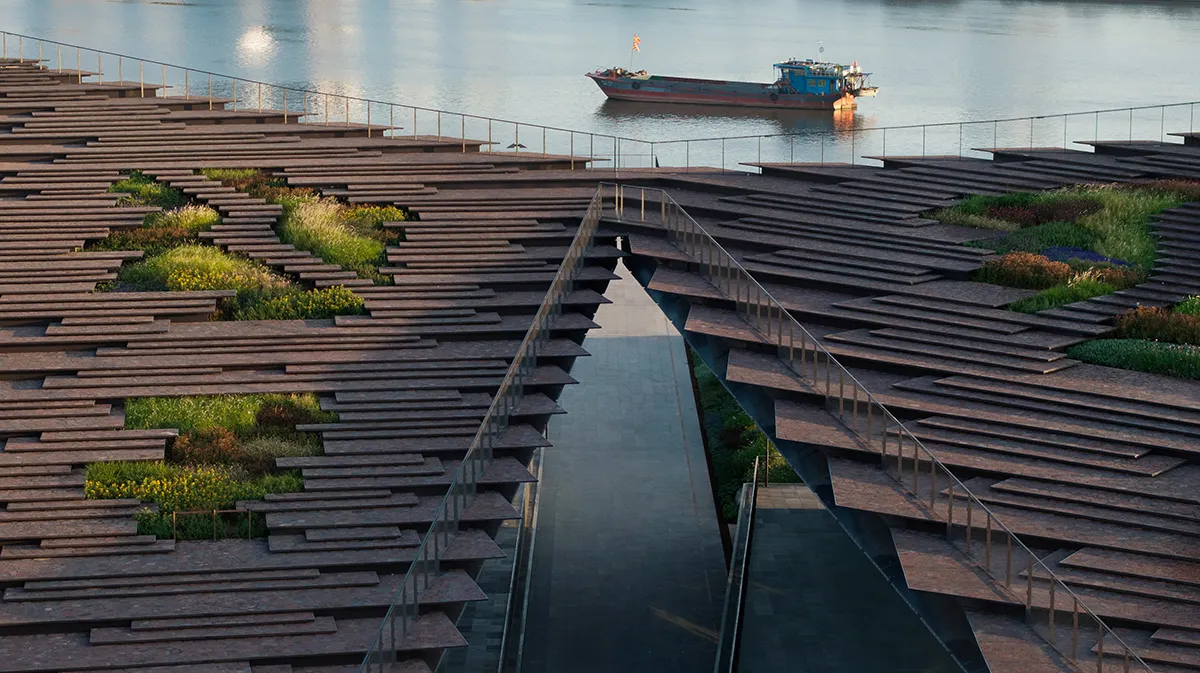
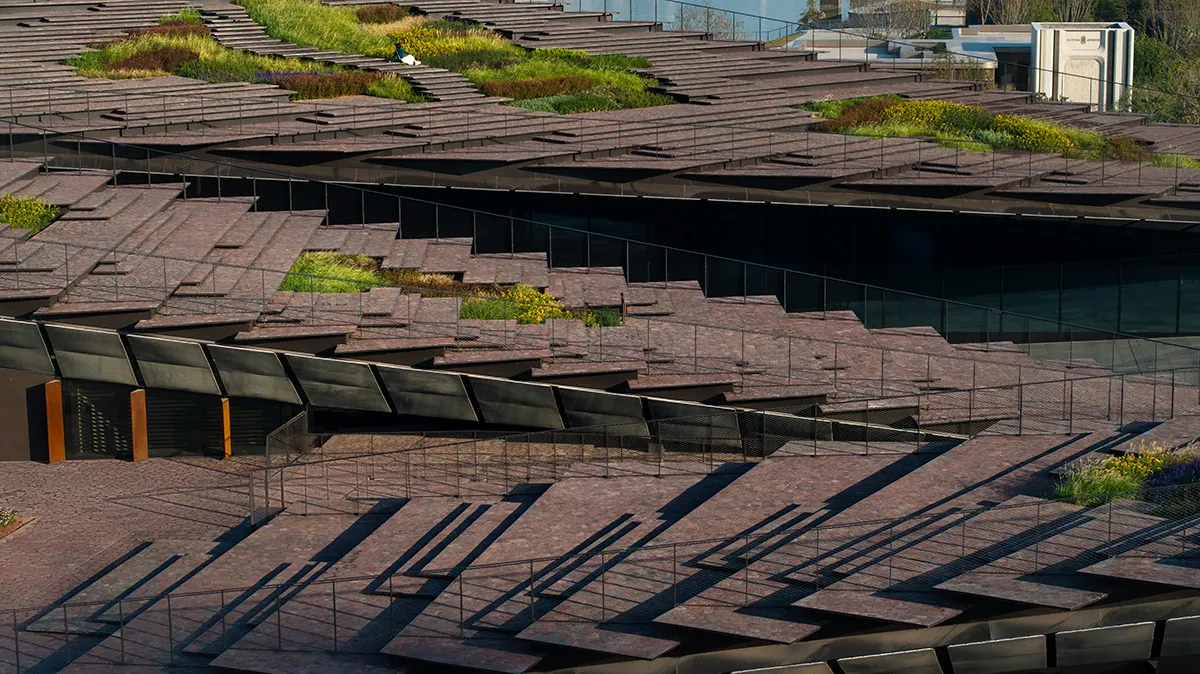
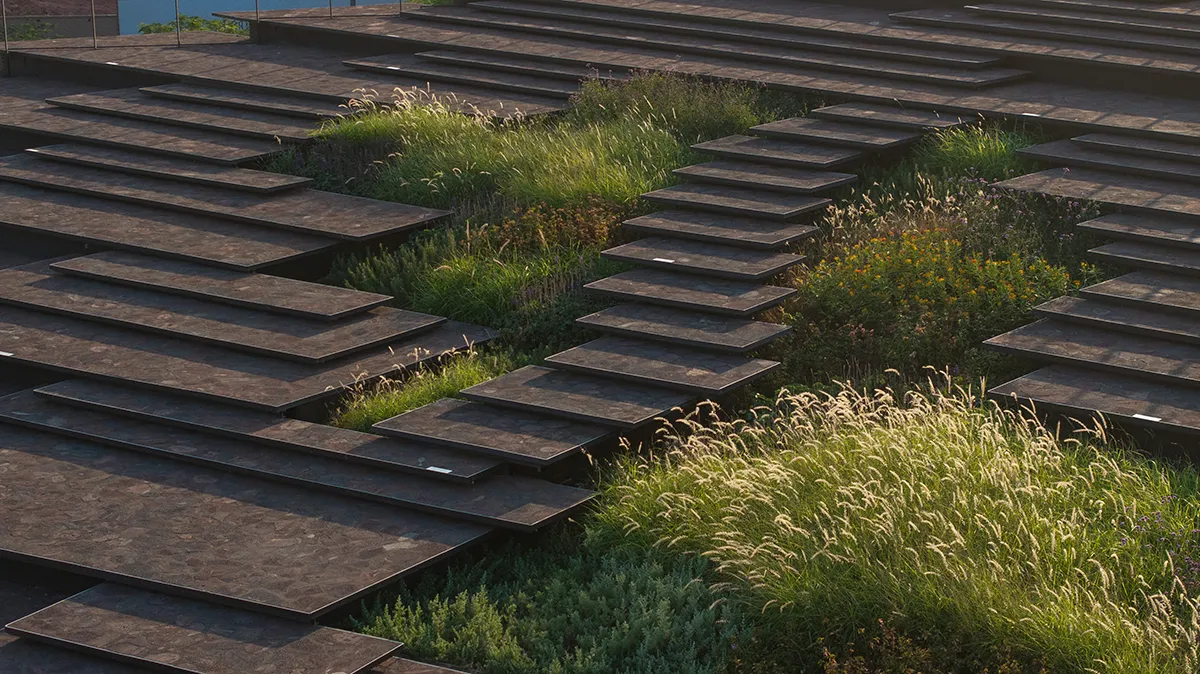
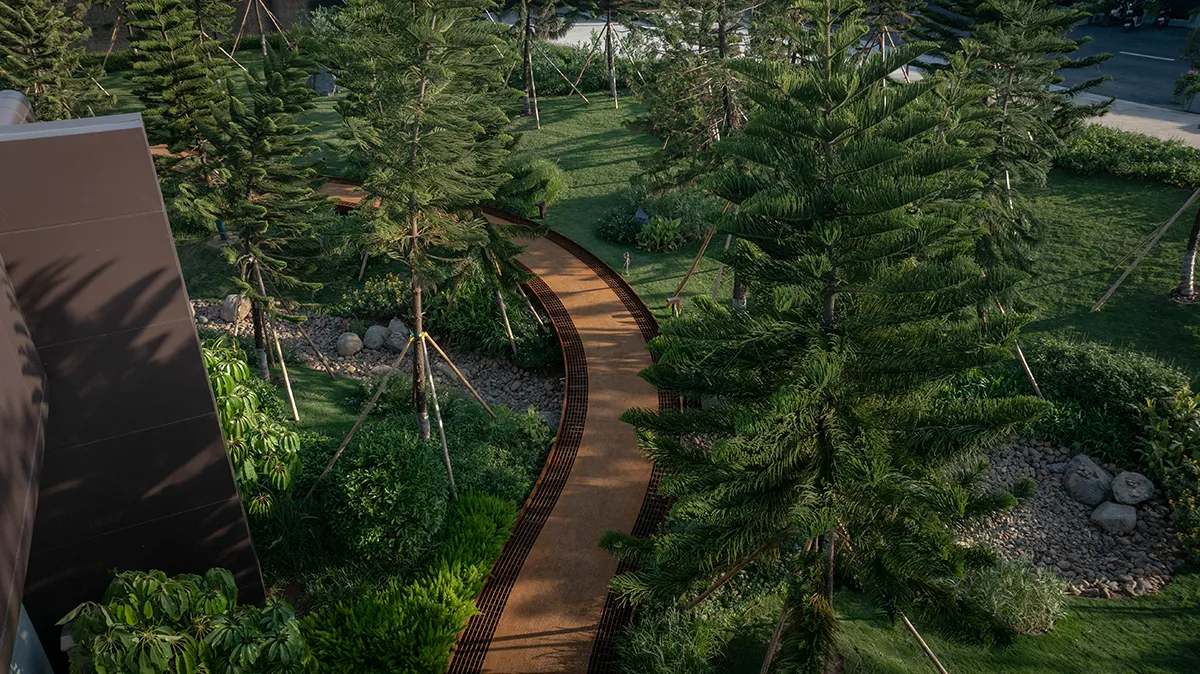
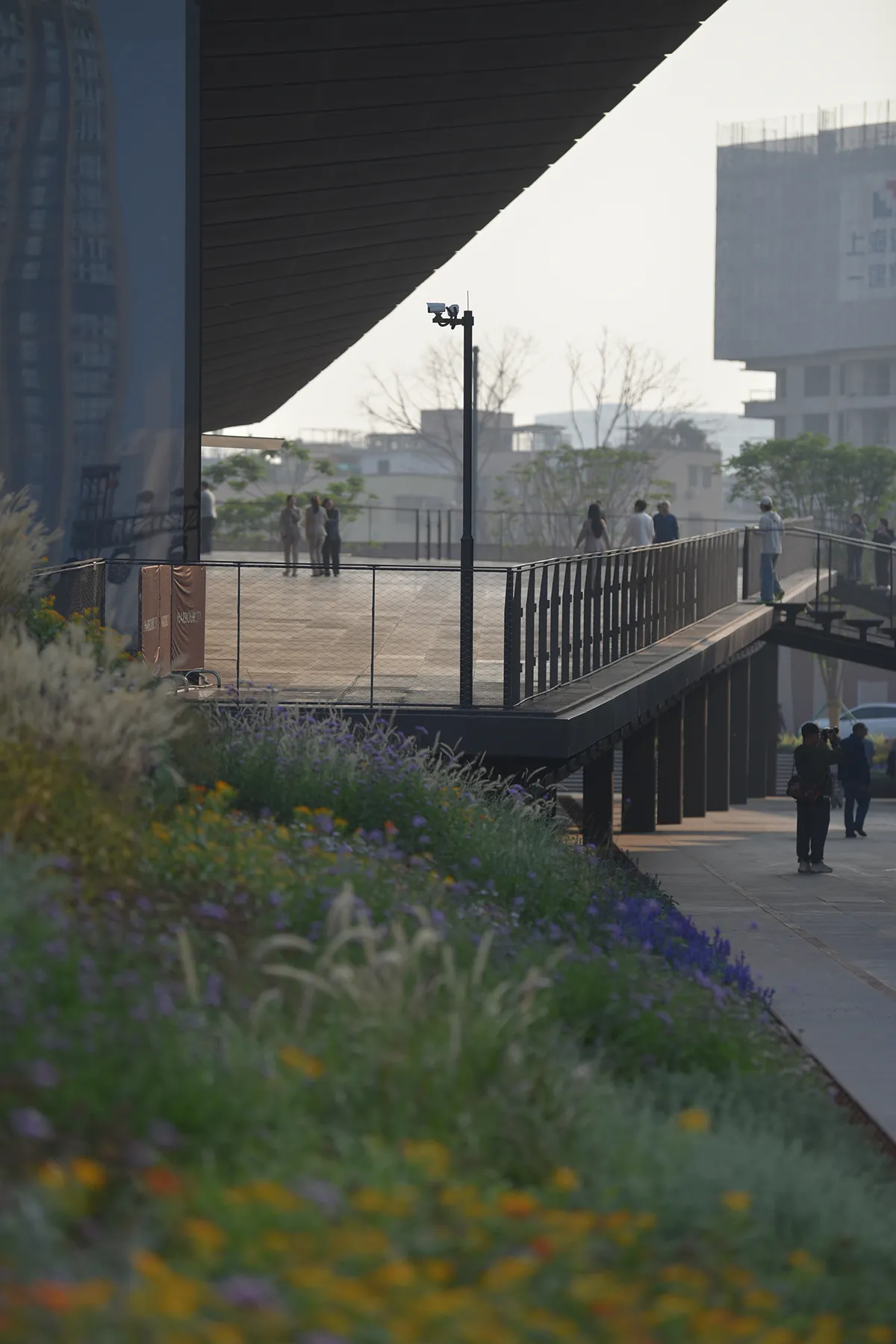
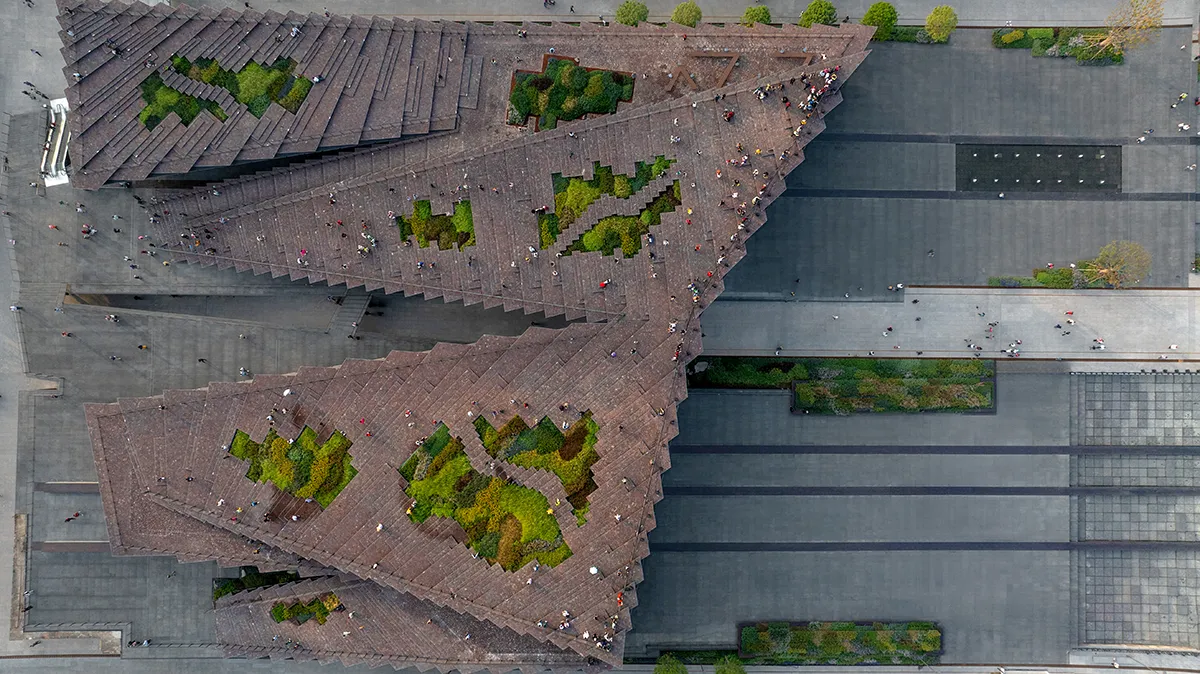
Features such as terraced landforms, water curtain plazas, waterfront platforms, and permeable green landscapes soften the stark, isolated feel of the relics. The large ship slipways are reimagined as accessible, climbable, viewable, and social three-dimensional spaces, shifting from industrial use to urban lifestyle hubs. The design respects the site’s industrial cultural context and riverside characteristics, achieving a natural balance between preserving the original landscape and renewed development. It preserves the heritage layout and balances protection with public use. The project offers an inclusive, age-friendly space for all, tackling issues like limited heritage revitalization, ecological damage, fragmented interfaces, and dull cultural displays with innovative approaches such as spatial transformation, ecological integration, cultural storytelling, and multi-functional design. Additionally, sustainable technologies like soil remediation, rainwater management, and native plant restoration are employed to rehabilitate the site’s ecology. Ultimately, it fosters a harmonious blend of industrial heritage preservation, ecological restoration, and urban public space development.
Activating Industrial Relics
Revitalizing the outdated image of traditional industrial sites, this project effectively addresses the long-standing challenge of activating industrial relics. It transforms from mere “industrial ruins” into a prominent urban cultural landmark, creating an ideal pathway for leveraging valuable industrial heritage.
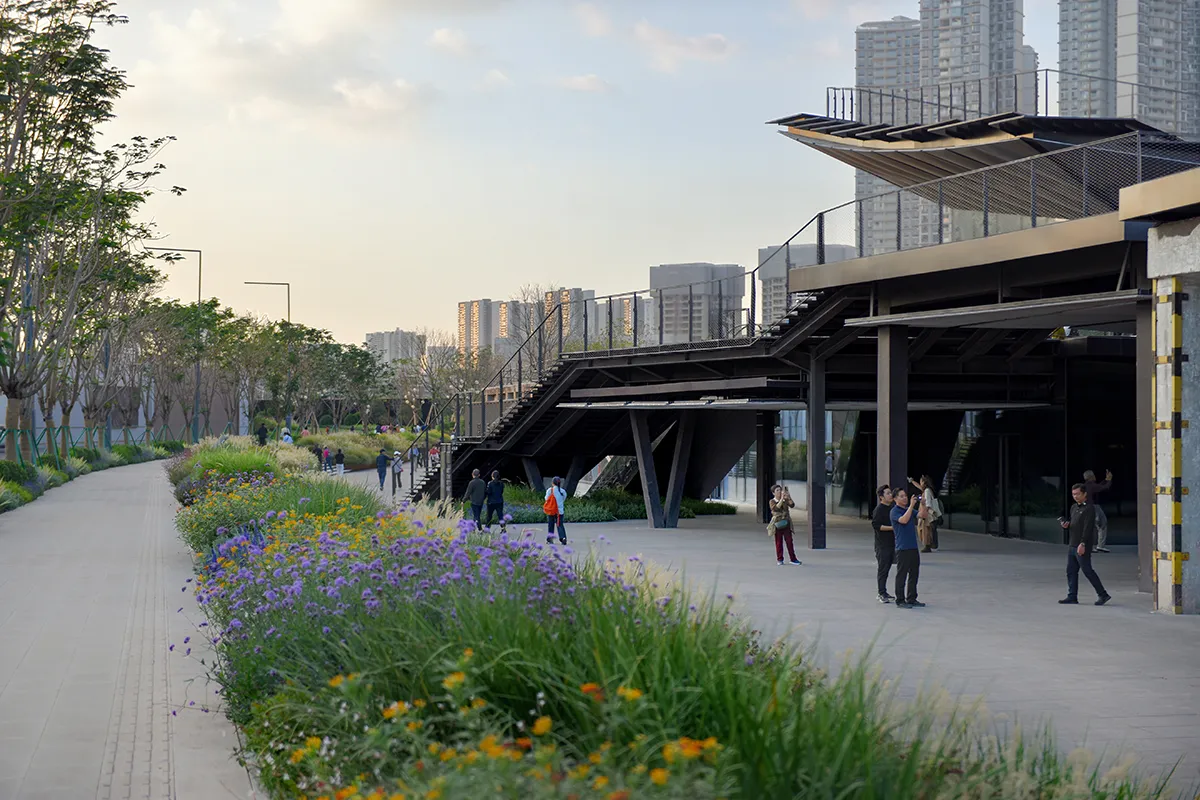
1. Spatial Value: Converted from an abandoned industrial area into a thriving cultural and tourist spot, it has attracted over 100,000 visitors since its opening on November 28, 2025, and garnered 900,000 views on Xiaohongshu (Rednote social media), becoming a key symbol of the city’s cultural appeal.
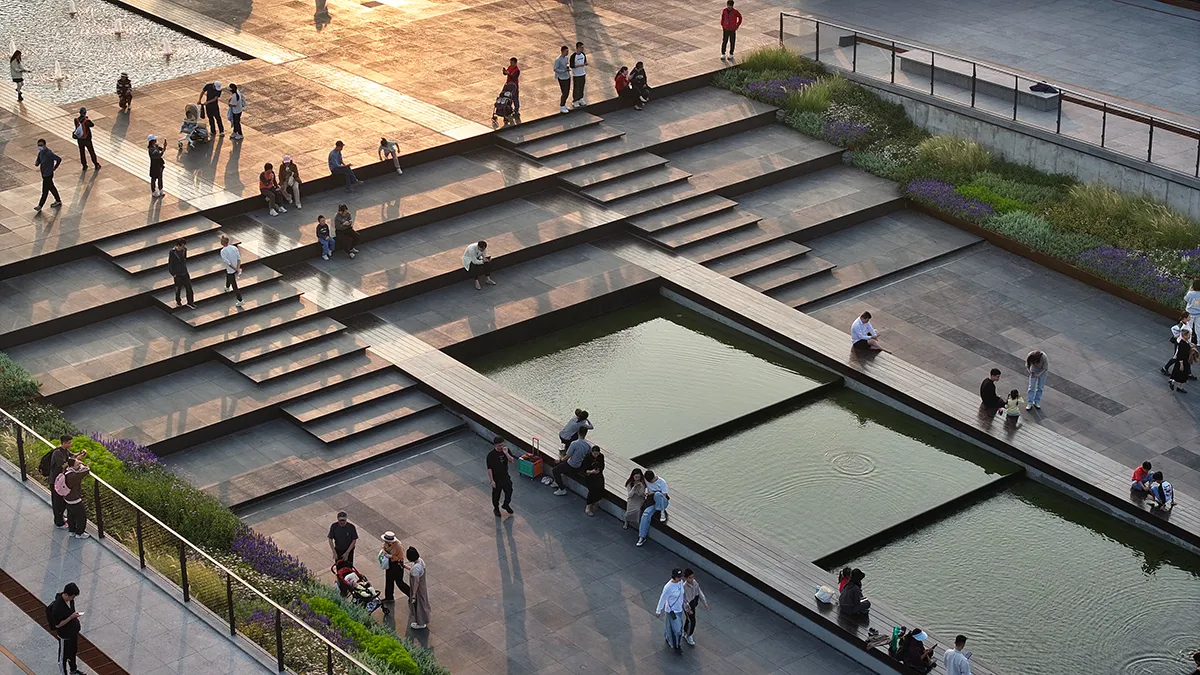
2. Cultural Value: By employing modern architectural language to interpret industrial aesthetics, it makes the century-old shipyard history an engaging, tangible, and participatory experience, embedding industrial culture into community life.
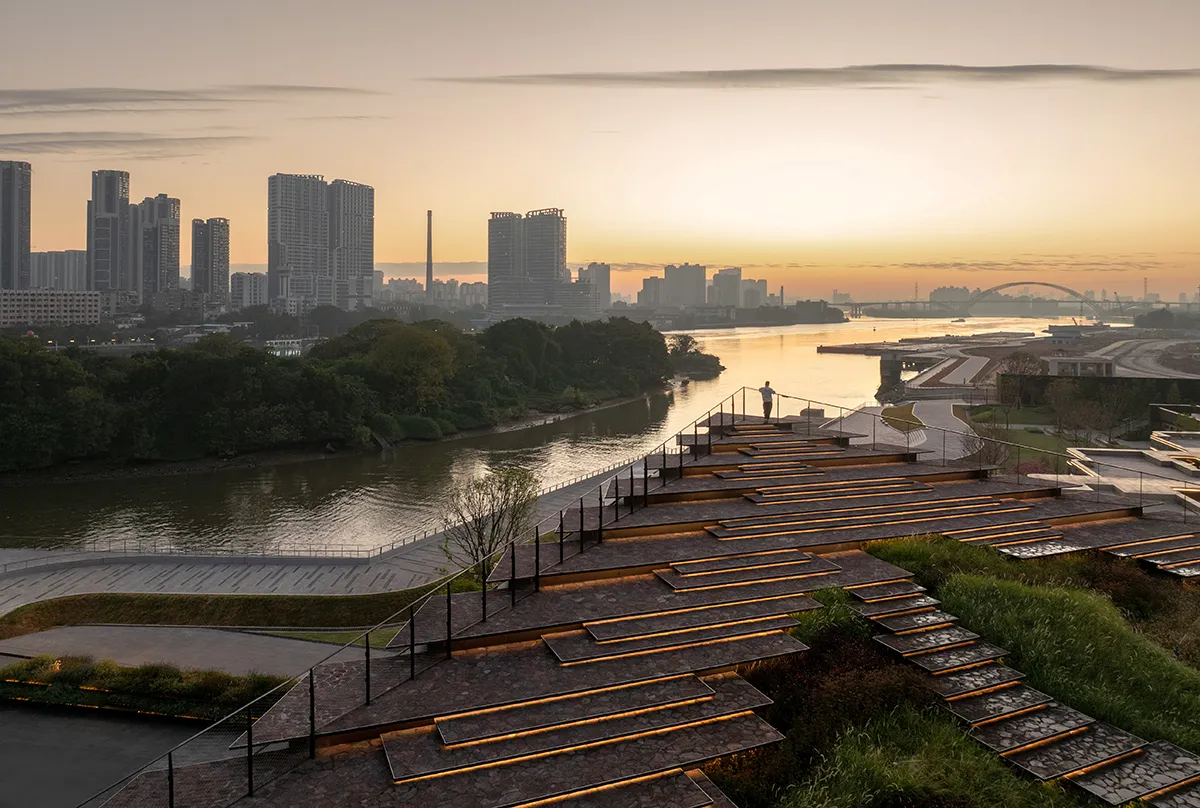
3. Ecological Value: Through comprehensive soil remediation and planting, it has established a complete ecological system that supports nearly 100 bird species and promotes sustainable development via a sponge water cycle system.
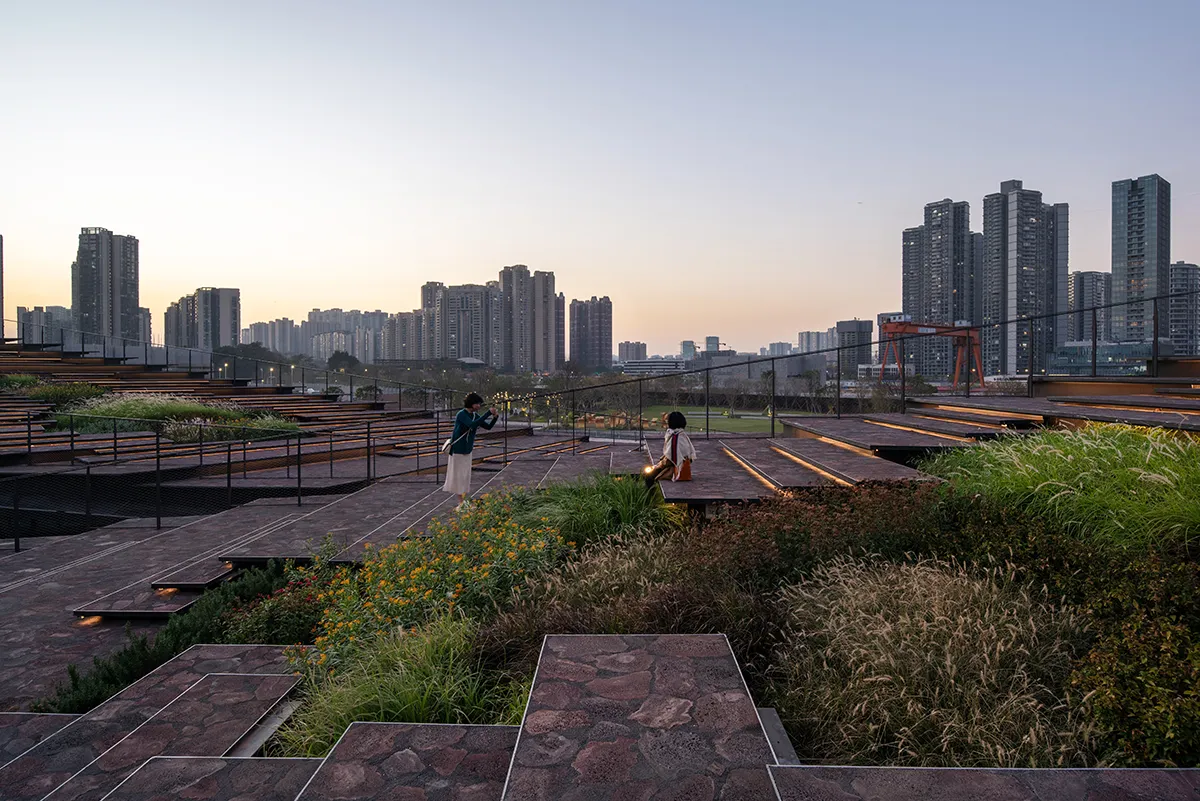
4. Operational Value: Leveraging its distinctive industrial charm, it hosts high-end fashion shows, water displays, and art exhibitions, fostering a vibrant and sustainable operational ecosystem.
5. Urban Value: As a key cultural icon, it demonstrates that top-tier contemporary interventions are the most effective way to revitalize industrial heritage, offering a scalable model for large-scale industrial renewal and boosting the city’s cultural influence.
Sustainability
Focusing on ecological restoration and habitat conservation, this project employs sustainable design principles to address environmental issues at the former Guangzhou Shipyard slipway site. To resolve historical problems such as heavy metal contamination, surface hardening, and ecological decline, it utilises integrated techniques including soil improvement, soil solidification, vegetation planting, and wetland treatment. These methods systematically target water and soil pollution, mitigate on-site environmental risks, and transform contaminated sites into scenic landscapes and regenerated wasteland. Under the low-impact development approach, features such as permeable pavements, rain gardens, and ecological grass ditches form a sponge-like water-circulation system that enhances rainwater management, reduces urban waterlogging, and improves ecological resilience along the riverfront. The project also preserves original riverfront vegetation, introduces native Lingnan trees, reconstructs a sustainable local ecosystem, and establishes connected habitat corridors. This creates habitats for wildlife, boosts regional biodiversity, supports UN Sustainable Development Goals, and promotes the ecological renewal of abandoned industrial lands.
Shipyard 1914
Location: Guangzhou, China
Client: Guangzhou Ruihong Real Estate (广州瑞鸿置业有限公司)
Landscape Architect: DDON
Landscape Team: Luo Yongqiang, Wu Haize, Wu Xiaoyi, Ruan Qicai, Huang Jinxian, Wei Jing, Ai Xian, Long Chunjiao, Gong Chuyao, He Qinlin, Chen Hao, Lü Caisheng, Chen Changfeng, Hu Xiaojuan
Landscape Construction:
Palm Eco-Town Development Co., Ltd.
Guangzhou Yijing Landscape Engineering Co., Ltd.
Architectural Design:
Kengo Kuma & Associates
Shanghai Tianhua Architecture Planning & Engineering Co., Ltd.
Interior Design:
Kengo Kuma & Associates
Moshe Architectural Design (Shanghai) Co., Ltd.
Shenzhen JN Creative Design Co., Ltd.
Photography: Chaoyue Vision