
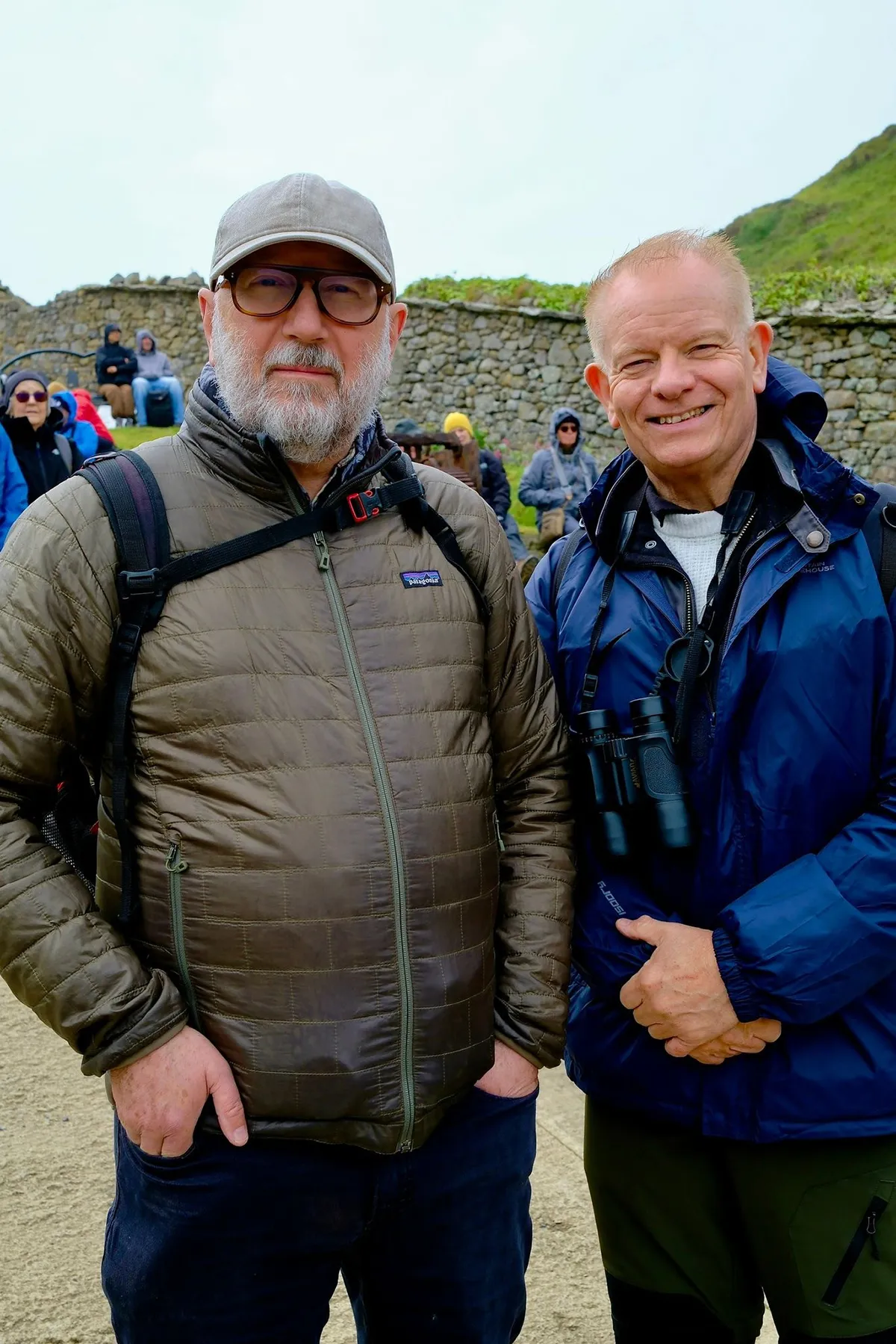
Landscape architect Andrew Grant, RDI of Grant Associates, and ecological designer Mike Wells, RDI of Biodiversity by Design, discuss how three decades of working together have changed their thinking, and why biodiversity must help generate design rather than become a layer of assessment or compliance.
WLA | What has changed most in your thinking about biodiversity over the past 30 years?
Andrew Grant – Thirty years ago, I knew that biodiversity needed to be a key part of sustainable landscape architecture. But back then, projects often focused most on ‘hero’ species like the legally protected Black Redstart in England. Today, biodiversity is much closer to the centre of the design conversation globally, although some practitioners still treat it as a design constraint rather than a creative opportunity. Nowadays I design holistically – integrating ecologically robust, diverse habitats, that support many species, sometimes in novel combinations, and connect into larger living systems with extensive co-benefits. My collaborations with Mike combine creative landscape design with ecological science. Our rapport is founded on a deep mutual respect for our respective disciplines, combined with a willingness to cross boundaries. The fact that Mike and I are both Royal Designers for Industry reflects a shared belief that ecological thinking belongs within design culture, not outside it.
Mike Wells – Thirty years ago, my reports might have begun with protective legislation, but regulation alone has not stemmed global biodiversity loss. Today, my conviction that biodiversity needs legal protection has not changed, but I now focus from the outset on making biodiversity part of multifunctional design and explaining its long-term benefits to clients and communities. Working with Andrew has given me a solid understanding of the thinking behind landscape architecture, architecture and engineering, complementing my ecological knowledge. I increasingly use ‘ecological designer’ or ‘ecourbanist’ rather than simply ‘ecologist’, because professional labels can limit the role others imagine you should play in projects.
WLA | What does a biodiverse landscape look like?
Andrew Grant – A biodiverse landscape may not look conventionally attractive. A derelict urban site, for example, can appear untidy or neglected while supporting a rich variety of species through its mix of vegetation, habitats, microclimates, soils and water. Design can make biodiversity legible and understood, enjoyed and valued. In cities especially, birdsong, amazing insects, seasonal flowers, shade and water can create uplifting experiences – helping people see biodiversity differently, and become more aware of it.
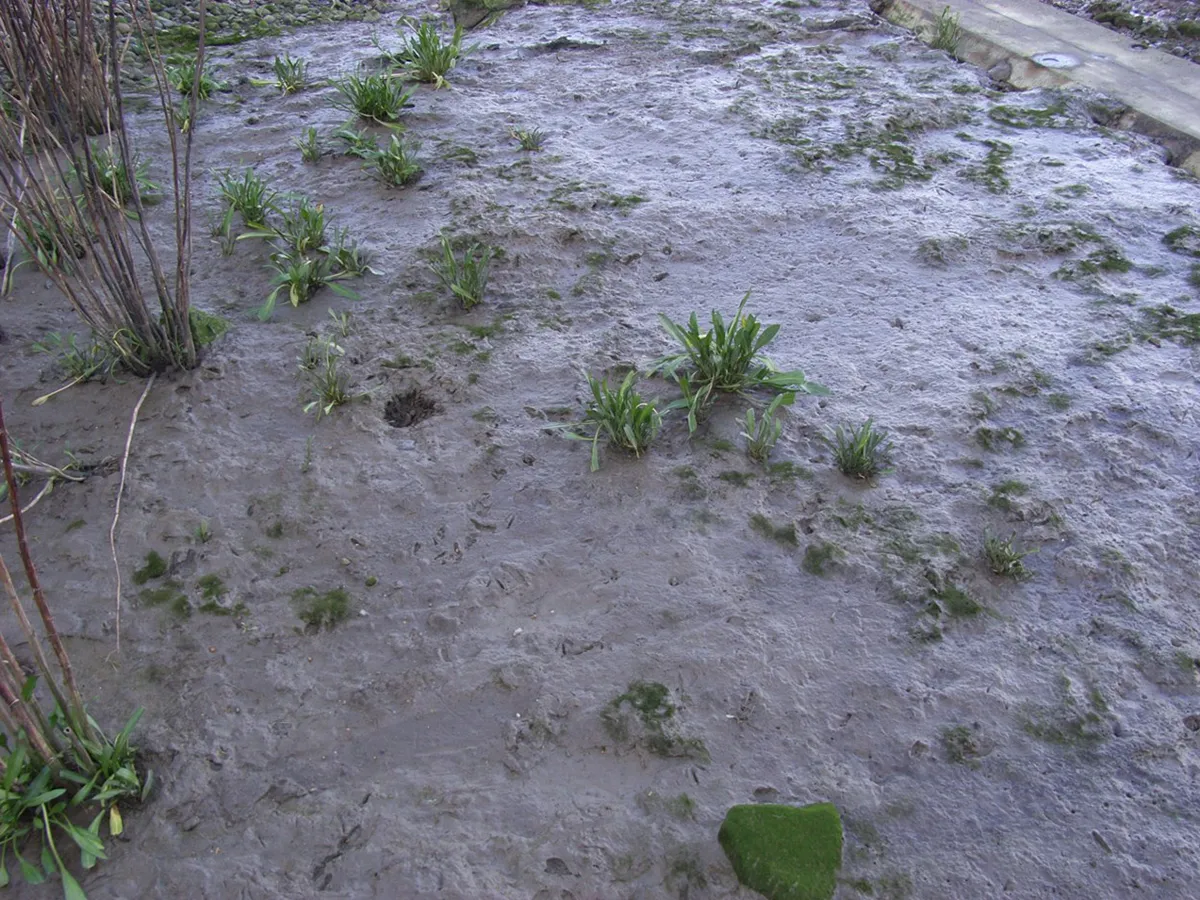
Mike Wells – The level of biodiversity in a landscape is habitat-specific. But within a given habitat, research suggests that people can perceive greater biodiversity and may gain more psychological benefit from it, even without specialist knowledge. Some habitats are naturally species-poor but have enormous conservation and ecosystem-service value, such as exposed mudflats. Others can be visibly biodiverse in summer yet appear lifeless in winter. Moreover, people may benefit from seeing a landscape at its abundant best, but also from knowing that its latent wonder remains when it has died back. Knowledge can make all the difference to the benefits, and creative interpretation can help people appreciate biodiversity in all its forms.
WLA | What changes when ecological design helps shape a project from the outset?
Andrew Grant – Ecologists should be part of the design process, not confined to site analysis or biodiversity metric calculations. Biodiversity is not simply something to tick off; it can be a powerful design element. Mike is a designer as much as I am, although we approach each place from different starting points. The process depends on trust: entering each other’s territory, testing ideas and debating priorities before deciding the way forward together. Tension can arise when a habitat requirement appears to compromise another objective, but this is often productive. It makes us seek a response in which ecology, human experience and the identity of place reinforce one another. The process is rarely linear. We may move repeatedly between ecological analysis, spatial ideas, materials and practical constraints before the right synthesis becomes clear.
Mike Wells – Experienced design ecologists should be involved from the beginning. Specialist knowledge may be required at different stages, but early ecological imagination can shape the concept rather than assess a largely completed design. Integrating healthy, biodiverse semi-natural habitat into cities in a way people accept can be very challenging and demands sophisticated ecological design. I bring detailed knowledge of habitats, species and ecological processes to the table as design ingredients. Andrew has a particular ability to identify the core opportunity, synthesize these ingredients and extend their geographical and social reach beyond the ownership boundary. The best results come when neither discipline simply passes requirements to the other; we develop the proposition iteratively and remain engaged through construction and long-term management.
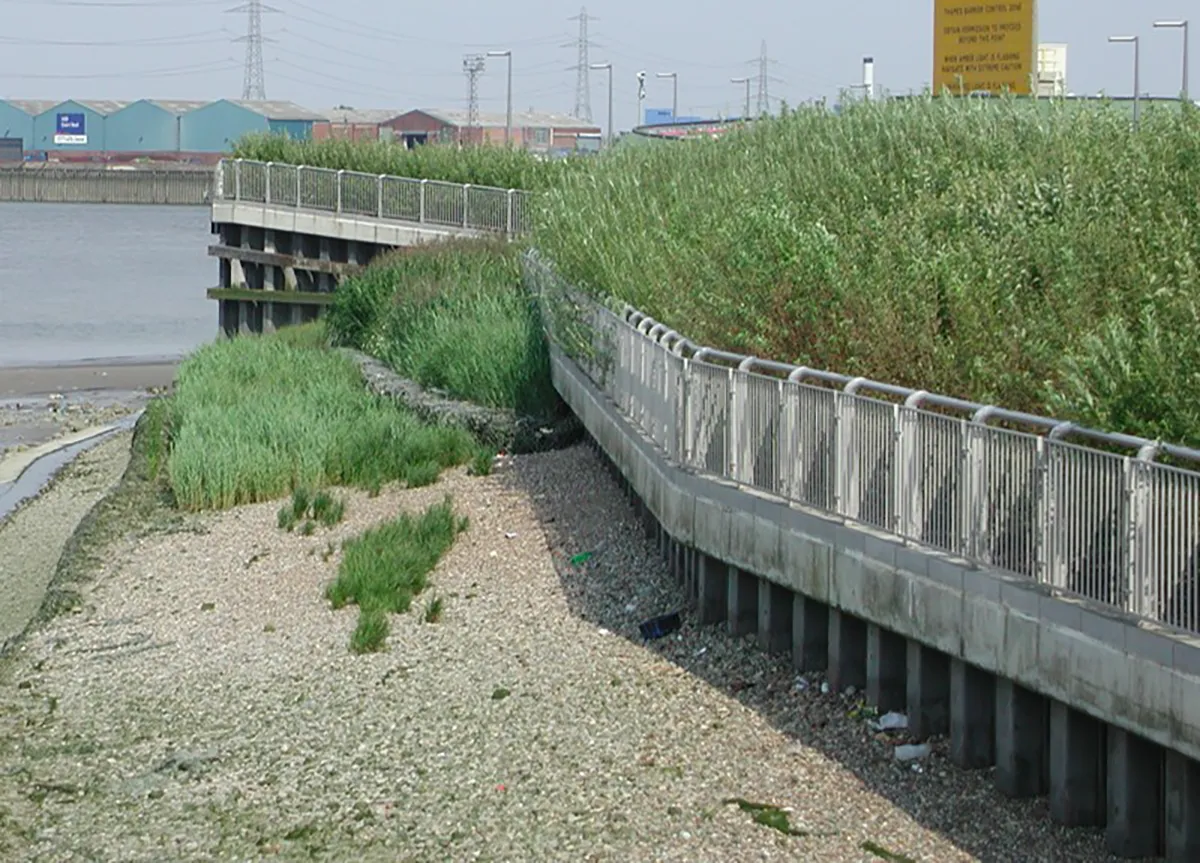
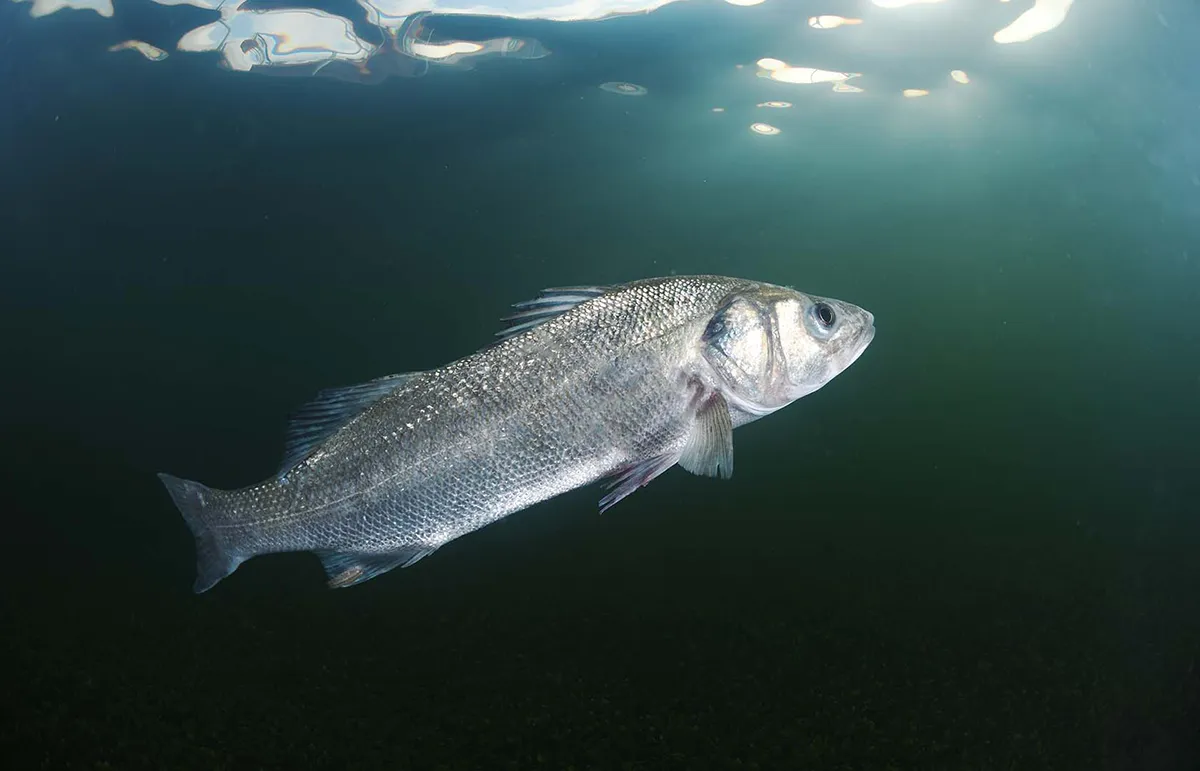
Mike Wells – Our collaboration on Greenwich Peninsula was formative. When Andrew asked me in 1997 to explore ecological concepts for its hard river edges, I initially questioned what difference a small urban intervention could have. However, the intertidal terraces we conceived to replace part of the sheet-piled river wall used tidal range and carefully calibrated gradients to create different habitats. They were later extended, becoming an important nursery habitat for thousands of sea bass. Striking installations next to the terraces were designed to interpret the unseen ecology, tidal forces and climate risks. Greenwich taught me that even a small urban habitat can exert an influence far beyond its physical footprint. It can influence what Félix Guattari called the ecology of ideas: the concepts and convictions that shape our relationship with nature and make us better stewards of it.
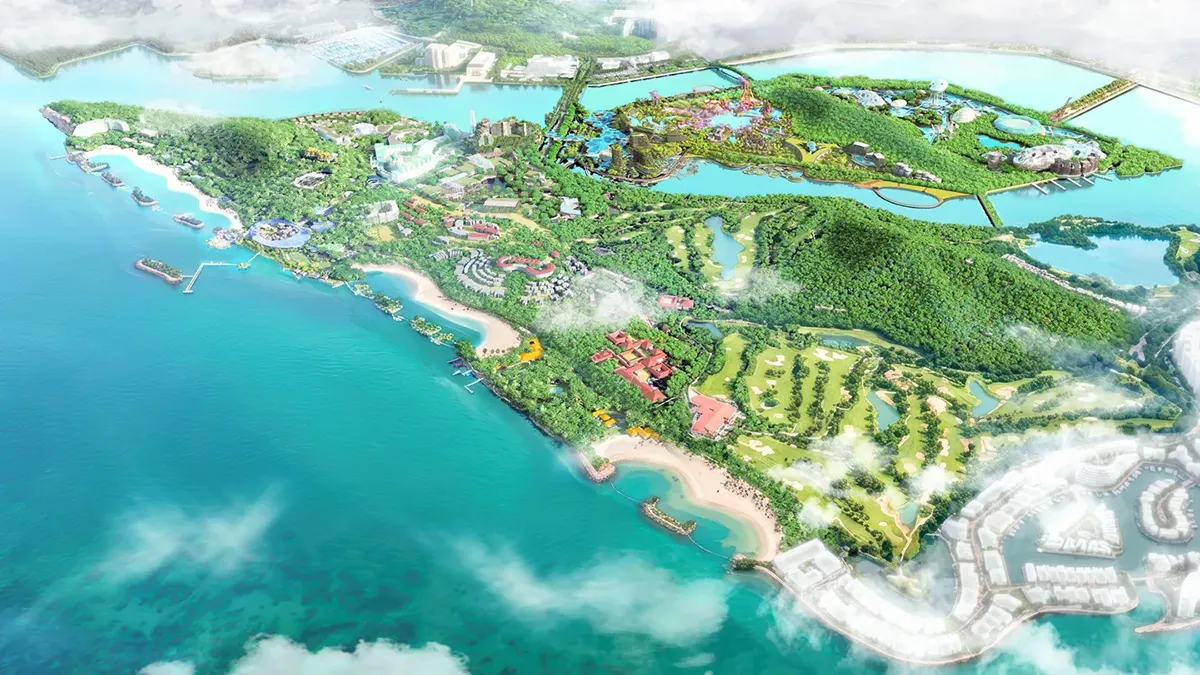
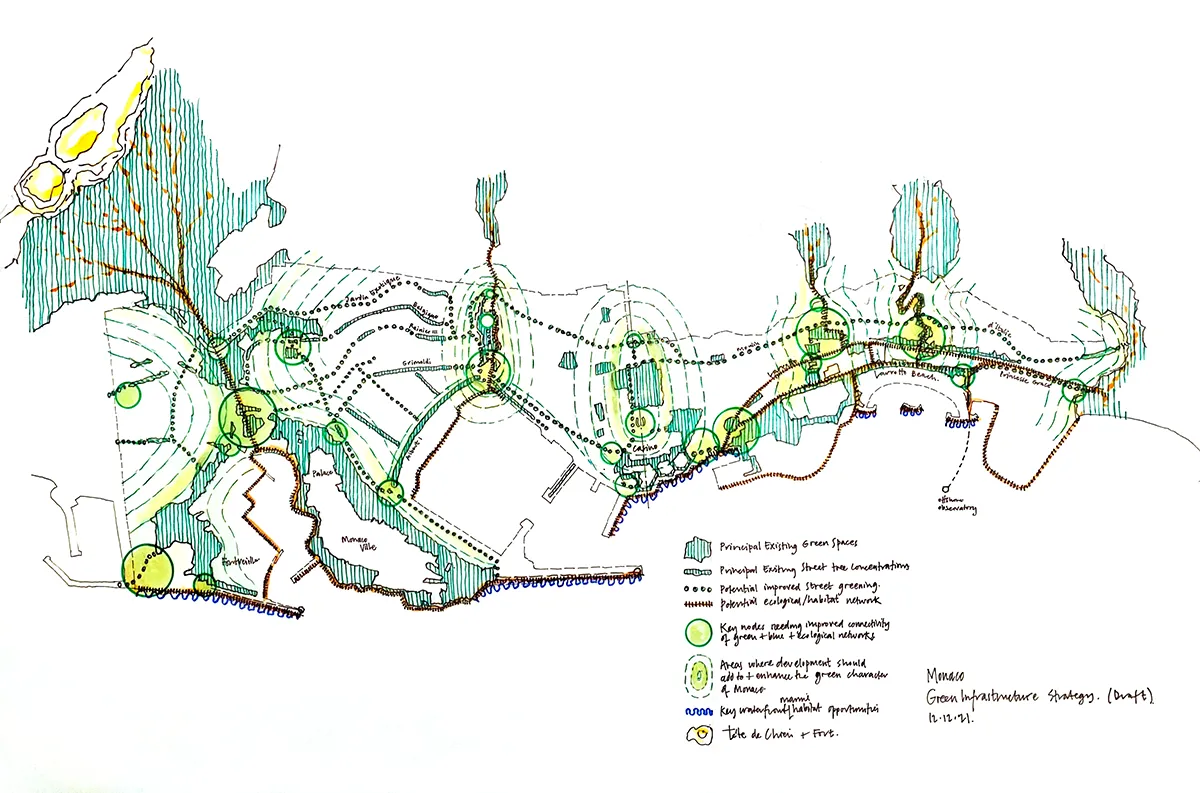
Andrew Grant – Our collaborations in Malaysia and Singapore, including the Sentosa Island masterplan, extended our thinking from individual sites to connected catchments: mountains and rainforest, lowlands and mangroves, reefs and islands. That sectional understanding has informed many subsequent projects. For example, it’s behind our ‘Renature the City’ vision for Monaco, where the ecological and cultural ‘currency’ of limestone underpins a strategy to connect the mountains of France to the Mediterranean through the urban fabric.
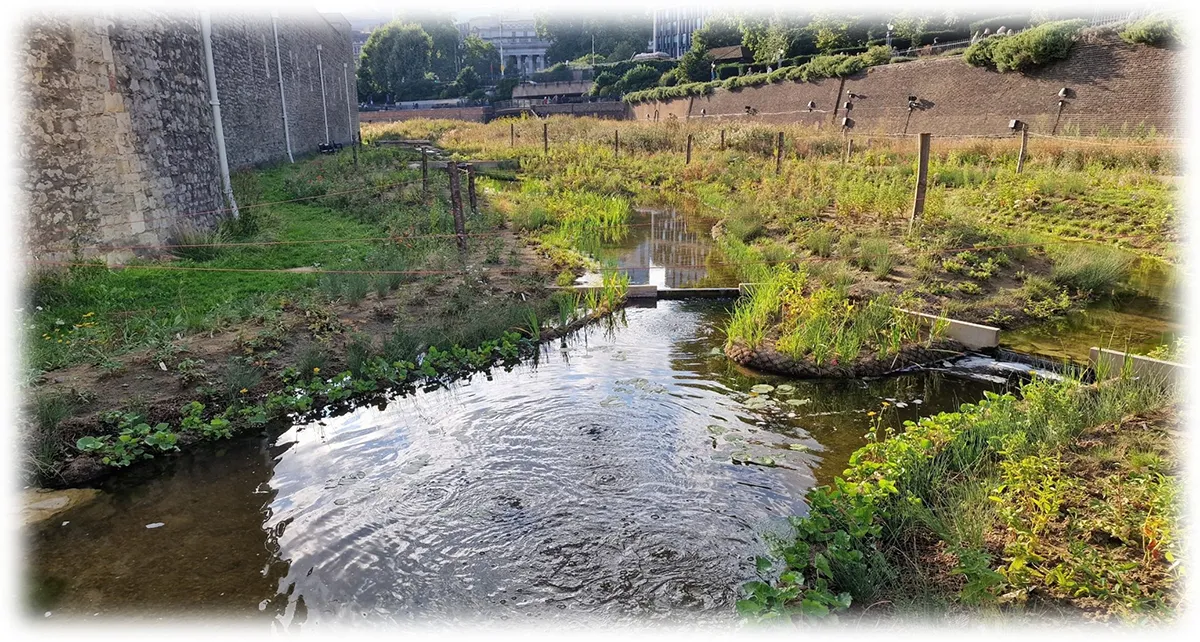
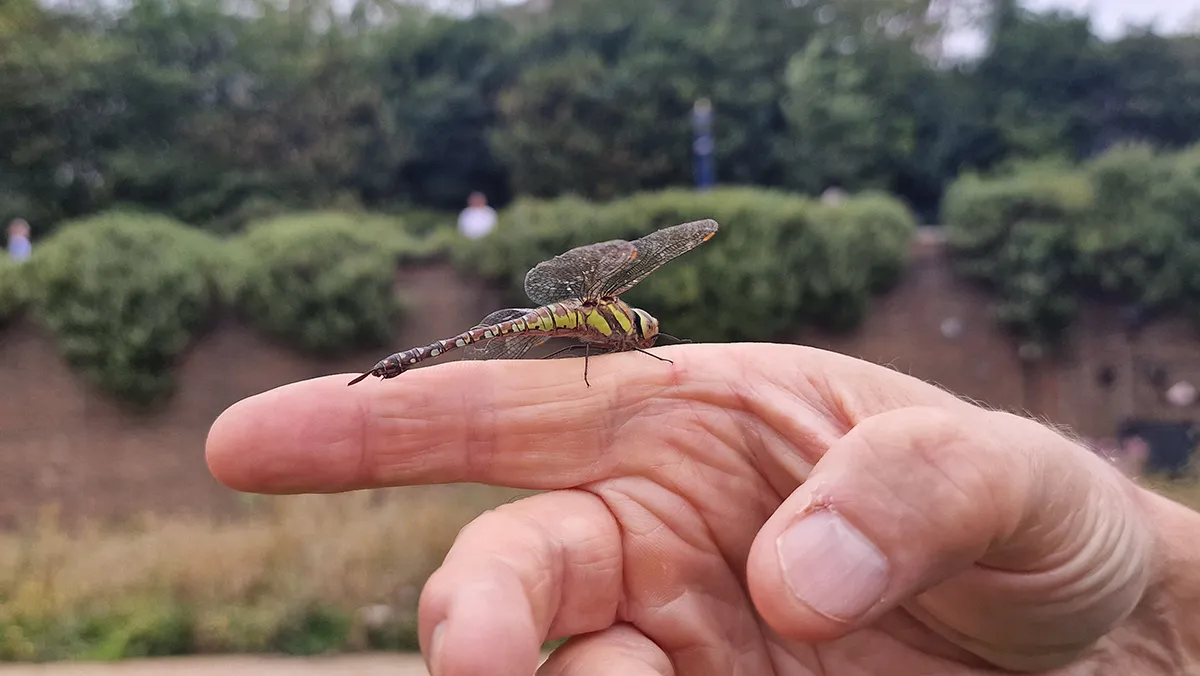
At a more intimate scale, the long-term future of the Tower of London moat has demanded close interdisciplinary collaboration and precise multifunctional design. Creating a naturalistic landscape rich in native biodiversity, informed by heritage and resilient to climate change, has depended on multiple micro-decisions about levels, soil depth, water and long-term maintenance, which has been a process akin to surgery.
WLA | How are climate change and other demands altering the biodiversity conversation?
Andrew Grant – We are no longer designing only to protect existing conditions, but for ecosystems that must survive a very different future. The debate about urban trees illustrates the difficulty: species most likely to tolerate future climates may not support the same diversity of native insects and birds. We now need biodiversity reservoirs where ecological transition can occur, while managing existing landscapes to sustain canopy and green cover against extreme heat and rainfall. This raises difficult questions about how much change we accept, which species we prioritise and what we mean by ‘native’ as climatic ranges shift. Every landscape must also meet changing needs for recreation, access, water management and wellbeing. Designing for biodiversity therefore means creating flexible landscapes that remain coherent, welcoming and uplifting.
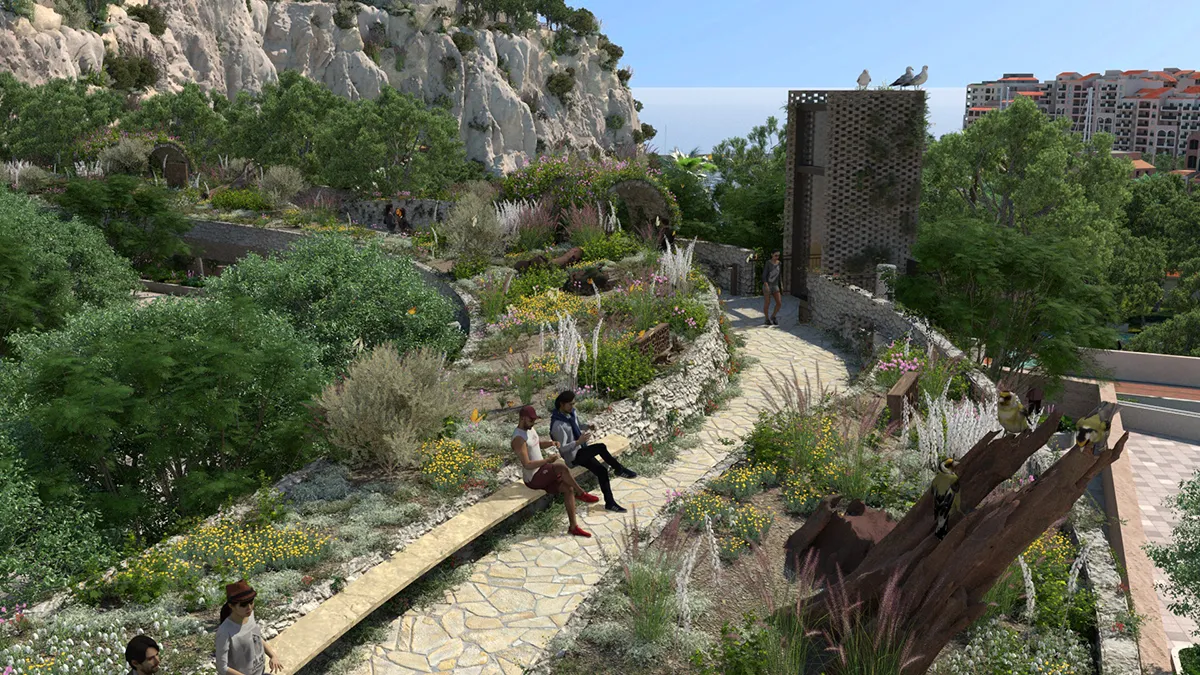
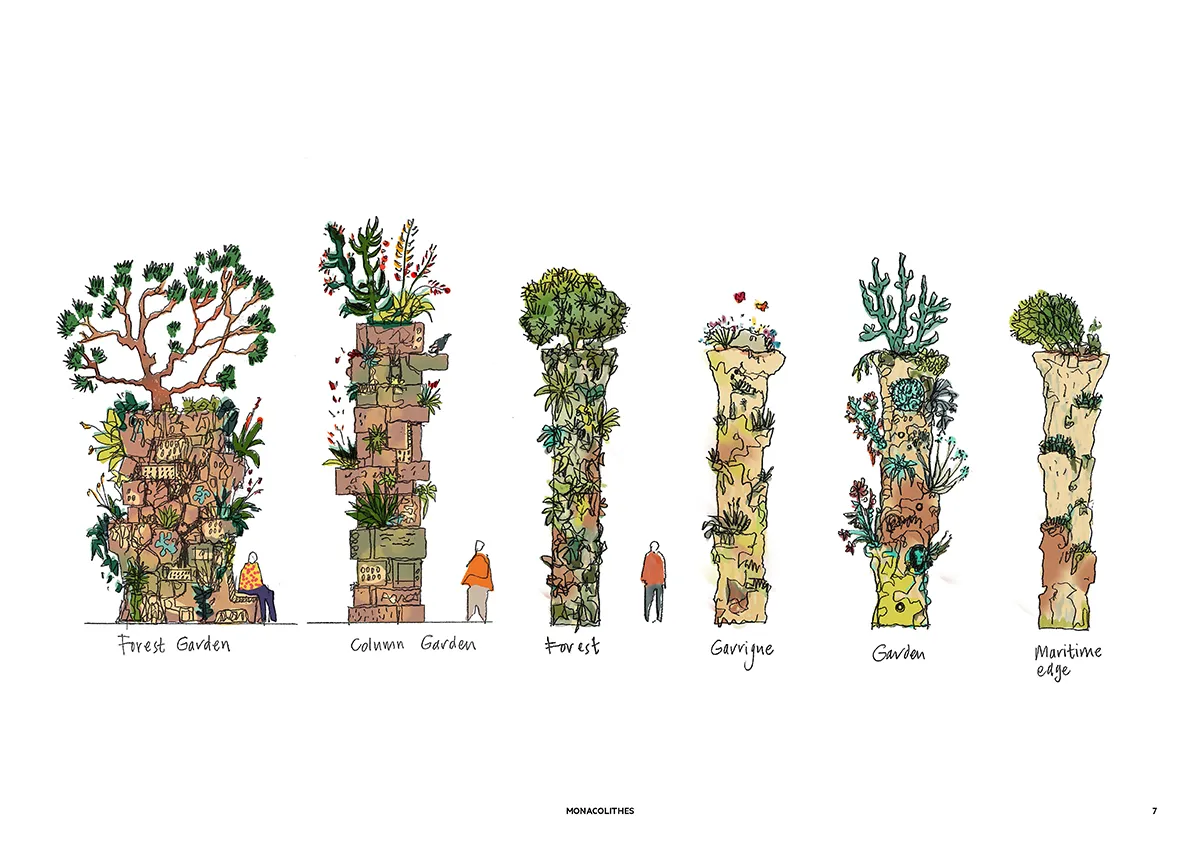
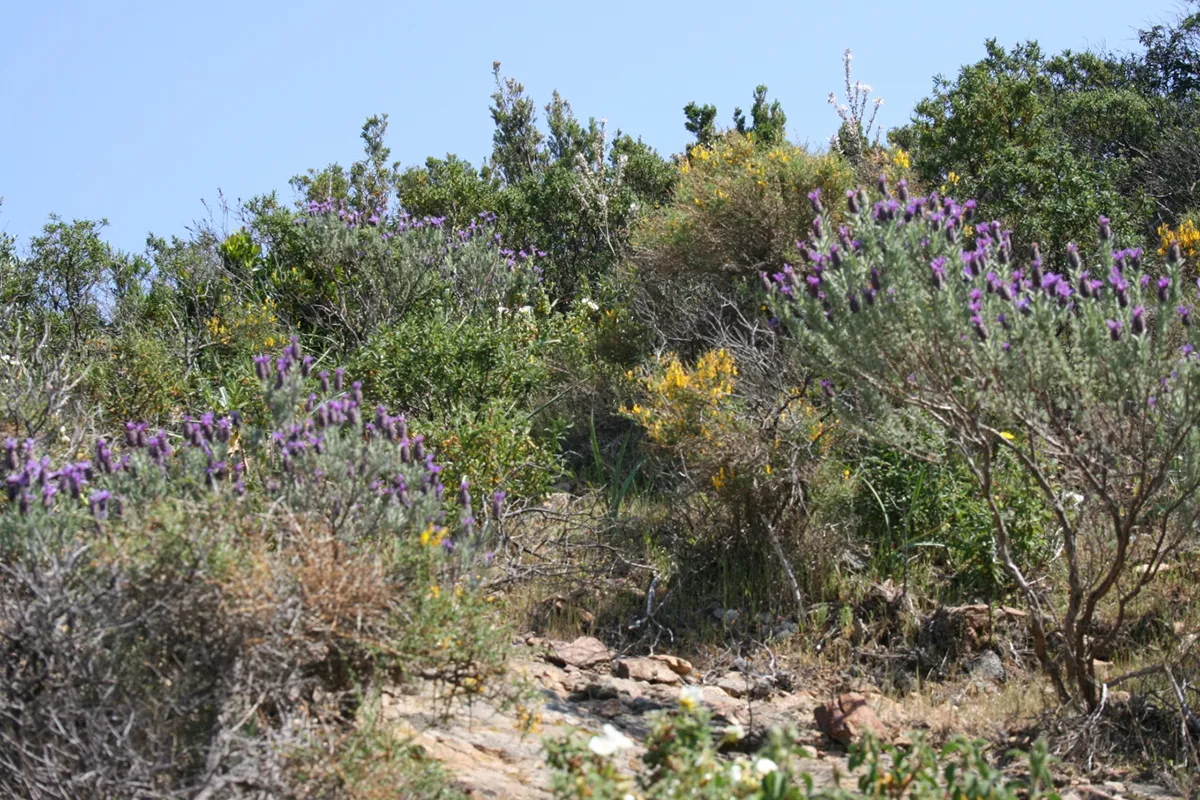
Mike Wells – The pace of climatic change demands greater attention to how habitats will survive and evolve. I now always consider how species disperse between patches and corridors, how native and non-native species interact, and the variation that gives species capacity to adapt. The Renature the City strategy for Monaco perhaps represents the fullest development of our shared response to date. Here, we co-developed an illustrated toolbox of locally specific nature-based solutions, informed by a deep analysis of the habitats and species within and around the city, to improve Monaco’s climate resilience, biodiversity and amenity. The aim was not to create and then’ freeze’ habitats, but rather to create connected, resilient systems with a distinctive local character, within which all species and people can adapt to inevitable climate change.
WLA | Has greater recognition of biodiversity in policy necessarily produced better landscapes?
Andrew Grant – In England, Biodiversity Net Gain (BNG) has moved biodiversity from a peripheral ‘nice to have’ to a legal development requirement. In theory, the system should deliver considerable benefits for biodiversity, especially where projects connect nature-recovery networks across larger landscapes. But in dense urban settings, BNG can also often encourage compromise and poor design especially where clients are very averse to paying for offsite credits. A scheme cannot be considered successful if it meets the statutory BNG requirement but fails to respond convincingly to its setting or fulfill its wider landscape potential. The landscape profession should identify where England’s BNG system conflicts with other objectives and propose changes that create better synergies and wider benefits.
Mike Wells – No, it has not – as Andrew points out! However, stronger biodiversity policy and law have great potential to inform better landscapes. Today, biodiversity is recognised not only under sections in planning documents on nature conservation and restoration worldwide, but also under health and wellbeing, water management, climate change and resilience, all emphasizing the multiple potential benefits of good biodiverse design. That’s why a collaborative and holistic approach to the design of biodiverse landscapes and their management planning is so essential. It’s the best way to deliver biodiversity policy goals and create multifunctional landscapes that endure. This is true even when there is a legal mandate for monitoring and long-term aftercare (as in BNG) because policing and enforcement are often prone to fail. Measures for nature implemented grudgingly for legal compliance may often be reversed down the line, whereas people will always better protect and nurture landscapes that they love and understand.
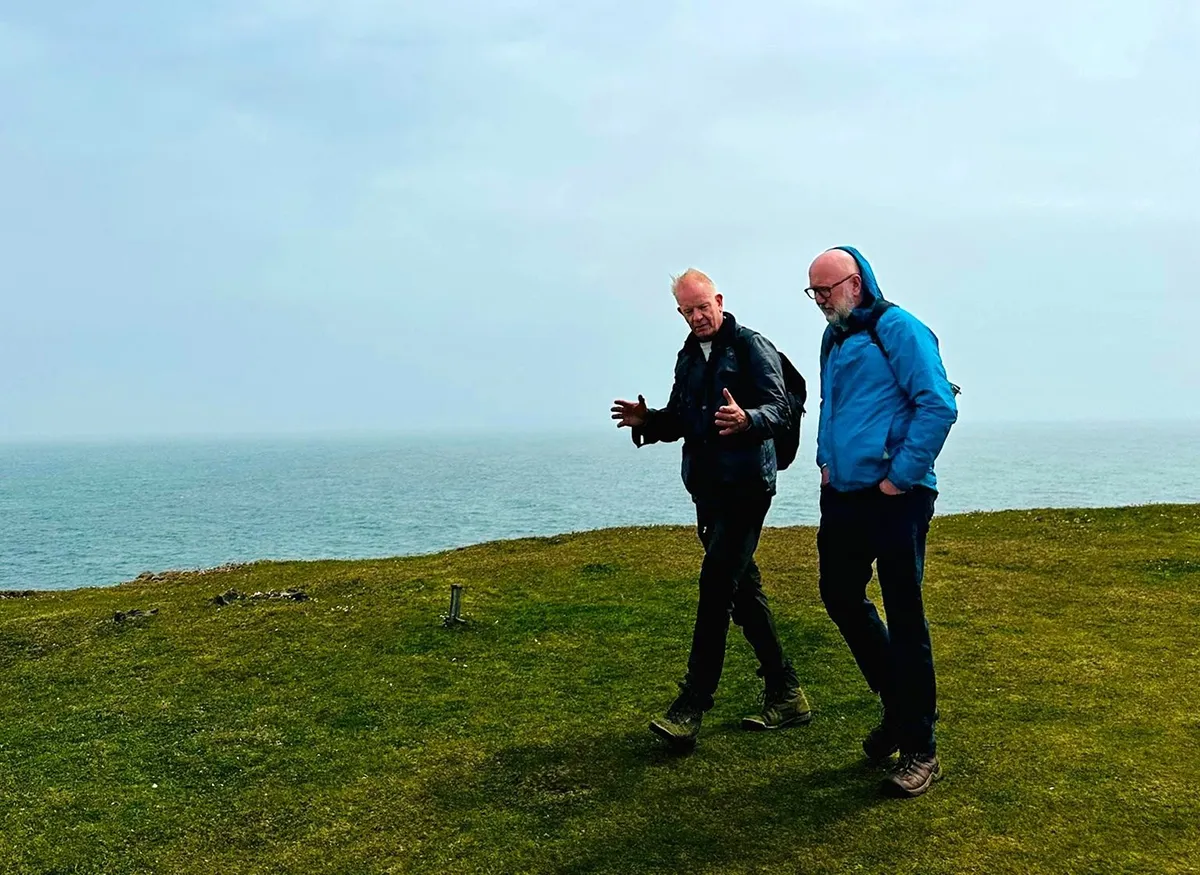
Thank you to Andrew Grant and Mike Wells for providing insights into how they have designed for biodiversity over the past thirty years.
Be the first to comment