
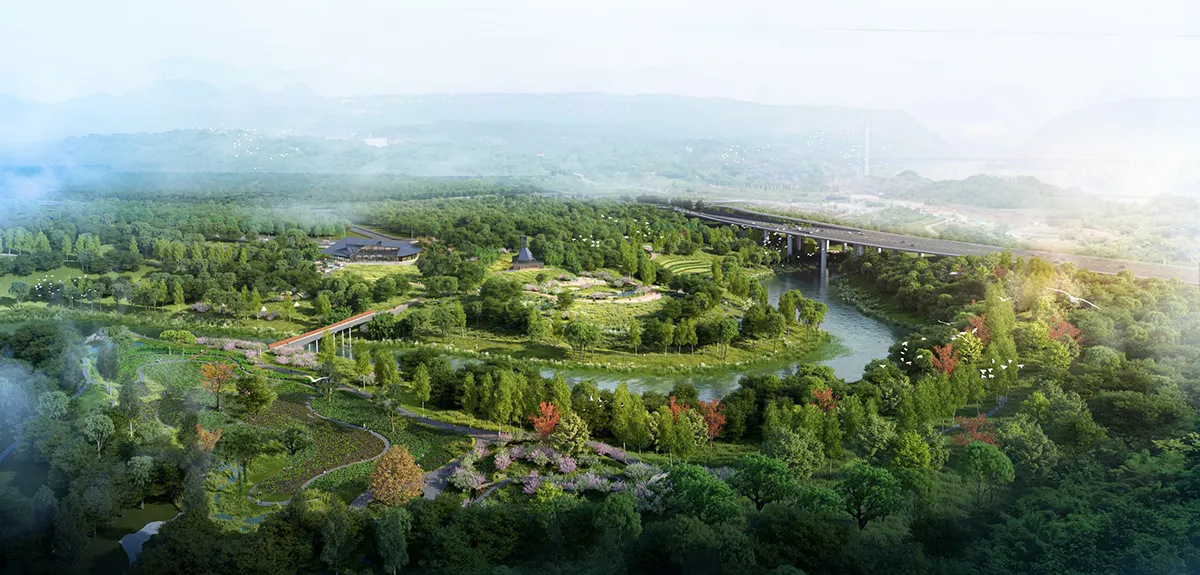
It is a protection and inheritance spanning time and space, demonstrating the future while protecting the past. It bears our reverence for nature, our love of culture, our pursuit of quality of life, and our responsibility for the future. And it writes a beautiful chapter of harmonious coexistence between humanity and nature.
The Bamboo River winds through the GuangYang Island area of Chongqing, China. Like a green time-link, it extends for 9.7 kilometers, connecting the bustling city at one end and the vast expanse of nature at the other. The 247 hectares of land within its drainage basin not only harbors abundant natural resources, serving as a habitat for birds, insects, and fish, but also preserves regional culture. Occupying an indispensable position in the grand blueprint of the green development of “the Yangtze River Economic Belt”.
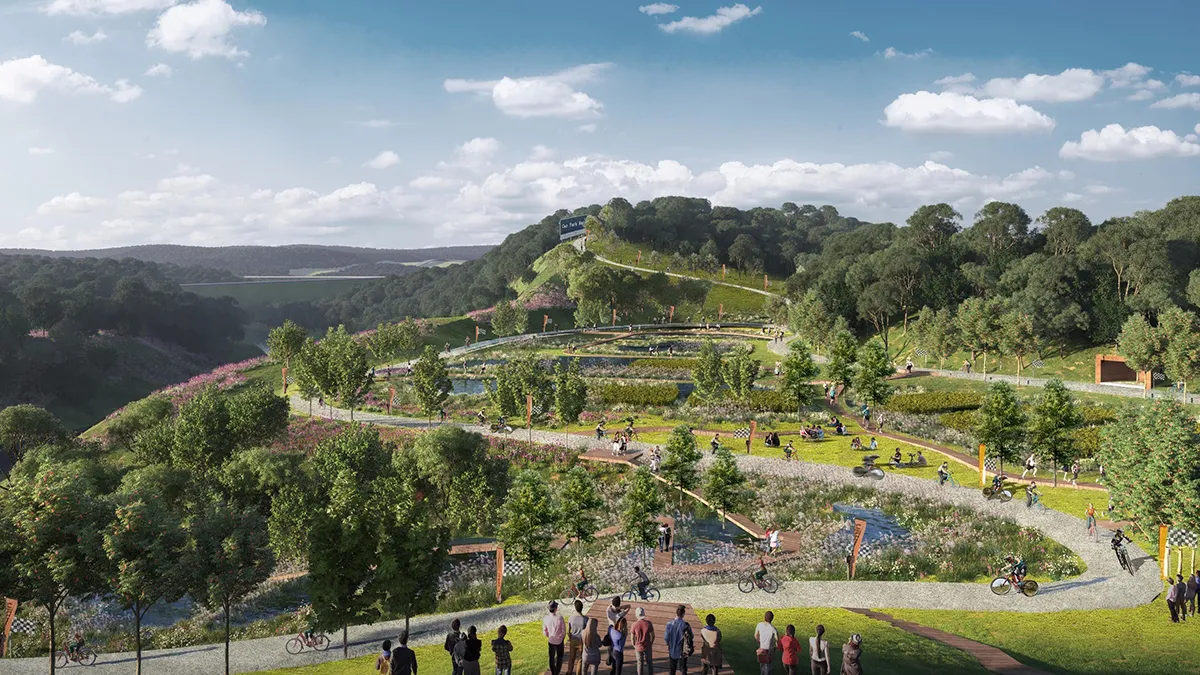
We are determined to create an ecological model that not only preserves the warmth of history but also be full of the promising for the future. With protecting the past ecology and culture, we aim to exhibit the beautiful vision of harmonious coexistence between humanity and nature in this land. We are acutely aware that only by revitalizing the natural ecology of Bamboo River to its former vitality, enabling the local unique culture to shine brightly in the new era, fostering the vigorous development of smart industries, and creating a pleasant recreational haven for citizens, can we achieve our vision presented before.
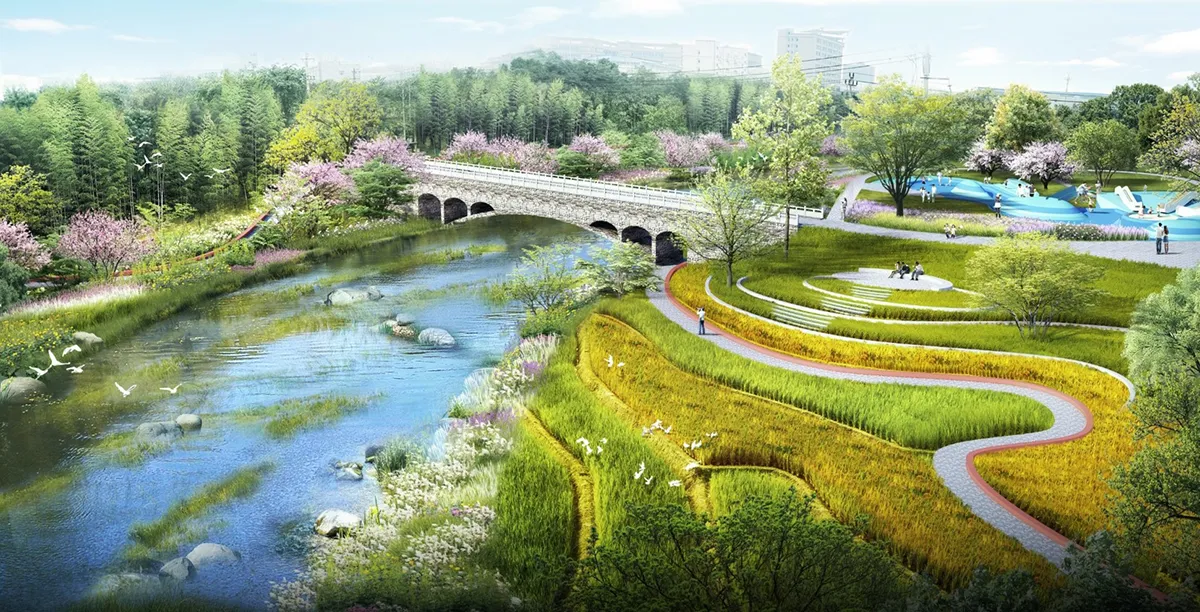
We will achieve our goals though three strategies: ecology, industry and scene.
Ecological strategy: With profound reverence for nature, we adopt six major ecological restoration ways of “protect mountain, regulate water, cultivate forest, manage farmlands, purify lakes, and enrich grass”, demonstrating the interdependent community of life among mountain, water, forest, farmland, lake and grass.
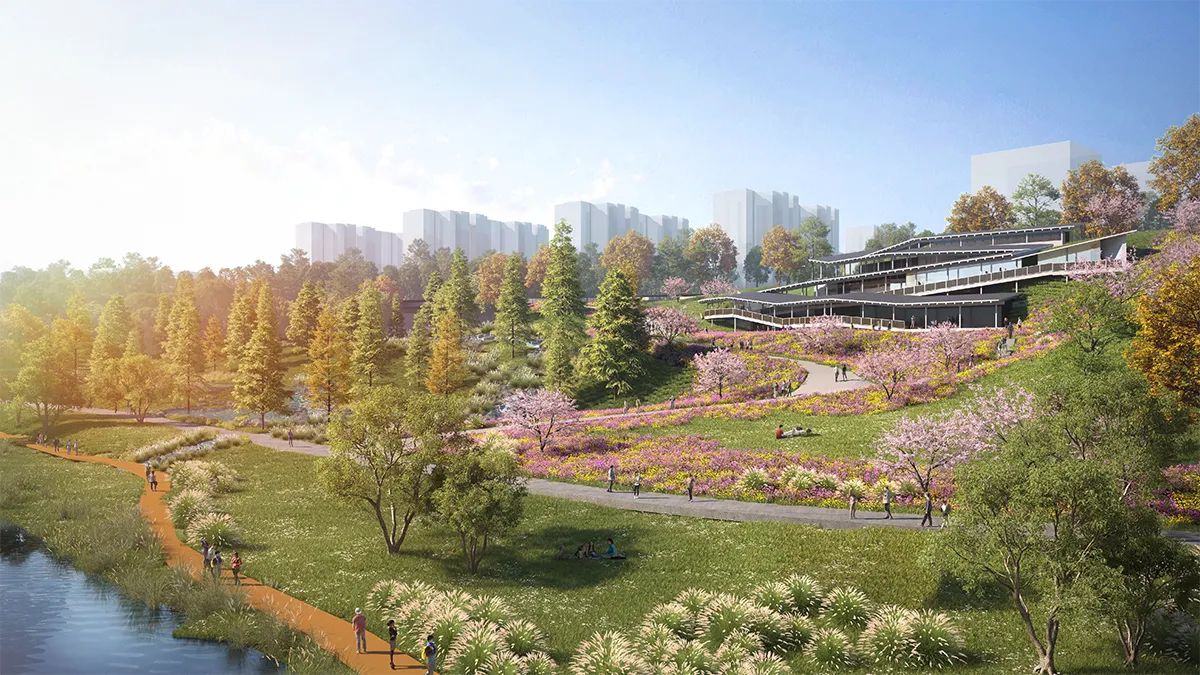
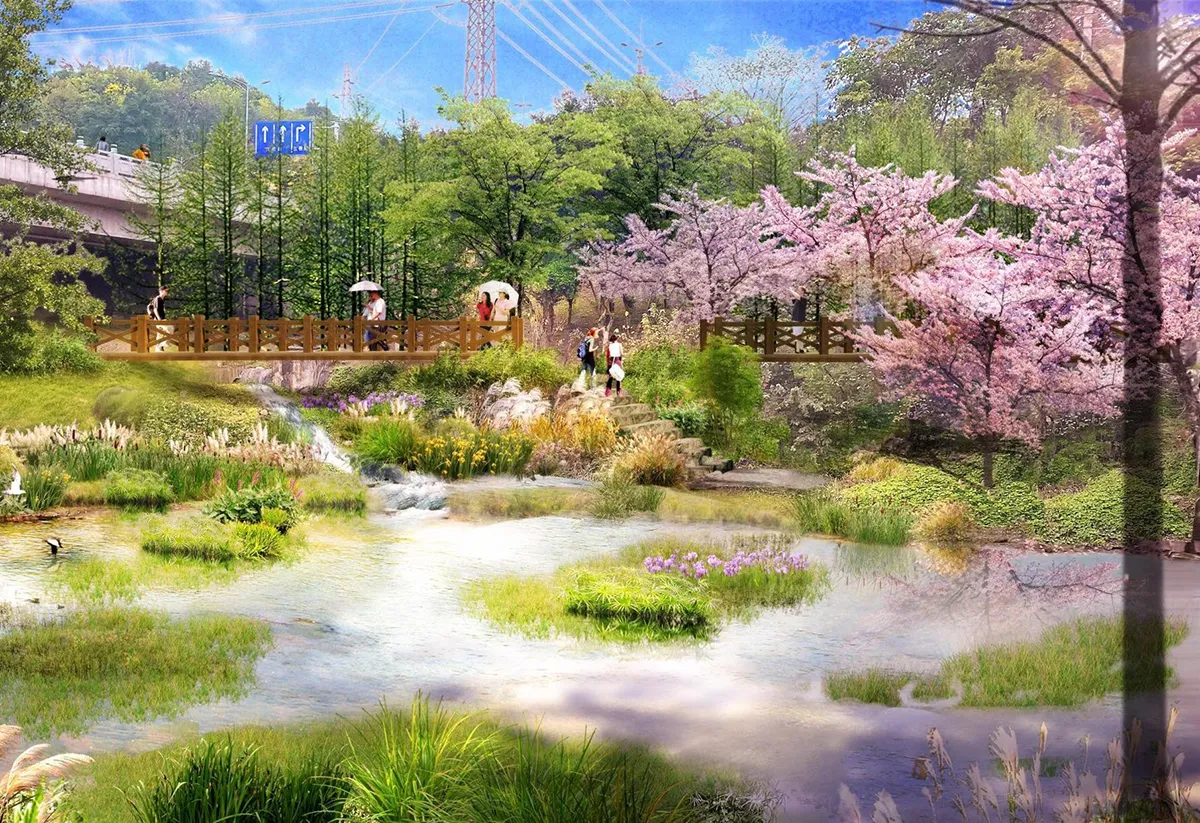
Pre-operational industry strategy: Taking into account the linkage with the regional economy, surrounding industries, and target audiences, we integrate industrial plan and development considerations at the initial stage of the project, rather than treat it as a subsequent or supplementary task. So, the project can be better aligned with market demands and economic development trends from the very beginning. While meeting the needs of people of all ages, we aim to guide the collaborative development of smart industries and riverine economy, injecting continuous new vitality into this ancient land.
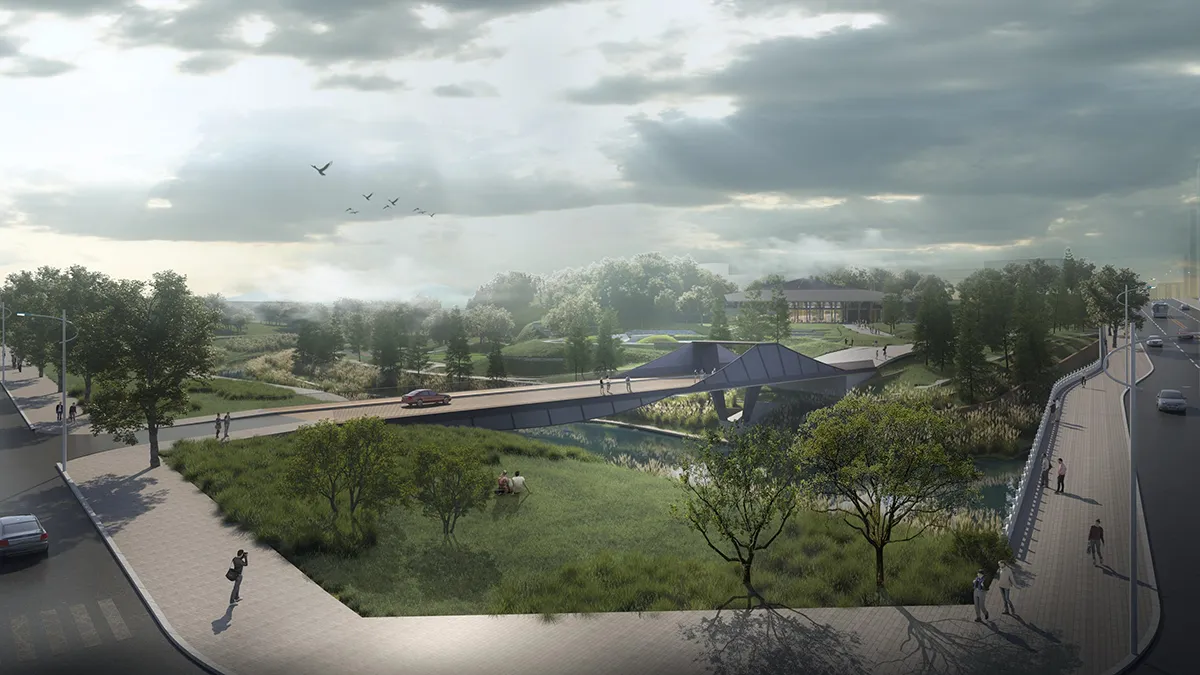
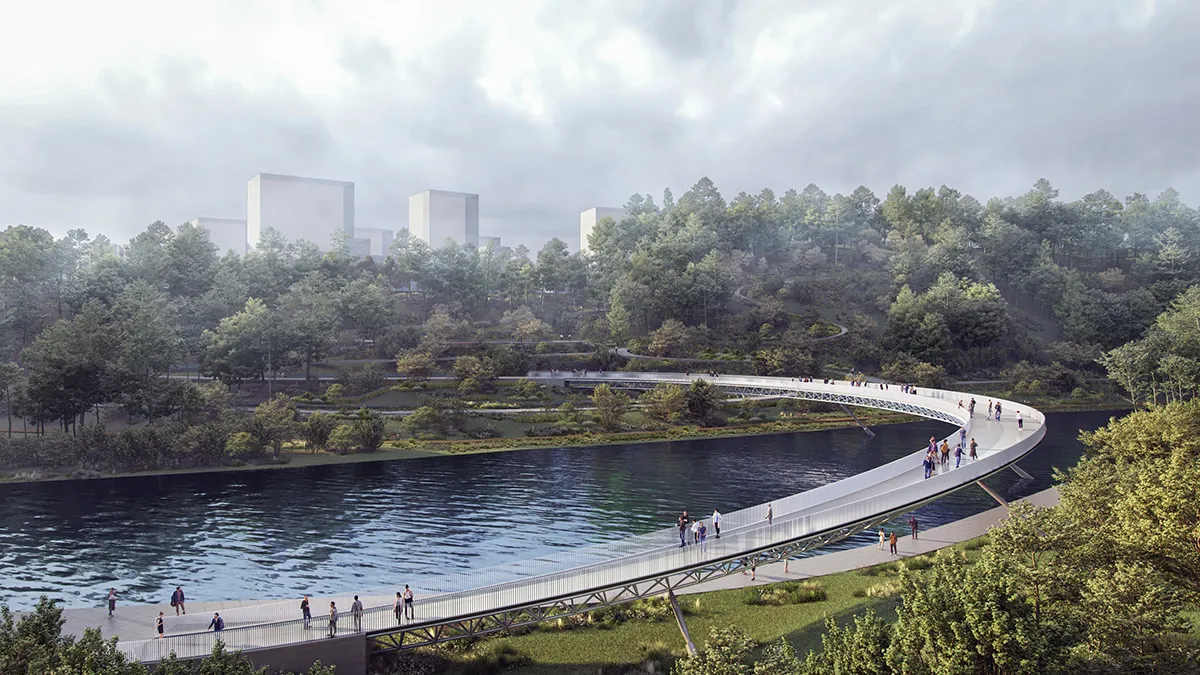
Scene strategy: Based on the topographical differences, we divided Bamboo River into three sections: Backwater Bay, the LOHAS Valley, and the Tai Chi Island. Each section has is characteristic. According to the ecological environment and functional adaptability of different locations, we create multiple scenes through the combination of points, lines, and surfaces, constructing diverse functions to serve for multi-age groups and meet the ecological service needs of urban streets and communities. Overall, we aim to create a landscape structure of “Three Sections – Three Centers – Six Gardens”, depicting an ecological river picture with an energy life scene along both banks.
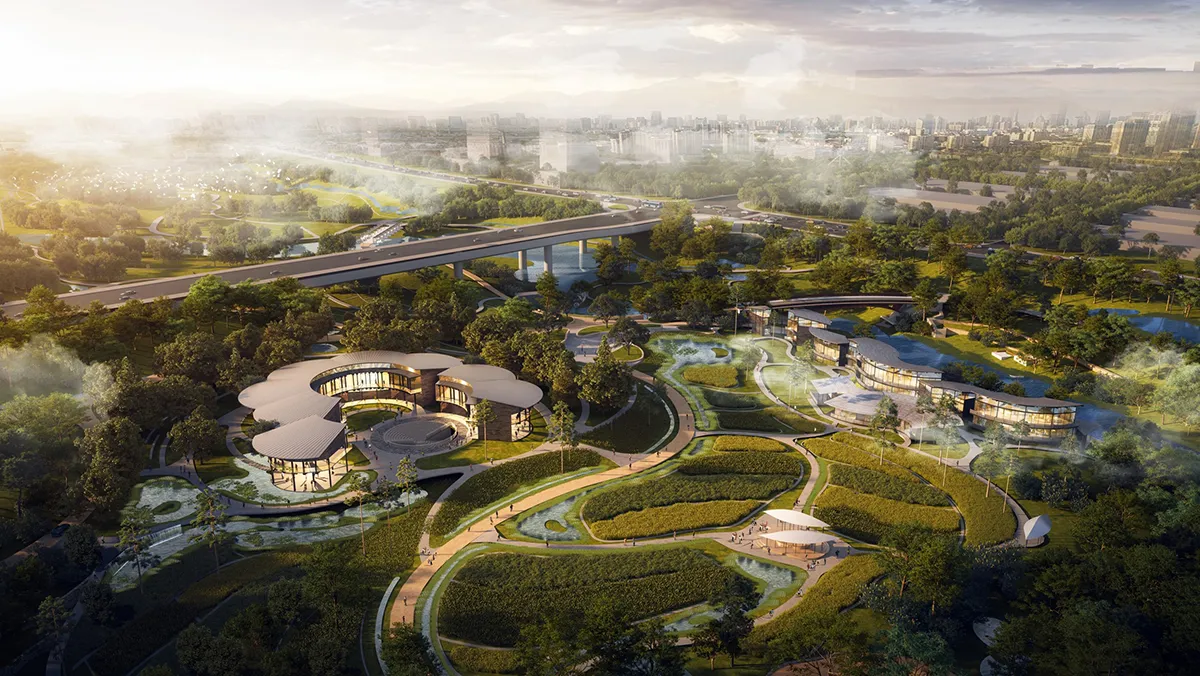
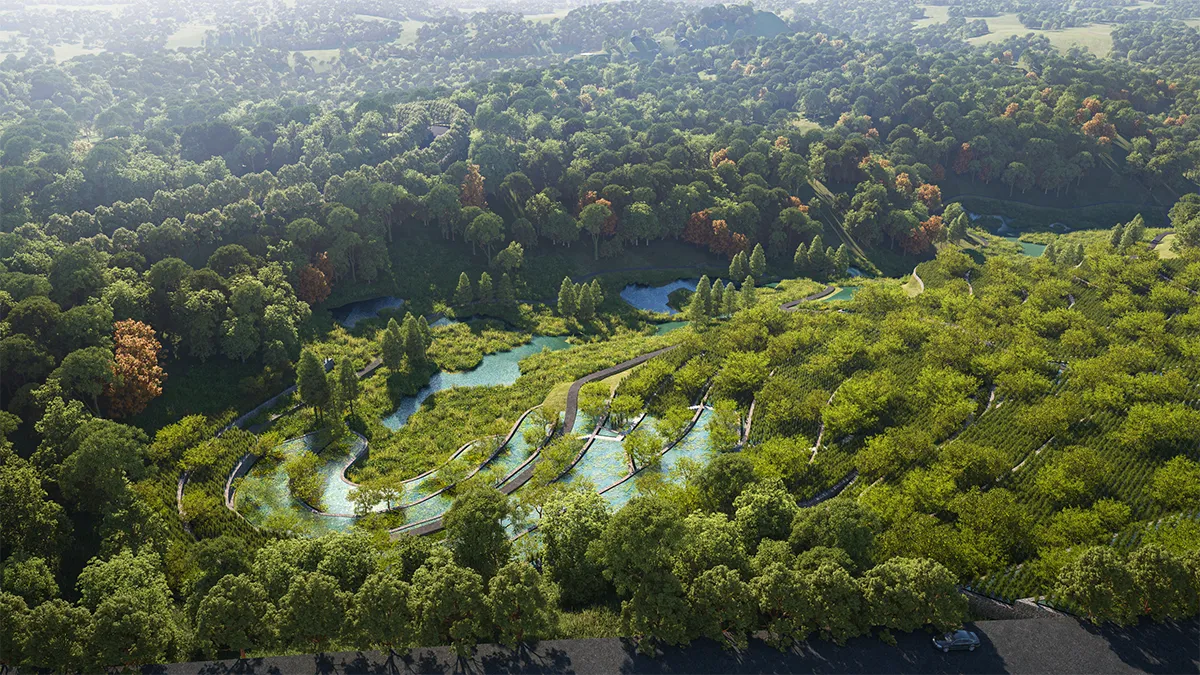
Nowadays, the ecological restoration and quality improvement project of Bamboo River is steadily moving from blueprint to reality. We firmly believe that in the near future, Bamboo River will become a model for the green development of the Yangtze River Economic Belt. This project will provide valuable experience that can be applied to the coordinated progress of urban development and nature conservation. It carries our reverence for nature, our love for culture, our pursuit of life, and our responsibility for the future.
The Ecological Restoration and Quality Enhancement of Bamboo River | Chongqing, China
Location: Chongqing, China
Design Firm
China Urban Construction Design & Research Institute CO., LTD.
China Architecture Design and Research Group
North China Municipal Engineering Design & Research Institute CO., LTD.
Image Credits:
China Urban Construction Design & Research Institute CO., LTD.
China Architecture Design and Research Group
North China Municipal Engineering Design & Research Institute CO., LTD.
Shortlisted in the 2025 WLA Awards – Concept Public Space category