
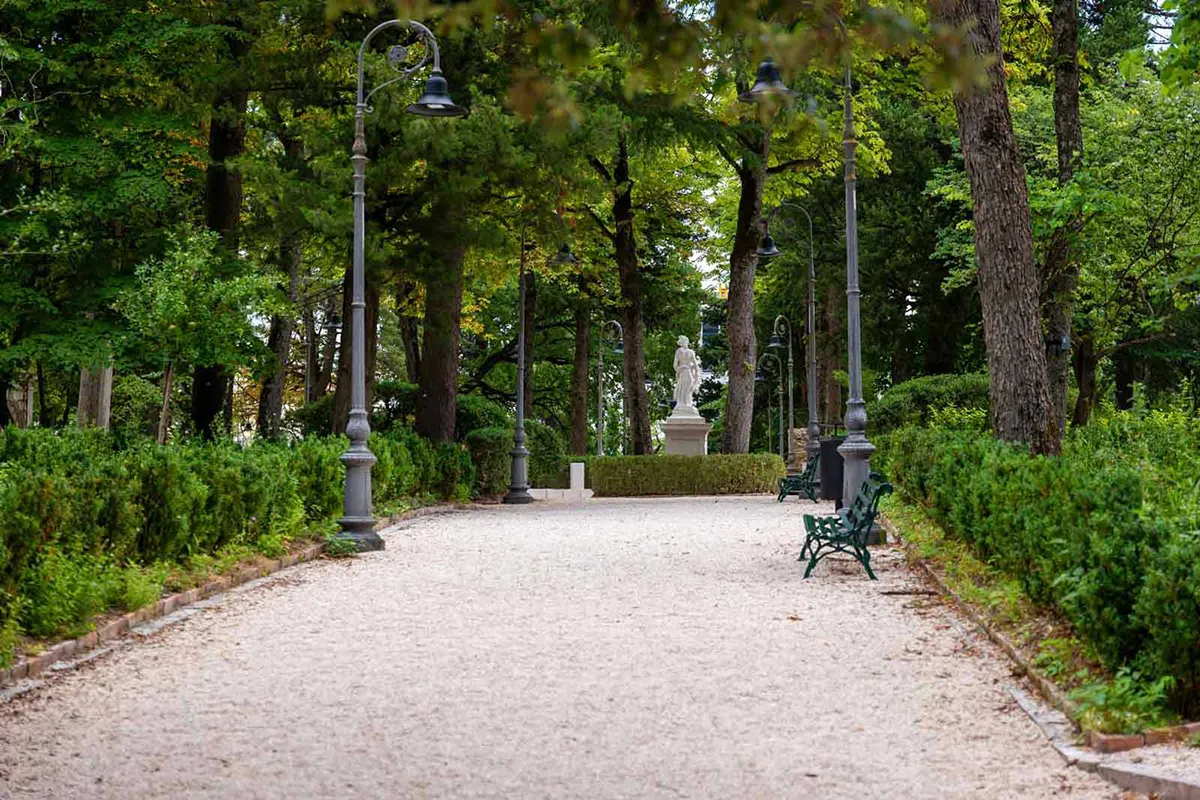
Returning to Villa De Capoa after its restoration means rediscovering a familiar place that is, at the same time, surprisingly new. It is not an aesthetic restyling, nor a nostalgic reconstruction: it is the return of a historic garden to its most authentic vocation, that of a meeting place between nature, history, and everyday urban life. Greencure landscaping has worked to ensure that this park, which has always been dear to the citizens of Campobasso, can once again be enjoyed, visited, and above all, perceived as a place that makes people feel good.
The History
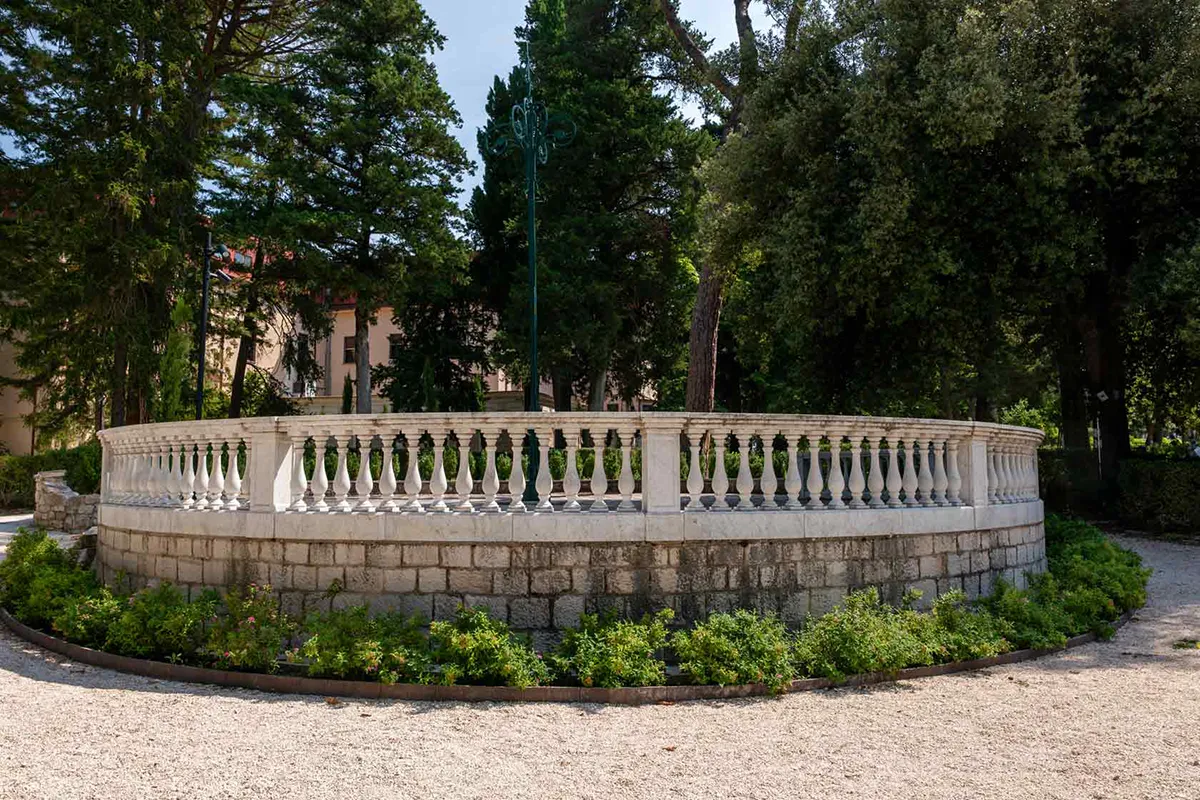
The history of Villa De Capoa spans centuries and transformations, but its character has remained surprisingly recognizable. Built in the 18th century by Andrea De Capoa, within the area once occupied by the Monastero delle Grazie, the villa was redesigned in the 19th century as part of the “garden city” commissioned by Gioacchino Murat and designed by Bernardino Musenga. Since 1875, it has been owned by the municipality, and in the 20th century, it became one of the city’s most representative public spaces. More than just a green setting, it is a refuge: a place for socializing, walking, and collective memory. Over time, however, the garden has shown the typical fragility of historic parks: delicate materials, increasingly evident climate change, new social needs, and the need to balance protection and use.
The Project
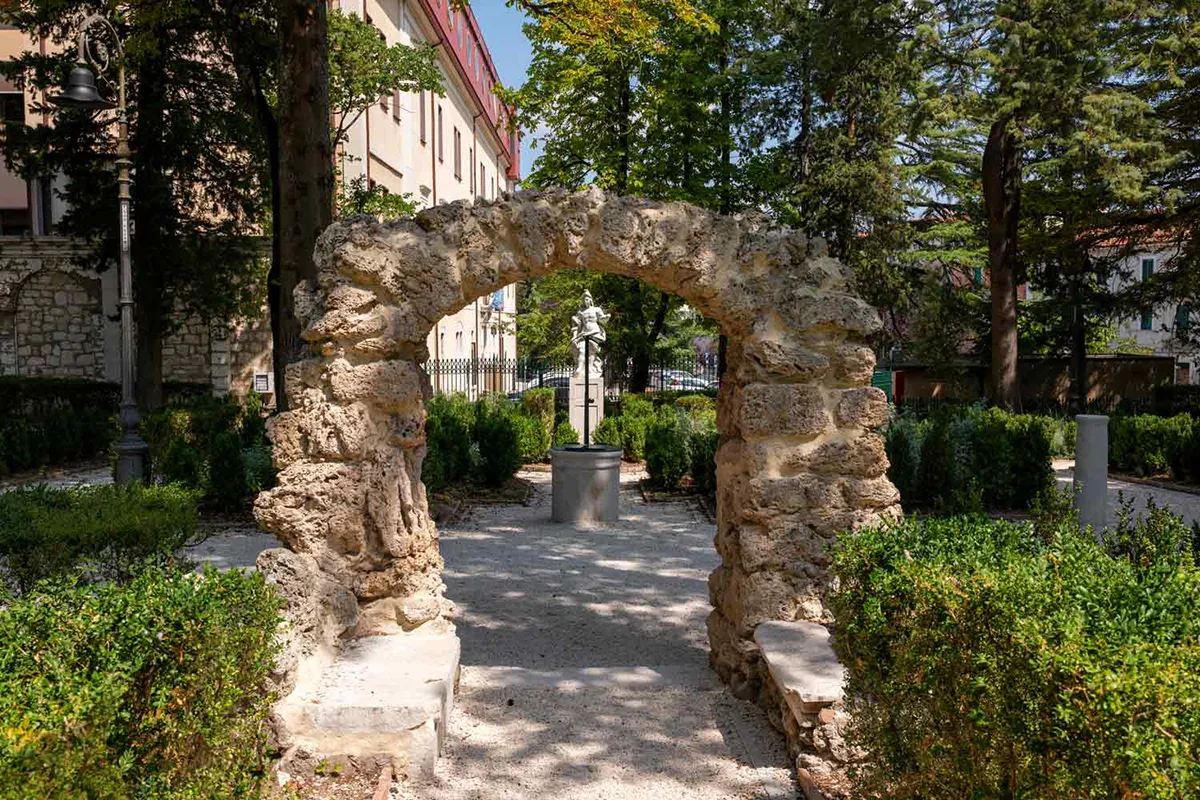
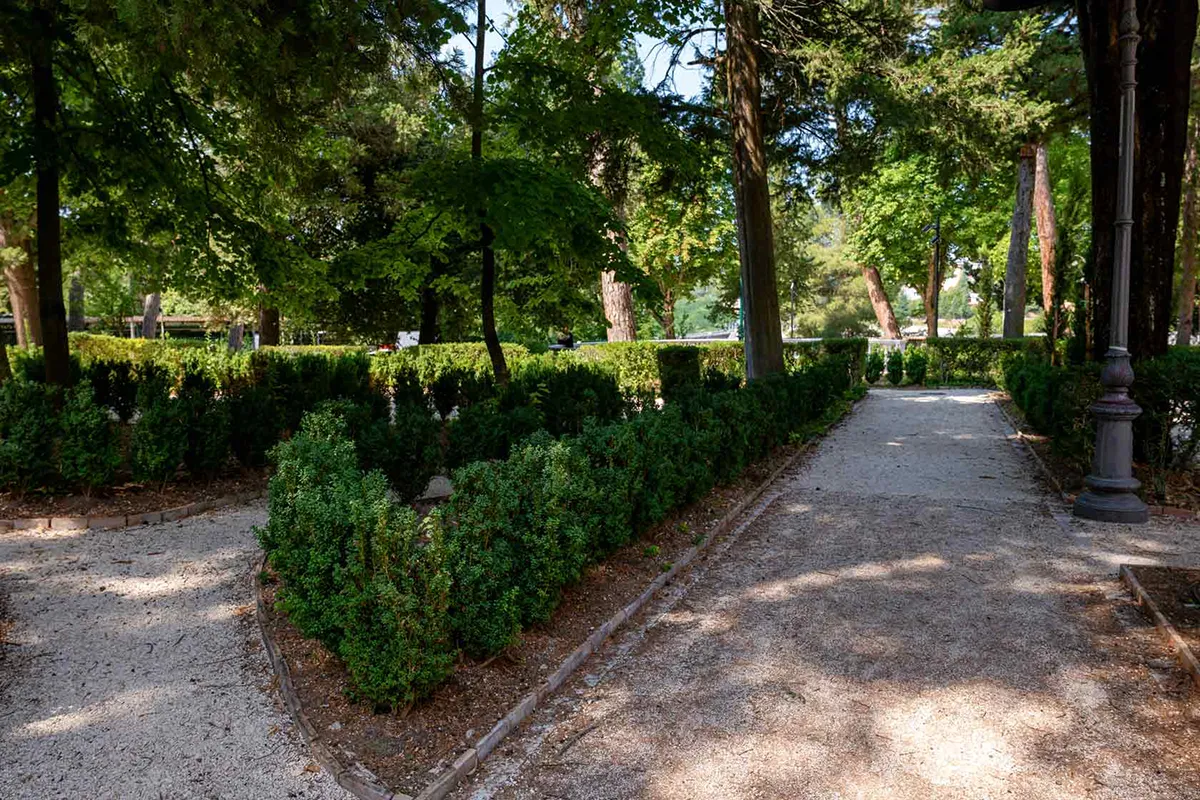
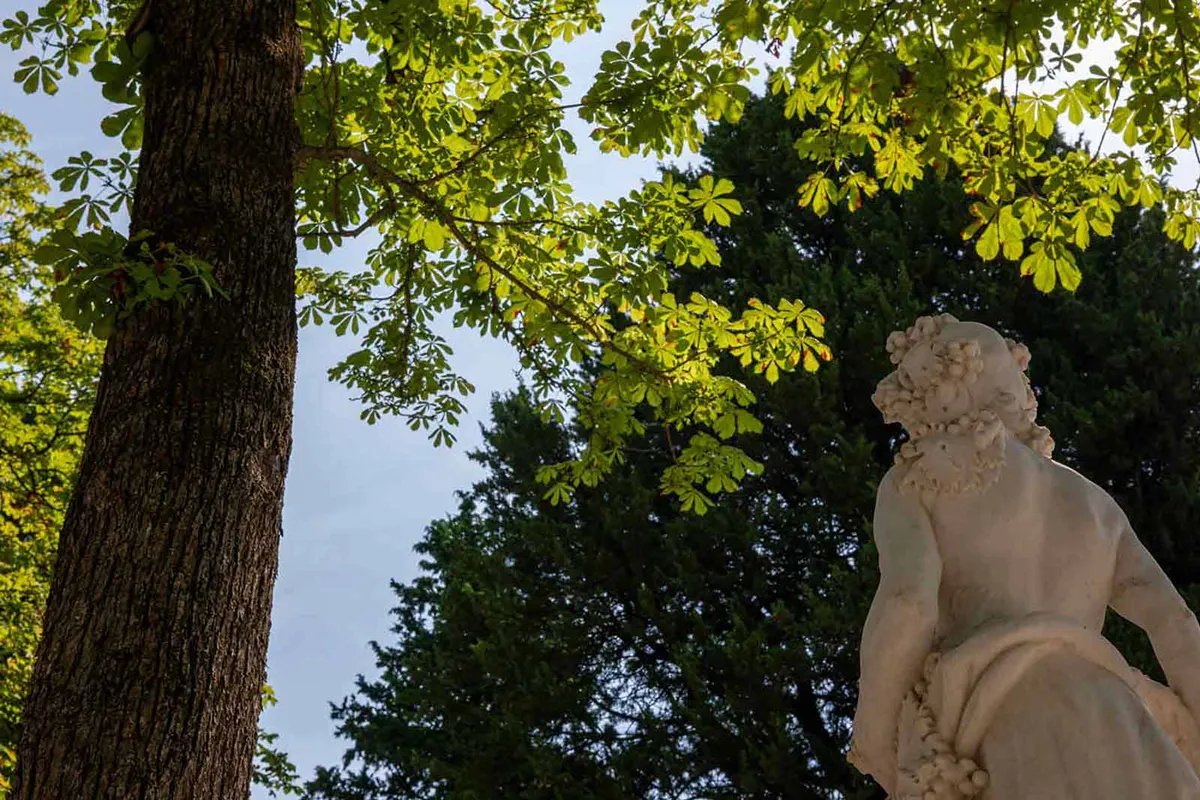
The restoration project is based precisely on this awareness. Villa De Capoa is not a garden to be turned into a museum, but a living structure composed of historical sediment and continuous transformation. Work began by listening to its original forms and botanical stratifications, keeping intact the geometric structure of the flowerbeds bordered by boxwood (Buxus sempervirens ‘Arborescens’) and enhancing the arboreal heritage consisting of cypresses, cedars of Lebanon, red firs, and domestic pines. An impressive plant system that represents an ecological resource for the entire city: 350 emergent layer trees, belonging to 45 species and 35 genera, which define a bright, cool microcosm rich in habitats.
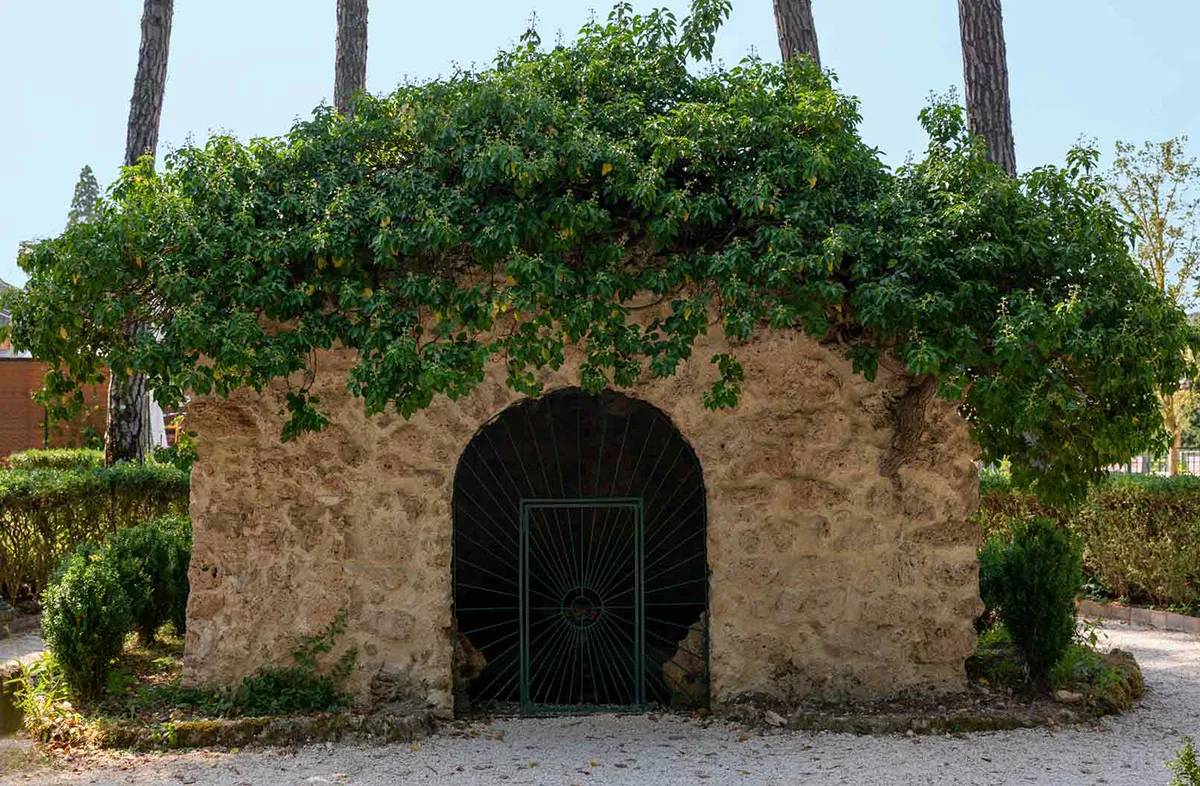
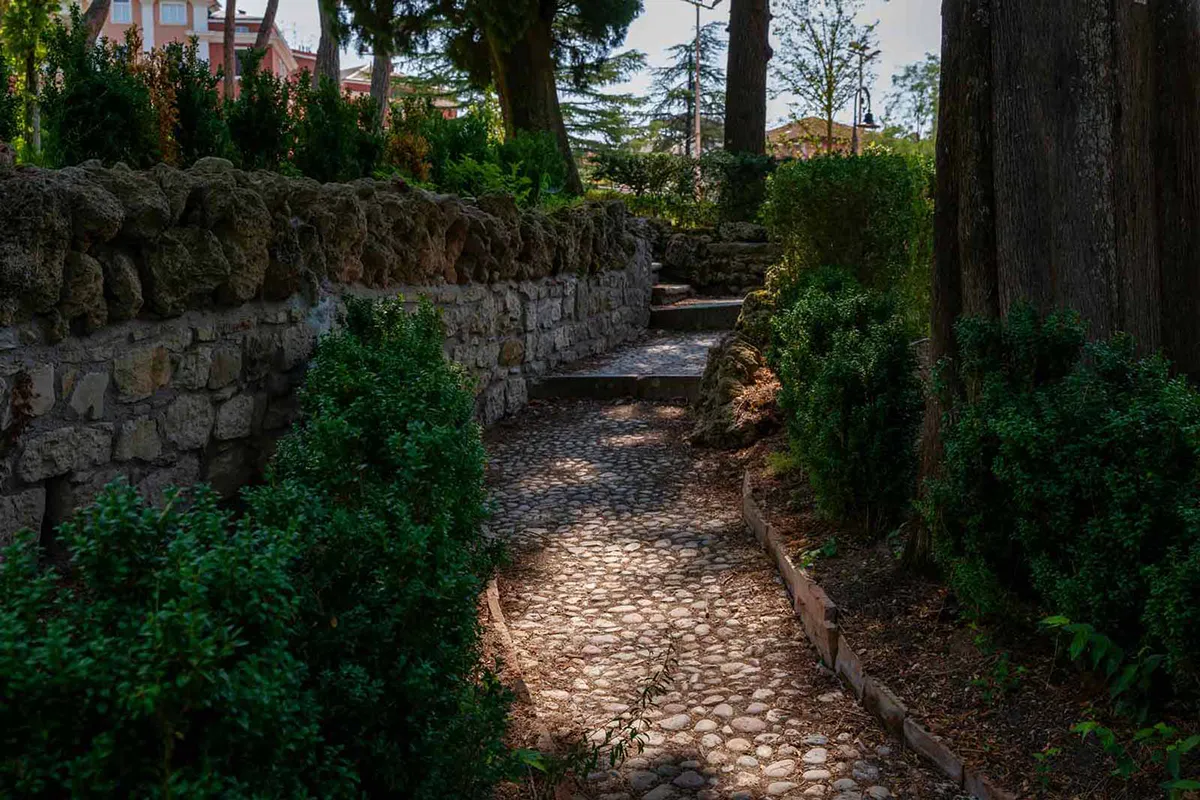
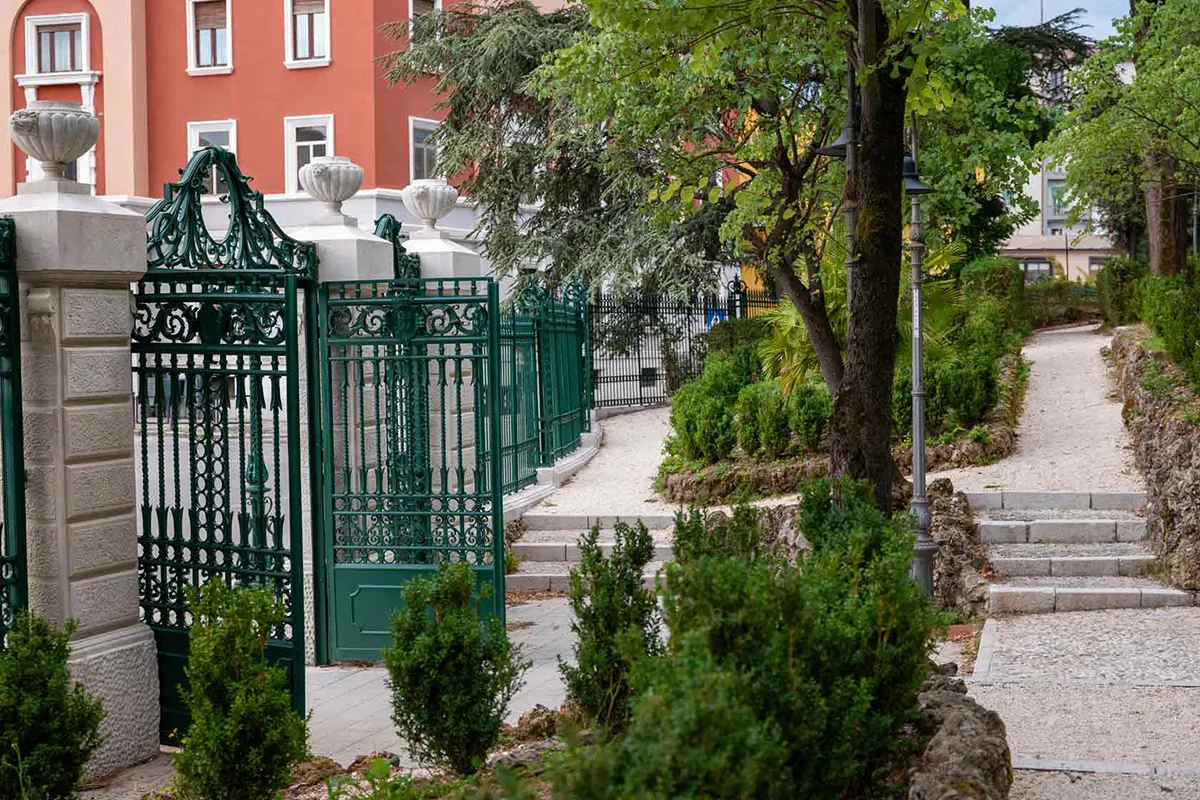
The value of this project lies in the decision to approach restoration not as a simple conservative operation, but as a cultural project that addresses contemporary challenges. The methodology adopted, in line with the latest international research on the role of historic gardens in climate adaptation, has integrated protection, sustainability, and accessibility. The garden has been redesigned as an active public space, where people’s well-being coexists with the preservation of historical forms and the responsible use of natural resources. Water, light, soil, and the choice of plant species have been treated as design elements capable of reducing the heat island effect, improving summer comfort, increasing biodiversity, and facilitating long-term maintenance.
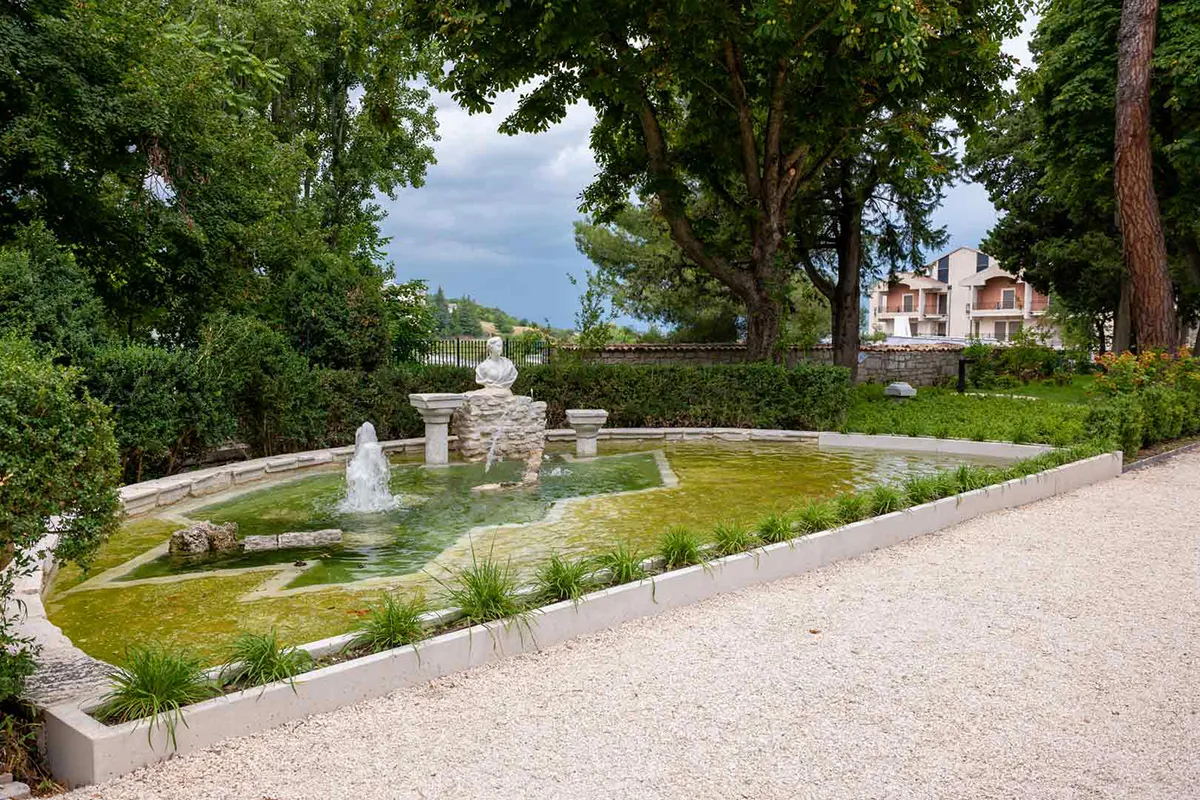
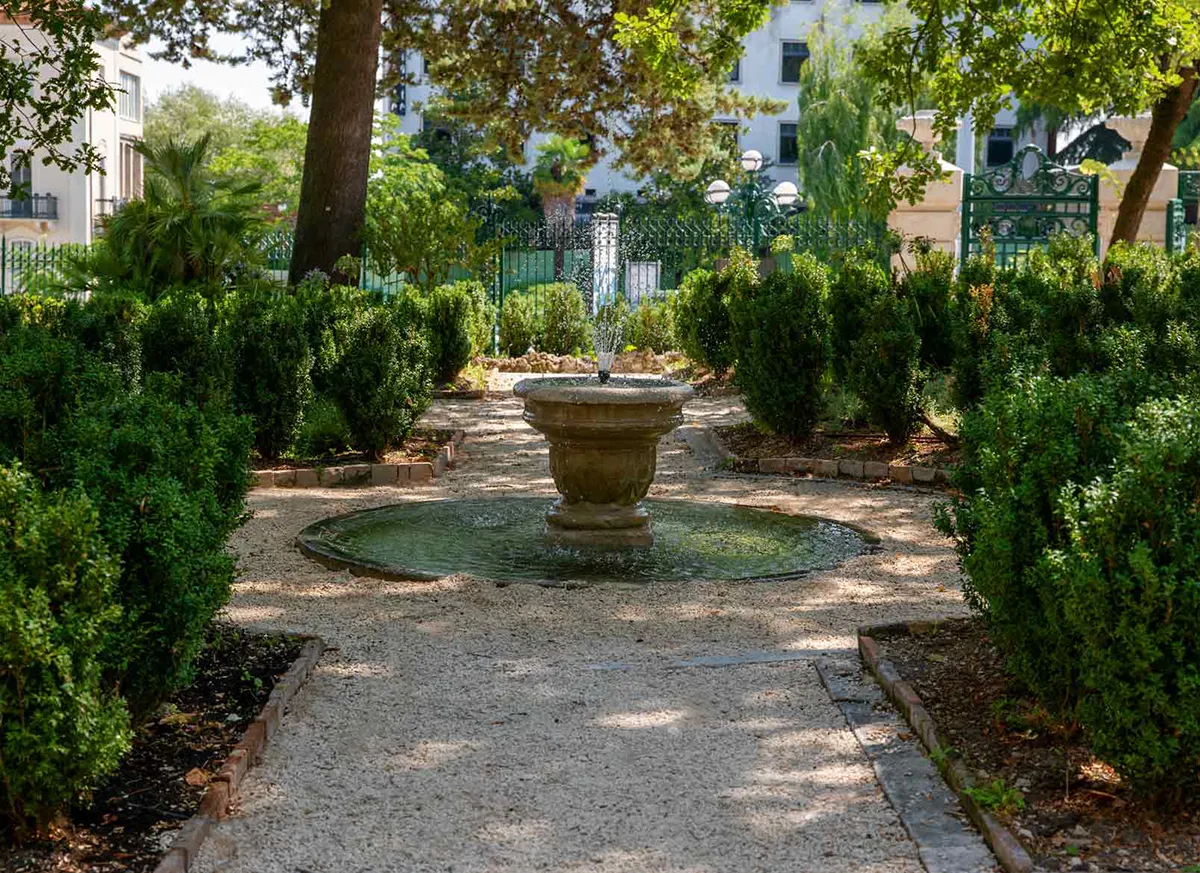
The reconfiguration of the spaces did not alter the original layout, but clarified the paths, opened up the views, and restored the materials. The historic flooring was cleaned, the cobblestones realigned, and the clay paths rebuilt with the addition of a section in stabilized gravel to facilitate walking for people with mobility difficulties. Every intervention was intentionally discreet: the goal was not to introduce new forms, but to restore legibility and coherence to the existing design.
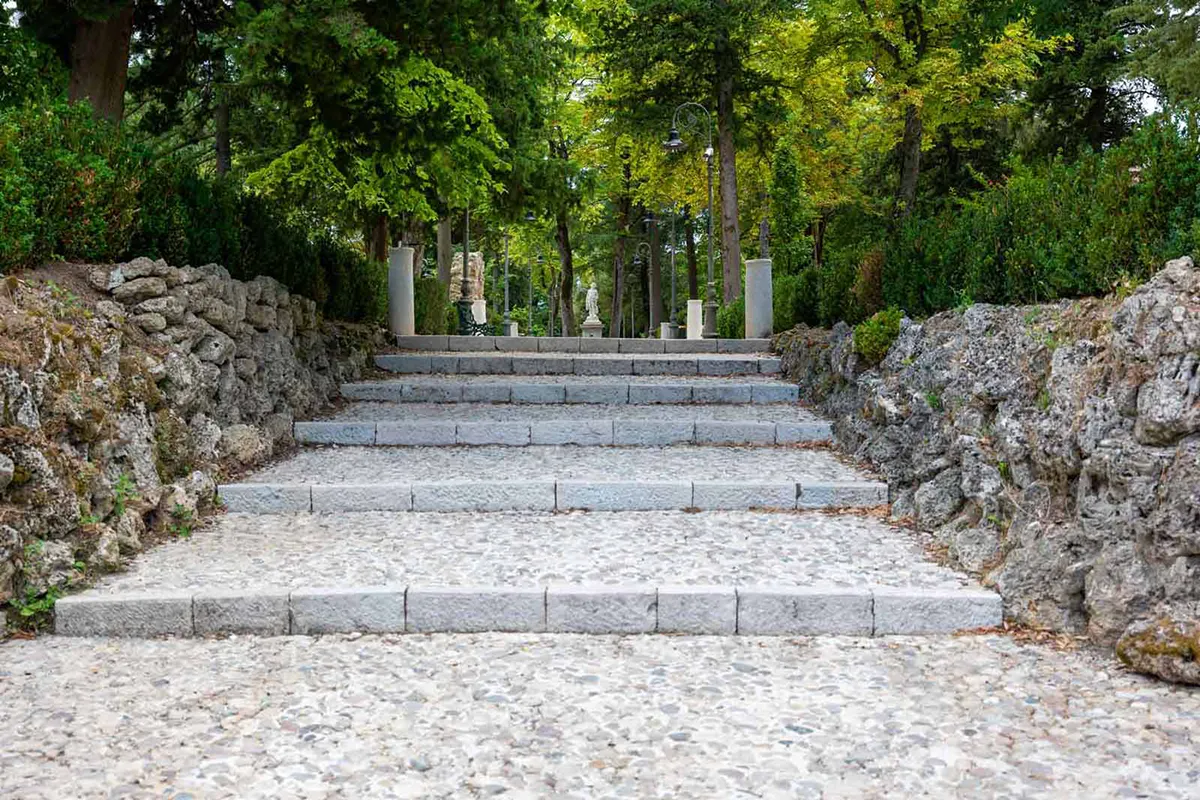
The garden has been organized into areas that draw on its botanical history and perceptual tradition: the herbarium of medicinal plants recalls its monastic past; the green rooms create intimate spaces for rest and relaxation; the historic pond and the Memorial generate a contemplative dimension; the Biodiversity Corner is home to species capable of promoting new habitats; the Green Lounge restores a place for outdoor socializing. These are environments that do not impose a path, but suggest experiences: everyone can choose how to walk through them, how long to stay, what to observe.
Great attention has been paid to the perception of space. The hedges do not exceed 130 cm in height to avoid visual barriers and ensure intuitive orientation, which is essential in a historic park with complex geometry. The vegetation has become a means of communication: it filters, guides, and welcomes without separating. On the south side, the landscaping using hydrangeas, arbutus, and pomegranate trees introduces a richer color palette and at the same time it helps to define a natural transition towards the city, visually mitigated by a backdrop of poplars that protect against the noise.
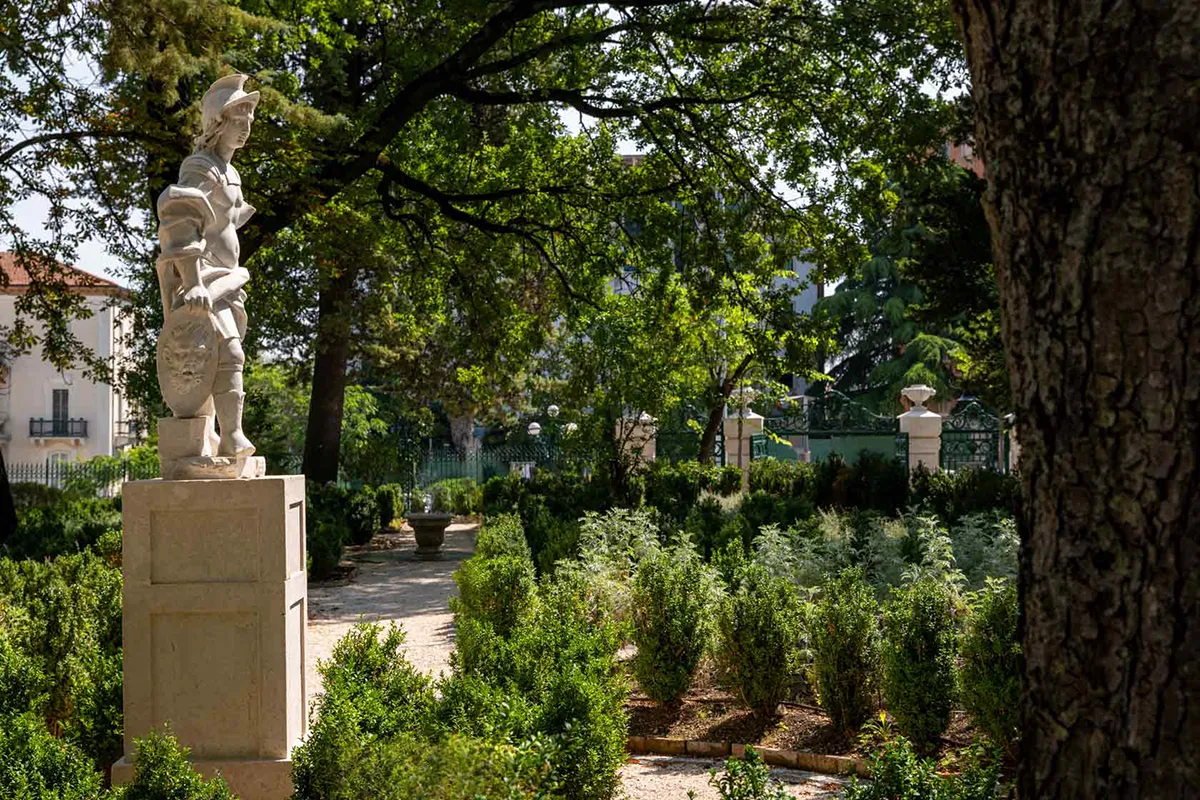
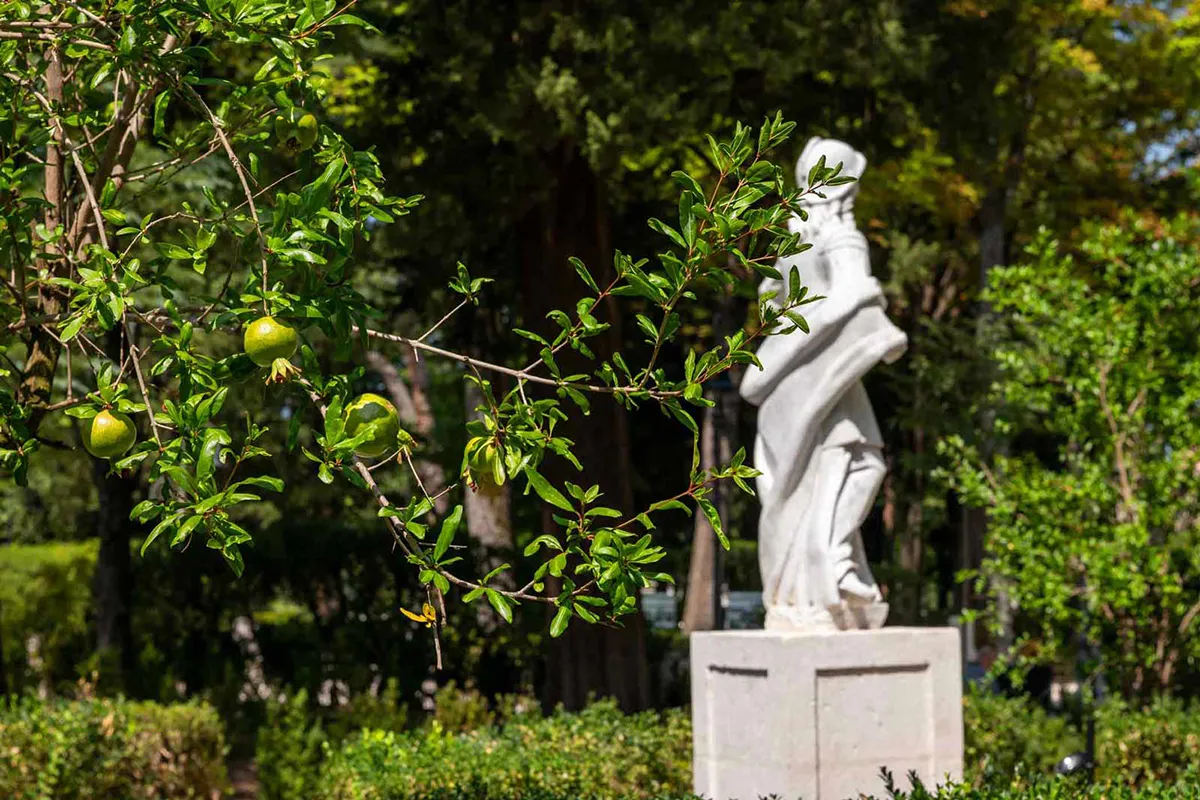
The result is a park that has lost none of its ancient atmosphere, but rather rediscovered it. Villa De Capoa thus returns to being a central place for the city, not out of nostalgia but because of its function: a public space that enhances collective memory, strengthens urban identity, and offers a complex, inclusive, and sustainable landscape experience.
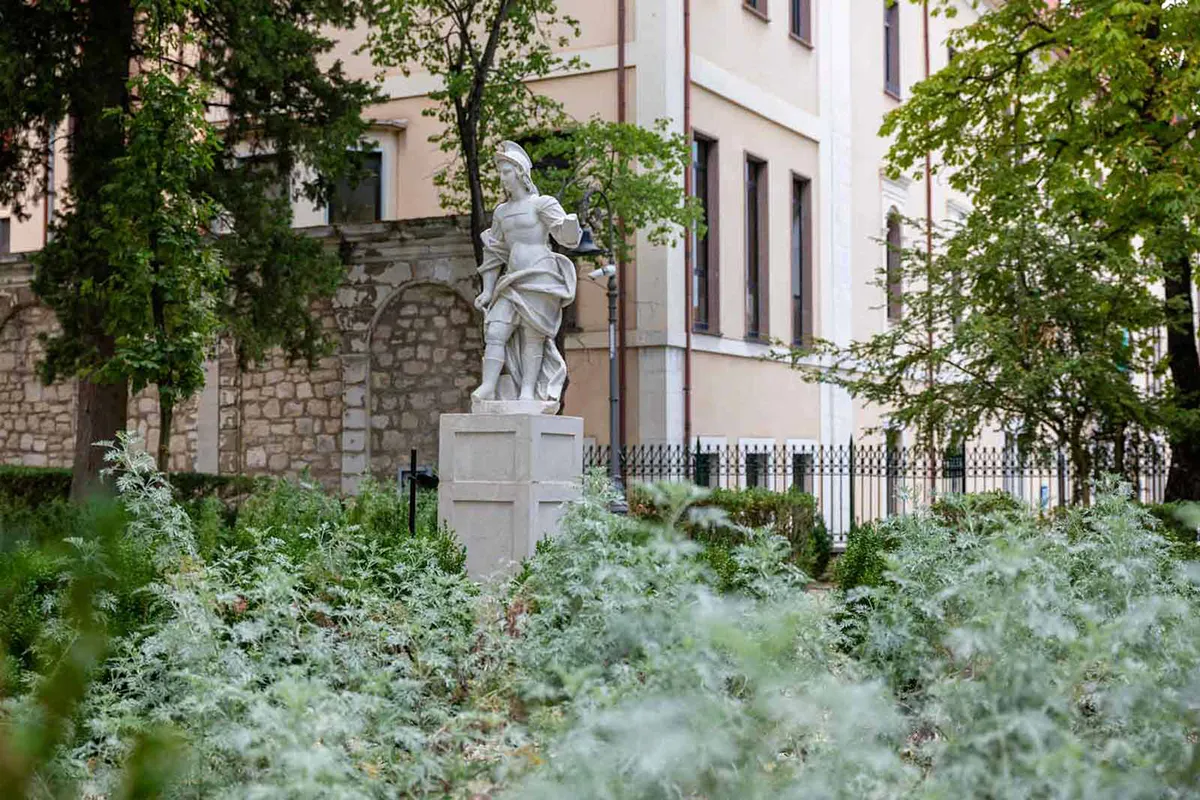
Villa De Capoa
Location: Campobasso, Italy
Client: Municipality of Campobasso
Landscape design: Greencure landscaping
Environmental design: Studio Forst
Architectural design: Dunamis Architettur
Restoration: Simone Albani
Photography: Francesco Paolucci