
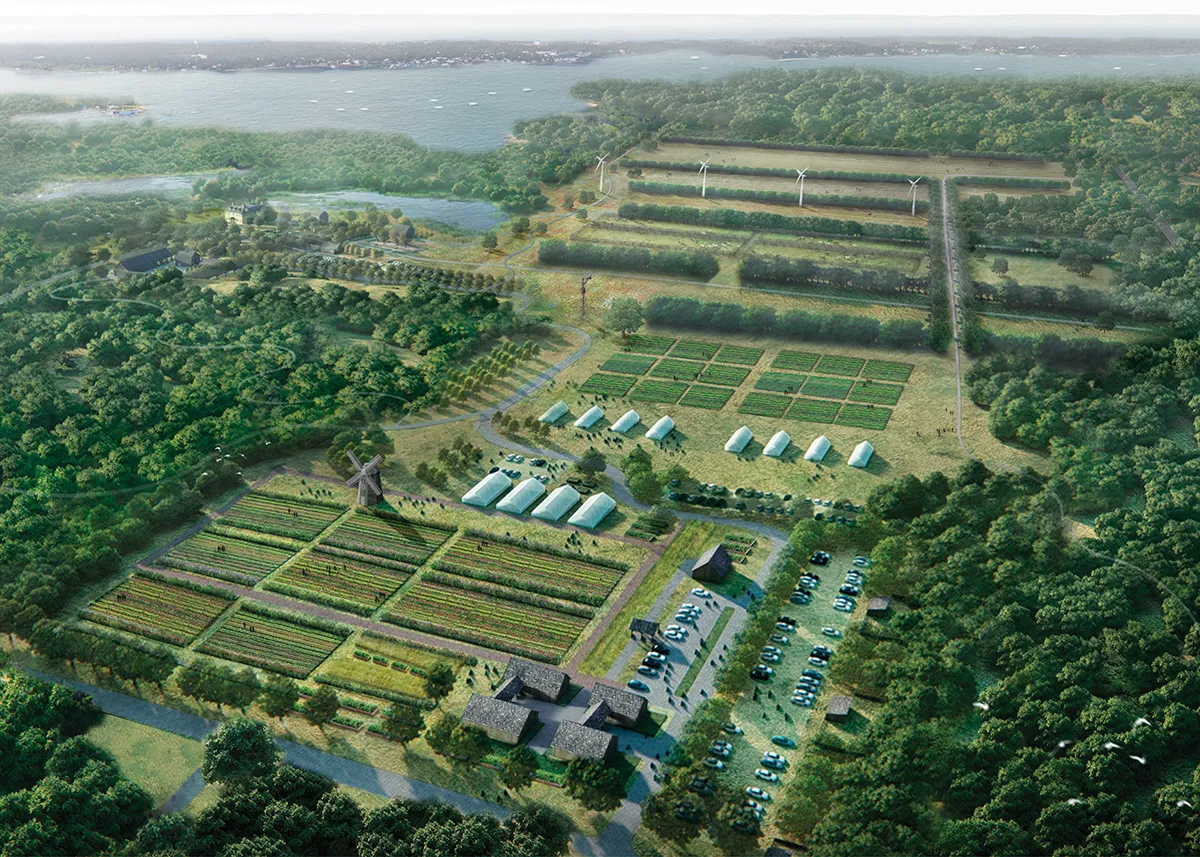
On Shelter Island in New York, Nelson Byrd Woltz Landscape Architects collaborated with Sylvester Manor Educational Farm to explore the layered history of its storied landscape and create a comprehensive plan to transform the private estate for public use and ensure a sustainable vision for the organization’s future. Sylvester Manor Educational Farm is a nonprofit organic farm, historic site, and museum dedicated to education, preservation, sustainability, and celebration of the site’s history, food, art, and community. Formerly a slave provisioning plantation, Sylvester Manor has been in continuous ownership by one family for over 300 years, until its relatively recent evolution into a nonprofit organization with a strong public educational component. Since its inception, the Manor landscape has been shaped by people, food, and their relationship to the land, reflecting a remarkable history of America’s evolving tastes, economies and ecologies.
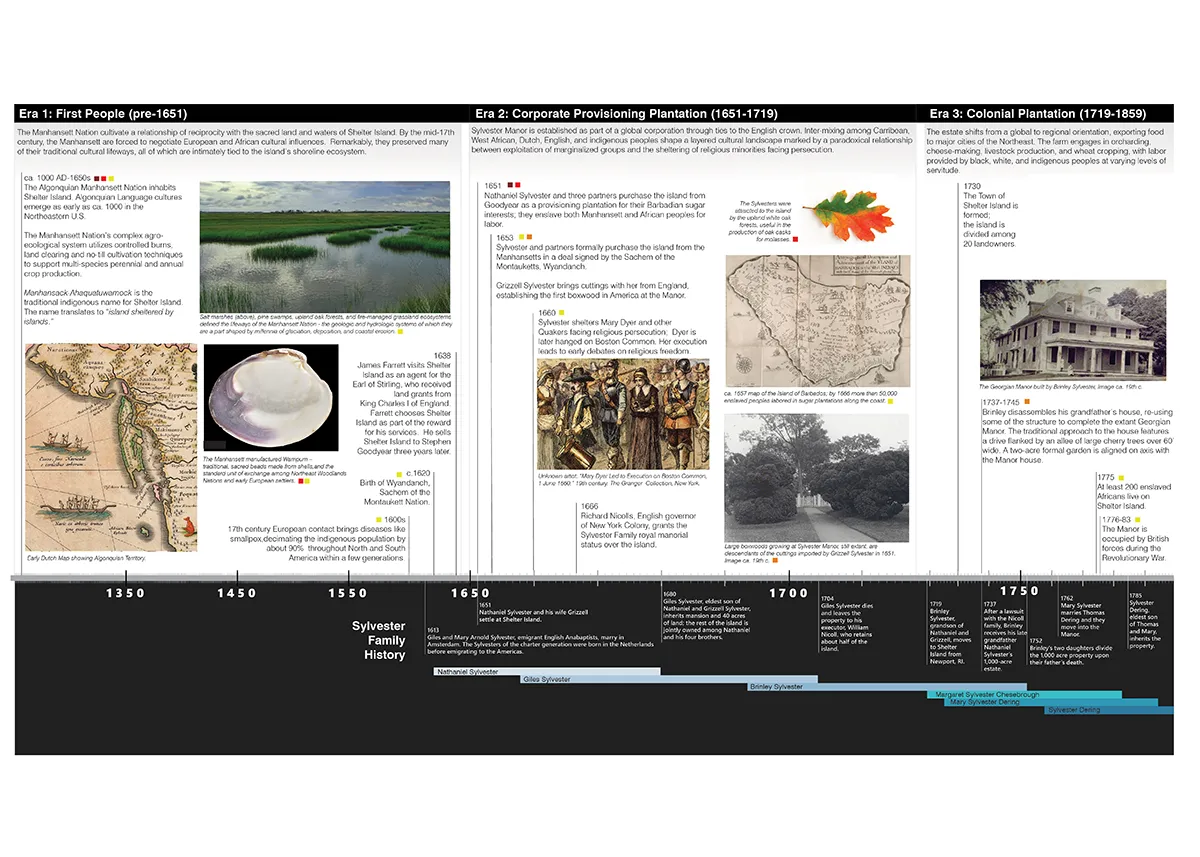
The collaboration began with a Cultural Landscape Report (CLR) that researched significant periods in the site’s history, identified key historic and cultural resources, and created a management framework to guide the long-term preservation and stewardship of the site for years to come. The research and findings of the CLR served as the foundation for the future Comprehensive Landscape Plan.
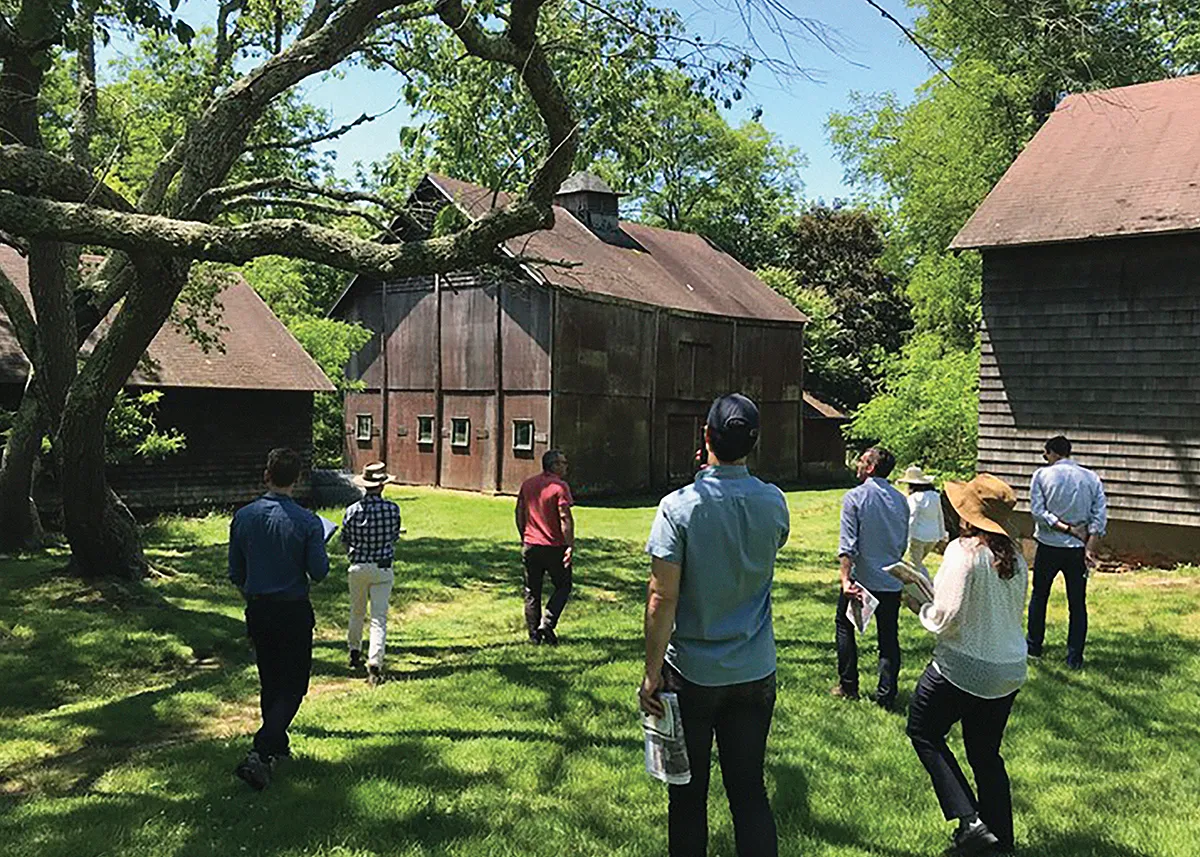
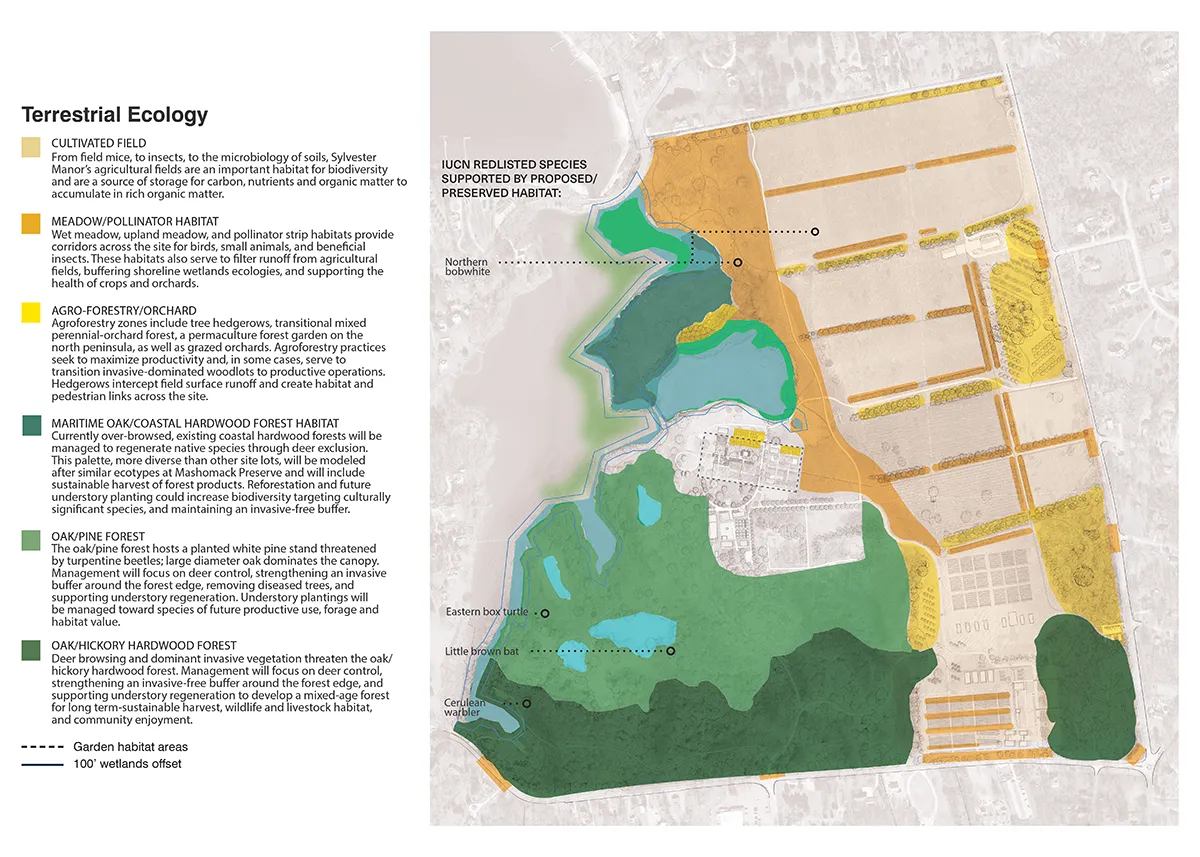
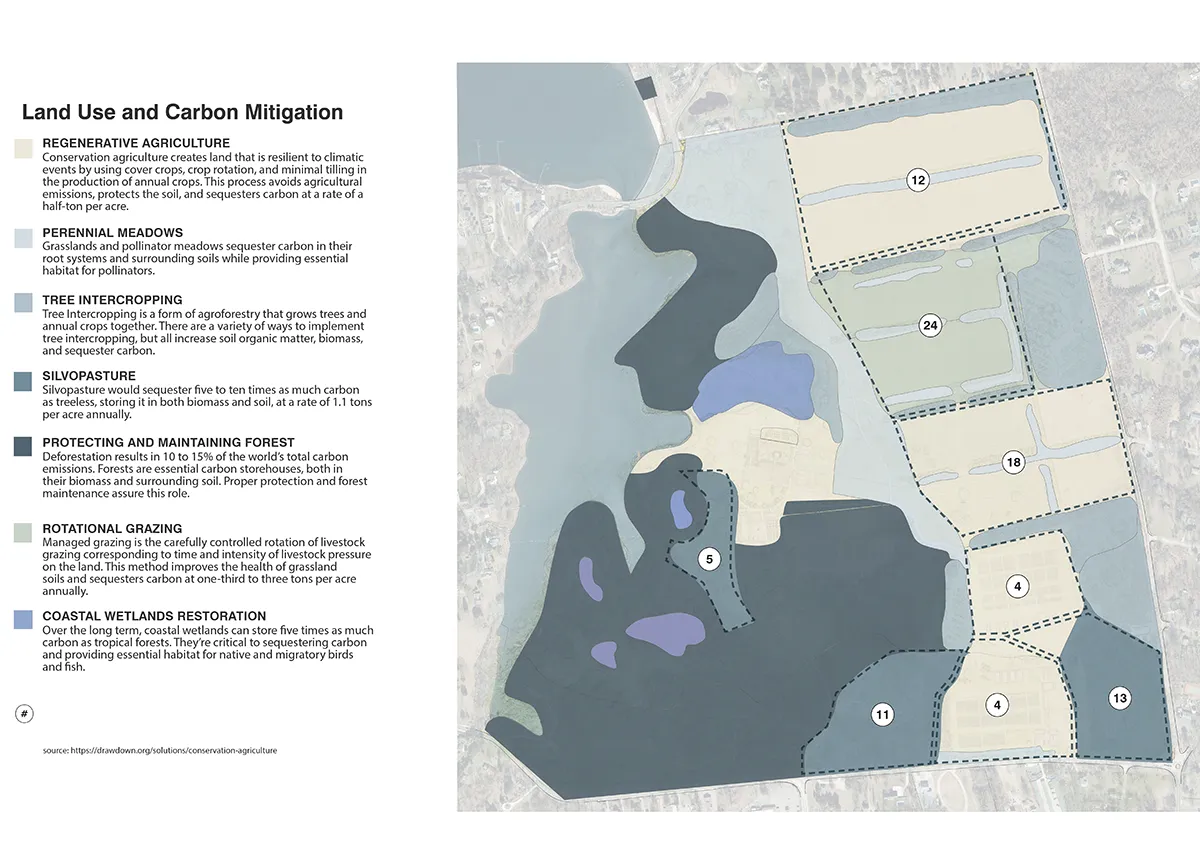
The Comprehensive Landscape Plan (CLP) was guided by the goals of preserving the historic acreage in perpetuity, cultivating regenerative agricultural practices, and sharing the history and heritage work of the organization through storytelling, cultural programming, and education. Early in the planning process, the Landscape Architect wove engagement with stakeholders and community into the design process to ensure a diverse array of voices and priorities were represented, including conducting interviews with staff and leadership, site visits and tours with community members, and archival research to document voices from the site’s history. The resultant CLP represents a synthesis of in-depth research into site history and evolving ecology and the needs and interests of staff, stakeholders, and community that transforms the site into a public, educational, and resilient landscape.
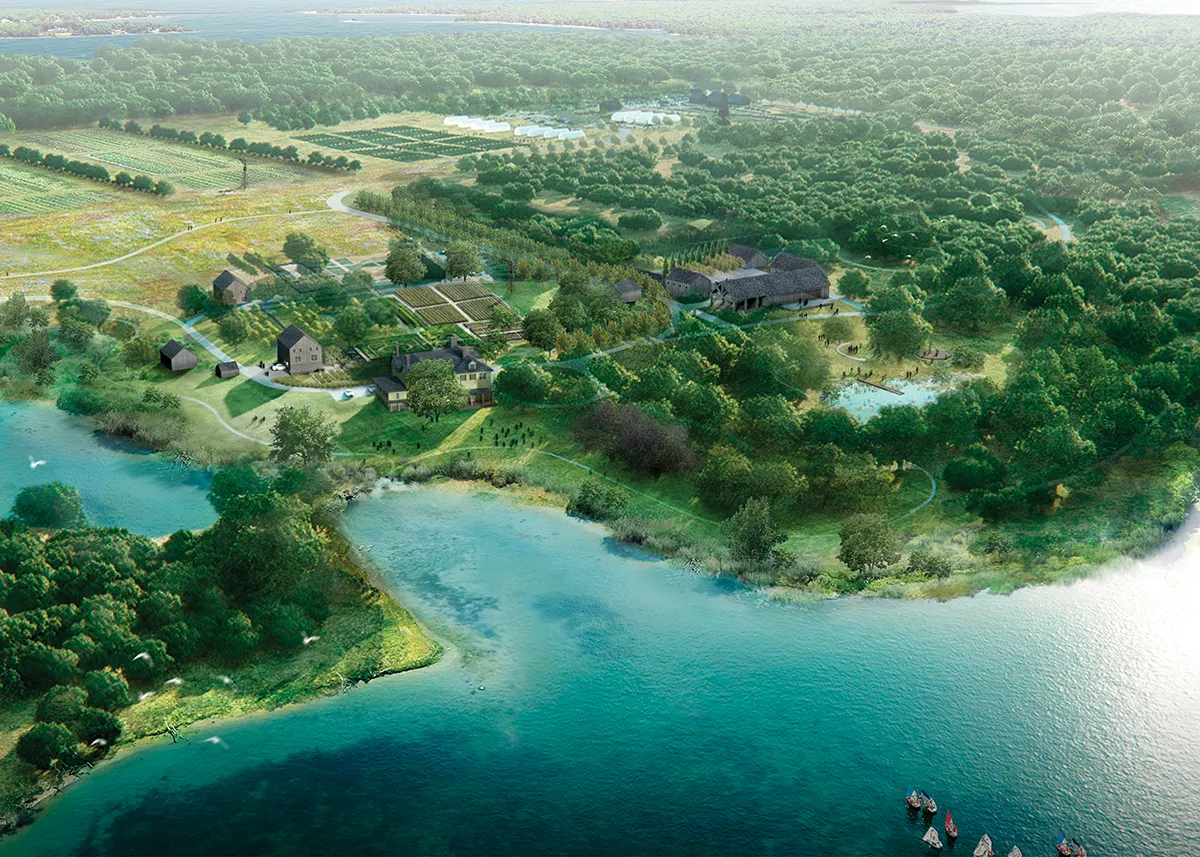
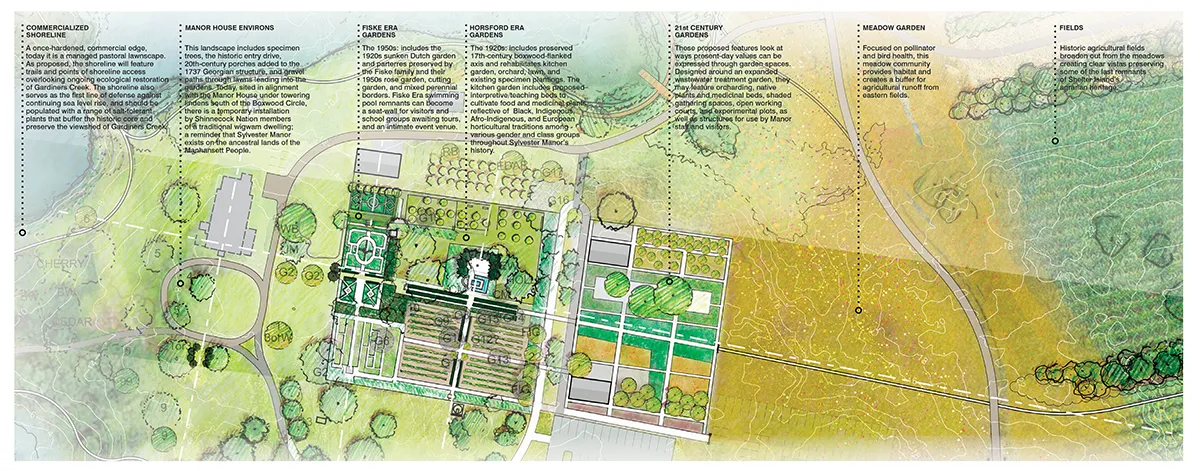
The CLP addresses the challenges of land management and agricultural operations across the property, considering how landscape experiences connect visitors to the rich narratives of past and present. The conceptual plan develops a comprehensive, sustainable, and adaptable long-term framework for rehabilitating and harmonizing a complex group of historical, cultural, and agricultural landscapes and structures. Historic viewsheds and connections to the waterfront are restored with key sightlines into the property to invite and encourage the public to visit. The plan envisions the restoration of the Historic Gardens to reflect the different eras and historic periods of the site.
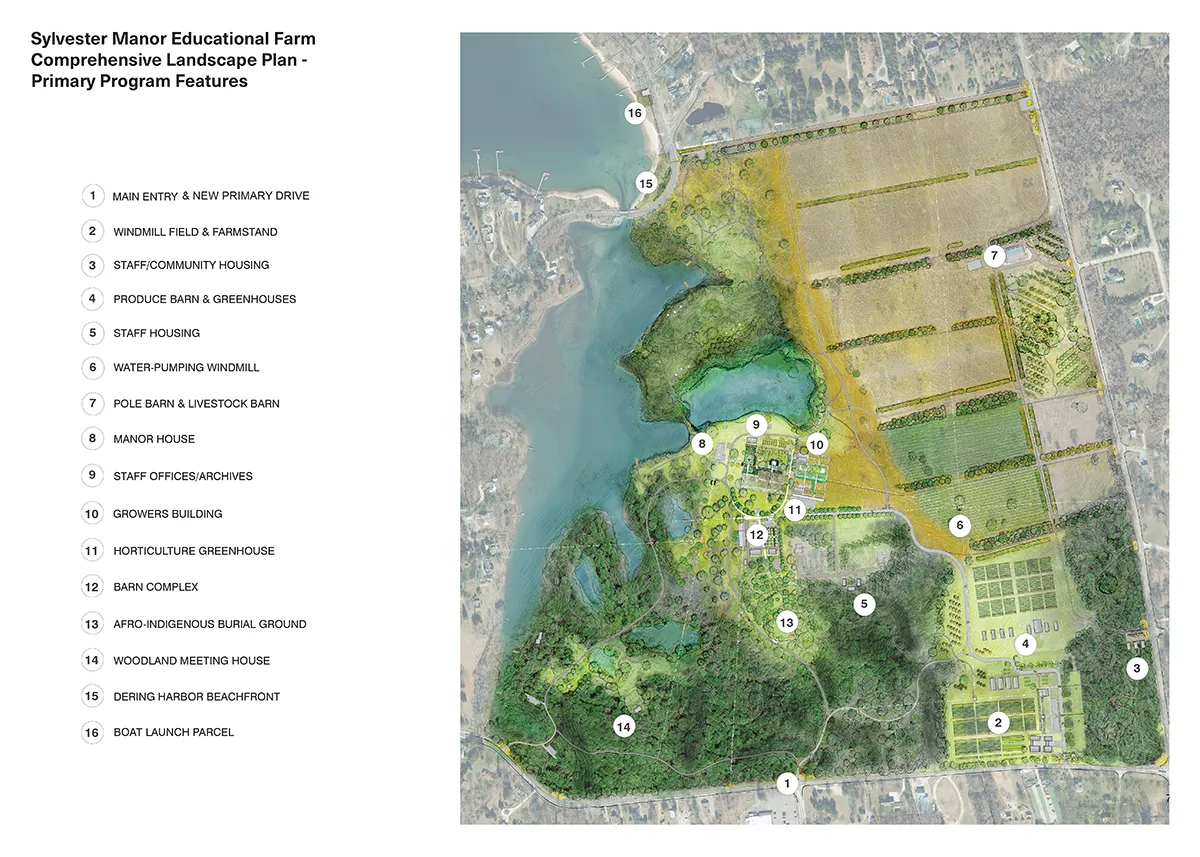
Reimagined site circulation and expanded entry sequence improves vehicular and pedestrian access and provides a variety of ways for visitors to experience the cultural and ecological treasures of the landscape. A new series of trails wind through the site, connecting visitors to significant cultural resources and histories, including a historic Afro-Indigenous Burial Ground. Each trail traces a thematic narrative to educate visitors on the history of enslavement, lifeways and land management practices of the Indigenous Manhansett people, regional ecologies, and sustainable agricultural methodologies. The CLP creates a resilient and flexible framework for revealing important stories of the site while supporting practical needs of an evolving landscape.
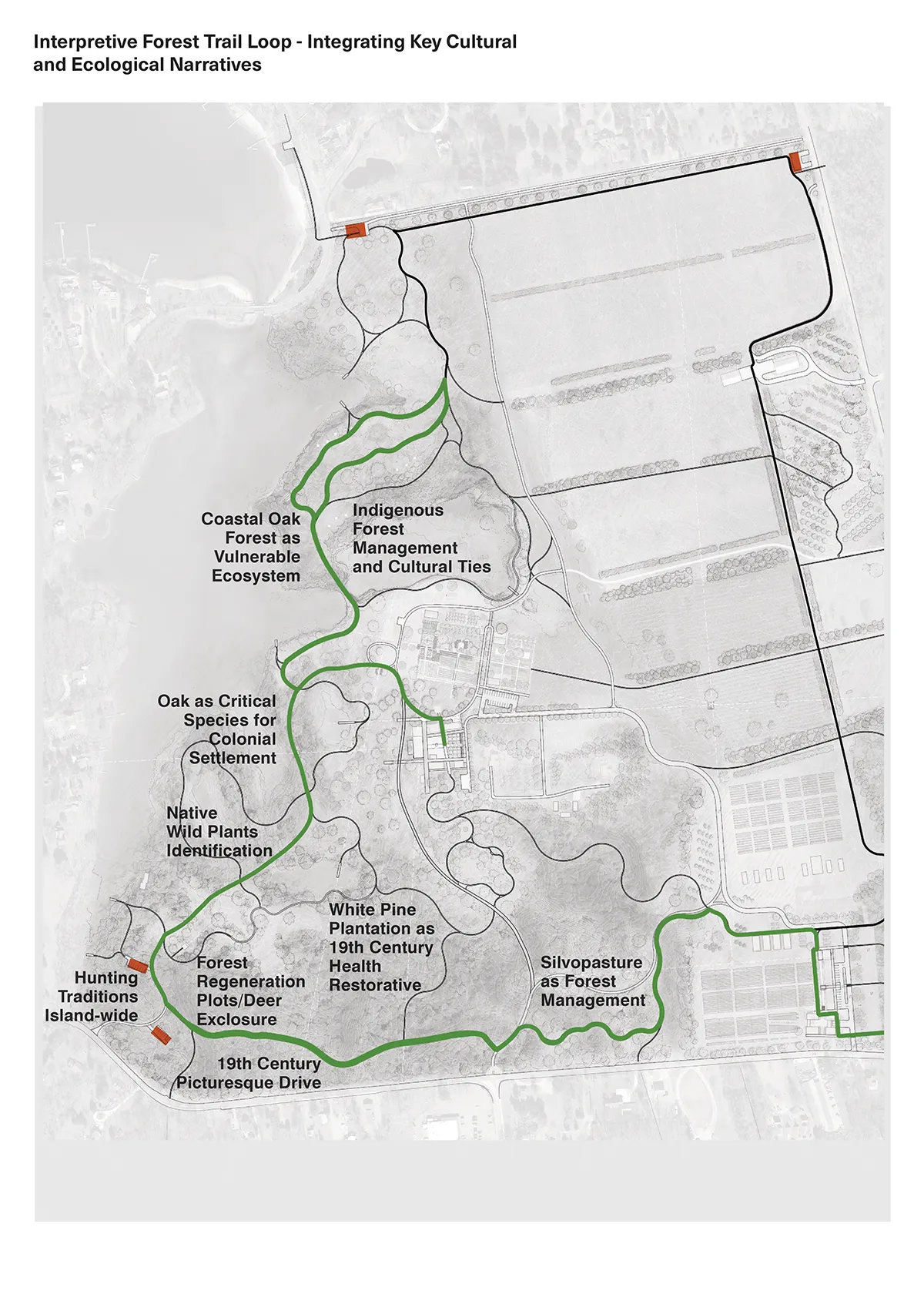
Sylvester Manor Educational Farm Comprehensive Landscape Plan
Landscape Architect: Nelson Byrd Woltz Landscape Architects
Client: Sylvester Manor Educational Farm
Image Credits: Nelson Byrd Woltz Landscape Architects