
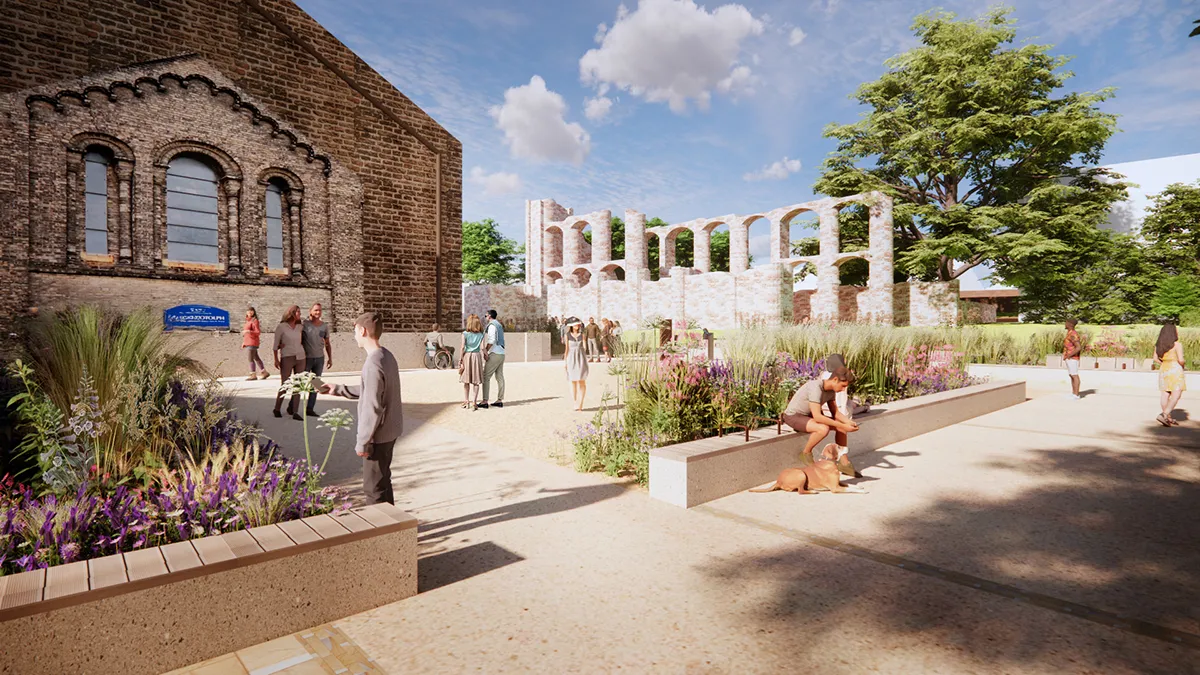
Colchester City Council has given planning permission for a multi-million-pound transformation of St Botolph’s Quarter in the centre of Colchester.
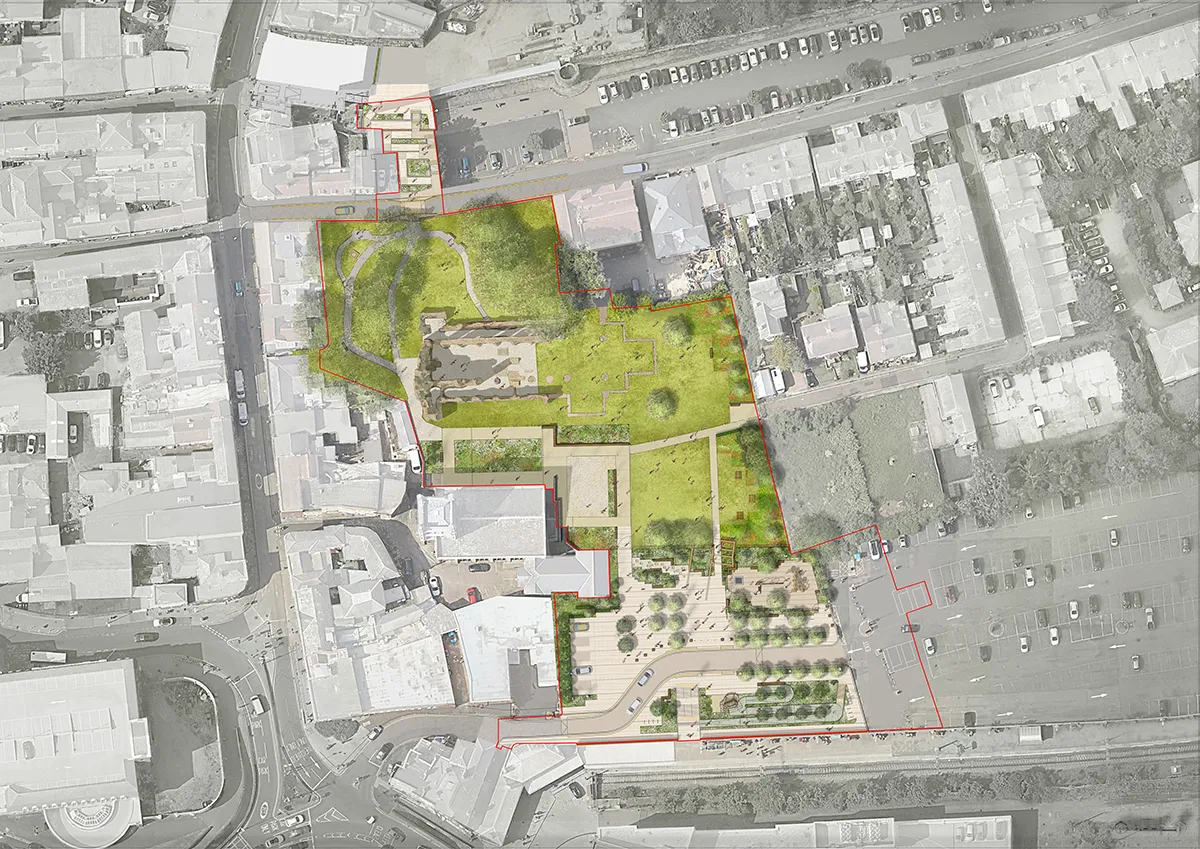
Colchester is Britain’s first city and the capital of Roman Britain. The plans for St Botolph’s Quarter celebrate this long history and support future growth. They include turning a car park into a lively new public plaza, St Botolph’s Square, which can be used for community events and markets.
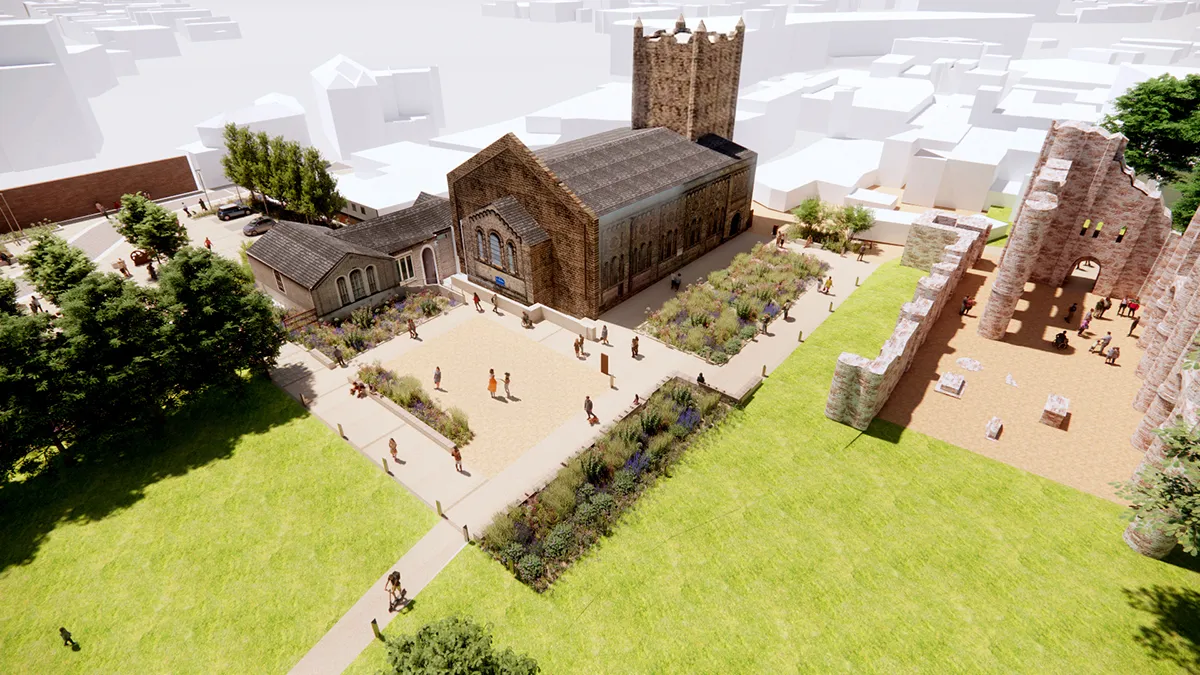
The scheme has been developed by Colchester City Council, Platform 4, LDA Design, Haworth Tompkins and HAT Projects.
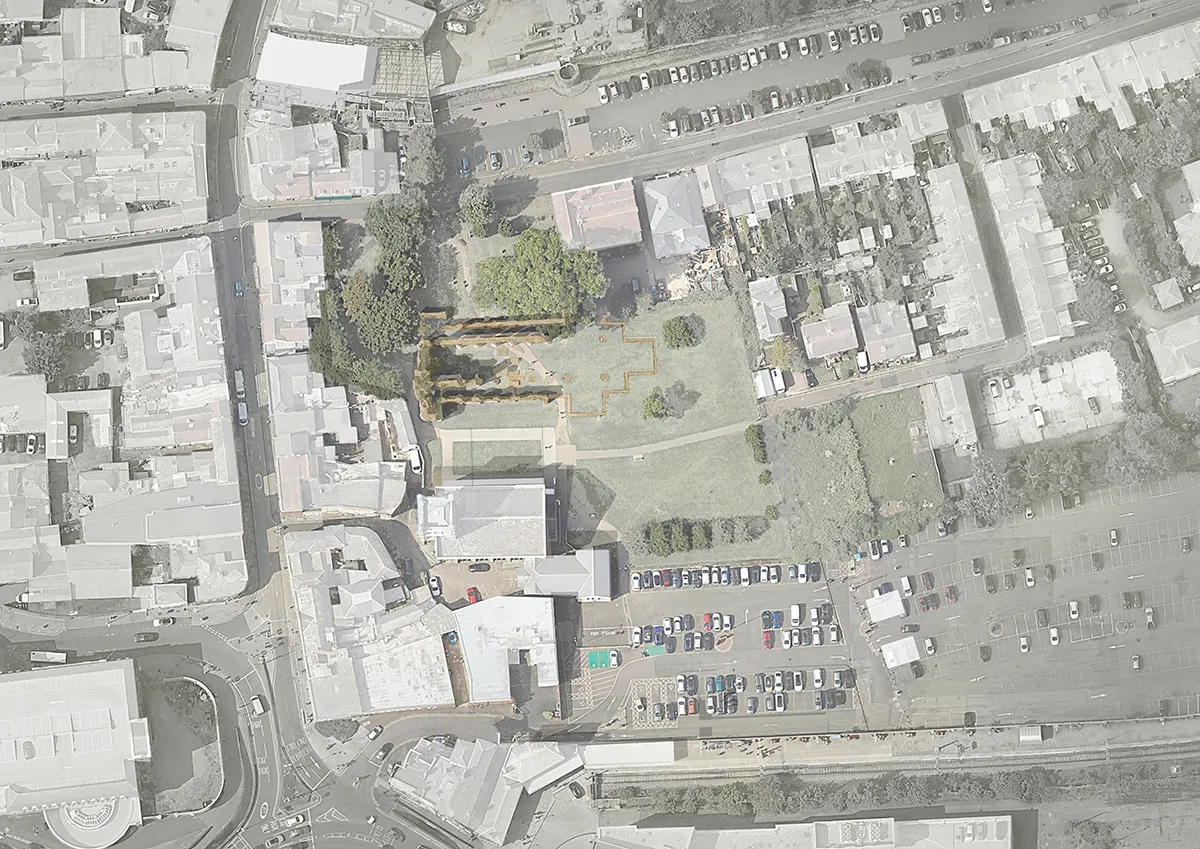
The site is a Scheduled Ancient Monument and includes St Botolph’s Priory, the first Augustinian priory in England and an impressive example of early Norman architecture, dating back to 1100. The project will improve access and enhance the Priory’s setting, drawing more people to visit.
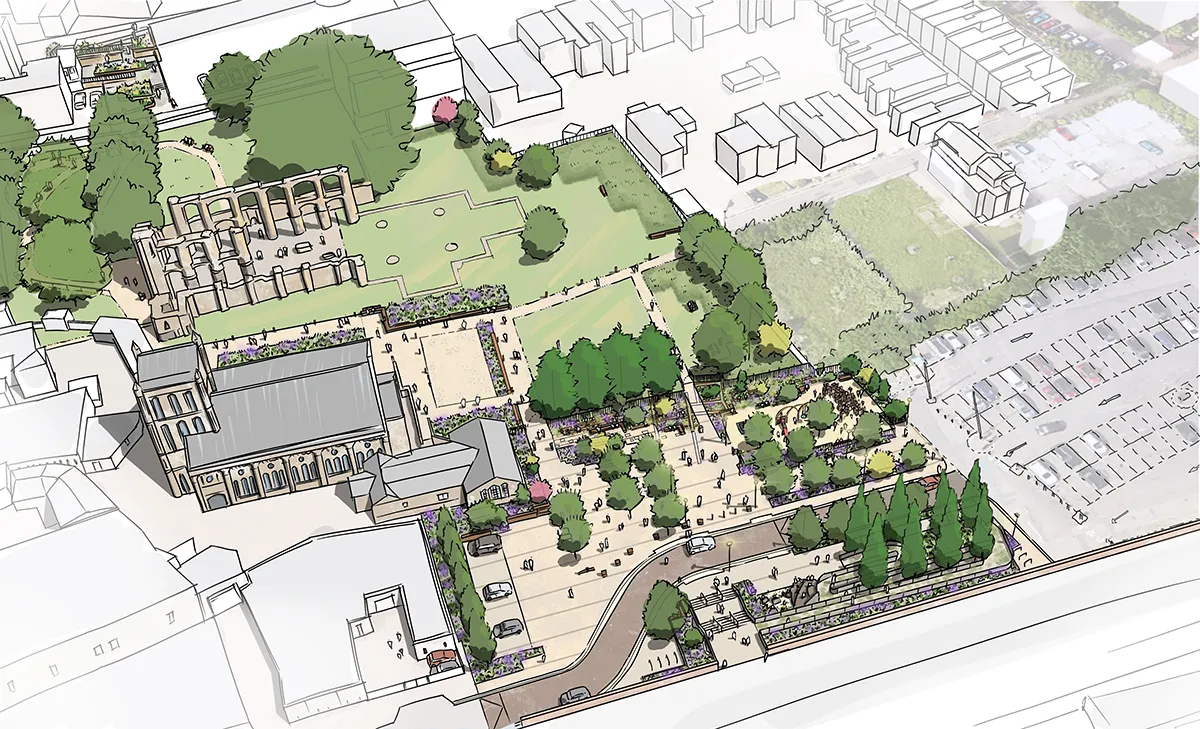
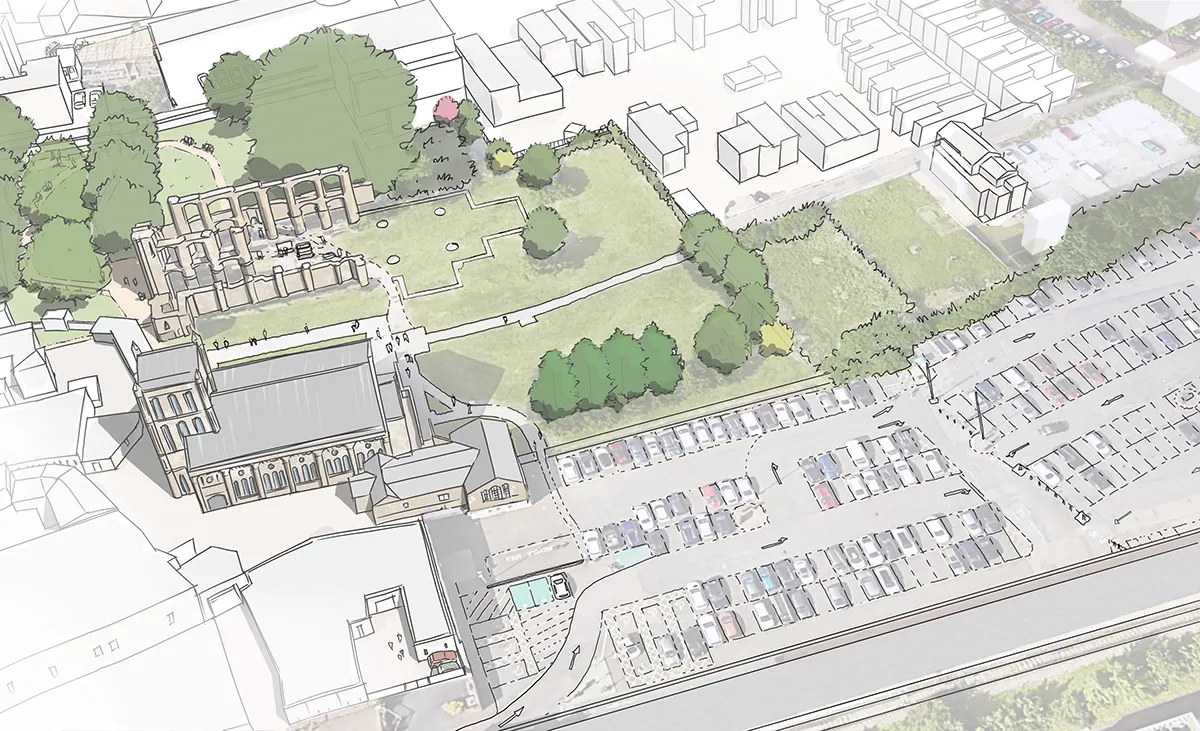
Designs have been developed in consultation with Historic England and English Heritage, and historic maps have inspired the rediscovery of the lost layout of the Priory Gardens. Proposed footpaths now reflect the historic layout, with seating and planting to encourage people to sit back and enjoy the Priory.
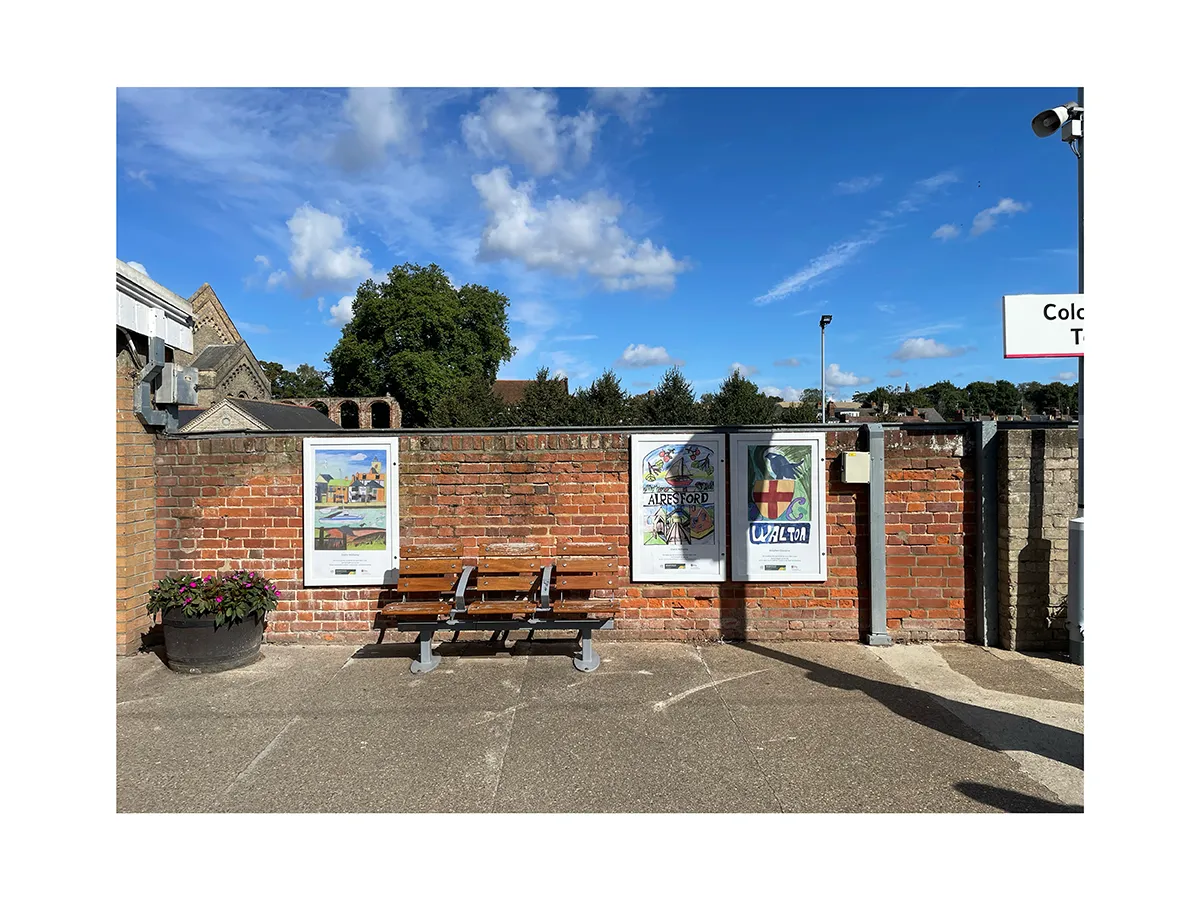
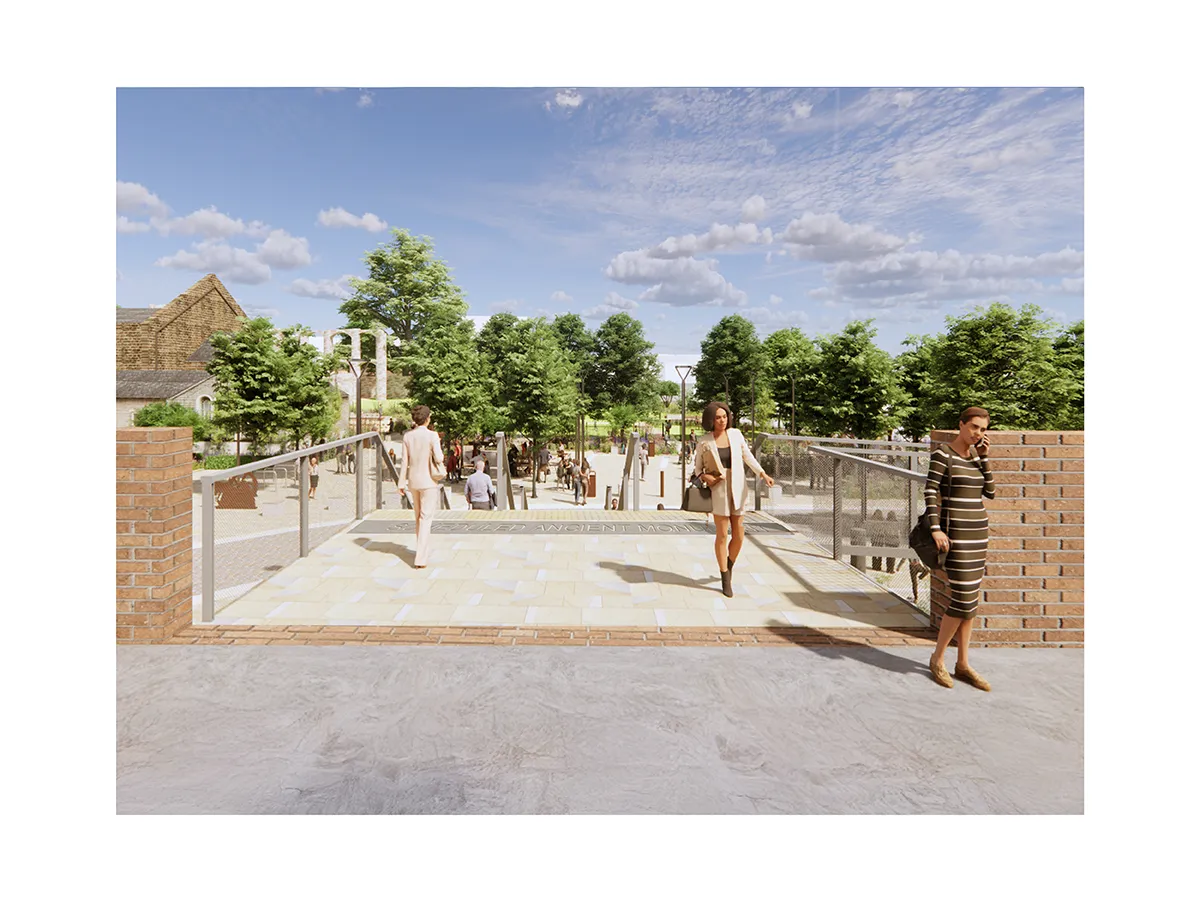
Key to the proposals is a new, all-inclusive green pedestrian route linking Colchester Town train station to Colchester Castle via a new station entrance and heritage trail. The route will guide visitors through the scheduled ancient monument, including St Botolph’s Square, the Priory Gardens, St Botolph’s Priory, and over the original Roman Wall on Priory Street towards the Castle, unveiling the heart of the city centre and creating a great arrival for people coming in by rail.
A new destination play space is inspired by the Priory. Enhancements to the lighting will make the area feel safe and welcoming into the evening.
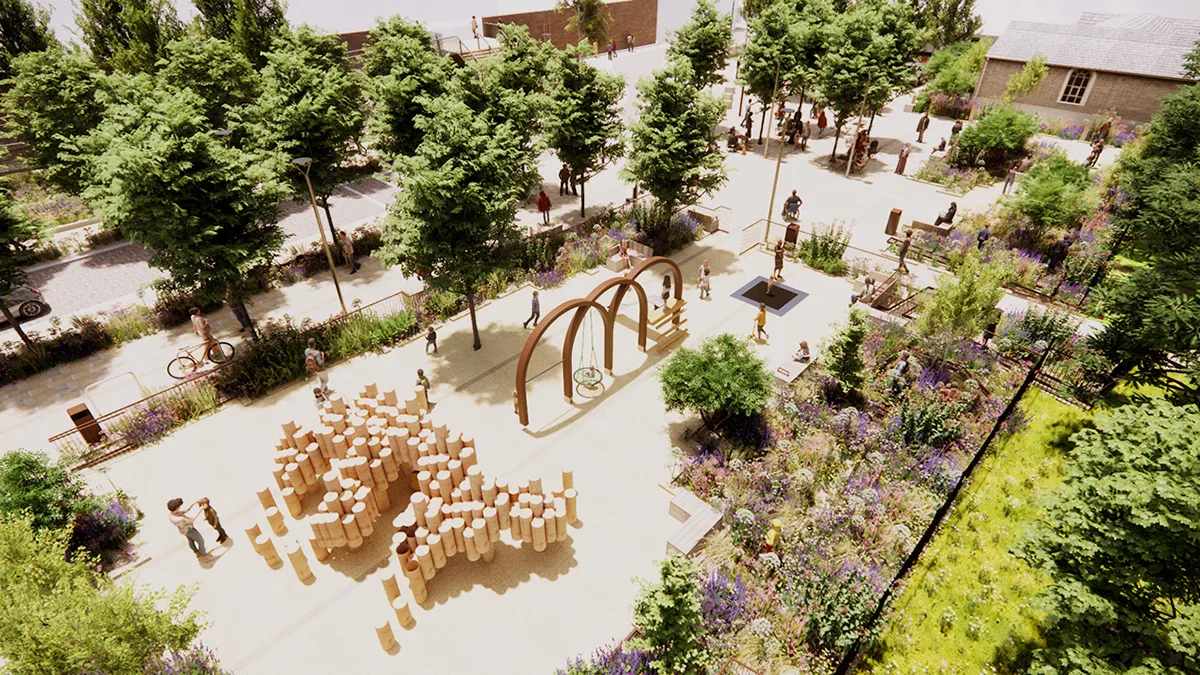
“Our designs strike an important balance between creating a place for the everyday that is also flexible enough to host community events. They transform a car park into a thriving square, alongside beautiful, biodiverse gardens that reference the area’s history. We want to achieve the biggest benefits for residents, businesses and visitors, and for nature, and create public realm for Colchester that befits its city status.”
Tom McCreesh, LDA Design project lead
The scheme is part of a programme of wider regeneration by the Council aimed at dramatically improving Colchester’s central infrastructure by 2030. The work has been shaped by inclusive public engagement with residents, businesses, community groups, and organisations representing people with sensory impairments and physical disabilities to ensure the scheme is inclusive and accessible to all. This feedback has directly influenced key aspects of the layout and navigation.
Images: LDA Design