
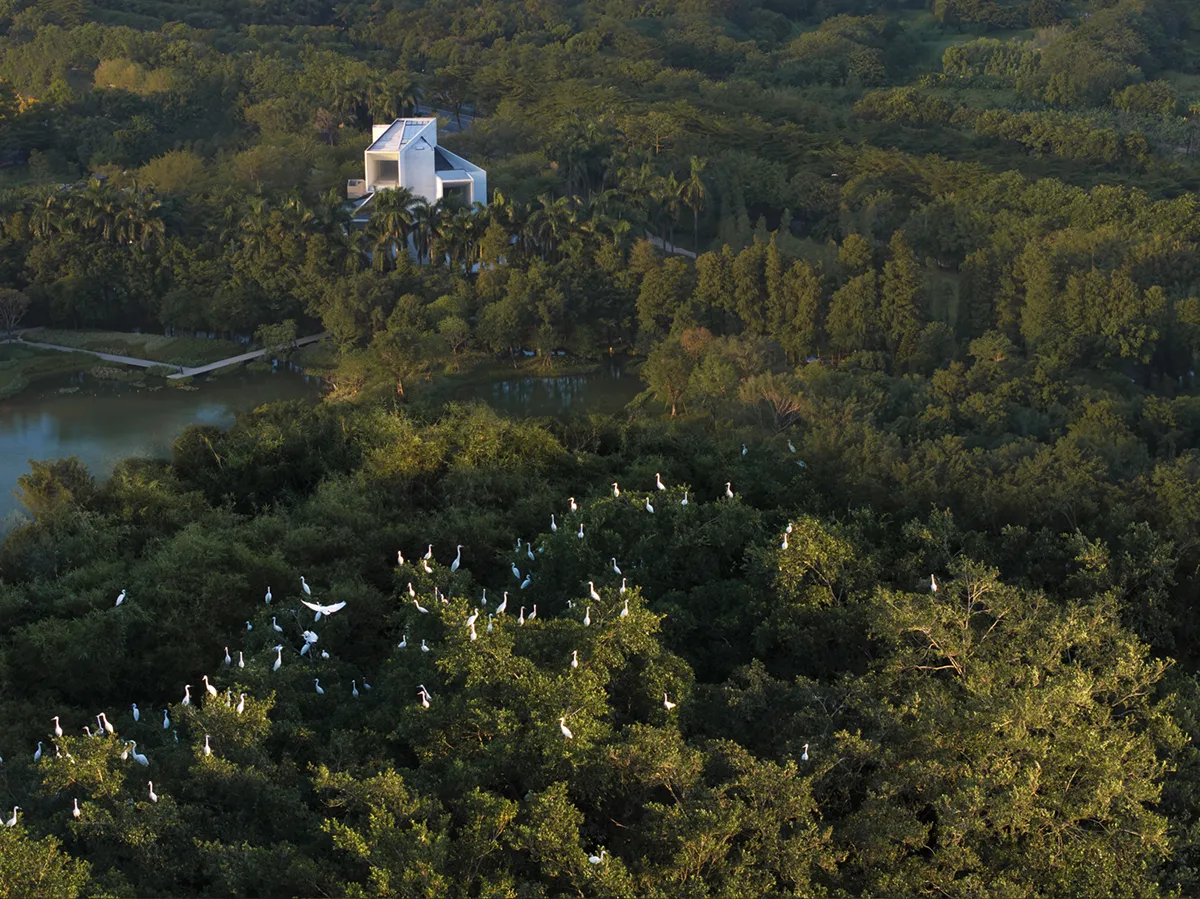
The Yunlu Wetland Pavilion is an art park deeply rooted in nature. Preserving the waterbody and native vegetation, the design fosters ecological restoration while inviting visitors to explore and connect with the landscape. Light, time, and space are magnified through the designer’s lens, immersing guests in an atmosphere of ecology, tranquility, and poetic beauty.
Origins
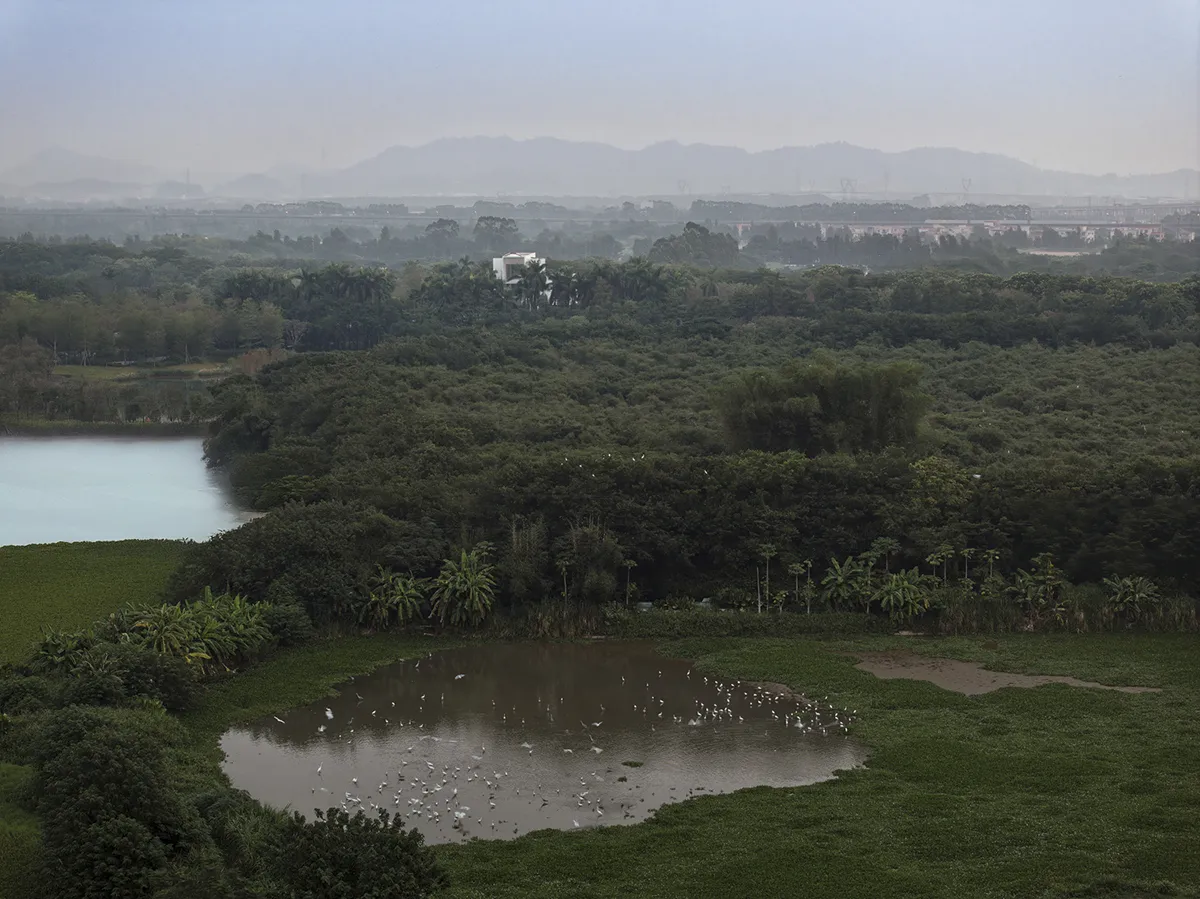
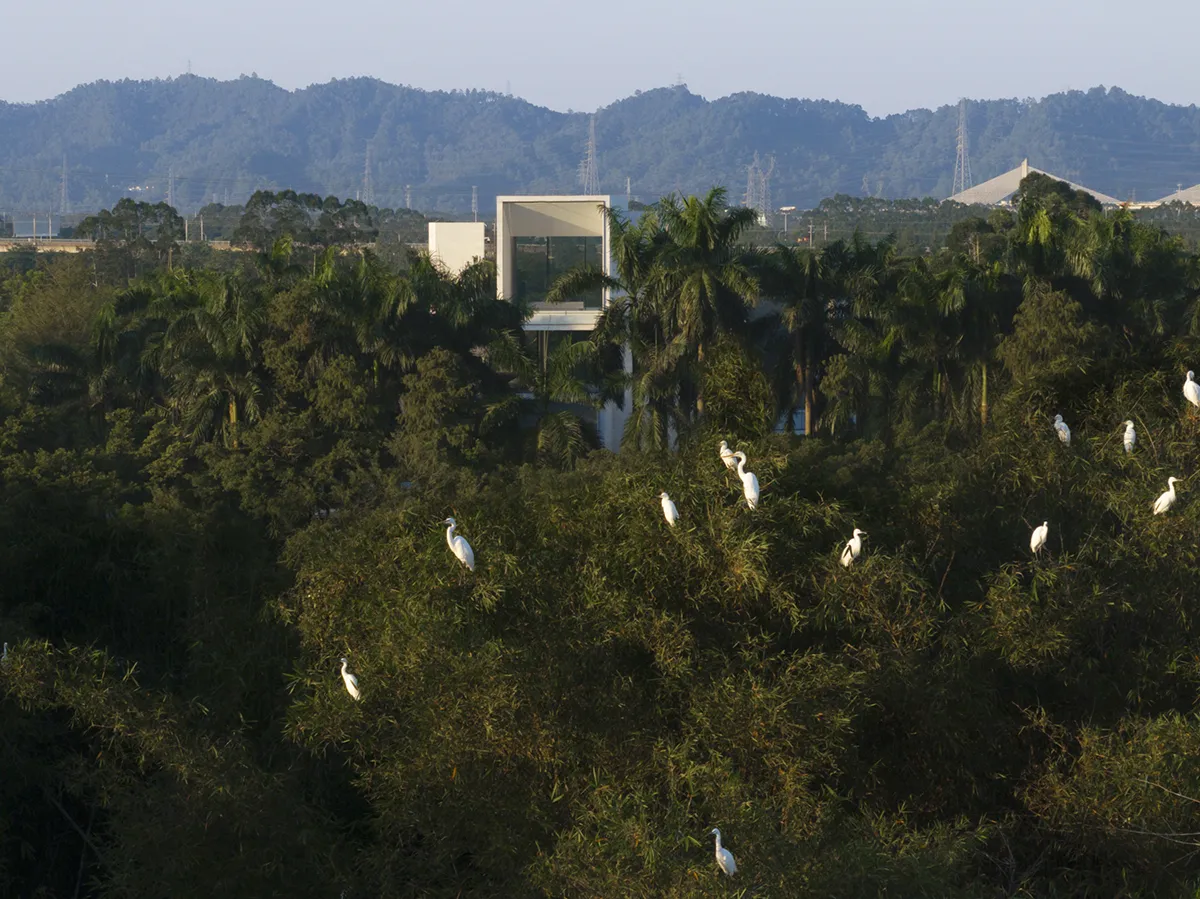
In 1998, “Uncle Bird” Xian Quan Hui leased 200 acres of barren land to plant bamboo, unintentionally creating a sanctuary for herons. To protect them, he dug a river to deter poachers and stocked nearby fishponds with over 600,000 fish. His decades-long dedication transformed the area into a thriving bird paradise. Today, the Shunde government has expanded the protection zone to 61 hectares, restoring water systems and bamboo groves, reshaping the area into Yunlu Wetland Park.
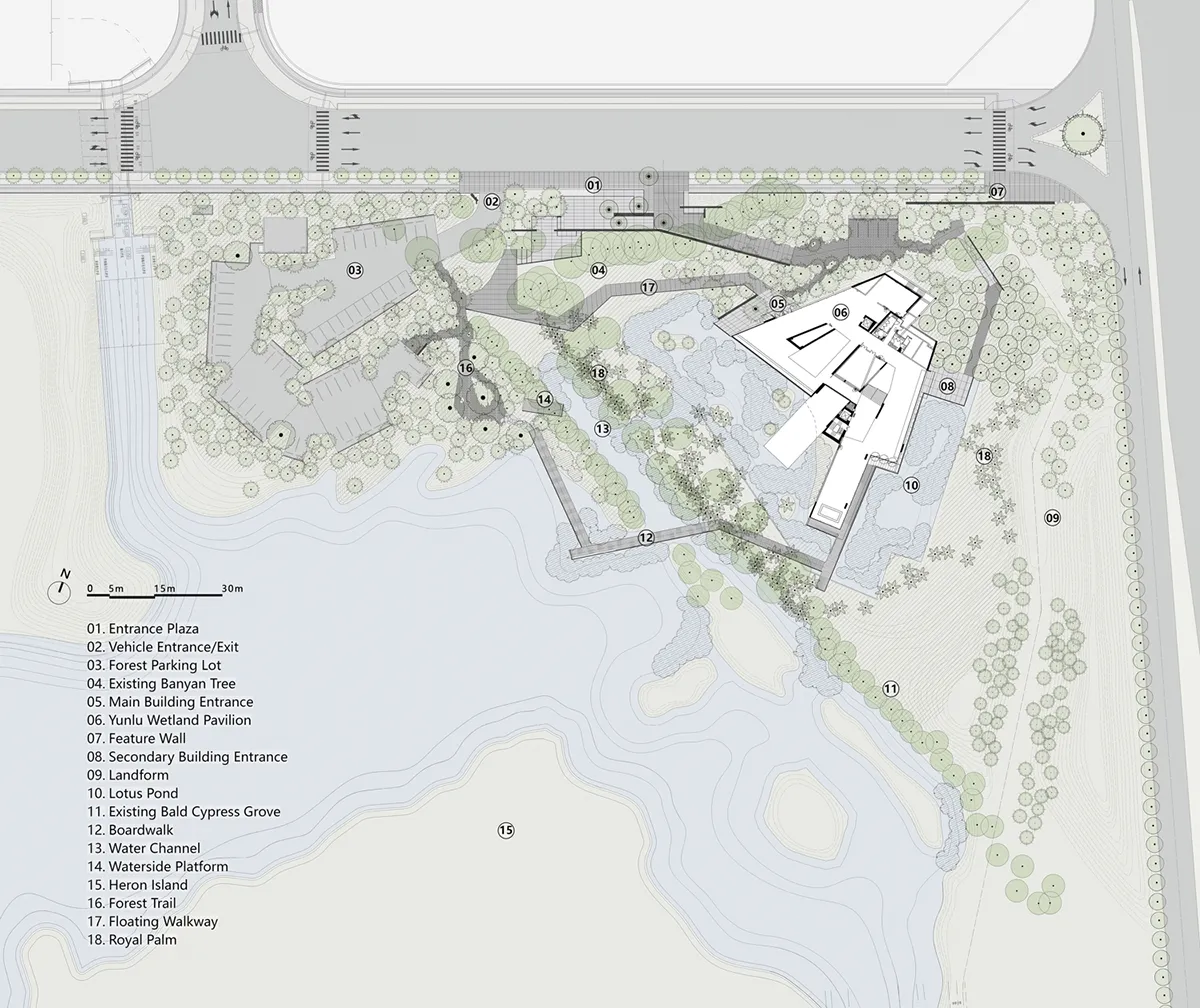
At its northeast corner, spanning 2 hectares, the Yunlu Wetland Pavilion serves as a visitor center and exhibition space, showcasing the wetland’s ecological significance.
Design Challenges & Ecological Sensitivity
In Guangdong, herons—known as “working birds”—forage at dawn and return at dusk. The bamboo forest to the south is a protected area, safeguarded by Uncle Bird’s waterway. The design balances accessibility with minimal environmental impact, respecting both nature and wildlife.
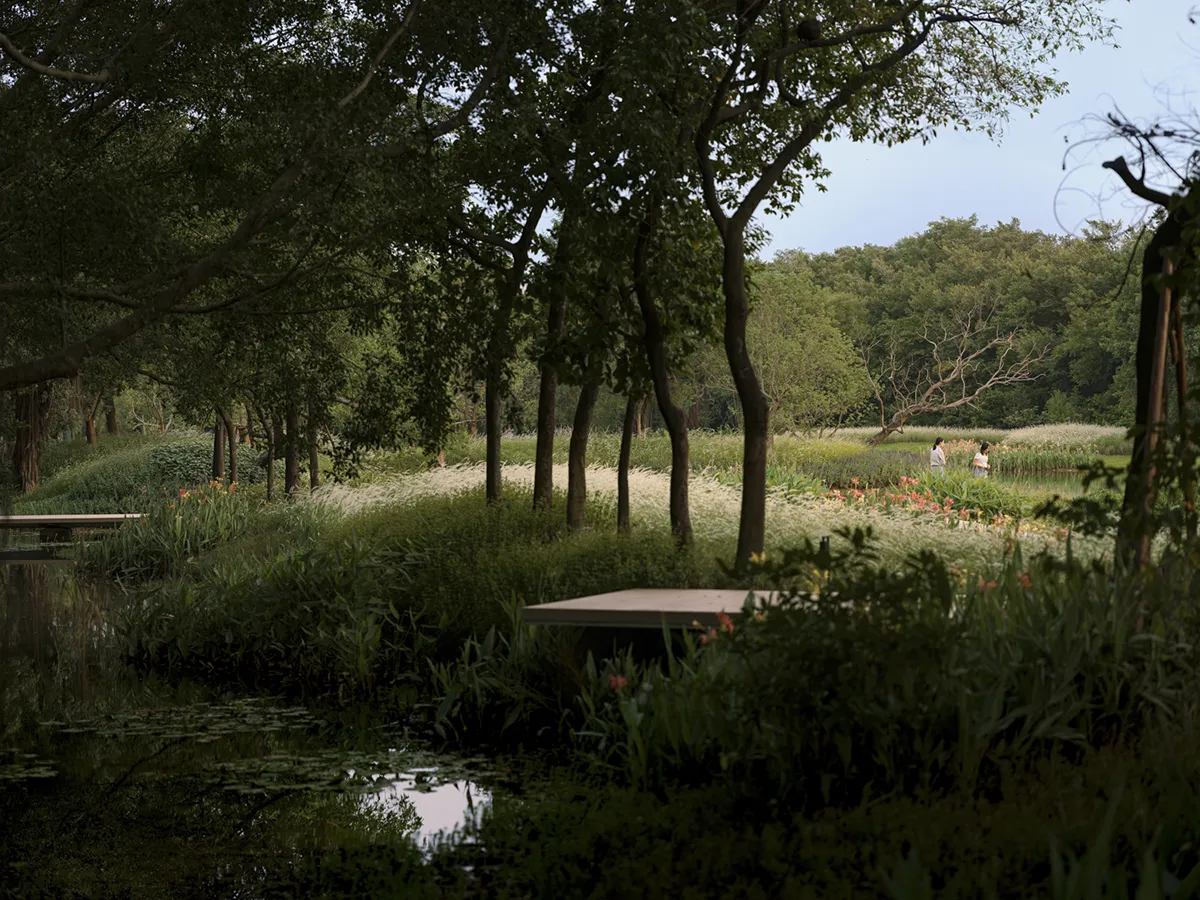
The pavilion’s placement allows for immersive observation while maintaining a respectful distance. The site boasts rich biodiversity: seasonally shifting bald cypress, royal palms, and banyans. Preserving the tree canopy and understory was essential, ensuring minimal disruption to the ecosystem.
Rewilding & Biodiversity
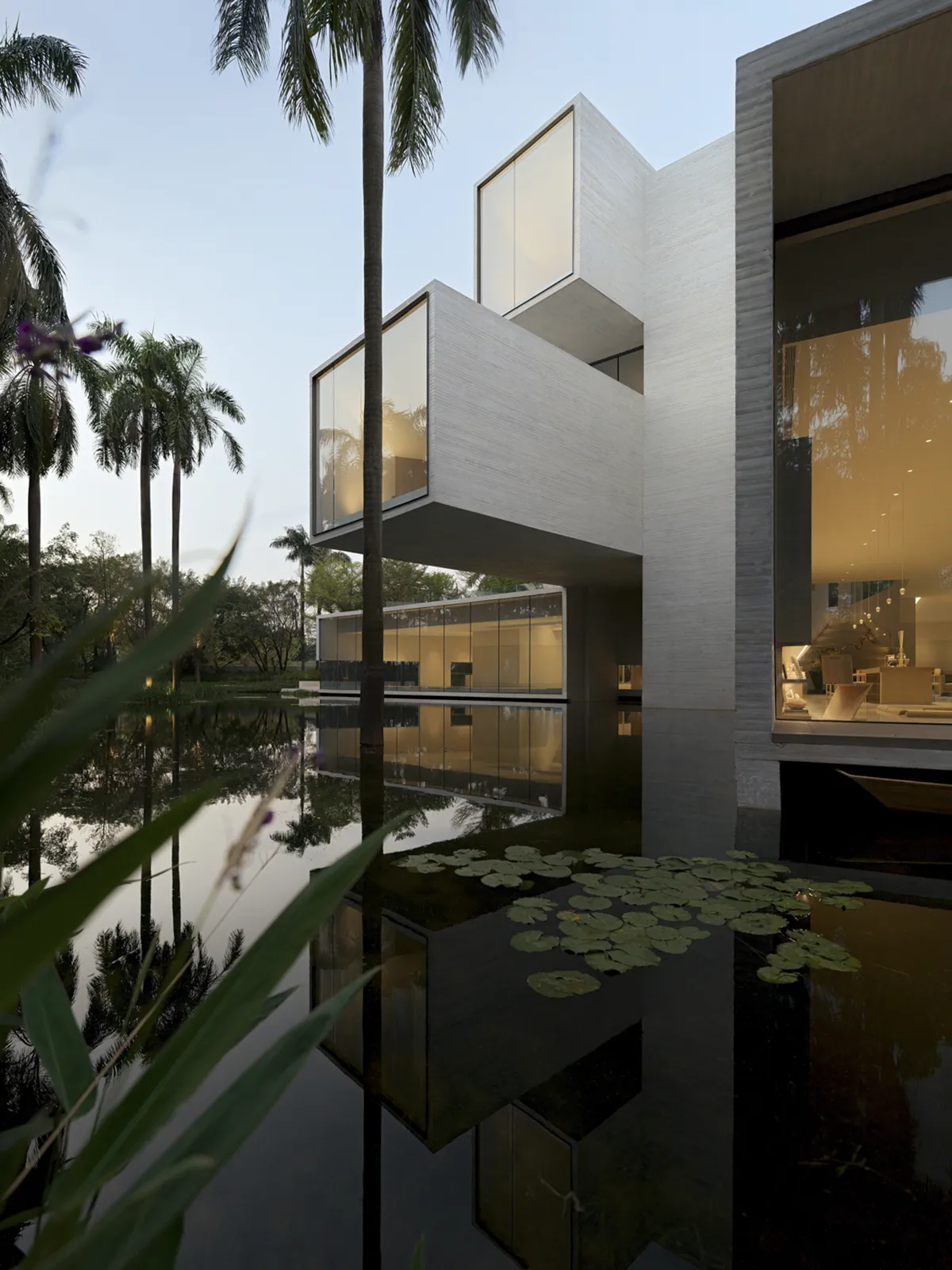
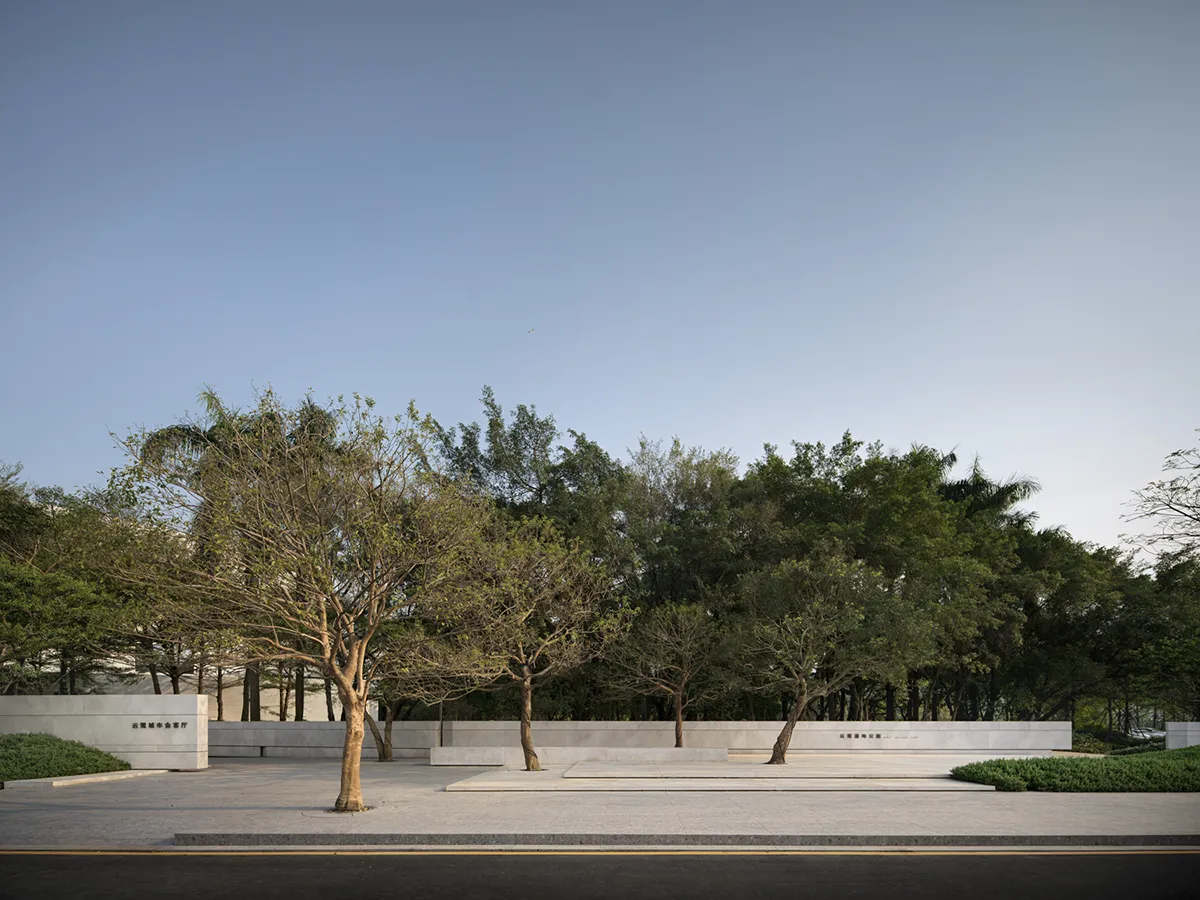
The landscape integrates interwoven water islands within an adaptable wetland system, hosting 125 plant species. A hidden forest-canopy parking lot remains nearly invisible from an aerial heron’s view. The ecological water system responds dynamically to seasonal changes—merging inner and outer wetlands during high water levels and reflecting the architecture in tranquil waters during dry seasons. Elevated pathways reduce wildlife disturbance, offering visitors an intimate yet undisturbed experience of the wetland’s raw beauty.
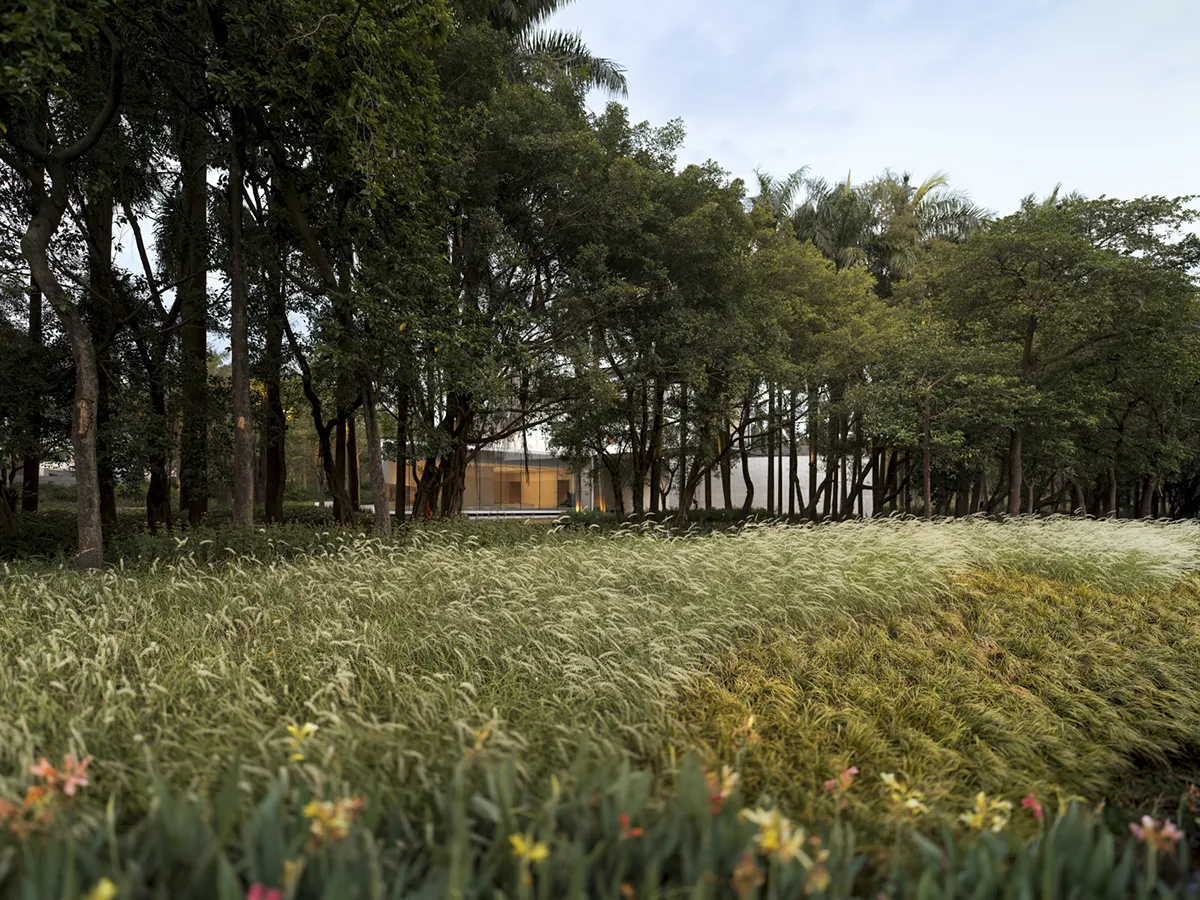
A Dialogue Between Architecture & Nature
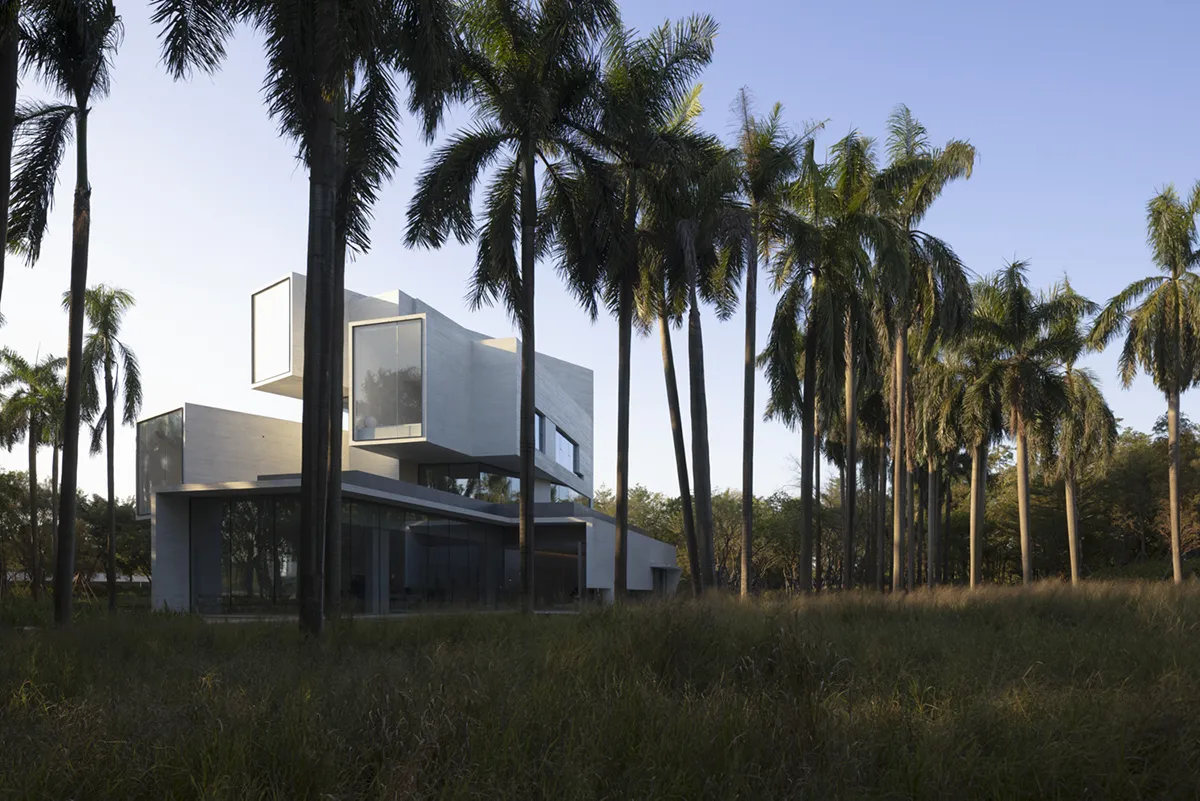
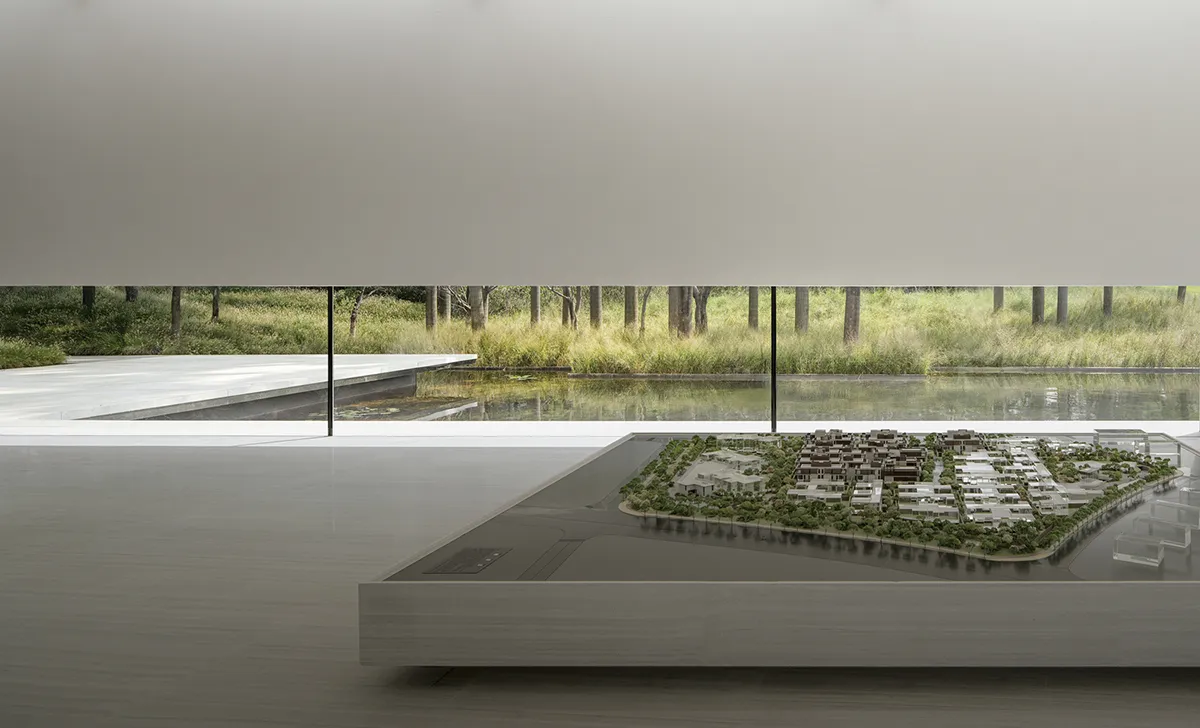
Once the intricate ecological system was established, the architecture “disappeared” into its surroundings, yet engaged in a profound dialogue with nature. The pavilion’s windows serve as viewfinders, framing poetic moments of the landscape.
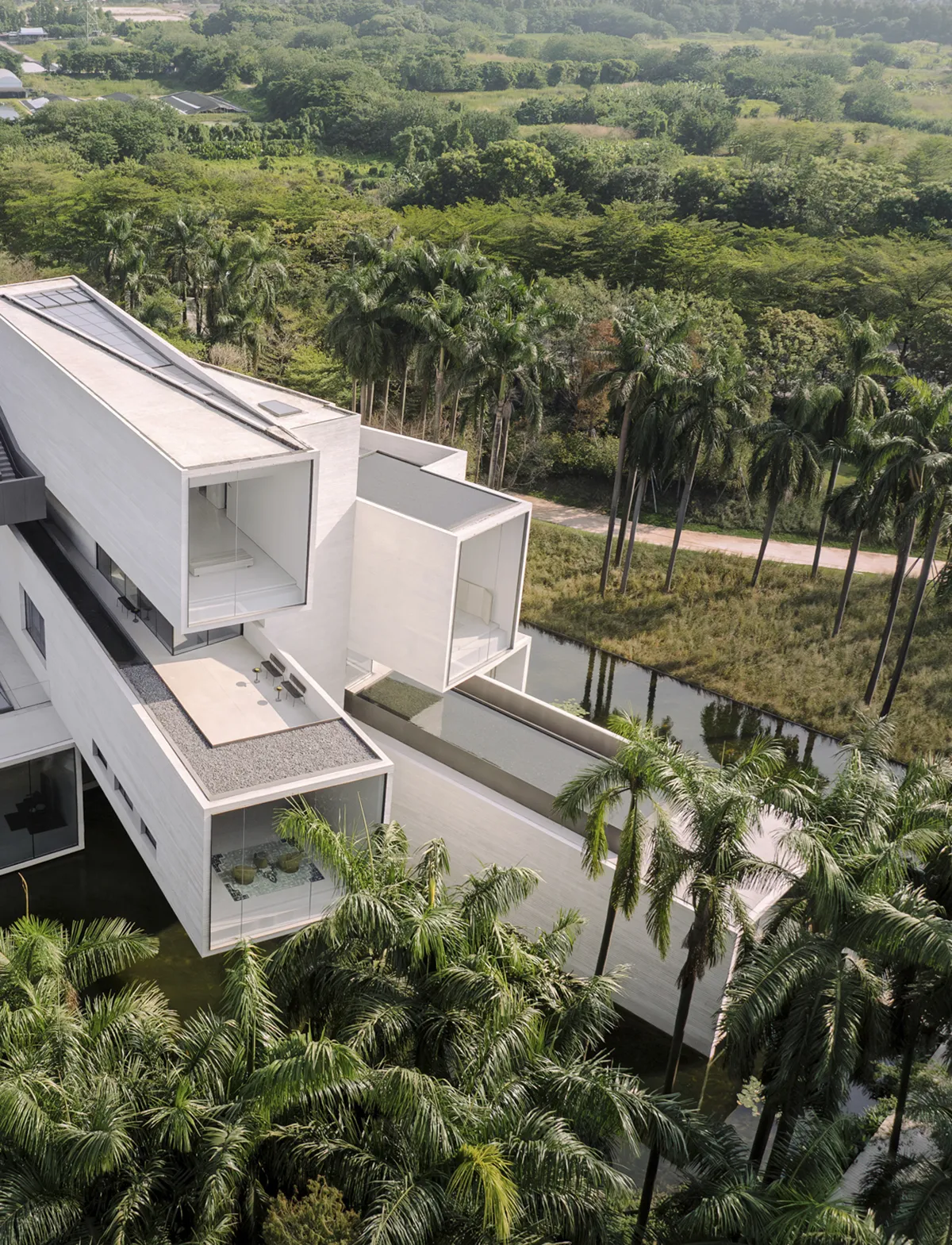
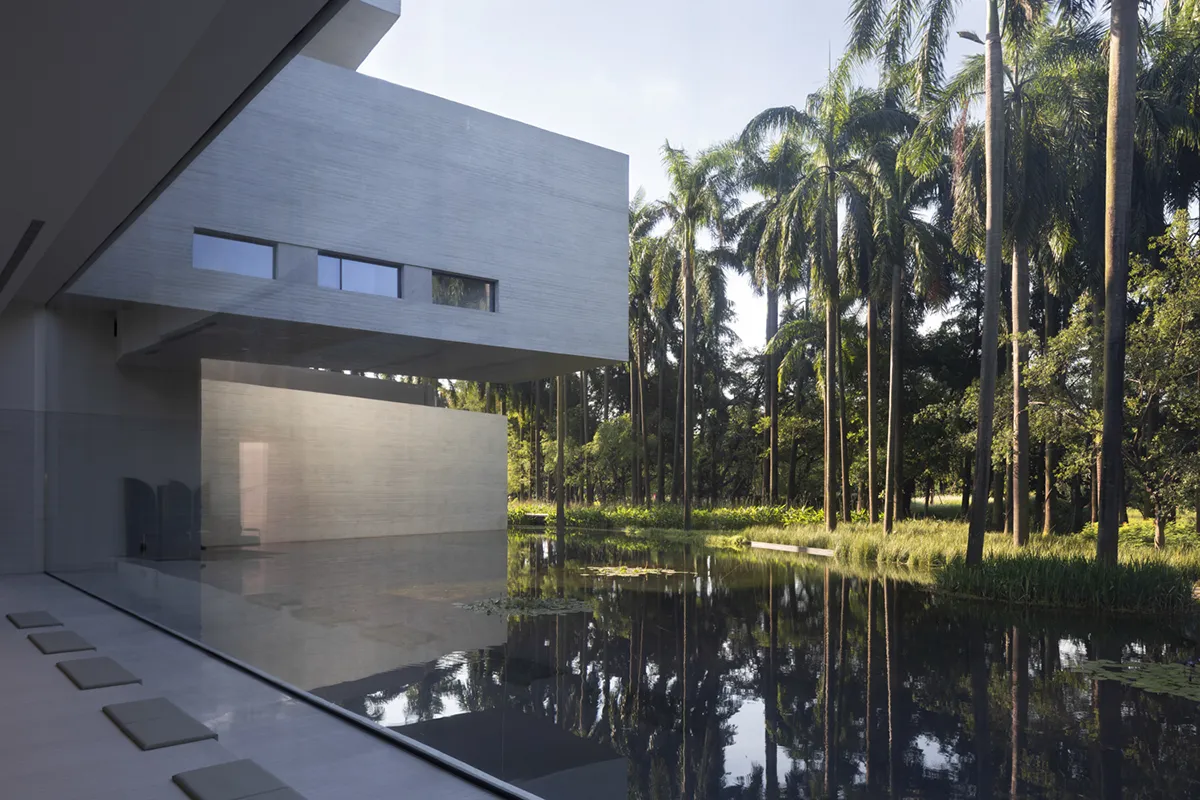
“Nature always wears the colors of the spirit.” — Ralph Waldo Emerson
Embracing nature is an innate human instinct—one that fosters a deeper connection to life. Here, nature exists in its purest form, with human intervention kept restrained, refined, and elegant. The Yunlu Wetland Pavilion is more than a park; it is a harmonious convergence of architecture, artistic expression, and nature’s healing essence—a place of ecological stewardship and profound personal renewal
Shunde Yunlu Wetland Pavilion
Designer: Change Studio
Client: CR.Land Shenyang
Architecture: STUDIO LINK-ARC, LLC
Photographer/Image Credits: Ning Wang, Holi & Ting Wang
Shortlisted in the 2025 WLA Awards – Built Institutional Landscape Design category