
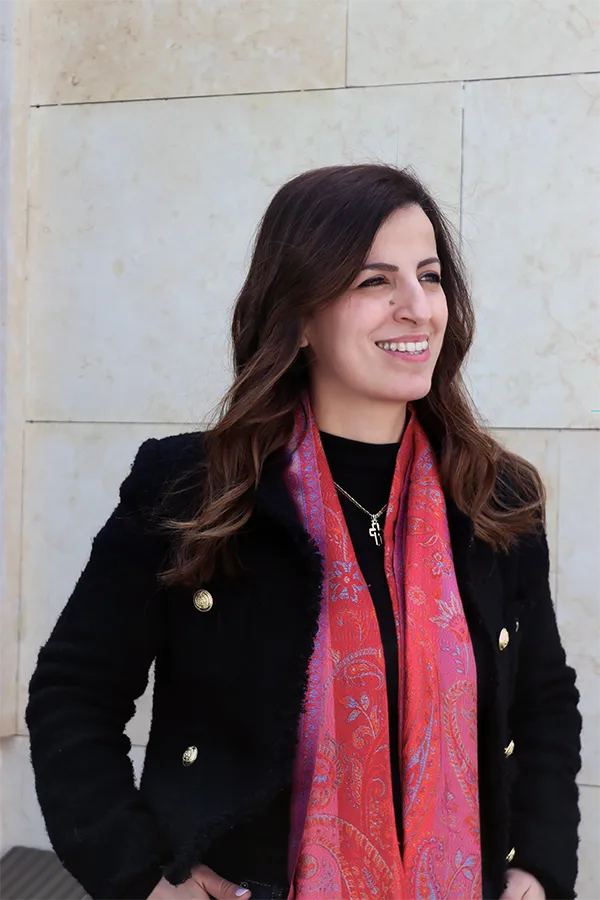
Rasha is a passionate and dedicated Landscape Architect at InSite International with 17 years of experience creating meaningful outdoor spaces across the Middle East. Throughout my career, I’ve worked on a wide range of projects including public parks, hospitality, residential, commercial, and large-scale masterplans, always aiming to balance creativity, functionality, and sustainability. I enjoy leading teams, mentoring designers, and turning ideas into thoughtful environments that positively impact people’s everyday lives. As an Affiliate ASLA member and LEED Green Associate and IFLA Jordan chapter co-founder, I’m continuously motivated to grow, explore new approaches, and deliver design solutions that combine quality, innovation, and attention to detail.
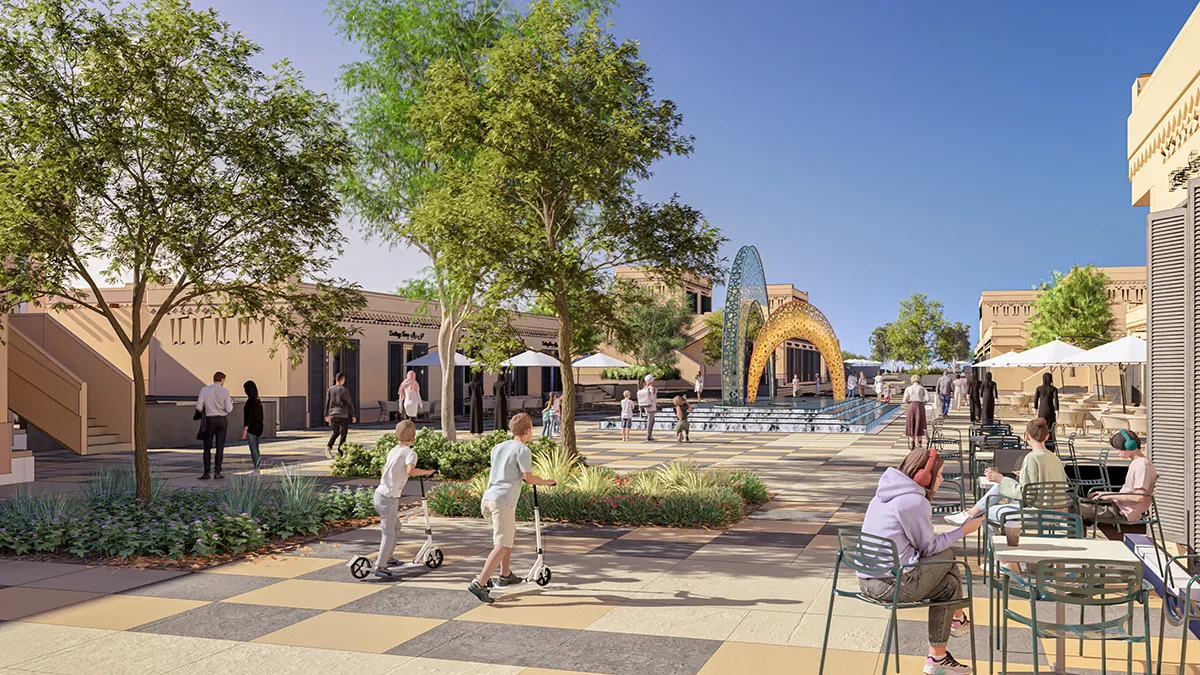
WLA | How have you cultivated a specific studio culture in Amman that allows it to collaborate seamlessly with teams in Dubai and beyond?
From the beginning, we wanted the Amman studio to feel deeply connected to the wider InSite culture rather than operating as an independent satellite office. Collaboration happens most naturally when relationships are genuine, so we’ve focused on building an environment where teams across Amman, Dubai, and beyond feel creatively aligned, and connected through shared projects and experiences.
A key part of this has been integrating the Amman team into a wide range of live projects across the global practice. This has helped create a natural exchange of ideas, knowledge, and expertise between studios, while also building trust and consistency in the way we work. At the same time, we’ve aligned workflows and standards closely while still allowing each studio to bring its own strengths and perspective.
Beyond project work, InSite has always valued personal connection. Regular office visits and shared activities throughout the year, from sports and art to volunteering, help build authentic relationships across teams and make collaboration feel natural and seamless.
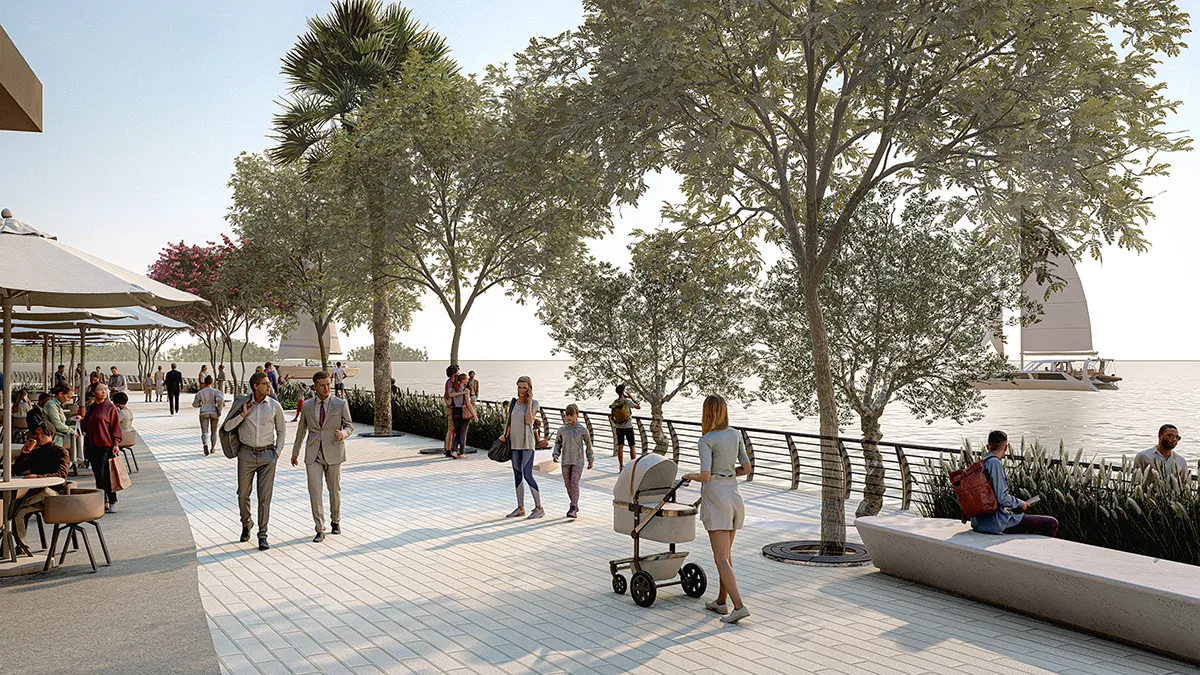
WLA | What are your strategies for ensuring that the creative energy in Amman is consistently synchronised with the goals of the wider business?
The Amman studio is incredibly ambitious, hardworking, and committed, and over time we’ve built a culture that channels that energy in a positive and meaningful way. My approach has always been to create a strong sense of shared purpose while also recognizing the individual strengths and perspectives each team member brings.
We make a conscious effort to celebrate contributions at every level of the studio, creating an environment where emerging designers feel just as empowered and visible as senior leaders. All team members are encouraged to present their work, engage with stakeholders, and contribute beyond their immediate role, which helps build confidence, accountability, and a stronger connection to the wider vision of the practice.
At the same time, there’s a strong sense of ownership within the studio. Creativity is always balanced with responsibility, technical quality, and a clear understanding of how design decisions shape the bigger picture. That balance keeps the team inspired while ensuring our work remains aligned with the wider direction and values of InSite.
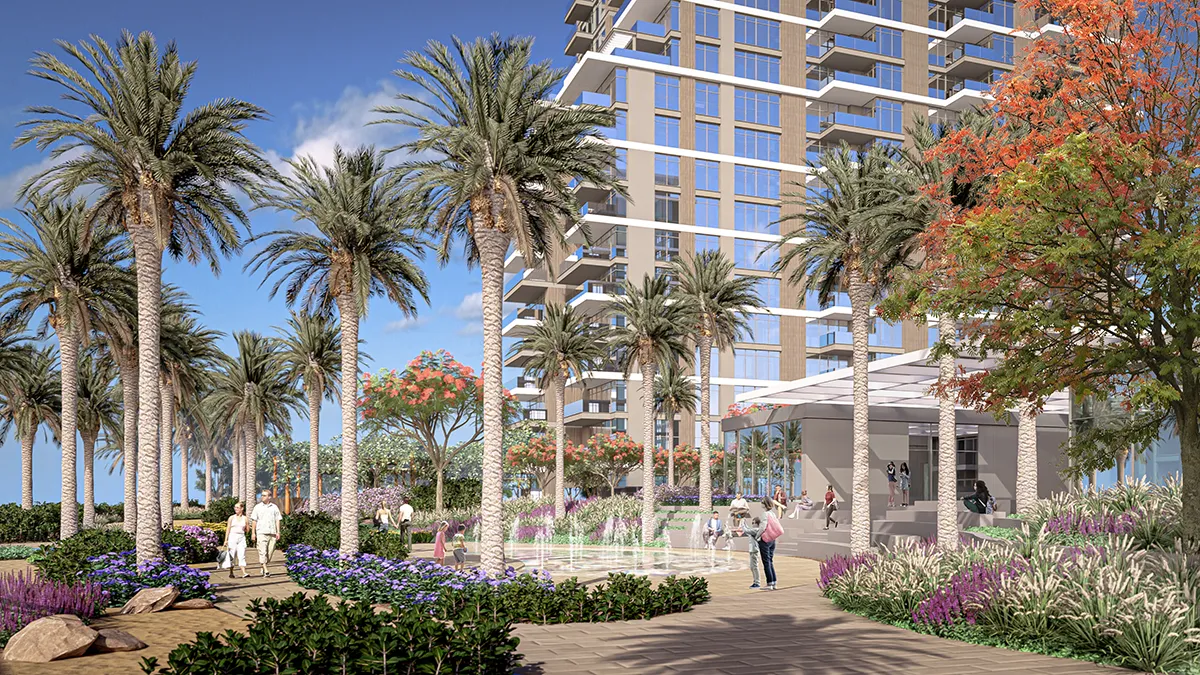
WLA | What changes do you see over the next 5-10 years in the landscape architecture industry?
Over the next 5–10 years, I see landscape architecture becoming far more strategic, data-driven, and essential to how cities evolve. The profession is already moving beyond creating attractive spaces toward addressing much larger environmental and social challenges, shaping how people connect with nature, public space, and each other.
Climate resilience will be a major driver of this shift, with greater focus on water management, heat reduction, biodiversity, and nature-based solutions becoming standard expectations across projects. Cities are increasingly prioritizing greener, more adaptable public spaces that support both environmental performance and human wellbeing.
Technology will also continue reshaping the profession. We are already seeing BIM, AI, computational design, and smart technologies helping us better analyze sites, test ideas more efficiently, and manage landscapes throughout their full lifecycle. I believe these tools will strengthen both creativity and performance in the years to come.
Ultimately, I think the future of landscape architecture is incredibly exciting. Landscapes will no longer be viewed as an added layer within development, but as essential infrastructure that supports resilience, sustainability, wellbeing, and long-term value for both people and place.
Thank you to Rasha for providing her thoughts on the future of landscape architecture and working in the Middle East.
Image Credit: InSite International