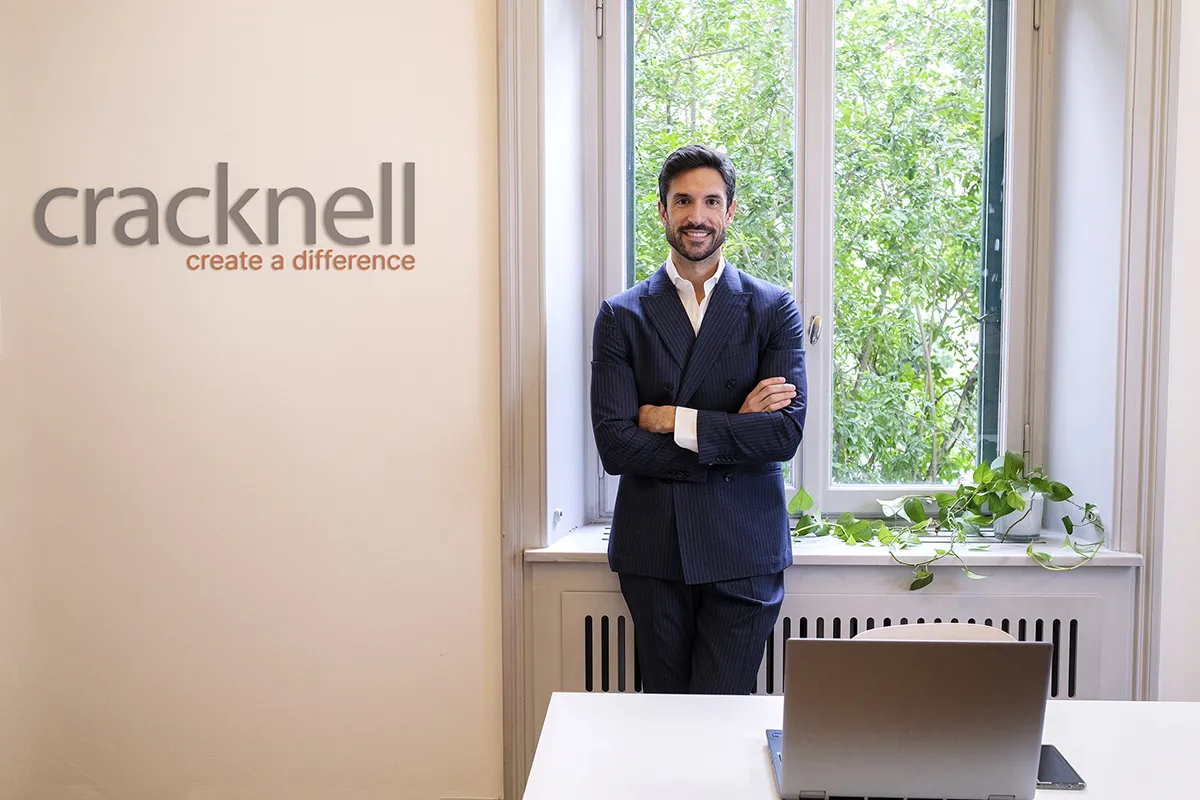
Alessandro has 18 years’ experience in architecture and landscape architecture across Europe, the UK, the Middle East and Asia. At Cracknell, he heads up Cracknell’s European Office in Switzerland, where he leads an international design team. Alessandro has a strong interest in urban regeneration and public realm design. He believes a seamless integration between masterplanning, architecture and landscape design, at each design stage and at various scales of the design process, has the power to provide context, culture and climate responsive solutions to create resilient built environments. WLA got an opportunity to hear his thoughts on working across countries and typologies as a landscape architect.
WLA | During your career, you have worked in many countries. What are some of the similarities or differences between working across several countries?
That’s an interesting question. In my experience, one of the main differences when working across countries lies in both local and professional culture, particularly in how landscape architecture is understood and the value it is seen to bring within multidisciplinary teams.
At the same time, there is a strong underlying consistency in my approach. Regardless of location, my design process always begins with the genius loci. I look to understand the context in its broadest sense, including the natural environment, local culture, crafts, and patterns of social behaviour. This foundation then responds to project-specific requirements, regulations, and budget constraints.
What changes significantly, however, is the outcome. Each context brings its own set of influences and challenges, which leads to very different design responses. Working across multiple countries has reinforced the idea that landscape architecture should not be driven by a fixed style, but by a deep sensitivity to place.
Ultimately, this experience has strengthened my ability to adapt. While remaining consistent in process, I allow the local context to shape each intervention, ensuring that every project is both relevant and grounded in its setting.
WLA | Your interests include urban regeneration and public realm design. How can landscape architects best advocate for better urban spaces and public realm design?
Landscape architects need to wear multiple ’hats’ and recognise that their role goes far beyond creating spaces of aesthetic value. They are uniquely positioned to shape places that address social, environmental, and economic needs simultaneously and this is central to how they can advocate for better urban spaces.
Effective advocacy begins with demonstrating value. Through placemaking, landscape architects can define the identity and function of a space while also showing how it can be financially viable for developers or public authorities. By linking design decisions to economic, ecological, and social benefits, they make a stronger case for investment in high-quality public realm.
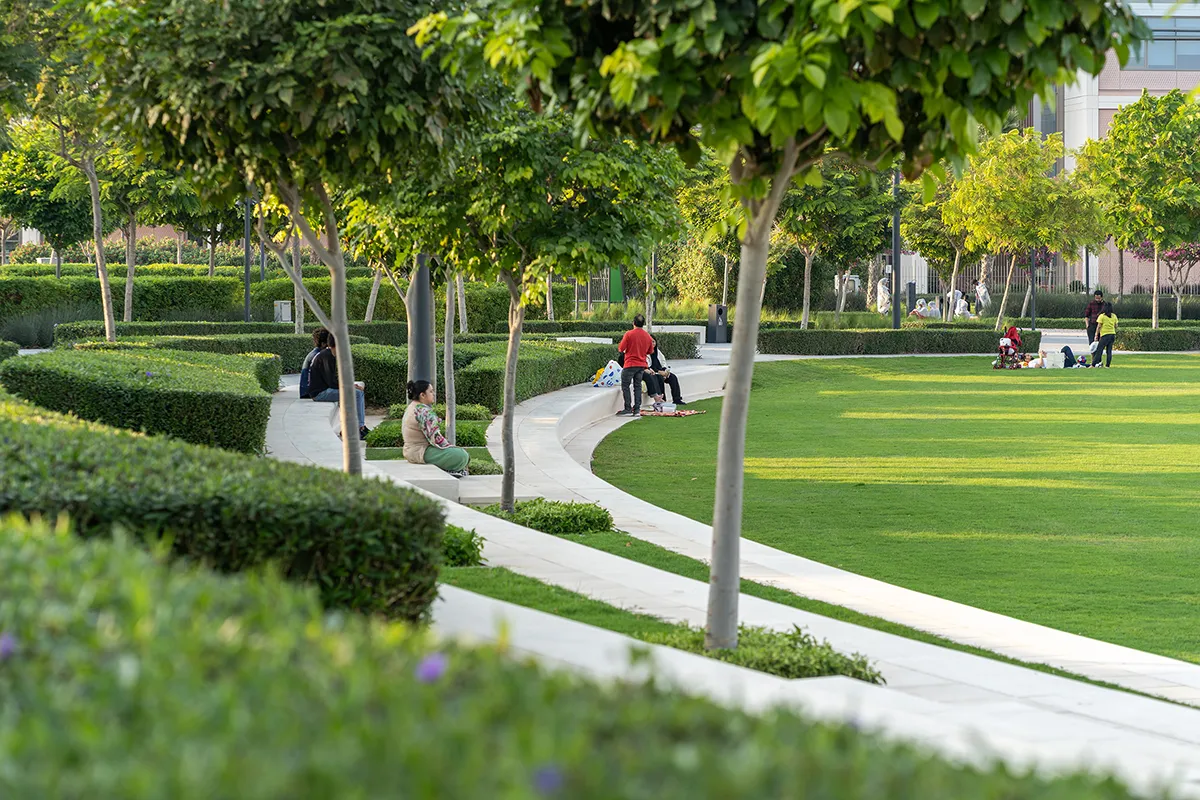
At the same time, they must think holistically, which means considering spatial design, materiality, planting strategies, and connections to wider ecological networks. Identifying opportunities for diverse and seasonal uses is key, as is ensuring that spaces are flexible, adaptable, and resilient over time.
Ultimately, the most successful public spaces are those that can evolve to support different activities, respond to changing needs, and foster a strong sense of belonging among users. By consistently promoting this long-term, multifunctional approach, landscape architects can champion public realm design that is not only well-used and valued but also essential to the urban fabric.
WLA | Cracknell works across a range of project typologies with different private and public clients. What are the best methods to collaborate with clients?
In my opinion, the best way to collaborate with clients is to really see ourselves as one team from the start with clients and consultants working together towards the same outcome, rather than on separate sides of the table.
I find that good collaboration starts with openness and clear communication early on. It’s important to create an environment where ideas can be shared freely, and where there’s a genuine exchange of knowledge. Clients often bring a deep understanding of the site, the brief, and the practical constraints, which is incredibly valuable when it’s integrated into the design process rather than treated as input at the end.
At the same time, I think part of our role is to contribute creatively and not just respond. That means being comfortable challenging ideas when needed, or offering alternative ways of looking at a problem, but always in a constructive and respectful way. The best discussions tend to happen when there’s trust on both sides.
Over time, that trust really shapes the relationship. When clients feel involved and we’re transparent about decisions and reasoning, collaboration becomes much smoother and more productive.
Ultimately, I think the strongest projects come from that shared ownership. When everyone is genuinely contributing to shaping the outcome, the design evolves through the back-and-forth process.
WLA | When managing a team across different locations, how do you manage the design process to get the best outcomes?
Managing a team across different locations really comes down to creating a strong sense of one shared design process, regardless of geography. For me, collaboration and continuous communication are the foundation of that.
Practically, that means being very intentional about how and when we connect. Regular video calls are important, but equally important are shorter, more focused check-ins where the design is actively discussed and developed. We also use digital tools for online sketching and real-time mark-ups, which helps keep the creative process immediate and interactive, even when people are in different time zones.
I also try to make sure that ideas don’t just flow in one direction. Everyone in the team is encouraged to contribute early and often, and I try to lean into the specific strengths people have such as concept development, technical detailing, visualisation, or coordination. Structuring the team around those strengths helps improve both efficiency and design quality.
At the same time, my role is to maintain clarity and consistency across the process so that even though work is happening in different places, it still feels like one coherent design conversation.
Ultimately, I think the best results come when distance is irrelevant—because the team is aligned, engaged, and working within a shared design language and rhythm.
Thank you to Alessandro for providing some interesting perspectives on working across countries and typologies.