
Ahmed Alyaseen is an urban designer at Insite International’s Doha, Qatar, office, with an academic background in both architecture and urban design from the United States. His professional experience focuses on master planning, with projects across the Middle East, and extends into landscape architecture—shaping a more holistic approach that bridges the built environment with natural systems and public space. WLA had recently had the chance to learn more about Ahmed’s thoughts on urban design and working on projects across the Middle East
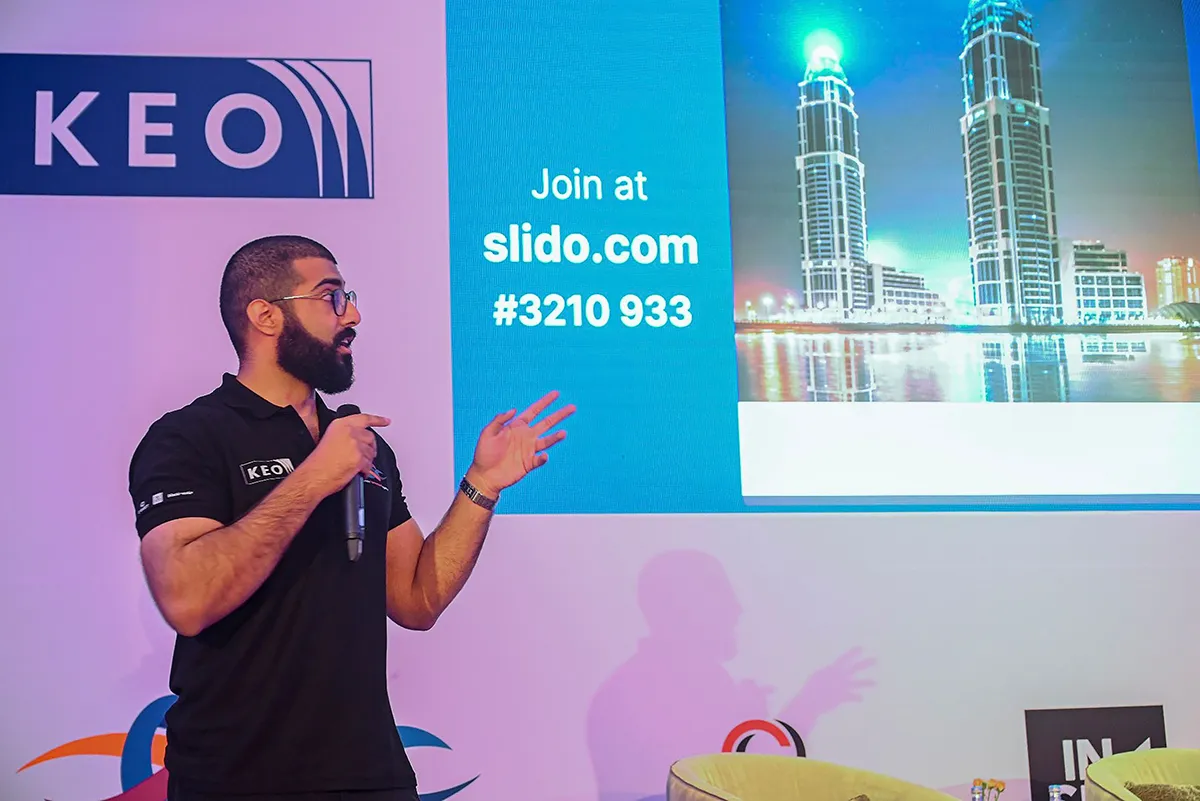
WLA | How does your background in architecture shape the way you approach urban design and master planning today?
My background in architecture provided a strong foundation in design principles, spatial composition, programming, site analysis, and visual communication. Equally important, it shaped my ability to craft compelling narratives and storytelling. These skills are highly transferable across the design industry, extending beyond architecture and urban design. At InSite, we continuously refine and strengthen these capabilities through ongoing skill-sharing and mentorship, enabling us to craft extraordinary places.
WLA | Working as an urban designer across the Middle East, are there any similarities or differences between working in these countries?
Across urban and master planning projects in the Middle East, particularly within the GCC, a common thread is that many begin on largely undeveloped sites. In countries like Saudi Arabia, this stems from the abundance of available land and a national ambition to expand and accommodate future growth. The scale of unoccupied land is significant, shaping how these projects are conceived from the ground up.
Another shared priority across the region is the shift toward sustainability. Many developments aim to preserve and enhance the existing natural environment rather than disturbing it. For instance, in a mixed-use project we worked on in the UAE, the site included a mangrove habitat. The design strategy focused on concentrating the development on the main island while introducing low-impact structures that allow users to engage with and experience the surrounding mangrove ecosystem without compromising it.
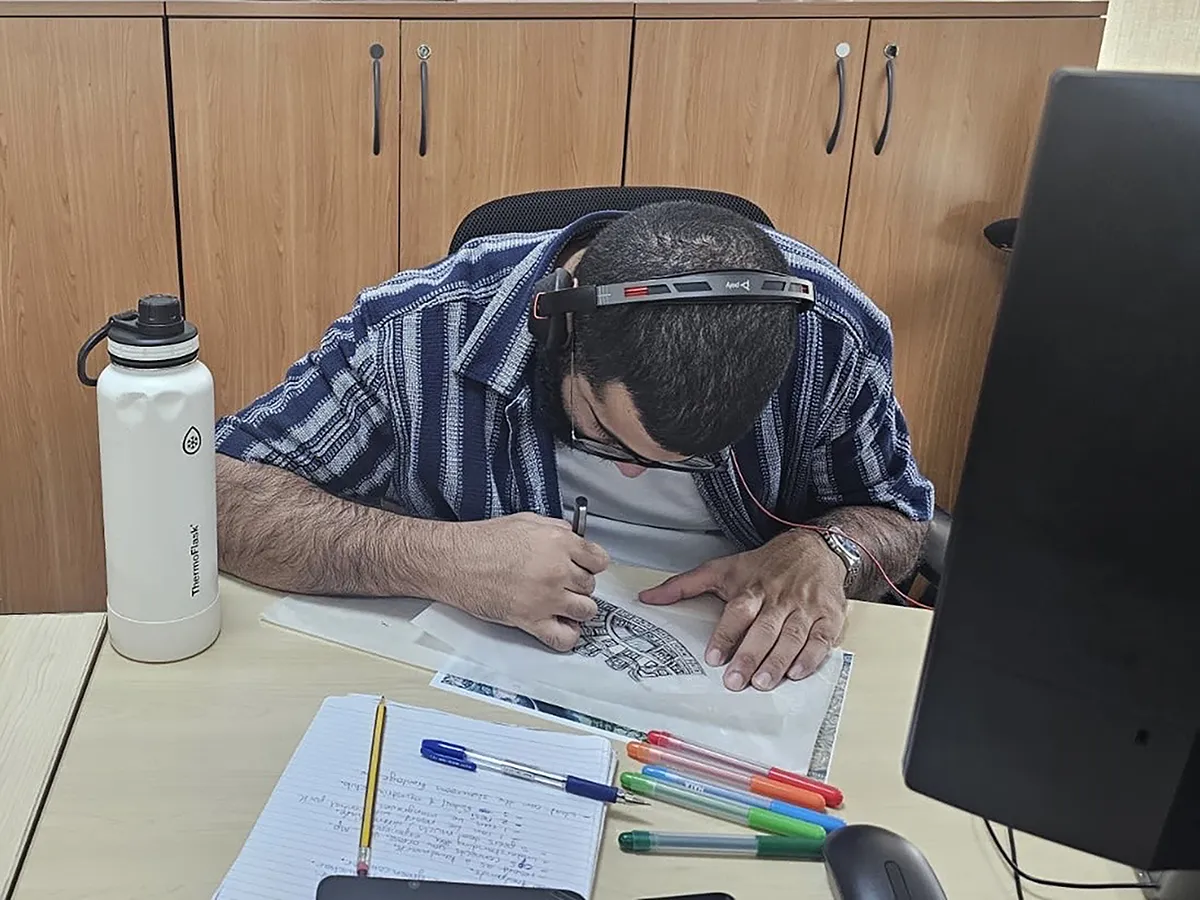
WLA | When creating a masterplan, what role does collaboration and co-design play in your process?
Developing a masterplan is a highly collaborative process that brings together multiple disciplines and teams. It involves many interconnected components, with InSite contributing as urban planners/designers and landscape architects. We work closely with architects, transportation, utilities, and sustainability teams within the KEO Group, as well as with clients and relevant authorities. Each stakeholder plays a critical role throughout the project lifecycle to ensure the delivery of a cohesive and fully integrated masterplan.
WLA | You have a passion for photography outside of work. How does it influence your design work?
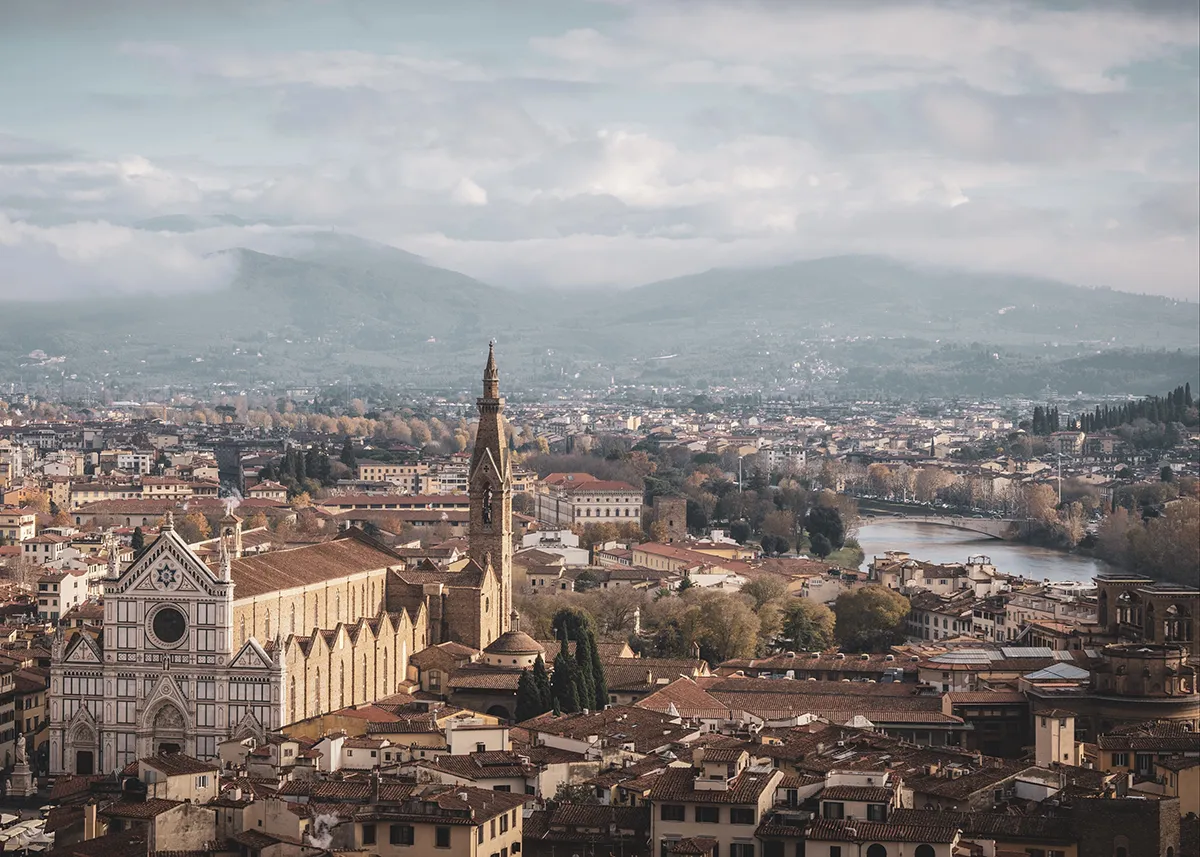
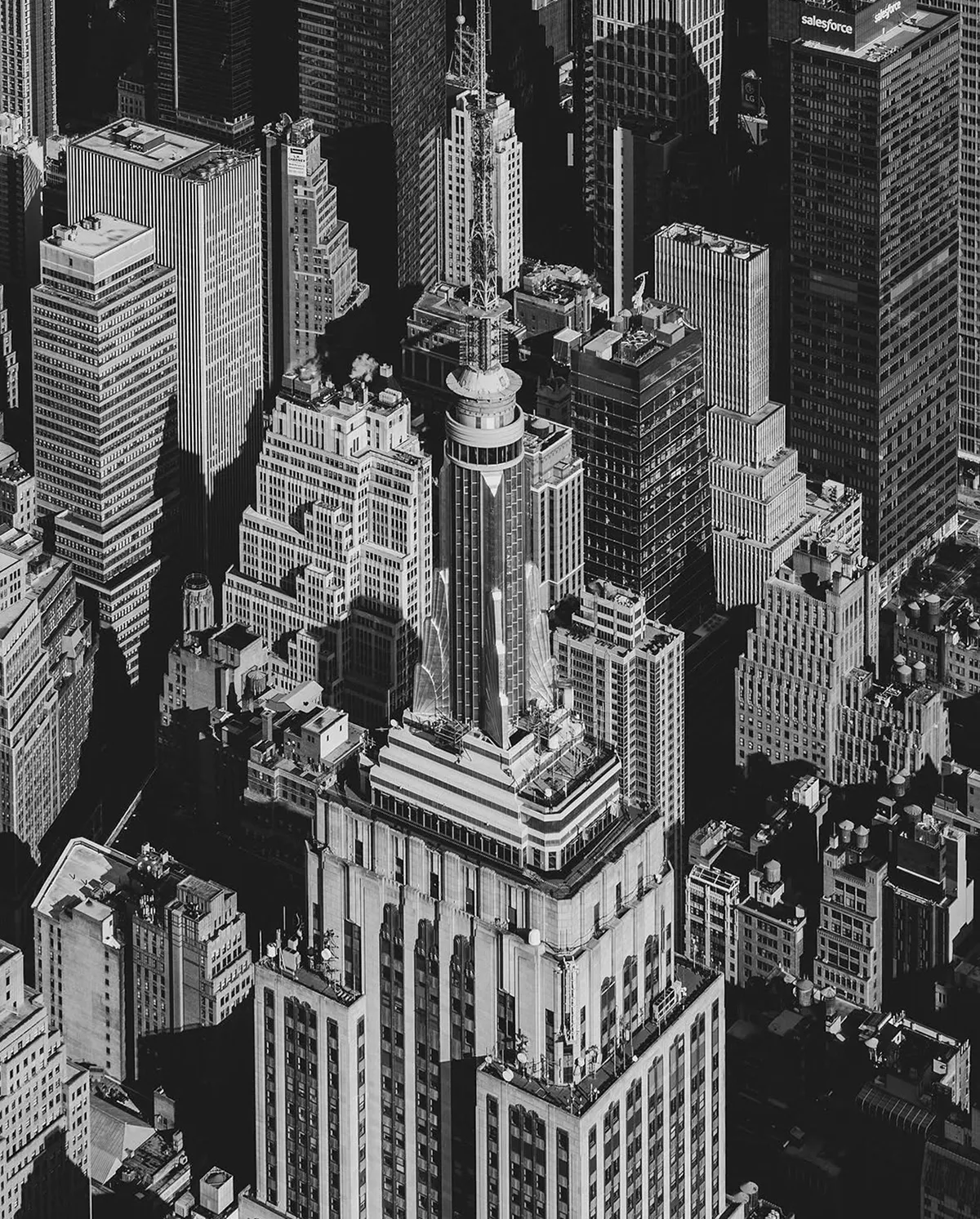
Photography, for me, is a creative outlet that allows me to capture moments in time and interpret them through my own lens. It becomes a way to tell a story visually, expressing my thoughts and emotions in that instant, whether it’s a sense of nostalgia, calm, or excitement. Each moment is shaped by external factors such as the built or natural environment, the time of day, and my specific setting. Over time, this process has helped me build a personal library of how different places evoke different emotions. It’s something I continuously draw on when designing environments for others.

WLA would like to thank Ahmed for taking the time to answer our questions about urban design and working in the Middle East.