
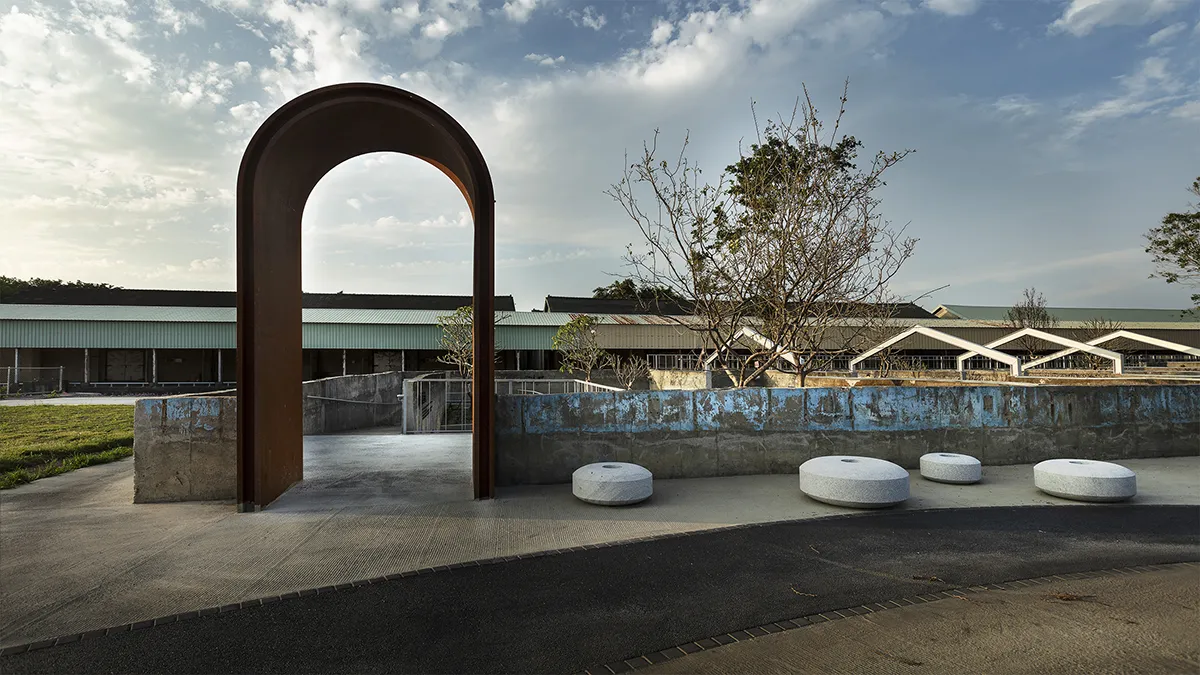
The proposed project entails the redevelopment of the factory area of a defunct sugar factory into a tourist attraction. The existing warehouse complex, production plant, railway landscape, assembly hall, and other functional facilities will be meticulously preserved as part of this initiative. The space will be augmented with green areas, exhibition walls, and installation art that chronicle the history of the Taiwan Sugar Corporation. This transformation seeks to challenge the established perception of the factory as a periphery entity while drawing in significant visitor traffic, thereby elevating the local cultural and industrial significance and fostering comprehensive development.
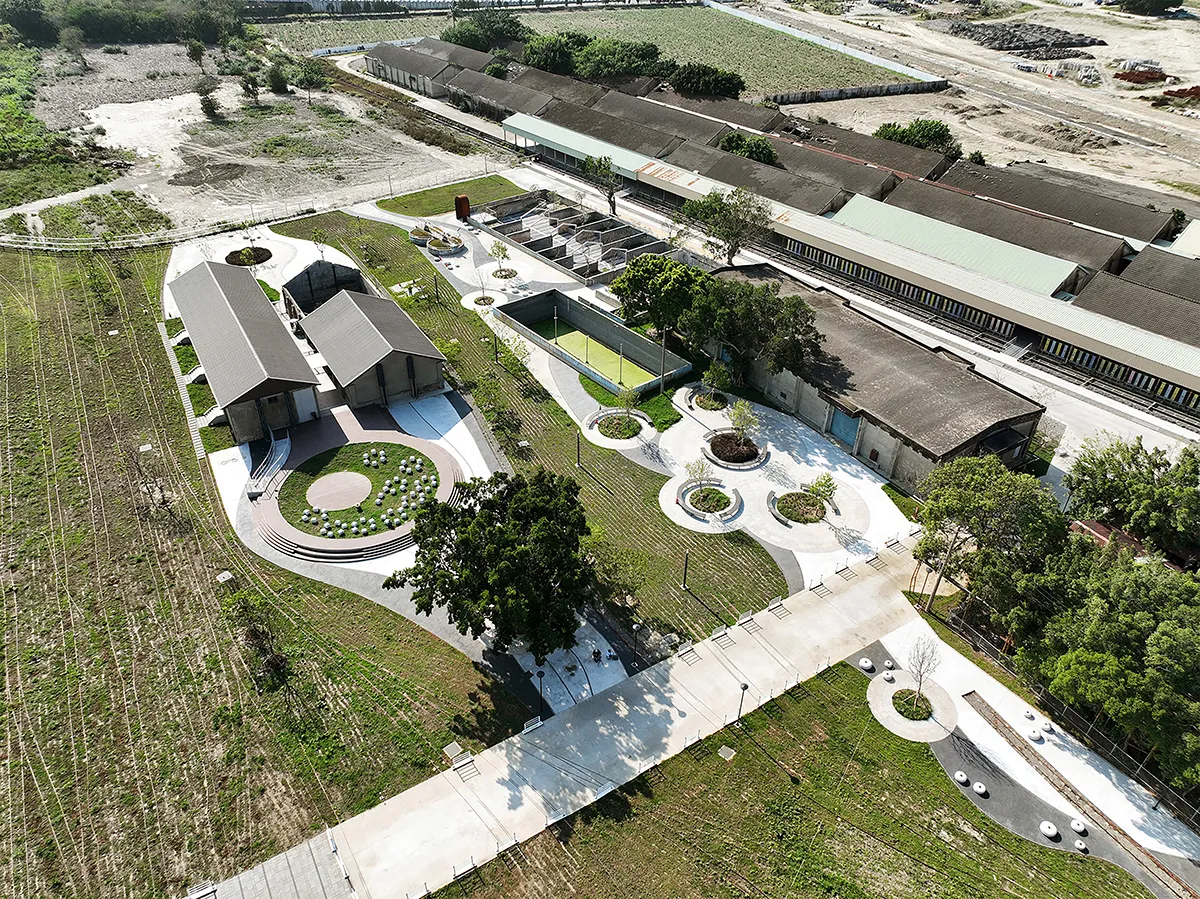
The sugar factory was established in 1909 but closed down in 2005 due to international sugar prices and economic restructuring. In 2016, it was recognized as a historical building. The factory still retains its original buildings, machinery, and facilities, making it one of Taiwan’s few remaining complete old sugar refineries.
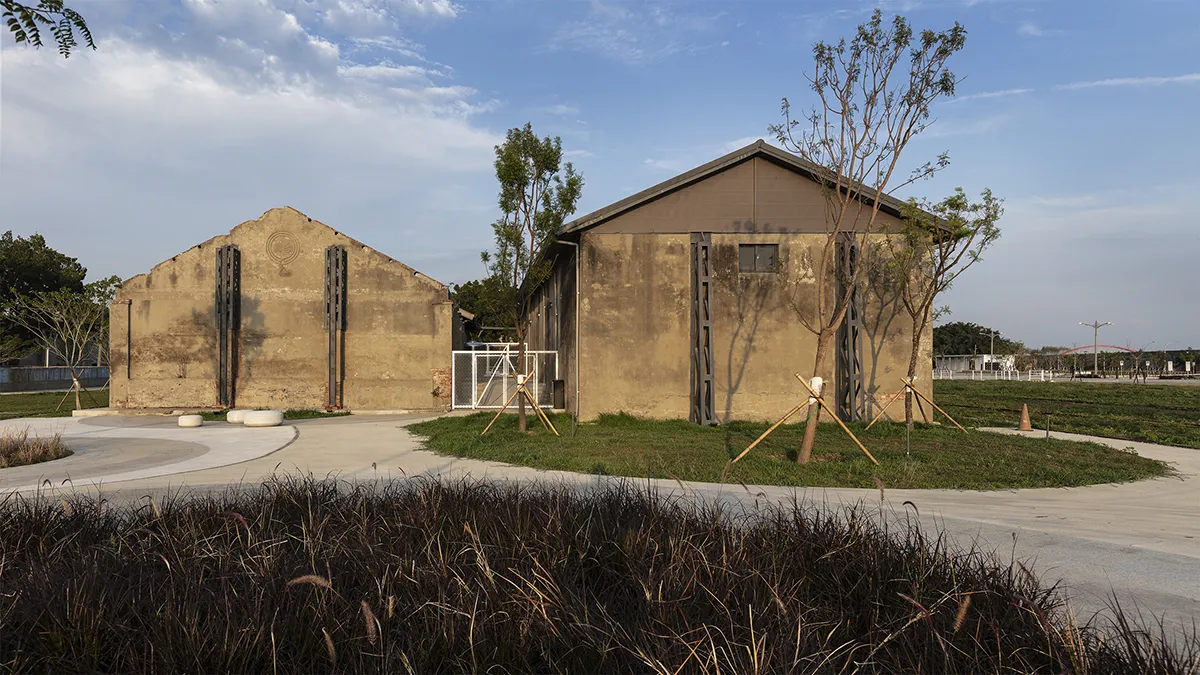
The area has been preserved and developed using “landscape walking” methods to incorporate elements of humanities, railway culture, history, and the environment. This has allowed for the revival of the local economy through environmental education and leisure activities, while also preserving the historical heritage.
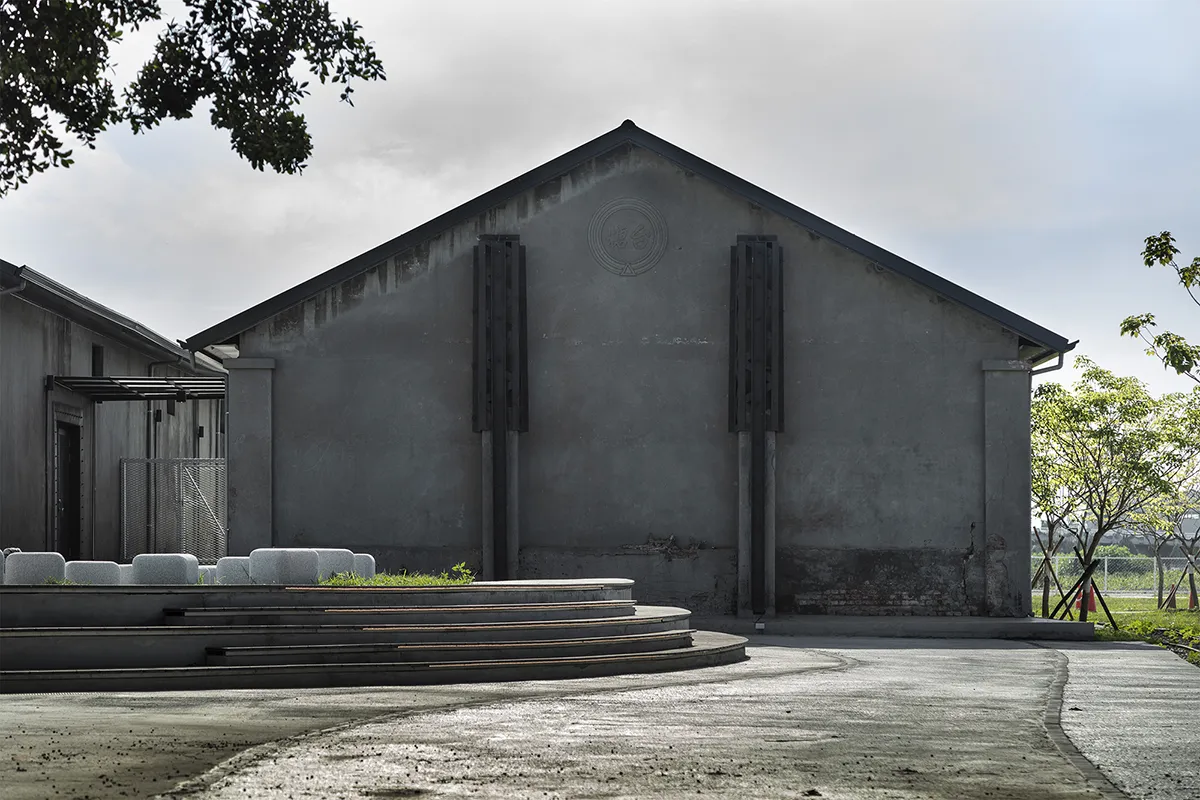
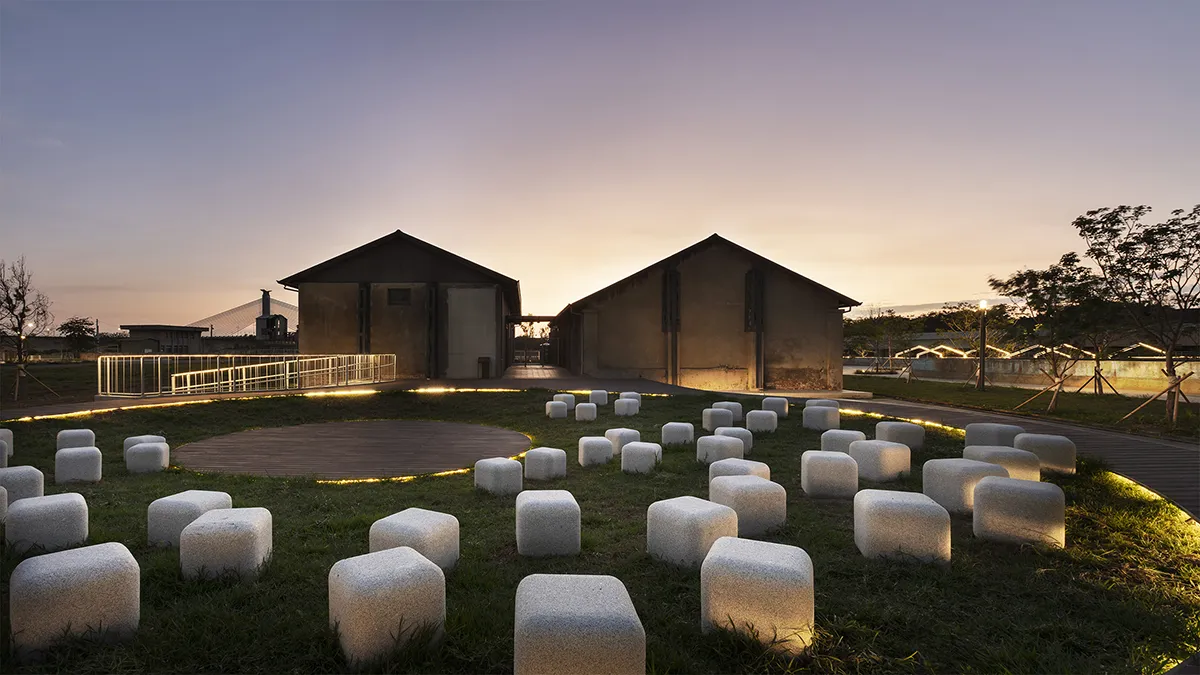
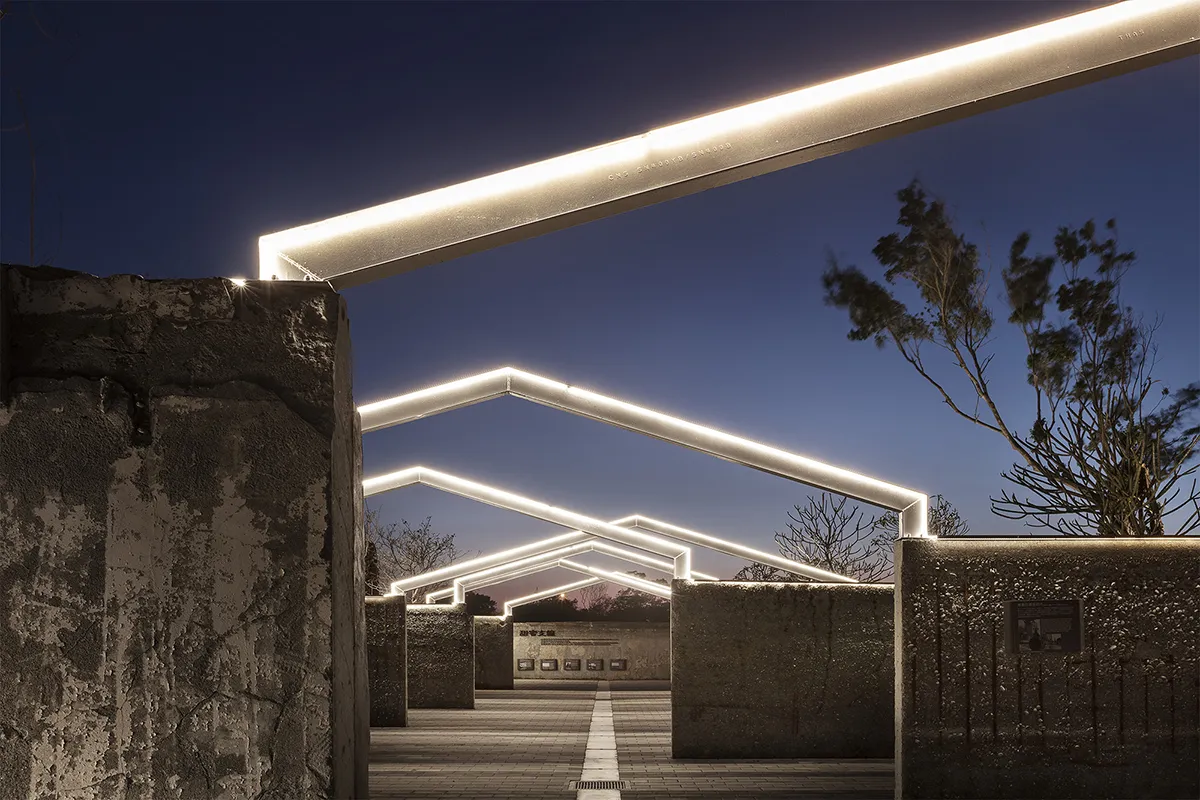
The factory area had been abandoned for many years, and the environment was in disarray with plants growing over many walls. To improve the area, the team reorganized the original landscape and added installation art and street furniture related to sugar production and railways. This included engraved stone slabs with railway history, a steel gable roof, and sugar cube-shaped stone corner seats. These changes transformed the forgotten historical site into a tourist attraction with a strong literary atmosphere, attracting local residents, pilgrims, and tourists to revitalize the image of the factory area.
- The factory has installed a nearly 2-meter-high stainless steel nameplate at the entrance to give it a new look.
- The floor tiles are laid parallel on both sides to mimic the linear shape of the railway track. Engraved slate plates with railway history are inlaid within the track, enhancing the landscape and historical heritage of the sugar factory railway.
- In the platform area of the Sugar Line, the original railway bifurcation landscape was preserved, and miscellaneous objects that obstructed the view were removed. Green belts and greenery were also planted, creating a relaxing environment for people to stroll between the railway tracks.
- In the abandoned aeration pond, the team kept the mottled pebble surface and hung historical materials about the Taisugar industry on the walls, creating an atmosphere akin to an outdoor art gallery.
- The white gable steel structure added to the mottled wall resembles the silhouette of a mountain peak, echoing the shadows of the old warehouse’s gable and the distant bridge.
This endeavor aims to repurpose the historical factory site into functional spaces that pay homage to the area’s heritage. The plan entails establishing a cultural exhibition platform, a studio for artisans, and a venue for performing arts. These spaces are intended to alleviate the absence of local cultural heritage sites and activities. The deliberate preservation of the old warehouse buildings, walls, and tracks, coupled with the integration of new installation art facilities, street furniture, and green lawns, is designed to foster a connection between people, nature, history, and the city through these reinvigorated spaces.
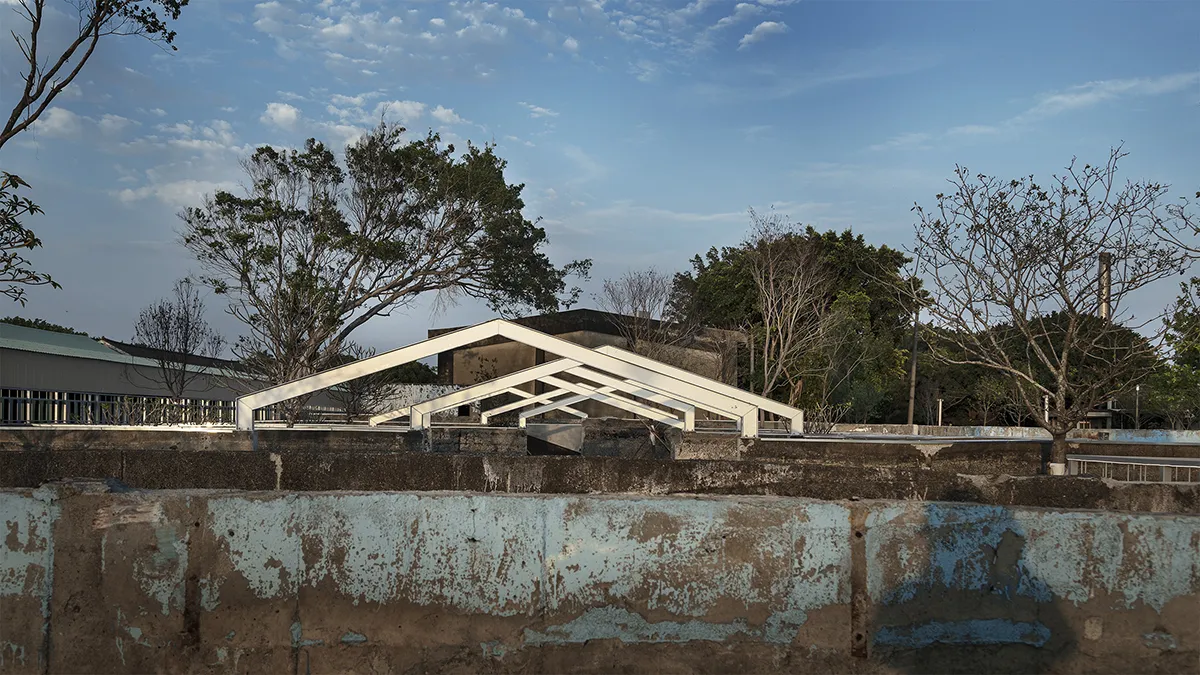
The overarching objective is to redefine the abandoned perception of the sugar factory while upholding its historical legacy. Initially, the preservation of the old warehouse complex, railway tracks, and other vestiges of the past will be integrated with installation art inspired by the sugar factory to rejuvenate the area. Furthermore, the expansion of the square space and pedestrian walkways will be undertaken to accommodate tourists, pilgrims, and local residents adequately. This endeavor aims to transform the conventional image of the old sugar factory and ameliorate its original state of idleness, desertion, and marginalization.
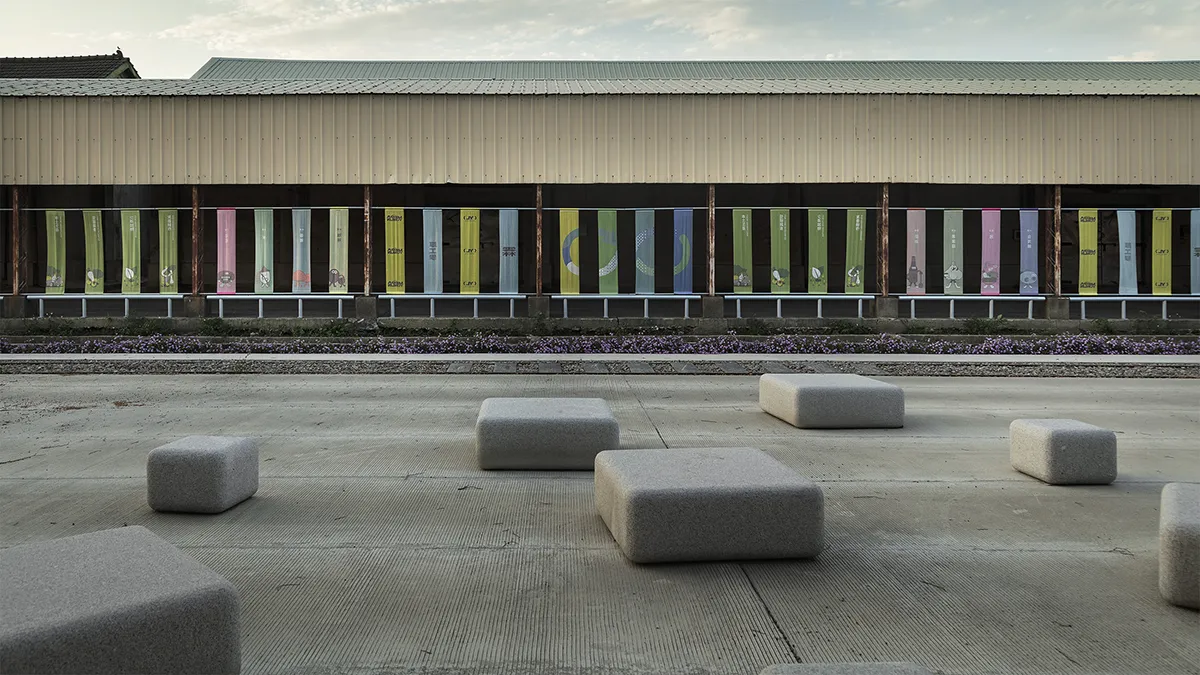
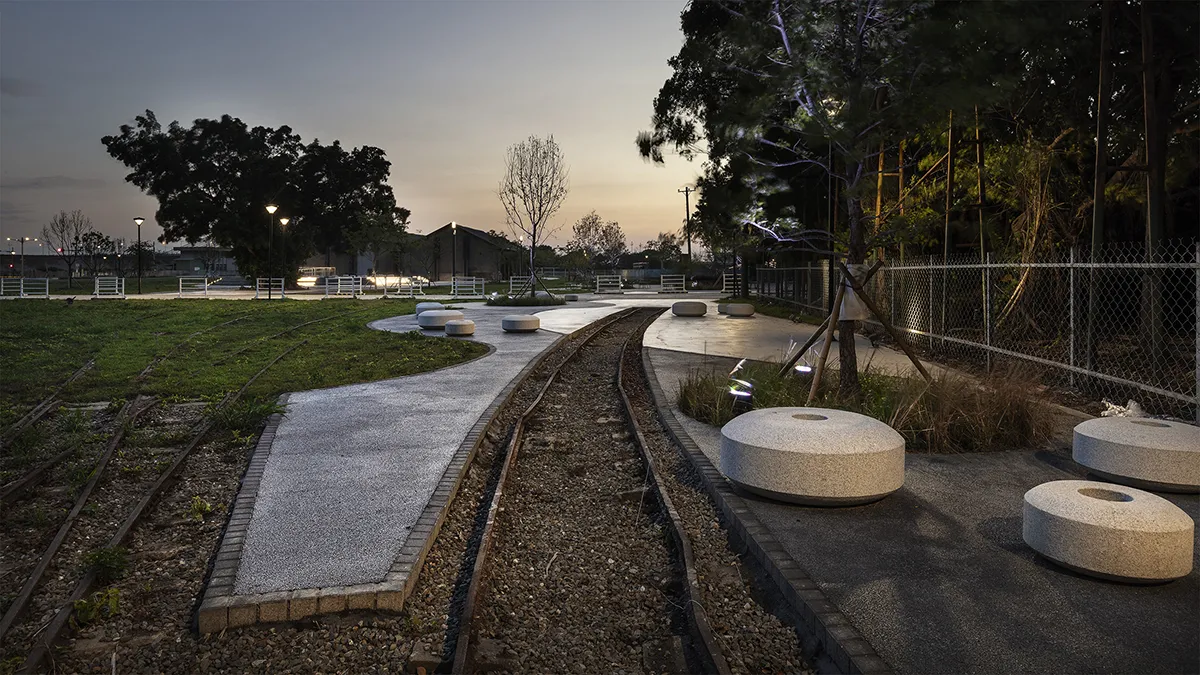
The area has a planting plan in place, featuring seasonal plants as the main attraction. This not only creates a beautiful green landscape that changes with the seasons but also enhances the urban streetscape, reduces the urban heat island effect, and promotes ecological sustainability. Additionally, the area uses low-energy, highly efficient LED landscape lighting with a time-controlled switch design, effectively saving energy, reducing carbon emissions, and minimizing resource wastage from maintenance and management.
Inherited Memories
Project Location: Yunlin County, Taiwan
Designer: S.D. Atelier design & planning
Client: YUNLIN COUNTY GOVERNMENT Urban and Rural Development Department
Lead Landscape Architect – CHING-I WU
Lead Landscape Architect – FU-CHU HSU
Executive Landscape Architect – YUN-CHEN, HSU
Executive Landscape Architect – TZU-YUN ,HSU
Collaborators: Beixiang Construction Co., Ltd
Image and Photography Credits: Chi-Min, Wu