
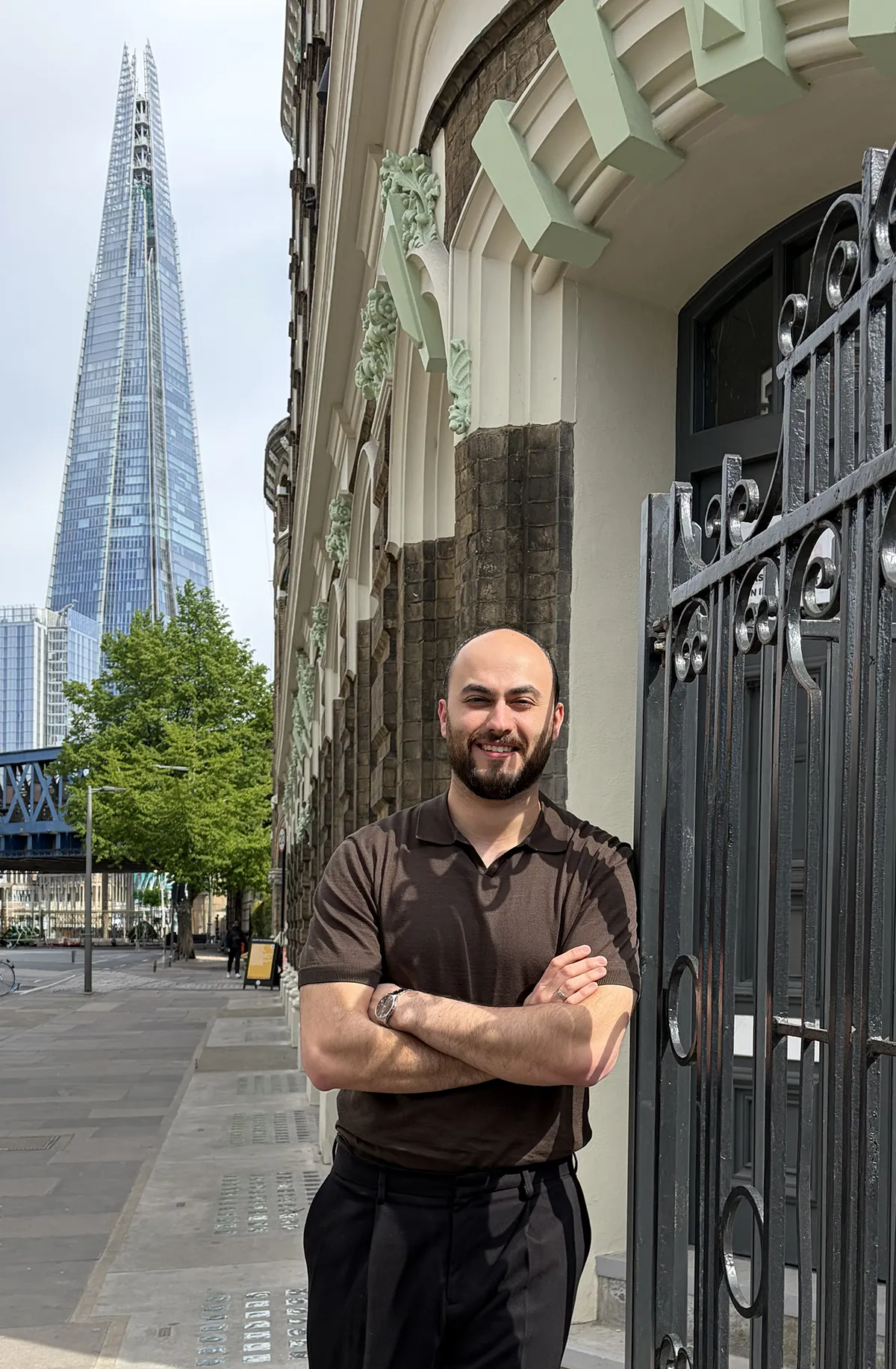
Abdulla is an Associate Landscape Architect at Cracknell‘s London office, aiming to apply his BIM expertise to improve integration with wider project workflows. His experience in the Middle East region is focused on Hospitality and Venues, where he integrates local and international sustainability standards in landscape concept development. Abdulla’s main inspiration in landscape design is the power to tell a story that connects with people and place.
WLA | What is the power of narrative when designing landscape projects?
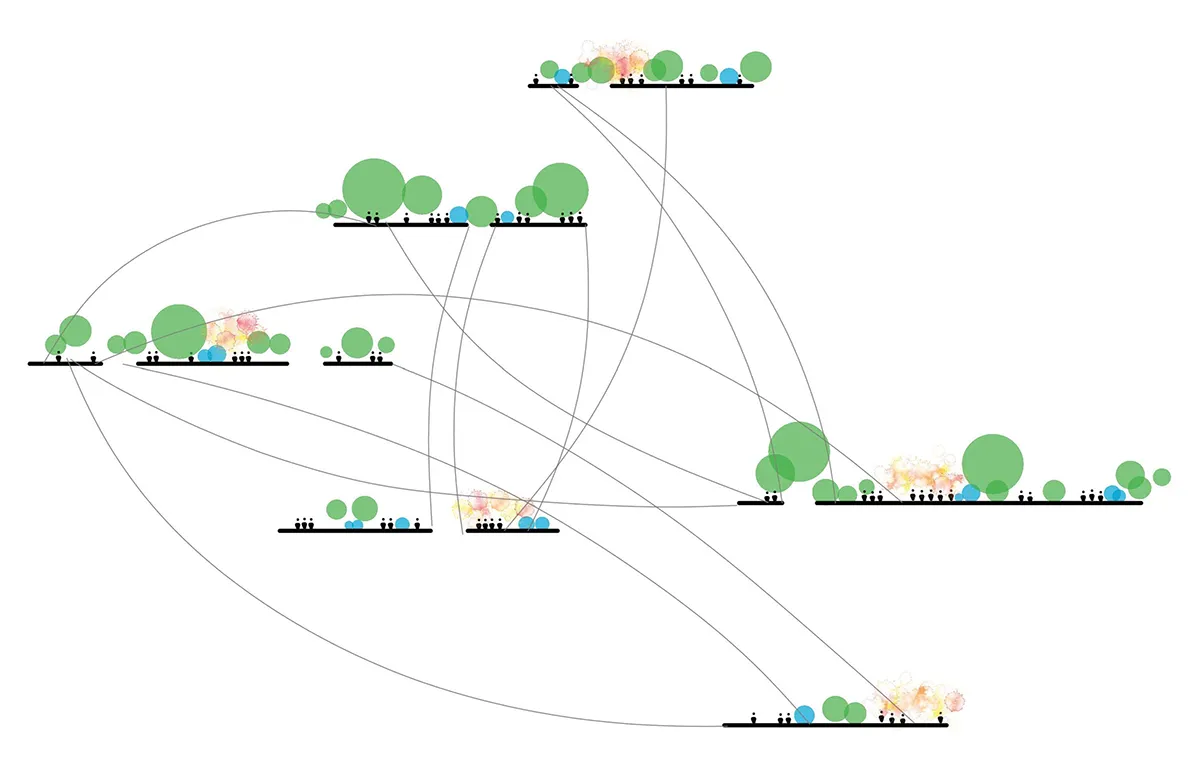
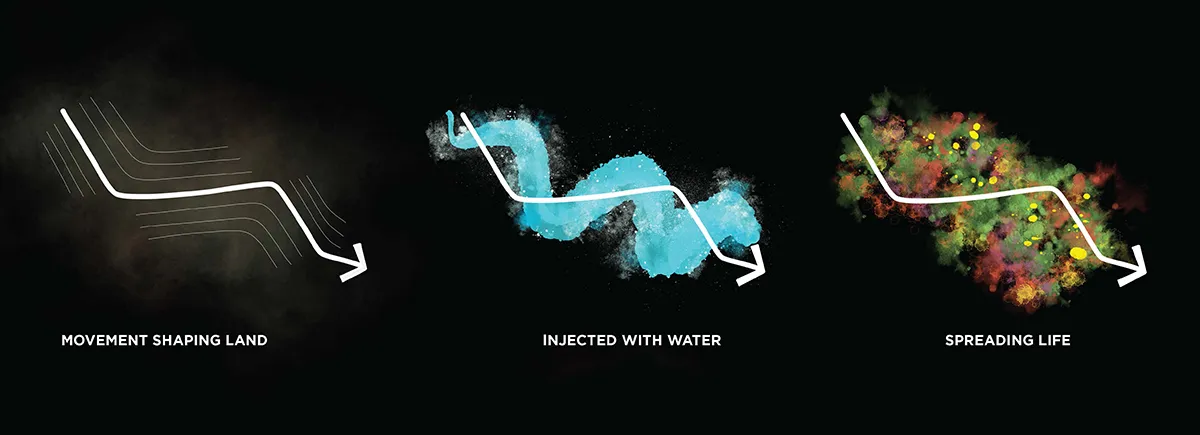
There are many aspects to consider when designing landscape projects. From contextual considerations through the cultural and social identities of the projected users to environmental principles that contribute to the well-being of users and the contexts they live in. A design narrative provides the framework for all these considerations. Through narrative, the designer can tell the story of the place or its people’s history, promote a vision or a positive change the country is adopting, or base the design on an environmental principle.

WLA | Technology such as BIM and AI is influencing the way that landscape architects design. What role does technology play in your project workflows?
AI and BIM play different roles depending on the stage of the project. In the early stages, a combination of hand-drawn sketches and AI-generated images can help shape the concept and narrative the project will adopt. BIM software is used to play a more active role in the post-concept stage, enabling the landscape to be fully integrated and coordinated across all project disciplines with high detail and accuracy. However, with AI evolving increasingly every day, I have been exploring combining basic modelling generated in BIM software such as Revit, with an image-based AI software like Nano Banana, supported by a prompt developed by ChatGPT, thus creating photo-realistic images that would help me explore numerous ideas and scenarios in the short time that some fast-paced projects require for the concept stage. However, as a design-focused practice, we do not use AI to drive design, as we believe the genesis of our ideas should be grounded in human expertise and our interactions with the client, site context, and the project team.
WLA | Sustainability is often touted as part of every landscape project. How do you integrate sustainability standards within your designs?
Sustainability accreditation systems are now an essential requirement for many projects worldwide, including in the Middle East. The unfortunate aspect of these systems is that some can be reduced to a box-ticking exercise, with no real initiative to integrate these standards into the actual design process. As a solution, integrating sustainability standards with the design narrative ensures that sustainability and resilience are integral parts of the project and the design mentality and, by default, are less susceptible to value engineering and budget cuts.
WLA | What key skill should every landscape architect have?
The ability to identify trends emerging in the profession, gain expertise in them, and apply them in day-to-day work has always been key to advancing my career. For me, this was BIM in landscape architecture. I had some knowledge of BIM from my studies and experience in Architecture. When I switched to landscape, I noticed that very few landscape designers had BIM experience, even as BIM and Revit were becoming a key requirement on many projects. Addressing this afforded me exciting opportunities and project experience early in my professional career, and it led to my inclusion in the ‘30 under 30’ list of landscape designers for 2020 here in the UK. Keeping up with emerging trends and the flexibility to adapt your workflows accordingly should be key skills for every landscape architect.
Thank you to Abdulla for providing insights into technology and sustainability, as well as tips on key skills for landscape architects.
Images: Copyright Cracknell unless otherwise captioned