
In January 2026, Parc Jean-Drapeau launched a design ideas competition to help guide its thinking on the development of permanent grandstands on Île Notre-Dame in Montreal and the evolution of the large-scale event experience in the area.
This initiative enabled the exploration of high-quality, sustainable, and multi-purpose design visions conceived for year-round use and aligned with the Parc’s commitments to ecological transition and climate change adaptation.
Parc Jean-Drapeau hosts major sporting, cultural, and civic gatherings every year. Some of the temporary infrastructure required for these events is repeatedly installed and dismantled, resulting in significant impacts on the site.
The mandate was to:
- Envision high-quality architectural and landscape seating structures
- Create accessible, year-round gathering spaces on Île Notre-Dame
- Foster harmonious coexistence between the Parc’s various uses
- Reduce impacts related to the transport, assembly, and disassembly of temporary structures
- Support the Parc’s commitments to ecological transition and climate resilience
More than 95 candidates registered to receive the competition documents, reflecting the strong interest generated by the initiative and by the site’s evolution as a major contemporary gathering place.
Four winning proposals, along with a jury mention, were selected by the jury, highlighting design’s capacity to transform infrastructure into meaningful spatial experiences in dialogue with the landscape, the uses of the site, and its identity.
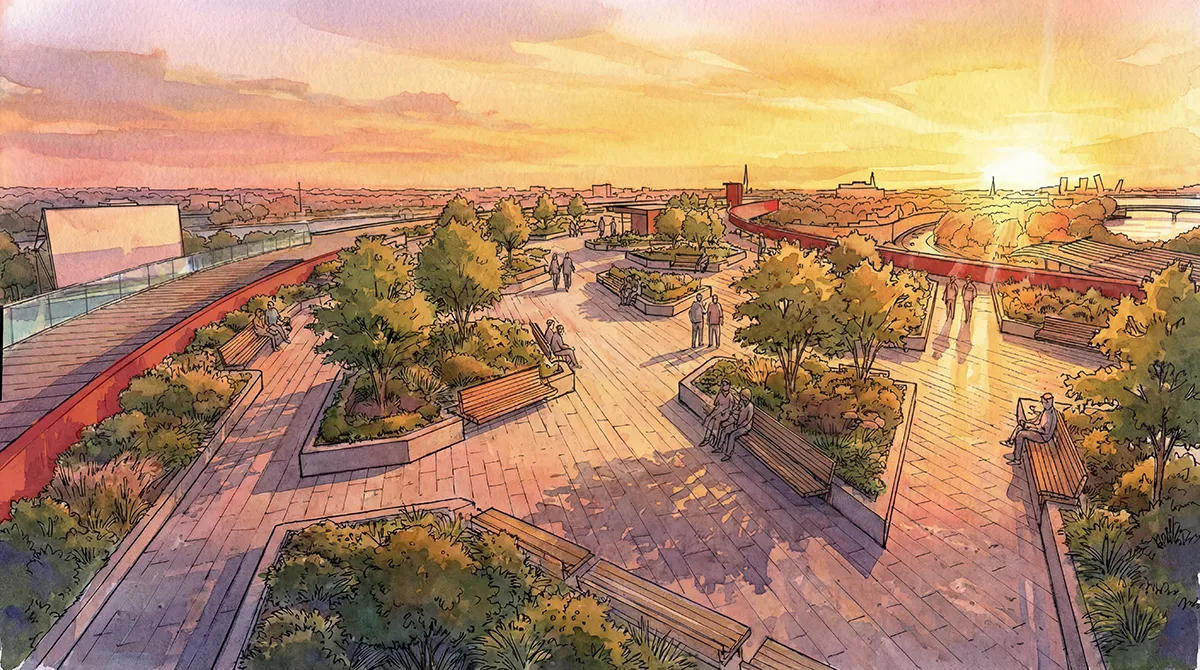
Winner – L’esplanade habitée by AUpoint architecture + territoire
This proposal seeks to reconcile the Épingle and Senna curves through a unifying gesture of significant scale, transforming these areas into a coherent ensemble within the context of the Circuit Gilles-Villeneuve.
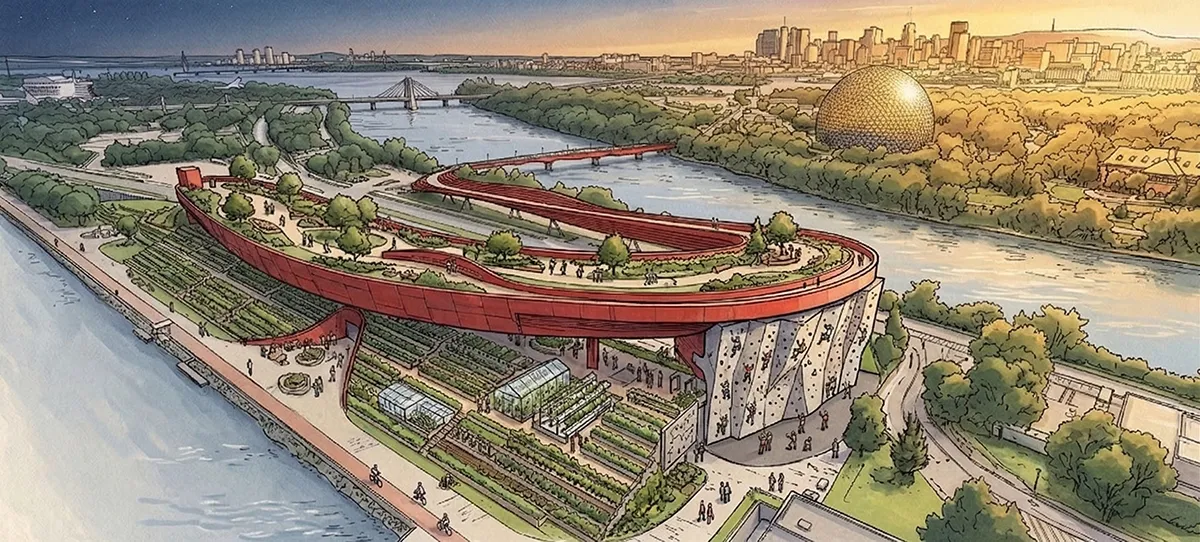
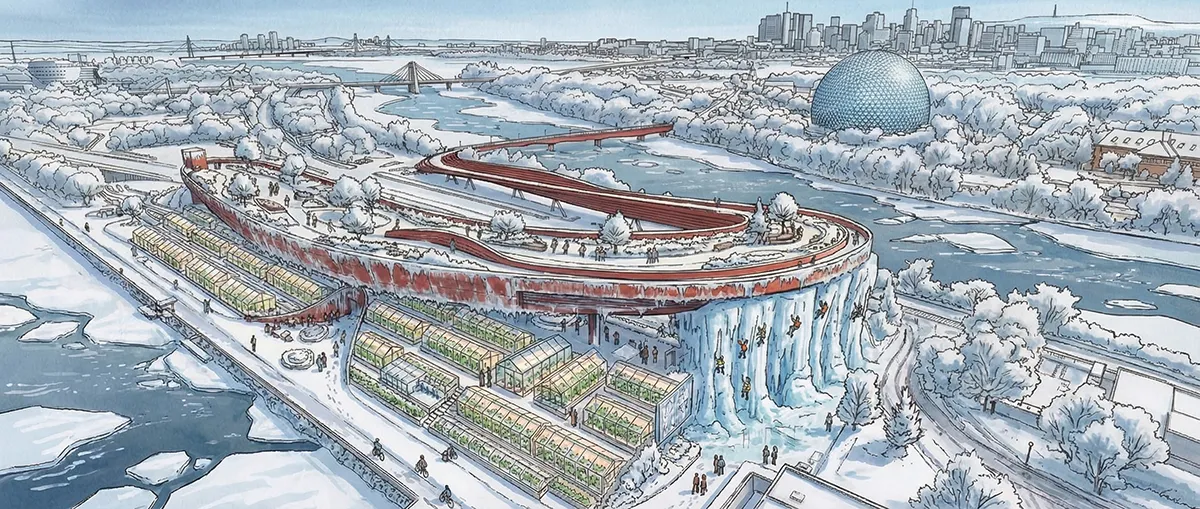
It introduces a newly constructed landscape that integrates diverse spaces capable of hosting major Montréal events, while strengthening the site’s appeal and architectural identity.
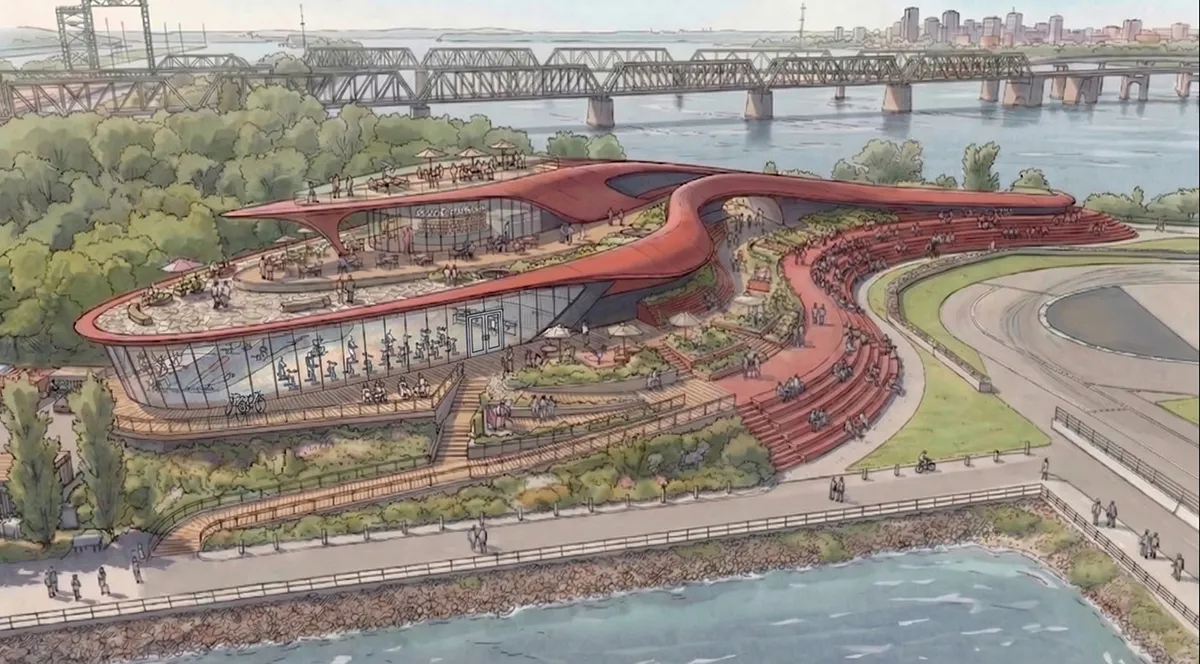
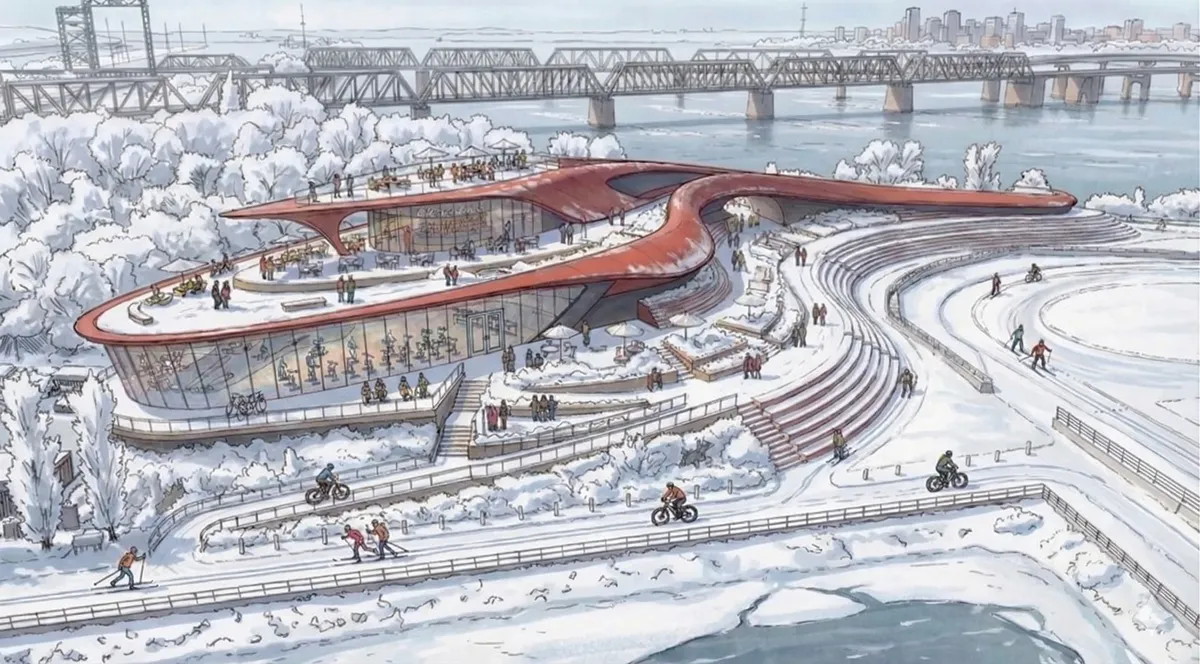
The project incorporates an in-depth reflection on site use and operations, including climatic comfort, circulation, event management, and integration into the urban and riverside context.
Winner – Les gradins de l’île Notre-Dame by LAFLEUR PARADIS ARCHITECTES
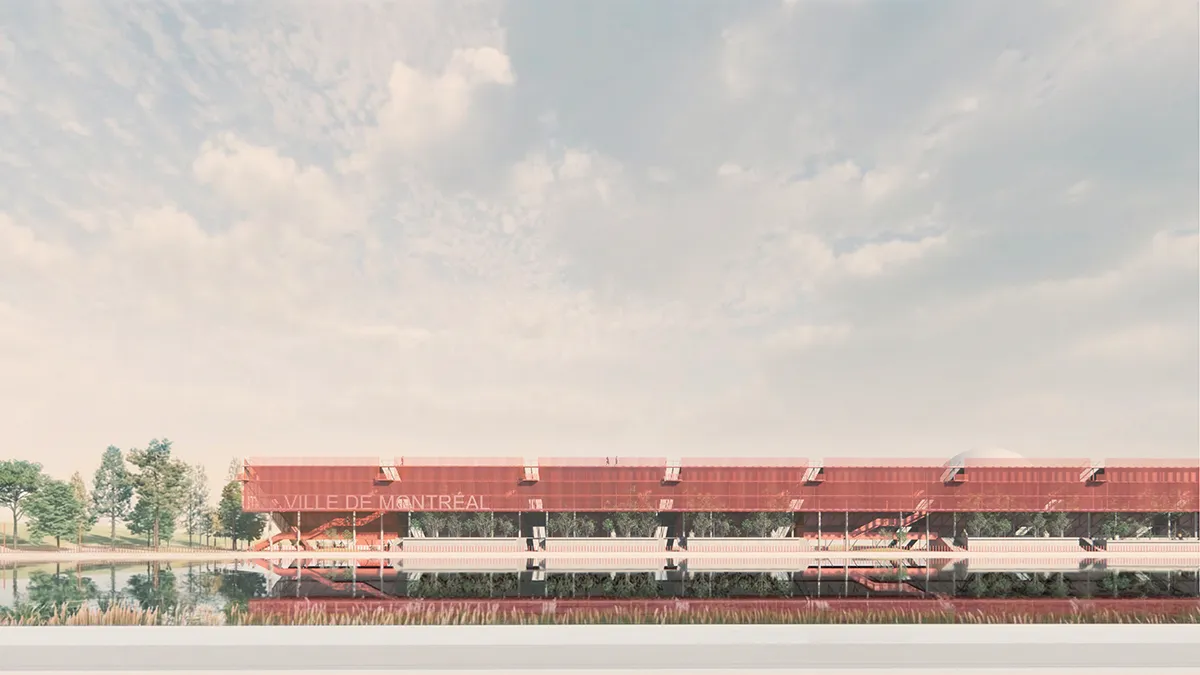
This proposal stands out for its clarity and architectural rigor, presenting the Circuit Gilles-Villeneuve in a legible and structured way. The overall concept offers a simple and effective reading of the site, in continuity with the existing paddock facilities.
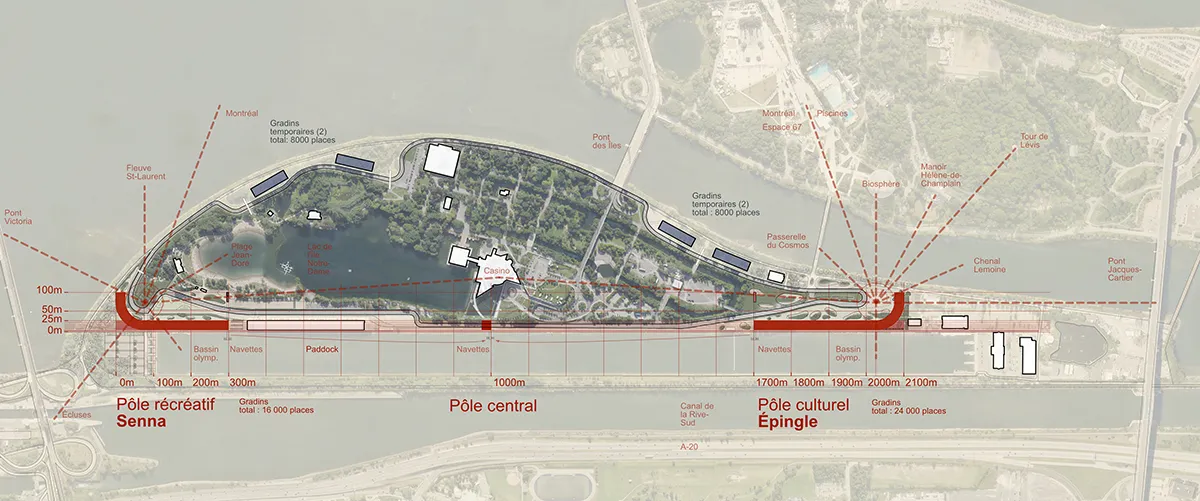
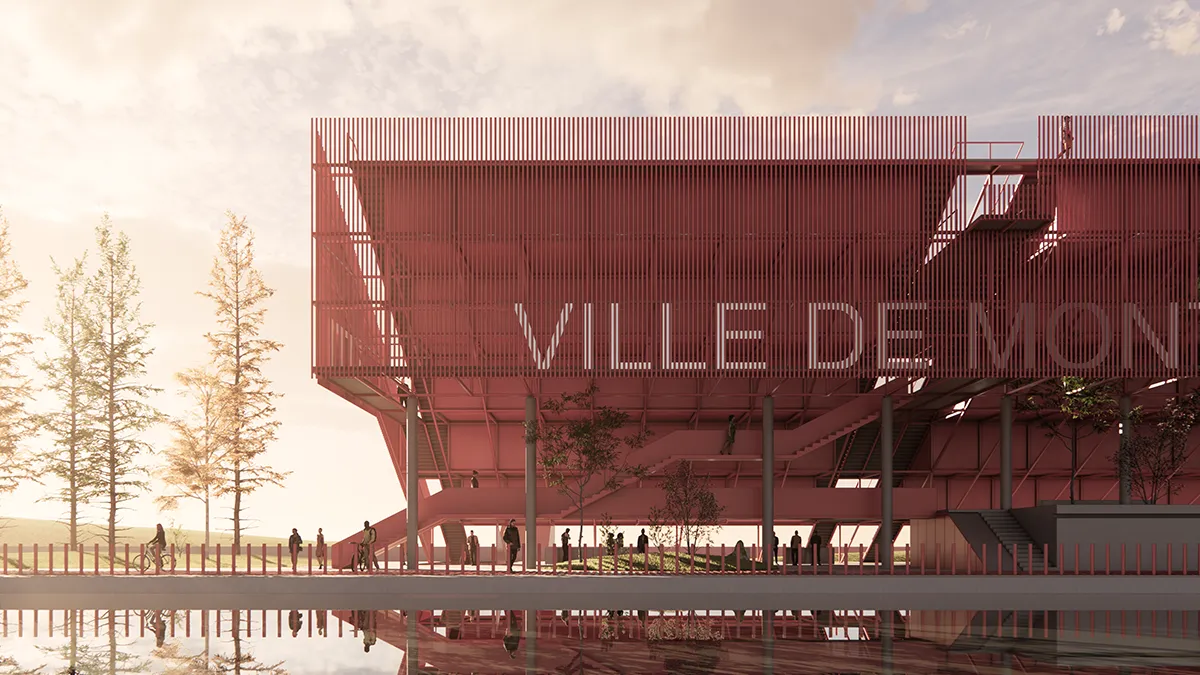
The project also introduces at-grade crossings and an underground passage, helping better connect sectors and streamline movement across the site. These interventions enhance accessibility and improve the overall understanding of the circulation network.
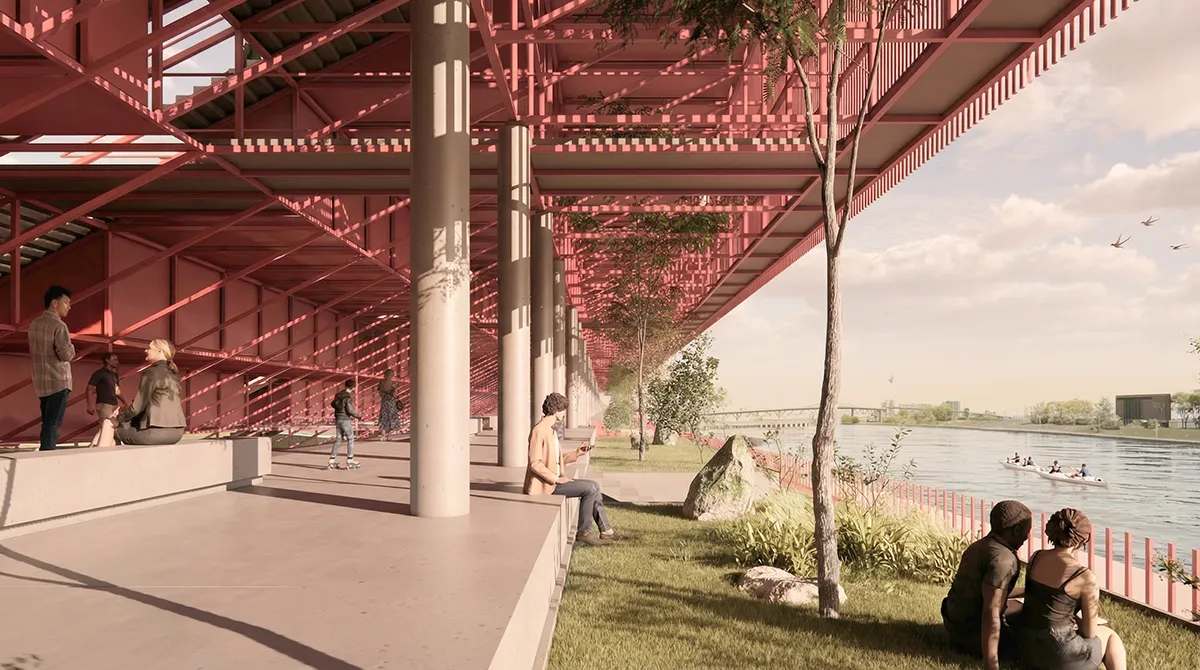
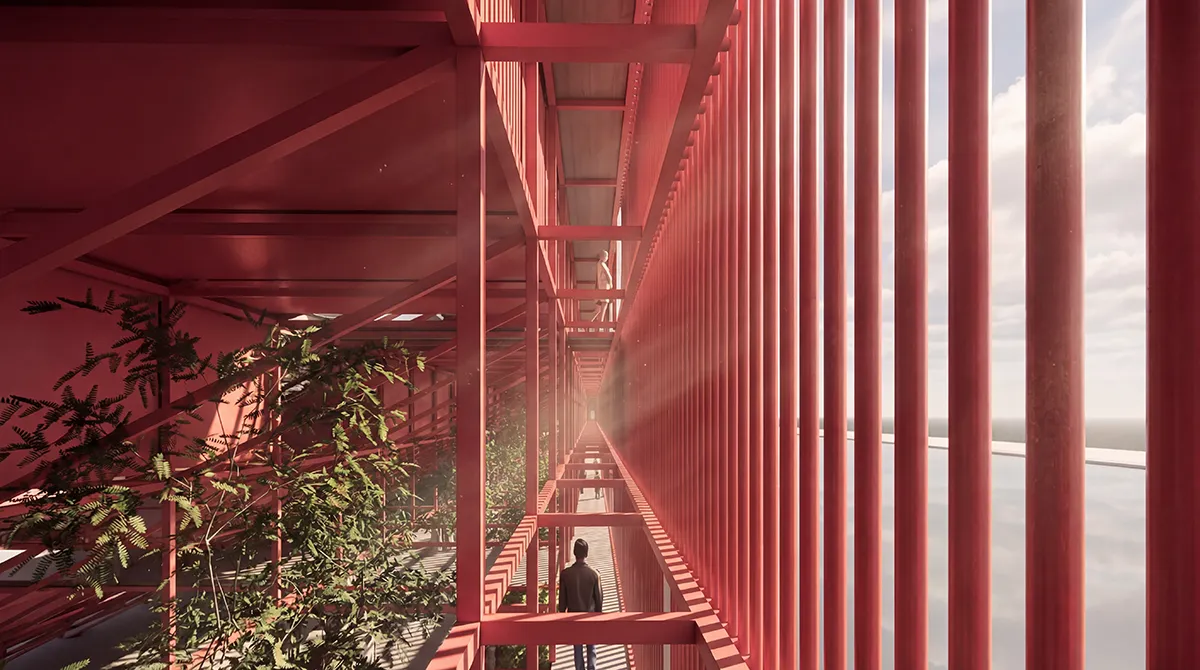
The approach is grounded in a rigorous architectural framework that prioritizes clarity and feasibility, offering a direct and effective response to concrete site development challenges.
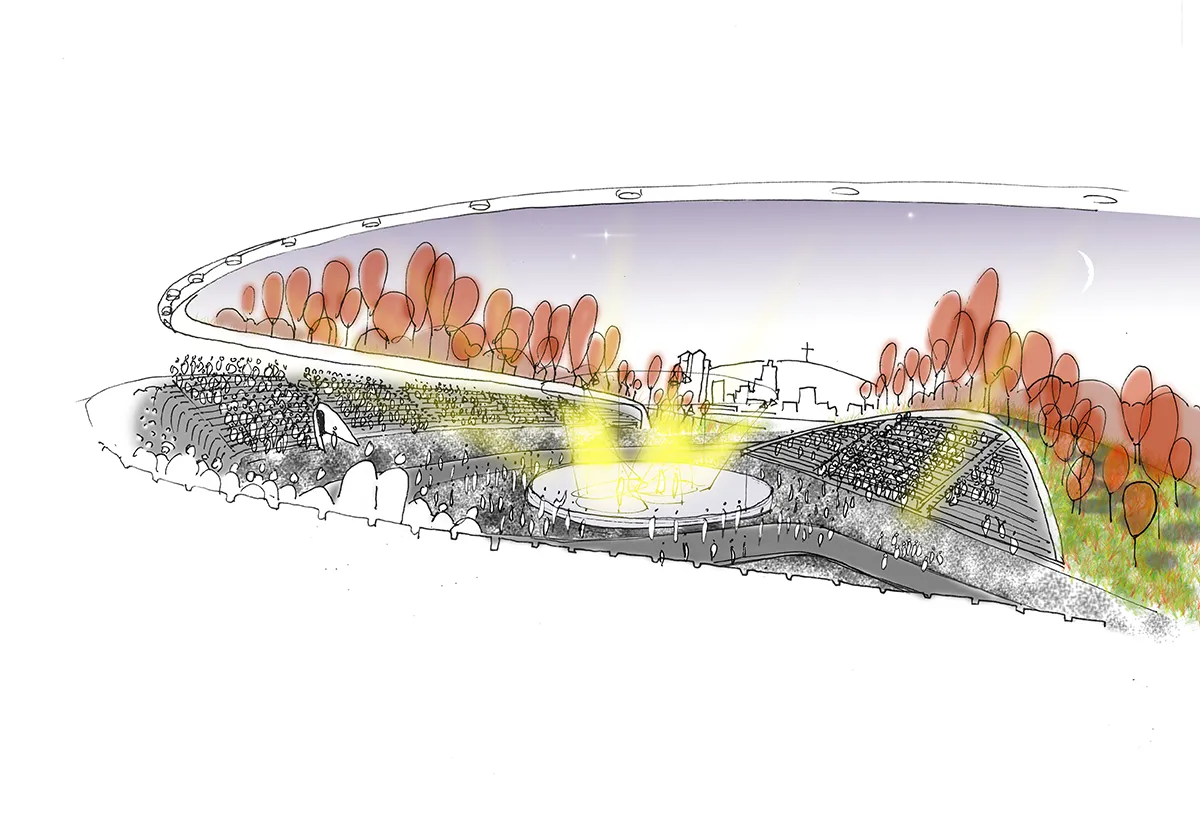
Winner – Relief habité by Provencher_Roy
This project is based on a clear design stance: the performance of the development is driven first and foremost by the landscape, rather than by the addition of built structures. The site is approached as a whole, in continuity with its natural character and its role as a public park, both for major events and everyday use.
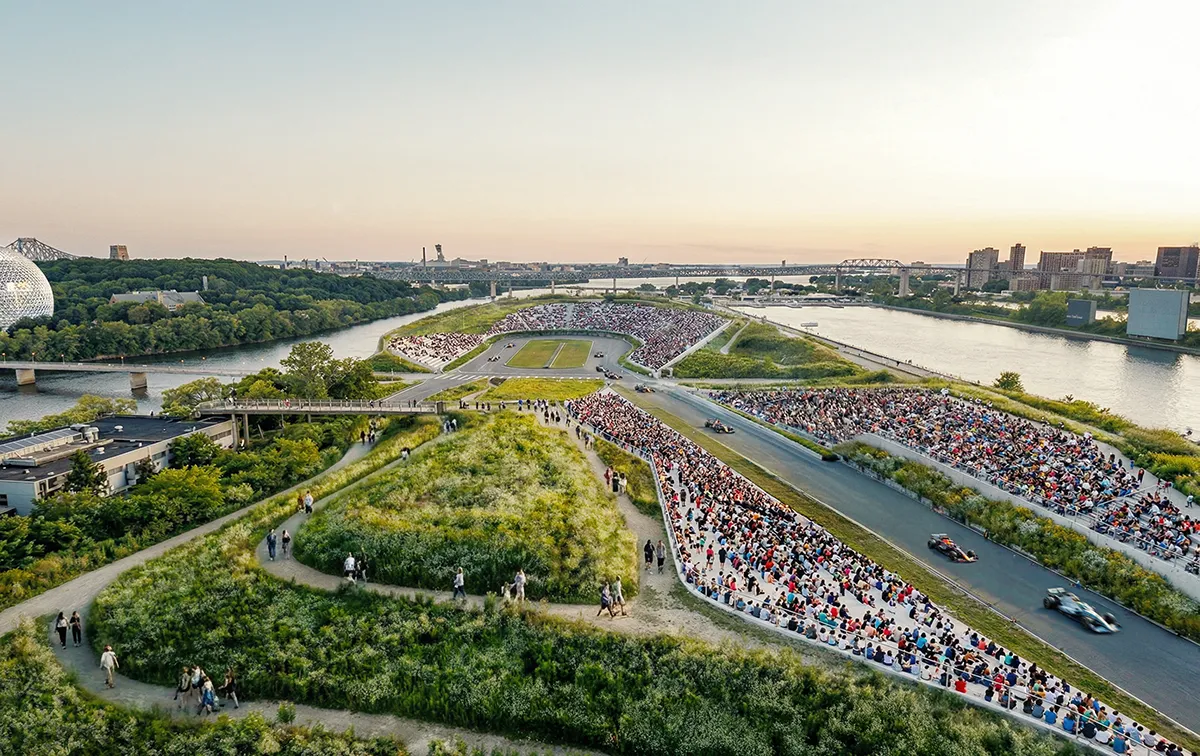
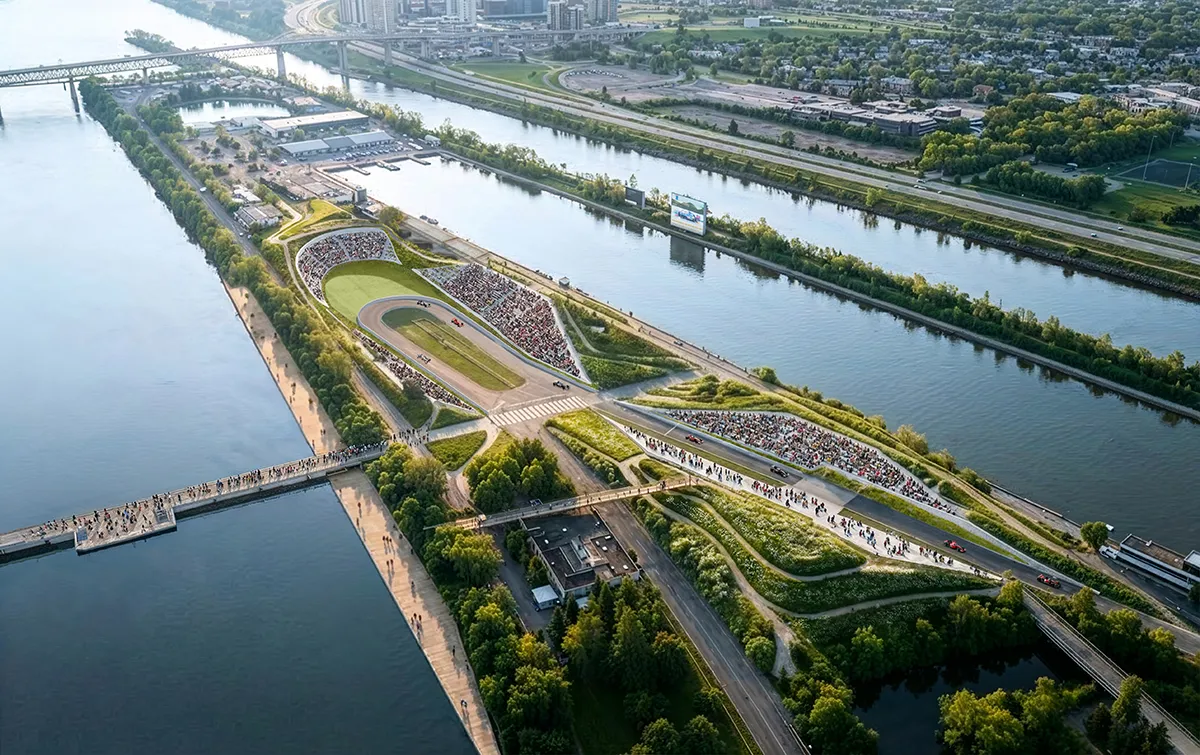
Topography becomes the main design tool. It connects the different areas of the site and creates fluid pathways, without disrupting the overall reading of the place. The seating areas are integrated into the landform and naturally embedded within the existing landscape.
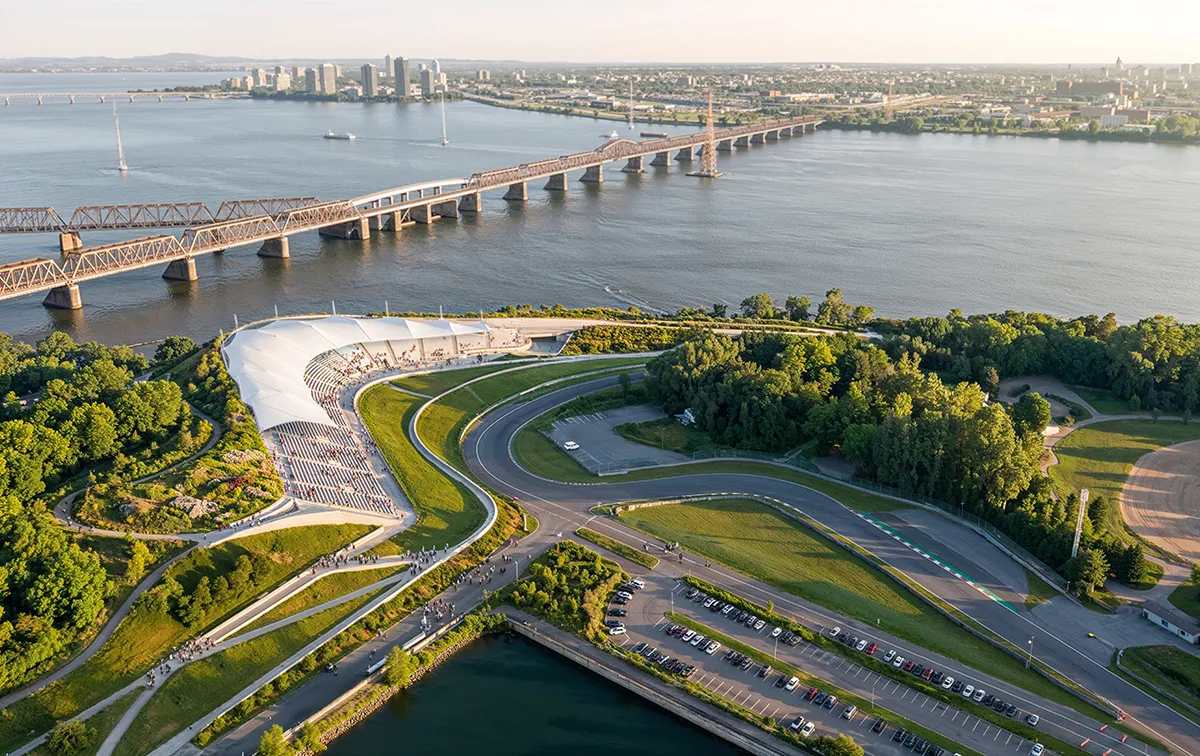
This approach turns the project into a catalyst for activating the site, capable of extending beyond one-off events to support its long-term evolution within the Parc.
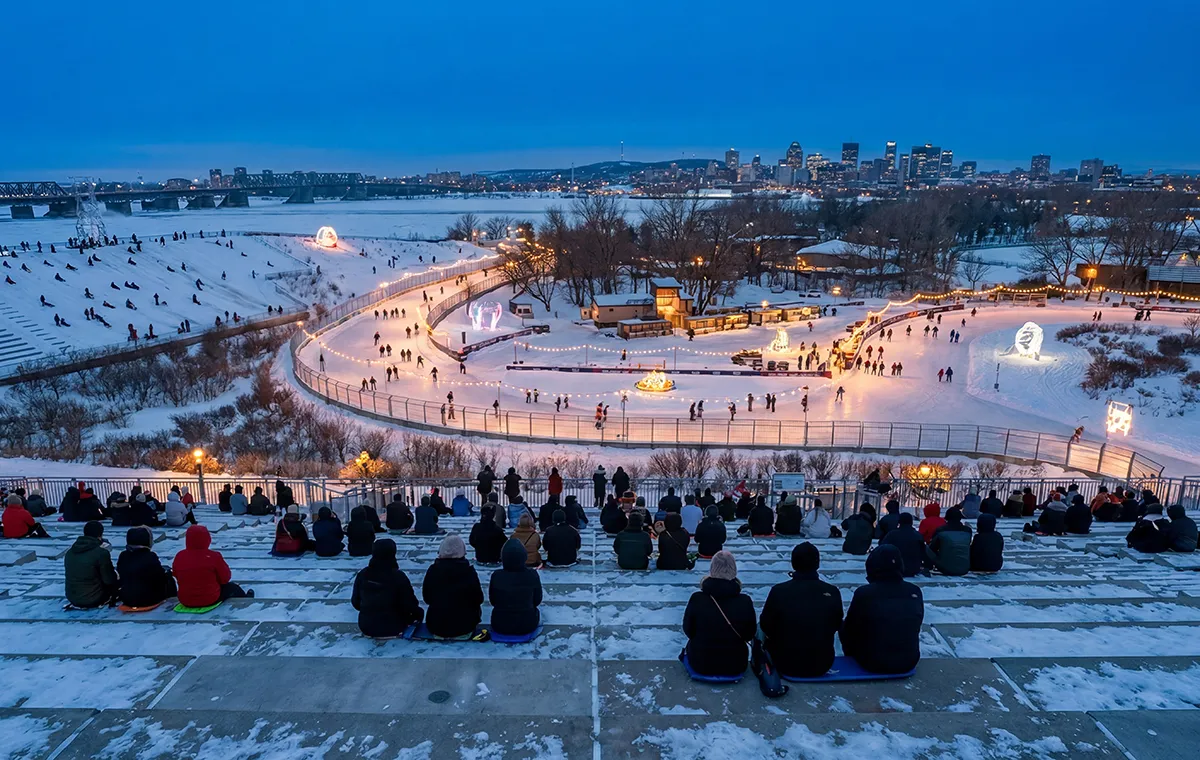
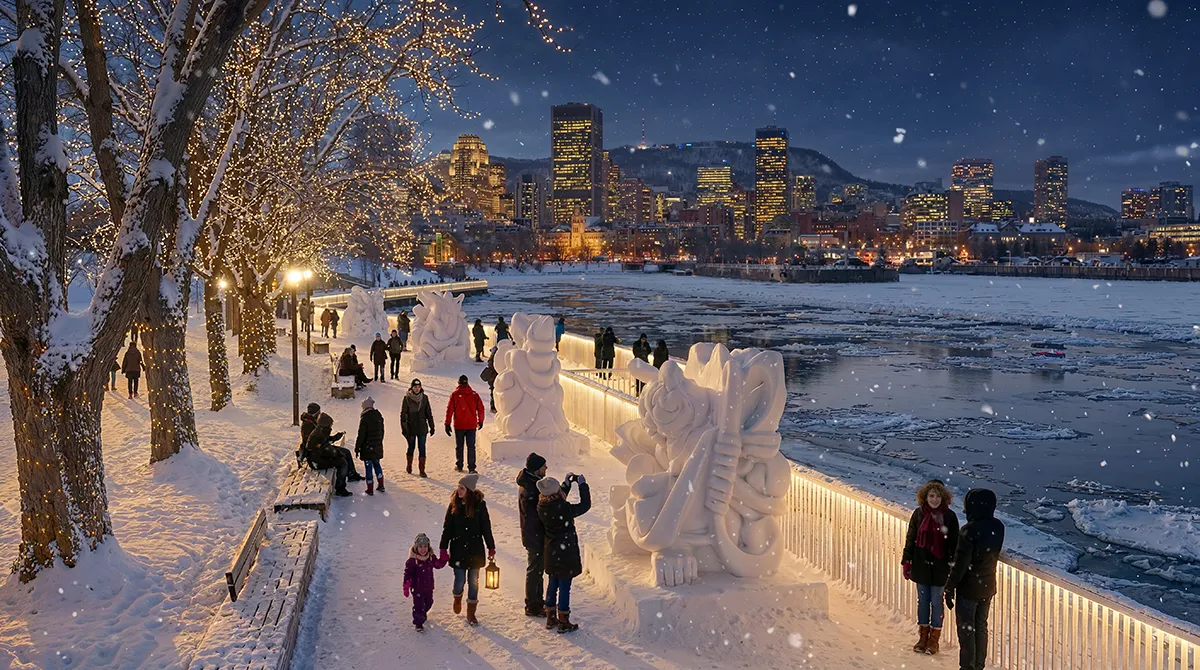
Winner – Un jour, un jour, une jeunesse en fougue by Collective: Mégane Bédard, Jean-Simon Bissonnette, Rose-Marie Bourdages et Camille Brodeur
This project adopts an approach focused on conserving and enhancing the site’s Olympic infrastructure. It proposes building on this historic foundation as a framework to accommodate new uses.
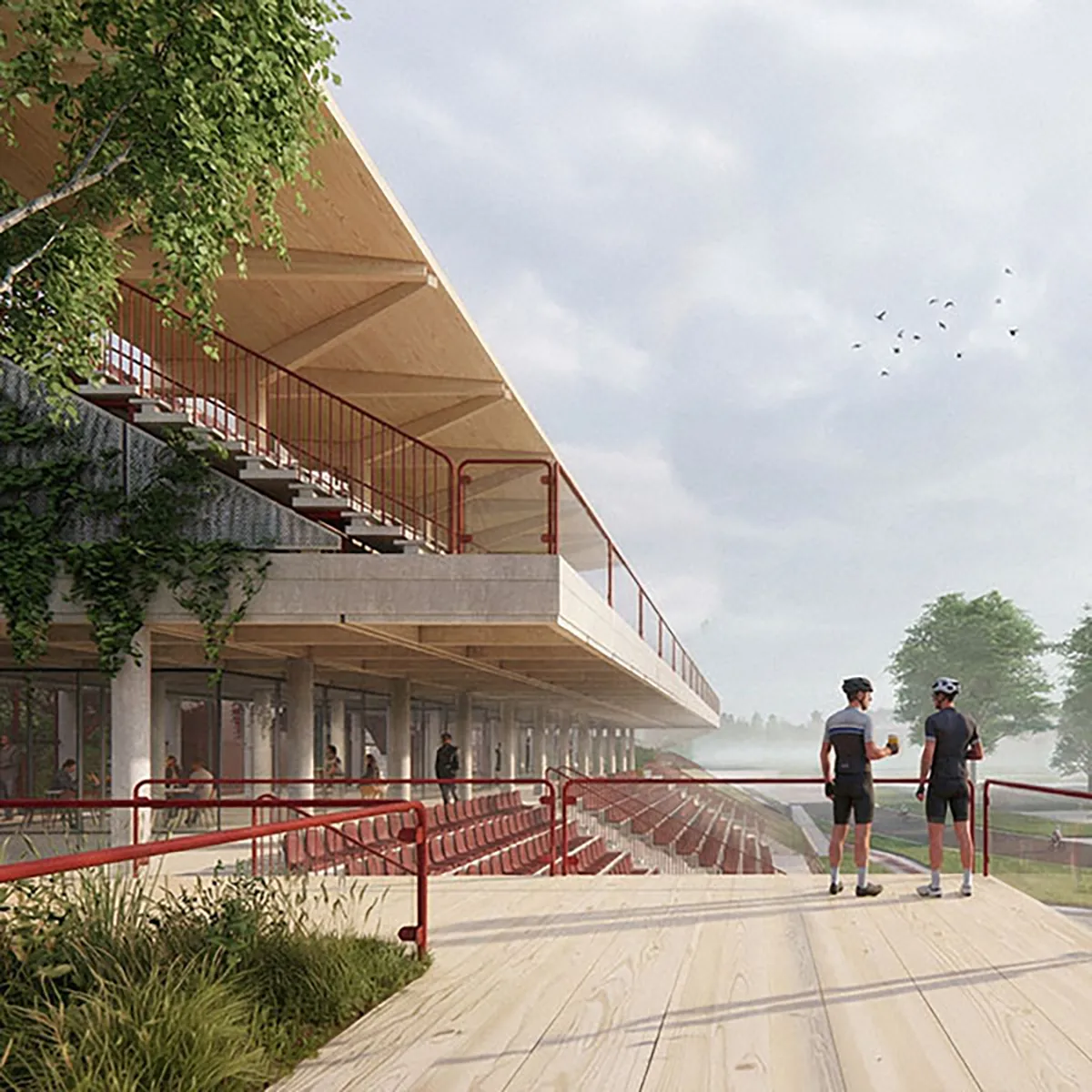
The new interventions are coherently integrated into this context, reflecting strong respect for the site’s built heritage and architectural identity. This reading of the place informs and guides all design decisions.
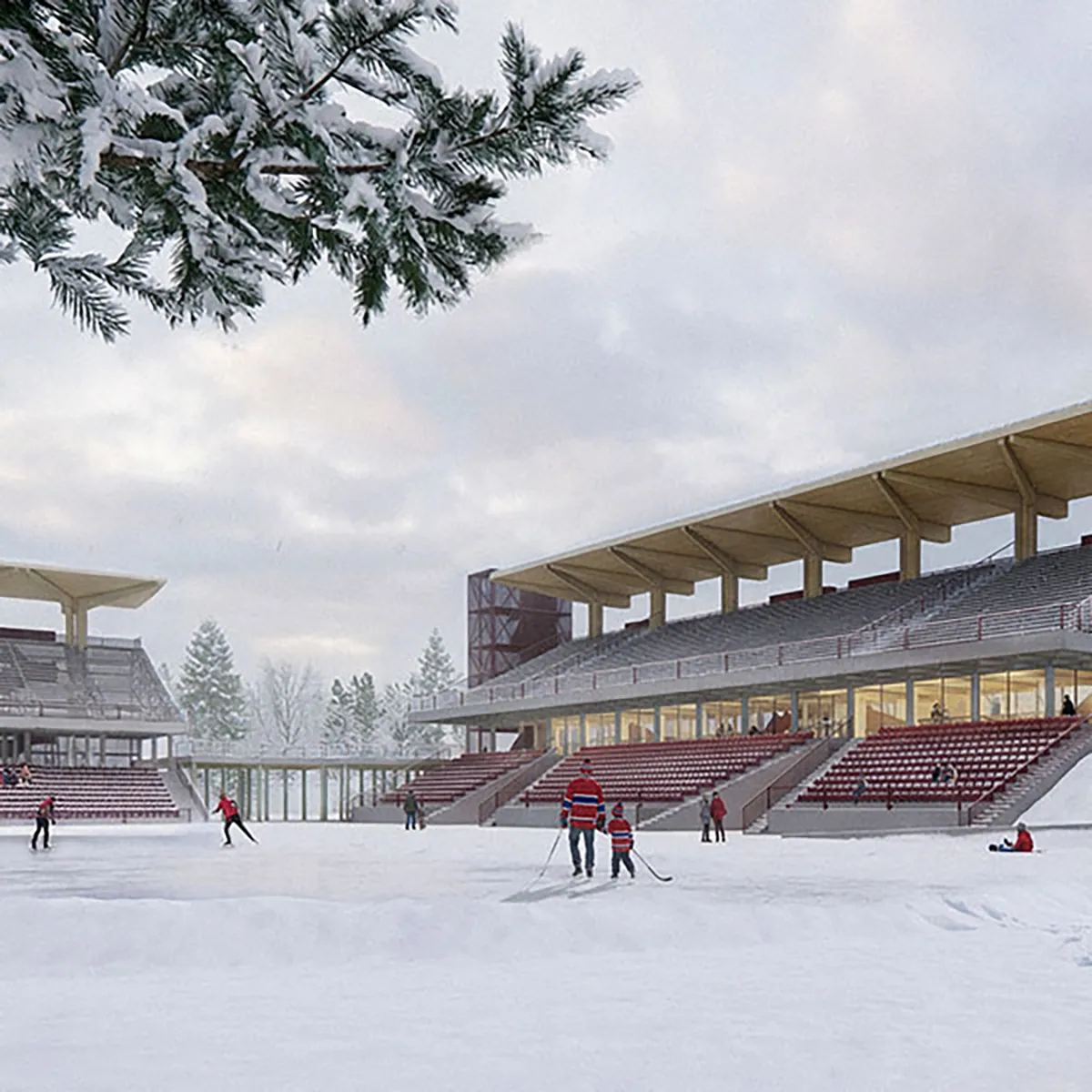
The proposal focuses on integrating existing elements and favoring a gradual transformation of the site rather than a complete reconfiguration, in a logic of continuity and reinterpretation.
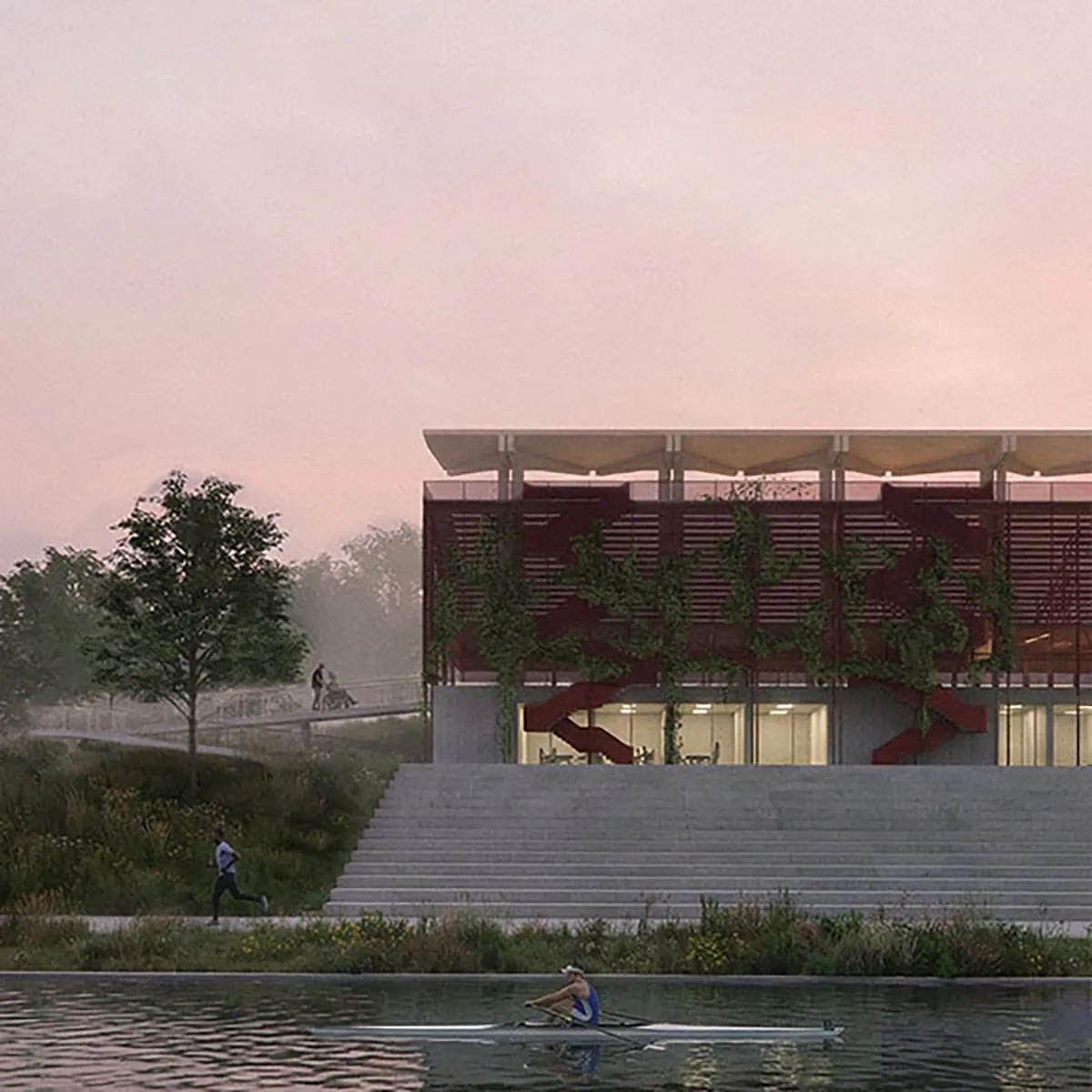
Jury Mention – collines by Architecture Synthèse
This project proposes rethinking the site by integrating more vegetation around and within the proposed developments. The idea is to create a balance between public facilities and the Parc’s natural landscape, with particular attention to biodiversity.
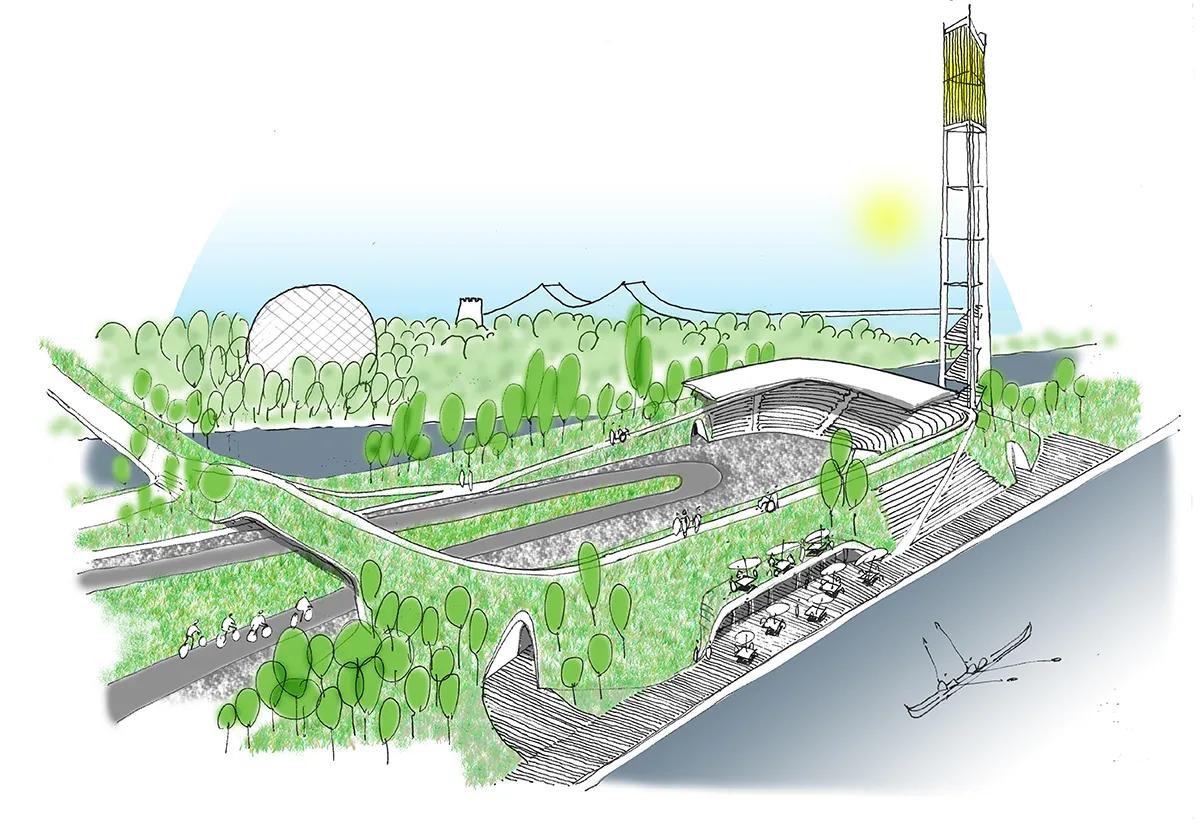
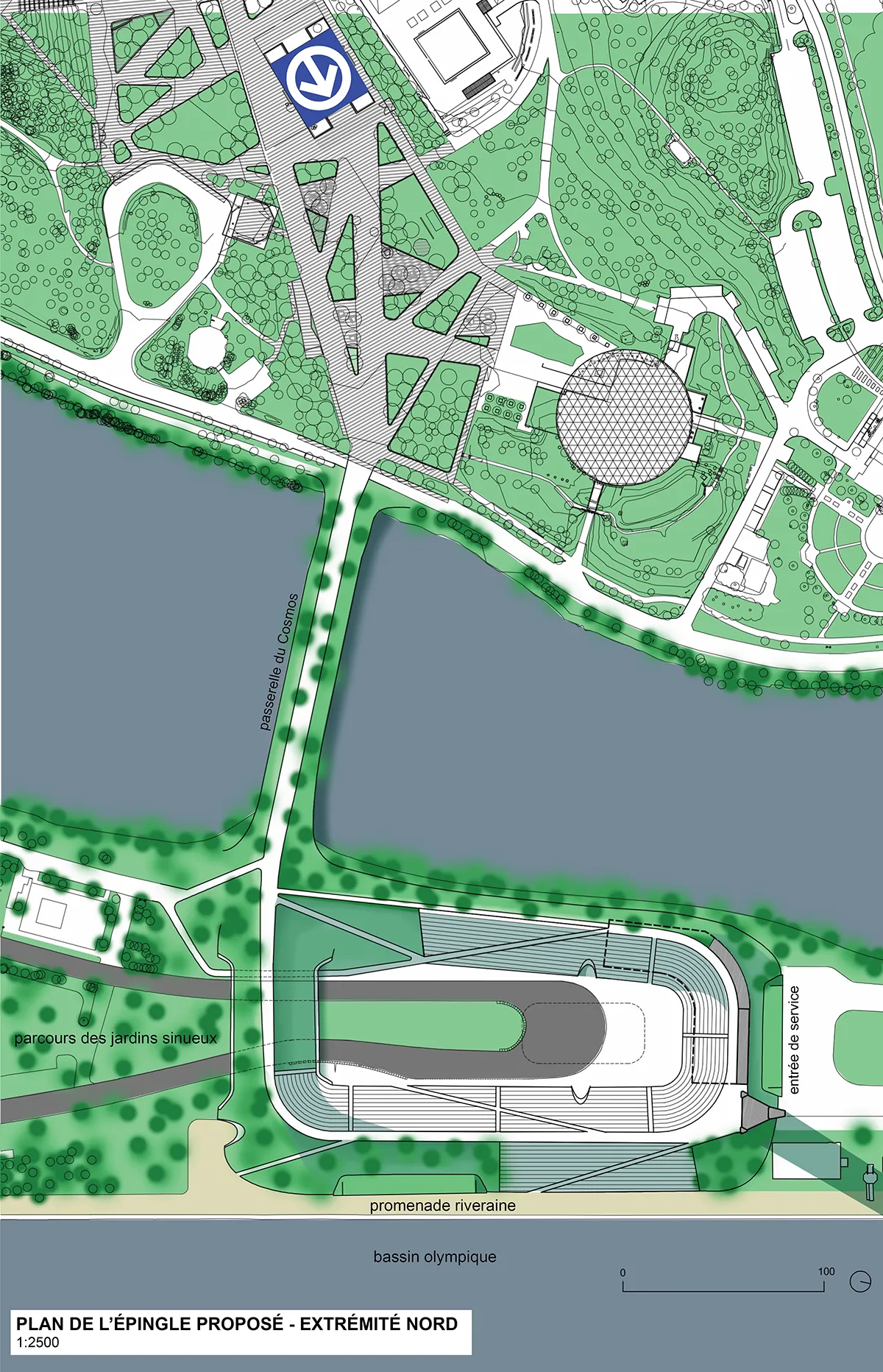
One of the defining features is the possibility of moving above the track and crossing the site in new ways, offering fresh viewpoints and a different experience of the place.
Full report and detail at https://designmontreal.com/appels/gradins-ile-notre-dame?section=4363