
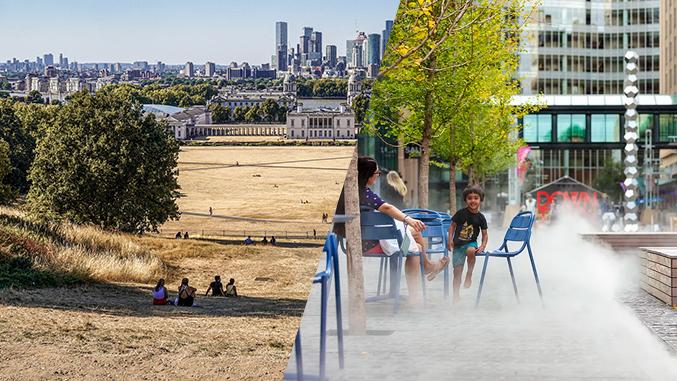
Over the past few months, there has been a heatwave in Europe, with temperatures reaching record highs of over 40 degrees Celsius (104F). There have also been heatwaves in Australia, Argentina, the USA, and India during 2026. The pattern of heatwaves across the 2020s in different countries, with thousands of deaths, requires greater investment by all levels of government in heat mitigation and urban cooling.
These investments should be directed toward the short- and long-term well-being of residents and to decrease mortality rates, particularly among older people. While some European politicians have advocated extensive air-conditioning initiatives, such measures may exacerbate the issue by increasing energy consumption and environmental pollution.
It appears that over the past decade, annual reports on heatwave events that cause thousands of fatalities and health-related illnesses have been published frequently. However, once the hot period concludes, governmental agencies tend to revert to standard operations with minimal investment. In contrast, approximately 20,000 individuals succumb to vehicle-related incidents (including car, motorcycle, and pedestrian crashes) in Europe each year, with substantial financial resources allocated to initiatives to reduce the European road mortality rate by half by 2030. [1]
There are several impacts of heatwaves on people’s wellbeing, including:
- Reduced emotional wellbeing
- Mental Stress & Fatigue
- Impacts on children’s education due to attending hot classrooms or school closures
- Reduced Mobility & Exercise times
- Social Isolation
- Increased deaths
These impacts highlight a higher priority for tackling the challenges caused by heatwaves and for investing in mitigation and urban cooling, such as the following:
Short Term (immediate to 2 years)
Cities should invest in the following during heatwaves to reduce the immediate impacts
- Issue heat warnings and provide websites and apps to guide people to shade and shaded routes through urban areas.
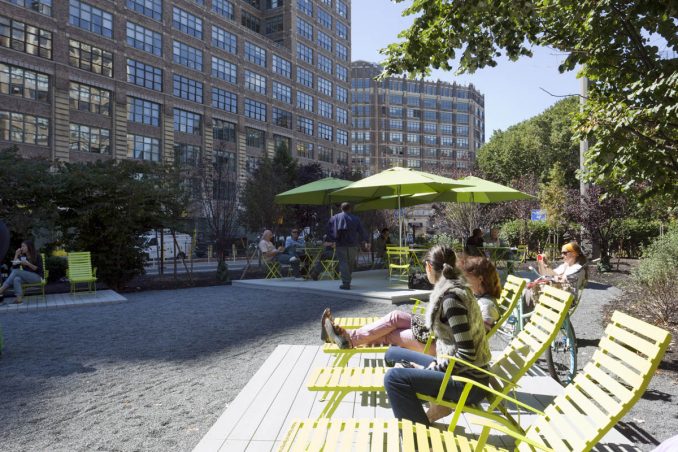
- Provide seating and places to rest
- Provide temporary shade (canopies, tents, umbrellas)
- Provide access to free drinking water
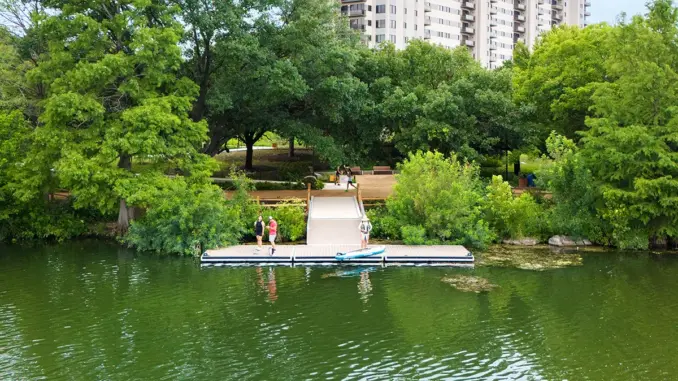
- Increase accessibility to lakes, rivers and oceans.
- Misting – small systems in city plazas and squares and aerial water spraying by truck.
- Allow people to use green spaces at night (when previously closed at night)
- Open air-conditioned government buildings to older and frail people beyond libraries and town halls. (temporary heat relief/cooling centres)
- Collect data and anecdotal information to inform medium and long-term planning.
Medium Term (2-7 years)
Governments should implement initiatives/legislation and invest in the following:
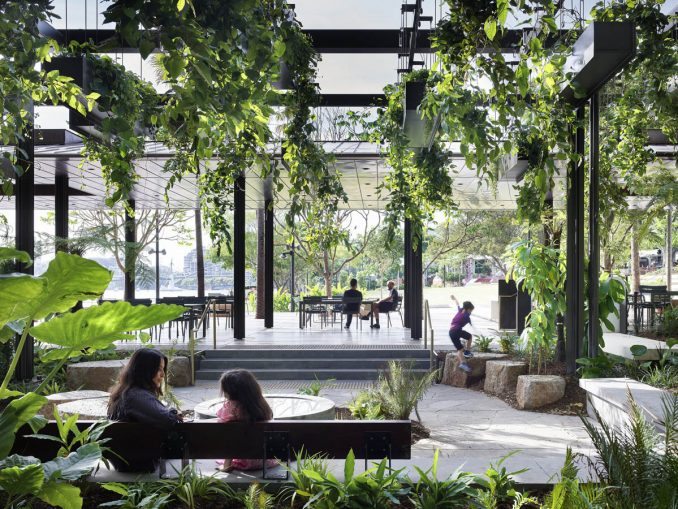
- Reduce paved areas and increase greenery (green infrastructure) in existing and future public spaces
- Select lighter materials for paved areas, seating walls and structures to reduce radiant heat during day and night
- Provide drinking water taps/fountains with bottle fillers
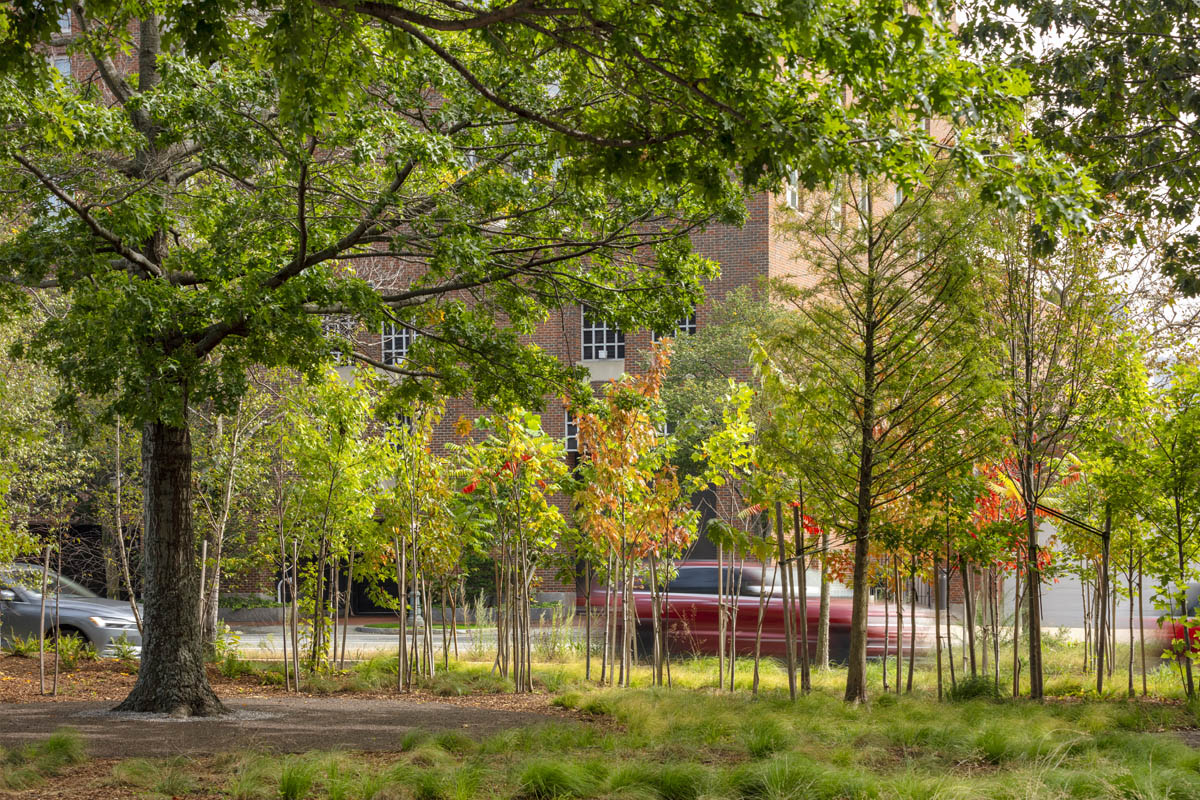
- Increase new and infill tree planting with fast-growing shade species (where climatically appropriate)
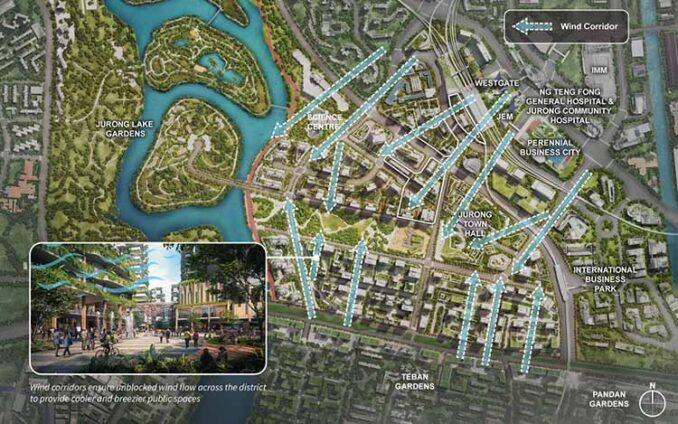
- Design planting to allow for prevailing winds during hot months
- Provide permanent shade structures (pergolas, shade sails) in addition to new tree planting
- Include waterplay in landscape designs
- Incorporate green roofs and vertical greening (green infrastructure) in existing and proposed developments
- Invest in (blue infrastructure) cleaning up waterways and increasing accessibility to allow people to cool themselves in local areas (rather than requiring travel to beaches or lakes)
- Design for thermal comfort in buildings (especially in new and retrofitted architecture)
- Develop education programs for residents on dealing with heat (and cold)
- Provide briefings and education sessions on heat mitigation and urban cooling measures for government departments and elected officials.
- Invest in a monitoring system that informs digital models for future city shaping projects
- New developments (housing & commercial) to include ventilation corridors

Long Term (7+ years)
Governments should invest in visions and plans for the following:
- Digital (twin) models to develop master plans and frameworks
- Urban forests framework and succession plans (green infrastructure)
- Planning to move people from informal to formal housing designed for hot environments.
- Urban cooling requirements in all publicly funded projects and privately funded developments
- Blue and green infrastructure in master plans and planning frameworks.
Examples of designing for urban cooling include
- Eiffel Tower,
- Triangle Park in Boston
- Arnhem’s Climate-Adaptive Vision for a Cool Network
- Cool Routes App/Website (City of Melbourne – 2022)
- Cooling Singapore – Digital Urban Climate Twin
Overall, there is a greater need for investment by governments and international organisations (UNEP, UNDP, and funds at all levels) to reduce the impact of heatwaves worldwide. The investments not only help mitigate heat but also support climate change adaptation efforts.
Article: Damian Holmes – Editor of World Landscape Architecture
References
[1] European Commission remains committed to halving road deaths by 2030 https://transport.ec.europa.eu/news-events/news/european-commission-remains-committed-halving-road-deaths-2030-2026-02-16_en