
Public spaces are often discussed in terms of amenities, programming, and access. In hot climates, another factor shapes how those spaces are used: thermal comfort.
Within the public realm, people are more inclined to gather where they feel comfortable. Instinctively, they choose routes that offer shade and linger where conditions invite them to stay longer. As climate extremes expand and temperatures continue to rise, human comfort and, in some instances, life safety during extreme heat become increasingly important considerations in how public space functions.
In hot and humid climates, comfort is a prerequisite for connection and is often a measure of a place’s success.
In Austin, where summer temperatures regularly shape when, where, and how people spend time outdoors, these considerations are increasingly central to the design of the public realm. A plaza may be beautifully detailed. A trail may be thoughtfully planned. A park may offer a range of amenities. Yet if people cannot comfortably inhabit those spaces during much of the year, their potential remains unrealized.
The goal is not simply to reduce temperatures. The goal is to create places people choose to use.
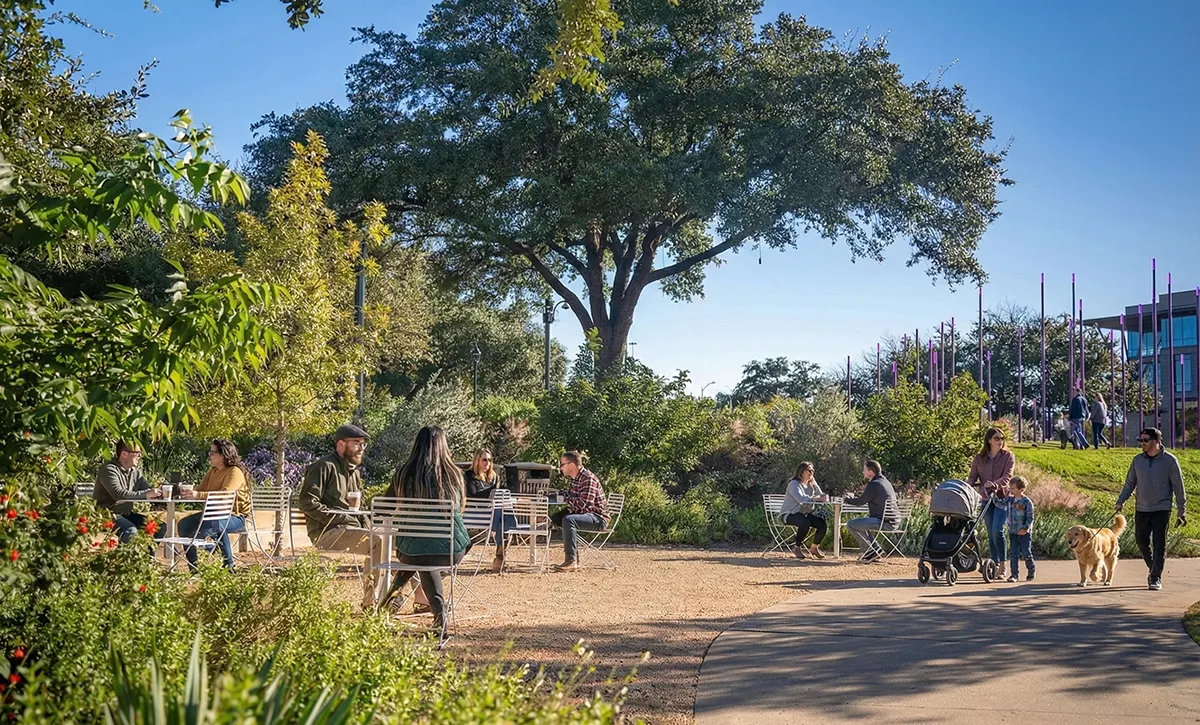
Landscape architecture is uniquely positioned to address this challenge because comfort rarely results from a single intervention. It emerges from the relationship between canopy, planting, water, airflow, topography, materials, and the spaces between them. When considered together, these elements help create environments that remain welcoming and usable throughout the year.
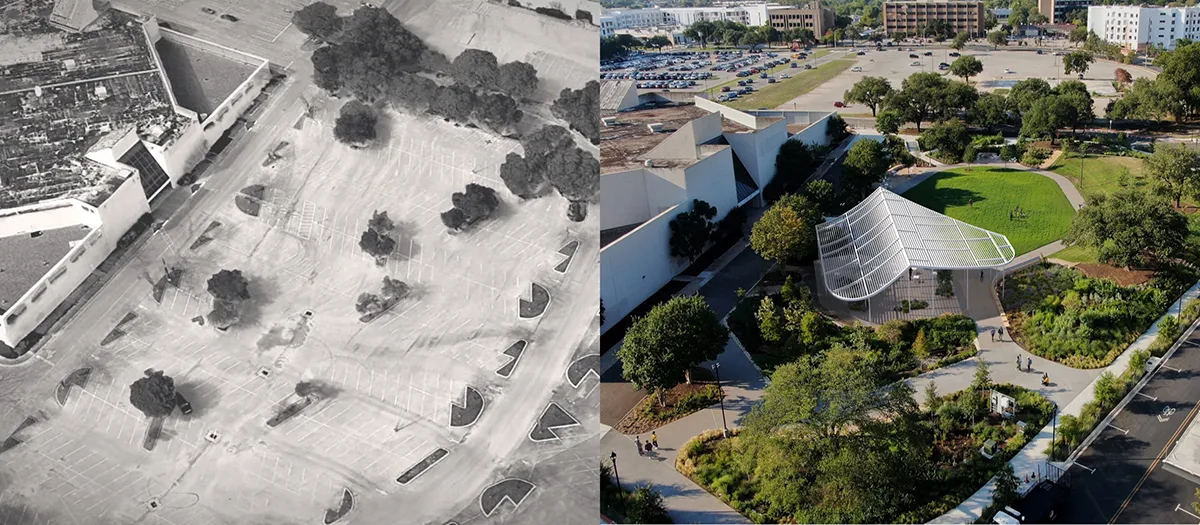
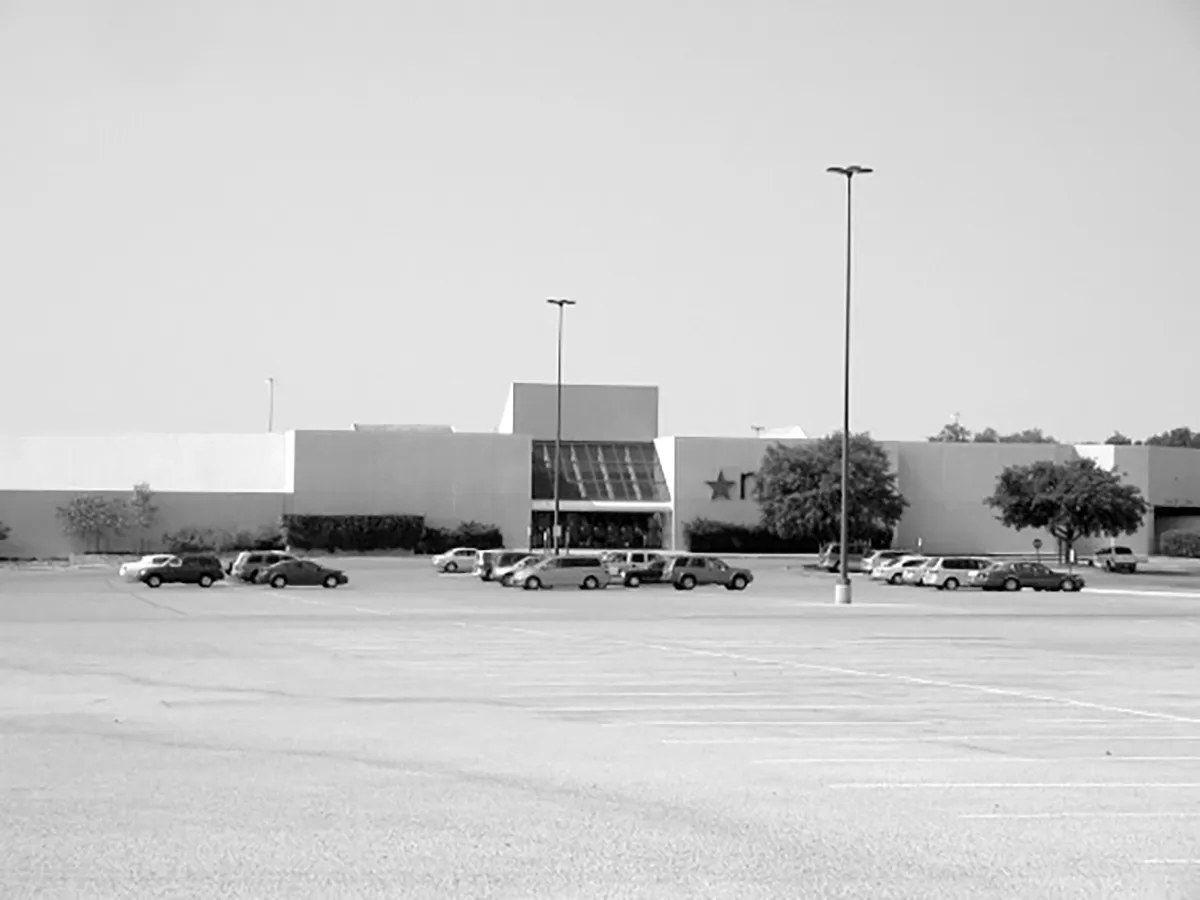
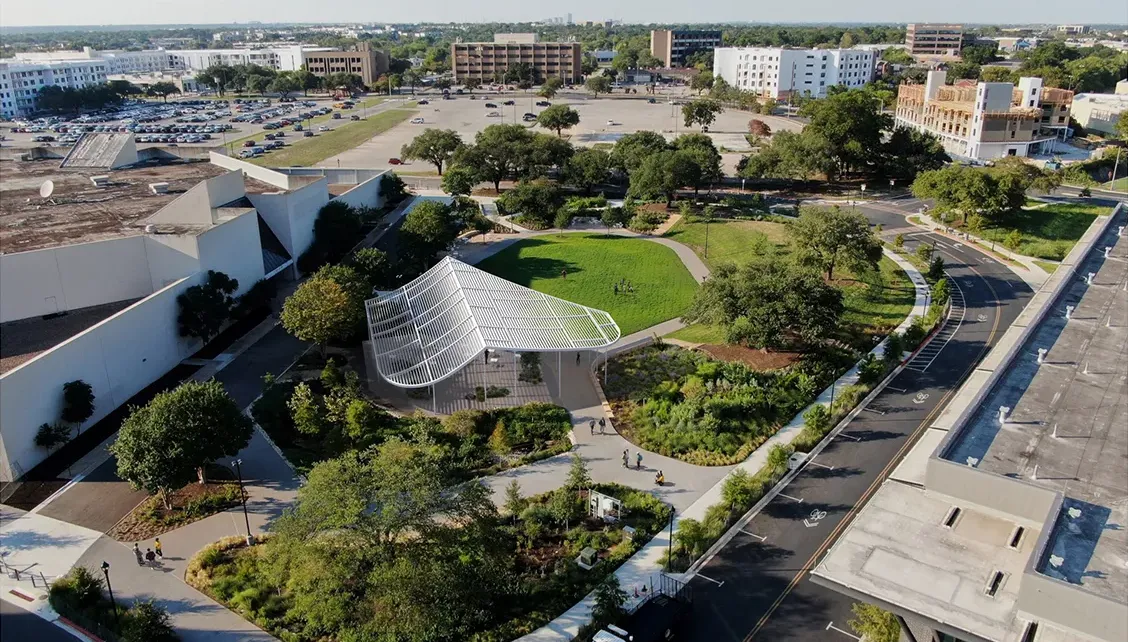
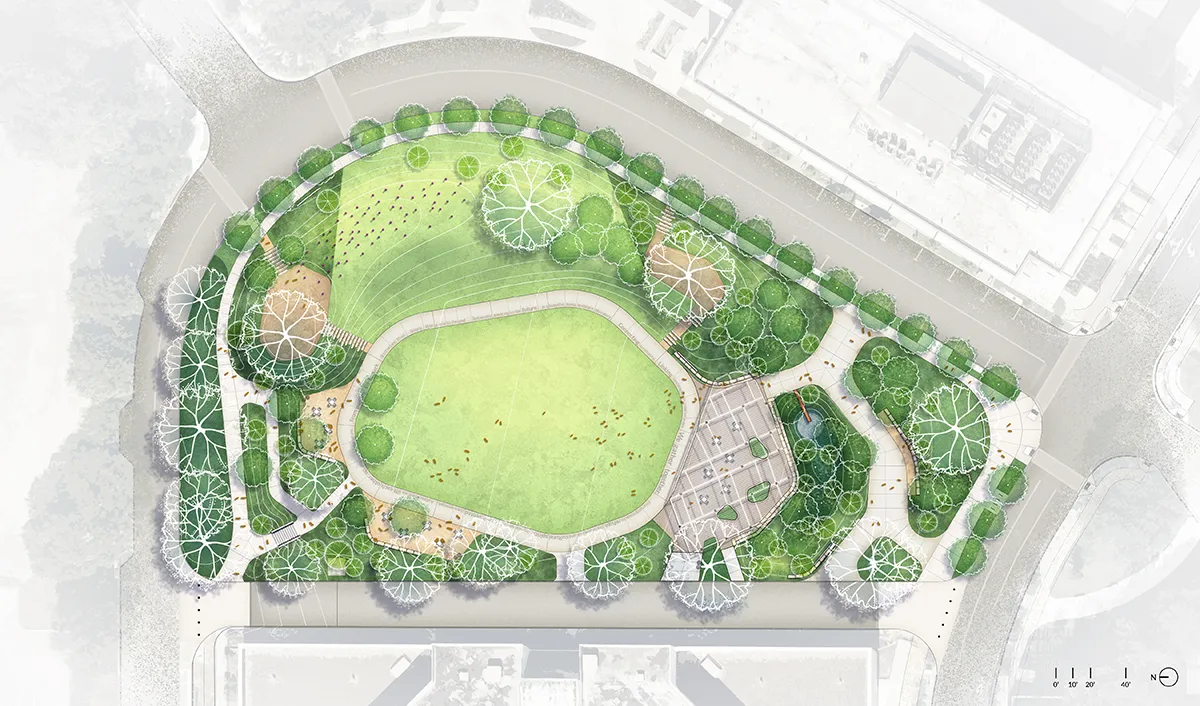
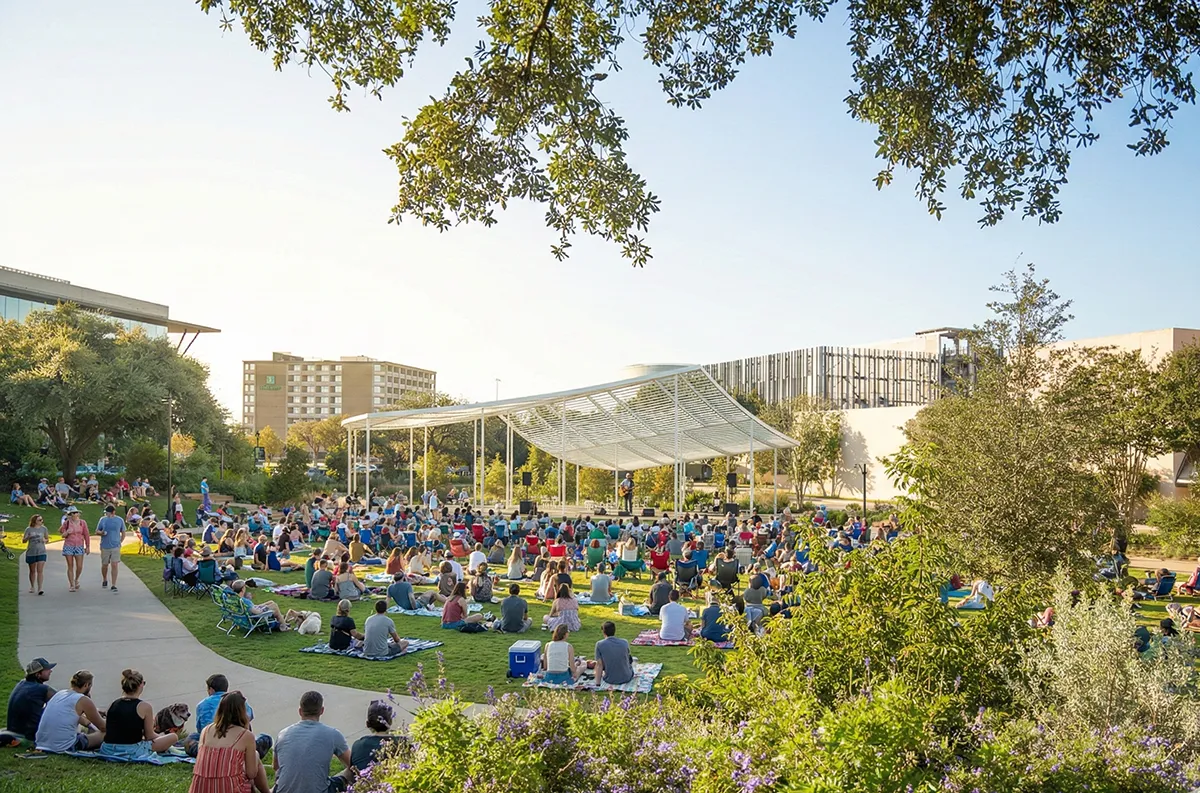
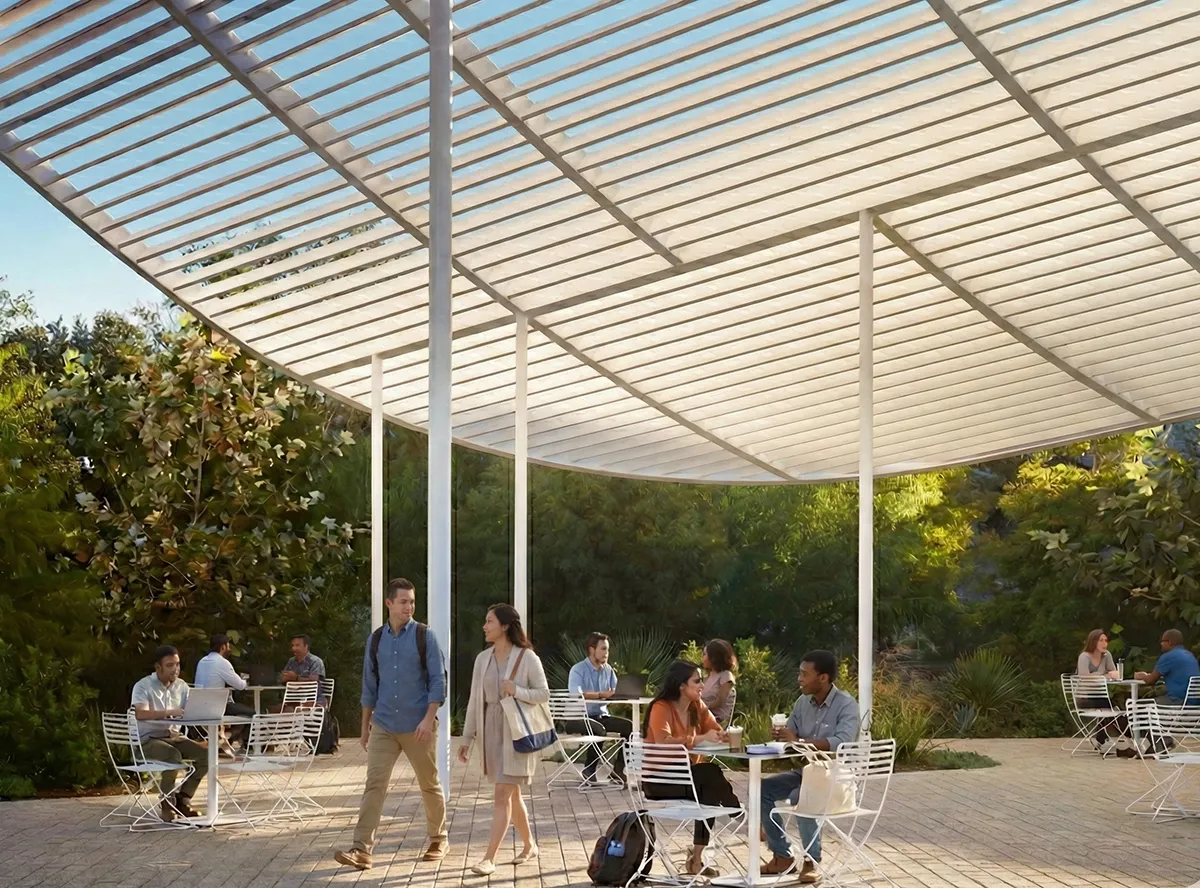
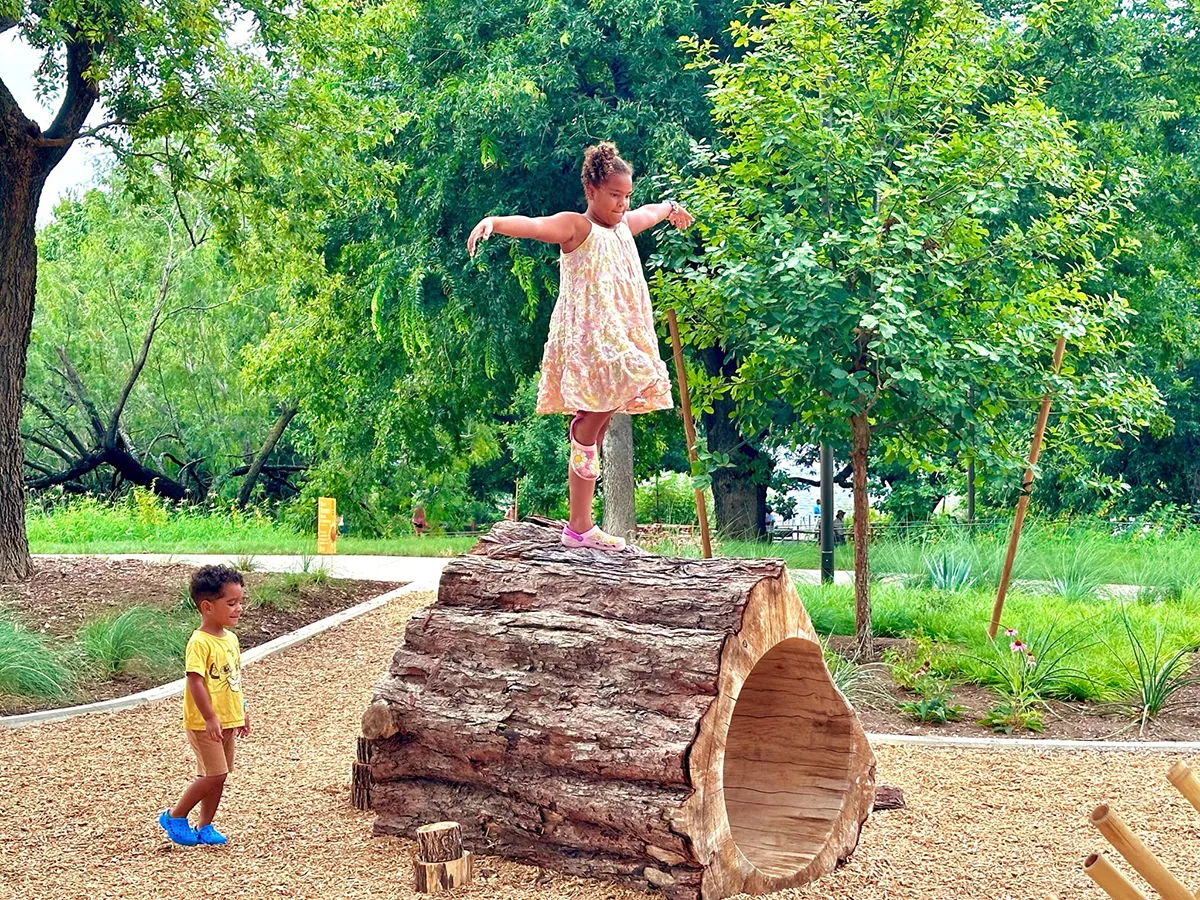
At St. John Encampment Commons, a former 2.4-acre asphalt parking lot was transformed into a landscape that honors the area’s cultural history while creating opportunities for gathering, learning, reflection, and environmental respite from the heat. Trees, native plantings, and a custom artistic shade pavilion create shaded outdoor “rooms” that support everyday use of the park, allowing the landscape to serve as both a community resource and a living classroom. Environmental performance and human experience are considered together.
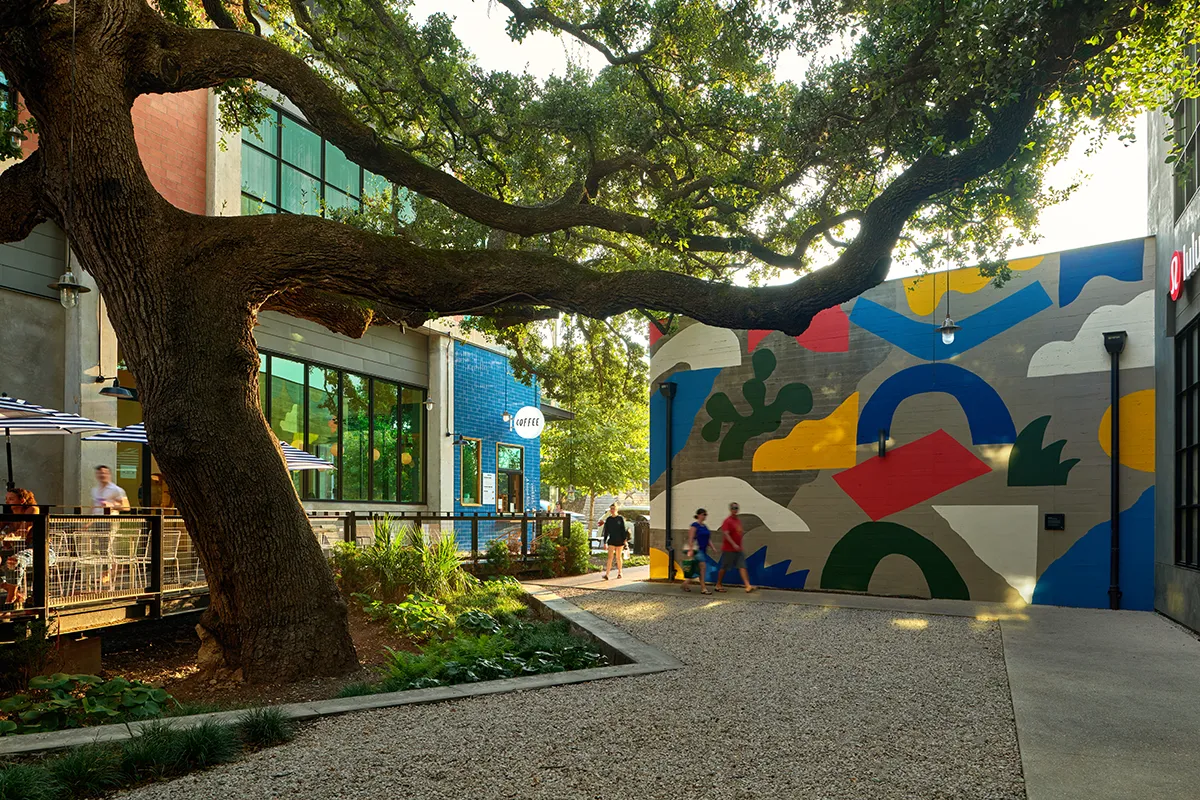
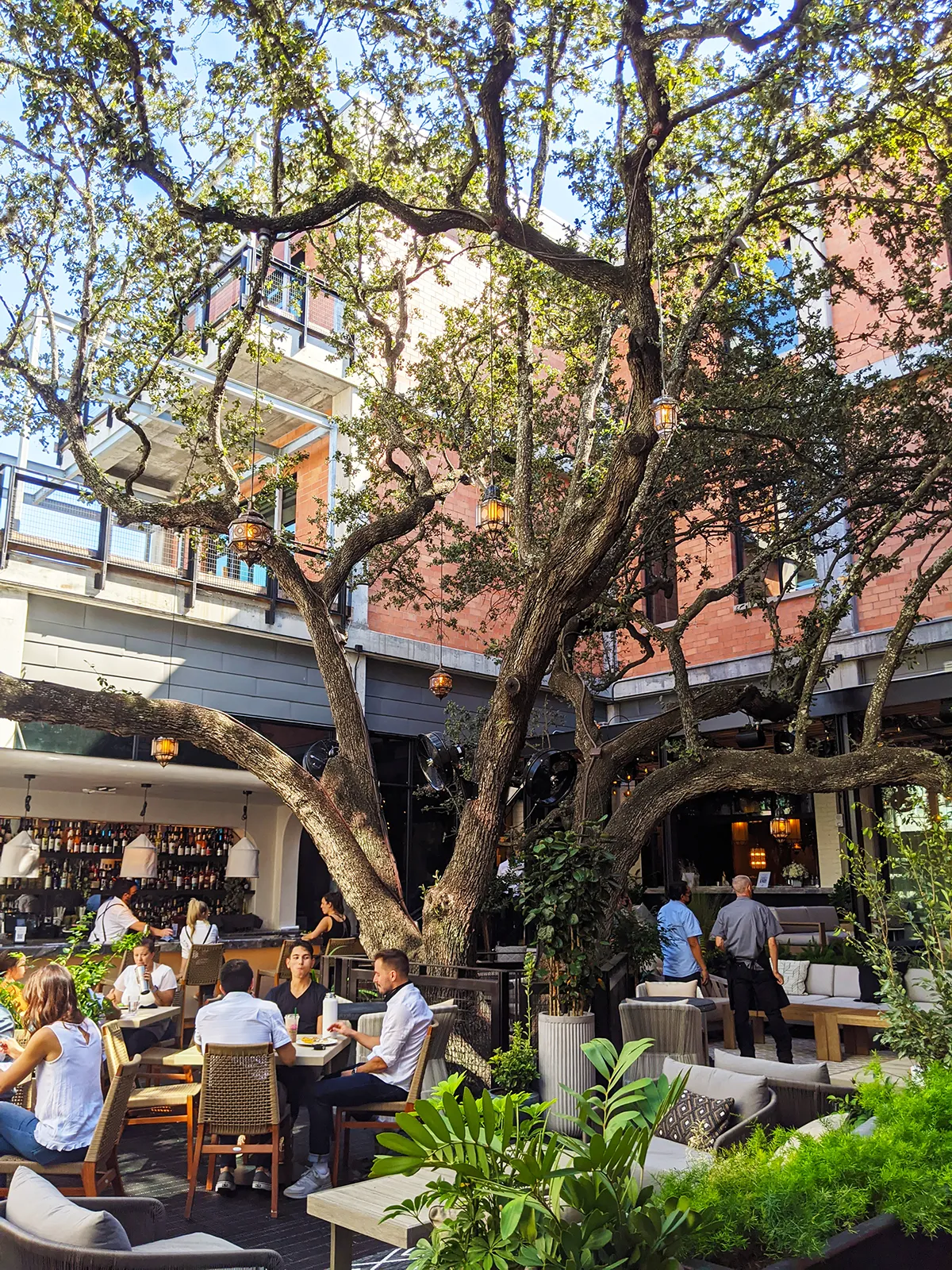
At Music Lane, the preservation of mature oak canopies, combined with a pedestrian-forward network of paseos, courtyards, and plazas, contributes to a highly successful and comfortable pedestrian experience along one of Austin’s most active corridors. Landscape plays an important role in shaping how people move through, linger in, and spend time in the district, offering moments of respite and economic success within a dense urban environment.
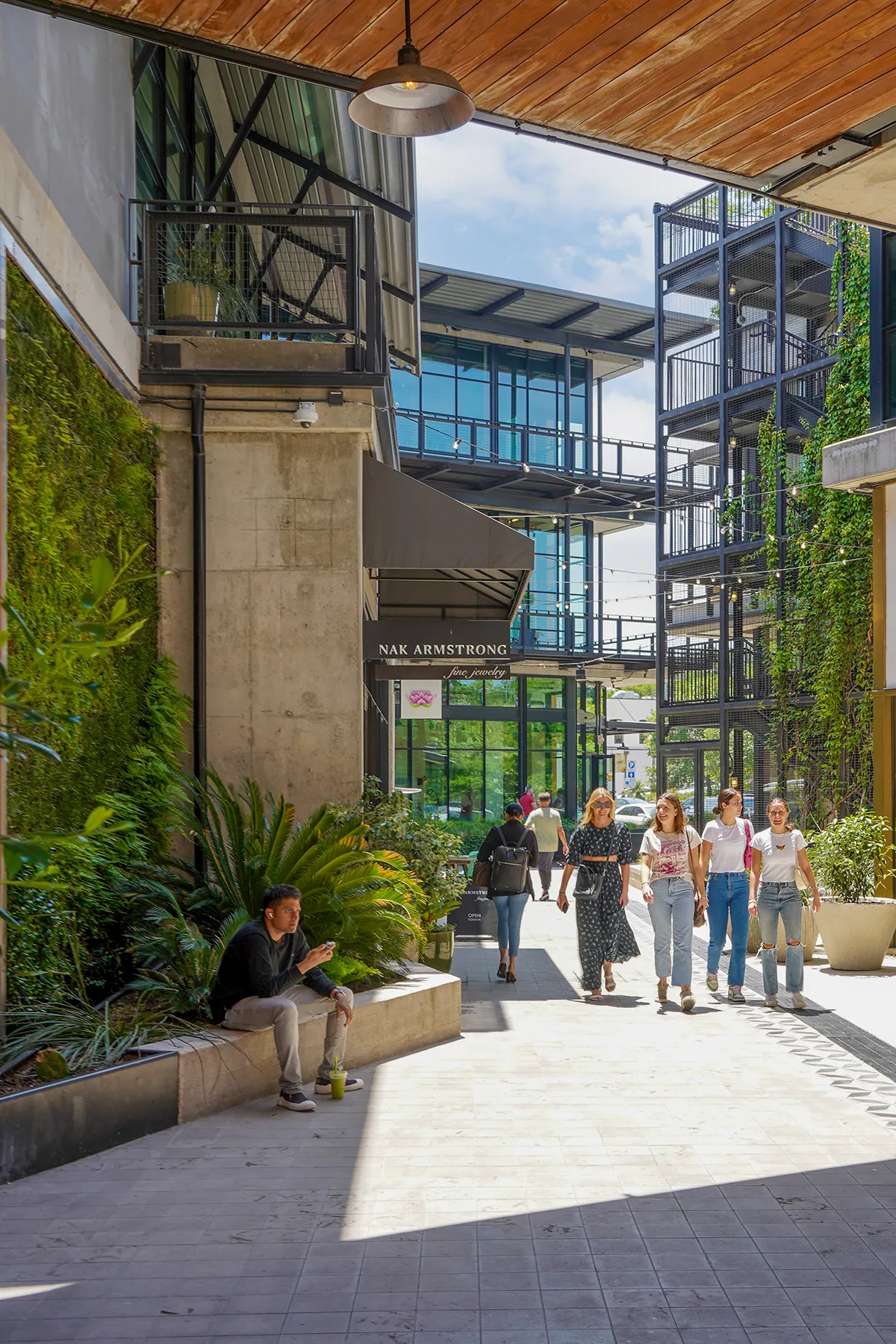
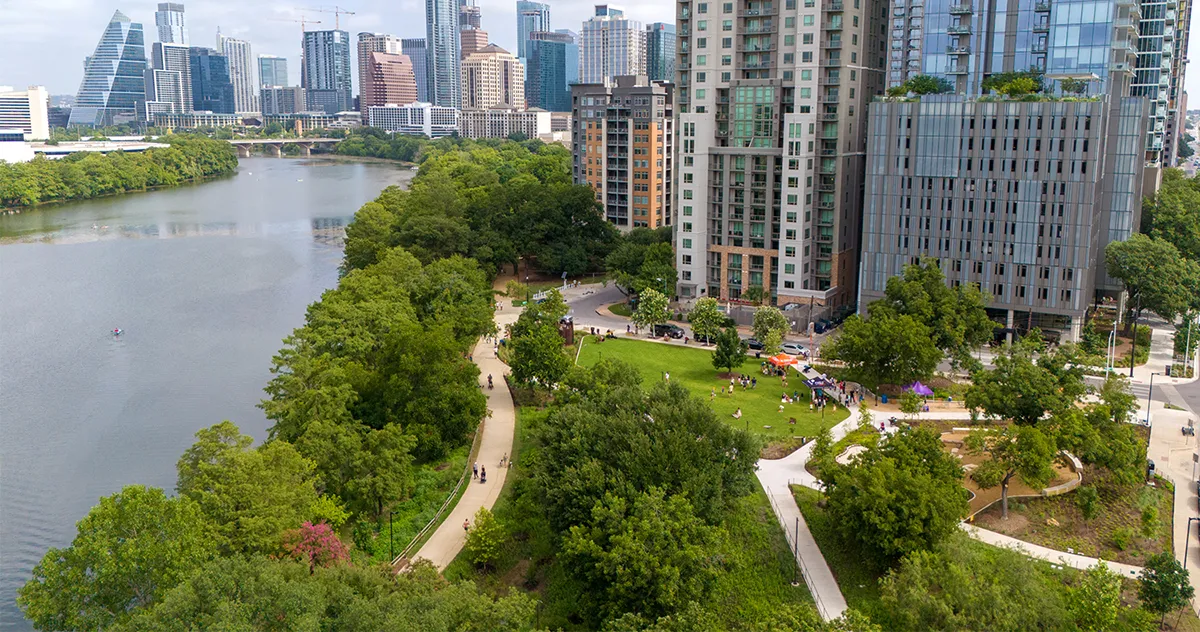
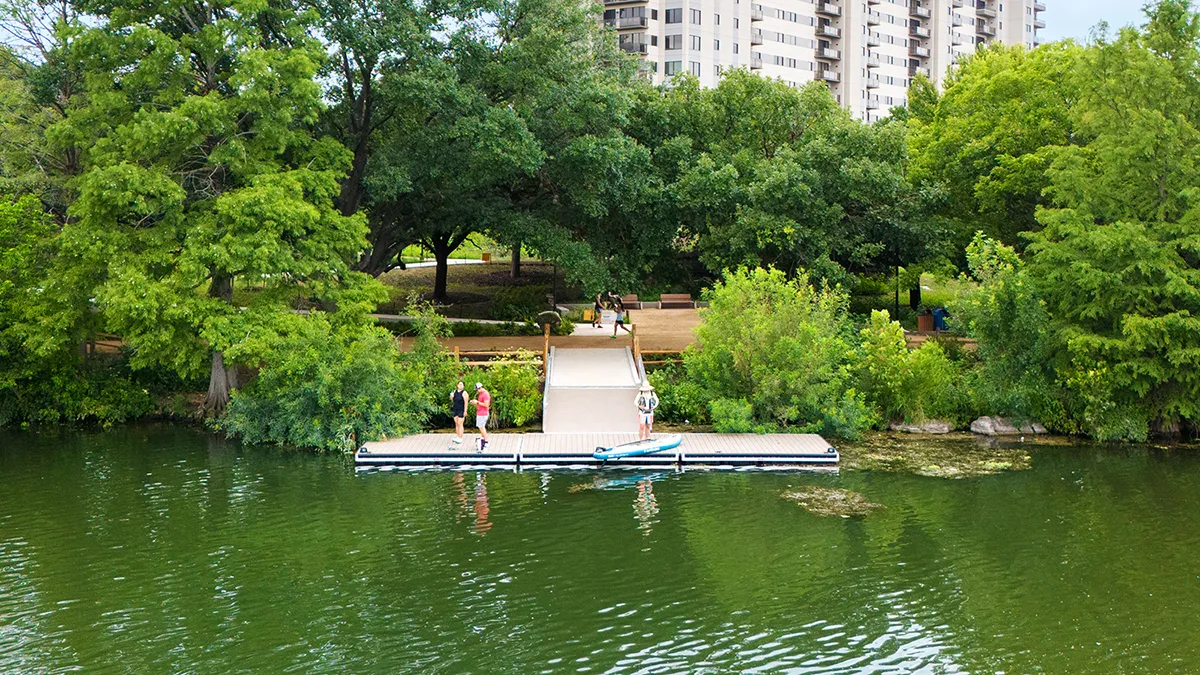
At Rainey Street Trailhead, restored habitat, shaded gathering areas, and connections to nature along the Butler Trail system create opportunities for people to engage with both the city and the biodiverse river and lake system that has become our fair city’s crown jewel in its open space network. Ecological repair, landscape performance, and user experience are considered together to strengthen the site’s performance and identity.
While each project responds to different conditions, they share a common approach. Shade, urban ecology, planting, and landscape performance are not treated as amenities layered onto a project. They are fundamental components of how a place functions and how people experience it.
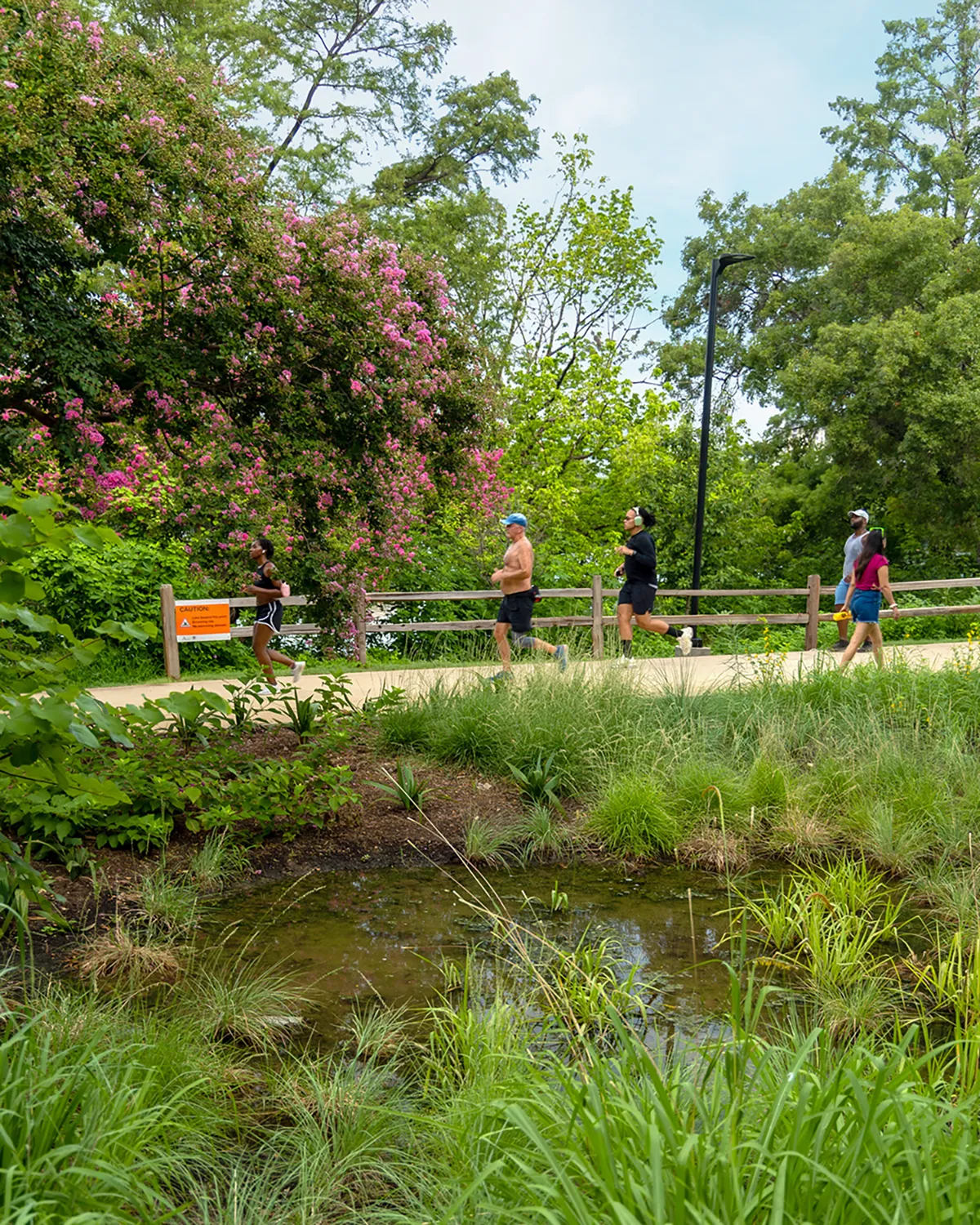
This distinction becomes increasingly important as cities adapt to hotter, more extreme conditions. Successful public spaces encourage people to stay, interact, and engage with their surroundings. They drive economic success and support daily life through conditions that make great public realm experiences possible.
As conversations around urban heat, urban design, and how our cities need to continue to evolve, landscape architecture has an opportunity to broaden the discussion beyond mitigation strategies and performance metrics. Those measures remain important, but they are only part of the story.
The future of cities will be shaped not only by how effectively heat is managed, but by how thoughtfully places are designed to bring people together despite it.
Image Credit: dwg. unless otherwise captioned.