
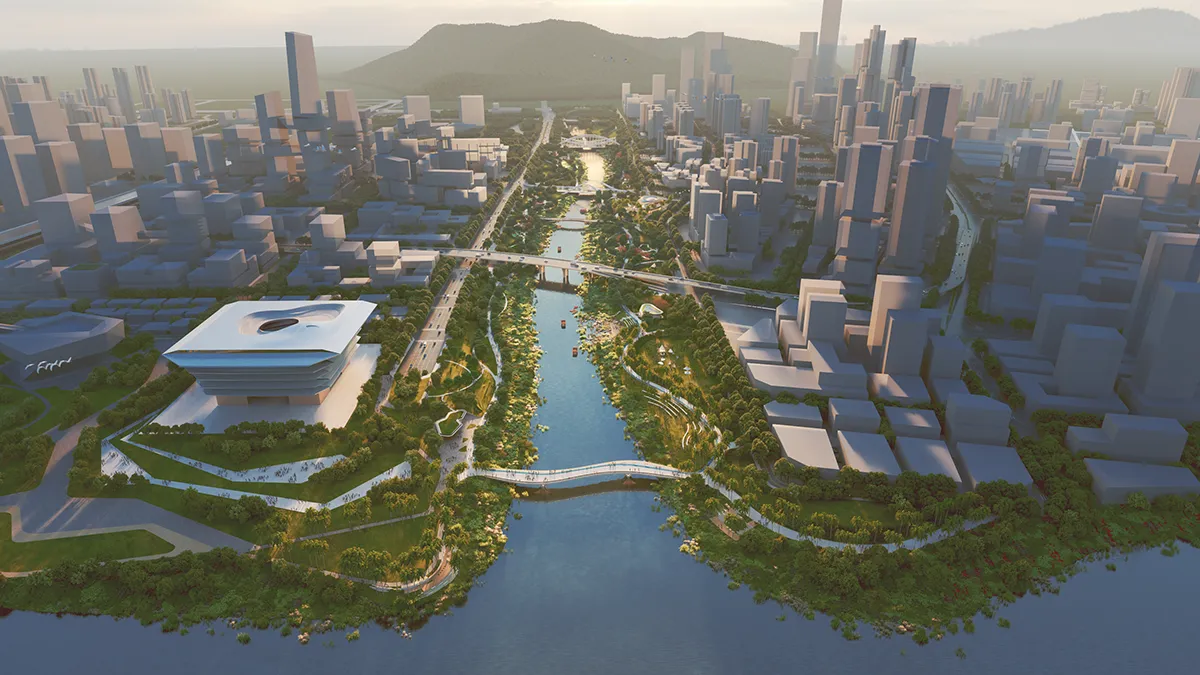
Qianwan Park creates a new paradigm of a nature-positive waterfront that coexists and thrives in harmony with the Qianhai Bay Area in Shenzhen, China, featuring a renowned ecological corridor.
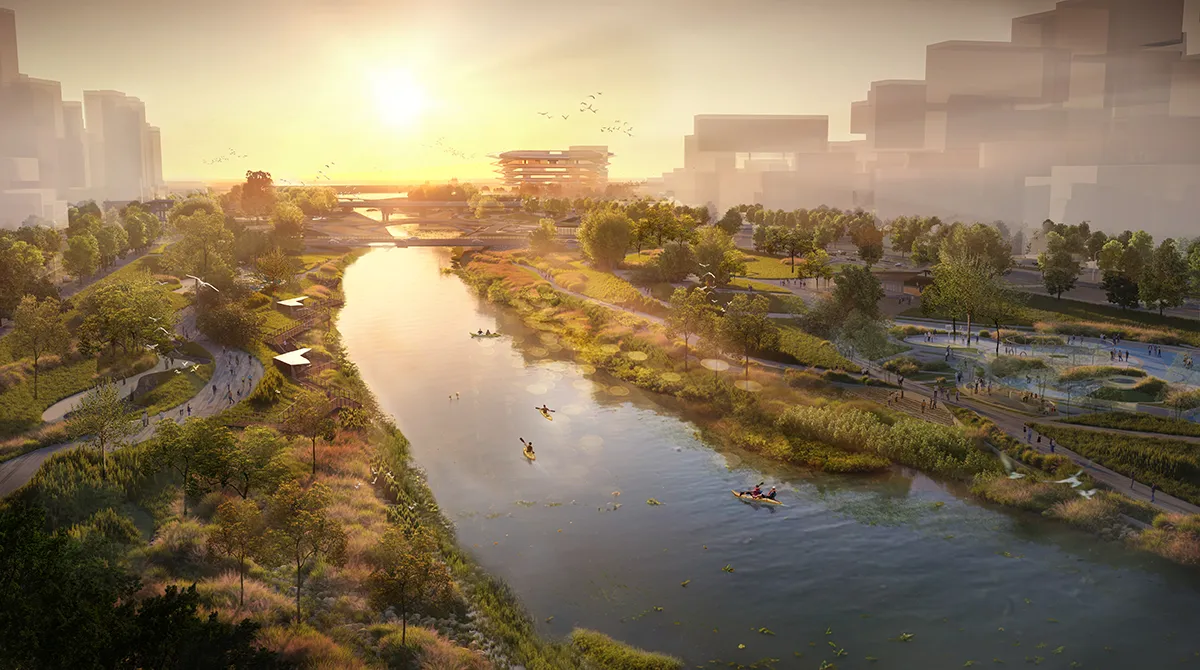
Qianwan Park, a 32.4-hectare waterfront park located on Shenzhen’s Shekou Peninsula, aims to redefine urban coastal space within the Greater Bay Area. Situated between Qianhai Bay and Da Nan Mountain, the park acts as a vibrant green-blue corridor, linking regional ecological resources with the surrounding urban areas. Guided by the principles of ecological sustainability, universal accessibility, cultural revitalization, and placemaking, Qianwan Park strives to create a carbon-negative and resilient waterfront. To achieve operational carbon neutrality, a digital tool – Carbon Calculator was utilized. Five key design actions drive the overarching vision:
Inclusive Public Space for All: The park implements barrier-free and intergenerational design concepts. For example, the multi-functional pathways in the park not only provide ample space for people to safely cycle and run but also could be used to host international marathons. The convenient transportation connections promote a healthy lifestyle and encourages everyone to do more outdoor activities. Apart from the seamless connectivity, the natural play area and pet park are all-age-friendly. The intergenerational play could promote healthy living and inclusivity.
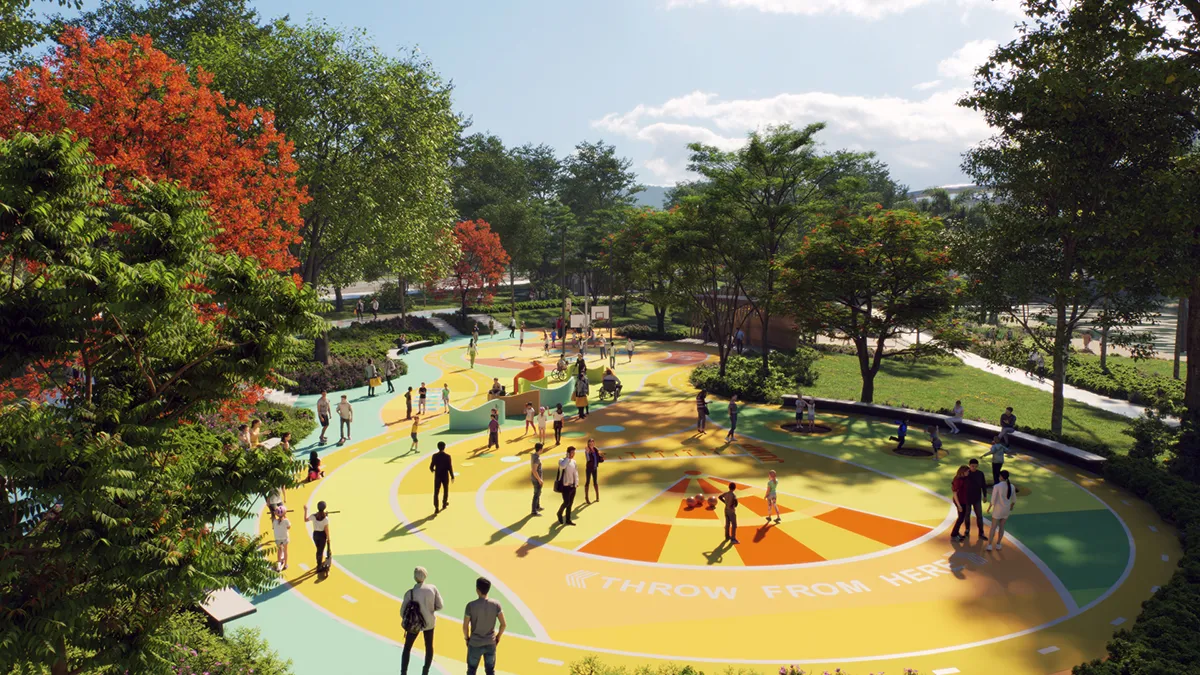
Innovative Lingnan: The park’s design concept combines the traditional culture of Lingnan with modern sustainable design. This combination not only preserves the local characteristics but also promotes sustainable development. The design increases ventilation and sunlight penetration and helps reduce carbon consumption in operations.
Habitat Enhancement: The concept of “symbiosis” underpins ecological enhancement strategies in Qianwan Park. By carefully observing and analyzing the existing ecological conditions, the design of riverbanks, waterfront management, and activity areas will be integrated into a cohesive system that supports and promotes each other. Protecting and enhancing intertidal zones and mangrove forests to create rich biodiverse habitats. Apart from protecting the diversity of marine life, it could also promote the healthy functioning of ecosystems. Through terrain, vegetation, and water management system design, the overall goal is to comprehensively improve the Qianwan River ecosystem conditions. This approach ensures a harmonious and sustainable relationship between human activities and the natural environment within the park
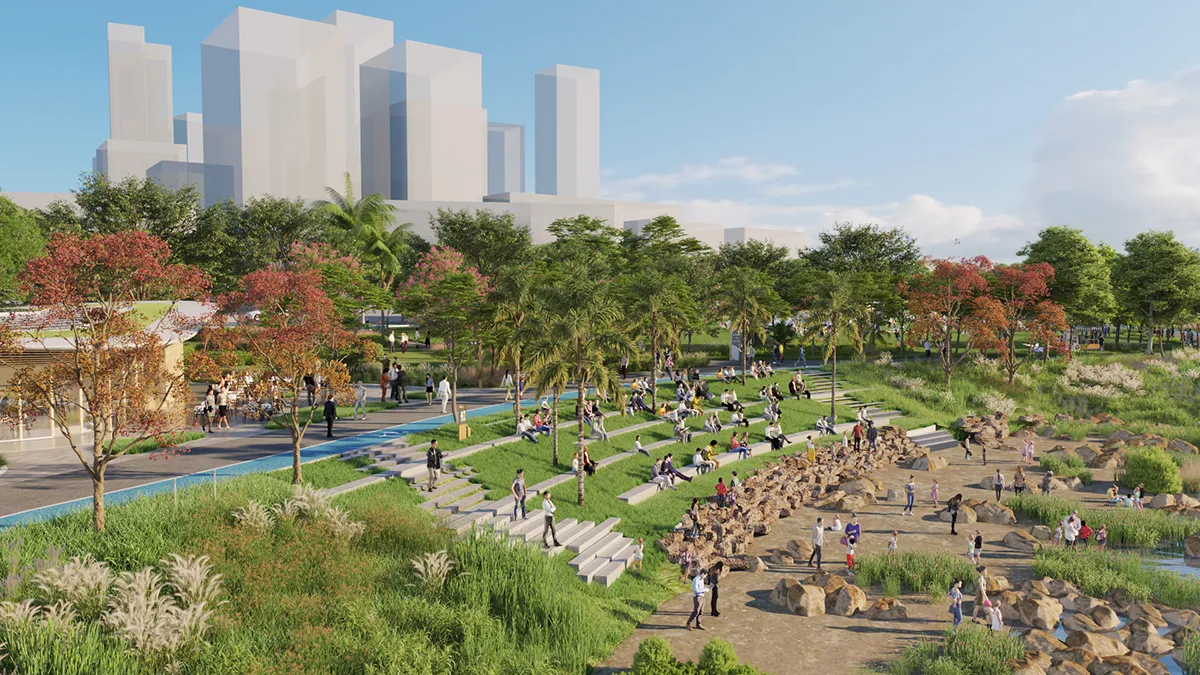
Living Laboratory: Establishing experiential learning spaces, such as microalgae bio-playground, exploration gardens, urban farming areas, and an ecological valley to showcase the importance of riparian ecosystems.
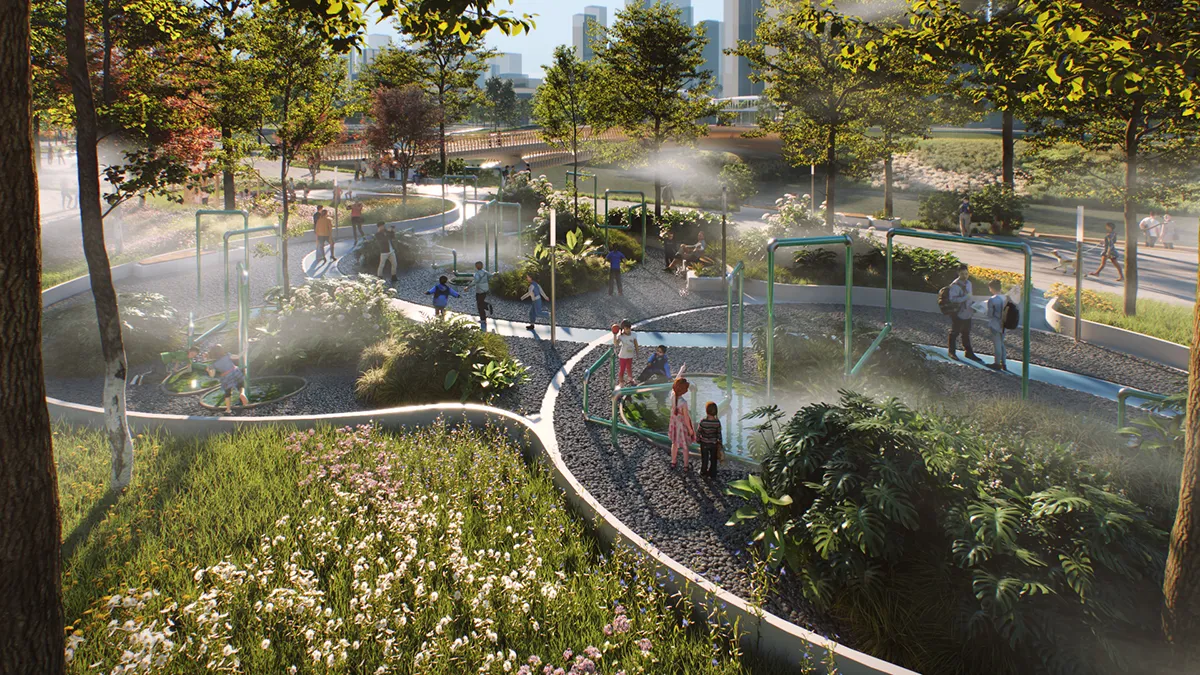
Sustainable Carbon-Negative Design: By selecting a combination of plants with high carbon sequestration capabilities, the park establishes a highly efficient carbon sink, maximizes its capacity to absorb and store carbon, purify the air, provides habitat for surrounding organisms and actively contributes to climate change mitigation. Besides, the park uses renewable energy, such as solar and wind energy and sets up a carbon credit platform to encourage visitors to participate in environmental protection actions.
All in all, Qianwan Park aspires to be an international landmark destination that seamlessly blends nature, technology and culture, it sets a new benchmark for sustainable waterfront development in the Greater Bay Area and serves as a model for future projects.
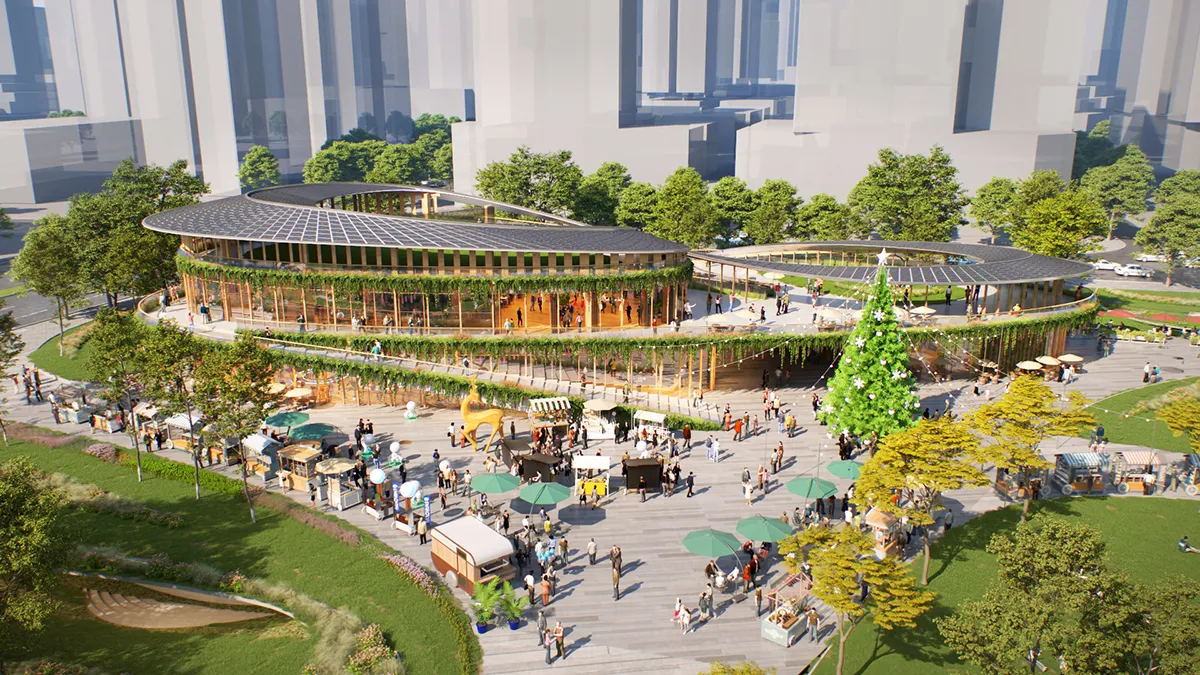
Feasibility Study and Program Design of Qianwan Park | Shenzhen, China
Location: Shenzhen Qianhai, China
Design Firm: Arup
Client: Shenzhen Qianhai Construction & Investment Holding Group Co., Ltd.
Collaborators/Other Consultants: N/A
Image Credits: Arup
Shortlisted in the 2025 WLA Awards in the Concept – Public Space category