
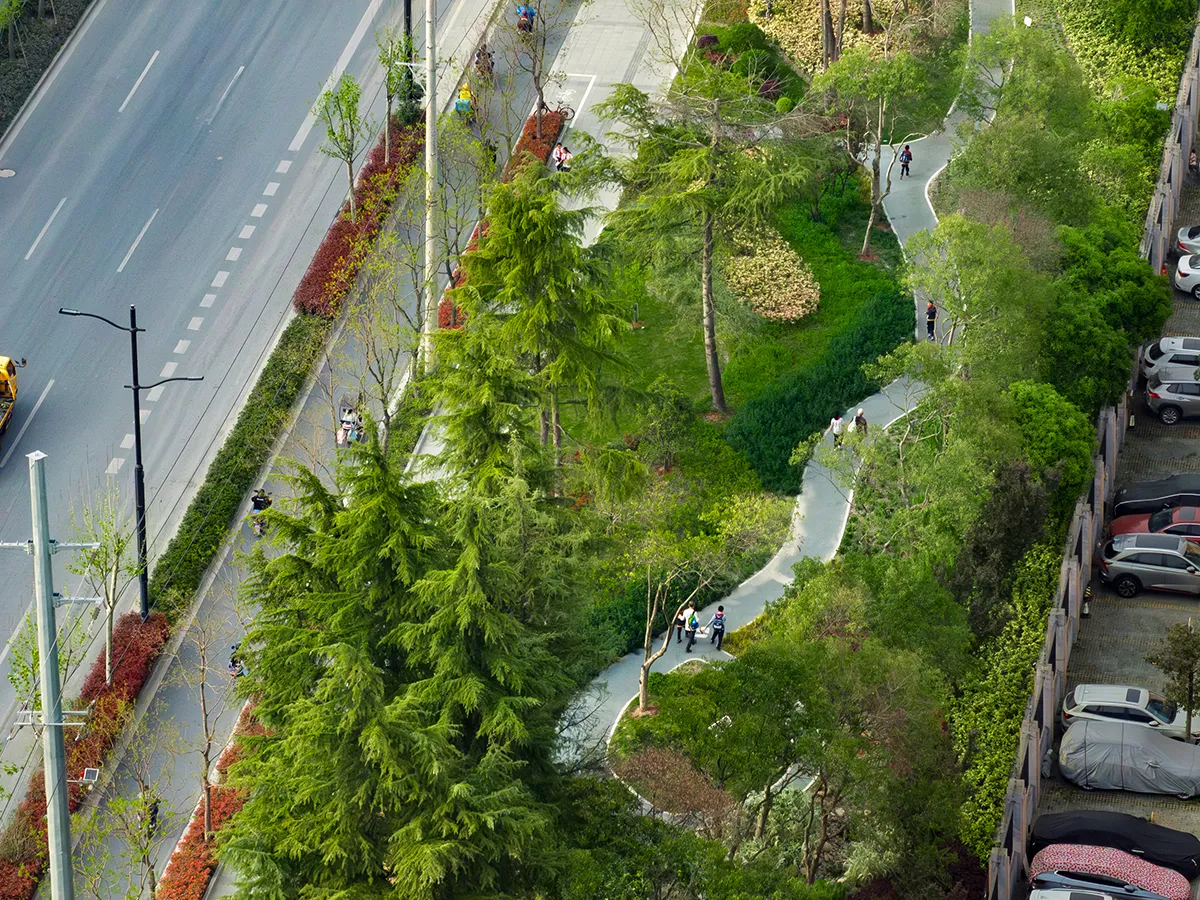
Spanning 22.3 hectares in Wuhu’s Jinghu District, Jiangdong Water Eco-Park Phase I is China’s first large-scale public space integrating tailwater purification, ecological restoration, and community engagement. Designed as a “living filter,” the park treats 40,000 tons/day of wastewater plant effluent to Class IV surface water standards (GB3838-2002), revitalizing adjacent river networks while creating a vibrant ecological corridor.

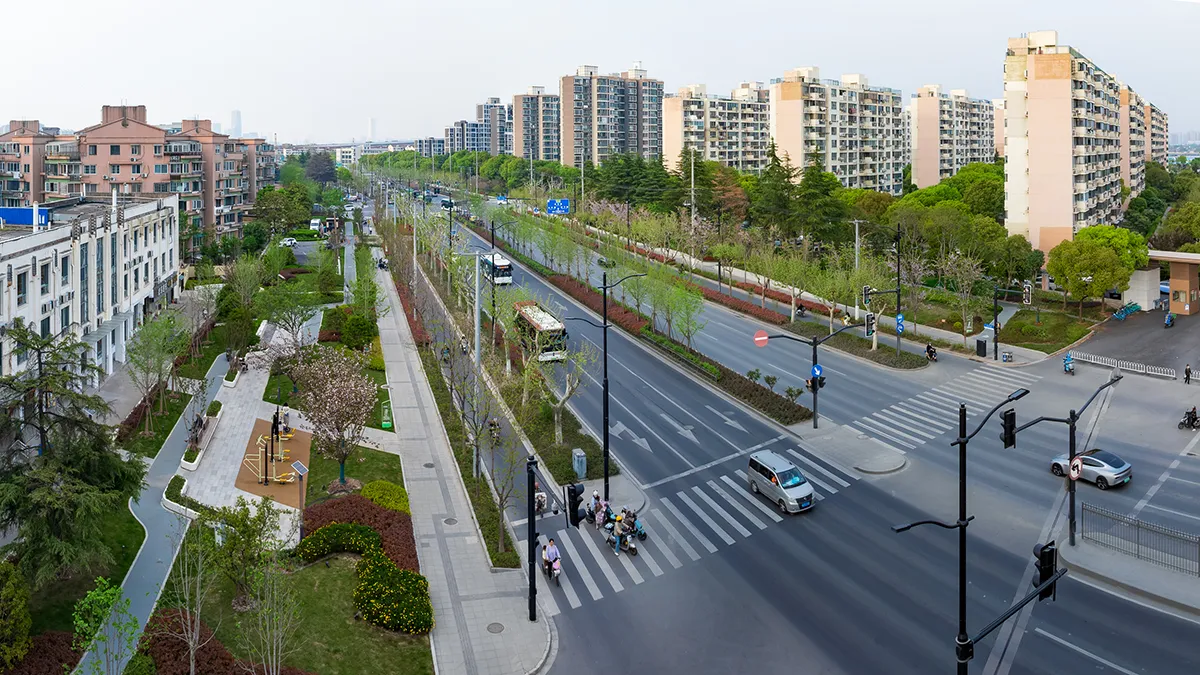
Completed in late 2020, the project has gained widespread acclaim from local residents, evolving into a shared green oasis and a social media sensation, attracting over 20,000 daily visitors during peak periods. It was honored in the 2021 Key Ecological and Environmental Protection Project Catalog by the China Association of Environmental Protection Industry, shortlisted as a 2022 National “Sponge City” Exemplary Case, and exemplifies sustainable urban renewal in the Yangtze River Economic Belt.
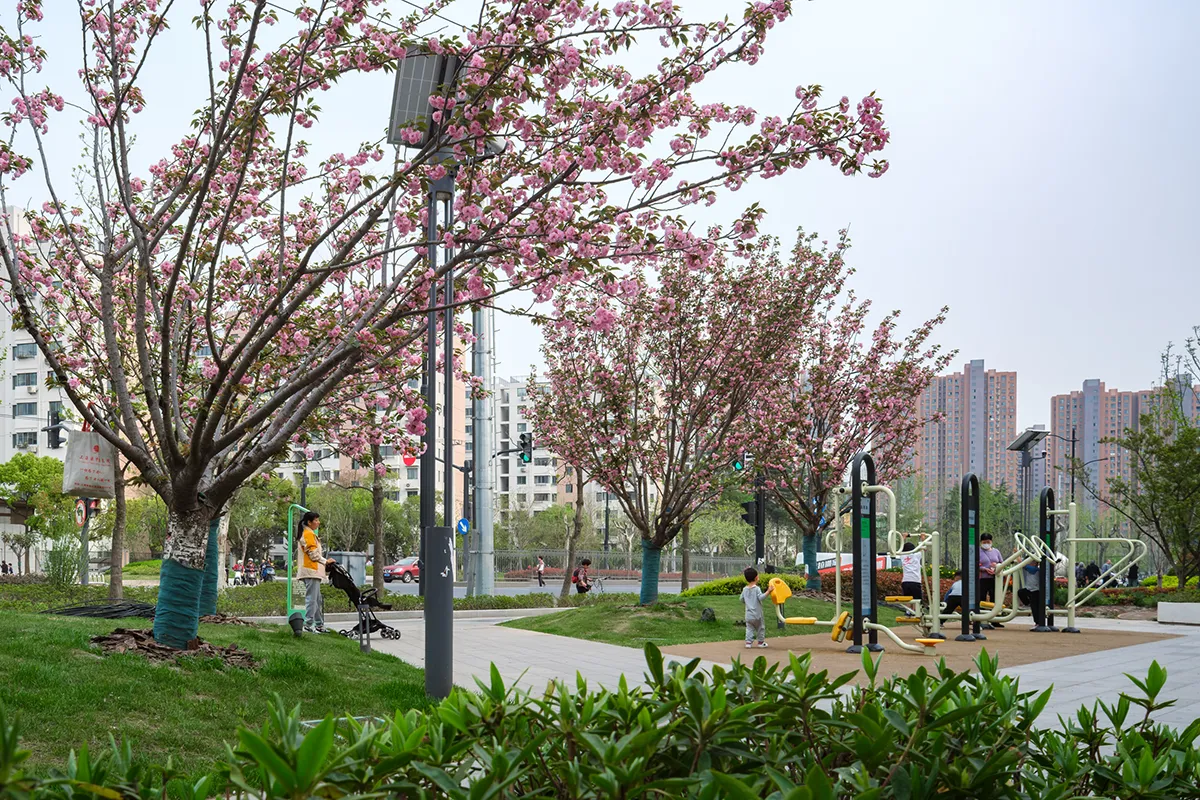
Core design strategy
Water Purification & Ecological Restoration System
Multi-stage wetland purification: Deploys subsurface flow constructed wetlands coupled with enhanced treatment marshes and ecological buffer lakes. Through synergistic plant-microbial interactions (Phragmites australis, Typha orientalis, etc.), achieves 65-80% removal efficiency for TN/TP pollutants (GB18918-2002).
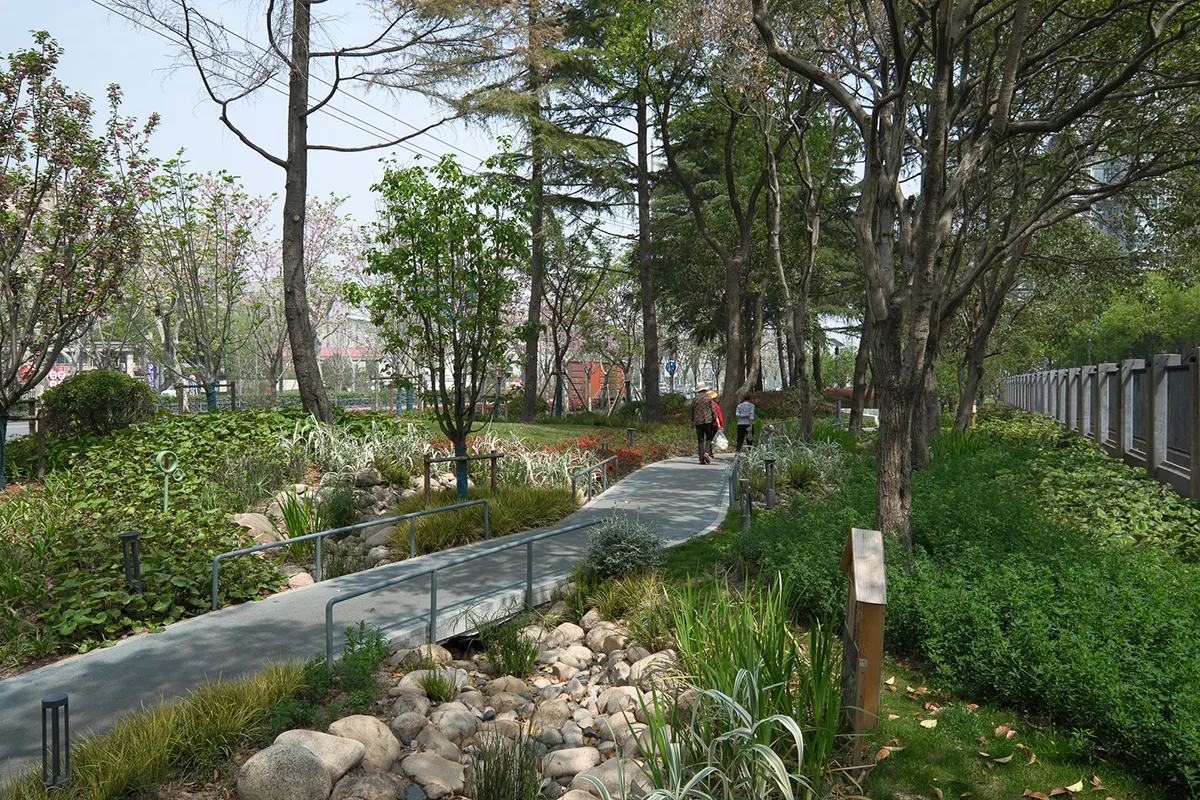
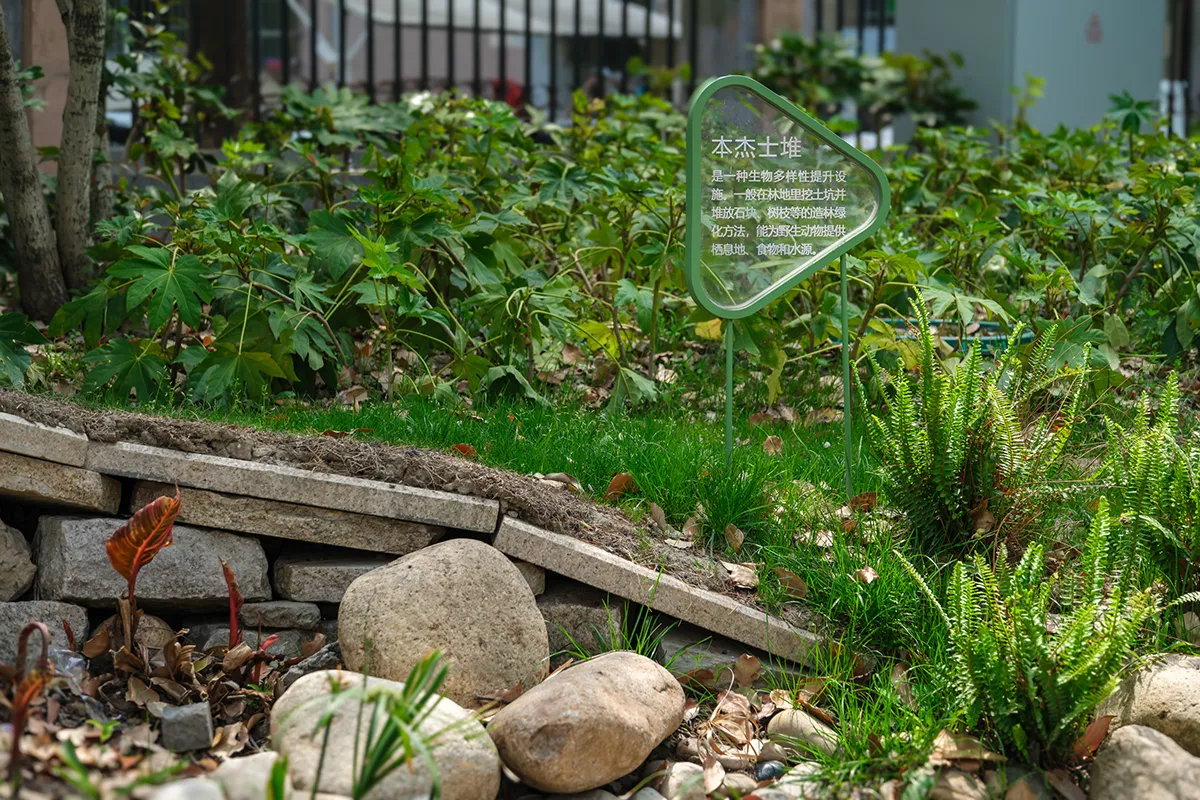
Biodiversity enhancement: Engineers heterogeneous wetland habitats with submerged forest ecosystems, increasing species richness by 40% (avian, amphibian, insect, and aquatic species). Low-carbon circular system: Recycles 100% treated effluent from Zhujiaqiao WWTP for landscape irrigation and ecological replenishment of adjacent waterways, reducing freshwater consumption and pumping energy.
Ecological Experience-Oriented Public Realm
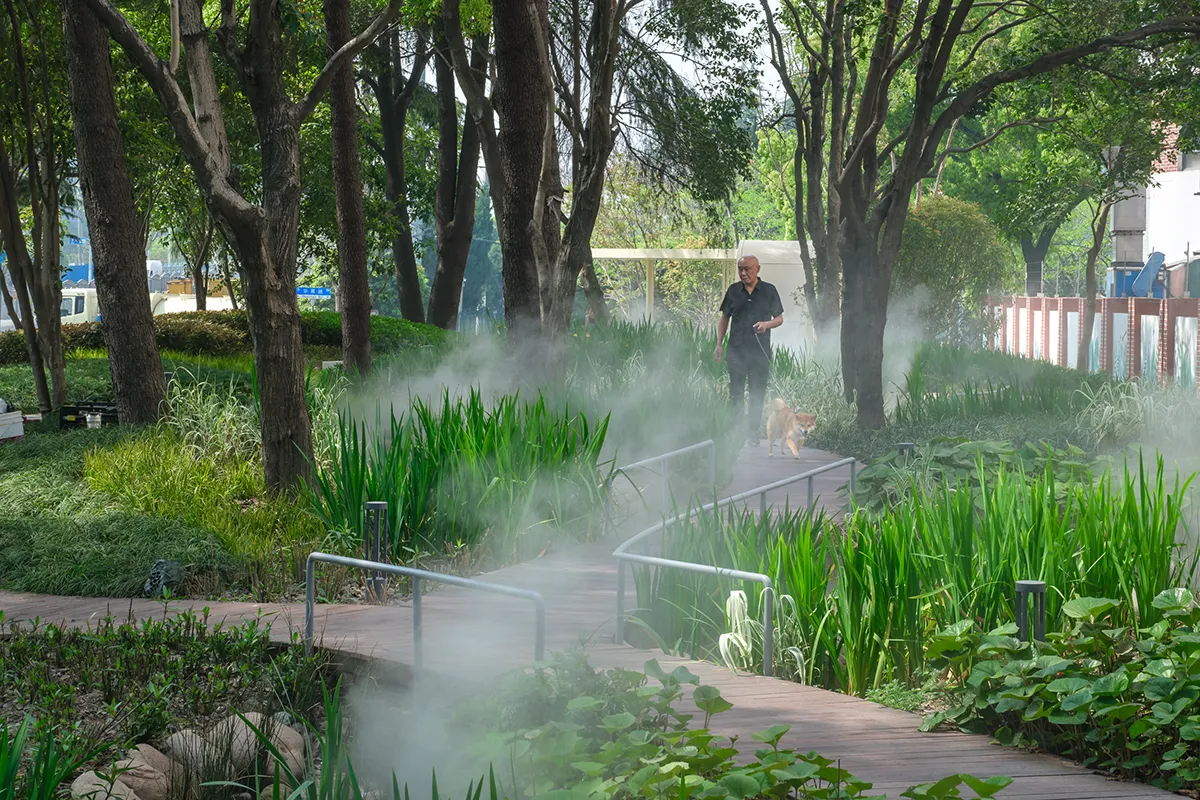
Leisure and Recreation Trails: Create waterfront, slow-moving trails, birdwatching platforms, waterside boardwalks, and outdoor natural classroom spaces to meet the needs of all age groups.
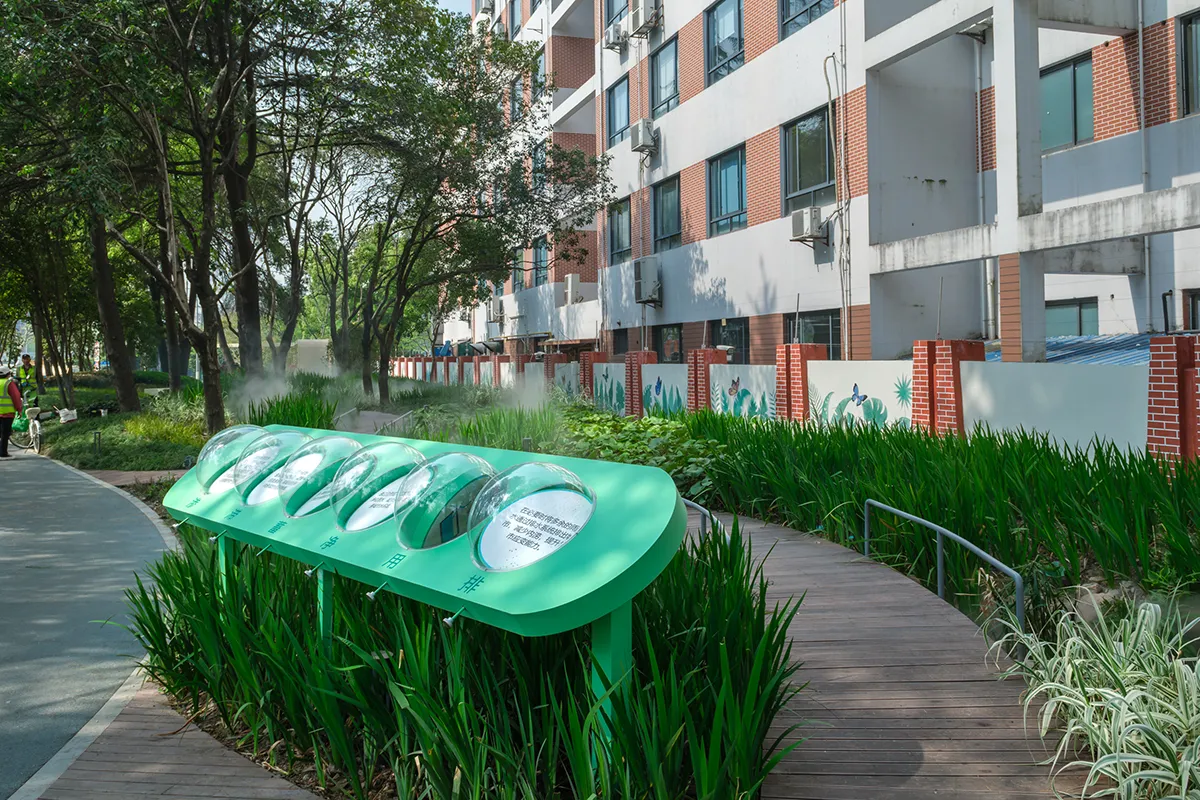
Resilient Landscape Design: Through terrain shaping, vegetation configuration, and the use of permeable pavement, it stores rainwater during flood seasons, maintains ecological baseflow during dry seasons, and enhances the park’s climate adaptability.
Bridge-Under Space and Ecological Landscape Integration
Processes rainwater from bridge downspouts through rain gardens to reduce pollution in underbridge areas and adjacent water bodies. Utilizes underbridge space to create park trails, seating facilities, and other amenities, establishing an all-weather activity space.
Quantified Impact
Regarding Water Quality Compliance, the system achieves 100% adherence to surface water IV category standards, as validated by monitoring data and laboratory testing. For Biodiversity Gain, a 40% increase in species richness was recorded after 2020. In Urban Heat Mitigation, localized summer temperature reductions of 2-3°C were observed. The Community Health metric demonstrates a about15%
reduction in PM2.5 concentrations.
Conclusion
Jiangdong Water Eco-Park Phase I epitomizes urban resilience through its dual role as ecological infrastructure and an inclusive public space. The replicable “living filter” model addresses universal challenges of water scarcity and urban heat islands, explicitly aligned with China’s national Sponge City policy. By redefining public space as a hybrid ecological-social catalyst, this project offers a replicable blueprint for cities in the Yangtze River Delta and beyond.
Wuhu Jiangdong Water Ecopark (Phase I)
Designer: Shanghai Municipal Engineering Design Institute (Group) Co., Ltd.
Client: Changjiang Ecological Environmental Protection Group Co., Ltd.
Image Credits: Terrence Zhang
Shortlisted in the 2025 WLA Awards – Built Large Public Space Landscape Design category