
Article by Martin Knuijt and Daan Posthouwer from OKRA
From green space to living urban systems
With cities becoming denser, climate impacts intensifying, natural habitats disappearing, and people’s daily contact with nature diminishing, urban green spaces can no longer be treated as decoration, compensation or residual land. In the coming decades, urban landscapes will therefore need to support climate adaptation, water management, ecological resilience and nutrient cycles, while contributing to more resilient and self-sufficient regions. In response, nature-based design solutions can address many of these challenges simultaneously, making the reintegration of nature into the city essential. The separation between urban life and nature is largely of our own making and can therefore be reversed. To rethink the performance and perception of urban green spaces, OKRA has introduced the concept of ‘urban biotopes’, a way to shape this renewed relationship between city dwellers and nature. A biotope is an area of uniform environmental conditions that supports specific communities of plants and animals. An urban biotope translates this ecological logic to the city, creating interconnected green-blue structures that form part of the urban metabolism and bring together biodiversity, climate adaptation and public life within a single living system.
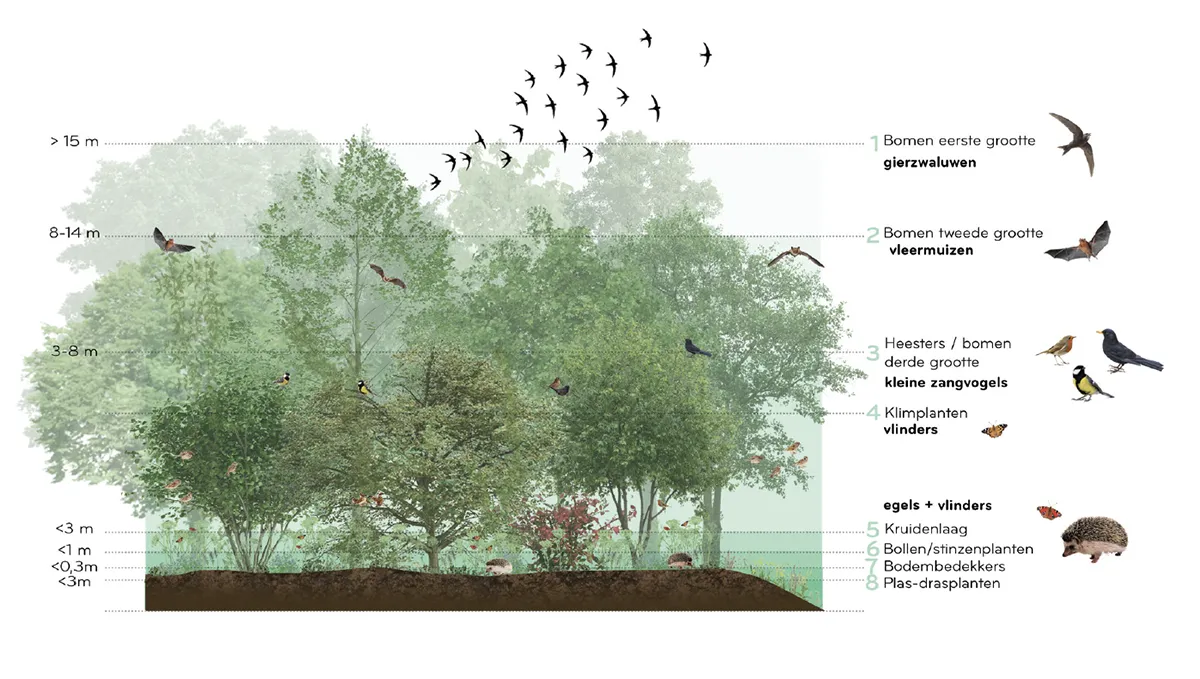
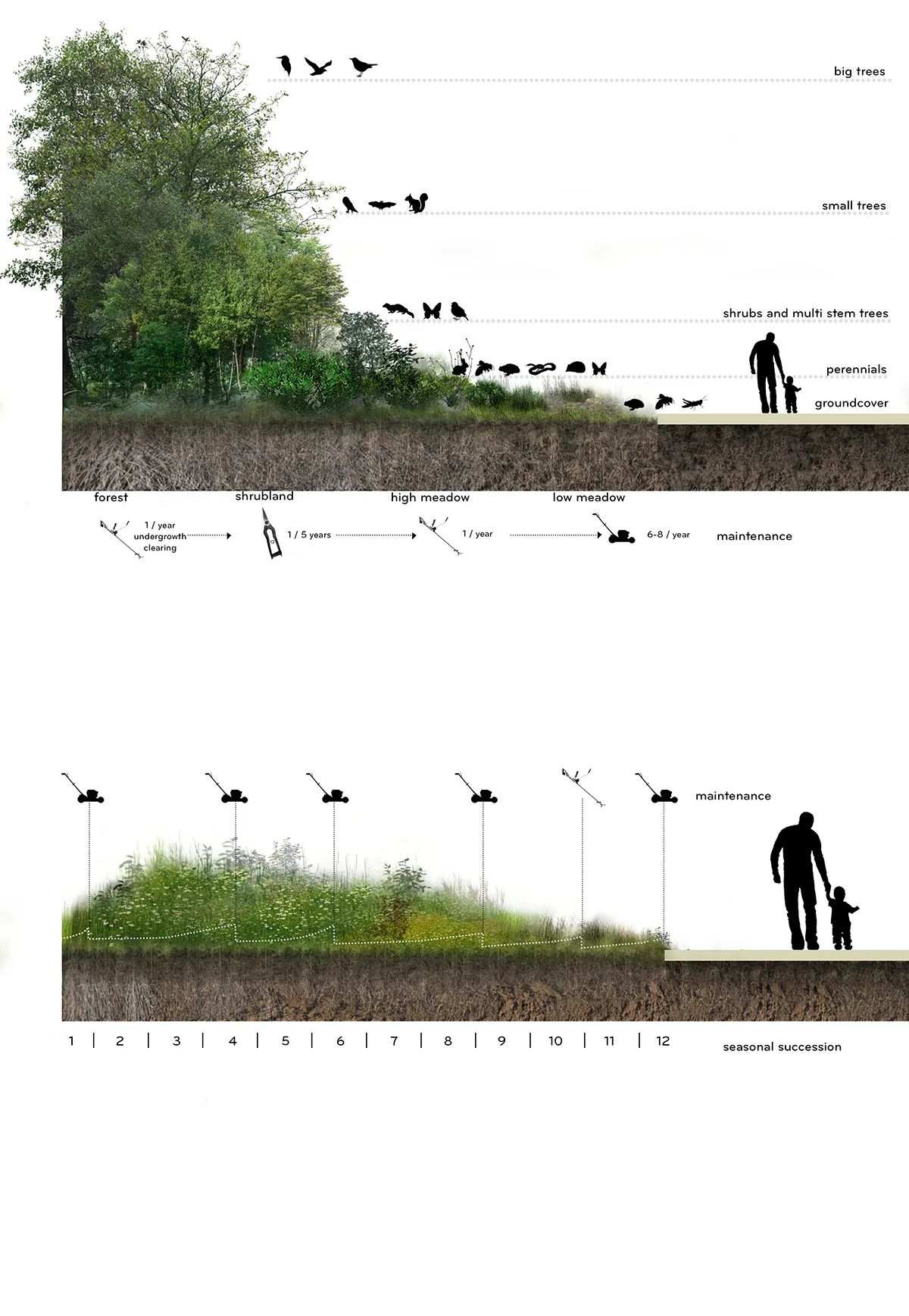
Over the years, OKRA has developed the urban biotope as part of its vision for designing healthy cities where people and nature thrive together. While earlier thinking focused primarily on planting and the ecological performance of green space (1), the question today is broader: how can green spaces and climate-adaptive urban systems become true habitats? The starting point for the urban biotope is that green areas should be designed as living systems set in motion. Soil, water, shade, wind, sunlight, vegetation, wildlife and people are all part of the same design framework. While urban biotopes are composed rather than naturally occurring, they draw on the logic of natural vegetation to establish diverse, resilient plant communities and habitats that can better withstand drought, heat, disease, and changing environmental conditions. By embedding biodiversity in everyday activities such as walking, playing and meeting, they make nature visible, tangible and valued as part of daily urban life. Encounters with singing birds, frogs hidden in the understory, bats at dusk or a hedgehog moving through a garden are made possible by designing for feeding, nesting, movement and shelter needs. This requires working with ecological principles such as succession, layering, connectivity, gradients and species-specific habitat needs, while still acknowledging the intense use, limited space and infrastructural pressures of the city.
Embedding ecological performance into the urban landscape
Ecological performance is strongest when embedded in the landscape’s spatial logic from the outset. Rather than imposing a fixed image, an urban biotope creates the conditions for life to develop, soils to regenerate, water to be filtered and habitats to evolve over time. The role of design is to guide this process, determining where openness is needed, where shelter can emerge, where water can collect, where vegetation can become dense, and how people and nature can coexist without disturbing one another. An urban biotope is not uncontrolled wilderness, but a designed living landscape that balances ecology with everyday life.
This also means that an urban biotope is never generic. Every place asks for its own contextual opportunities. By understanding soil, hydrology, microclimate and existing vegetation, design can build on the qualities already present, or latent, in the landscape.
Because these are urban rather than natural biotopes, they can be given place-specific names, such as the ‘Merwede biotope’ along the Merwedekanaal, helping residents recognise their neighbourhood’s identity as part of a larger ecological thinking. Urban nature thus becomes rooted in place rather than applied as a universal green formula. Each biotope develops its own character, species assemblages and seasonal rhythms, intertwined with the rhythms of the people who use it. When ecology and public life are designed as one, people’s enjoyment and stewardship of urban nature drive its long-term resilience.
Different scales, different roles
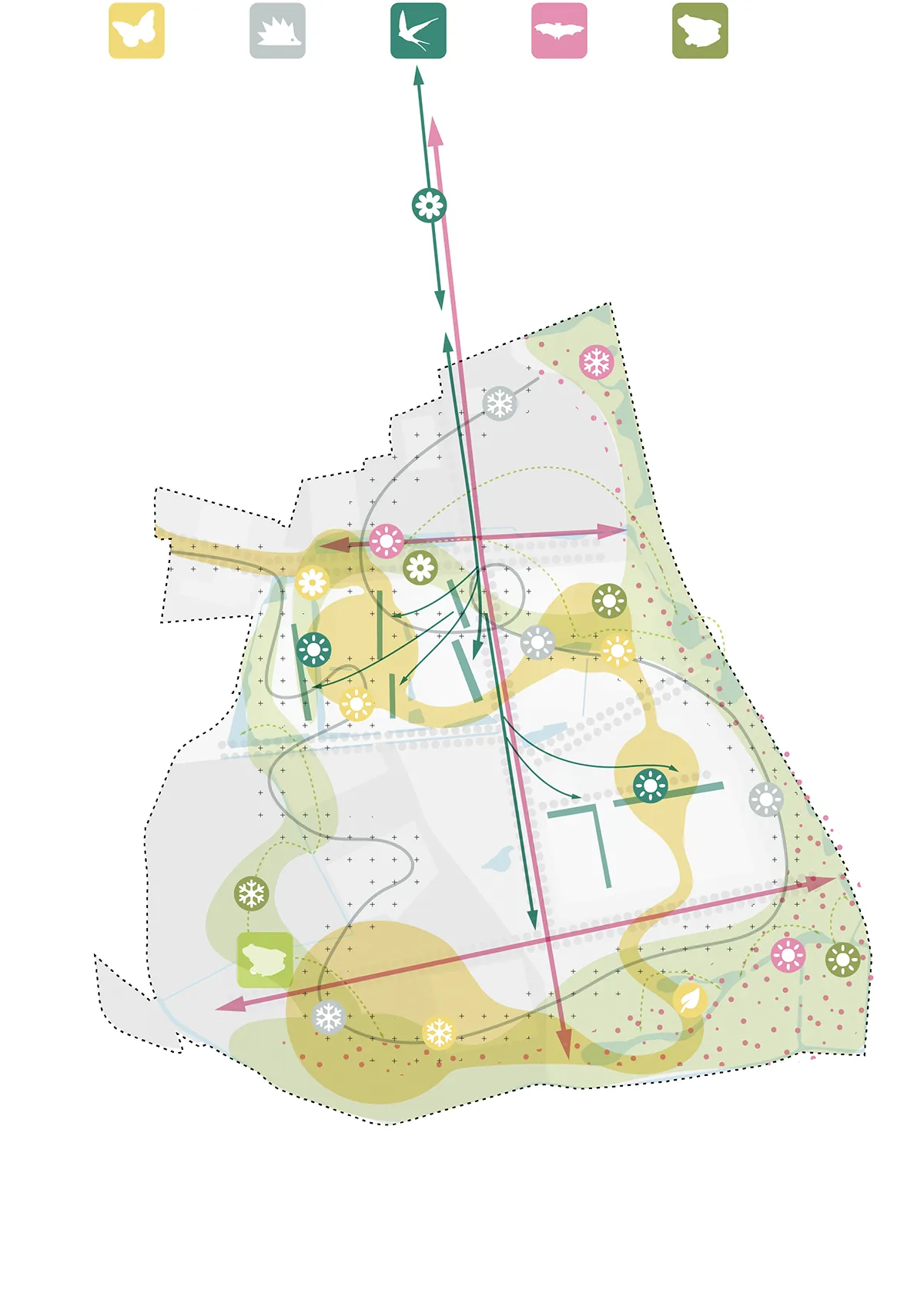
To fully integrate ecology into the urban landscape, design must operate across scales. At the macro scale, green-blue networks connect habitats and support species movement. Each project forms part of wider landscapes shaped by rivers, soils, groundwater flows, migration routes, heat patterns and existing habitats. Designing at this scale means understanding how a project can contribute beyond its boundaries, whether as a stepping stone, a dark flight corridor for bats, a refuge between larger habitats, or a critical link within a wider ecological network. The urban biotope thus positions the city as a connected landscape rather than a collection of isolated green spaces.
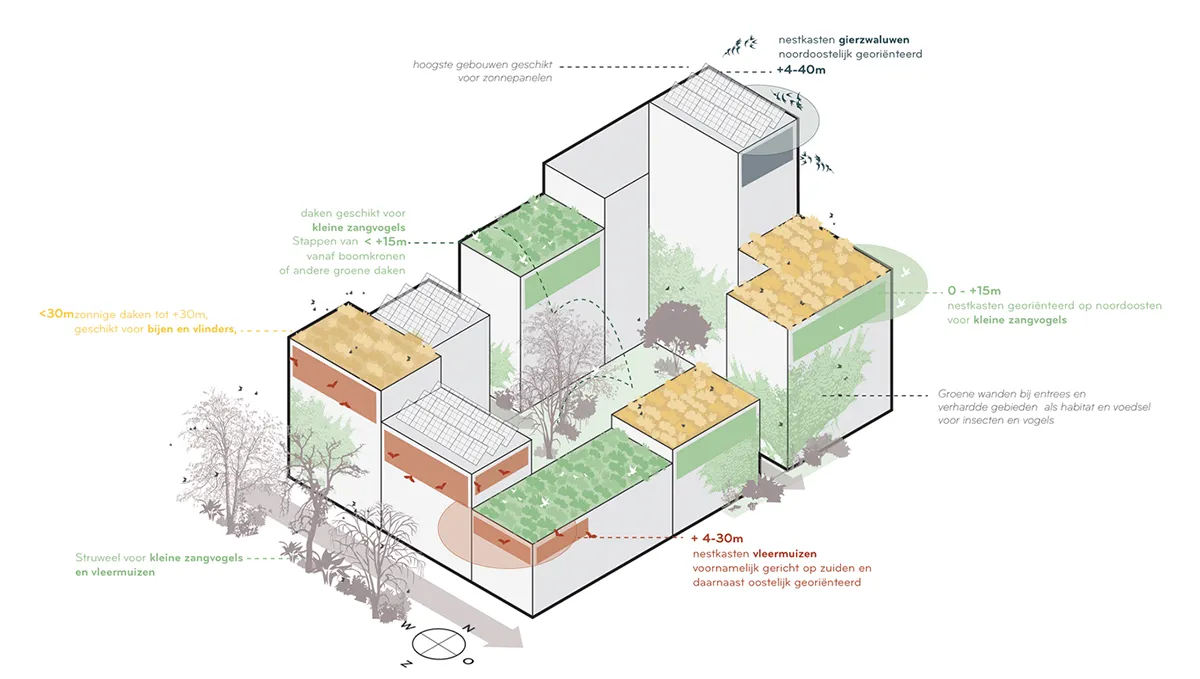
At the neighbourhood scale, ecological connectivity becomes part of everyday urban life. This is where larger ambitions are translated into streets, parks, gardens, canals, roofs, facades and courtyards, forming a fine-grained network that helps species move through the city. As urban infrastructure often fragments green spaces, connectivity becomes essential. A hedgehog may need openings between gardens, a bat a dark tree-lined route, bees and butterflies a sequence of flowering habitats, and amphibians safe connections between water, shelter and overwintering sites.
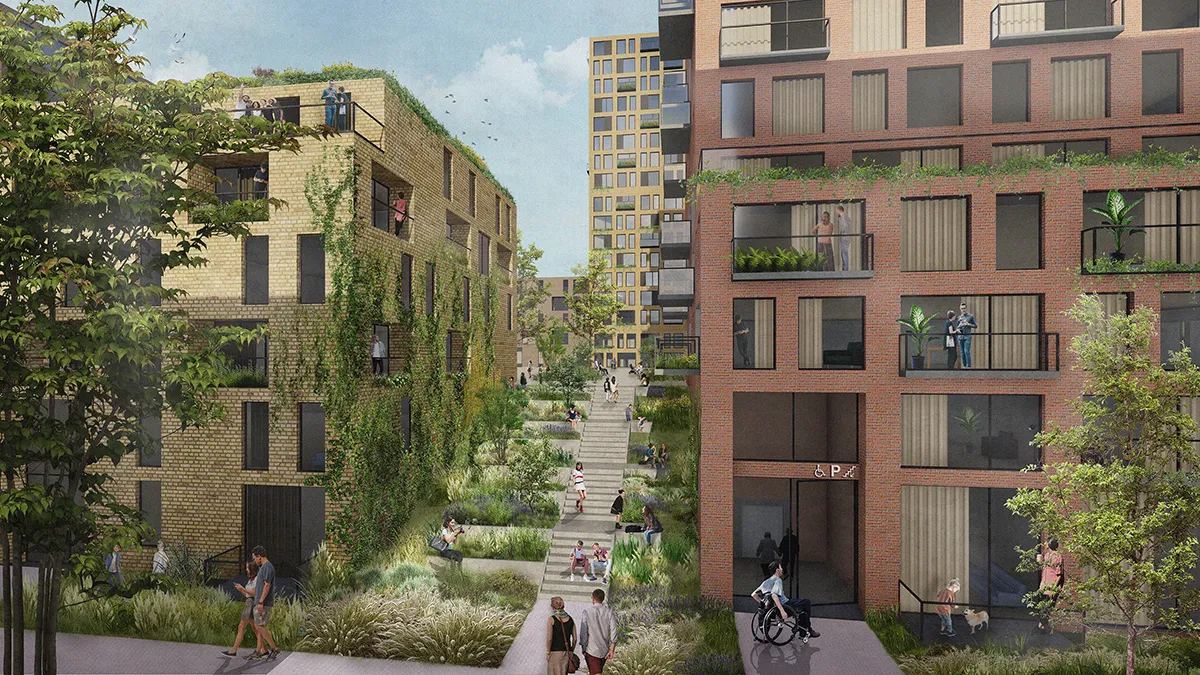
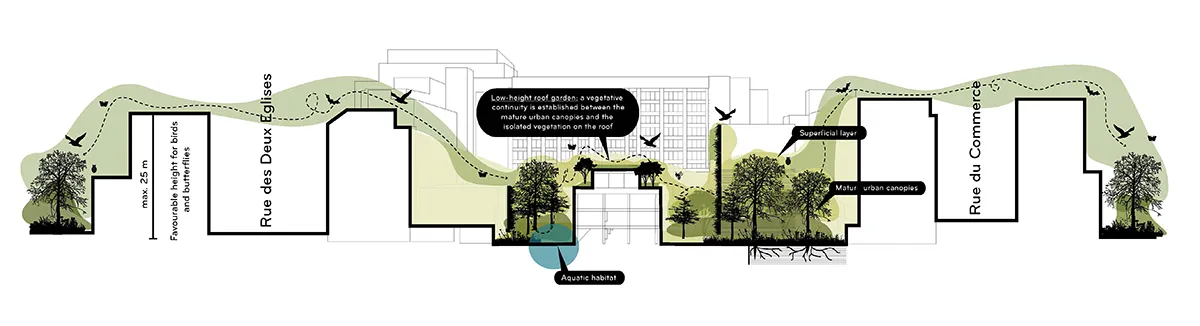
At the plot scale, the urban biotope becomes tangible. This is where ecological ambition meets human experience: where people walk, rest and play, while water is retained, trees take root and wildlife finds shelter. A dry, sunny plot may support grassland-like vegetation and pollinators; a shaded courtyard may become a forest-floor habitat; a lower, wetter zone can become a small wetland or a rain garden. Design brings these ecological opportunities into direct dialogue with everyday use.
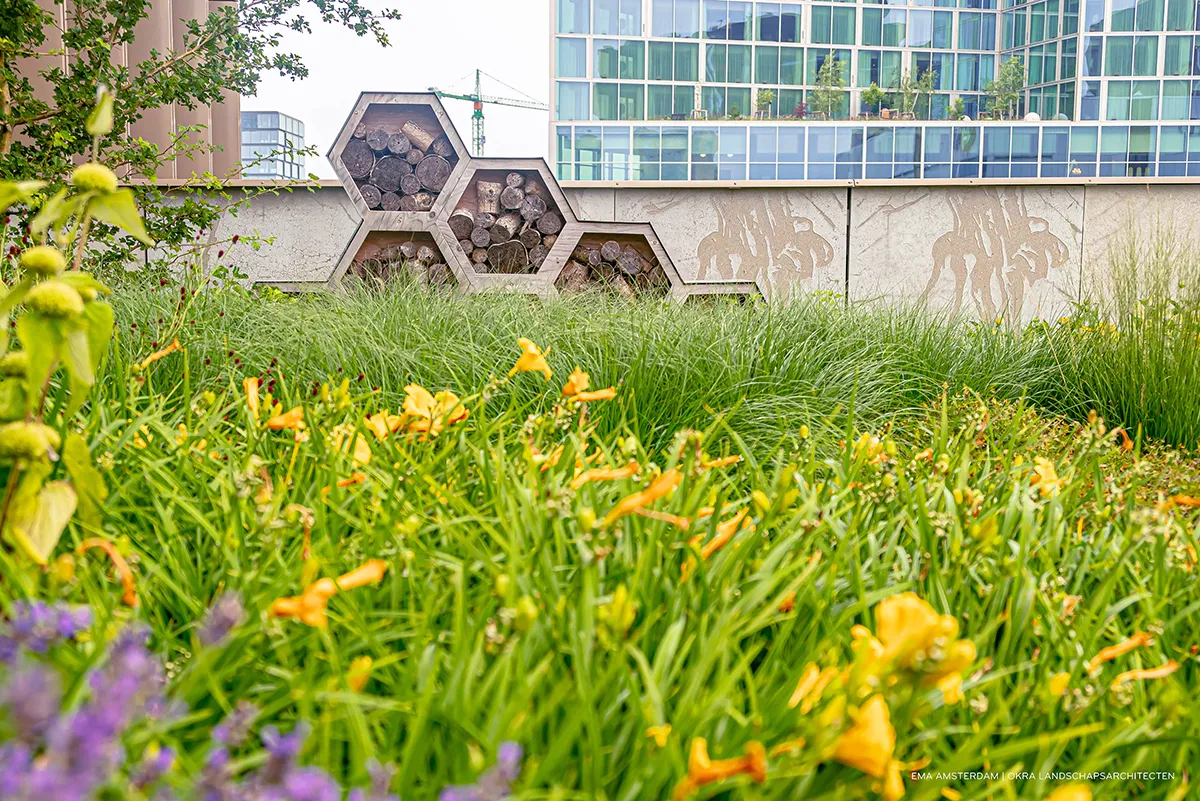
At the habitat scale, broad ambitions are translated into the specific conditions that allow life to establish: the thickness of a shrub edge, soil moisture, the flowering periods of perennial beds, the darkness of a corner, the roughness of a wall, or the presence of leaf litter, dead wood and small cavities. A dense shrub layer can become a safe corridor for hedgehogs or nesting birds. Even a gap beneath a fence or an uncut strip of vegetation can determine whether a species is able to inhabit a place.
By studying these species-specific rhythms, landscape design can provide the right conditions at the right scales, connecting them into broader ecological systems.
Eco-Archetypes
If scales explain how an urban biotope functions within a larger system, archetypes help define what kind of landscape it can become. They translate ecological complexity into recognisable landscape models, drawing on the structure, species composition and environmental logic of each type: grassland, shrubland, woodland, forest, wetland or dunes. Eco-archetypes offer a shared point of reference for designers, ecologists and users, connecting landscape character, habitat potential and human experience. Rather than fixed types, they serve as reference landscapes that guide ecological and spatial design.
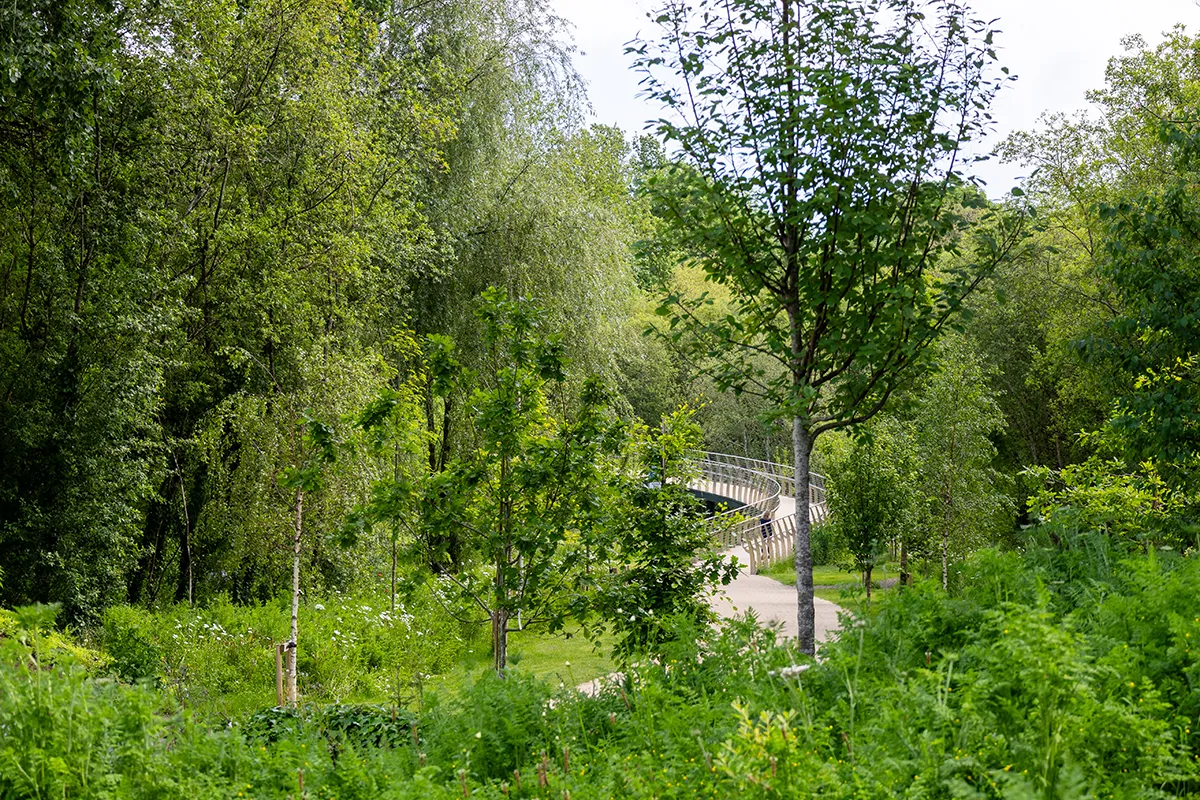
An ‘urban grassland’ offers a sunny, open biotope for dry or shallow soils, supporting flowering herbs, grasses, pollinators and seed-eating birds. An ‘urban woodland edge’ works with layered transitions from open to dense, light to shade, active use to quieter habitat and is valuable for nesting birds, insects and small mammals. An ‘urban forest-floor courtyard’ turns shade into a resource for ferns, mosses, woodland perennials and cool microclimates. The concept can also be applied to food production through a ‘productive biotope,’ where orchards, edible planting, community gardens and food forests support pollinators and soil life while fostering direct involvement from residents.
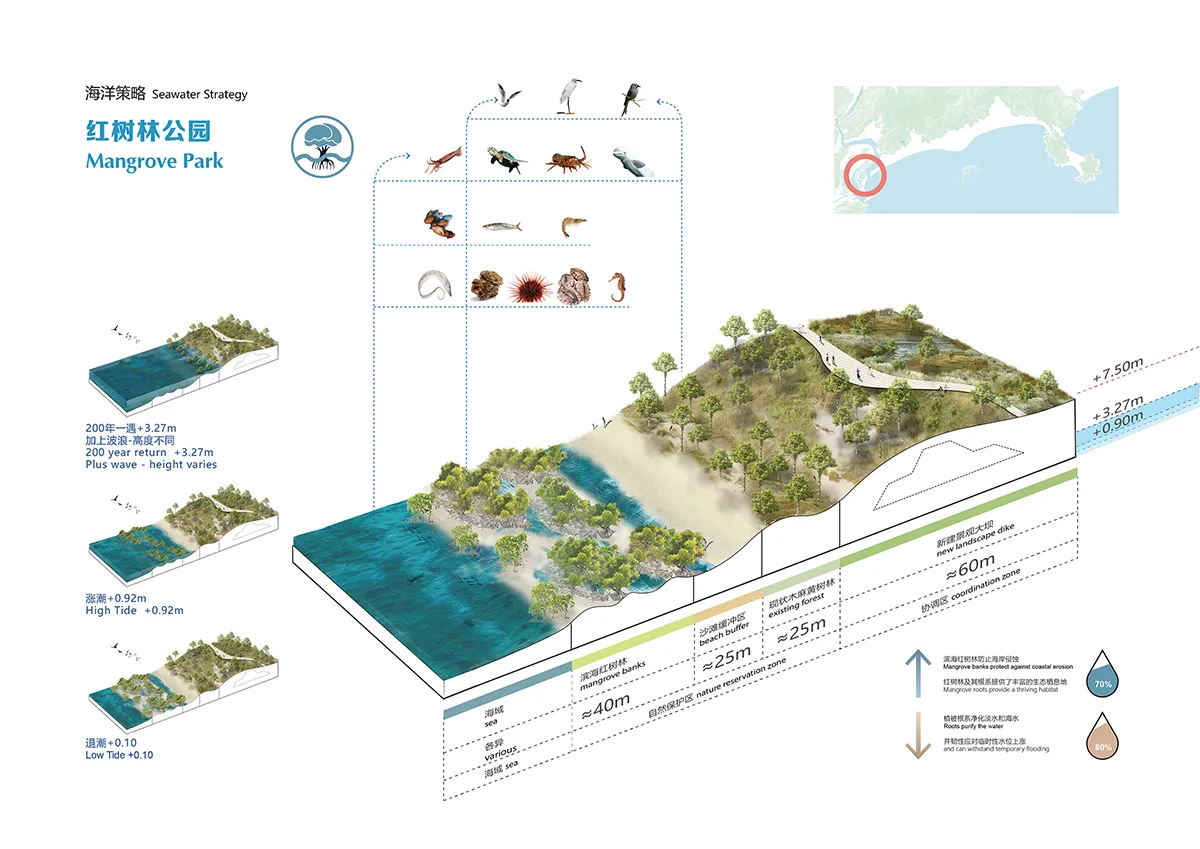
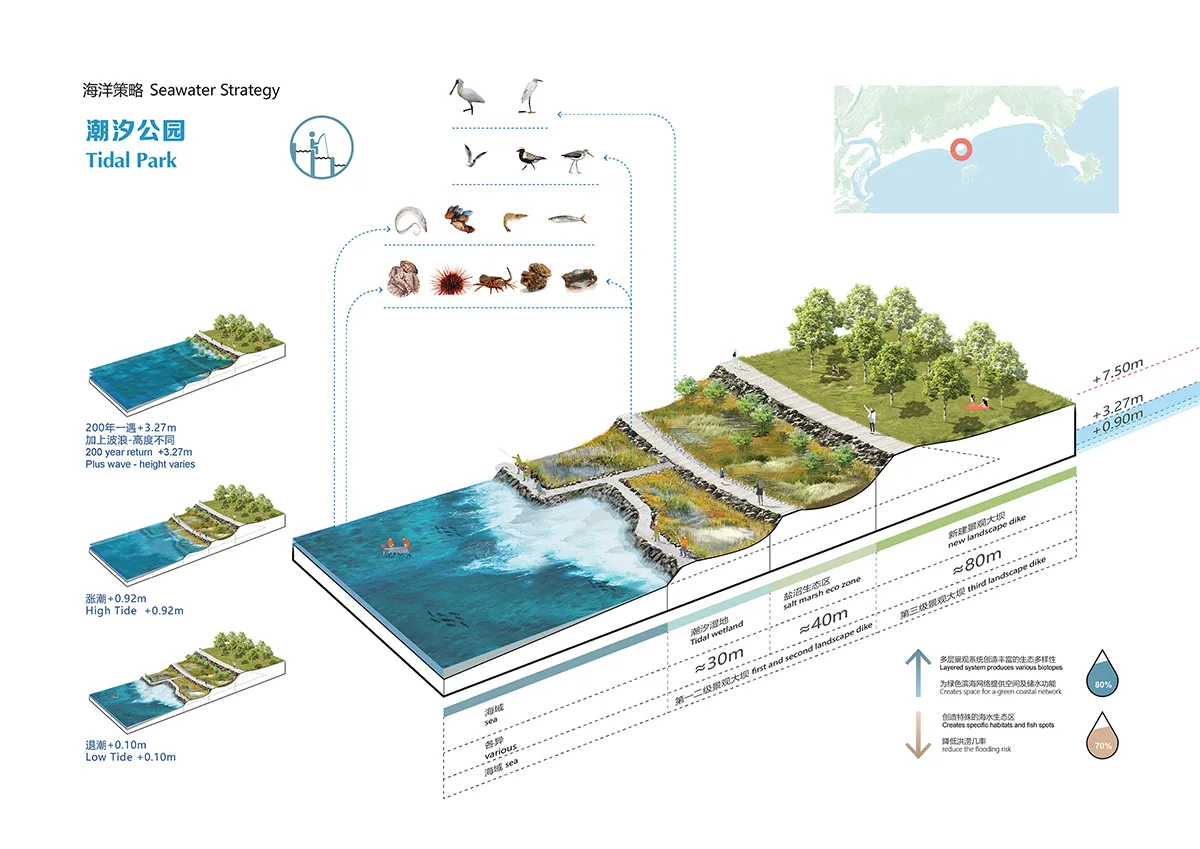
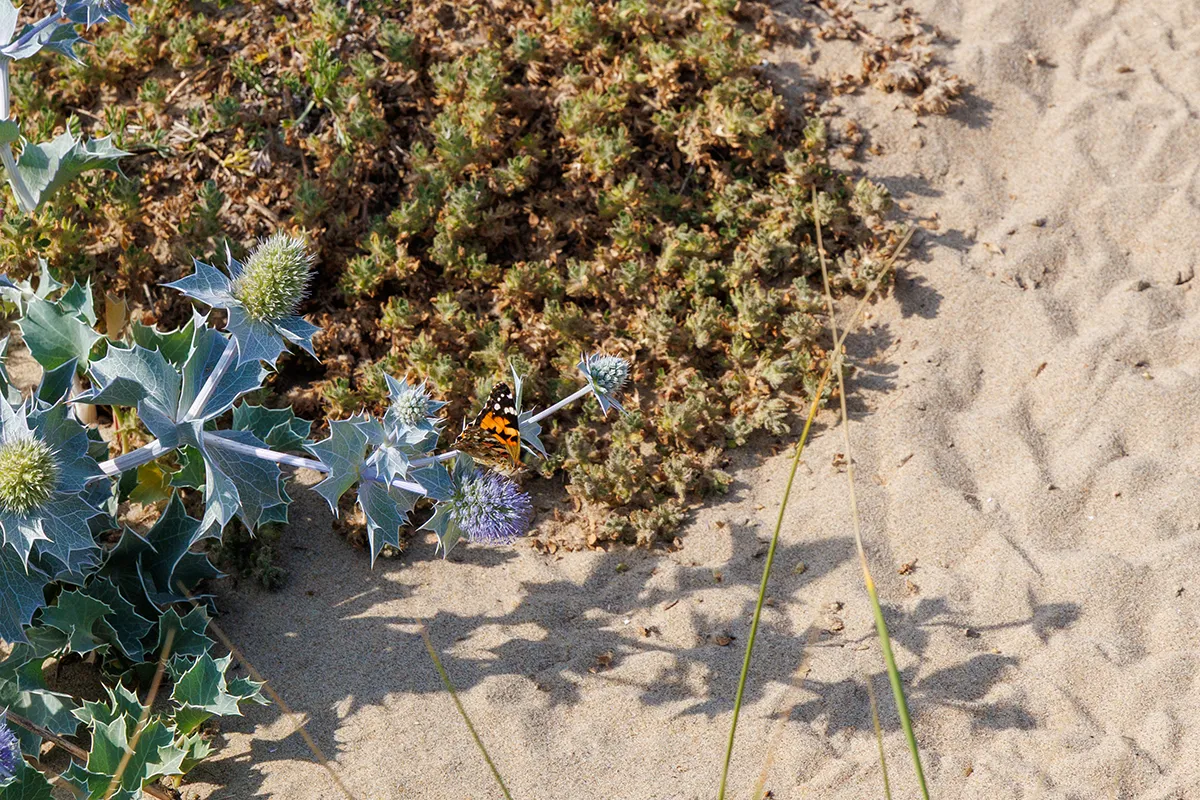
In coastal cities, the ‘urban dune’ biotope offers another archetype. Shaped by wind, drought and salt exposure, it draws on the ecological logic of dune landscapes to create open, resilient environments for species adapted to these dynamic conditions. Inspired by the ecological richness of Zeeland’s inner dunes, OKRA’s ‘Spuikom Biotope’ responds to local conditions through dry calcareous slopes, freshwater edges and interconnected habitat networks, creating diverse yet coherent coastal landscapes where specialised flora and fauna can thrive alongside urban life.
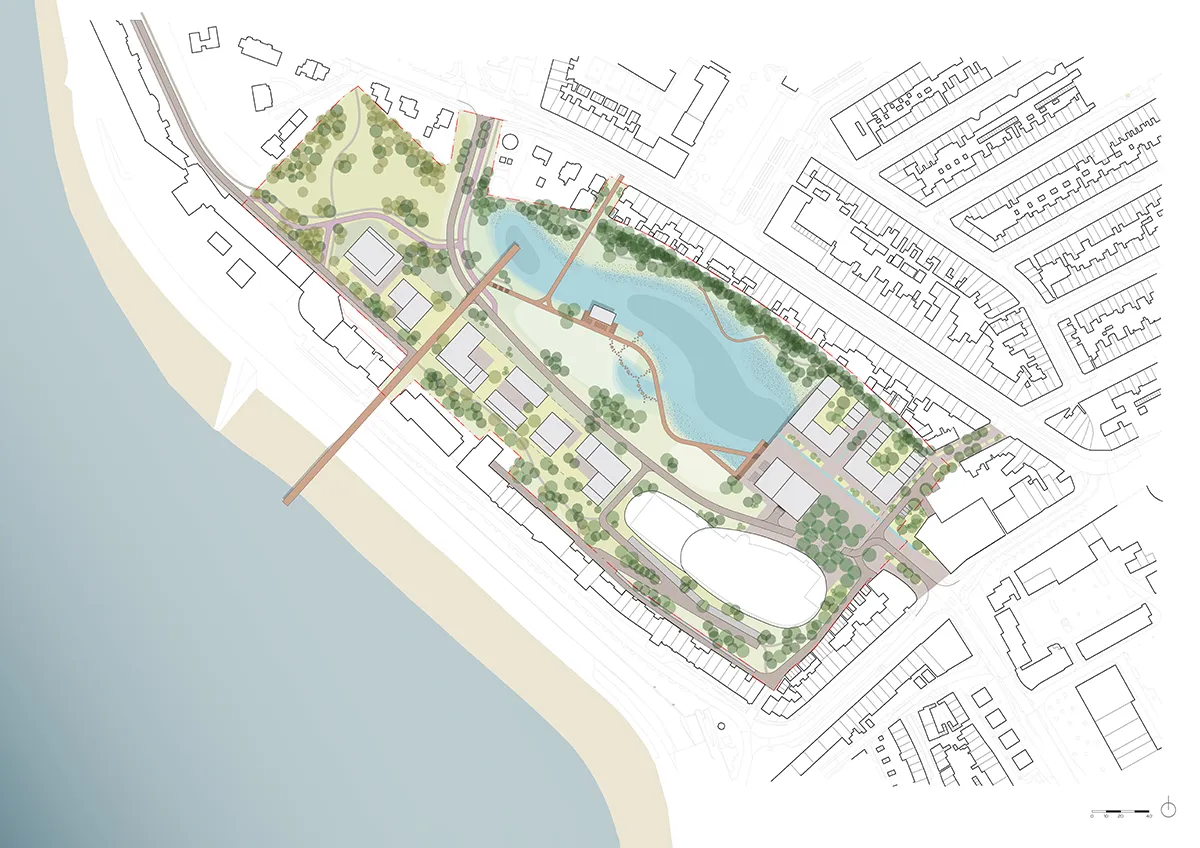
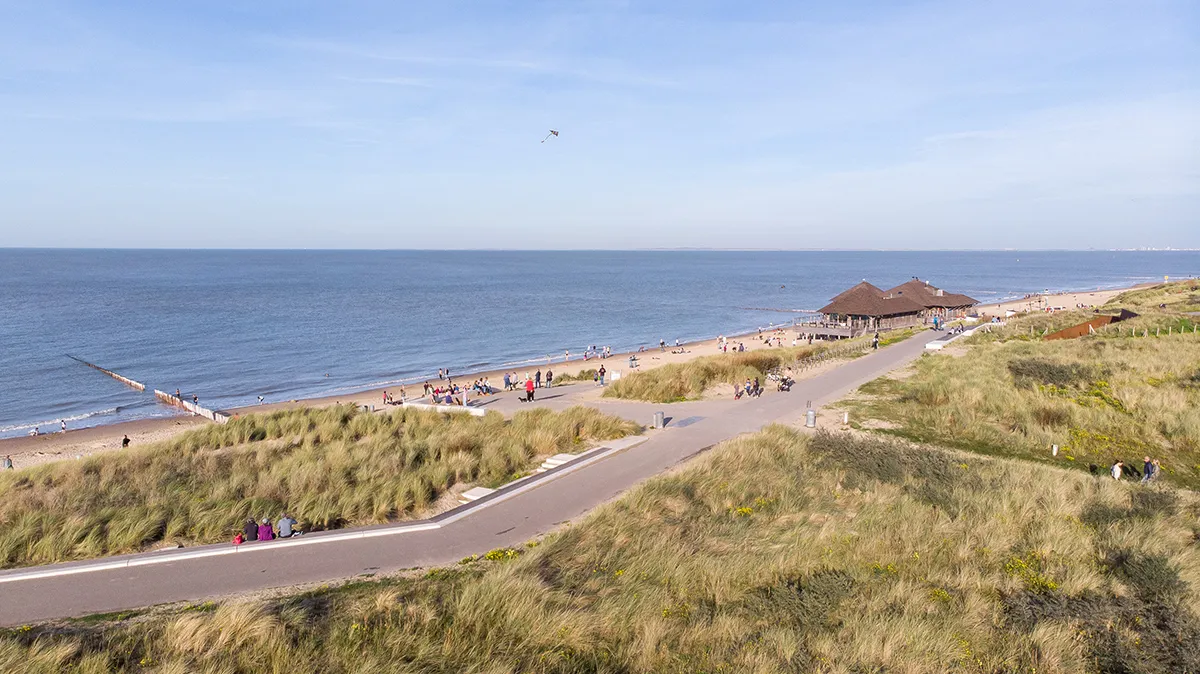
The question is not a choice between culture and nature, but rather a carefully choreographed relationship between the two, aligning urban conditions with ecological opportunity. Rather than recreating untouched nature, urban biotopes restore natural processes within human-shaped environments. It is about allowing the natural processes, dynamics, growth and change to re- enter the urban setting. In doing so, the city becomes part of a larger landscape system rather than standing apart from nature.
Urban nature designed as a living system
Healthy green cities emerge from places that redefine an area for flora, fauna and people. Such landscapes are never finished. They adapt and change as vegetation grows, matures, regenerates and changes in composition. Every season, every growth cycle and every act of care can add complexity and resilience to the urban landscape. Management is thus not about maintaining a finished design but guiding its ongoing development. When this is understood from the beginning of the design process, time becomes an essential design material, and the designer becomes a director of narrative, creating conditions in which natural processes and urban life can interact. Residents become part of this evolving system through stewardship and care. Seen like this, OKRA’s designed urban biotopes bring nature into the city as a living system, growing and adapting alongside it while making time an active driver of ecological performance.
References:
1). In two earlier articles the ‘urban biotope’ was introduced as a response to the increasing complexity of dense urban environments. It should function as part of the urban metabolism: a living system in which planting, soil, water, climate adaptation, circularity and everyday public life are brought together.
Martin Knuijt – Laboratory for New Urban Biotopes. in: Journal of Civil Engineering and Architecture 14 (2020) pp. 80-91
Martin Knuijt – Contemporary urban biotopes: lessons learned from four recent European urban design plans. in: R. Roggema (ed) Smart and Sustainable Built Environments, p 284-293 editor Springer, 2020
Authors:
1. Martin Knuijt, Landscape architect and Director, OKRA
2. Daan Posthouwer, Ecologist, OKRA
Editor: Nishi Shah, PR and Communications Assistant, OKRA
Be the first to comment