
Article by Damian Holmes | Founder & Editor – World Landscape Architecture
Addressing biodiversity issues is increasingly becoming part of everyday practice for landscape architects and designers. There are a few steps we can take to reduce biodiversity loss and increase climate resilience.
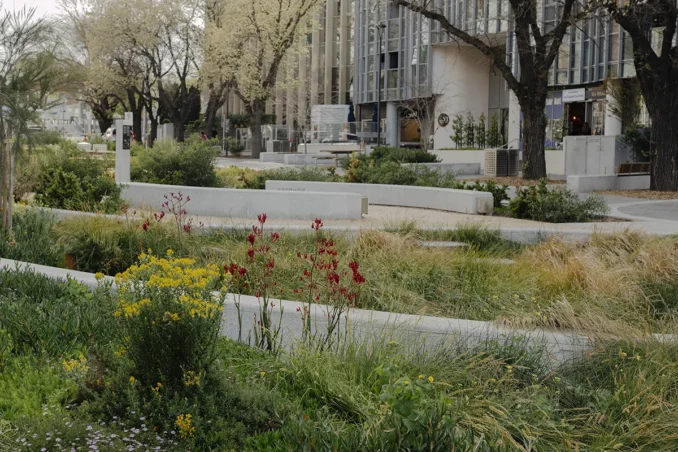
Protect and Manage Landscapes
One of the best steps to reducing biodiversity loss is to protect and manage all landscapes (terrestrial and marine), whether through conservation or by changing human activities. The threats to biodiversity include increasing and conflicting demands for land use for urban development, food production (land and sea), and resource extraction. The prioritisation of spatial planning and land management with integrated biodiversity considerations should be required by all countries to maintain areas of biodiversity importance and respect the rights of indigenous and local people.
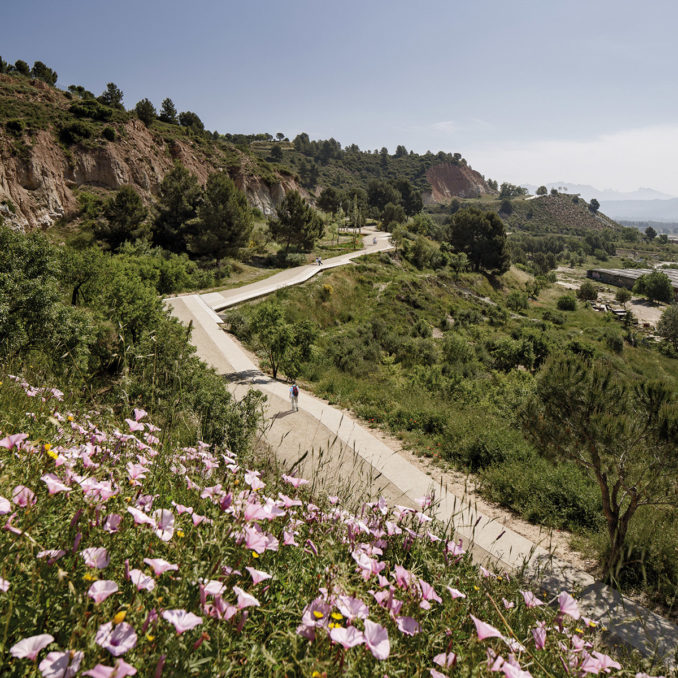
Lax weed management and a failure to control their invasions in remnant landscapes are causing biodiversity loss. Effective weed management is key to land management, but it must be coordinated with other land management practices, such as fire-reduction burns and spraying, to ensure resources are used effectively.
Understanding Frameworks
Many countries have signed up to the Kunming-Montreal Global Biodiversity Framework (KMGBF) and have issued Biodiversity Framework Plans, Action Plans, or Strategies. In turn, many states/provinces and cities have also adopted biodiversity strategies. It is key to understand these documents when working in these geographic areas, and to ensure your project is compliant. However, you may consider also utilising (weaponise) these documents to gain approval for part or all of your design.
Understanding the Local Site Context
When undertaking initial planning and reviews for projects, it is essential to understand the site’s local context. There is a need to go beyond inventory and site analysis; you should zoom out to a systems-based approach analysis to gain an understanding of the soil, hydrology, ecological (plants, habitats, etc), socio-cultural & equity, climatic (urban heat/cooling), infrastructure and planning overlays, future planned development and land-use planning. Mapping and collating this information into various datasets and layers can provide the basis for your approach and design decisions.
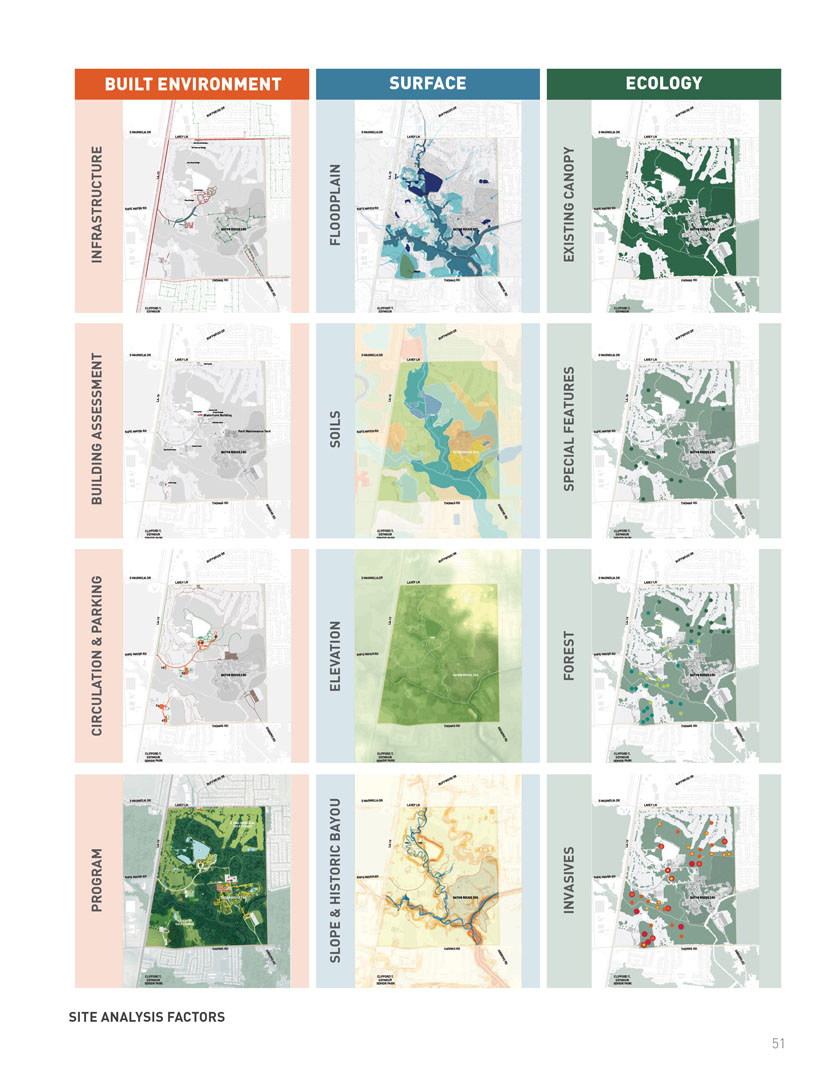
Understanding the local context is also essential when developing landscape management and maintenance plans for the ongoing success of a project. What may work in one area (cool burns or no-mow) may not necessarily be appropriate for your area.
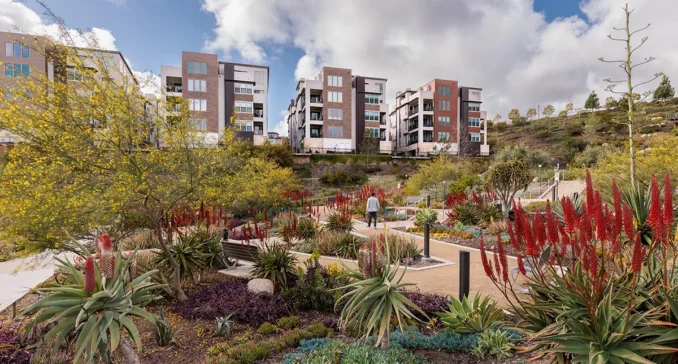
Going Beyond Native
When designing your landscape, it is important to include native plant species and also seek out indigenous and endemic species for your area. Native plant lists are a good starting point, and talking to botanists, ecologists and local community groups can provide more information about the area’s indigenous and endemic plants.

The other consideration is whether your selected plant species are locally appropriate and resilient to climate change. Understanding the impacts climate change may have (drought, flooding, heat, etc.) should be a consideration when selecting your plants to ensure the longevity of your design.
Design with Intent
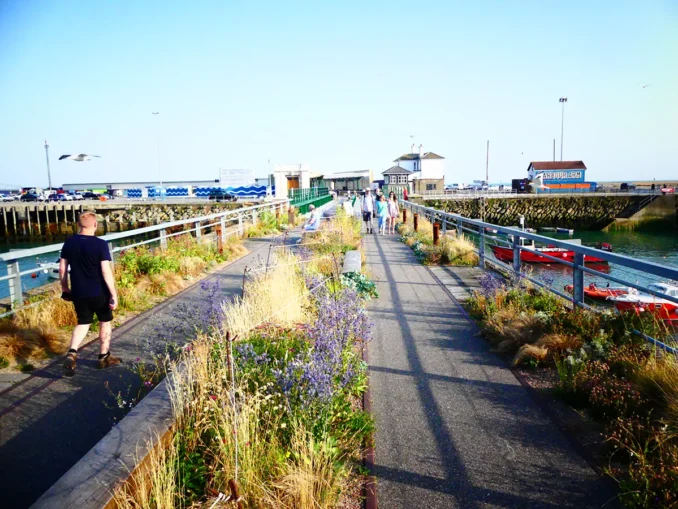
Plants are an essential part of increasing biodiversity within the landscape. When designing your project, aim not only to create a diverse mix of plant species, forms, and sizes to provide different niches for wildlife, but also to ensure these niches are connected. Your design should also look to provide habitat in the form of dead trees, rocks, water, and shelters (for birds, bats, etc.). By adopting a holistic design approach, you can enhance the site’s and the surrounding area’s overall biodiversity.
More than One Way
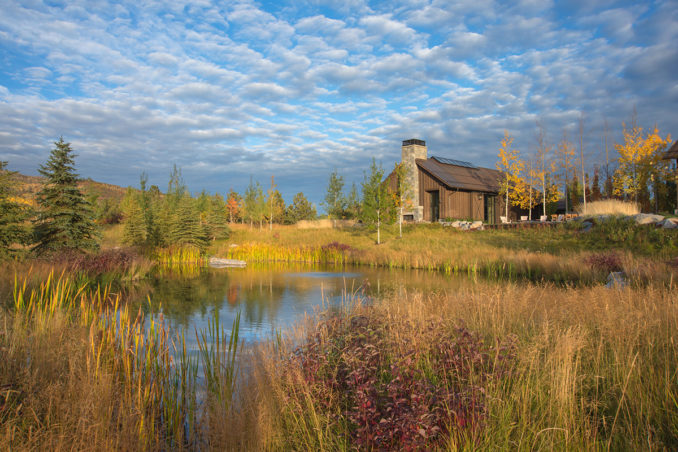
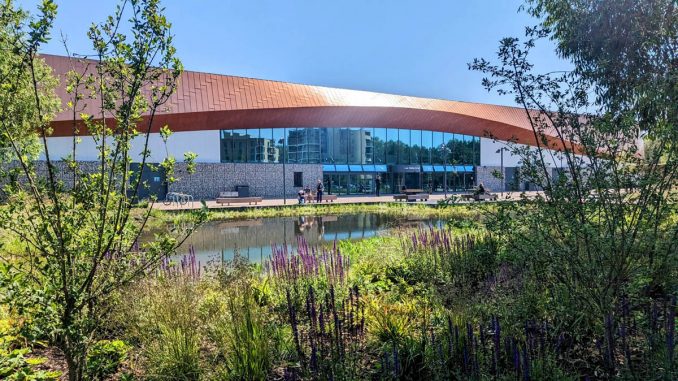
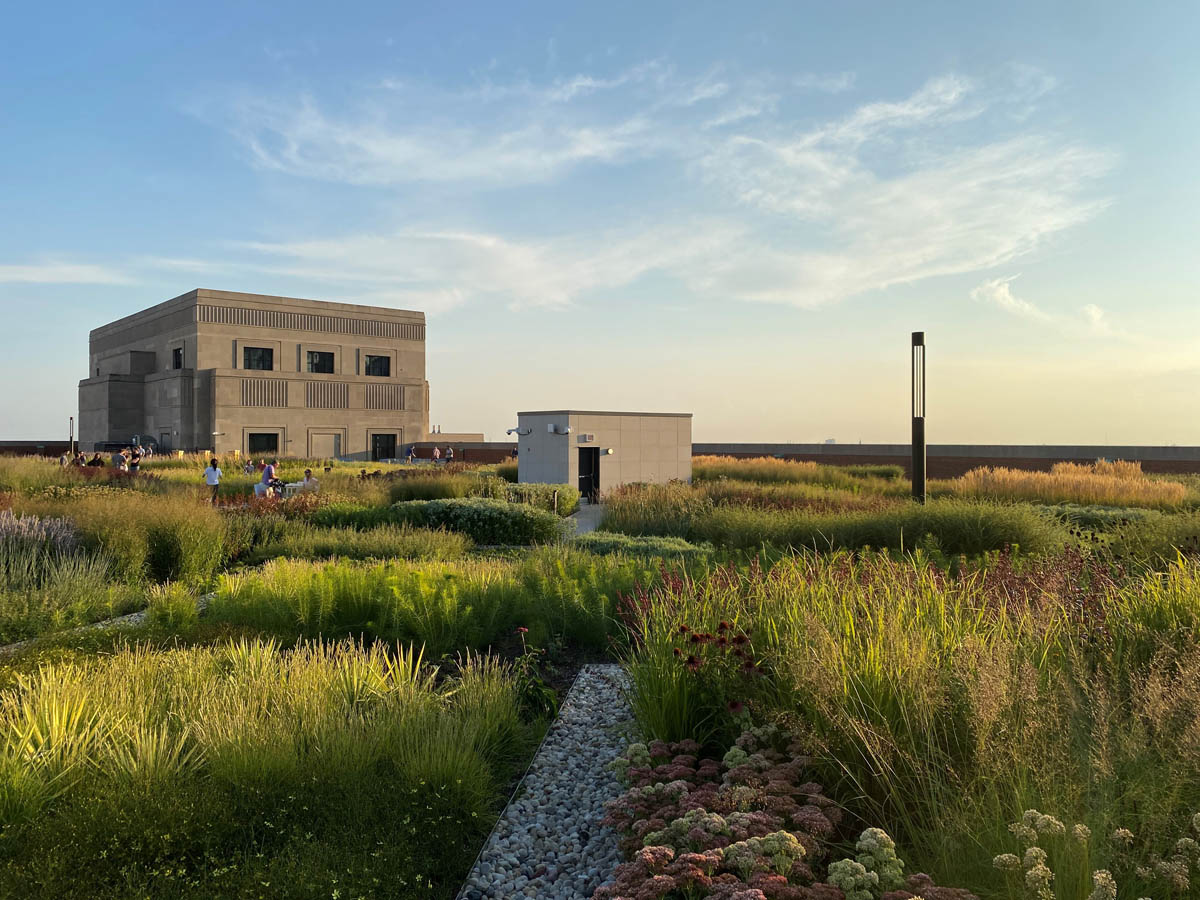
A biodiverse landscape can be anywhere: a wide, sprawling field, a woodland, a park, a hotel resort, back garden or an office rooftop. Often, we become too stringent about methodologies and processes in landscape design. We need to recognise that biodiversity does not have a particular aesthetic, species list, or site preparation. Experimentation, such as the Woody Meadow project, grassland seeding trials and learning about different approaches, requires patience and the ability to educate and work with stakeholders to achieve the core objective of reducing biodiversity loss.
Work with Partners
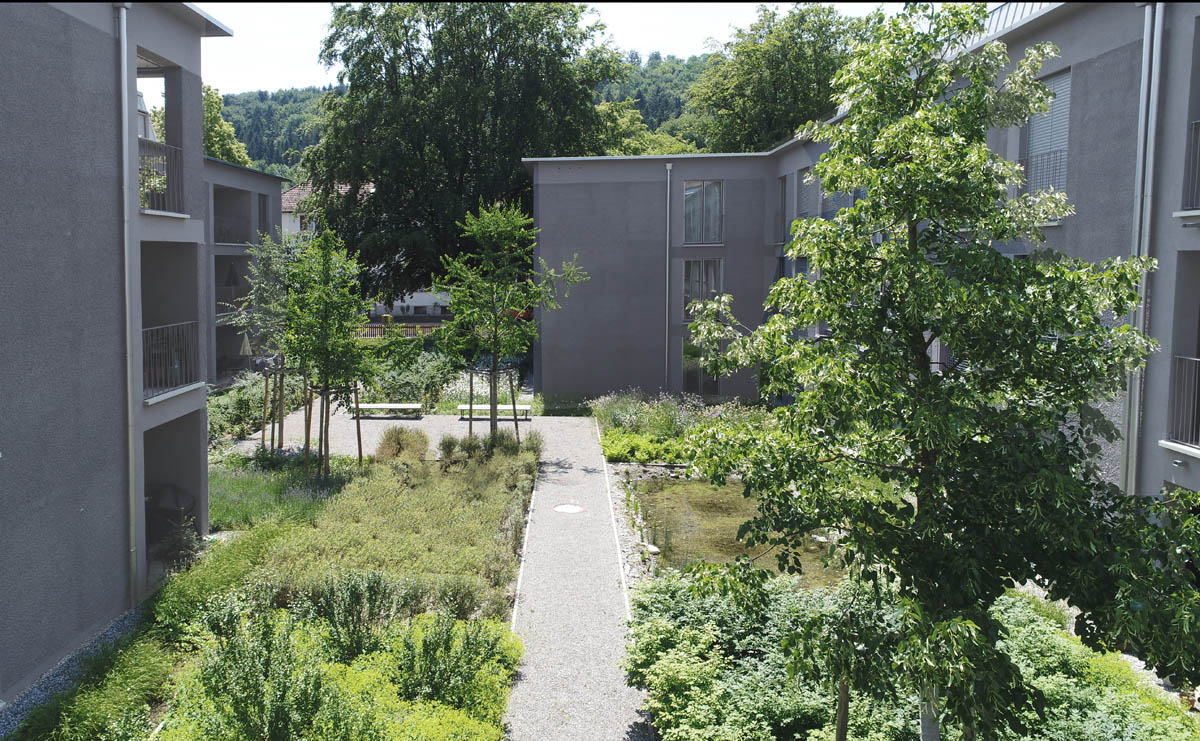
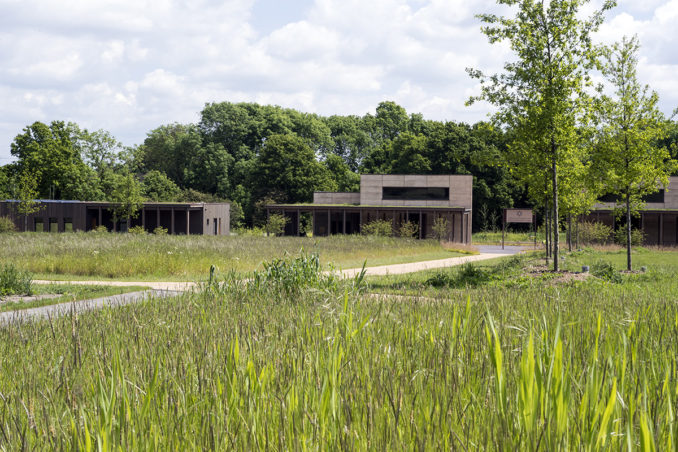
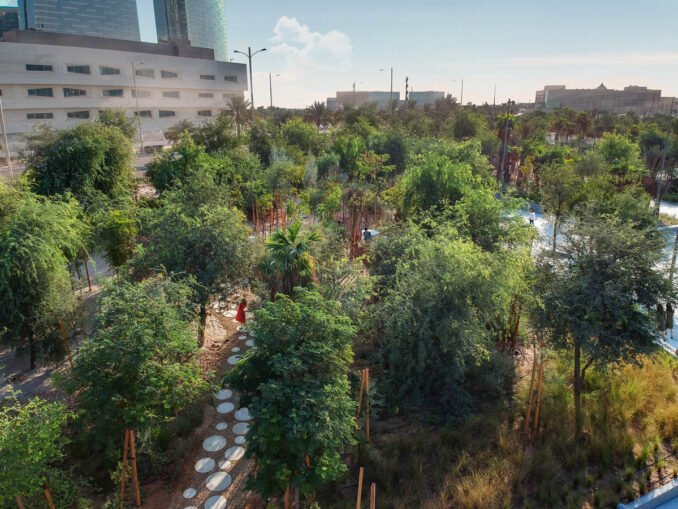
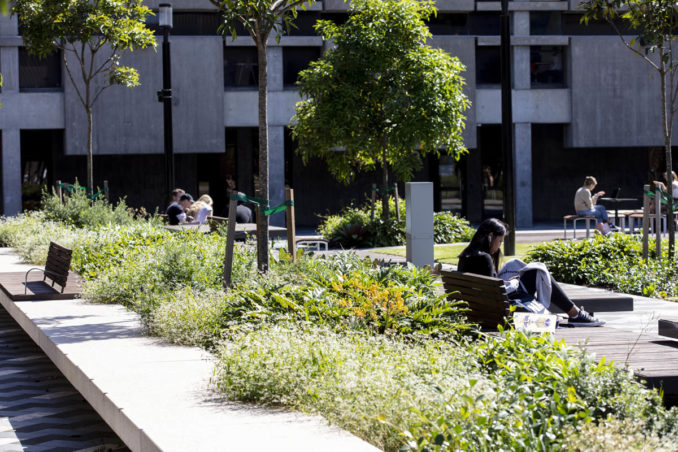
Increasing biodiversity should be undertaken in partnership with other organisations, including local community groups, indigenous people, botanic gardens, universities, cities, clients, and landscape groups (contractors, nurseries, etc). Working with these partners through knowledge exchange and increased education can improve the approach across industries and professions. By improving their knowledge of which approaches and plants work in different areas, landscape architects and managers can increase biodiversity success in their projects.

Specification and Construction Management
When working with partners, it is also best to understand the latest regulations and accepted certifications that prevent habitat loss (plant poaching) and increase social equity. Landscape architects and designers should specify materials and plants that comply with these (legal and industry) requirements, and also require contractors to provide the certificates and paperwork to ensure compliance.
Construction management can lead to issues both on-site and off-site. Identifying and protecting Tree and vegetation zones during construction is the initial step that will reduce future problems. Also, providing guidelines for demolition, erosion control, vehicle/equipment management, and storage are key elements to minimise the risk of biodiversity loss during and after construction.
Spread the Word and Build Capacity
Working with partners is key to increasing biodiversity, but you also need to share information with your industry, allied professions, community groups, and governments. Since reducing biodiversity loss is crucial, initial efforts should start locally but also extend to other regions, states, or provinces. With some project investment in (educational) signage, it provides an opportunity for knowledge (image, text, QR code) to extend out into the community and possibly even further through visitors’ photos on social media.
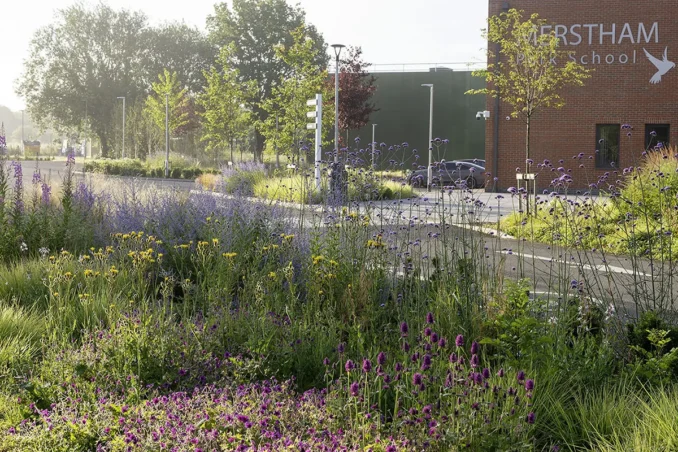
Often misunderstandings occur due to a lack of knowledge and education about biodiversity (e.g. the value of grasslands). Creating an education pack for your company or a local professional organisation provides materials to educate communities and decision-makers, reducing the risk of misunderstandings. Additionally, training designers and leaders to use this pack builds capacity to educate others and advocate for reducing biodiversity loss.
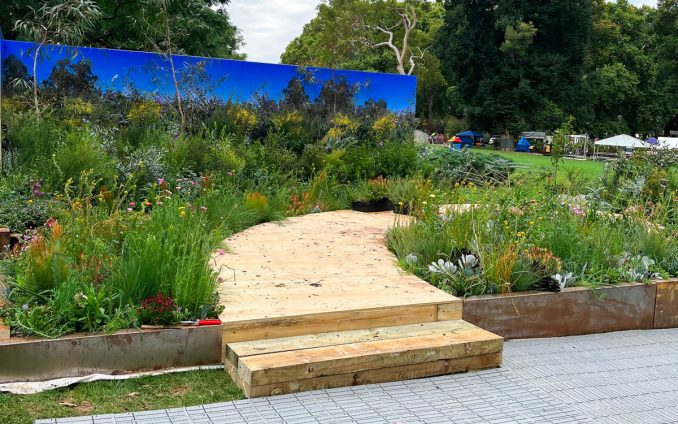
Overall, taking one or more of these steps will help reduce biodiversity loss and improve the landscape. These are just a few of the steps you can take; there are many more that you can explore through reading the bibliography below and the Kunming-Montreal Global Biodiversity Framework (KMGBF), your government biodiversity plans and strategies or your local university’s research.
Taking steos to reduce biodiversity loss requires openness and a willingness to understand nature and its processes. It involves reading research, consulting experts, and educating clients and others about the long-term benefits of designing, building, and maintaining biodiverse landscapes. The benefits of biodiverse landscapes extend to the community and the world, with the greatest reward being the joy and wonder they can offer.
Bibliography
Faeth, Stanley & Bang, Christofer & Saari, Susanna. (2011). Urban biodiversity: Patterns and mechanisms. Annals of the New York Academy of Sciences. 1223. 69-81. https://doi.org/10.1111/j.1749-6632.2010.05925.x
Garrard, G.E., Williams, N.S.G., Mata, L., Thomas, J. and Bekessy, S.A. (2018), Biodiversity Sensitive Urban Design. CONSERVATION LETTERS, 11: e12411. https://doi.org/10.1111/conl.12411
Rega-Brodsky, C.C., Aronson, M.F.J., Piana, M.R. et al. Urban biodiversity: State of the science and future directions. Urban Ecosyst 25, 1083–1096 (2022). https://doi.org/10.1007/s11252-022-01207-w
Simona Pedde, Reginald Grendelman, Lydia Cumiskey, et al. Leveraging climate resilience capacities by (un)learning from transdisciplinary research projects, Climate Risk Management, Volume 47, 2025, 100675, https://doi.org/10.1016/j.crm.2024.100675
Ye, Qiting & Wang, Xiuzhi & Liang, Lingzi & Qiu, Jian-Wen & Tsim, Siu-Tai. (2025). A Review on Landscape Factors for Biodiversity Performance Enhancement in Urban Parks. Diversity. 17. 262. https://doi.org/10.3390/d17040262