
Article By Prabhjot R. Khan, Sonal Shah
When women and girls help shape parks and streets, public spaces become safer, greener, and more resilient.
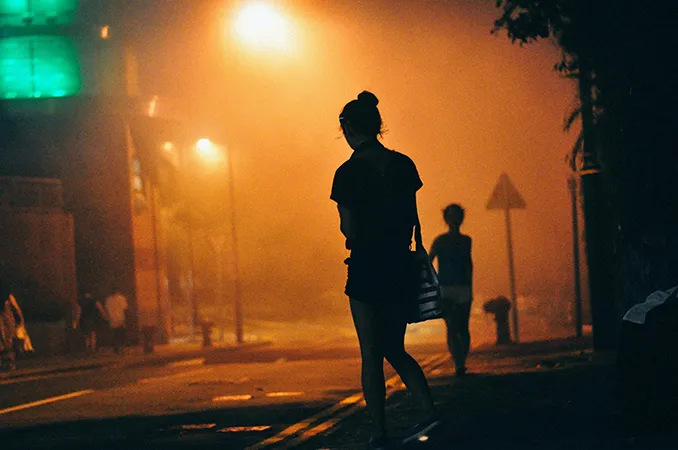
Women and girls often move through cities on other people’s terms. They avoid certain corners, cut short a walk, or end a play date because a park feels “off.” Public spaces that should offer rest, play, and freedom instead demand constant vigilance. For many—especially low-income families without private gardens—this strain is part of daily life.
Yet design rarely starts with women and girls in mind: paths are dark; benches are missing where people most want them; toilets are closed or unsafe. Surveys in the United Kingdom suggest that even in daytime, women are three times more likely than men to feel unsafe in parks. This exclusion widens health gaps between women and men.
Clear sightlines, places to sit, clean toilets, and active uses of space – such as community activities—lower the “safety work” women do in their heads, opening parts of the day that now feel off limits. Trees and raised footpaths improve shade and walking conditions while also helping cities cope better with heat and flooding.
When cities design public spaces around women and girls – from teenage students to pregnant women, street vendors, older women, and women with disabilities – everyone benefits.
Simple questions make a big difference: Is there a shady place to sit and wait for a child? Can a wheelchair move easily along the path? When women also help decide where parks go and how they are managed, the spaces tend to reflect everyday routines more closely. Seeing women confidently shaping these decisions can also shift how the community views women as leaders. To make this possible, communities need resources for participation, and women need support to understand how local decisions and budgets work.
Despite these benefits, expanding cities across Asia and the Pacific are losing many kinds of open areas to buildings and roads. Spaces conceived and designed with women and girls in mind remain the exception.
In Bangladesh, the National Building Code sets standards for how much public open space urban areas should have, and master plans offer a long-term blueprint. Yet the design and upkeep of spaces that respond to the needs of women and girls, or to changing weather, have received far less attention. New guidelines for towns such as Bagerhat and Kuakata aim to close this gap by combining flood-aware design with checks on who can realistically access and use these spaces.
Good street design also helps cities cope with heat and heavy rain by adding trees, planting strips, and small channels or pits that collect and drain water.
Streets are the most overlooked public spaces in a city, even though they cover a large share of urban land. A street that works well for everyone usually has wide, even footpaths so people can carry bags or push strollers without stepping into traffic. It has safe crossings, lighting at a human scale rather than just high-mast lights, regular, comfortable seating, and clean toilets that people are not afraid to use. Good street design also helps cities cope with heat and heavy rain by adding trees, planting strips, and small channels or pits that collect and drain water rather than letting it flood roads and homes.
In crowded neighborhoods, how parks are shared needs careful thought. Separate play zones with soft, colorful surfaces and things to touch can help toddlers and small children explore safely. At the same time, flat paths, shade, and nearby benches allow older people to walk and rest without strain. Benches placed to invite conversation can ease loneliness—a health risk for many older adults—and give young people, and especially young women, places close to home to meet friends.
Parks can also host a mix of games and sports—from informal play to matches in small courts for basketball, football, or cricket. Working with community groups to schedule these activities helps ensure that women and girls get time on the field or court rather than being pushed aside by men and boys.
In Bangladesh, officials and civil society groups have used the new guidelines in local workshops to picture what future parks and streets should look like, and then taken draft plans back to residents for comments and corrections. This back-and-forth has helped build trust and has given communities a sense that these spaces belong to them.
In Koa Hill, Solomon Islands, shared spaces and small communal gardens on slopes have helped reduce landslide risks while improving access to food, especially for women. Care for these areas is organized through women’s and youth groups and community networks that share tools and labor.
Public open spaces are not luxuries but equity engines. Cities and towns can create healthier, more cohesive futures by prioritizing women, children, and older people through intentional and thoughtful design, while also helping communities cope with changing weather.
Article First Published on the Asian Development (Bank) Blog on 9 June 2026
https://blogs.adb.org/blog/public-spaces-designed-women-and-girls-are-good-all-and-planet
Image: Rosalind Chang | Courtesy of Asian Development Blog (Asian Development Bank)