Yuwei Chen is a Licentiate Landscape Architect at epd Landscape in the UK, driven by a genuine curiosity about how spatial research can inform regenerative environmental systems. Holding a Master of Urban Design and International Planning from the University of Manchester, Yuwei’s understanding of landscape and environment has evolved across different cultural and geographic contexts, moving from early design experiences in Taiwan to postgraduate research and commercial practice in the UK. Through this international trajectory, his work at epd Landscape has gained recognition across platforms including the World Landscape Architecture Awards, IFLA Europe Youth Competition, and the Pro Landscaper Project Awards.
WLA recently learnt more about Yuwei Chen’s perspectives on research-led landscape architecture, cross-cultural practice, and the evolving role of emerging landscape architects.
WLA | How has your journey from Taiwan to the UK shaped your analytical approach to landscape architecture?
Navigating landscapes across two very different regions, from the high-density urban environments and tropical hydrology of Taiwan to the temperate, heritage-rich contexts of the UK, has fundamentally shaped how I read a site.
During my early experiences in Taiwan, I was exposed to dynamic coastal conditions, rapid urban density, and extreme weather events, which forced me to view landscape primarily through the lens of resilience and adaptability. When I moved to the UK to pursue my Master’s at the University of Manchester, my research focused on child-friendly environments, exploring how child-centric spatial design and safe, inclusive public realms build long-term social and environmental resilience within urban contexts.
Transitioning into practice at epd Landscape, this cross-cultural background became a core asset. It taught me never to take site conditions for granted. In our daily work at epd Landscape, we spend significant effort examining historical patterns and regional ecological networks before drawing spatial designs. The move from Taiwan to the UK taught me that while climate contexts change, the core responsibility of the landscape architect remains the same: mediating relationships between natural processes, human infrastructure, and public space without imposing rigid, non-adaptive design concepts.
WLA | How do you translate research and evidence-based design into real-world master planning?
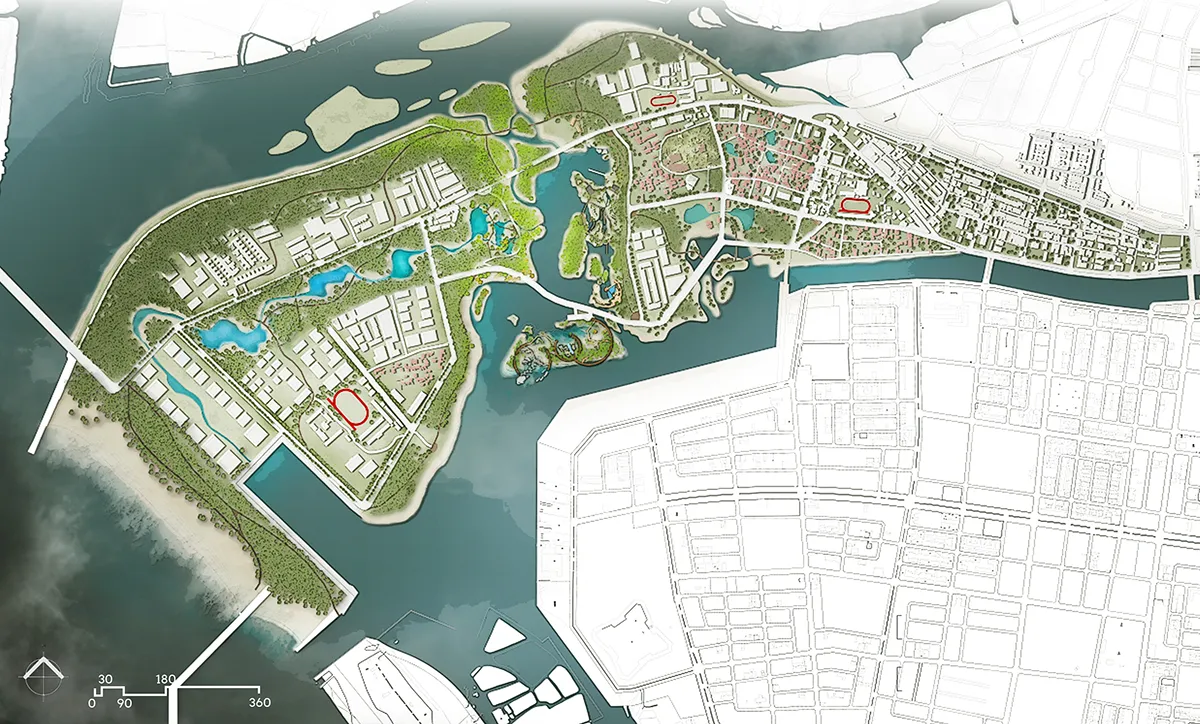
The bridge between academic inquiry and commercial execution is where landscape architecture delivers its highest impact. Instead of treating research as a theoretical exercise, I view spatial analysis, historical landscape patterns, and urban-environment frameworks as essential foundations for everyday on-site decision-making.
In my daily practice at epd Landscape, translating research into practice requires synthesising complex environmental data into clear, compelling spatial strategies. Whether developing sustainable urban environment frameworks or master planning multi-functional public realms, success relies on cross-disciplinary collaboration with engineers, planners, and local stakeholders. The challenge is to take rigorous evidence and shape it into intuitive, buildable design solutions that client teams can approve and deliver, and that communities can enjoy.
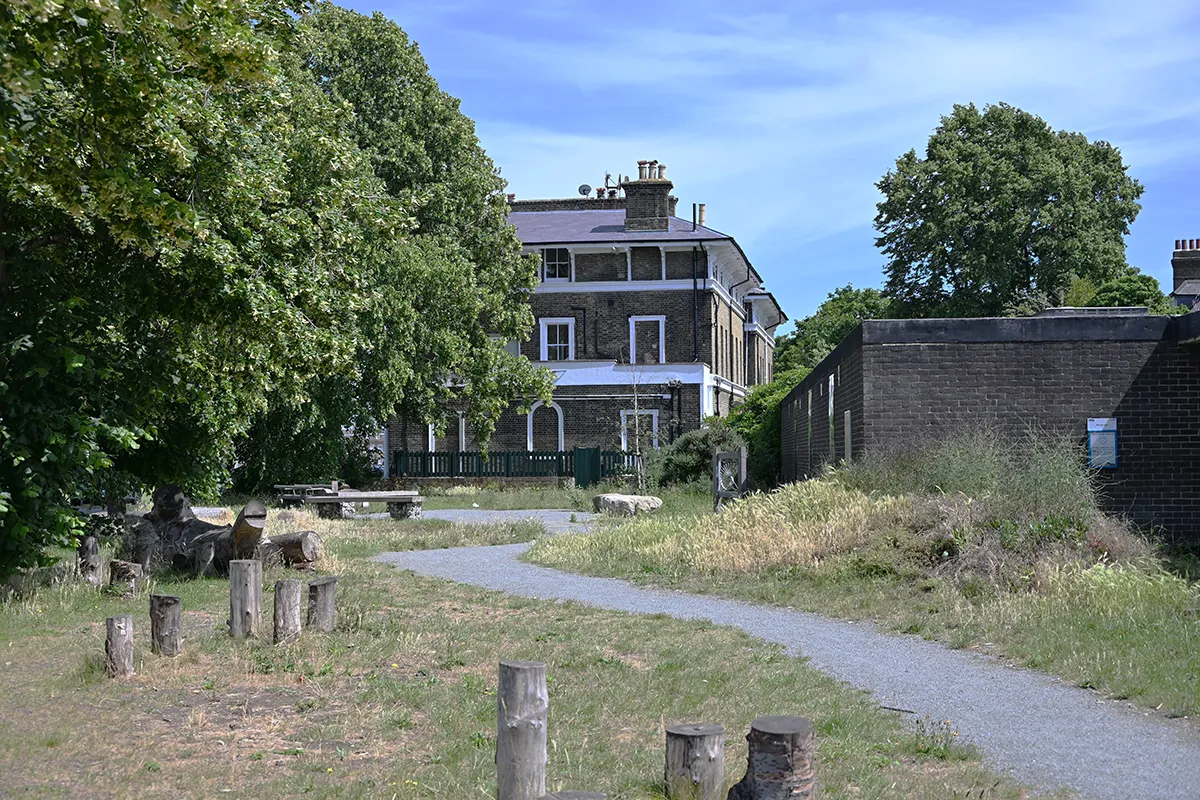
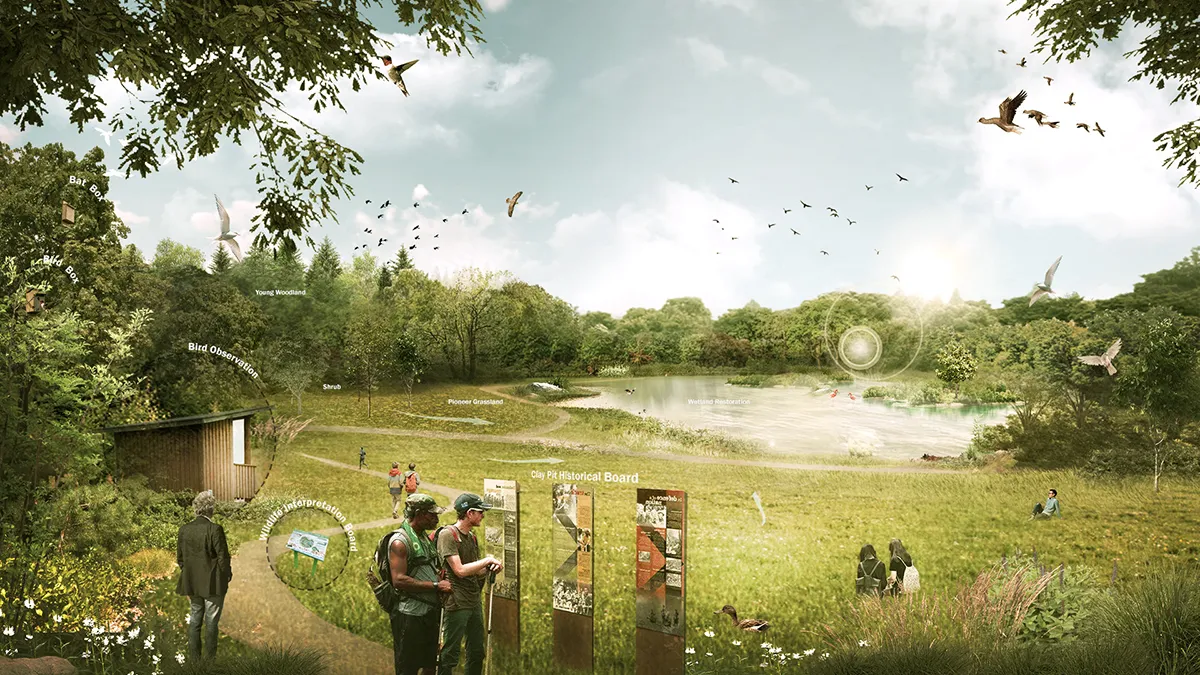
Ultimately, the goal of research-led design is to create resilient, self-sustaining environments that evolve over time. Seeing a masterplan transition from research modelling and parameters into a living landscape, where natural systems function seamlessly alongside human activity, proves that evidence-based design is not just a methodology, but the core driver of meaningful spatial practice.
WLA | How do you view the role of emerging practitioners in shaping the future of the discipline?
Emerging practitioners are entering the field at a time when environmental challenges are increasingly global yet intensely site-specific. Having experienced design contexts in both East Asia and Europe, I view this period as an opportunity to approach the discipline with both open curiosity and international perspective.
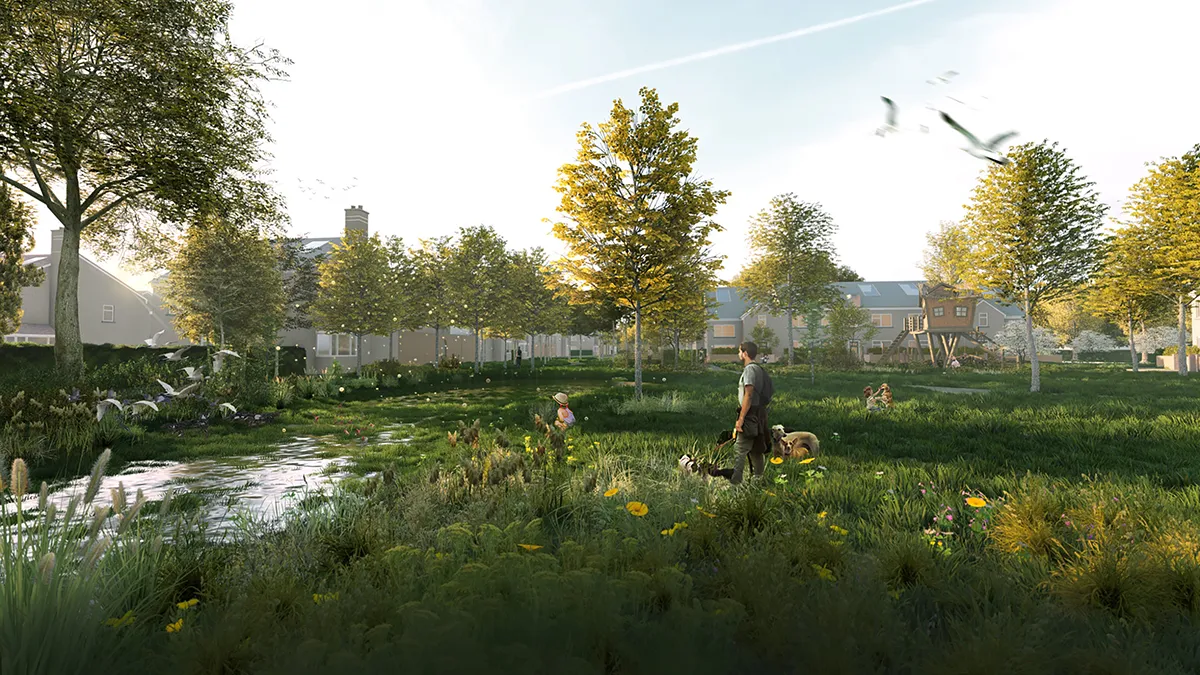
Young landscape architects bring a necessary synthesis of digital fluency, cross-cultural awareness, and an eagerness to ask what landscape can be beyond traditional regional aesthetics. By engaging deeply with research initiatives, cross-disciplinary tools, and international industry dialogues through professional chartered bodies, global design forums, and academic networks, the next generation can help expand the boundaries of practice. The role of the young practitioner is not to offer quick answers, but to sit with complexity patiently, combining imaginative spatial thinking with evidence-based methods to contribute meaningfully to living environments.
Thanks to Yuwei Chen for providing his thoughts on research-led landscape architecture, cross-cultural practice, and the evolving role of emerging landscape architects.