
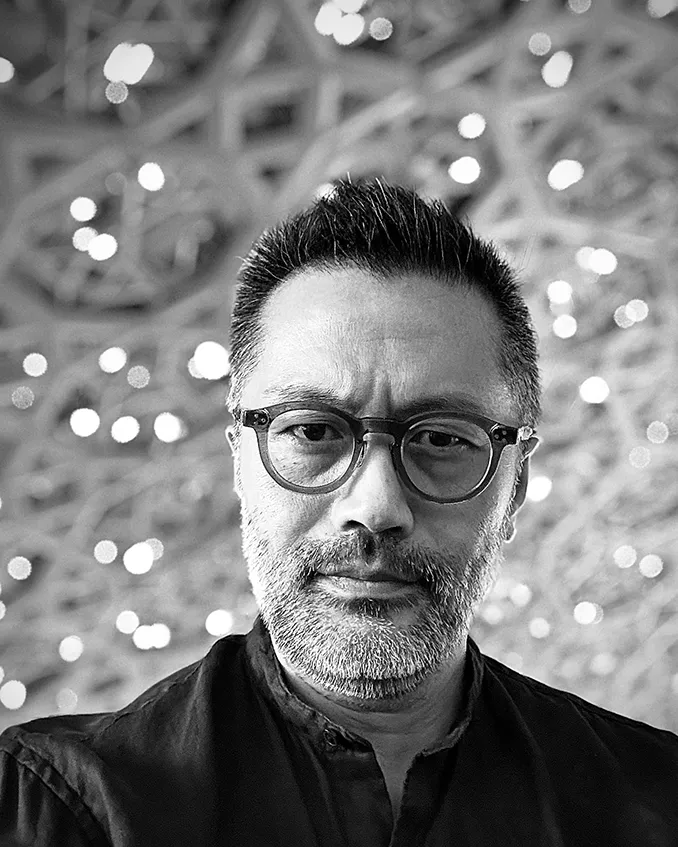
Terence Lee is an accomplished landscape architect with more than 25 years of global experience, currently an Associate Senior Landscape Architect at DIALOG in Calgary. His career has evolved through collaborations with some of the field’s most influential figures—Dan Kiley, George Hargreaves, and Peter Walker—as well as with the renowned interdisciplinary firm EDAW (now AECOM). Across hospital campuses, civic spaces, and large-scale urban masterplans, his early work established a foundation of precision, clarity, and a deep respect for the relationship between land, architecture, and people. WLA recently had the opportunity to gain insights into his career and thoughts about the future of landscape architecture.
WLA | You have worked in Canada, the USA and the Middle East – from your experiences, how does landscape architecture practice differ in these countries?
Landscape architecture practice can vary considerably across regions, though the mission of our profession remains constant. In my experience working in the United States, Canada, and the Middle East, the differences are shaped primarily by climate, culture, and the value each region places on design.
Climate dictates the technical priorities of a project. In California, design work centered on drought tolerant planting and a Mediterranean climate that supports outdoor use throughout the year. In Canada, seasonal extremes are the defining constraint, requiring public spaces to perform equally well in summer and winter. In the Middle East, heat mitigation, shade, and water scarcity govern nearly every design decision.
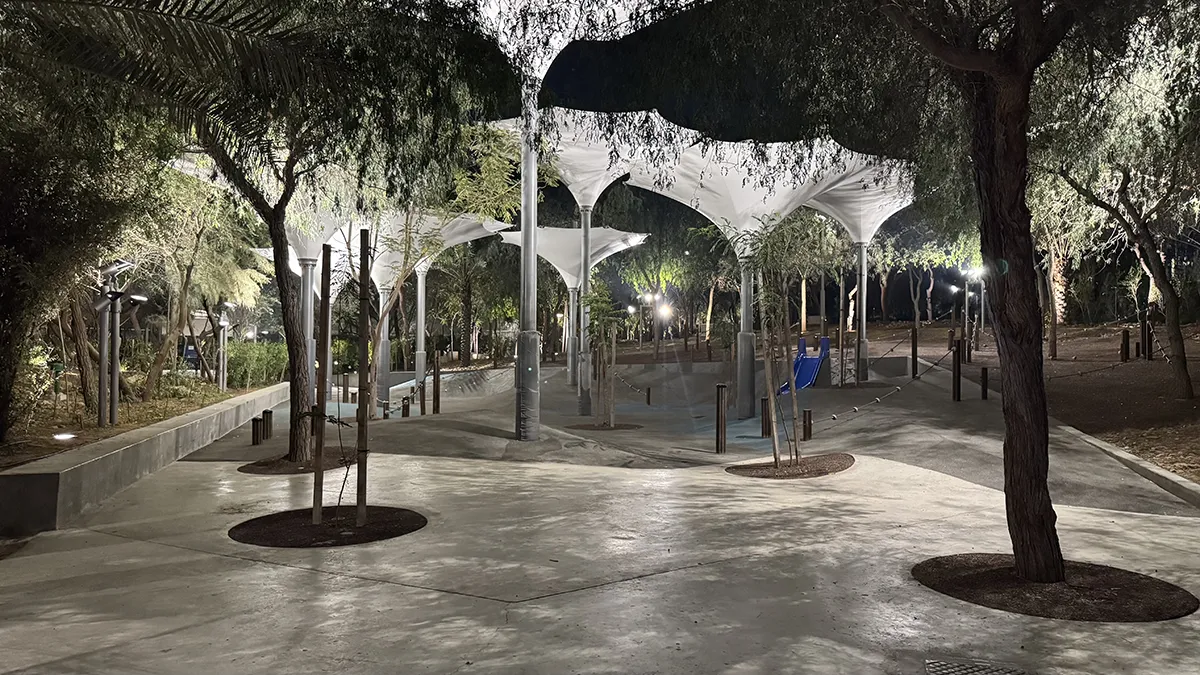
Culture shapes the priorities embedded in every project. North American projects often emphasize walkability, biodiversity, and public consultation. Projects in the Gulf region frequently operate on a civic or national scale, where heritage preservation and cultural identity are weighted as heavily as ecological performance.
Finally, the perceived value of design varies not only between regions but within them. Some clients treat landscape architecture as a supplementary amenity, while others recognize it as integral to the identity and success of a project.
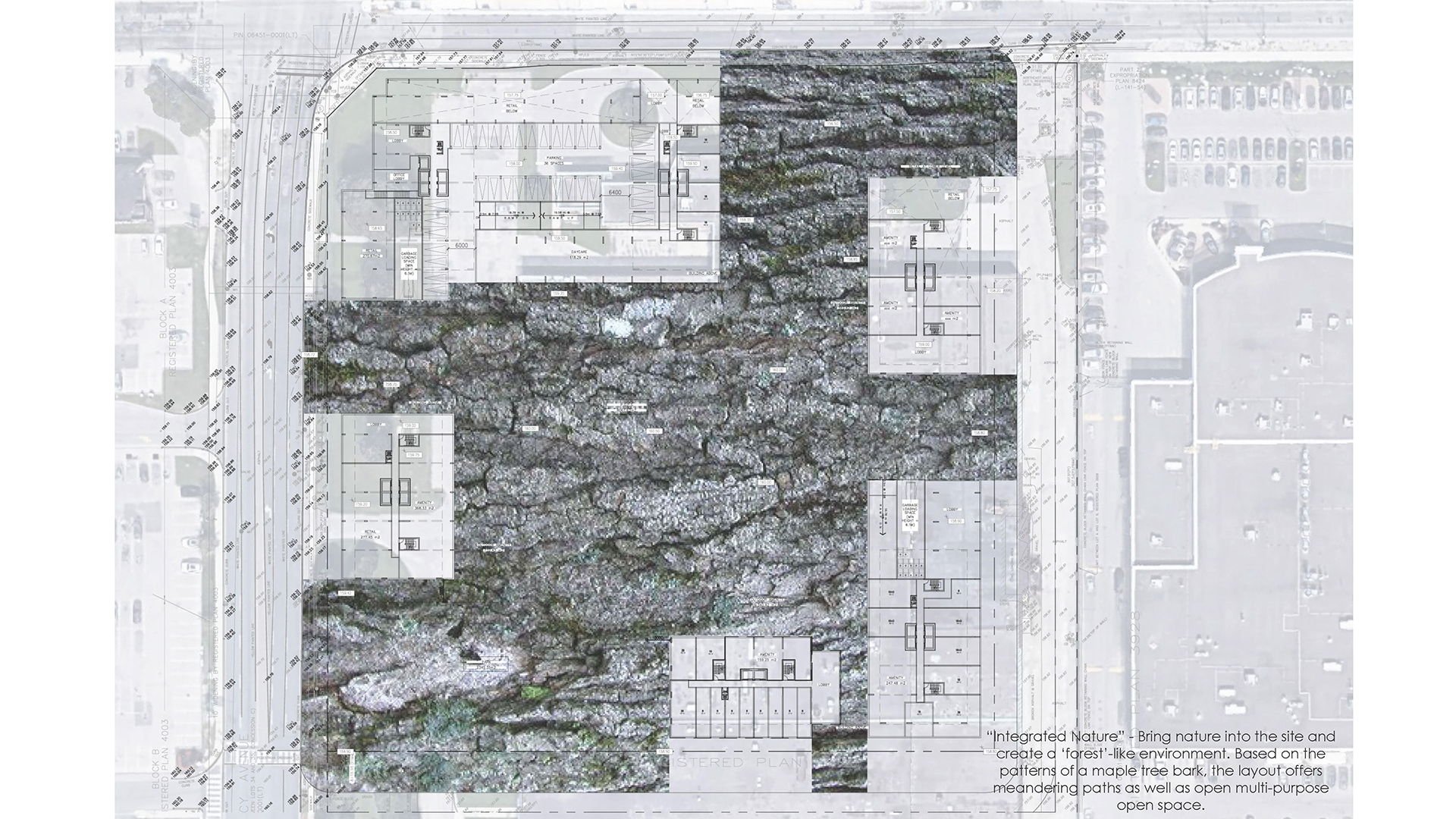
Despite these differences, certain needs are universal. Every community requires a healthy environment, a sense of place, opportunities for gathering, and access to nature. Whether the context is a hospital campus in California, a transit corridor in Calgary, or a public realm project in the Gulf, the objective of the work remains the same: to create spaces that support the wellbeing of the people who use them.
WLA | In your career, you have collaborated with some of the field’s most influential figures — Dan Kiley, George Hargreaves, and Peter Walker. What did you learn from these collaborations?
Working directly for Dan Kiley, George Hargreaves, and Peter Walker shaped the framework through which I approach design, in three distinct ways.
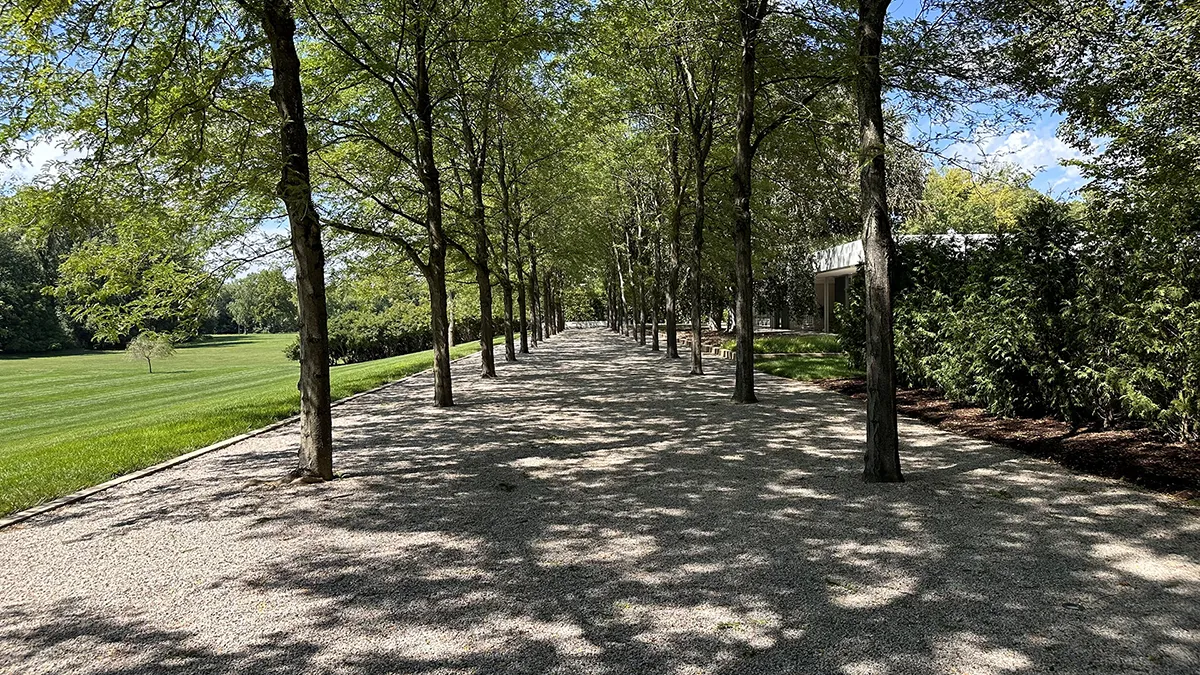
Kiley’s practice demonstrated the power of clarity and structure. He translated the clean lines and geometry of the French gardens of Le Nôtre into a vocabulary that paired well with the modernist architects he collaborated with, including I.M. Pei, Harry Weese, and Eero Saarinen. At the Miller House in Columbus, Indiana, this approach produced landscape rooms defined by trees and hedges, each framing a specific view. His work illustrates that formal structure, applied with clarity, produces not rigidity but a sequence of spatial experiences, unfolding as one moves through the landscape.
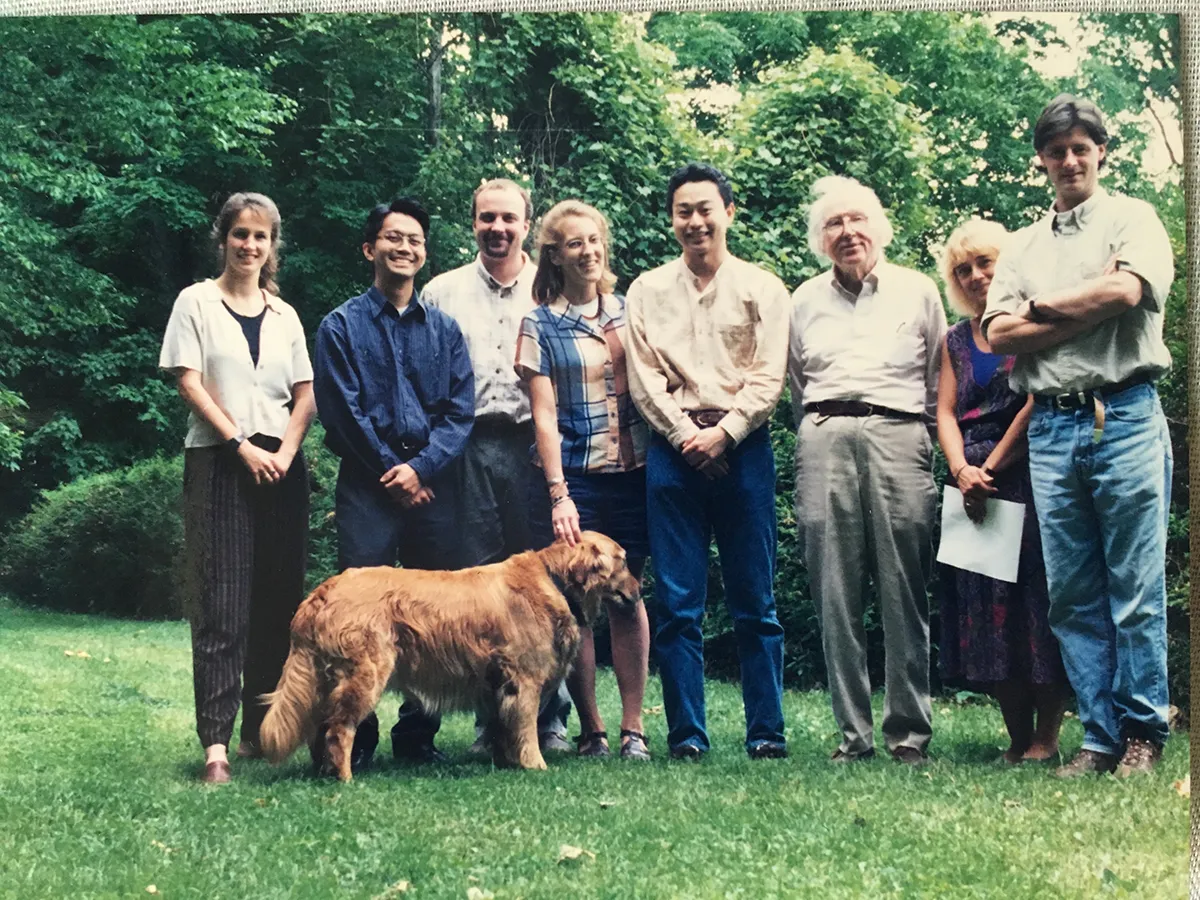
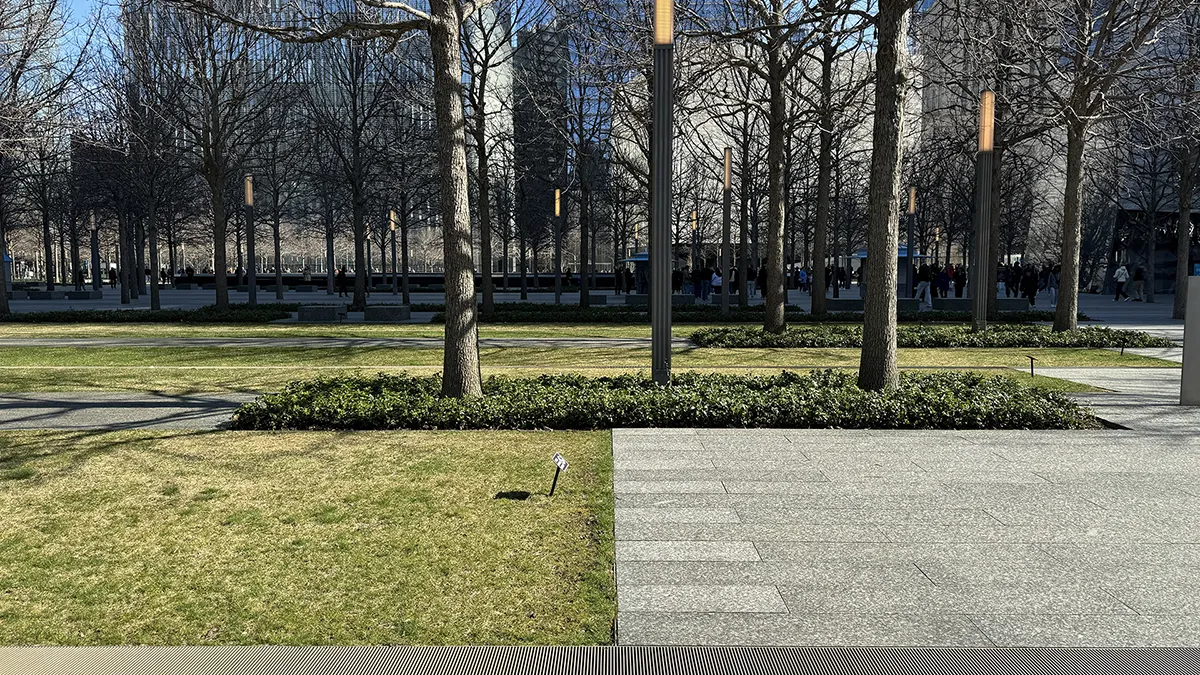
Walker’s practice brought rigor and precision to landscape architecture. He introduced a minimalist sensibility to the discipline, in which every detail carries weight and construction quality is inseparable from design intent. This is evident from his early work at the IBM Solana campus through to the National September 11 Memorial, where a banded pattern of trees and paving resolved immense site complexity without compromising the clarity of the composition.
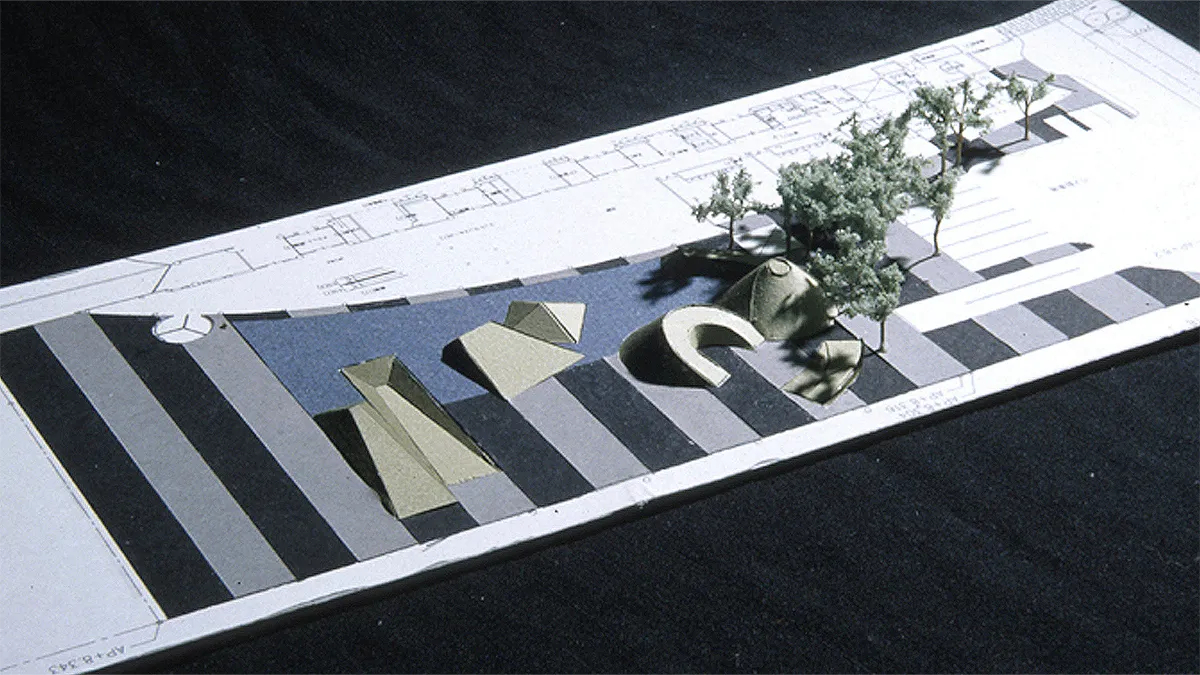
Hargreaves’s practice reframed landscape as active infrastructure rather than scenery. He approached large scale interventions with the ambition of land art, shaping earth to serve ecological and civic purposes simultaneously. His Guadalupe River Park in San Jose functions as both public open space and flood-mitigation infrastructure, while the landforms at West Bluff in Crissy Field create habitable gathering places and mitigate the site’s severe prevailing winds.
Together, these three practitioners established a framework in which structure, precision, and function operate as complementary tools. In my own practice, I continue to draw on this framework, seeking to bring clarity of structure, rigor of execution, and functional purpose together in every project I undertake.
WLA | How do you feel that the future of landscape architecture will evolve over the coming decades?
The most significant force shaping the future of landscape architecture over the coming decades will be artificial intelligence. AI is enabling a form of radical creativity at unprecedented speed, generating design permutations and analysis in a fraction of the time traditional methods require. This is a genuinely powerful tool, but its power demands responsible use.
What AI cannot do is create with true imagination. Innovation in this field has always come from singular moments of human ingenuity, moments shaped by emotion, intuition, and lived experience rather than computation. The paradigm shifts that defined modern landscape architecture, from the clarity Kiley brought to the discipline to the rigor Walker introduced and the infrastructural ambition of Hargreaves, were achieved without technology of any kind. That capacity for original thought remains, and will remain, uniquely human.
I believe the profession’s task in the coming decades is to find the appropriate middle ground between these two forces: the speed and efficiency that AI offers and the depth of traditional design experience and human judgment that no algorithm can replicate. Used well, and approached with a healthy dose of skepticism, AI can extend a designer’s capacity rather than replace their creative authority. Used carelessly, it risks flattening the profession into a homogenized output that lacks the socially conscious, empathetic, and site-specific thinking that landscape architecture requires. The future of the discipline depends on maintaining that balance, using new tools without surrendering the human judgment that has always been at the center of great design.
Thank you to Terence for taking the time to provide insights into his career and the future of landscape architecture.