

Stephanie Lau is a Senior Project Manager at EADG and a California-licensed landscape architect whose practice bridges design innovation across the Pacific. With over seven years of professional experience in California and now based in Hong Kong, she leads a diverse range of projects from concept through construction.
WLA recently had the chance to learn about her career in different countries and her advice for young designers.
WLA | What is your favourite part of being a landscape architect?
What I love most is the wide-ranging and dynamic nature of the discipline. Our training is uniquely holistic compared to many other built environment professions—it goes far beyond planting design to encompass site planning, ecological systems, climate resilience, and community engagement.

Because we are taught to look at the big picture and bridge so many different disciplines, there is still incredible untapped potential in what landscape architecture can achieve. It is exciting to be part of a profession where the boundaries are constantly expanding and there is always new territory to explore.
WLA | You have worked in the USA and China; how does landscape architecture (practice) differ in these countries?
Having practiced in both the US and Asia, the most notable differences come down to client dynamics, team hierarchy, and scope of work. Moving to Hong Kong was certainly a valuable learning curve as I adjusted to a distinct set of project mechanics and client expectations.
In the US, the client-consultant relationship tends to be highly collaborative and advisory. Clients often look to the professionals they hire to guide them through site constraints, weigh alternatives, and refine the program together. In contrast, the market in Hong Kong moves at an extraordinary pace and is driven by highly ambitious visioning. There is a strong emphasis on delivery and efficiency, where designers are expected to be exceptionally resourceful problem-solvers who can seamlessly integrate complex wish lists into reality.
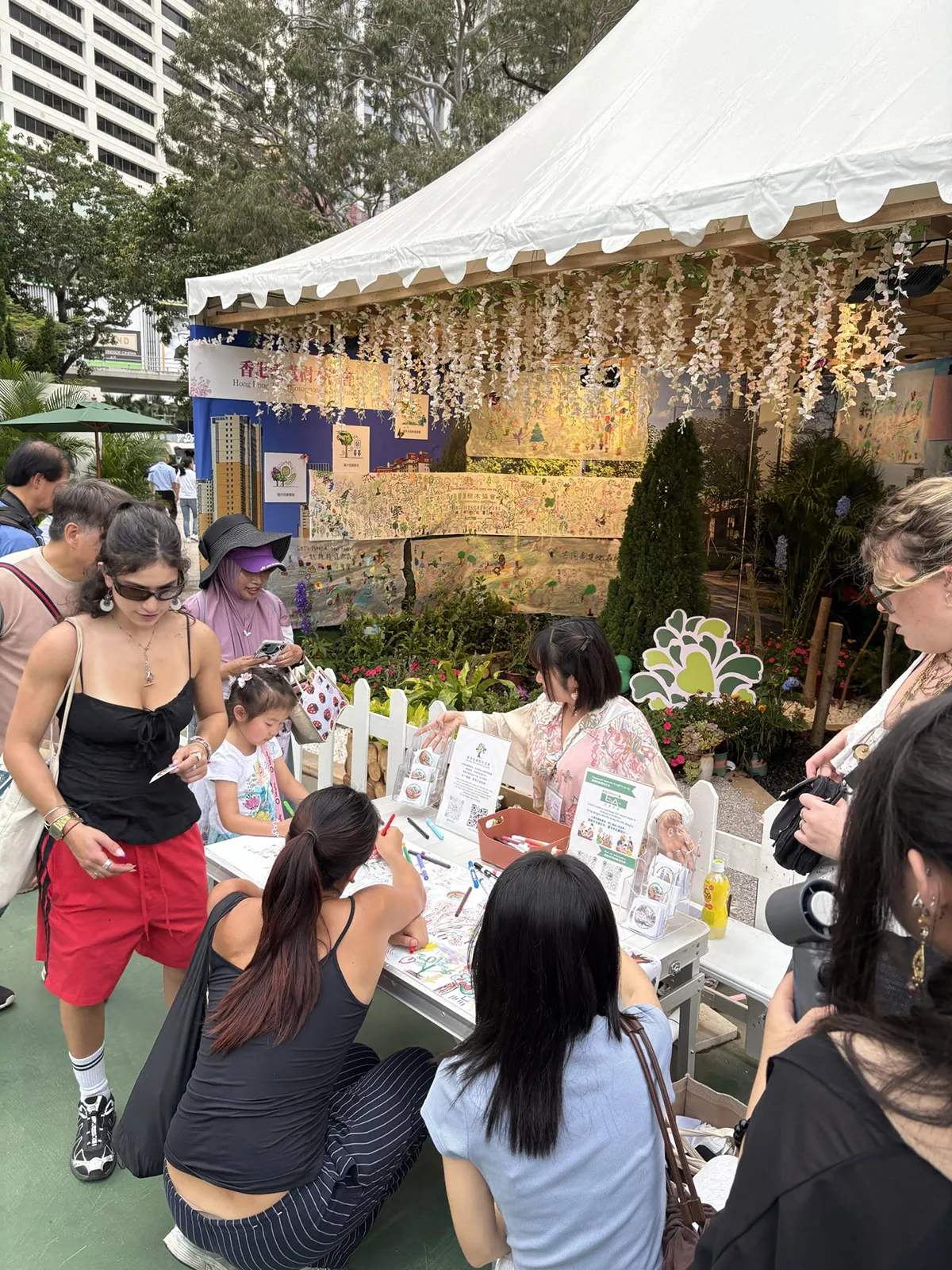
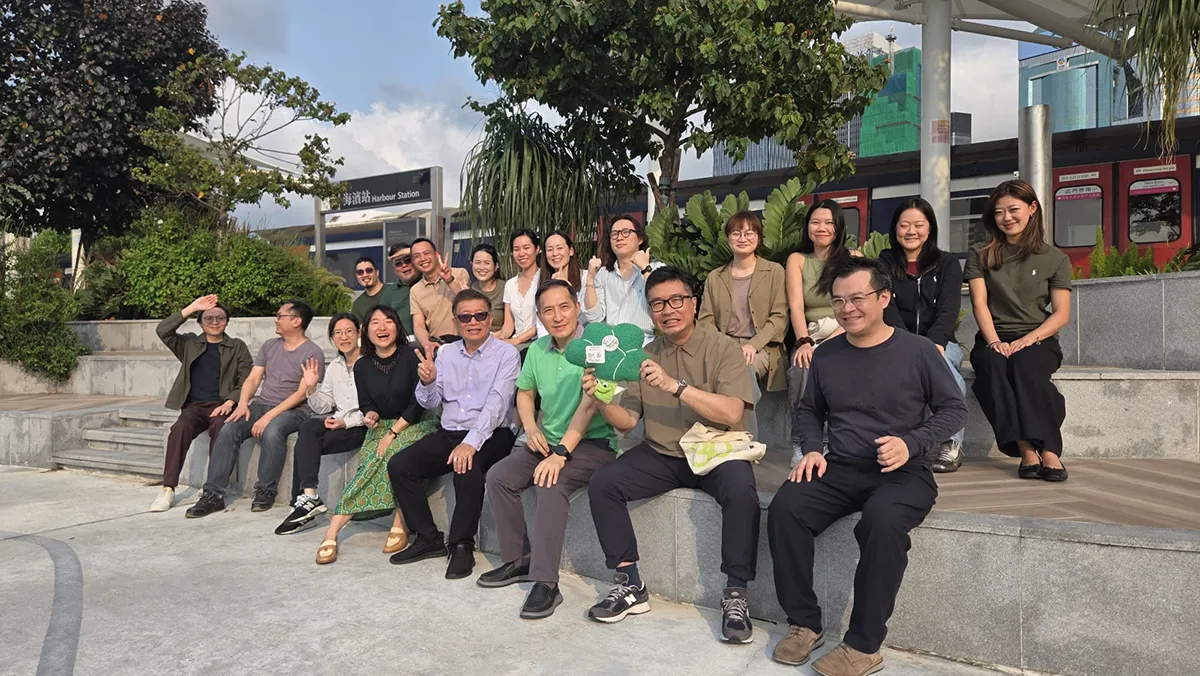
Scope also scales differently due to team structures. In the US, landscape architects often prime projects like small parks or urban plazas independently, taking on a broad spatial lead. In Hong Kong, even modest public space projects typically involve a full multidisciplinary team—including architects, structural engineers, and landscape designers—right from day one. While this focuses the landscape architect’s scope on specific spatial and ecological integration, it also creates a rich, highly coordinated team environment suited to dense urban environments.
WLA | What advice would you give young designers entering the landscape architecture profession?
While the nature of practice varies across regions, one constant is the importance of taking complete pride in the distinct value landscape architects bring to the table.
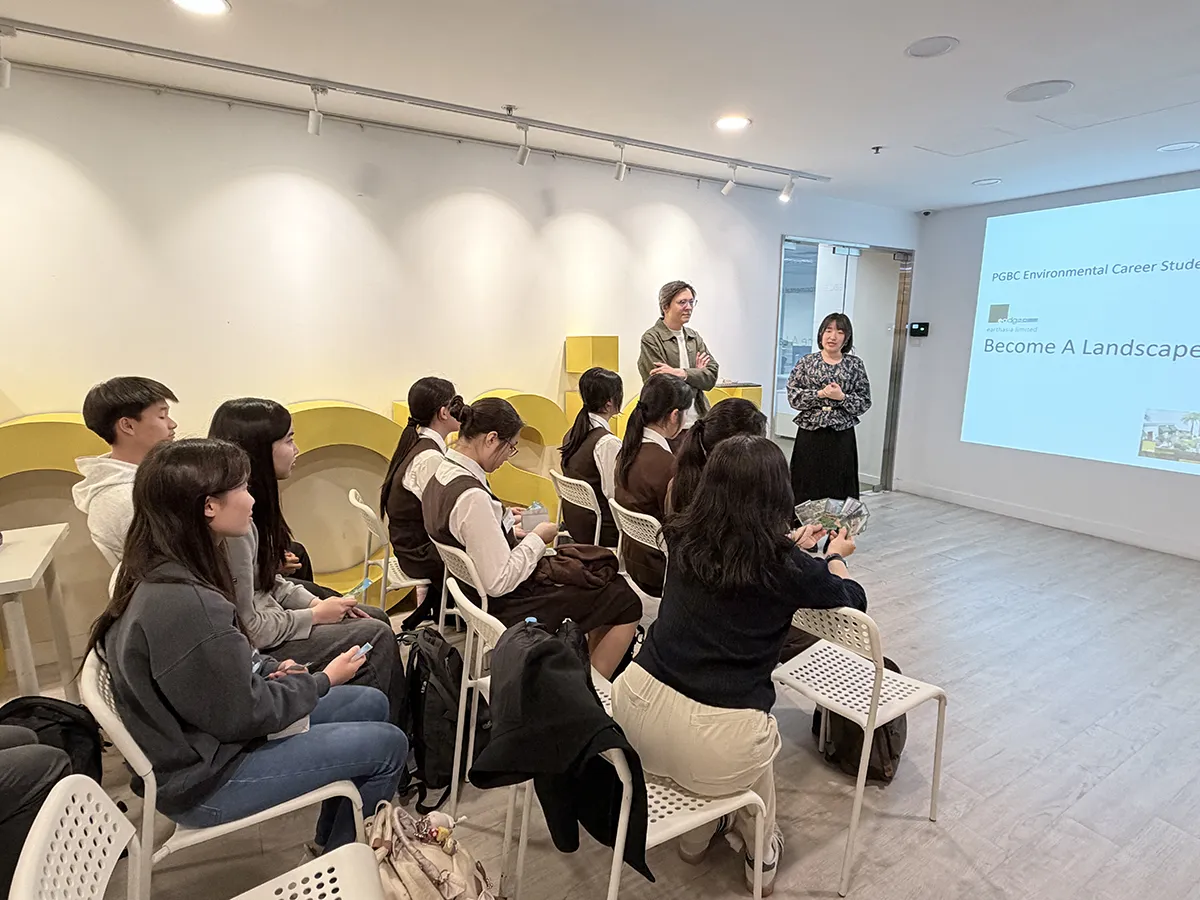
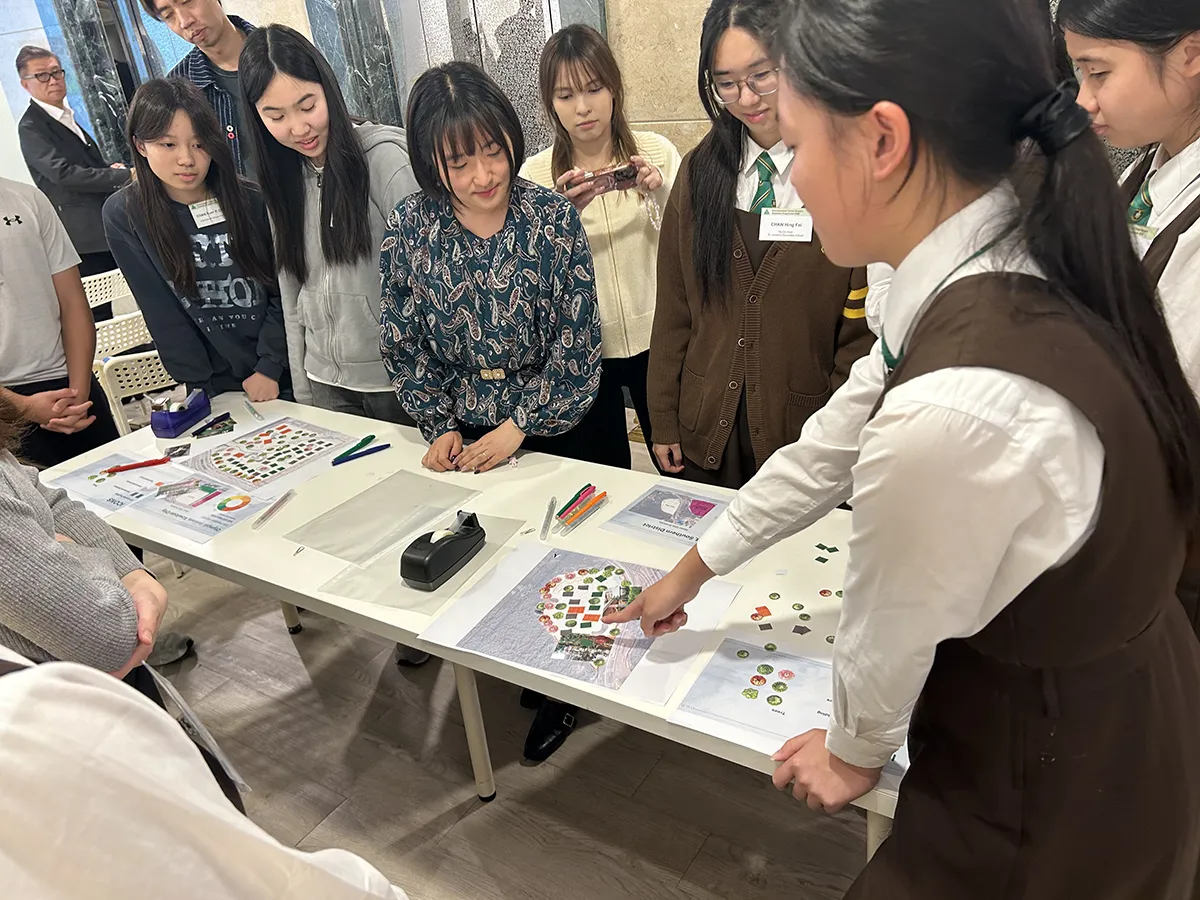
My biggest advice to young designers is to step up and own your seat at the design table with confidence. Because our work intersects with so many spatial, social, and ecological layers, it can be easy to underestimate our influence within a multidisciplinary team. Approach every project with high professional standards, rigor, and curiosity. When you show up as a proactive, collaborative, and equal partner alongside architects and engineers, you naturally elevate the entire team dynamic and shape how our profession is valued.
Thank you to Stephanie for taking the time to provide her thoughts on her career and advice for young designers.