
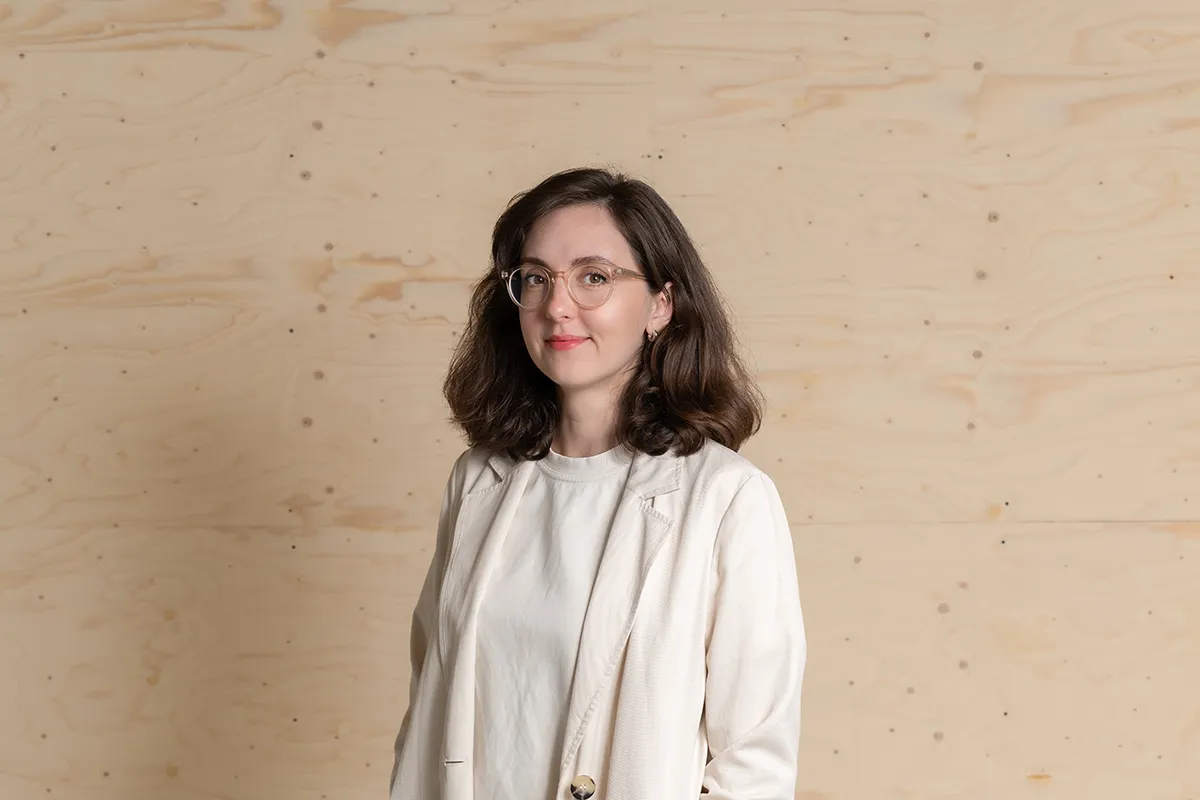
Natalia Andreeva is an Associate Partner, project leader, and architect at Felixx, graduated from the Moscow Architectural Institute, and holds a master’s degree from KU Leuven after an exchange program in Stuttgart. She has several years of experience as an architect, including an internship at IWT in Rotterdam. In 2023, she joined Felixx as an associate, leading projects that translate strategies into designs, addressing global challenges while respecting local cultures. WLA recently caught up with Natalia to learn more about her thoughts on collaboration, translating design to local context and leading a design team.
WLA | Working as an architect at Felixx, how do you feel is the best way to collaborate with other design disciplines?
Before joining Felixx, I worked as an architect for several years, which has given me a solid understanding of how architects think and operate. This background allows me to communicate ideas more effectively in a shared professional language and to anticipate their priorities and concerns. Because of this, I often find myself taking on the role of a translator within the team—bridging different disciplines, aligning perspectives, and ensuring that ideas are clearly understood across fields.
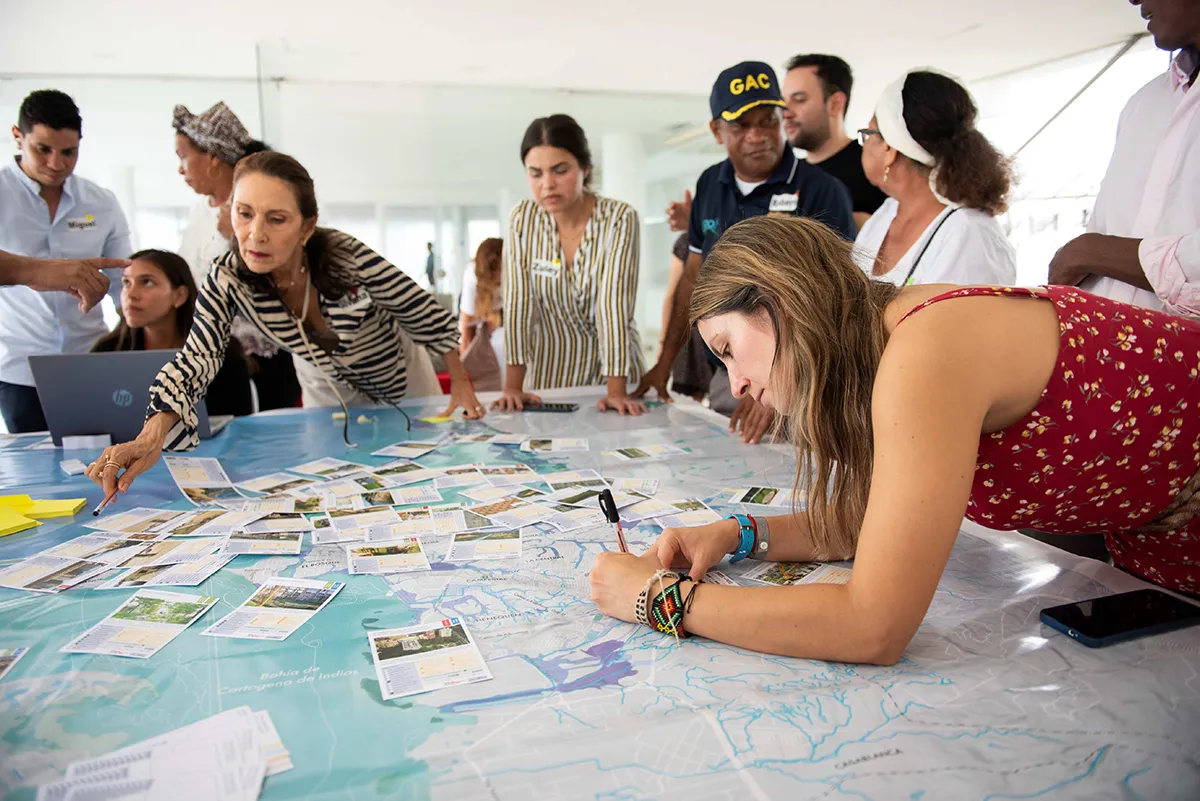
For me, at the core of good collaboration is basic empathy and curiosity: the ability to step into someone else’s position and genuinely understand their point of view. I’m particularly interested in what other disciplines bring to the table, as I believe innovation often comes from outside your own field. Fresh perspectives—especially from those not bound by the same assumptions—can challenge established ways of thinking and open up new possibilities.
The most successful interdisciplinary projects are those where authorship is collective rather than individual. This requires a flexible mindset: being willing to question your own assumptions and allowing others to actively shape the outcome.
WLA | How do you translate concepts into built projects that are aligned with local contexts?
At Felixx, both our team and project portfolio are highly international. Personally, I’ve lived and studied architecture in four different countries, which has given me a strong awareness of cultural diversity and the importance of localization in design.
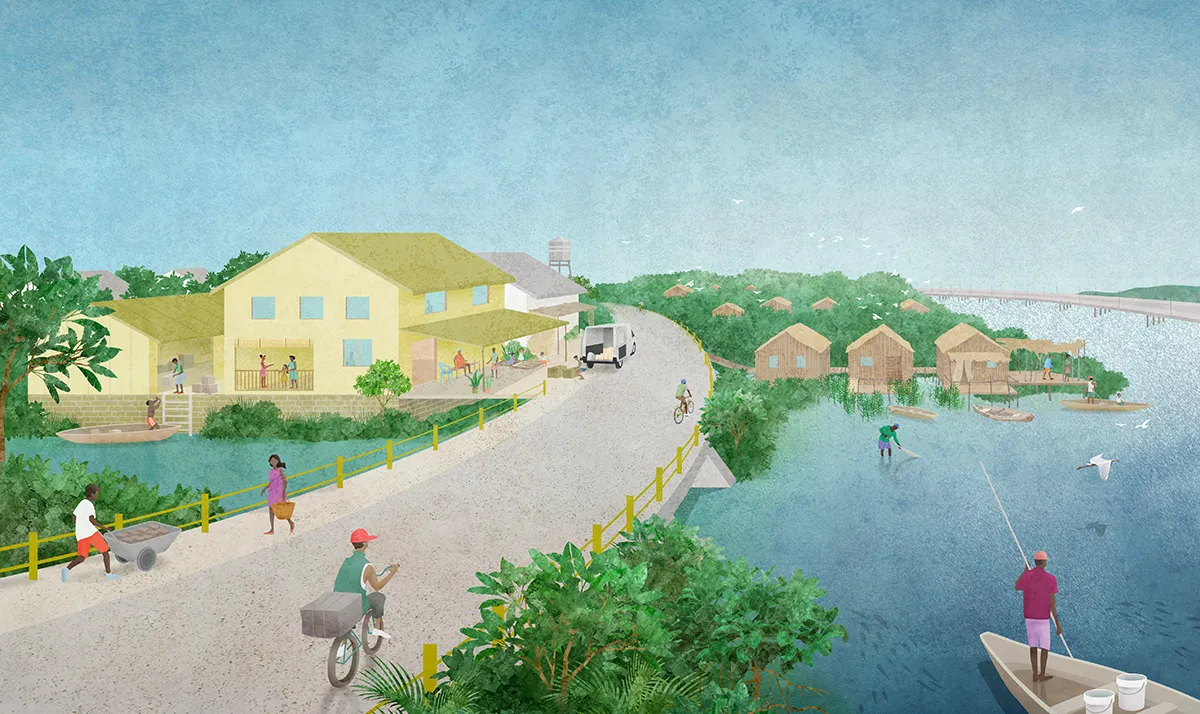
What may be perceived as a challenge in one context can be entirely ordinary in another. For instance, a relationship to water and floods. There have been instances where an issue identified through desk research was later dismissed by local stakeholders as irrelevant. This highlights the importance of remaining flexible and avoiding projecting your own assumptions onto a different cultural context.
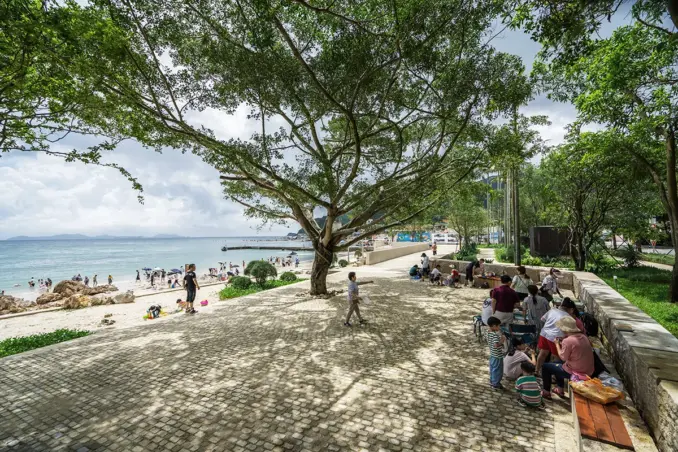
Whenever possible, it helps to collaborate with someone from the local culture. Otherwise, we rely on thorough research—understanding how public space is used, what defines a “successful” project in that context, and which materials are locally available.
Fieldwork is essential. Visiting the site, engaging with local partners—whether design offices, universities, or stakeholders—and organizing participatory sessions with local communities all help ground the project in its context. These steps ensure that the design is not only conceptually strong but also culturally and materially embedded in its surroundings.
WLA | What role does technology play in your design process?
I never begin with technology. My process always starts with sketching and building a narrative—understanding what I want to achieve before introducing any tools.
We’re living in a time with an abundance of software—sometimes too much. The real question is not which tools are available, but how and why we use them. Before turning to technology, it’s important to define the specific question you want it to answer.
For me, technology is a means to test ideas, validate assumptions, and strengthen the design—not the starting point. It should support and enhance the process, not drive it.
WLA | What are the key elements of leading a project team?
Strong leadership begins with recognizing and leveraging the strengths of each team member—placing the right people in the right roles. It’s equally important to give team members ownership and responsibility, so that not every decision depends on the project leader.
A good leader provides structure, support, and inspiration without micromanaging or overriding the team’s work. In fact, a well-functioning team is one that can continue progressing independently. Leadership for me is less about total control and more about enabling others to perform at their best.
Thank you to Natalia for taking the time to answer our questions and her thoughts about landscape architecture and design.