
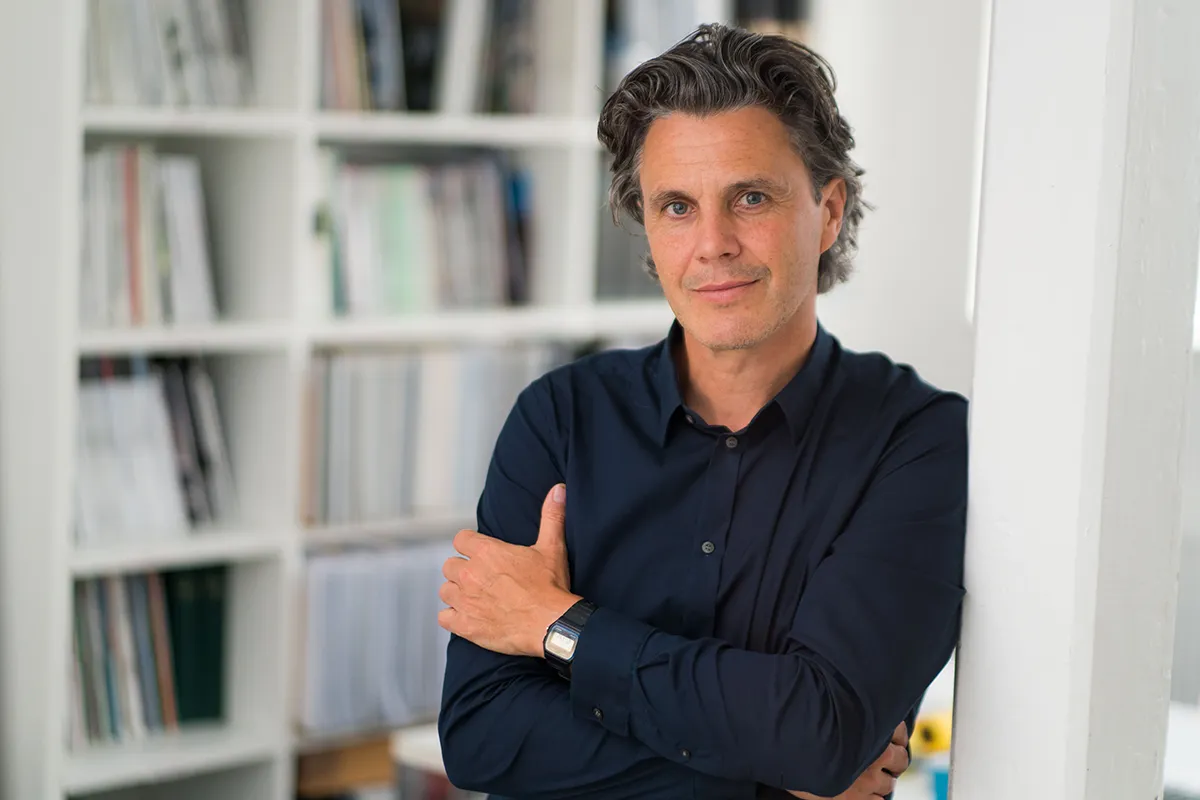
Keith French is a Director of Grant Associates and a landscape architect with over 30 years’ experience across a diverse range of UK and International projects. Keith has been at the heart of the company’s evolution since 1997, taking a personal, hands-on approach and fostering a collaborative spirit throughout the practice’s design work. WLA recently sat down with Keith to discuss all things landscape architecture.
WLA | As the industry moves toward 2030, how do you think landscape architects are evolving their approach to address climate change and biodiversity loss?
We believe the future of landscape architecture lies in two intertwined directions. First, we must create places that people connect with emotionally – landscapes that are memorable, sensory and rich in character, with identity, beauty and seasonal change. When people value a place, they care for and advocate for it.
Alongside this, we must elevate environmental performance through ecosystem-led design. This means integrating biodiversity, water management, soil health and carbon reduction as core drivers, not add-ons, and aligning our work with the UN Sustainable Development Goals; we can also show that landscape design can deliver positive outcomes.
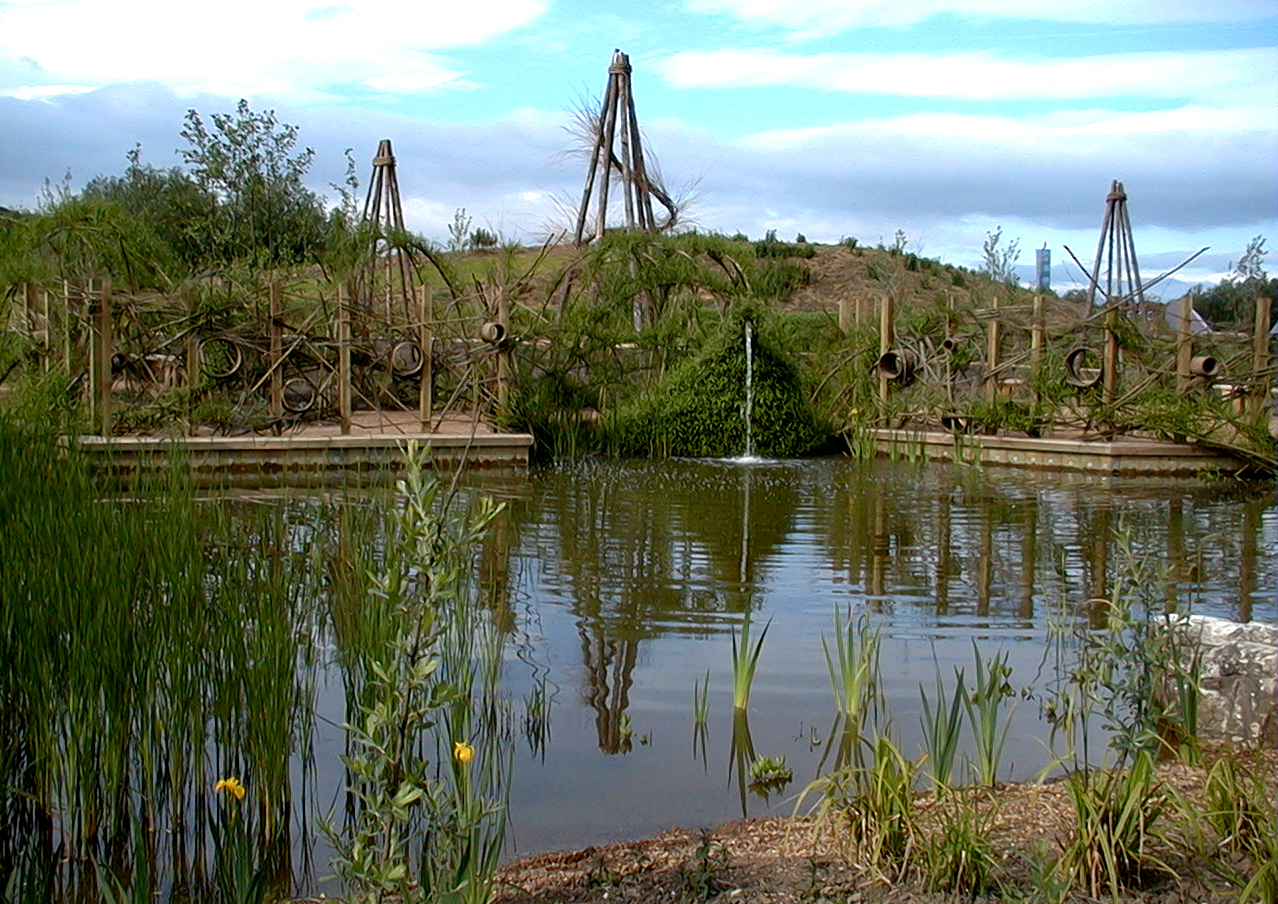
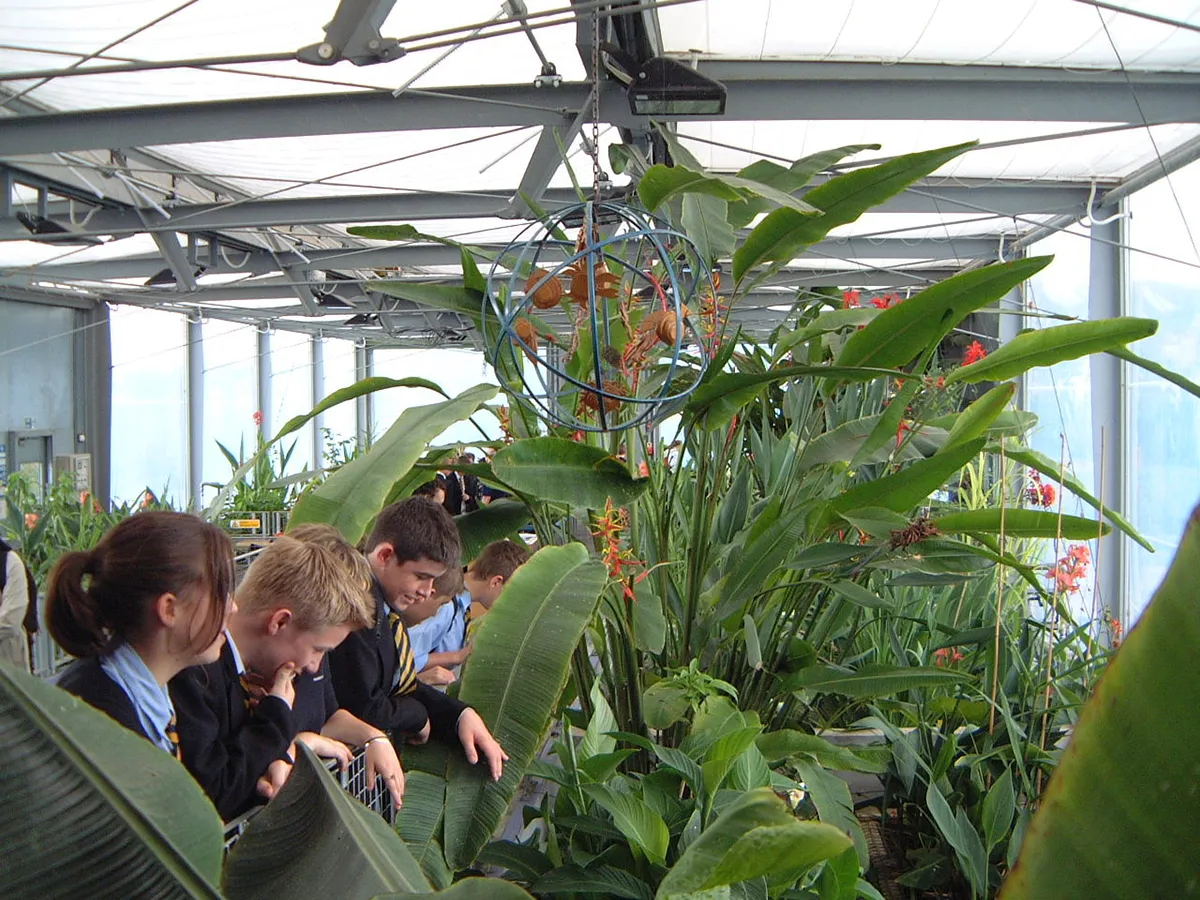
Our experience, from the Earth Centre to Gardens by the Bay, has demonstrated the value of this approach, embedding energy efficiency, water conservation and habitat creation into design. As we move towards 2030, landscape architects must lead with a systems-based, climate-responsive approach that delivers both meaningful places and measurable environmental outcomes.
WLA | Grant Associates emphasises “knowledge of human behaviour, nature and ecological science combined with innovative design technology”. How do you balance technology, nature and human behaviour in a fast-changing world?
Our aim is always to create places that feel intuitive, connected and emotionally engaging, while being underpinned by sound ecological and environmental logic.
Technology should be an enabler and not the driver and used to test ideas through 3D modelling of complex systems and to visualise future scenarios or environmental simulation. It has an important role in the design process and can help create intuitive, emotionally engaging spaces underpinned by ecological approaches. It can also assist in communicating ideas and deepening viewers’ understanding of the concepts.
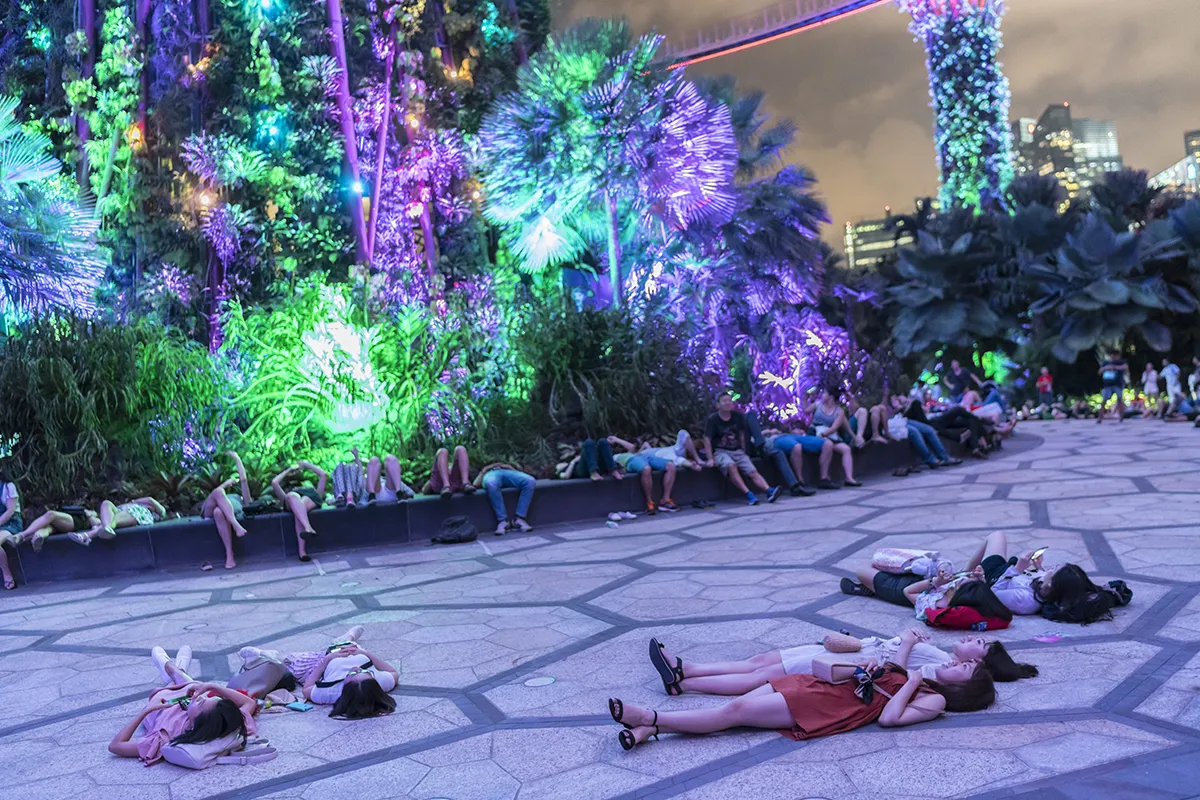
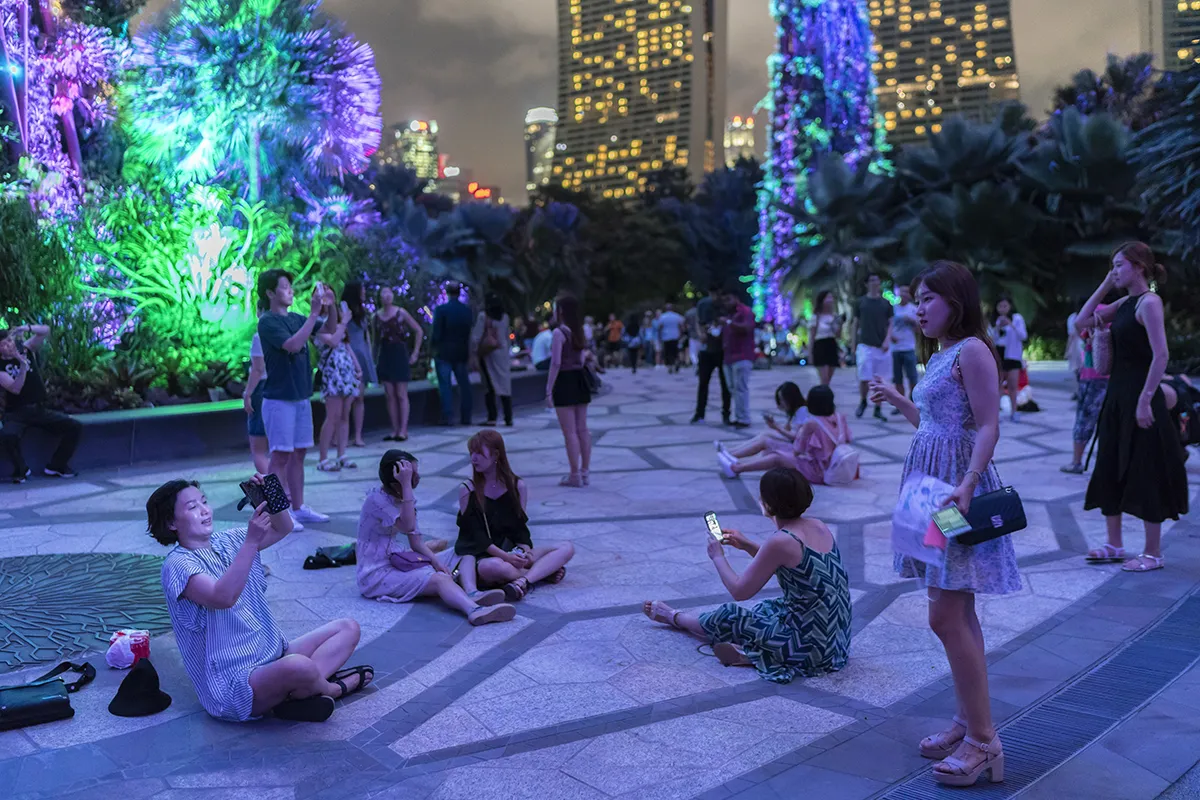
Technology can also be an overlay on the landscape to amplify the experience, such as at Gardens by the Bay, where we used technology in the Supertree Grove to bring people together and create an emotional and connected experience on a large city scale. The use of technology can move people, but it must be fully understood and evaluated in the context of the place and key principles.
WLA | Your practice has worked on a wide variety of projects, from airports to Housing. How do you shift your creative mindset between a project that enhances air travel and one focused on daily urban life in housing?
At Grant Associates we are fortunate to work across a wide range of scales, both local and global. Every project begins with an understanding of its context – its community, ecology, landscape, culture and purpose. Regardless of scale our approach is to create meaningful human experiences that reconnect people with nature while delivering strong environmental performance.
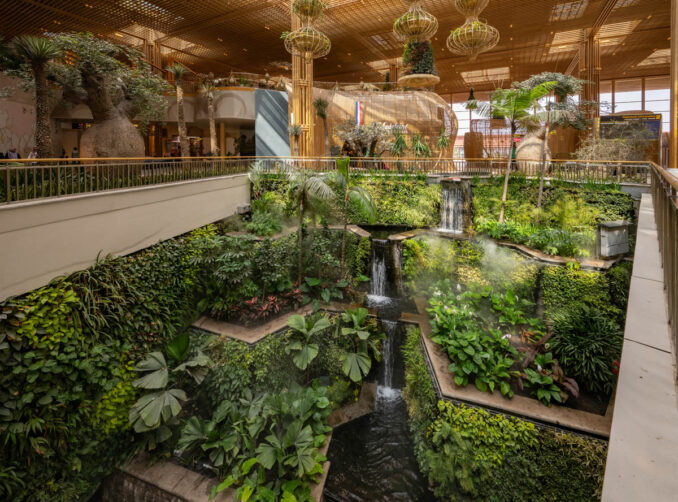
Each project demands a tailored response. At Terminal 2, Bangalore Airport, this led to the concept of a ‘terminal in a garden,’ inspired by the city’s identity as the Garden City. The design reimagines the passenger journey as a sequence of landscape-framed spaces – calm, immersive and distinctive – featuring forest belts, water gardens and hanging planting. These elements not only shape experience and identity but also contribute to environmental performance, including cooling and rainwater harvesting, creating an integrated and place-specific design.
WLA | Grant Associates has designed many different projects over almost 30 years. What is the one element that tells you that a project was a success?
For me, it’s life – human life and ecological life.
Transformation acts as a key indicator of success in our projects. When we see meaningful change and connectivity in our projects, whether through urban ecology or people reconnecting with places, we feel that it is a success.
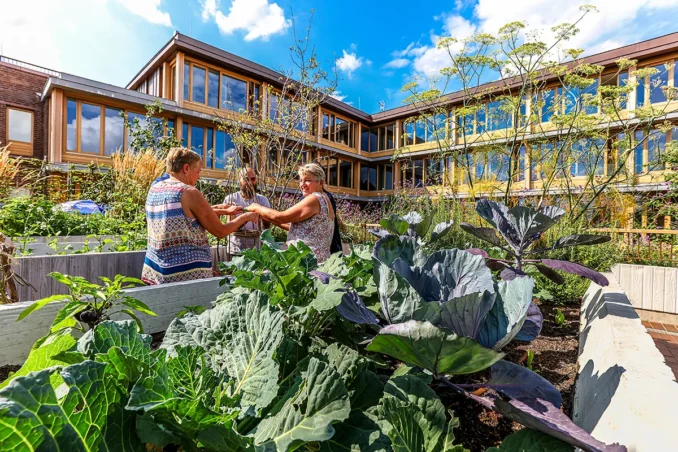
Examples include Gardens by the Bay with people lying beneath the Supertrees, lost in light and sound, or at Appleby Blue in Bermondsey, London seeing residents gardening, on the roof, even guerrilla-style. The Brentford Project is about connection and movement, linking high street to water, restoring paths, and quietly bringing nature and biodiversity back into the city. We observe people connecting with the spaces, using them in unexpected ways, and taking ownership of them.
So, I think quality and diversity of life and emotion are key performance indicators to how a project can be transformative
WLA | Young landscape architects entering the field today, what is the most critical skill or mindset they need to develop?
It is a challenging time for the profession, with inherent responsibilities and a shift in context in how we work due to climate change, social change, and economic change.
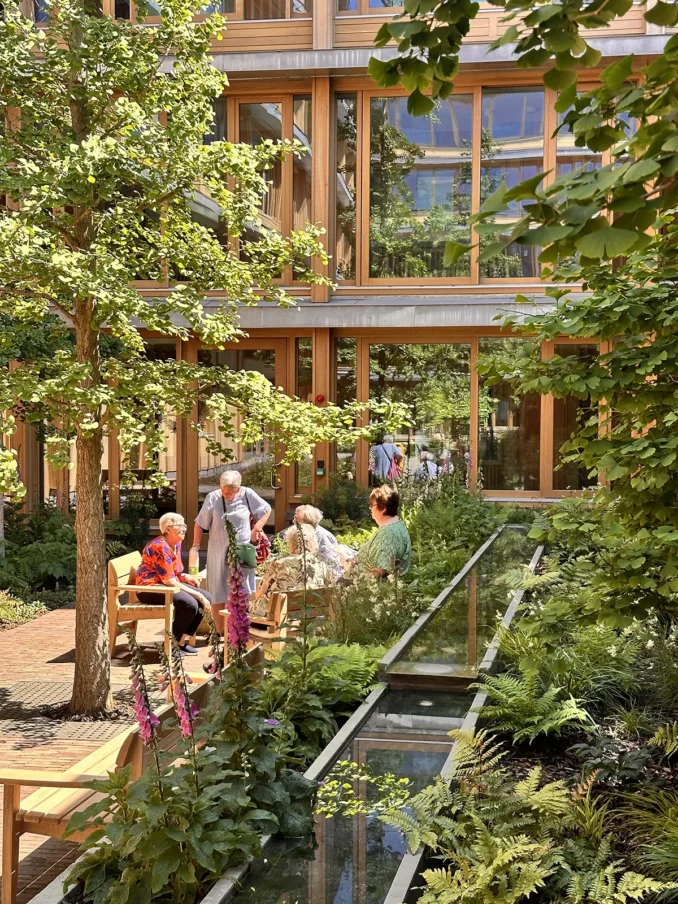
For young landscape architects, it is important to ask questions, work collaboratively, and treat sites as places for repair, to be regenerated and not replaced. Young designers should see landscape as a vital infrastructure that requires greater strategic thinking, optimism, and long-term commitment. There is also a need to remember that there are no fixed answers and that, as designers, we are inherently inquisitive and optimistic, looking to young designers to create positive futures.
Developing this collaborative leadership mindset and more research alongside curiosity and persistence, will be essential for the next generation.
Thank you to Keith for taking the time to answer WLA’s questions and give his thoughts on the industry and its future.