

As a Senior Landscape Architect at RIOS, John Pearson has over 15 years of experience seeing complex projects from schematic design through construction observation. He brings his interest in the social and cultural factors of design, as well as extensive horticultural expertise, to every project. Born and raised in Los Angeles, John has a special interest in projects that enhance the urban landscape experience for Southern California residents. WLA recently had the chance to hear about his plant obsession and working on projects in the USA and Mexico.
WLA | Working in Los Angeles as a landscape architect, there are several local narratives you can draw on. Do these directly impact your material choices or planting palette?
Los Angeles is a million cities within one city, and new narratives are emerging as our city and our profession grow more connected to sustainability, social justice, and other pressing topics like fire mitigation, immigration, and public protest. My family lost their home in the Altadena fire last year, and that has focused me on research on fire resilient design as I help them and other families prepare to rebuild. I also continue to draw inspiration from the layered and sometimes controversial history of Los Angeles, from the criminalization of shade that shaped Pershing Square to the increasingly archaic Rose Parade that began as a way to make our East Coast relatives envious of our mild winters.
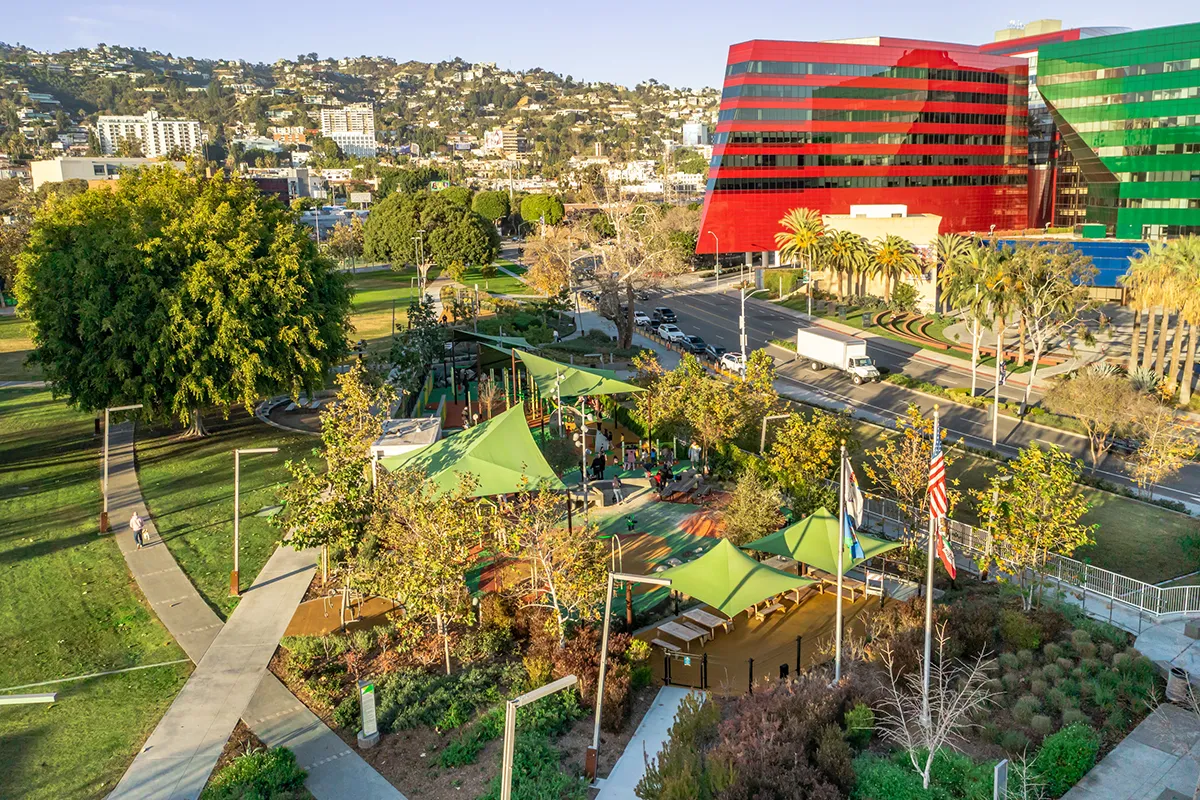
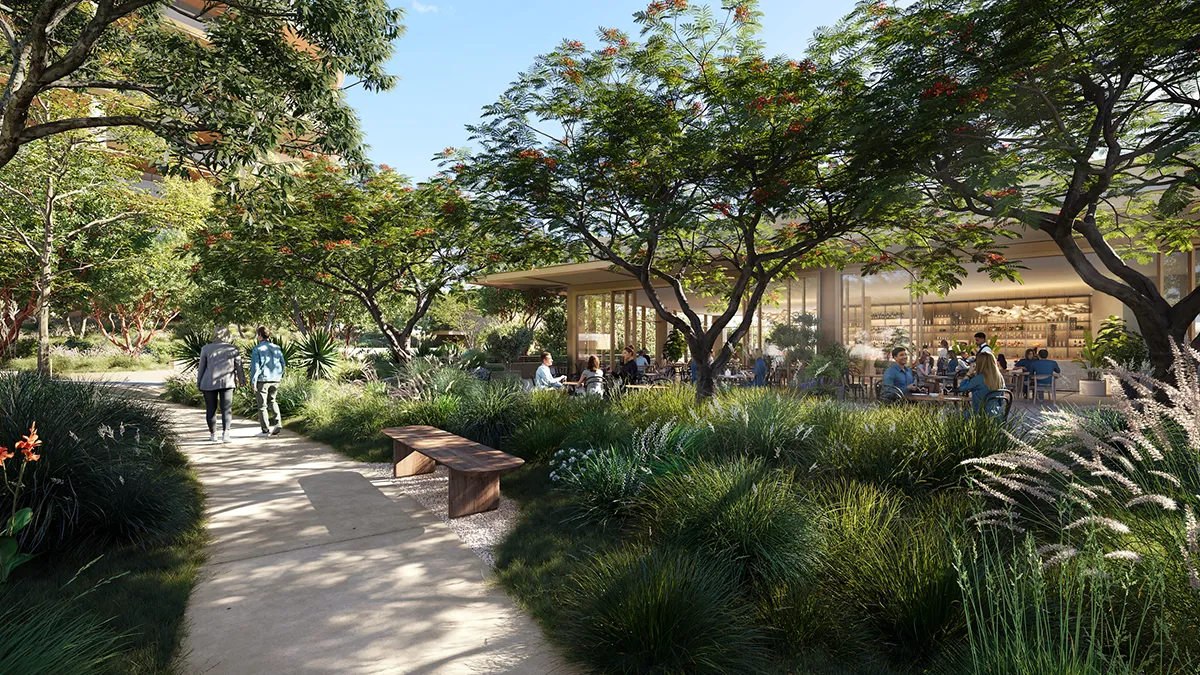
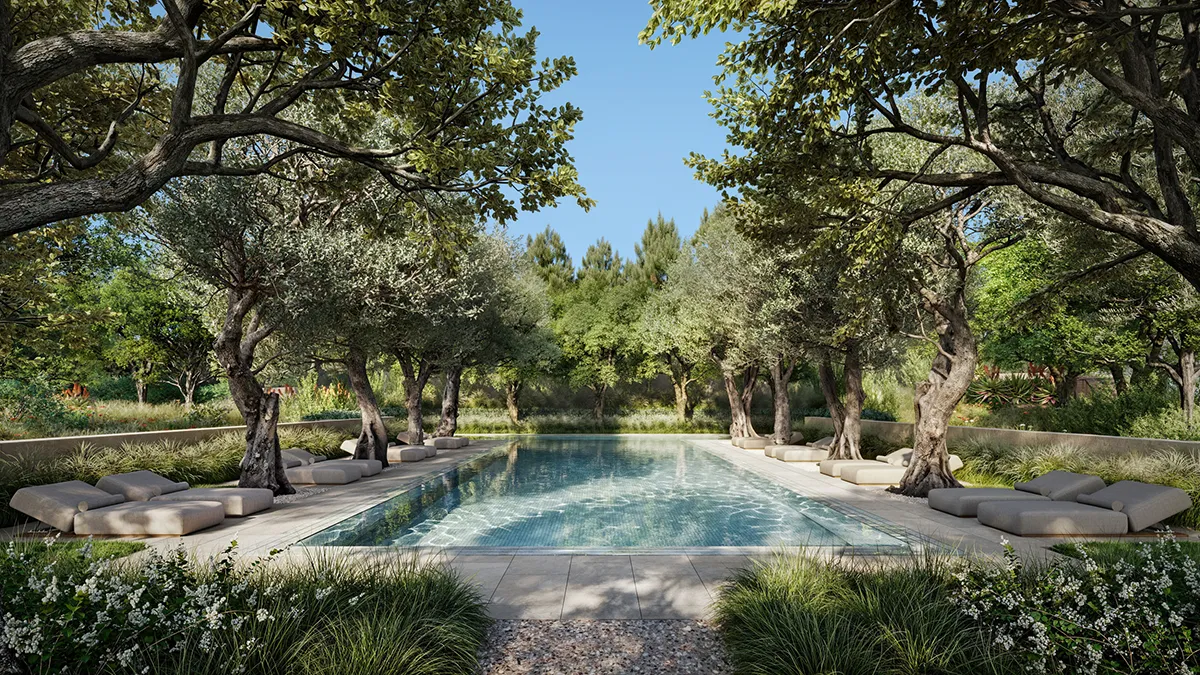
One narrative I find myself revisiting is the modern settlement of Los Angeles and Beverly Hills, which became the inspiration for our landscape at One Beverly Hills, a combination of public botanic gardens, hotel, and residences located on the original site of Beverly Hills Nurseries. That nursery helped shape the cultivated California landscape by introducing plants from multiple Mediterranean climates, and we are learning how to carry that forward into a more California-native and waterwise palette that still feels classically “Beverly Hills.”
WLA | You have a substack called ”Hot Plant Tips”. What made you start this initiative?
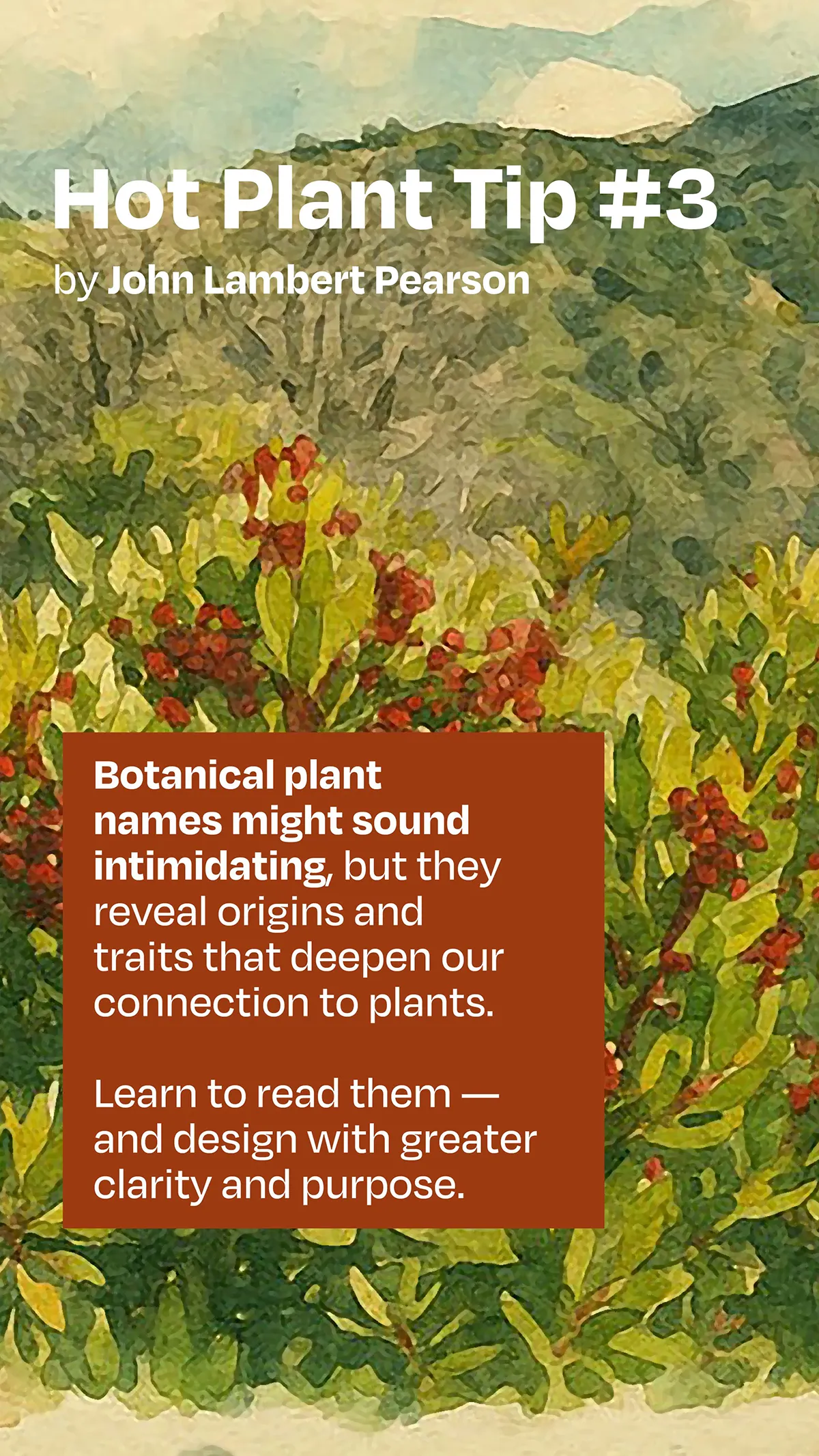
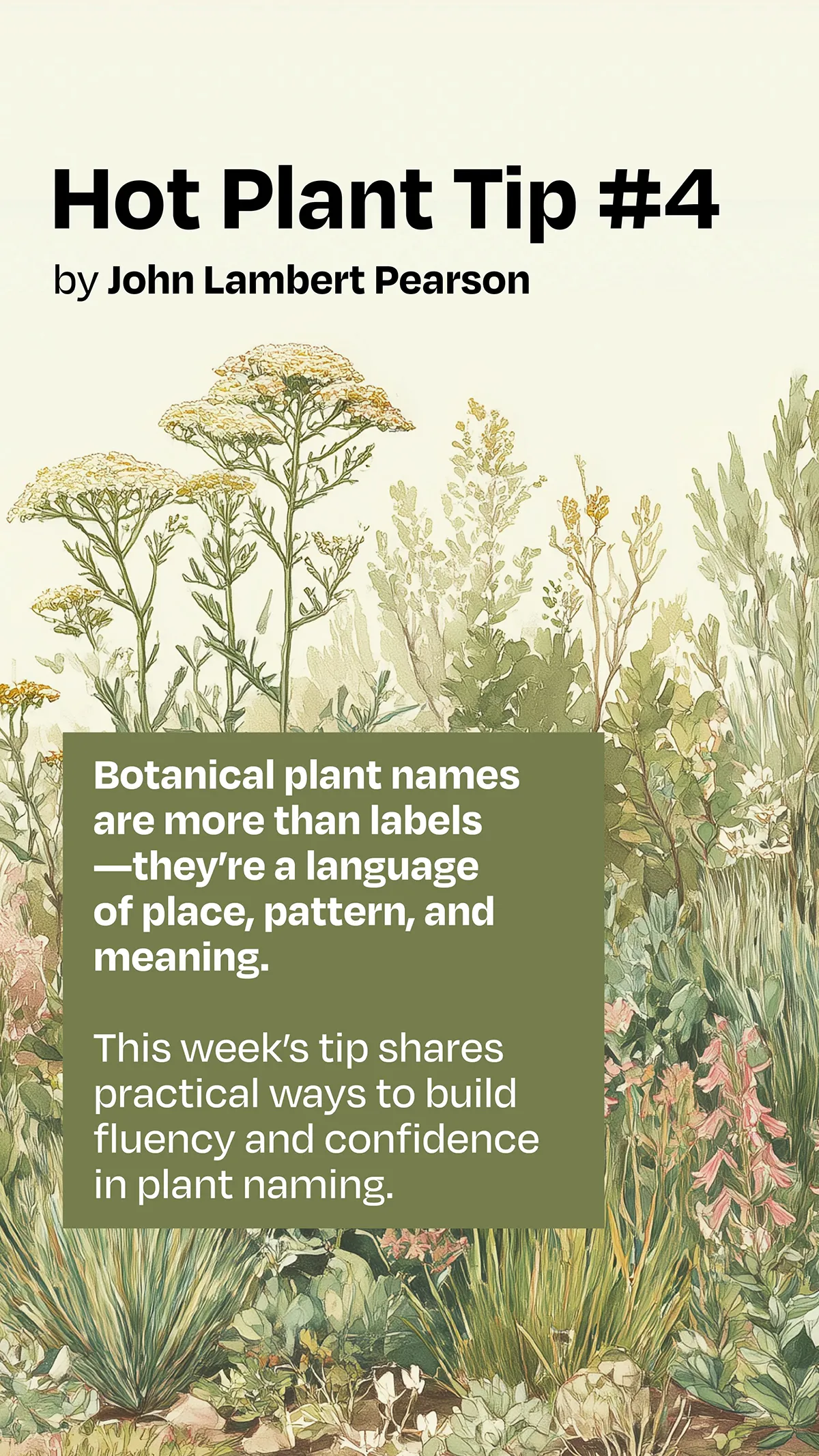
Hot Plant Tips is the accumulation of a plant obsession that started when I began volunteering in botanical gardens like Descanso as a child, planting a Native Plant Garden at my elementary school, and reading the Sunset Western Garden book before falling asleep every night, and it continues today through my collections of cactus, Haworthias, and Begonias that I tend to before starting my workday. I used to think this level of botanical interest was standard for landscape architects, but I now understand that everyone comes to the profession with a different level of familiarity with plants. The Substack started last year as we made a concerted effort to improve the planting design process at RIOS. I was reviewing planting plans and seeing the same issues repeated, and I wanted to address them in a way that could help both our team and a broader audience. After writing articles about home gardens for the Beverly Hills Courier during quarantine, I realized I enjoyed writing about plants, and now Hot Plant Tips has become a weekly post that ranges from constructability to botanical history to topics like ants, perfume, and floriography (the lost Victorian art of communicating through flower arrangement).
WLA | Working for an international firm like RIOS. Do you work on local, USA, or international projects?
At RIOS, I have had the opportunity to work on projects all over the world, and I am energized by the balance of global and local work. With local projects, I get to work on places in Los Angeles that I grew up visiting, like Huntington Gardens and Descanso Gardens, and there is a different level of familiarity that comes from designing in a place you have known for decades while collaborating with specialists who bring their own perspectives on the city. Working internationally has expanded my understanding of planting, particularly through work in places like Mexico, as I have long been interested in desert landscapes. Across these projects, we have developed a process that focuses on understanding native species, nursery practices, and local expertise in horticulture, soil health, and irrigation so that our planting design is grounded in the realities of each place.
WLA | What is one skill that new landscape architects need to master?
I think more important than learning a specific computer program is the ability to get other people excited about the natural world, and I find that telling stories about Los Angeles and its plant and animal life catches people’s attention and pushes me to dig further into the history of the places where I grew up. That process has led me to books and research that have revealed connections I would not otherwise have known, and it has deepened my relationship with my hometown. We live in a world that is changing quickly and can feel bleak at times, but as landscape architects, we create outdoor spaces, engage people with them, and experience them ourselves. That responsibility extends across everything from neighborhood parks to university campuses to hospital gardens, and it requires us to communicate the value of those spaces clearly.
Thanks to John for sharing his insights on plants, his experience with overseas projects, and useful tips for new landscape architects.
Image Credit: Courtesy of RIOS or as otherwise captioned.