
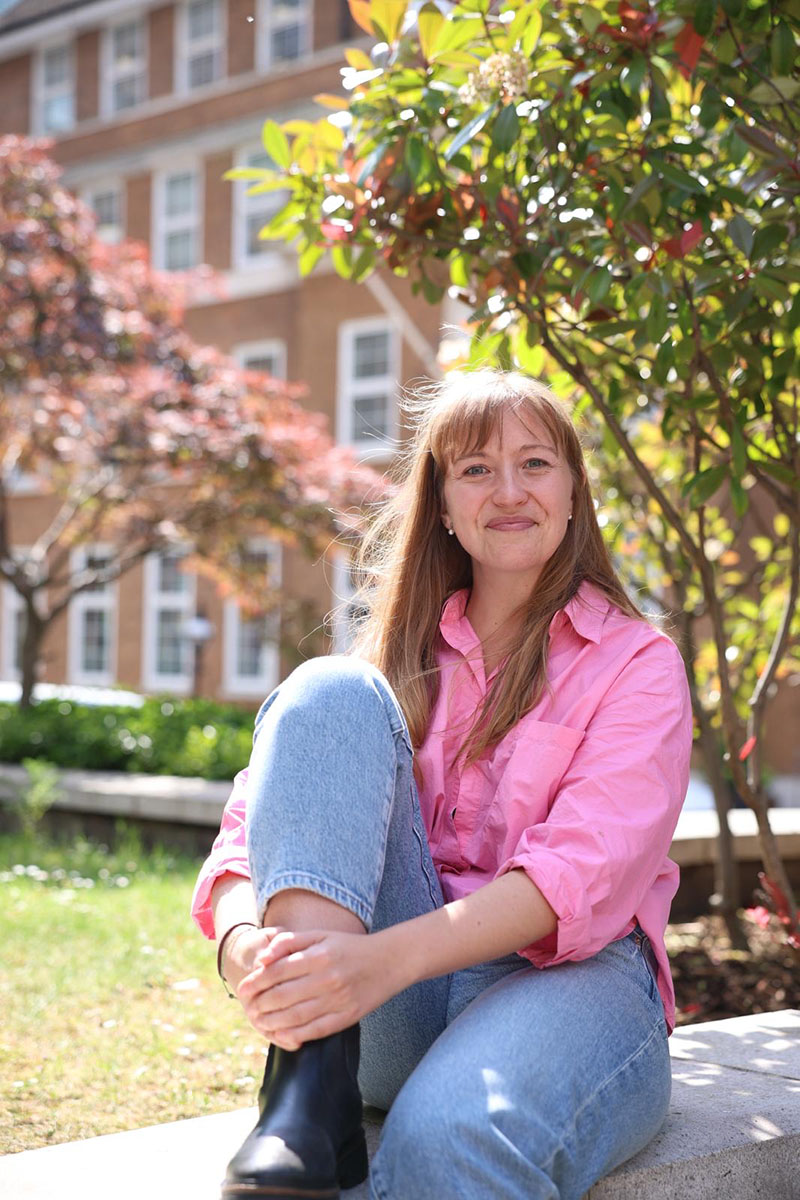
Helen is a people-focused Senior Urban Designer at Benoy with over half a decade of experience delivering complex masterplans and public realm strategies across the UK, the Middle East, Central Asia and Africa. Her work combines design excellence with deep stakeholder engagement, shaped by extended postings in Jeddah where she built strong, ongoing relationships with clients and government stakeholders. Key projects include public realm design and activation for Jeddah Central Development, the Ilorin Masterplan 2040, and various complex public realm designs.
Helen holds a First Class degree in History and Spanish from UCL and an MPlan in City Planning and Urban Design with Distinction from the Bartlett. Her practice is rooted in inclusive, holistic thinking—connecting landscape, social context, and urban systems to create public spaces that are meaningful, resilient, and alive with human activity.
WLA recently had the opportunity to learn about Helen’s work across different countries and her indirect route in becoming a landscape architect.
WLA | You have worked in several countries, including the UK, Middle East, Central Asia and Africa. Are there similarities in urban design across these countries?
Working across these regions has shown me that while the cultural and climatic contexts vary significantly, many of the underlying urban challenges are remarkably similar.
Across all regions, there is a need to create high-quality public spaces where community life can happen. Streets, parks and plazas are often where people gather most naturally, but they are also the spaces most exposed to climate pressures. As a result, they play a significant role in determining how environmentally and socially successful a place becomes.
Climate and existing physical landscape attributes are always key drivers. Whether it is managing water in the UK or designing for extreme heat in the Middle East, there is a common need to make outdoor spaces comfortable and walkable. That often means integrating nature-based solutions from the outset, whether through flood mitigation, ecological corridors, shading strategies or drought-tolerant planting.
Access to nature and open space is another shared priority, particularly in dense urban environments. While the way communities use these spaces may differ culturally, the need for inclusive and well-designed public space is universal.
WLA | You’ve had an unconventional trajectory into the profession. What inspired you to move into the landscape field?
My route into landscape architecture has been quite indirect, but the common thread has always been an interest in how people experience public space and how design can improve everyday life.
One of my earliest influences was my dad, who led a local campaign to protect an informal pedestrian route used every day by residents and schoolchildren. Although the path was never officially recorded as a Right of Way, we were ultimately able to preserve it. That experience showed me how easily the routes people naturally take through places can be overlooked in design.
I later completed a master’s in city planning and urban design, researching how pregnant women and new mothers experienced public space during the COVID-19 pandemic. It reinforced how seemingly small design decisions, such as seating, shade and accessibility, can have a significant impact on people’s daily lives.
Working as an urban designer across Africa and the Middle East, I became increasingly drawn to landscape-led thinking. On large-scale projects, particularly in hotter climates, I found that the success of places often depended less on individual buildings and more on the quality and environmental performance of the spaces between them.
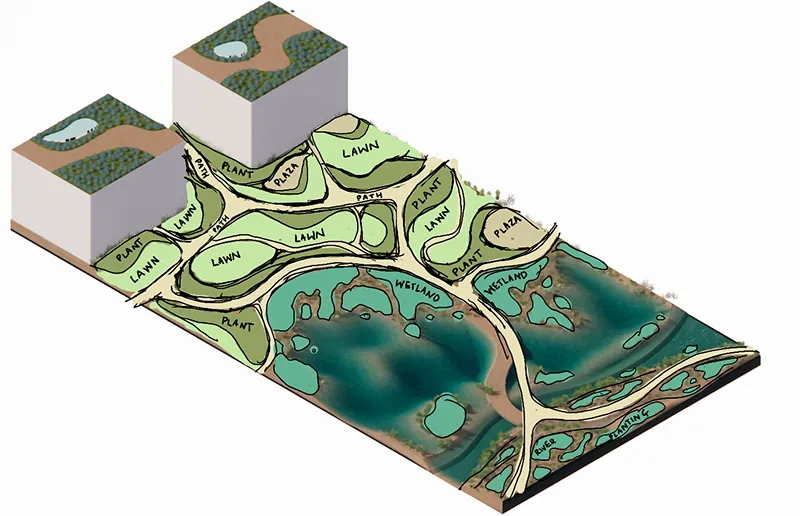
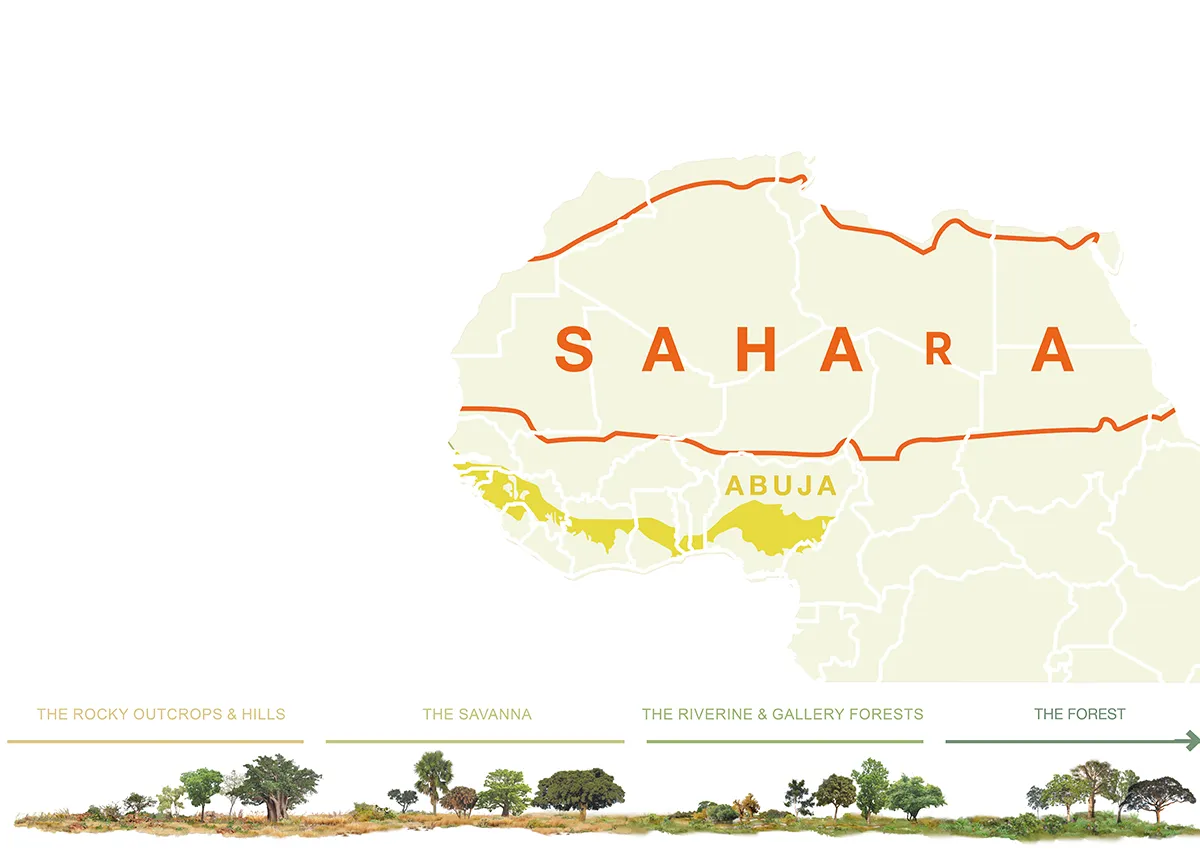
Since moving into landscape architecture, I have developed a much deeper understanding of how open space shapes the success of a place. Working across scales, from detailed public realm projects to large masterplans, has helped me better understand how the location, size and design of parks, plazas and streets influence movement, comfort and use. Pedestrian desire lines remain central to my approach, as successful spaces need a clear purpose and reason for people to use them.
Landscape architecture has also changed how I think about the land itself. As an urban designer, I did not fully appreciate how topography, drainage, hydrology and ecology can inform the structure of a project from the outset. Learning to work with these systems has reinforced the importance of integrating nature, water management and accessibility into the design process from the beginning.
I am currently pursuing landscape chartership as the next step in my professional development. What continues to draw me to landscape architecture is its ability to combine environmental performance, public life and long-term resilience while remaining firmly focused on people.
WLA | How can landscape architects take a more strategic role in projects?
Landscape architects can take a more strategic role by being involved much earlier in the design process and by grounding projects in a clear understanding of the land itself.
In a changing climate, understanding topography, hydrology and ecology at the start of the design process is increasingly important. Early decisions around water management, biodiversity and open space networks fundamentally shape how adaptable a place becomes over time.
Landscape-led master planning is also about thinking carefully about where public life happens. Successful places are usually those where people spend time outdoors, whether on streets, in parks or in plazas. That means considering the scale of spaces, walkability, programming and how surrounding uses activate them.
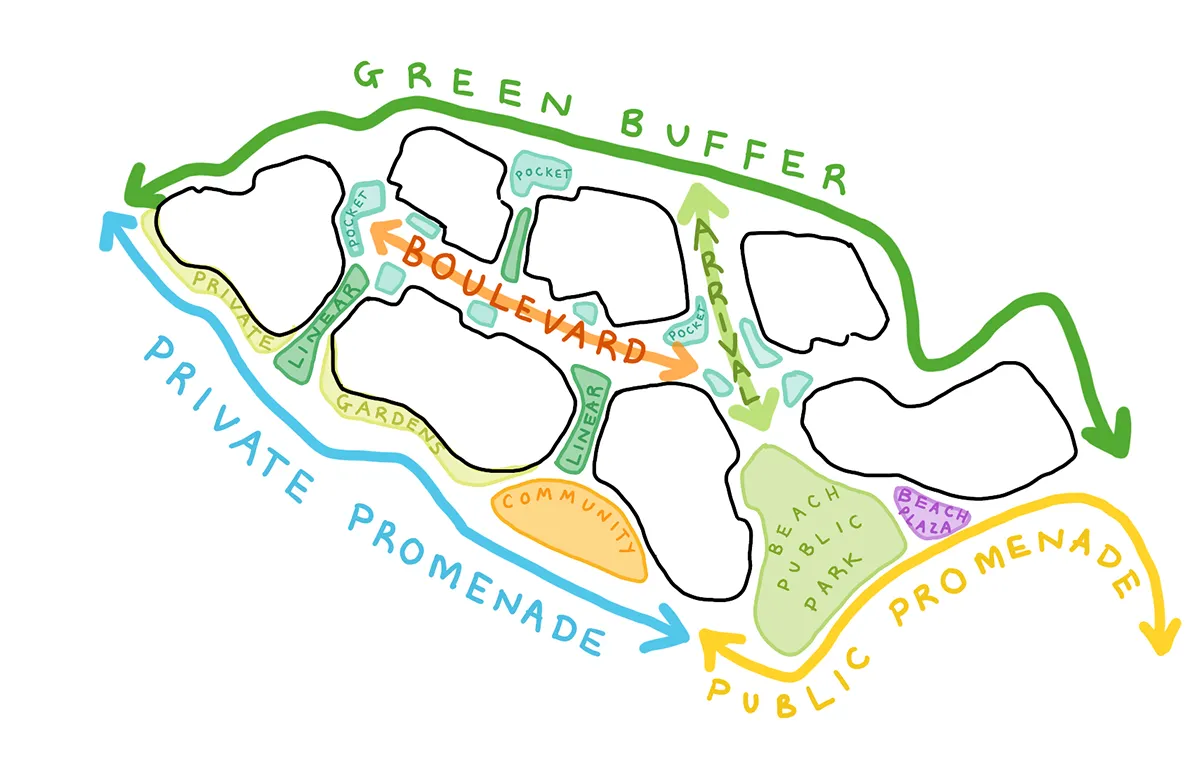
This becomes even more important in hotter climates, where thermal comfort determines whether public spaces are usable. Smaller shaded spaces, street orientation and wind movement all have a major impact on comfort and social activity.
Landscape architects are uniquely positioned to connect these environmental and social layers of design, helping create places that are resilient, memorable and valued by their communities.
WLA | What role does technology play in your design process?
Technology plays a major role in understanding site conditions and testing ideas throughout the design process. Tools such as parametric modelling and Grasshopper are particularly useful for environmental analysis, including topography, water flow and flood scenarios, helping inform more resilient design decisions early on.
This is particularly important in hotter climates, where microclimate can determine whether a public space succeeds or fails. Environmental analysis also supports a highly iterative design process, allowing ideas to be tested and refined against measurable performance data.
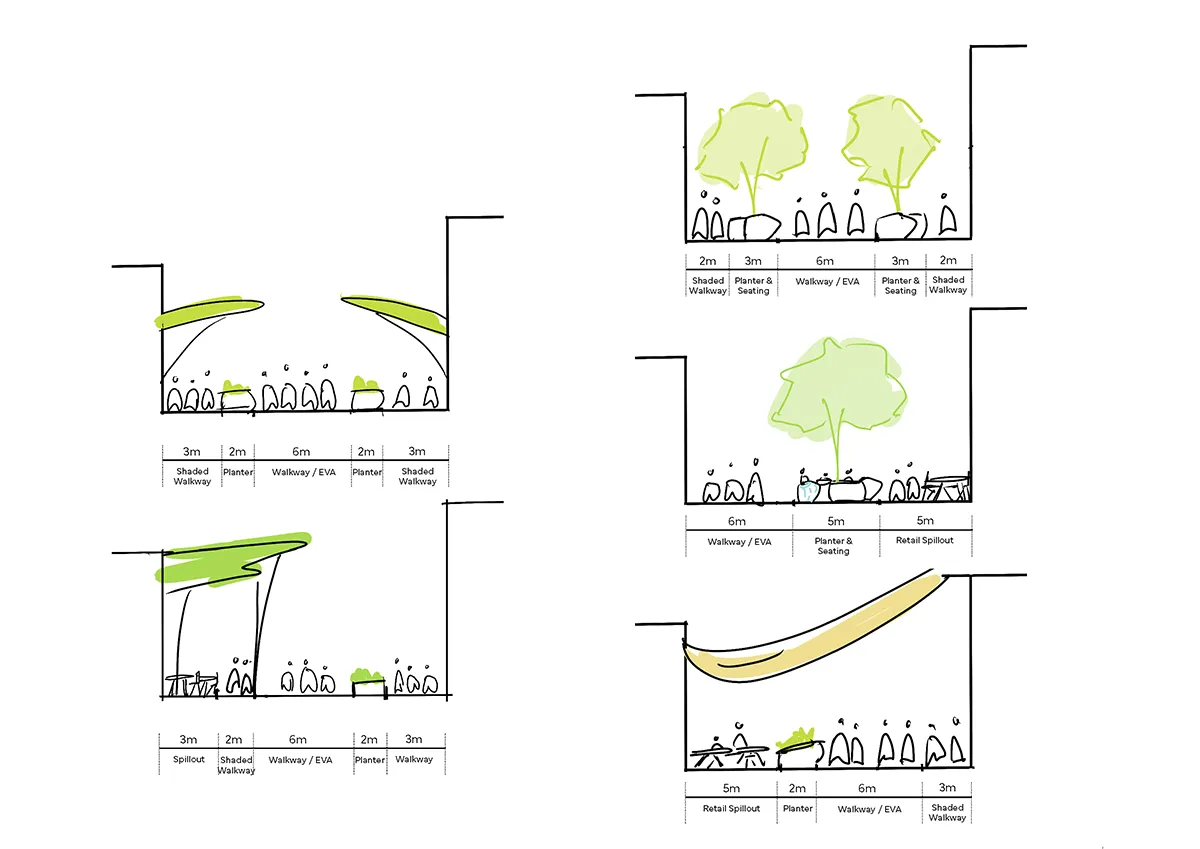
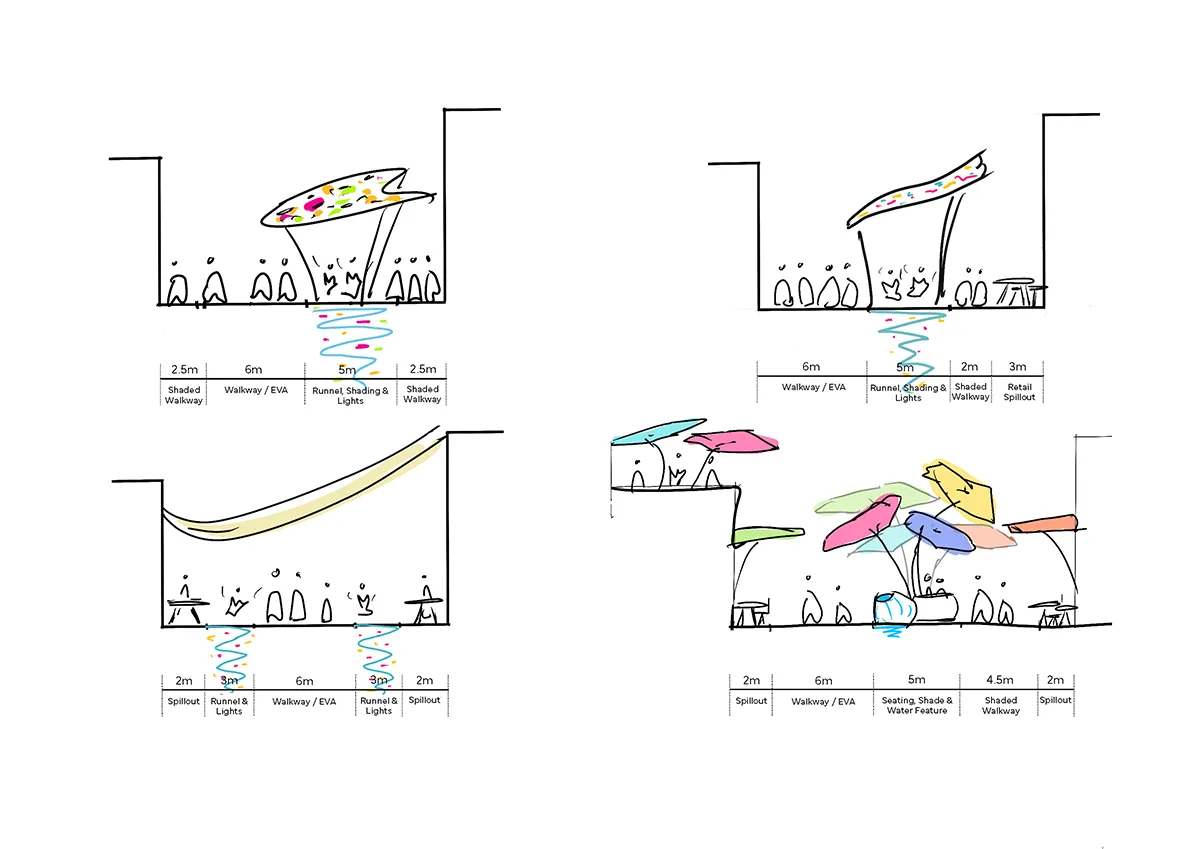
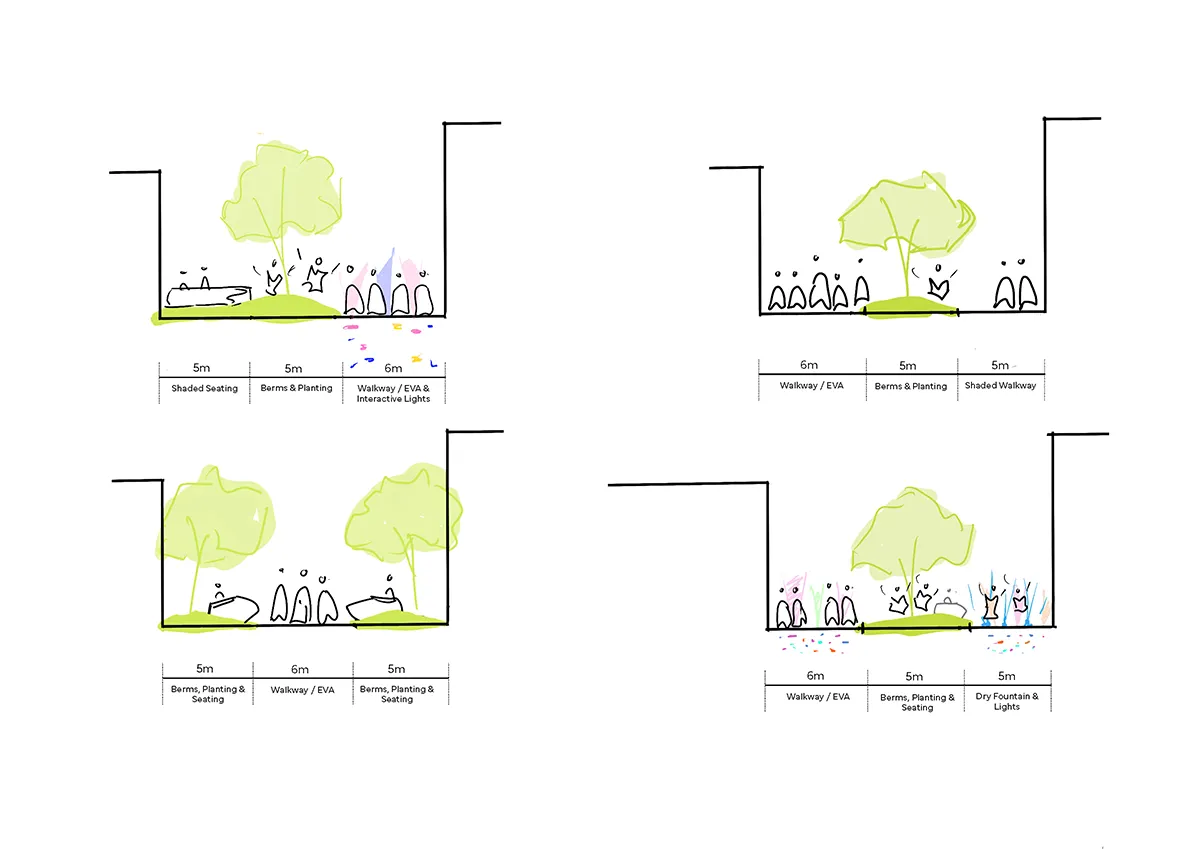
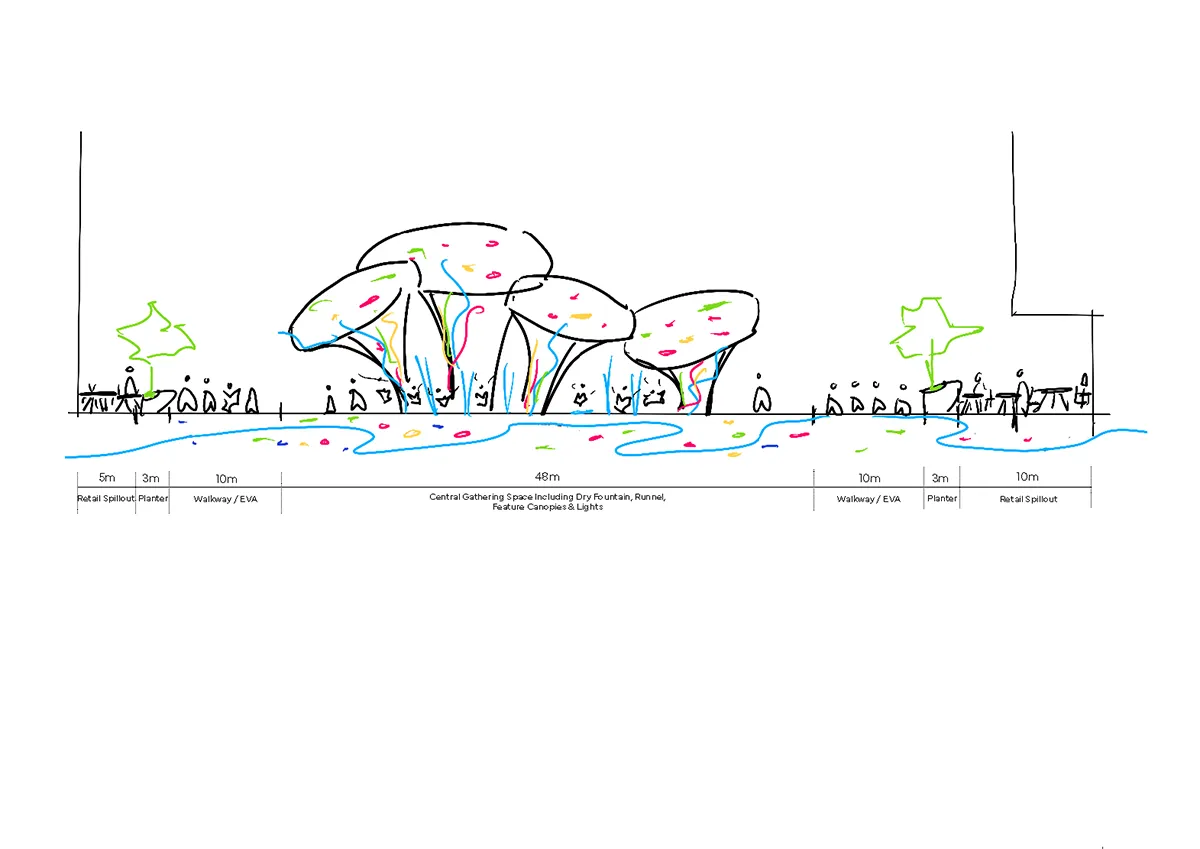
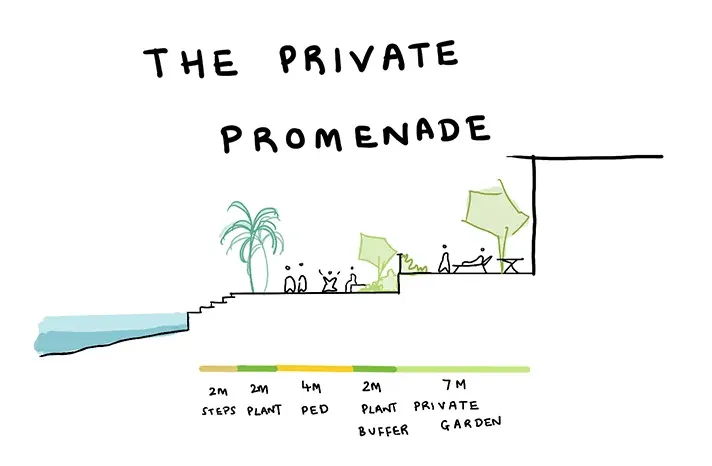
At the same time, sketching remains one of the most important tools in the process. Quick sketches and diagrams are often the fastest and most collaborative way to explore ideas, communicate across disciplines and develop concepts.
WLA | How do you use narrative and storytelling in your projects?
I usually approach projects from a people-first perspective, thinking about who will use a space and what their everyday experience will be. From there, a narrative naturally develops and helps guide the design process.
In the early stages, storytelling is often visual. Simple diagrams, maps and sketches are effective for explaining complex systems such as ecology, water management or climate response. They help make technical ideas more accessible to clients and stakeholders.
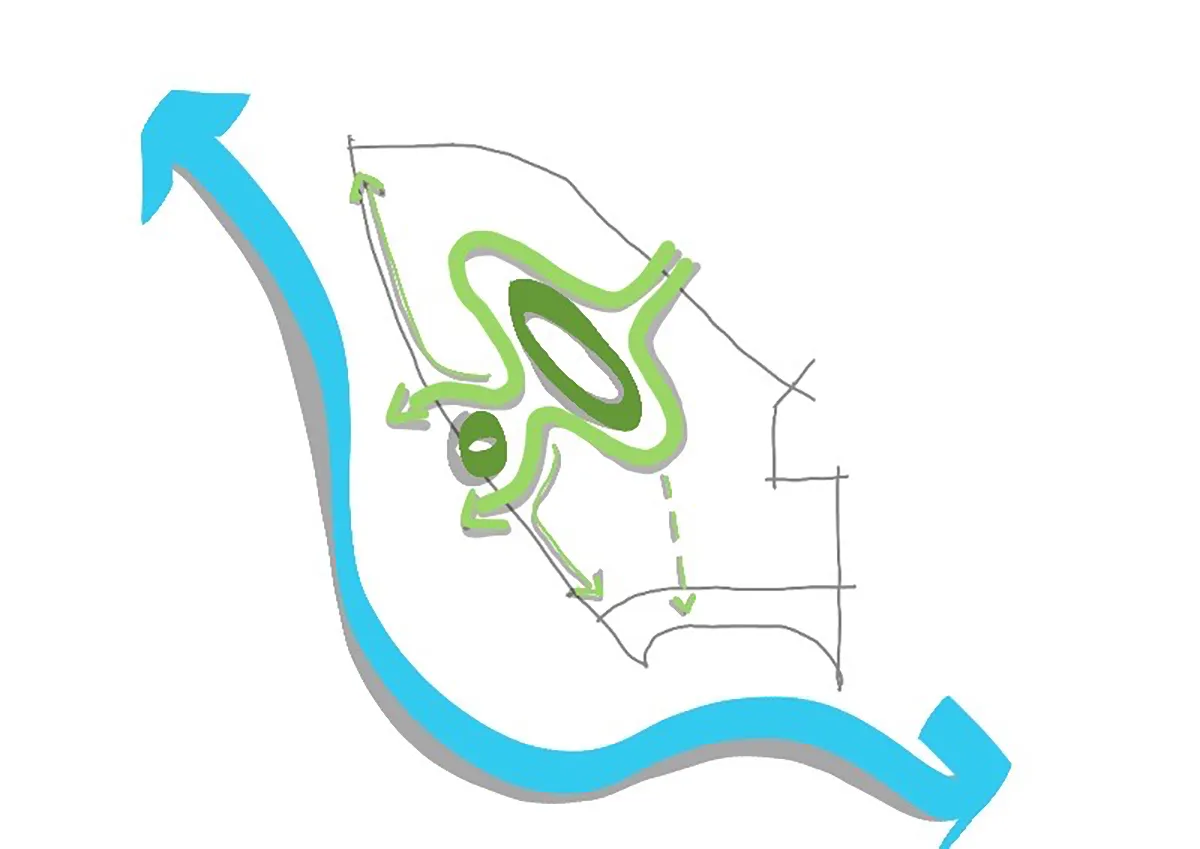
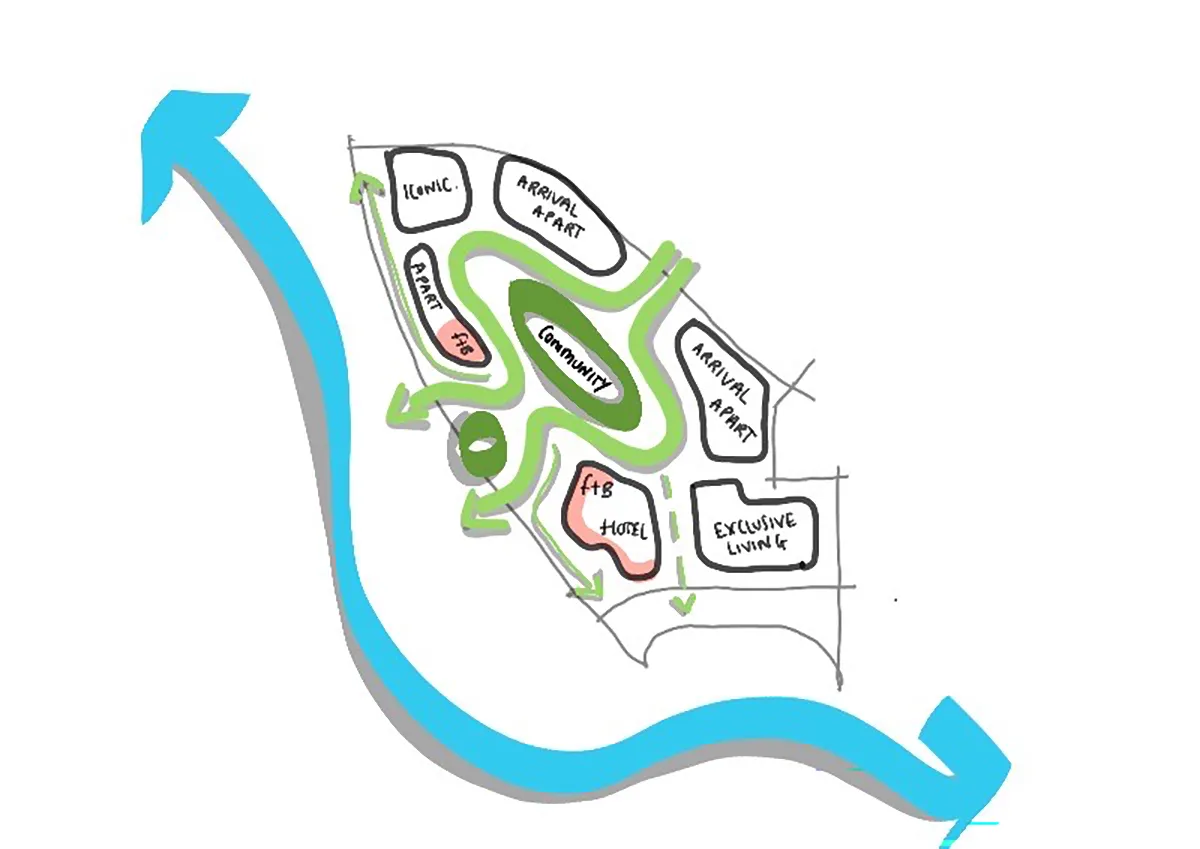
As projects develop, the narrative becomes more experiential, focusing on how spaces feel, how people move through them and how they support daily life. That human aspect is particularly important because successful public space is ultimately about comfort, accessibility and social connection.
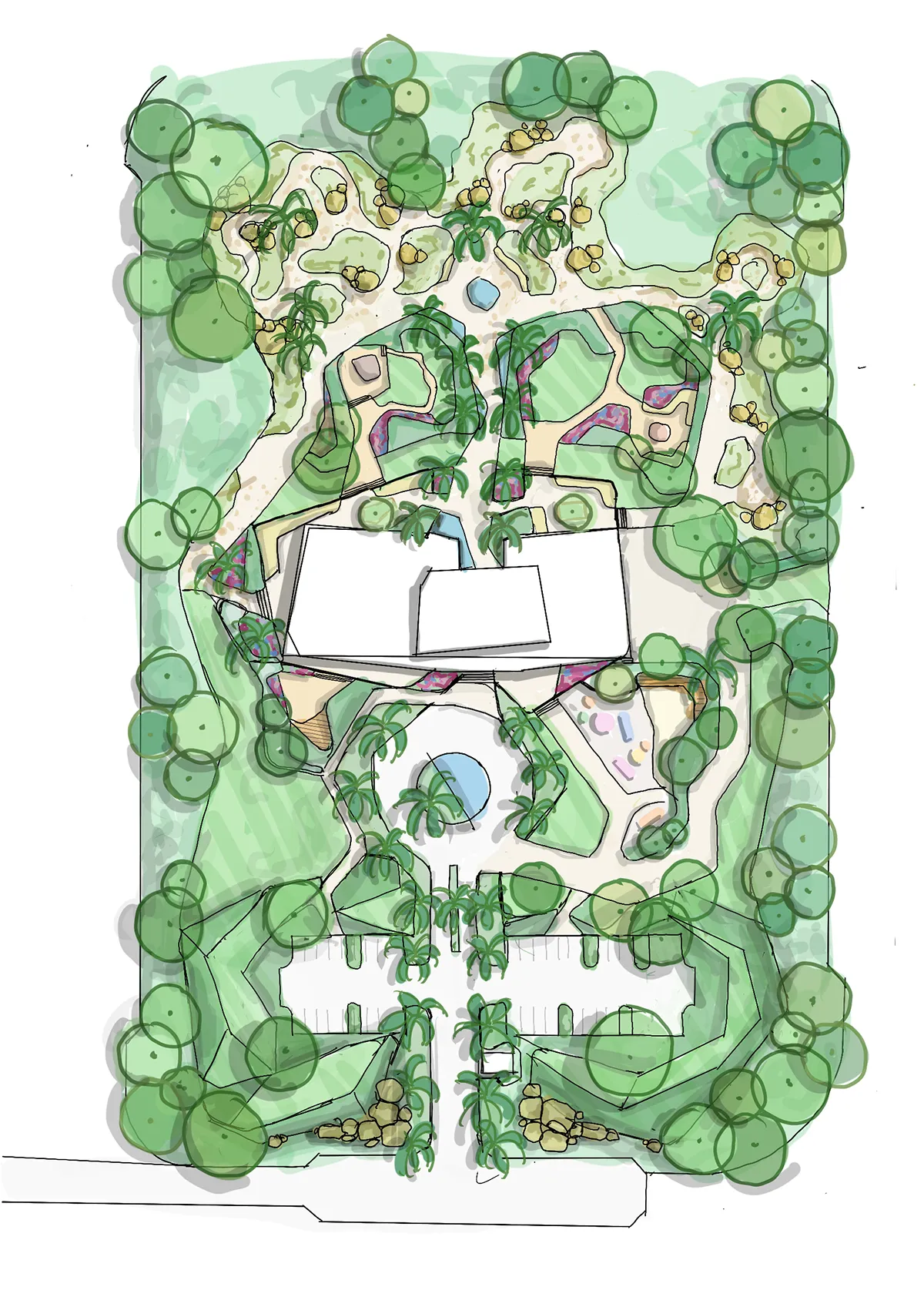
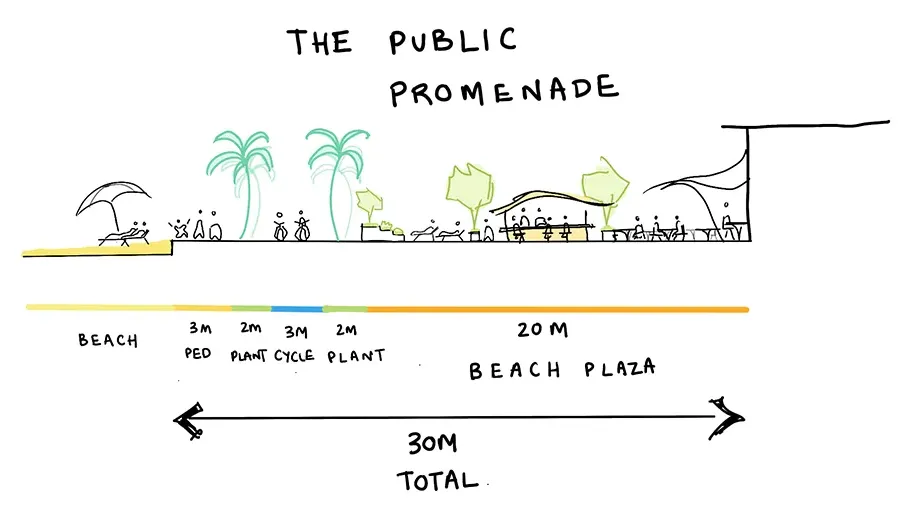
Thank you to Helen for taking the time to share insights into her journey to becoming a landscape architect and her work across several countries.
Images: Helen Carter – Benoy