
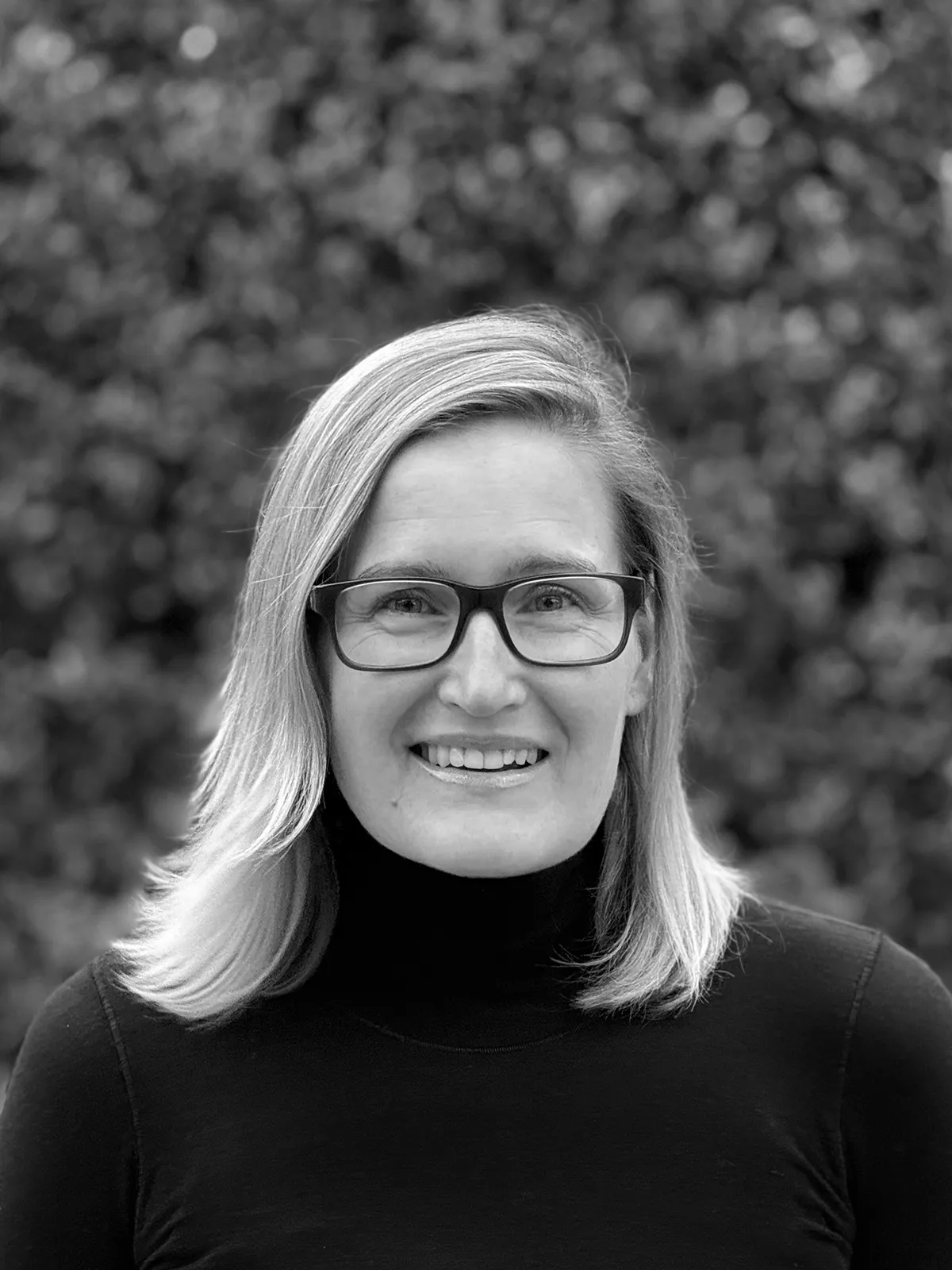
A landscape architect and public space designer, Cindy’s work spans the many interfaces between mobility and site design. As Urban Design Practice Lead at Toole Design, she leads a national practice
of 40+ landscape architects, urban designers, and environmental graphic designers advancing public space projects.
Her work bridges visioning, planning, and built design, moving from bold conceptual ideas to implemented projects focused on human experience, ecological function, and long-term resilience. Much of Cindy’s perspective is shaped by the belief that the paths we travel are as meaningful as
the places to which they lead. Her dedication to turning public rights-of-way into carefully designed
in-between spaces led her to introduce the term “path as place” as a direct challenge to the transportation field’s longstanding focus on efficiency above all else. Path as Place has helped
many communities reframe conversations and design of the public realm.
WLA had the chance to learn about Cindy’s thoughts on working in practice and in the landscape architecture profession.
WLA | You lead a team of 40+ people at a national USA practice. How do you bring a team together of differing disciplines?
Our Design team is made up of just over 40 people trained in landscape architecture, urban design, environmental graphic design, and graphic design. Collaboration comes fairly naturally among this group. I think we speak the same language, and we tend to ask similar questions and work through challenges in similar ways.
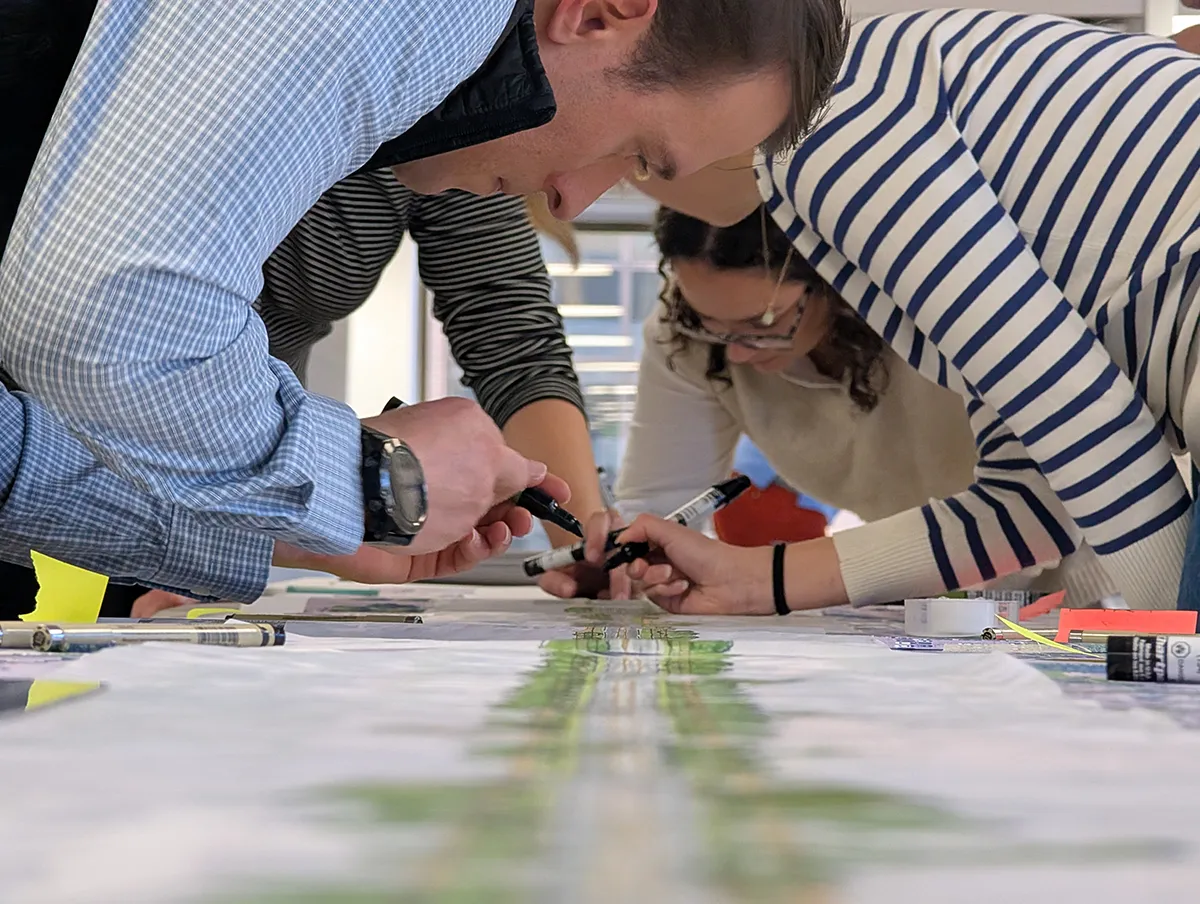
But we’re also a relatively small group within a firm of about 350 people, most of whom are planners and engineers. That’s where the more intentional work needs to happen to embed a collaborative process. There’s a quote I love from the kinetic artist Theo Jansen: “The walls between art and engineering exist only in our minds.” I believe that wholeheartedly. If we perceive a divide, there will be a divide. Our planners and engineers bring deep expertise that we don’t have, and recognizing that is essential. And, likewise, our design team brings deep expertise that also must be recognized. If we treat different perspectives as divisive, they will be. When we see them as an amplifier, and understand that we’re all working toward a common goal, the work gets better than any one discipline could make it on its own.
On a practical level, we’ve built that collaboration into how Toole Design works, from internal crits to how we staff projects, all the way down to our QC procedures. These are intentional practices meant to prevent silos and produce better work.
WLA | What is “path as place” and how does it relate to public space?
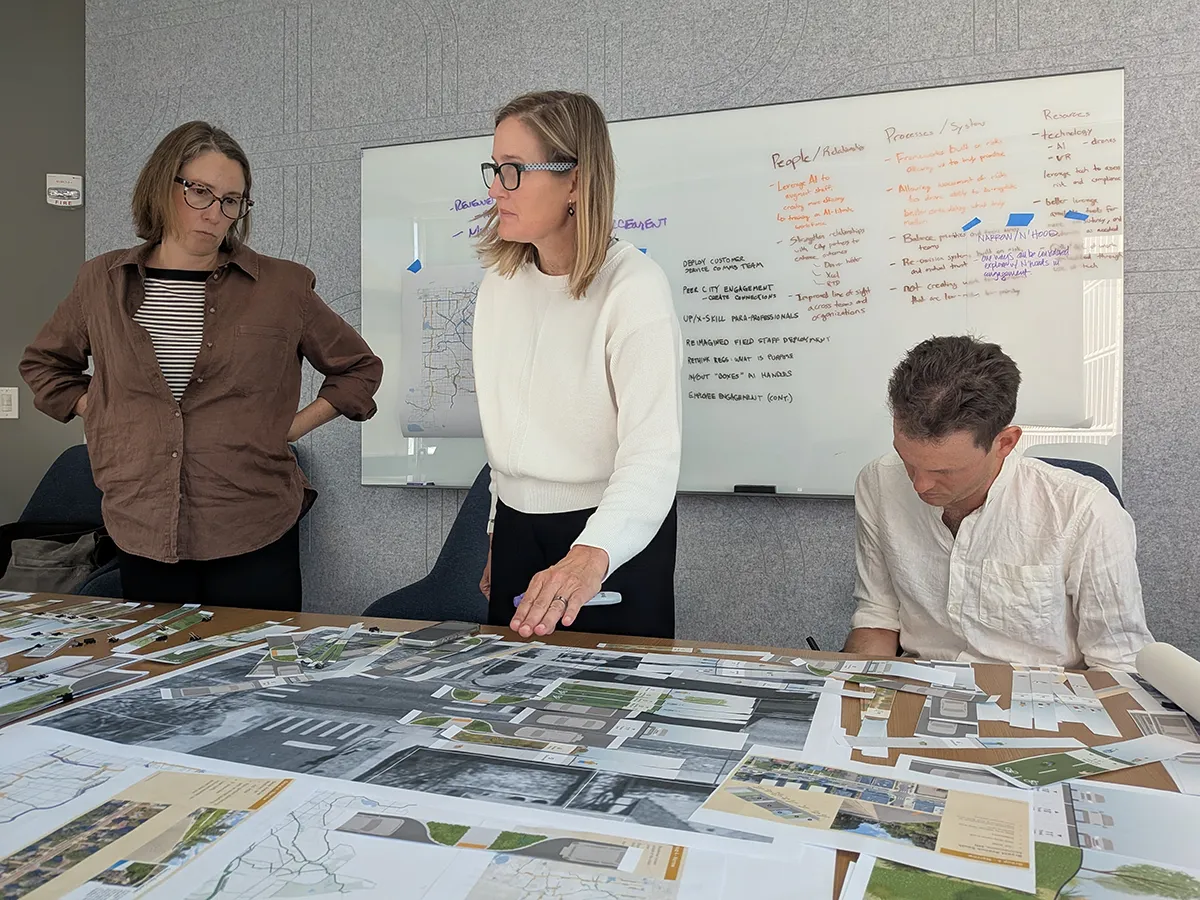
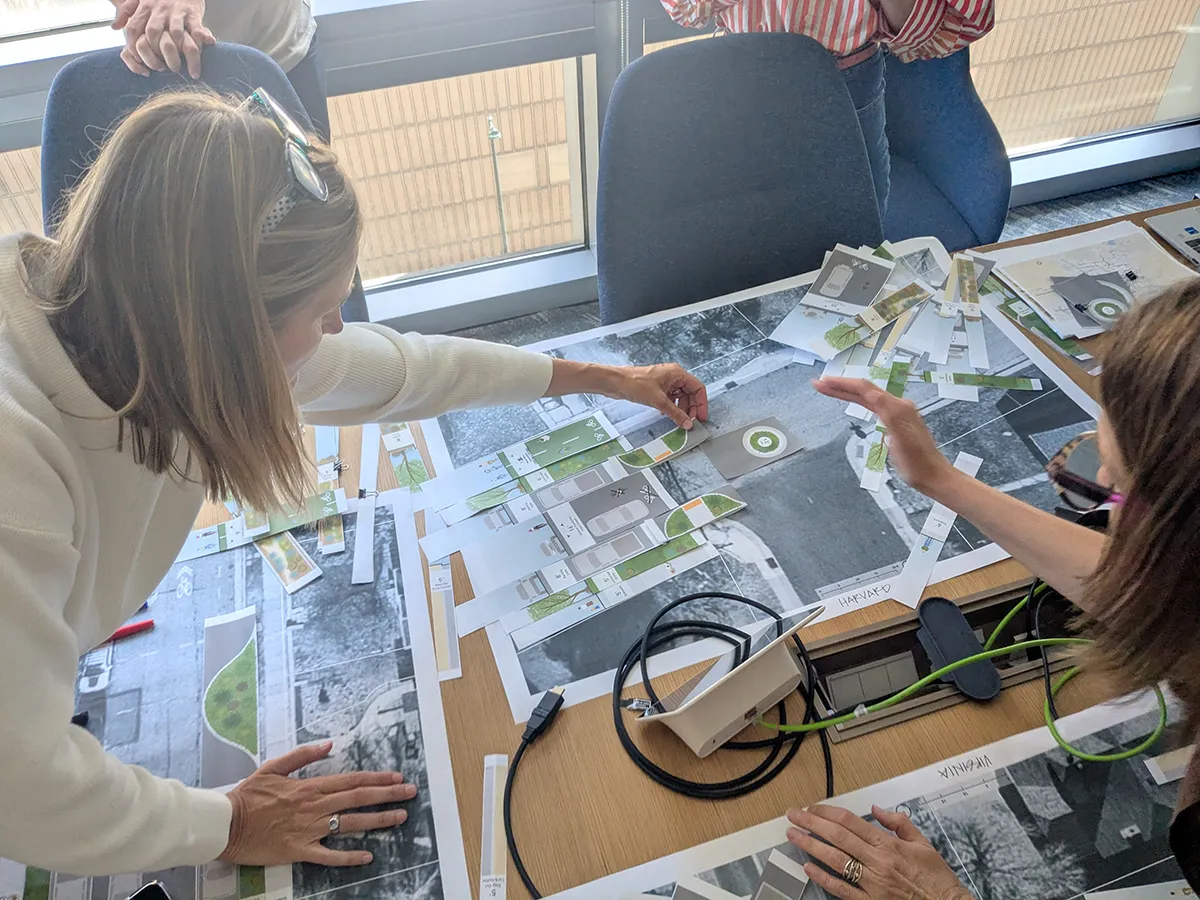
Honestly, “Path as Place” came out of a bit of frustration. Much of my career has been at the intersection of mobility and the built environment, and a lot of my work has been designing linear landscapes. After years in that space, I started using the term as a direct challenge to the transportation field’s longstanding focus on efficiency above all else.
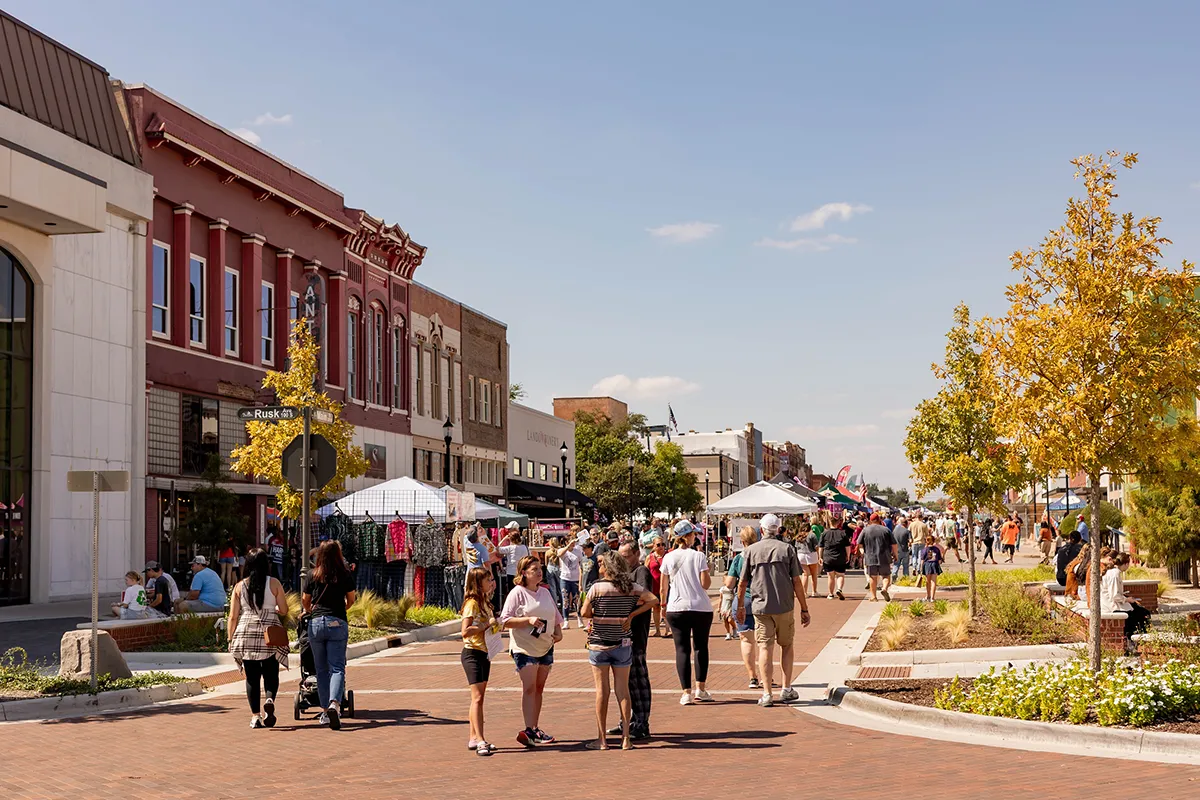
Our linear systems of streets, highways, and trails are arguably the largest part of the public realm, and the lack of design intention in these spaces may be the greatest missed opportunity of our time. Path as Place is an effort to reframe how we talk about and design them: not as the space between important places, but as places in their own right, deserving the same craft, intention, and imagination we bring to our destinations — the places we arrive, gather, and linger.
When paths are treated only as infrastructure, they get reduced to problems of efficiency and operations. When they’re understood as places, a broader set of questions emerges about experience, identity, comfort, safety, beauty, and meaning, and about how they can serve multiple functions, like managing stormwater.
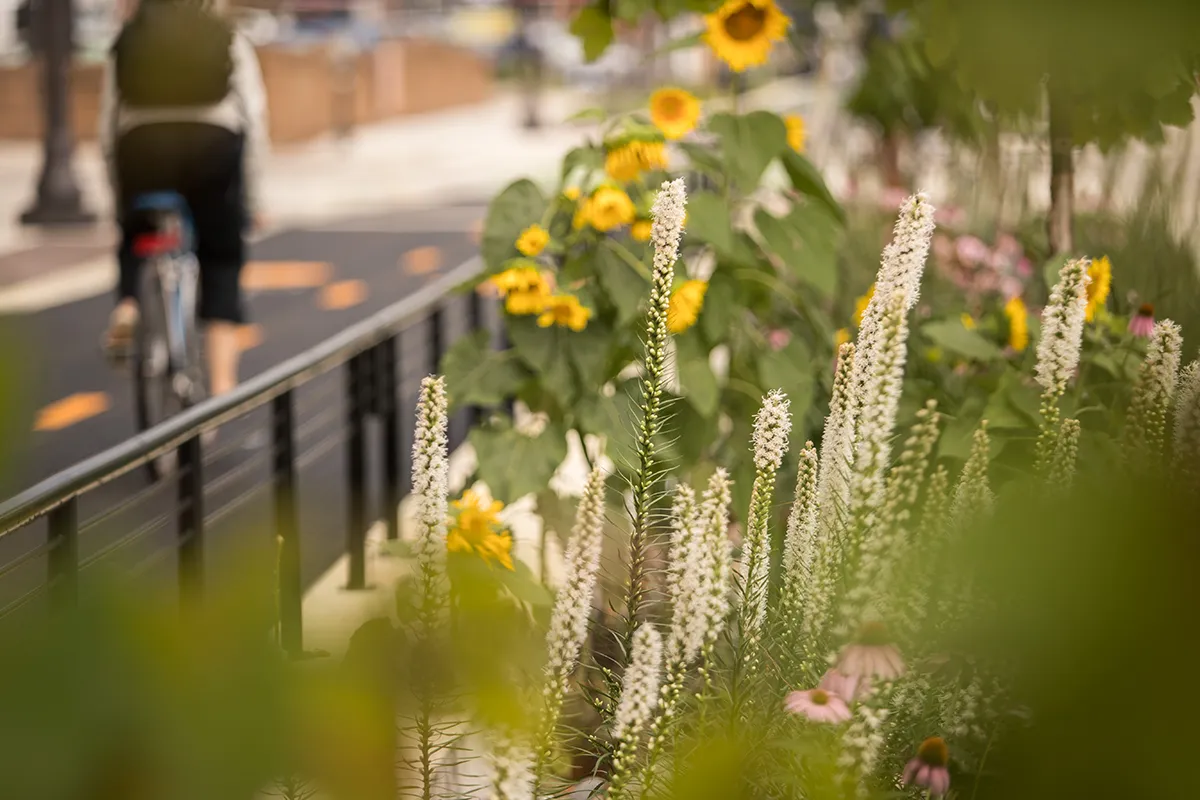
As for how it relates to public space, I think it works the way many of the terms landscape architects have coined do, like multifunctional landscapes or sponge cities. It helps us reframe how we see these spaces and raises the bar for their design. We’d never reduce the conversation about our best urban spaces to operations and maintenance, yet we do it with streets and linear systems all the time, because efficiency is treated as paramount. If we see these spaces as places, we can see the role they play in a more complete public realm.
WLA | You have worked in research and private practice. What can the two learn from each other about landscape architecture?
I’d like to think they inform each other. I am a better designer because of some of the research – particularly process-based research – I’ve done, and I’m a better researcher because of my applied experience.
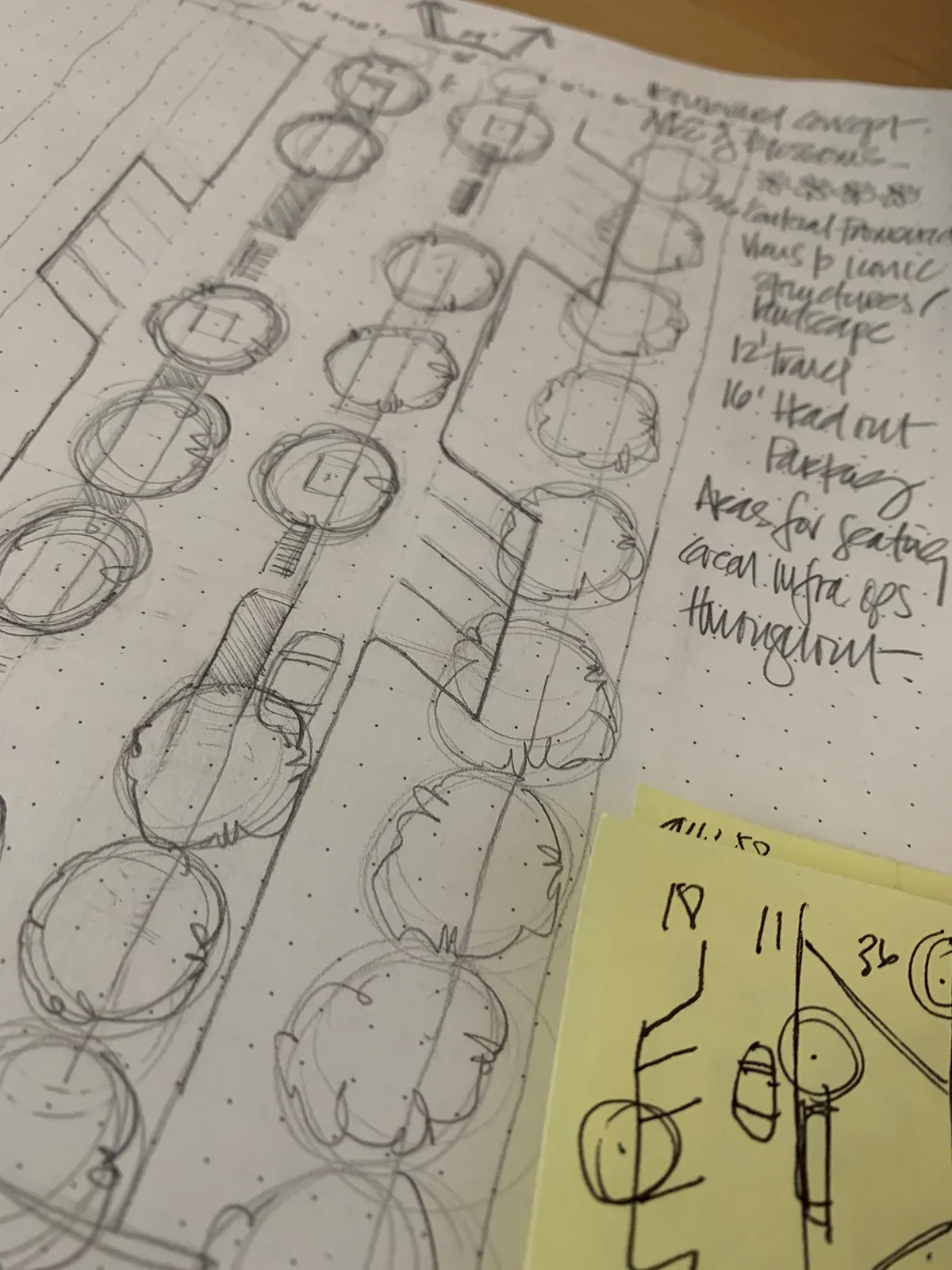
A lot of my work is for public agency clients, and I see more and more clients asking for embedding case study research early phase project delivery and that’s a great thing. Case studies give clients a way to learn from peer cities and agencies that have already worked through difficult conversations and get past the stumbling blocks that keep our public rights-of-way from being more creative and place-based.
WLA | What is a key action that we can all do to elevate design?
Design often isn’t the default conversation, especially in public infrastructure, where budgets, schedules, and operations tend to take over. If we don’t keep making the case for design, it quietly falls off the table. That means talking about it with clients, with agency staff, with the public, and with our colleagues in other fields, and talking about it in terms that resonate with them, like safety, resilience, health, and long-term value, not only aesthetics.
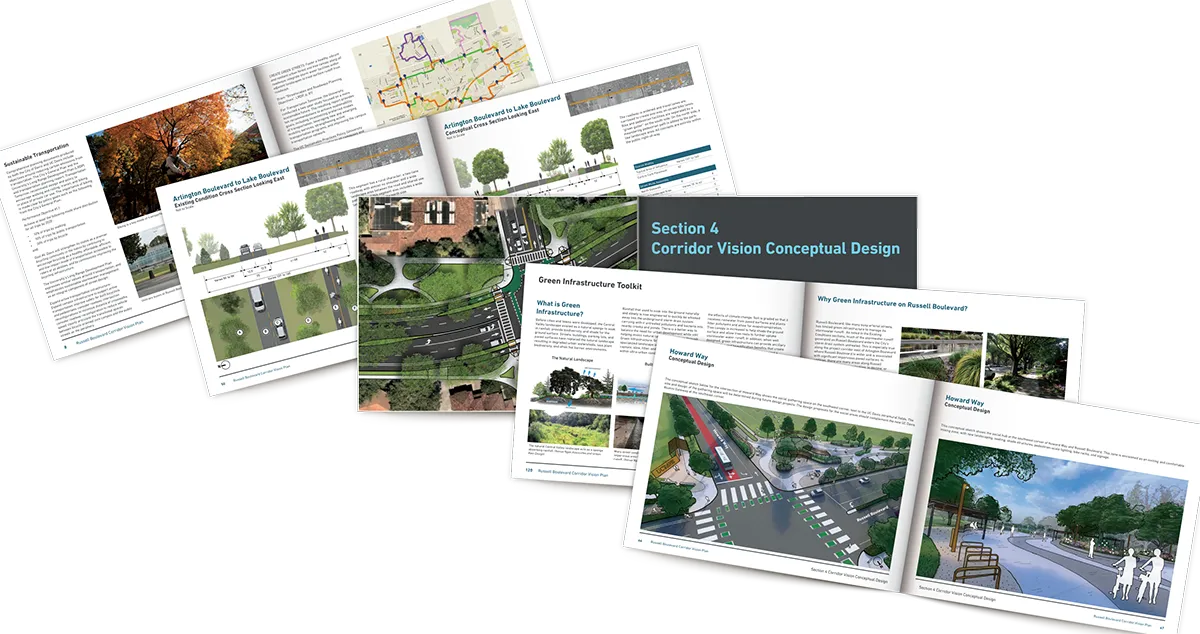
And we can’t do it alone. The most meaningful design outcomes I’ve seen happen when designers, planners, and engineers are at the table together from the start, each bringing what they know best. When design is part of the conversation from day one rather than added at the end, it stops being seen as an extra and starts being seen as essential.
WLA | What did you learn about landscape architecture from judging the 2026 WLA Awards?
The power of our profession, and just how varied our work is. It was humbling and inspiring to see so much excellent work from around the world, knowing it’s only a small sample of what’s happening out there. I love being a landscape architect. Tackling big, challenging problems is what we do best, and I’m inspired by how our profession keeps working to improve the world around us.
Thanks to Cindy for providing us with her thoughts on practising and the profession.
Be the first to comment