
Arige Jabeili is the Creative Director/Founder for Urbanforms and a landscape architect and urban designer whose work is driven by a deep sensitivity to place, culture, and human experience. Her career began in Dubai, where she spent three years contributing to high-profile projects across the MENA region. In 2024, she founded Urbanforms – a boutique landscape studio operating between Dubai, Beirut, and Abidjan – conceived as a design-led practice rooted in context and craftsmanship.
Having studied in Beirut and Milan and then worked across MENA, how have your studies and work helped you understand and design within differing geographies and cultures?
Studying and living across different cities and continents is perhaps the ultimate “school” for the landscape architecture and urban design field. Our job is never just about technical drawings or aesthetic skills; it is a direct byproduct of culture, socio-environmental challenges, climate, and language. Most importantly, it teaches you how differently people inhabit and use public spaces in different parts of the world.
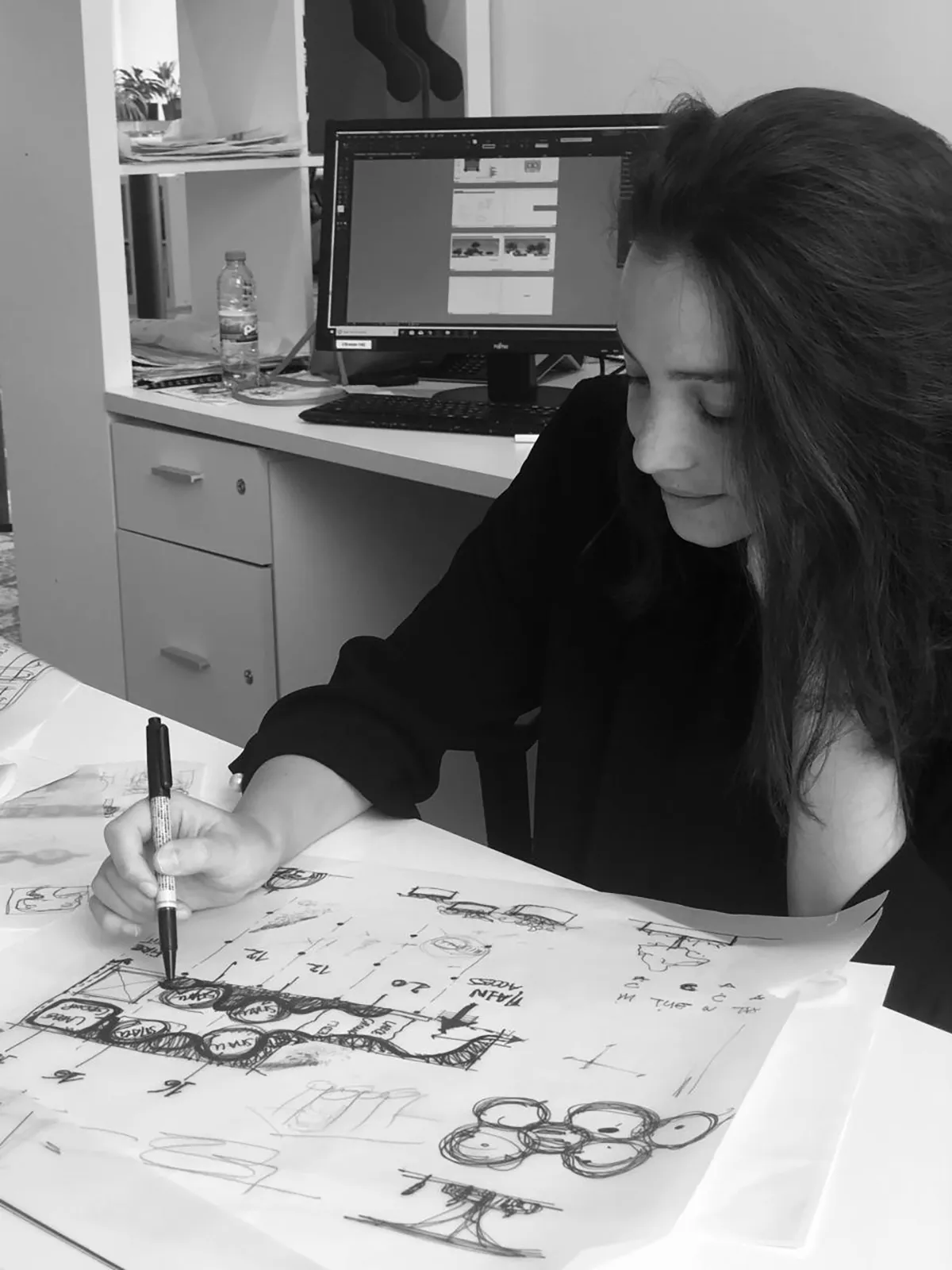
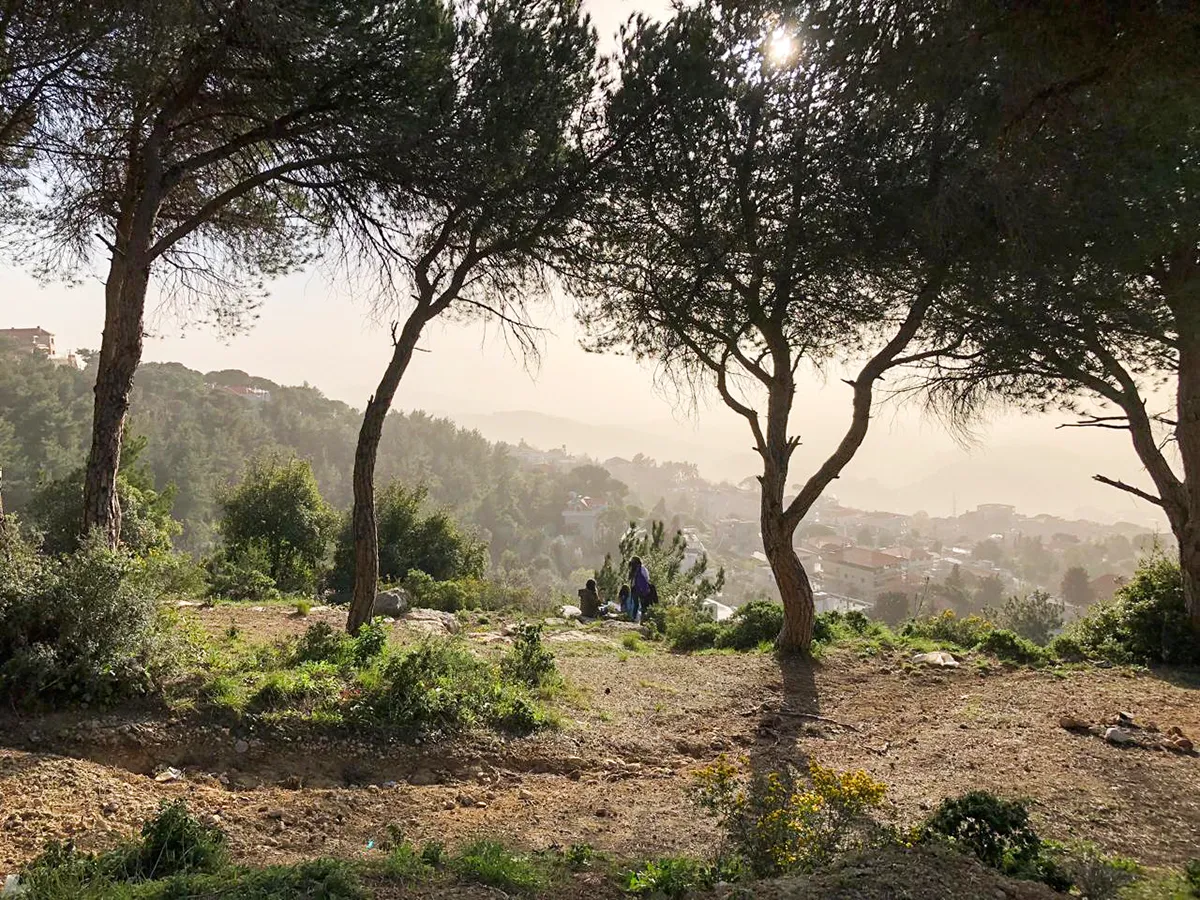
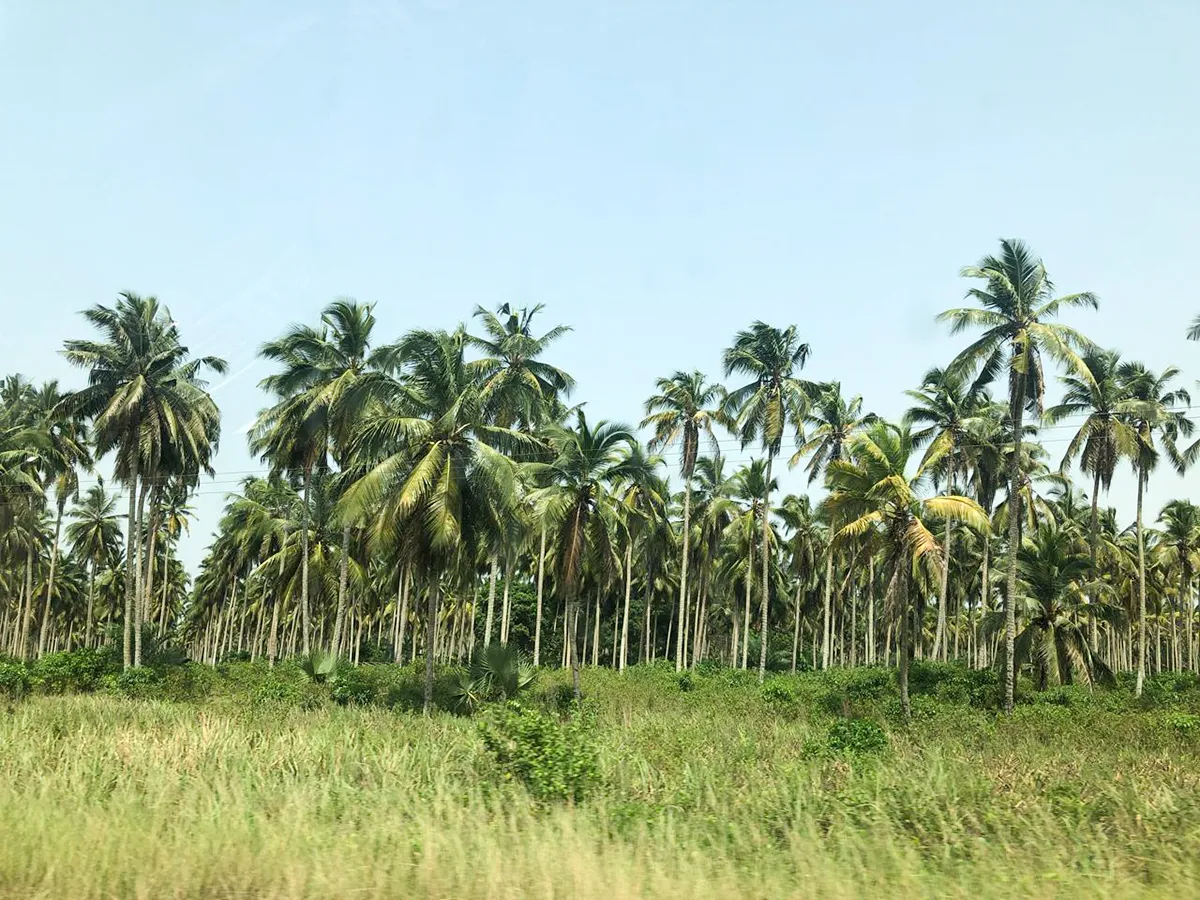
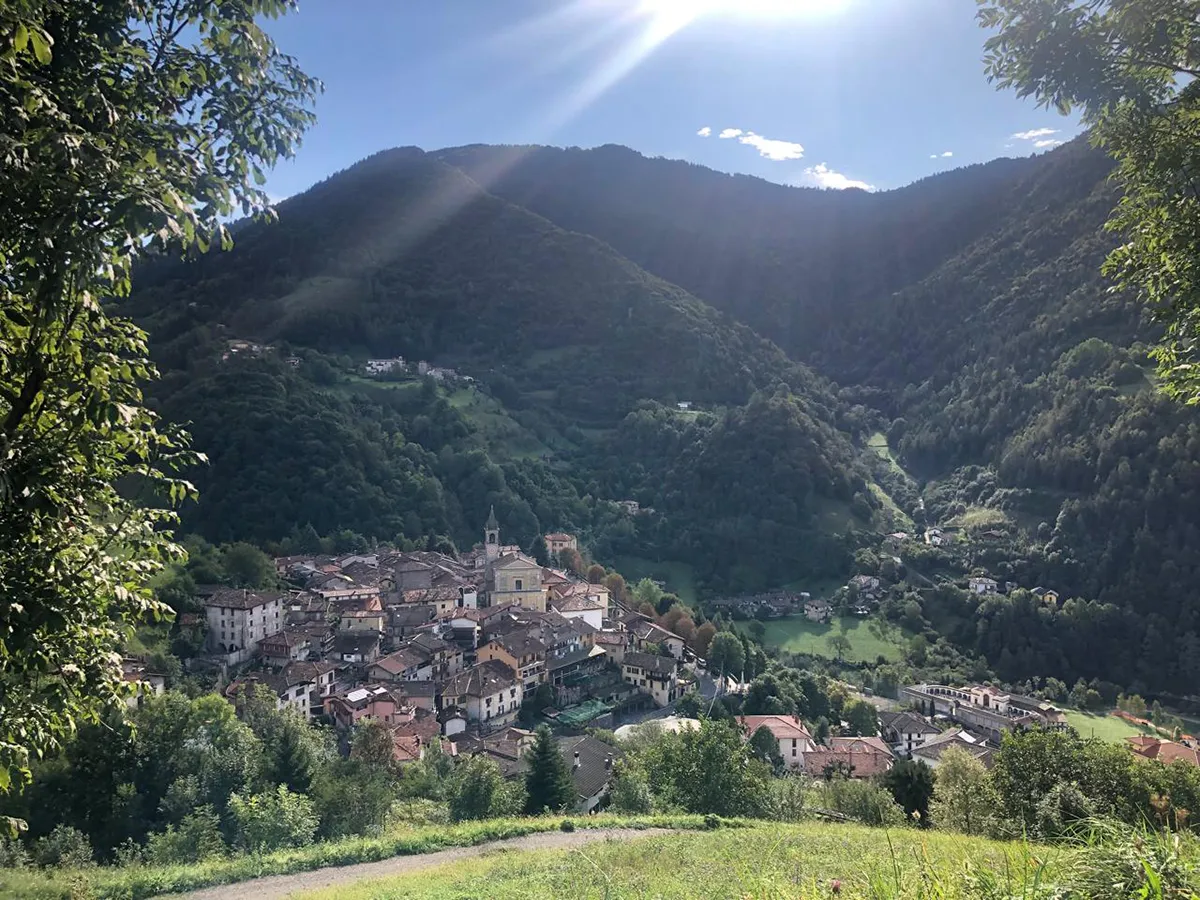
As a naturally analytical person, I have found that experiencing these shifts firsthand has been an incredible blessing. Beirut, Milan, Abidjan, and Dubai are four radically different urban environments, but each has uniquely shaped my vision. They have heightened my sensitivity to the human scale, allowing me to approach every new geography not with a copy-paste formula, but with a deeply tailored, contextual understanding of how people actually live.
You established Urbanforms in Dubai in 2024, pitching ‘context and craftsmanship.’ How do you carve out a space in a city renowned for large firms and mega projects?
While Urbanforms was originally founded in Abidjan in 2024, our recent move to Dubai in 2026 has shown me just how exciting this landscape truly is. Compared to other cities I’ve lived and worked in, Dubai and the MENA region offer an incredible, almost blank canvas for new design opportunities.
While mega-firms certainly shape the grand scale of these cities, they also leave a very distinct gap in the market—one that a young, boutique studio is perfectly positioned to fill. Clients today are increasingly looking for an accessible, highly personalized, one-on-one experience. Being a boutique studio allows us to truly dive into the client’s world, offering a level of agility, meticulous detail, and genuine craftsmanship that often gets lost in massive corporate structures. We don’t compete with the mega-scale; we offer the thoughtful, curated alternative.
With projects spanning Dubai, Beirut, and Abidjan, it sounds interesting. Do you try to maintain a singular design culture, or do you allow each regional project to develop its own entity?
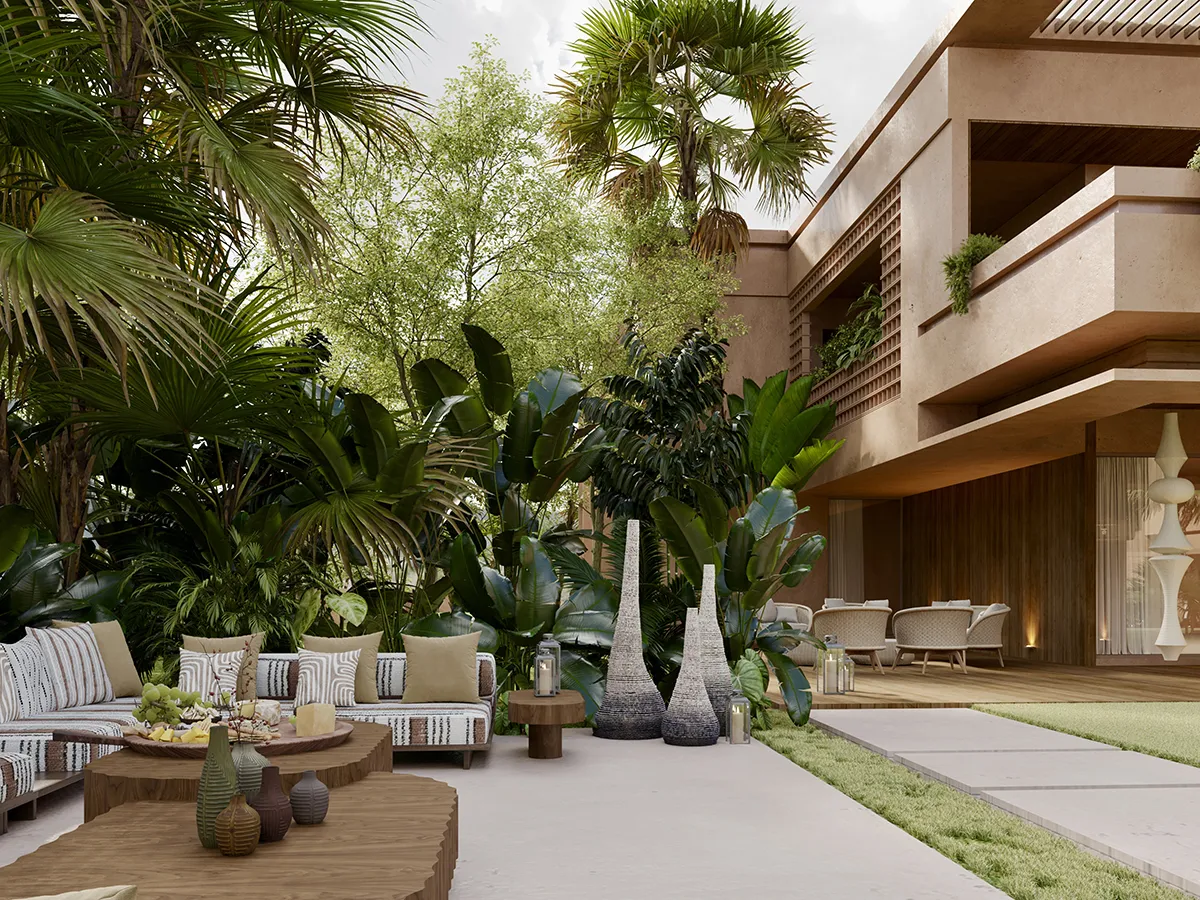
It is a delicate balance. At our core, we maintain a singular ligne directrice – a foundational philosophy rooted in context, material authenticity, and high tactile quality. Whether we are working with the warmth of clay bricks in a tropical climate or limestone in an arid one, that core DNA remains unchanged. However, we absolutely refuse to enforce a rigid, singular aesthetic. We allow the specific site, and very importantly, the client’s unique vision, requirements, and dreams for their space, to dictate the narrative.
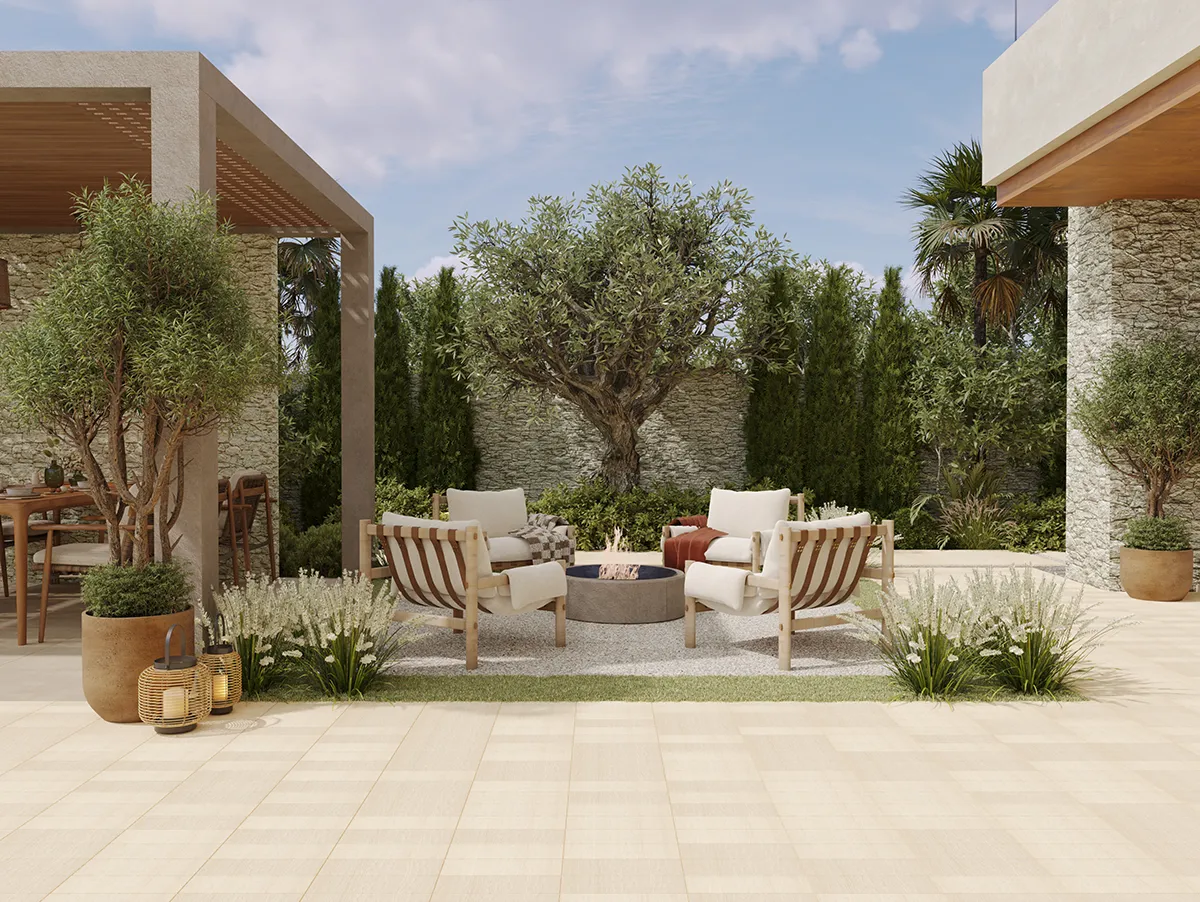
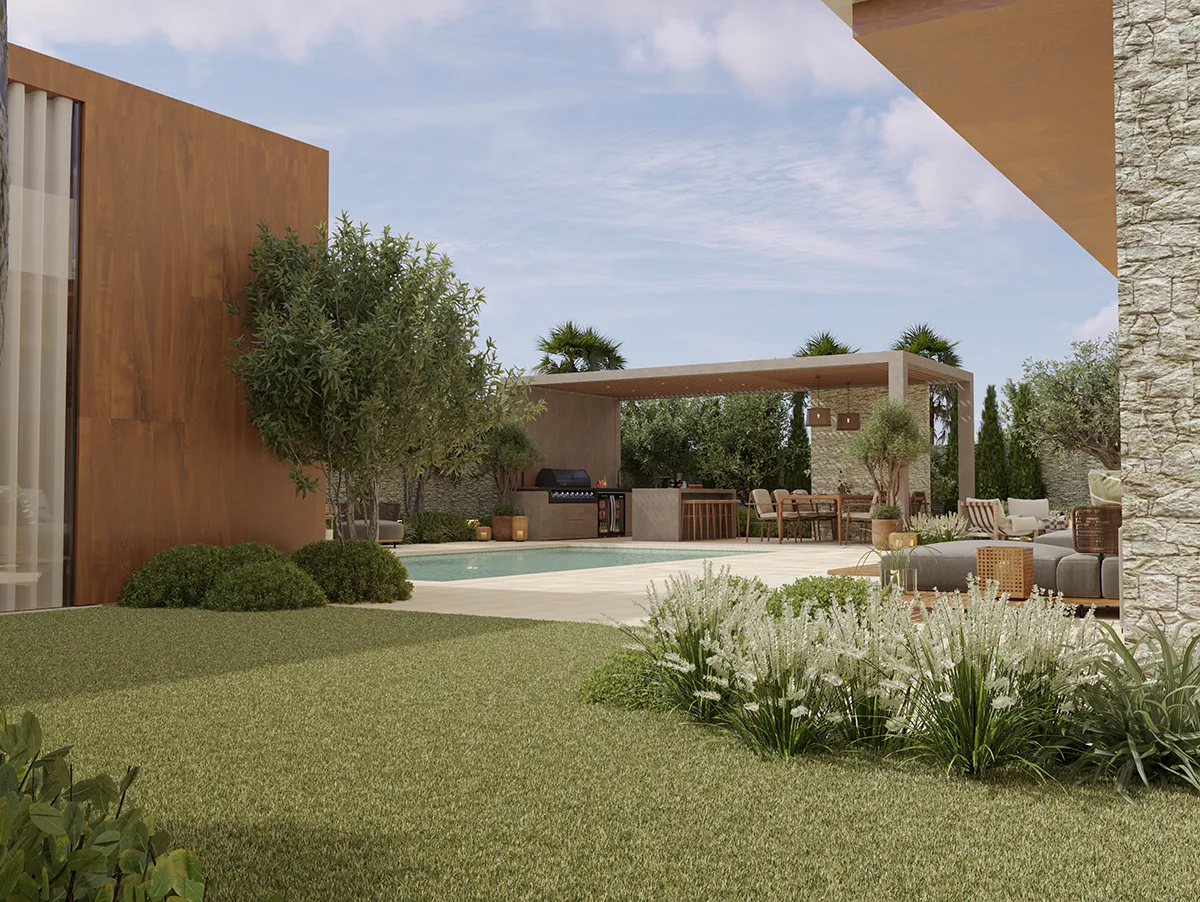
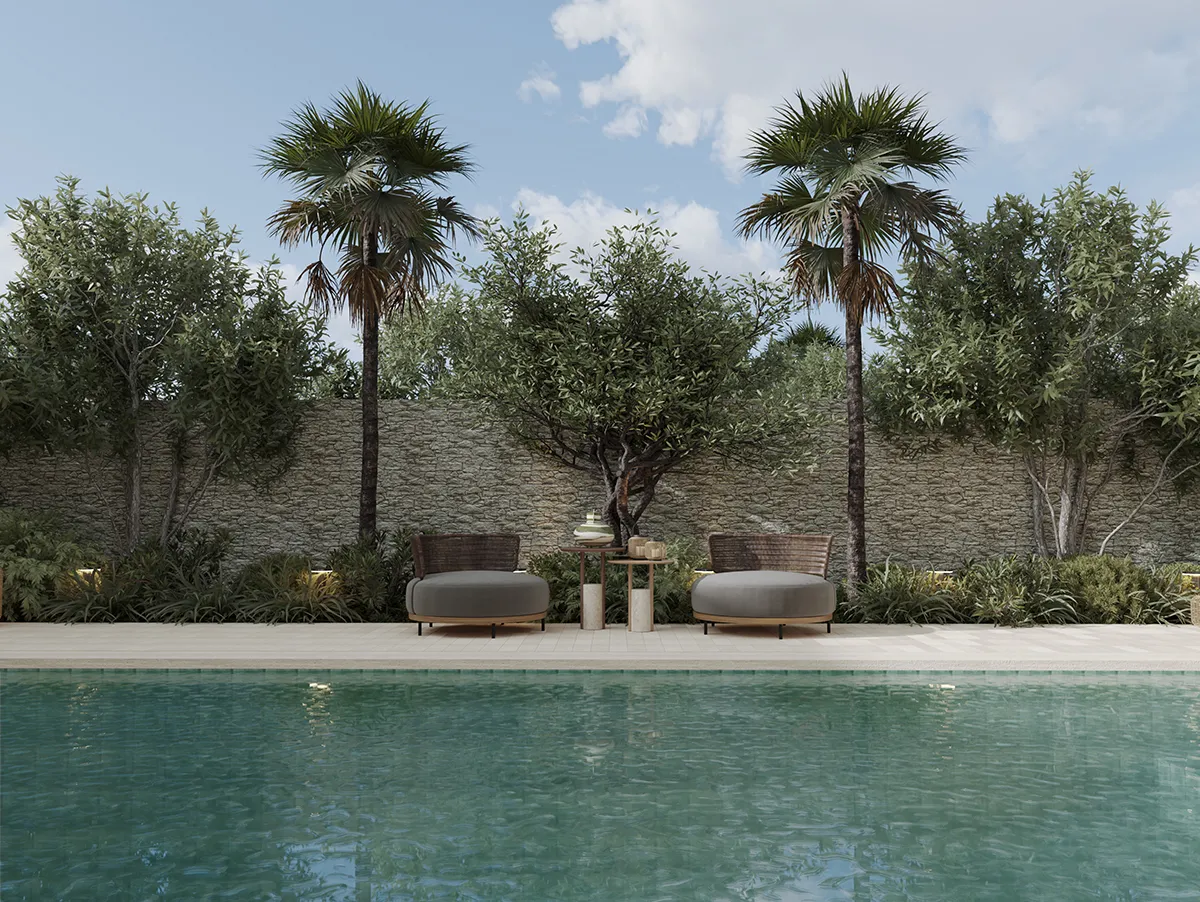
Our role as designers is ultimately to manifest those dreams while adapting to local conditions. For example, we are currently designing a Mediterranean-style garden for a villa in Tilal Al Ghaf here in Dubai. While that aesthetic is distinct from Dubai’s native landscape, my Lebanese roots give me an innate, deeply personal understanding of Mediterranean design principles. The key is in the execution: we adapt those nostalgic textures, layouts, and atmospheres so they thrive within and respect the local Gulf climate. The design culture across our projects is unified by this meticulous approach and a deep respect for craftsmanship, but the final execution remains entirely fluid and adaptive.
What are some of the opportunities and challenges that you think the landscape architecture industry faces right now?
The greatest challenge – and simultaneously our biggest opportunity – is climate resilience and resource management. We are designing in extreme environments, from the humid tropics to hyper-arid zones. The challenge lies in moving away from high-maintenance, water-heavy, artificial landscapes and moving toward smart, native, and adaptive planting palettes that respect local ecology.
While the environment is undeniably our greatest technical challenge, it has also given our entire field immense depth and purpose. Historically, landscape architecture was treated as a niche, almost invisible profession in many countries, often misunderstood as mere decoration or “landscaping” the leftover gaps between buildings.
Today, that perception is shifting radically. People are truly waking up to the importance of what we do. We are finally being recognized as essential masterplanners who bridge the gap between architecture, environment, and human well-being. The industry and the public are moving away from valuing mere visual grandeur, shifting instead toward sensory, tactile, and sustainable spaces that matter to daily life. It is an incredibly rewarding time to be in this field because our work has never felt more meaningful.
As a young firm, what advice do you have for those studying landscape architecture and looking ahead?
I want to say something that I wish someone had told me when I was at university: having great software skills is no longer unique. If you take the time to learn a program, you can master it relatively quickly – but technical proficiency will never be unique to you. It is not hard to be a “good” designer who produces “nice renderings.” What is challenging, and what will ultimately set you apart, is finding your identity, developing your sensitivity, and learning how to design a genuine sense of place.
The only way to build that depth is to step away from the screens. Real landscape architecture is felt underfoot, heard in the movement of water, and experienced through the texture of natural materials like timber, stone, and clay. Go out, walk through cities, travel as much as you can, and get interested in other fields like sociology, botany, craftsmanship, local histories, and even politics. While we often think of landscape and urban design as a niche profession, it is actually an immense field with countless specializations inside it. The only way to find what truly moves you within this massive discipline is to discover it yourself while experiencing life, culture, and cities firsthand. Develop your analytical eye. Don’t just look at a beautiful space; question why it works, how people are interacting with it, and how it makes them feel. Your sensitivity is your true signature.
How do you see Urbanforms evolving over the next 5-10 years?
If I’m being completely transparent, I have realized over the last few years that as much as you try to plan, nothing ever goes exactly as planned. So, while I have a strong vision, the real, honest answer is that I want Urbanforms to remain highly flexible – a studio that can fluidly adapt to unexpected challenges and transform them into unique design opportunities. With that agility at our core, my ultimate vision is to grow this boutique studio into a well-known landscape integration design firm. We want to continue bridging the gap between raw, artisanal craftsmanship and polished contemporary design. Part of that evolution will be heavily focused on developing our outdoor product section, merging craftsmanship with unique physical pieces – especially our collection of large-scale outdoor clay pots – and integrating them directly into our landscape narratives.
As we scale our project typologies from boutique hospitality and high-end residential into highly curated urban interventions, we intend to strictly preserve our “one-on-one” client philosophy. The goal isn’t to become a rigid corporate giant, but to remain a highly influential, deeply thoughtful, and adaptable studio that leaves a lasting, tactile mark on the cities we touch.
WLA thanks Arige for taking the time to share their thoughts and insights on a new practice, as well as on working and designing in the MENA region.
Images Credit: Courtesy of Arige Jabeili and Urbanforms