
We often hear about co-design when designers discuss their work and how they collaborated with communities or clients. It is a process that has long existed, but the term “co-design” has gained popularity in recent years.
Co-design is a collaborative process in which the designer and stakeholders (client, community, government, etc.) come together as equal partners to plan and develop a design. This process seeks to create a more inclusive design in which multiple parties have input. It goes beyond the traditional process of the designer creating a design based on a brief and some input from one group. It is also a step beyond the traditional community consultation process of conducting surveys, developing a design, and then gathering feedback.
Creating a framework at the start of the project is key. There is a need to discover the problem, define it, develop solutions and deliver the desired results. Each of these stages requires the designer to develop approaches that can empower the participants to be part of the design process. As the facilitator, the designer needs to provide the constraints (budget, planning restrictions/laws), negotiables (ideas, amenities) and guiding principles (safety, environment, health) to keep participants informed while also focusing their energy and emotions on achievable ideas.
Co-design gives more power and authority to other stakeholders, while the designer (design team) remains involved and seeks to act as a facilitator (and mediator) rather than the sole designer. Sometimes this process is also referred to as “giving over the pen”, where the designer physically (and metaphorically) gives the pen/s to others to design.

Co-design can also be the core process for a design team to develop ideas and the design. Often, the design process is overly focused on the lead designer’s requirements and vision rather than an inclusive vision. Collaboration among a design team (landscape architect, architect, engineers, maintenance, risk management, etc.) can create better, more holistic design solutions that are also more efficient and lower costs. The lead designer is the facilitator of the co-design, but everyone owns the ideas and design outcomes.

Co-design is an important process as it allows those who have Indigenous, Traditional, and Local Knowledge (ITLK) to have input into the design process and provide knowledge about the place, climate and microclimate (heat, floods, etc), safety issues, and cultural history that may not be available to designers through site analysis and research.
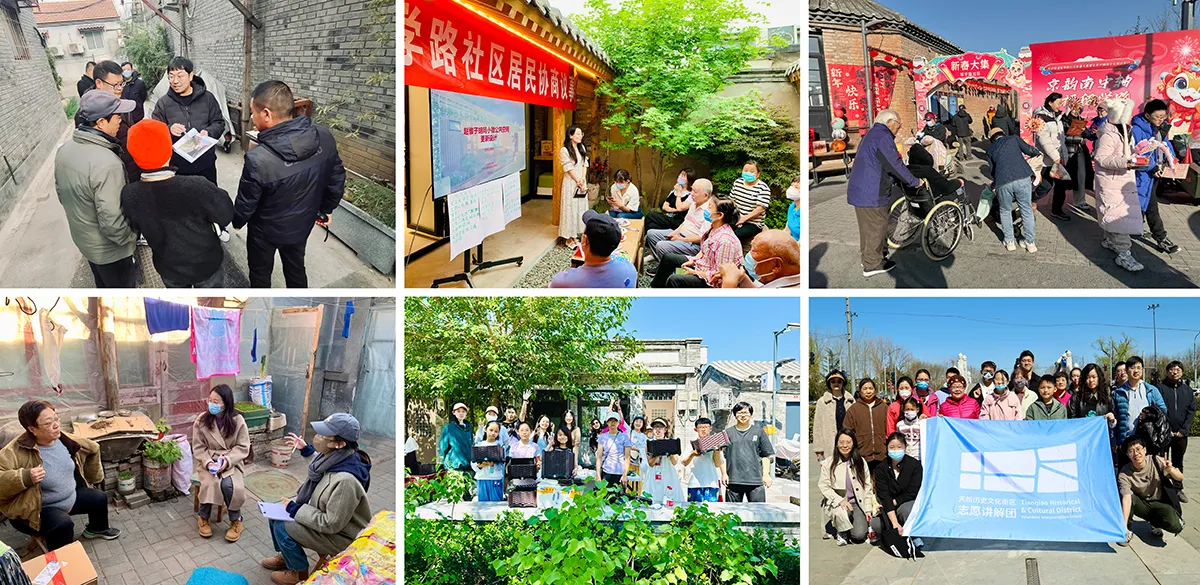
The process also allows those who may not traditionally be involved (older people, disabled people, young people, and marginalised groups) to actively participate in the conversation and be heard.
Co-design Tools
There are many tools that can be used to involve people in co-design, and they can be useful and tailored to each stakeholder group.
Hands-on Workshops (Design charette)
These require the designer (design team) to provide the tools (pens, clay, plans, tracing paper, coloured squares, pictograms, string, tape measures, etc.) for participants to express their ideas. Young people may wish to express their ideas with drawings or clay. Others may wish to use coloured squares or pre-drawn pictograms. The process is malleable and still requires curation by the design team to translate the ideas into a truly representative design.
Site Walks
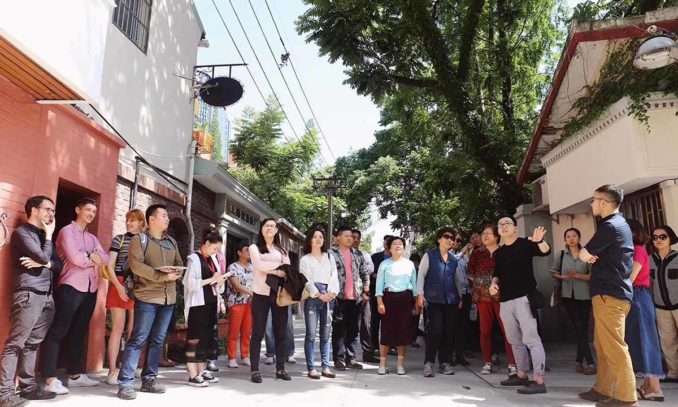
Walking with participants can be beneficial for the design team and participants, as it allows them to point out features, resting spots, paths, and other issues that may not be physically apparent. Site walks also allow people to tell stories about the place and provide cultural history and background information.
Pop-ups
These can take many forms and can take many forms including:
Table or Seating: could simply be setting up a table or seating with a sign or information about the process, allowing people to have a conversation about the place and how they interact with and use it.
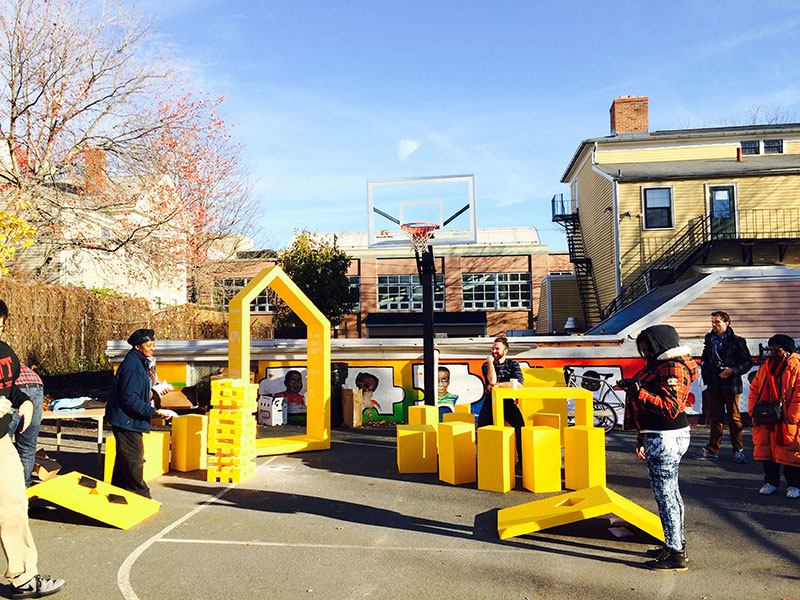
Modelling/Prototyping: providing tools such as string or ribbons or other materials (blocks) that allow people to set out ideas and spark conversations about the possibilities.
Vision Boarding/Mind Mapping: have whiteboards or flipboards and pens allowing people to draw or note ideas.
Cards or Priority Ranking: participants are given a set of cards or other physical items (e.g., balls, numbered items) and asked to prioritise potential amenities.
Journaling: provide journals (or an app or website) to various participants, and they can share information about how they use the space over a week or month, or their stories of the place. This can be anonymous or voluntary.

Co-design is an important part of the design process and should occur at the start to include those who will be involved in the design in the conversation. Often, this process can be reduced due to client budgets or short timelines; it affects how the space will be built, used, and maintained. Engaging in a co-design process can inform the design and allow the designer to move the conversation away from rigid positions to uncovering the interests and issues and better defining the problem.

The process also requires transparency and a feedback loop to show how participants’ requirements, ideas, visions, and hopes were realised. Reengagement is a key element of co-design and representing everyone’s ideas.
Involving more people in the design process requires the designer to “hand over the pen” and cede authority to others. It does not mean the designer has to step out of the process, but it does mean they need the ability and empathy to enable others to participate in the design process and decision-making. The designer will still have to make decisions along the way (about space, budget, and priorities) and navigate difficult conversations, but this requires them to understand that they are facilitating the design process to achieve better outcomes for all. Developing a mediation strategy so that the conversation moves away from which group wins to which option addresses the problem and delivers the best solution that meets the group’s goals.
Co-design can be a rewarding process, as it creates a human and responsive design that cannot be achieved by a single designer or machine. Co-design takes courage as a designer, allowing others to create a vision and a place they will take over and live in day to day.
Article by Damian Holmes – Founder of World Landscape Architecture