
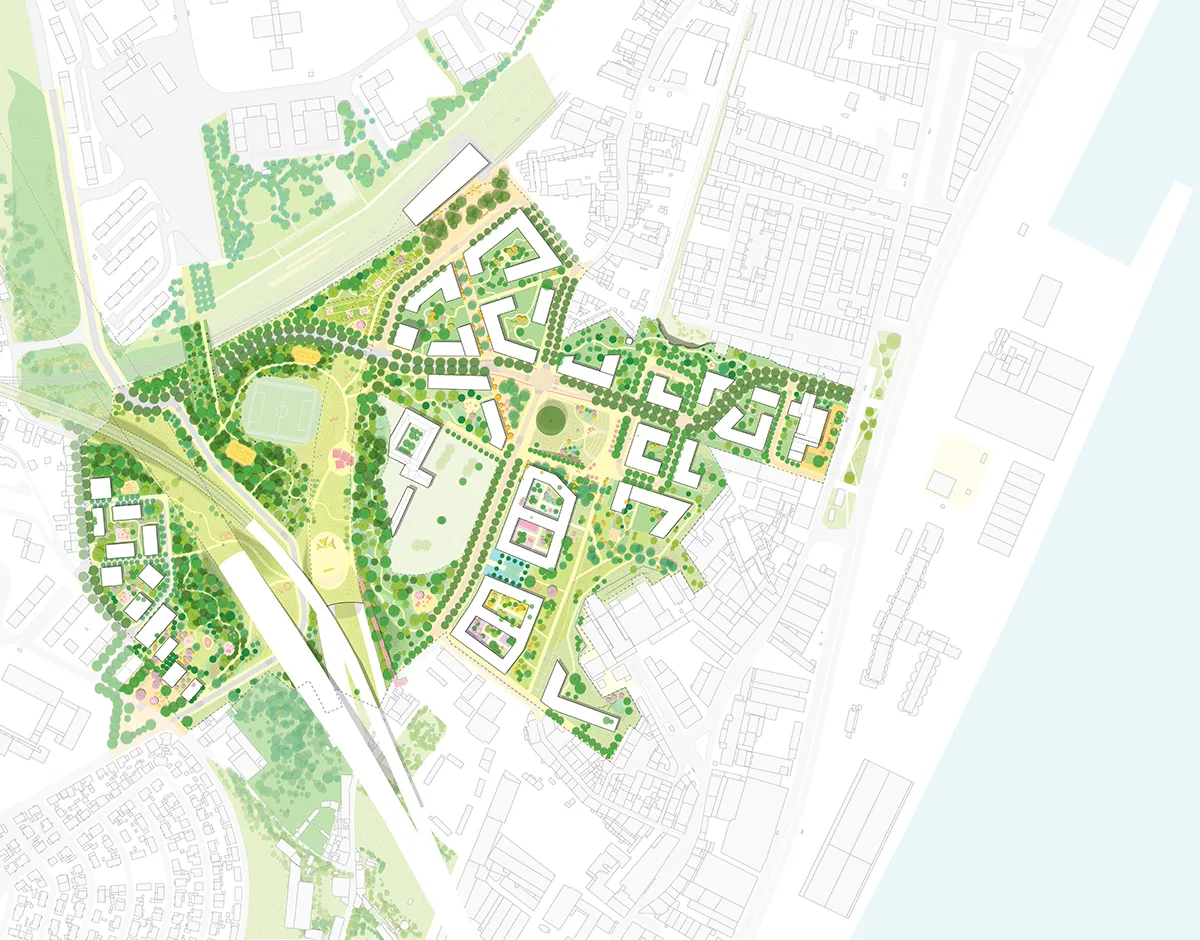
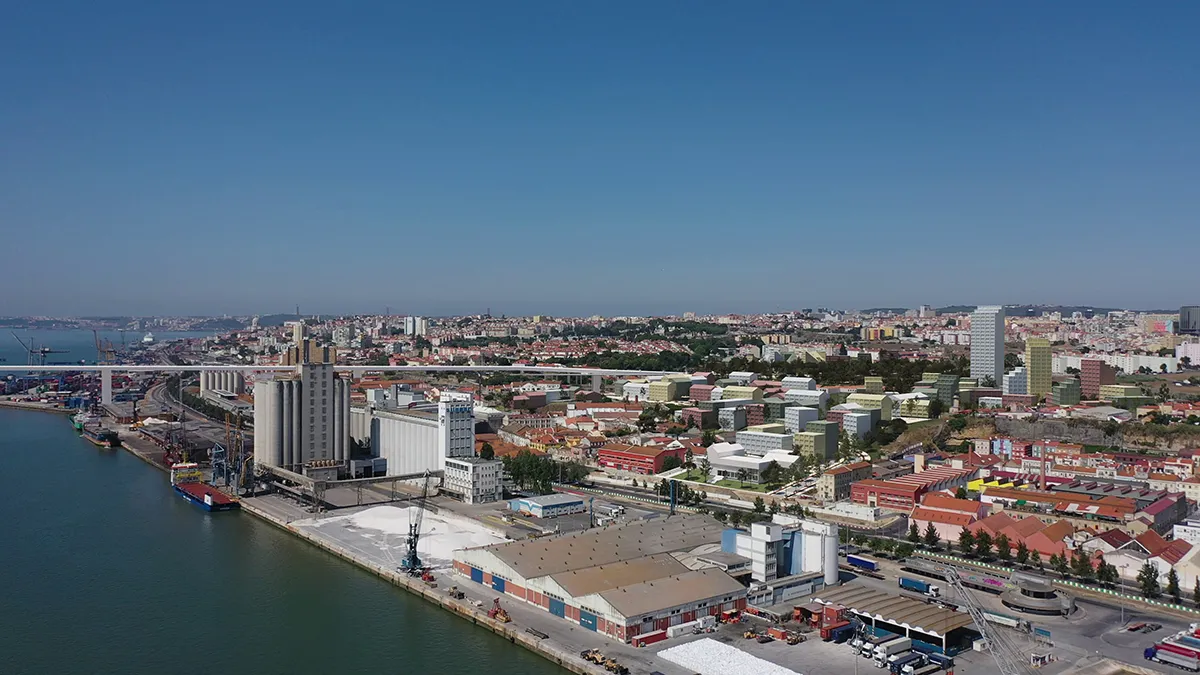
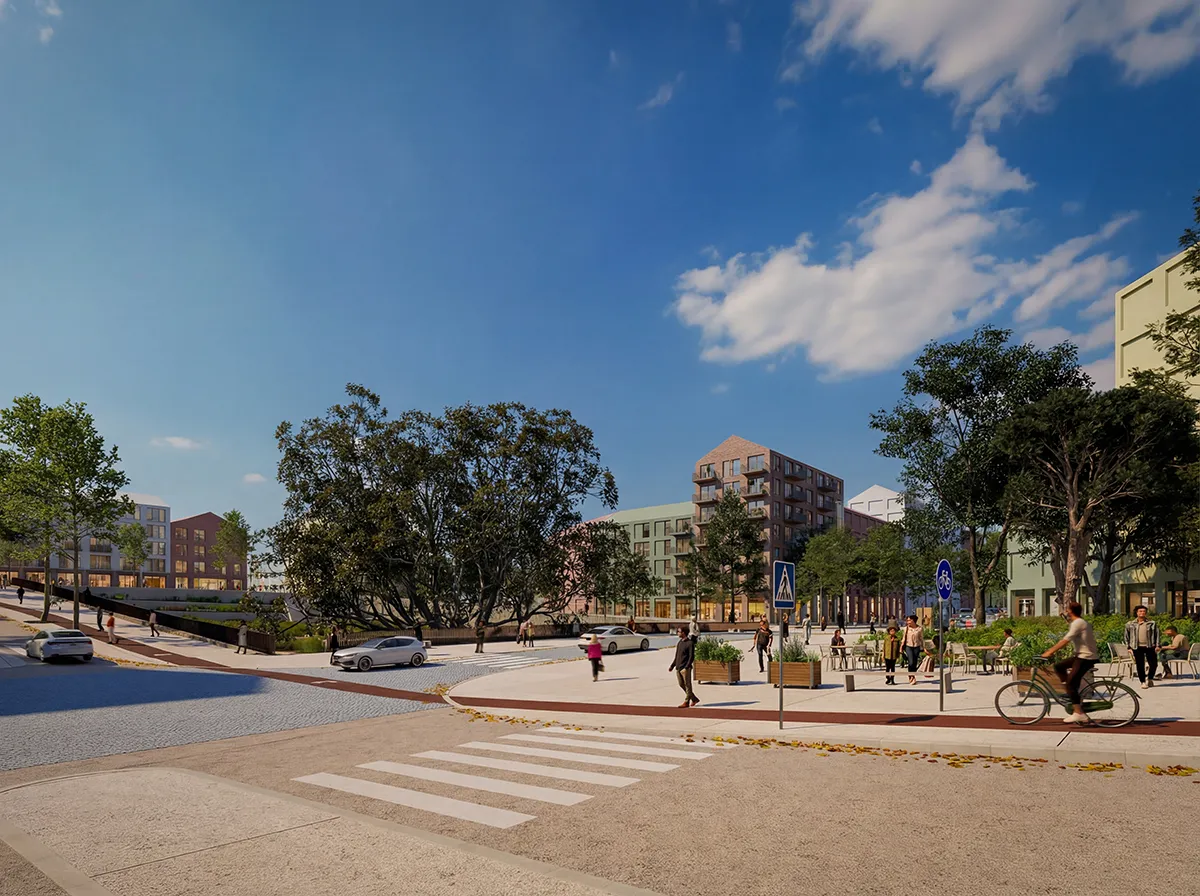
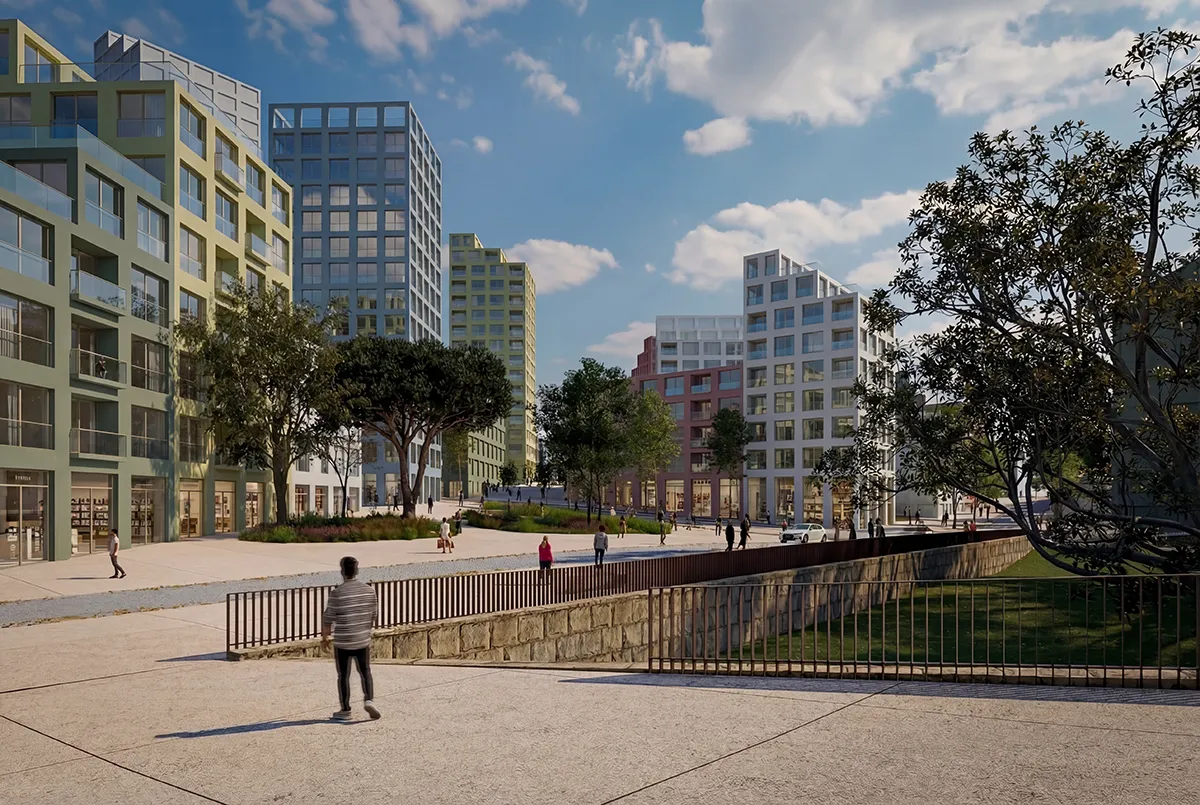
The Marvila Masterplan, spanning about 28 hectares between Marvila and Beato along Lisbon’s riverfront, has received approval from the Lisbon City Council. Crafted by MVRDV and OODA, with contributions from LOLA Landscape Architects and Thornton Tomasetti, this plan establishes a new urban and landscape blueprint for one of the city’s largest regeneration projects. It includes 1,400 homes, public facilities, commerce, and services. The project reimagines a previously fragmented and largely abandoned area into a vibrant urban center, divided into four distinct zones. Each zone has its own character, yet they are all interconnected through a continuous network of public spaces, landscapes, and mobility infrastructure.
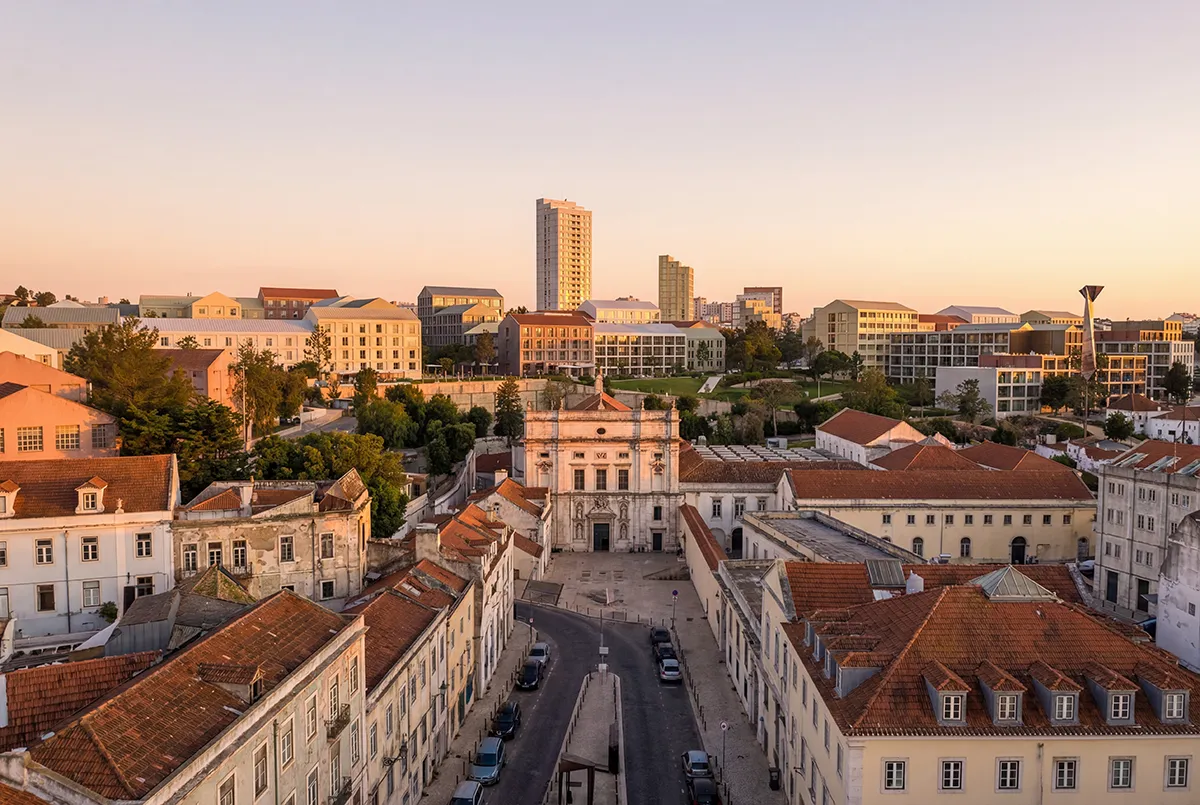
Located on Lisbon’s eastern riverfront, the Marvila Masterplan site has undergone layer upon layer of transformation, yet remains underused and largely disconnected from the city. It was once agricultural land owned by wealthy Lisbon families, and from the late 18th century it was shaped by early industrial development. Railway lines crossing the area have, over time, created a physical barrier separating it from its surroundings and the River Tagus. Today, despite its strategic position between Lisbon’s centre and the Parque das Nações area, it remains a fragmented part of the city. Vacant plots, obsolete infrastructure and a lack of quality public spaces conceal an area with significant untapped potential.
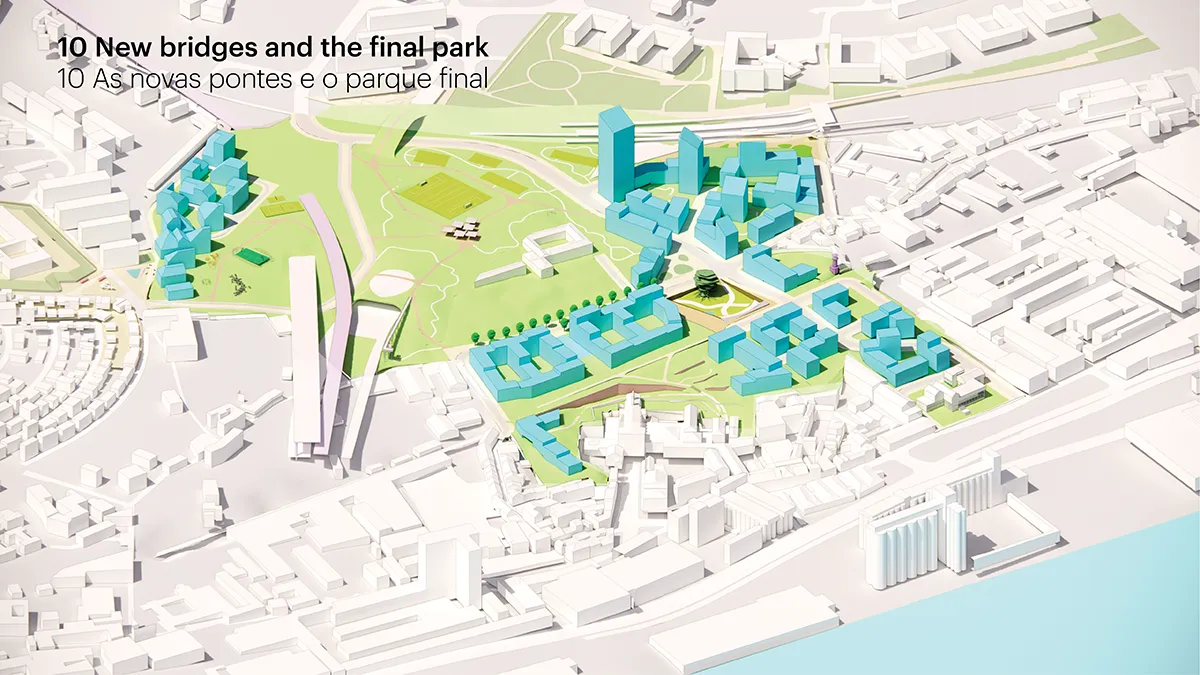
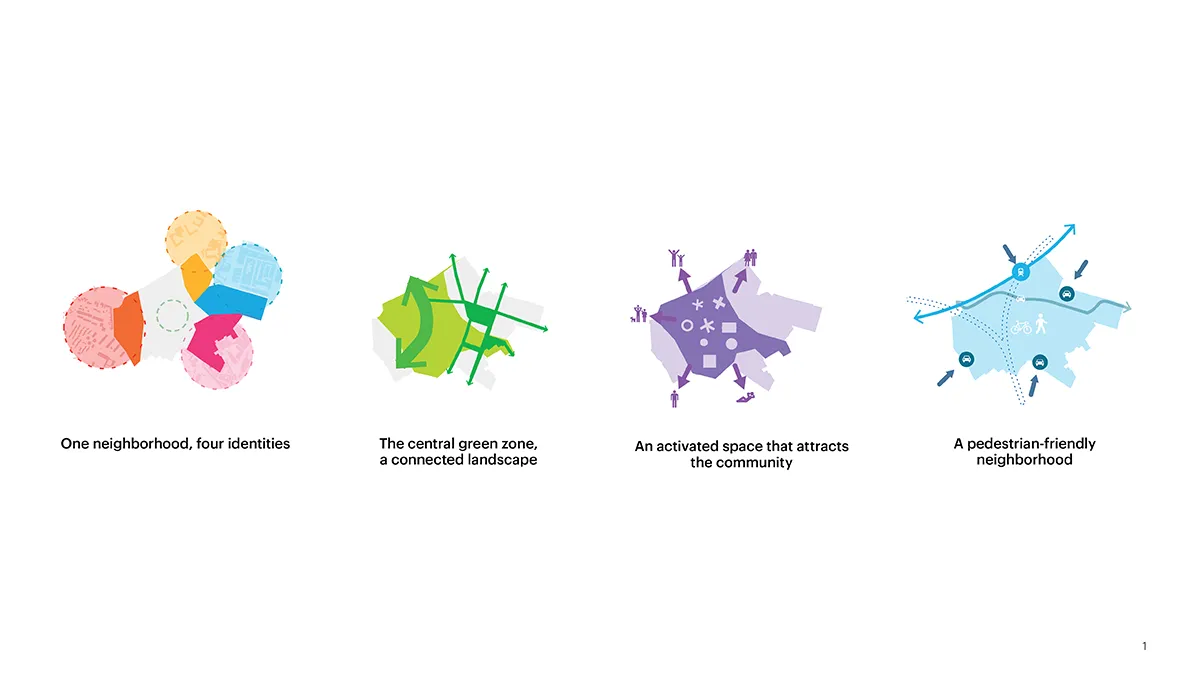
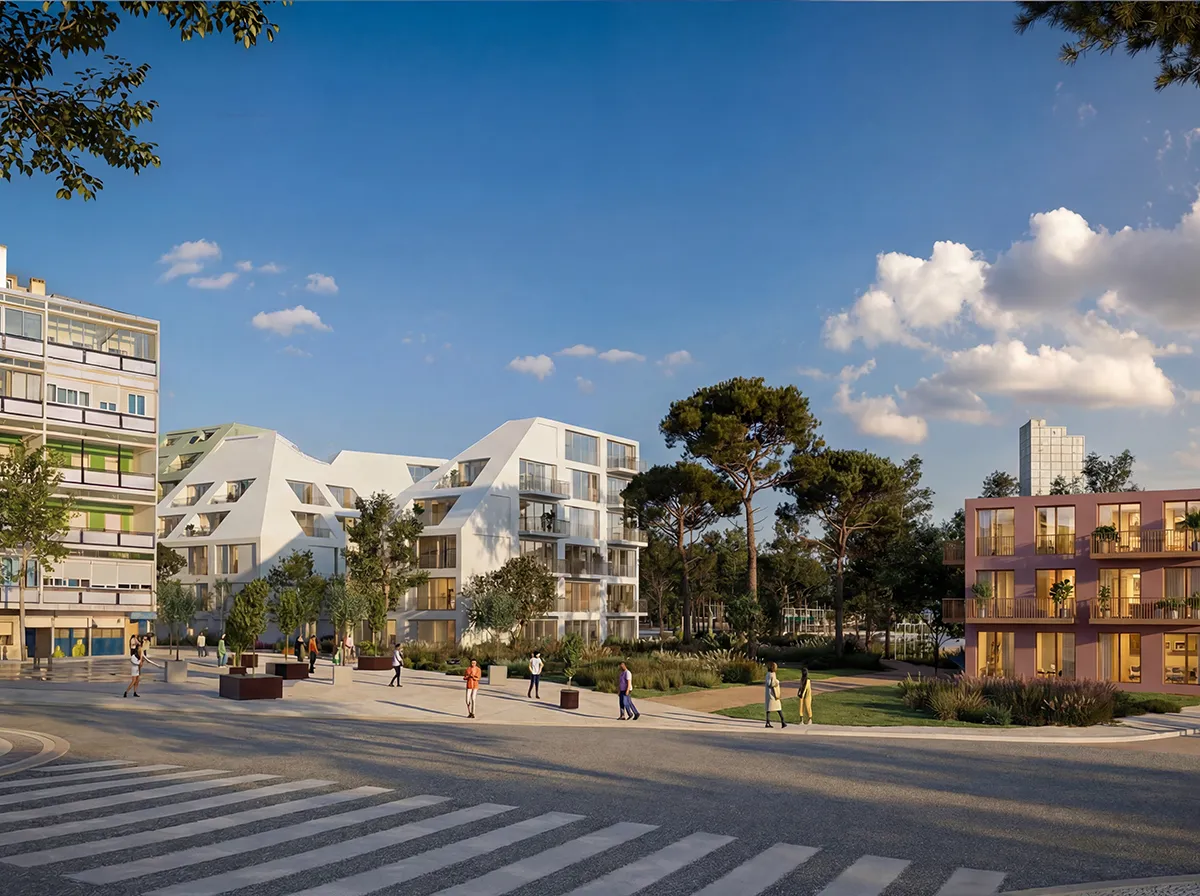
The masterplan is organised into four distinct clusters related to the adjacent neighbourhoods – Açúcar, POLU, Beato and Madre Deus – each with its own identity while forming part of a continuous urban system. The size and placement of buildings respond to topography, views and the surrounding urban fabric, creating transitions in scale and minimising the impact on neighbouring areas. Heights and densities vary across the four zones, with courtyards, open blocks, and public routes ensuring permeability and continuity. In order for the site to remain active and usable during the construction, each phase of the masterplan includes development of public space and green infrastructure.
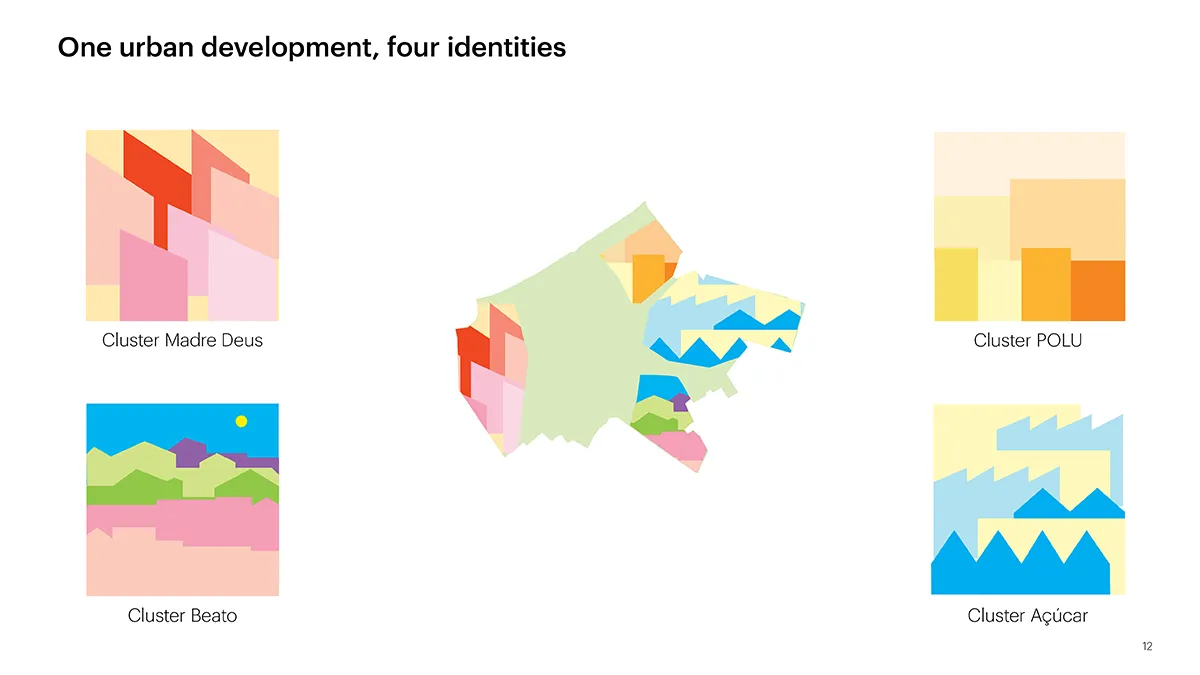
The plan includes around 1,400 homes, including affordable and social housing, along with public facilities such as a day centre, a care home, and commercial spaces. This mix keeps the area active and caters to diverse users. It also preserves cultural and natural heritage, such as the Convento do Beato and a historic rubber tree, which will be the centerpiece of a new square. The project emphasises reuse, renewable energy with solar panels, and innovative materials to lower its carbon footprint.
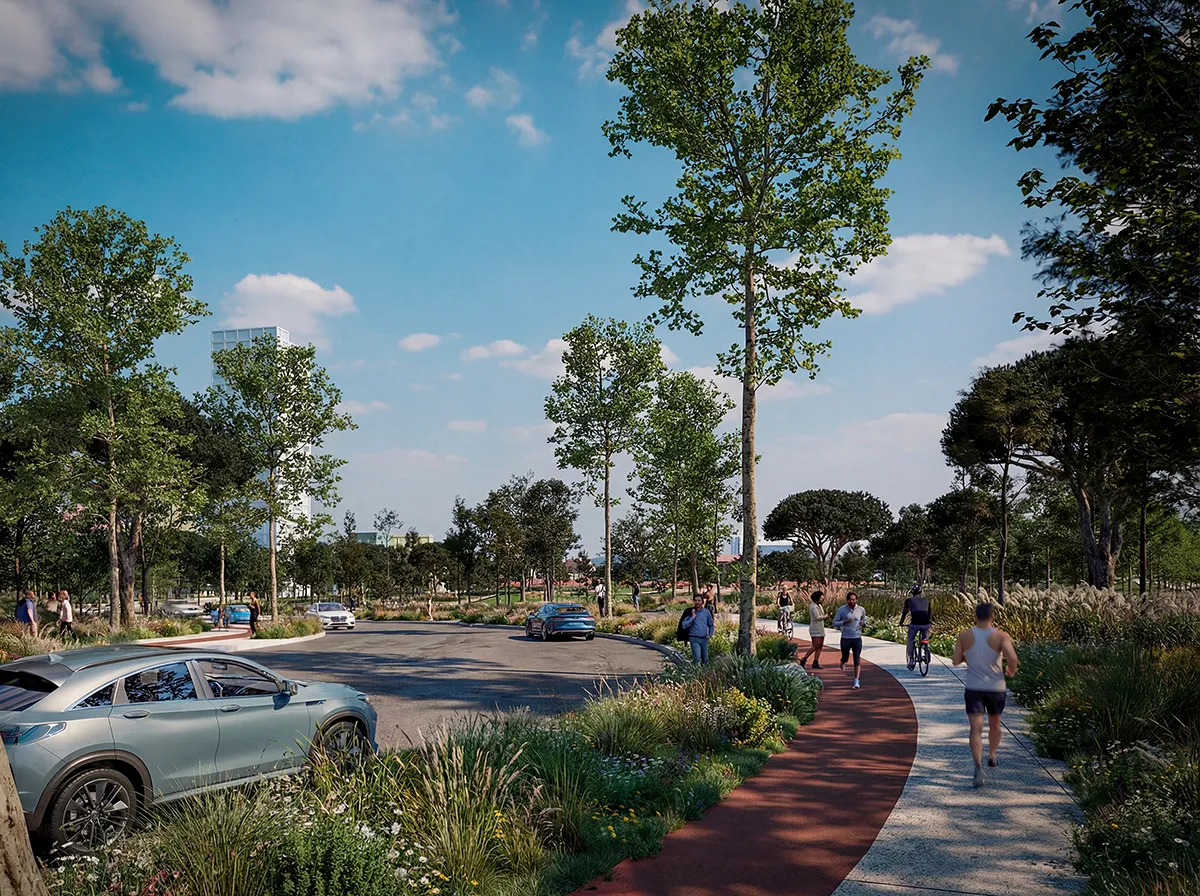
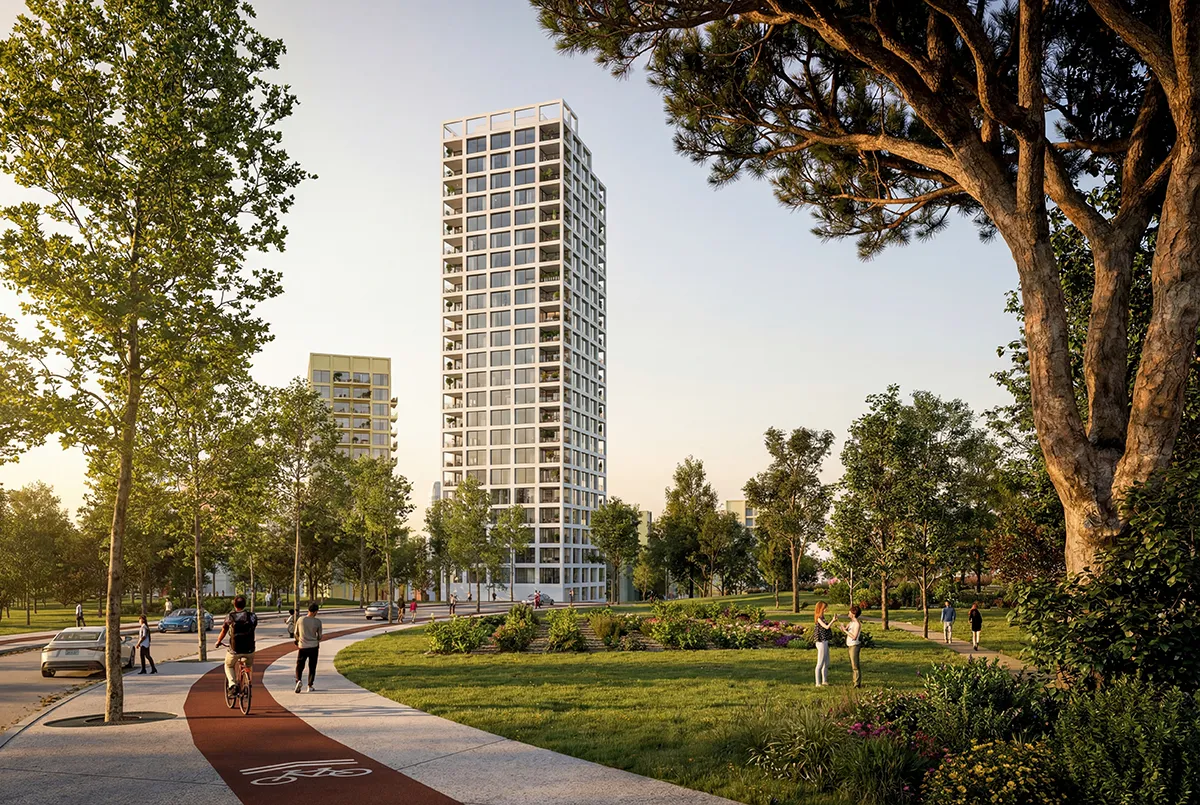
The landscape strategy integrates water retention and infiltration zones across the site, with drought-resistant planting and habitats for local species, strengthening biodiversity. A central urban park links the four clusters through a sequence of squares, courtyards, and green corridors. It serves as a space for leisure and community activities, incorporating pedestrian and cycling routes, connections to the waterfront, and a range of uses, including sport, urban allotments, and events. At the same time, the park addresses the impact of large-scale infrastructure, mitigating the effects of the future Third Tagus Crossing bridge (TTT), which will cut across the site, by introducing green buffers and covering parts of its structure.
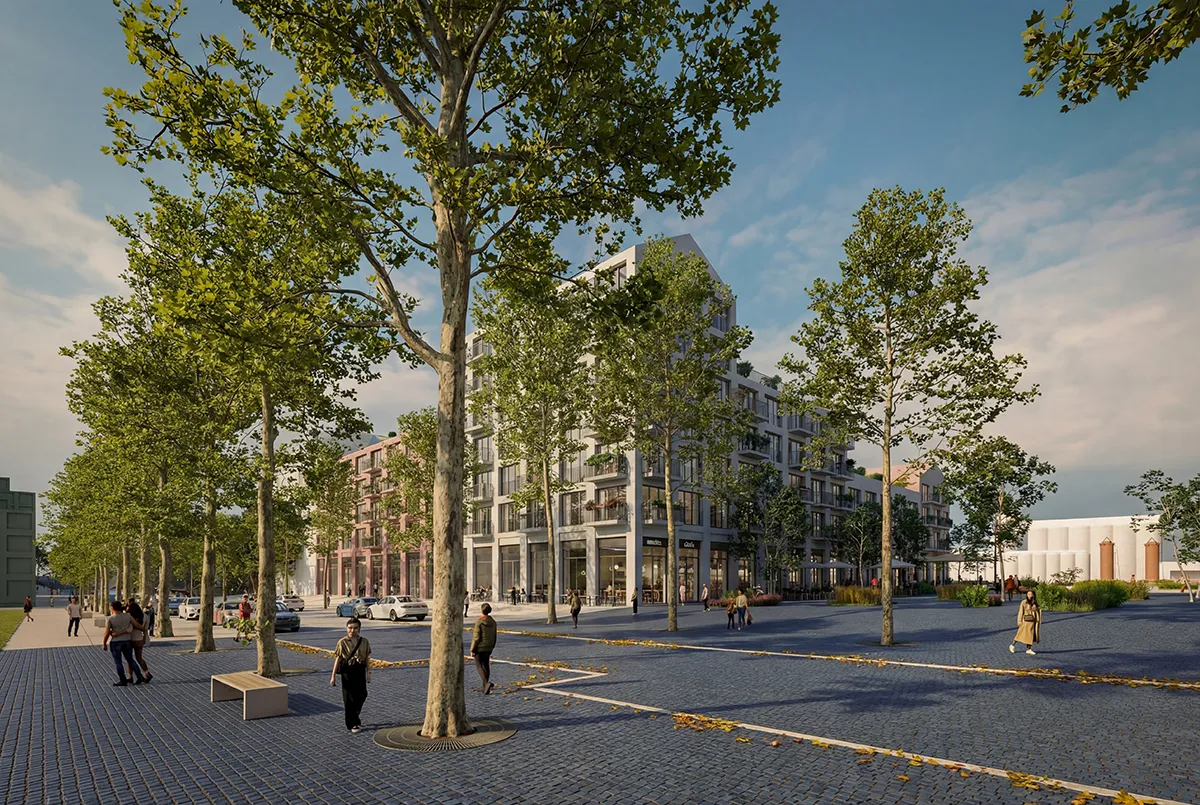
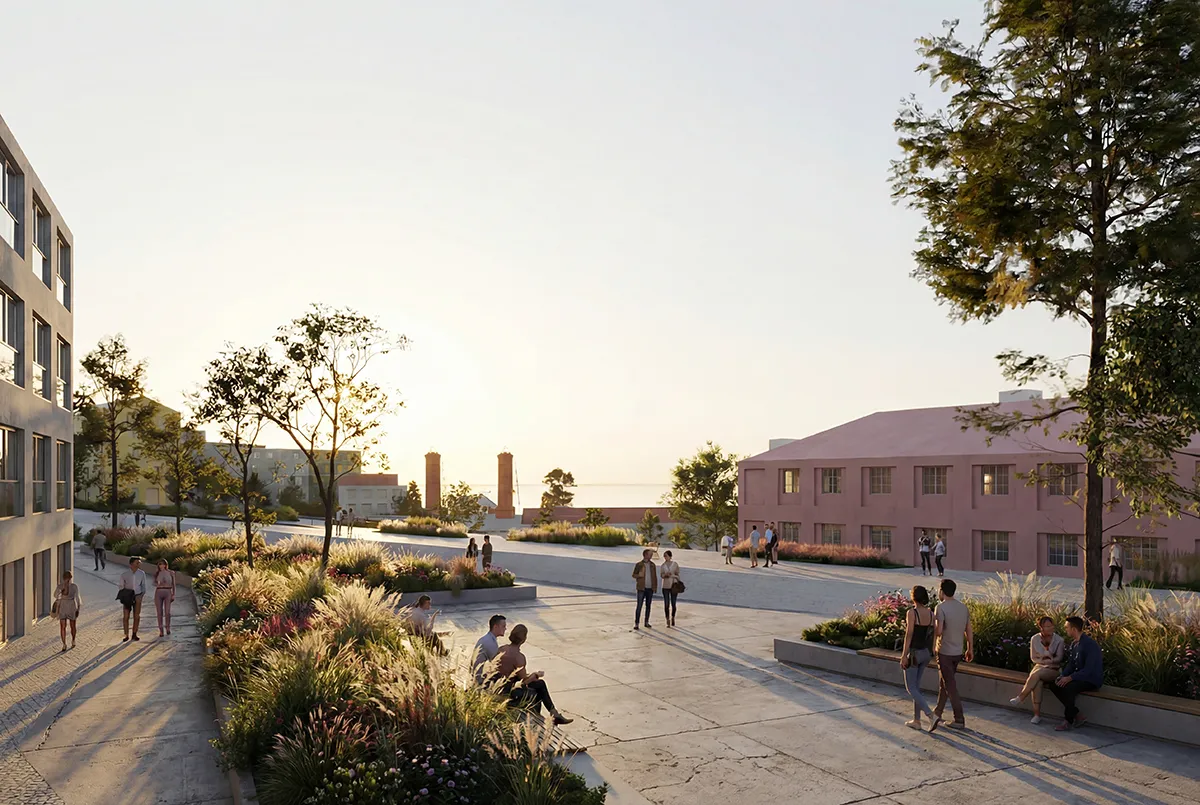
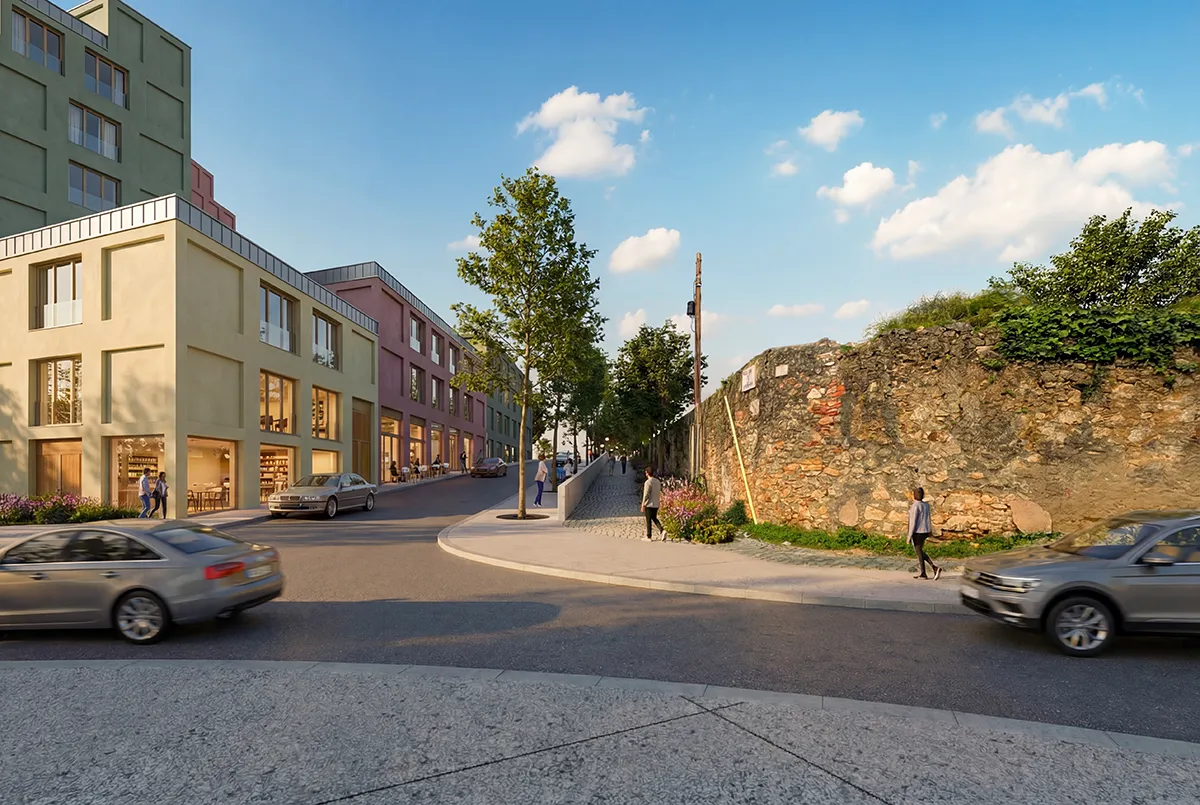
This approach involves adding a new deck over the Northern Line to eliminate the barrier and restore pedestrian links between Chelas station and the waterfront. It creates public space and viewpoints over the Tagus, includes a new Marvila station building to improve transit, and reorganises the road network to connect different levels, prioritising pedestrians and cyclists.
The masterplan has undergone two rounds of public consultation, allowing community input to inform and refine both the programme and the design. The project is a private initiative led by the principal landowner, developed in coordination with Lisbon City Council and Infraestruturas de Portugal. The project team is led by the MVRDV + OODA consortium, together with LOLA Landscape Architects and Thornton Tomasetti. Following its expected approval at the Execution Unit phase by Lisbon City Council, the next steps include the Environmental Impact Assessment, urbanisation works, and land subdivision, thereby establishing the framework for the area’s transformation and moving forward.
Marvila Masterplan
Location: Lisbon, Portugal
Architect: MVRDV, OODA
Team MVRDV
Founding Partner in charge: Jacob van Rijs Partner: Fokke Moerel Design Team: Stephan Boon, Maria Stamati, Thiago Maso, Enno Zuidema, Laura Huerga, Nahid Aghaie Tabrizi, Xiaochun Sheng Business Development: Sruti Thakrar
Team OODA
Partner in Charge: Rodrigo Vilas-Boas Design Team: Diogo Brito, Francisco Lencastre, Julião Pinto Leite, João Jesus, Guilherme Bivar, João Simões, Cesare Mazzocato, Ingrid Ori, Jonás Gómez, Tomás Neves
Collaborators
Landscape architect: LOLA Landscape Architects
Partner in charge: Peter Veenstra
Design team: Simon Verbeeck, Victor Hugo Faustino, Silke Volkert, Lucio Fiorentino, Nastya Vashchenko, Boya Zhou, Martin Garcia Perez
Structural engineer: Thornton Tomasetti
Team: Daniel Bosia, Liz Dubay, Duncan Cox, Jeroen Janssen, Julie Pietzrak, Jacqueline Lu, Barbara Gao, Nico Azel
Project coordination: PFXCO
Images: ©OODA