
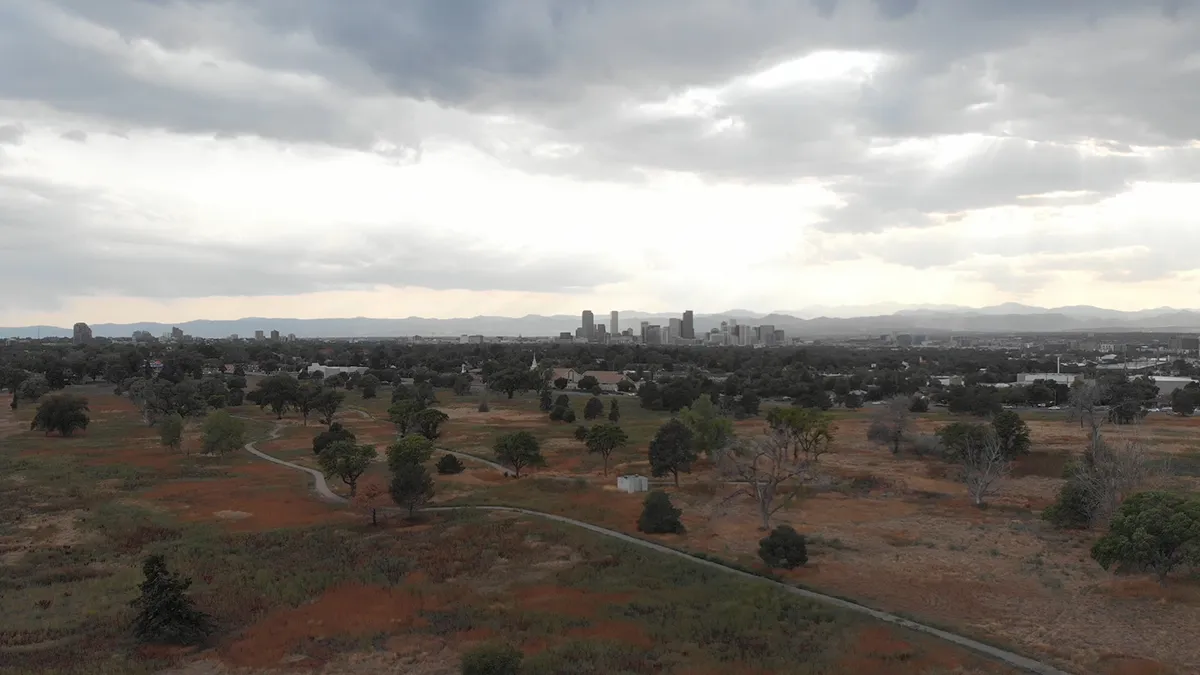
Denver has an expansive and diverse park system that spans nearly 6,000 acres within city limits. With the largest ever acquisition of private land in Denver’s history, the purchase of the 155-acre Park Hill Golf Course earlier this year, Denverites have a once-in-a-generation opportunity to co-create a public park that will balance natural and passive spaces with crucial active and recreational uses on the site.
From Dairy Farm to Airport to Golf Course to Public Park
For over a century, the property has served many different purposes. In the late nineteenth and early twentieth centuries, the land served as a dairy farm. By the 1920s, parts of the site were used to support the neighboring Lowry Airfield, and in 1931, the site began operating as a golf course. The Park Hill Golf Course shuttered in 2018 and was purchased by a private developer in 2019. The community came together to pass a vote to prohibit development on the site, and in 2025, Denver Mayor Mike Johnston finalized a historic land swap that involved exchanging undeveloped industrial land near Denver International Airport. The swap ended years of litigation and community organizing, converting what had become fenced-off, inaccessible terrain into what is now Denver’s fourth-largest public park.
The transformation from a former golf course to public park began with a visioning process led by Denver Parks and Recreation Department (DPR) and Sasaki’s Denver office. Launched in the spring of 2025, Sasaki worked closely with DPR to gather input from Denverites about what they would like the future of Park Hill Park to look like. This past November, voters moved the project forward by passing a $950 million bond, the 2025 Vibrant Denver Bond, for capital infrastructure projects, including $70 million earmarked for Park Hill Park.
Co-Creating a Draft Framework Plan
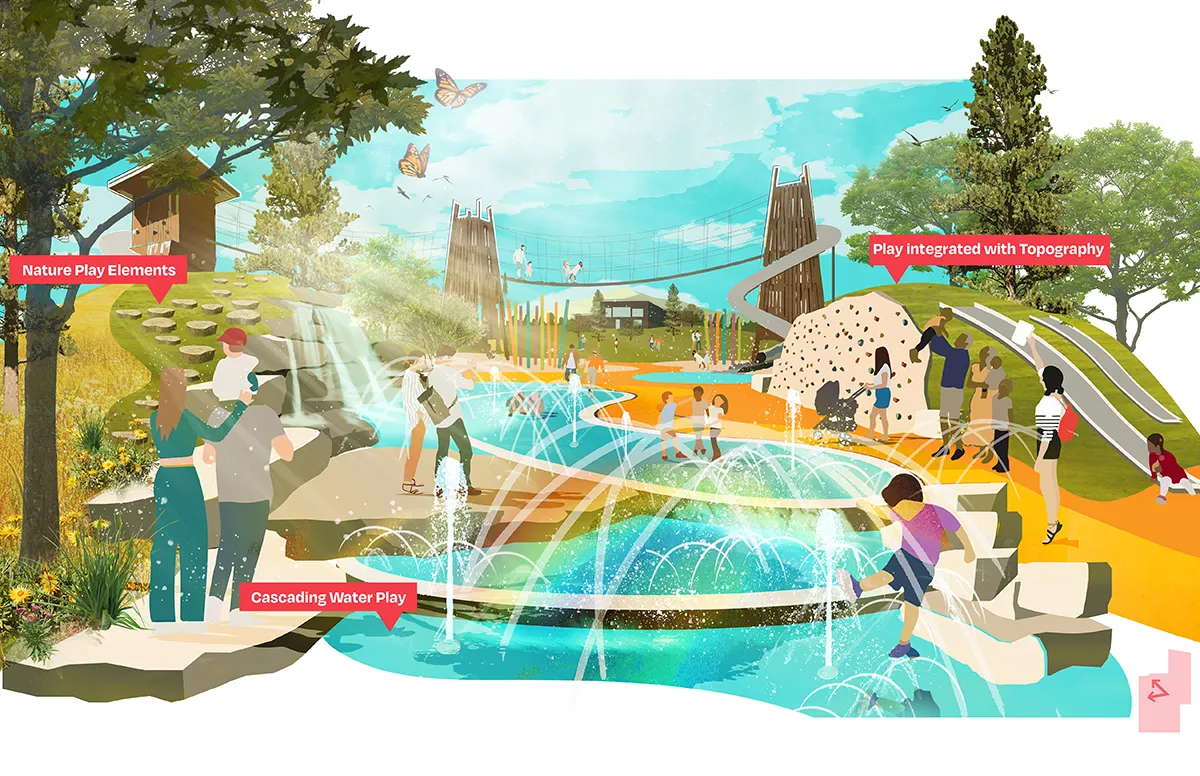
Building off the Park Hill Golf Course Prevailing Vision from 2021, the Sasaki team synthesized three top priorities: creating a new, significantly sized park and community gathering space; preserving and expanding the tree canopy to combat urban heat island effects; and adding youth and recreational sports opportunities.
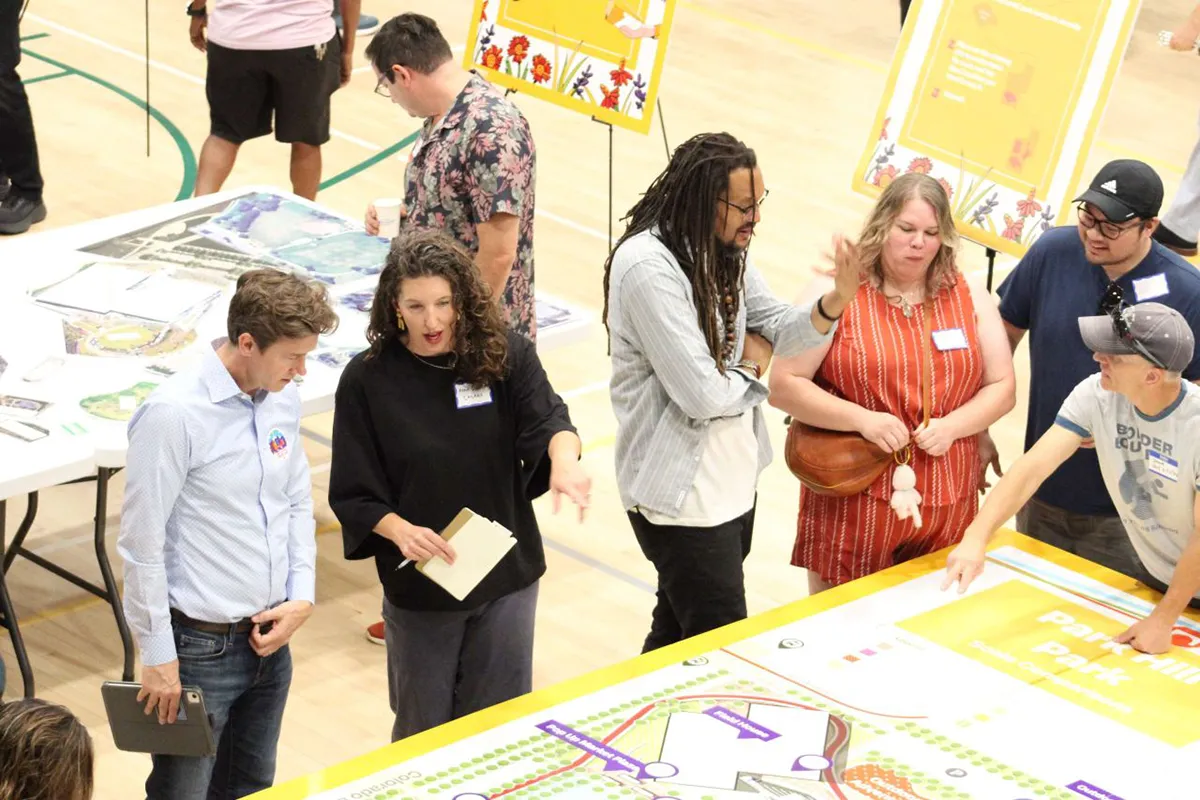
Through an engagement process that spanned over nine months, DPR and Sasaki held open houses, pop-up events, and initiated two online surveys to gather input. The initial engagement phase informed overarching themes and goals and set the course to develop guiding principles which underpin the project and act as a framework for making decisions.
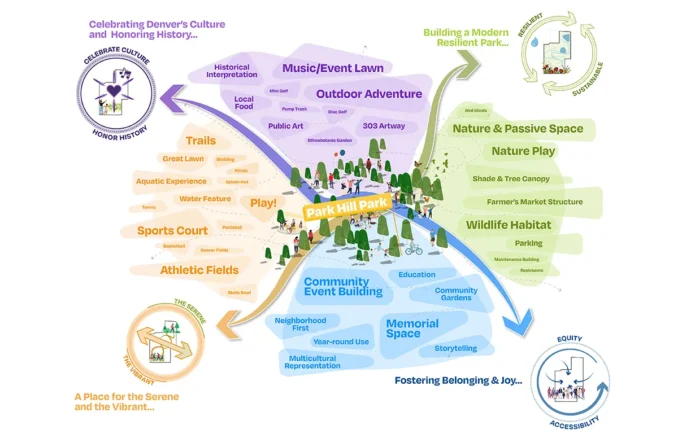
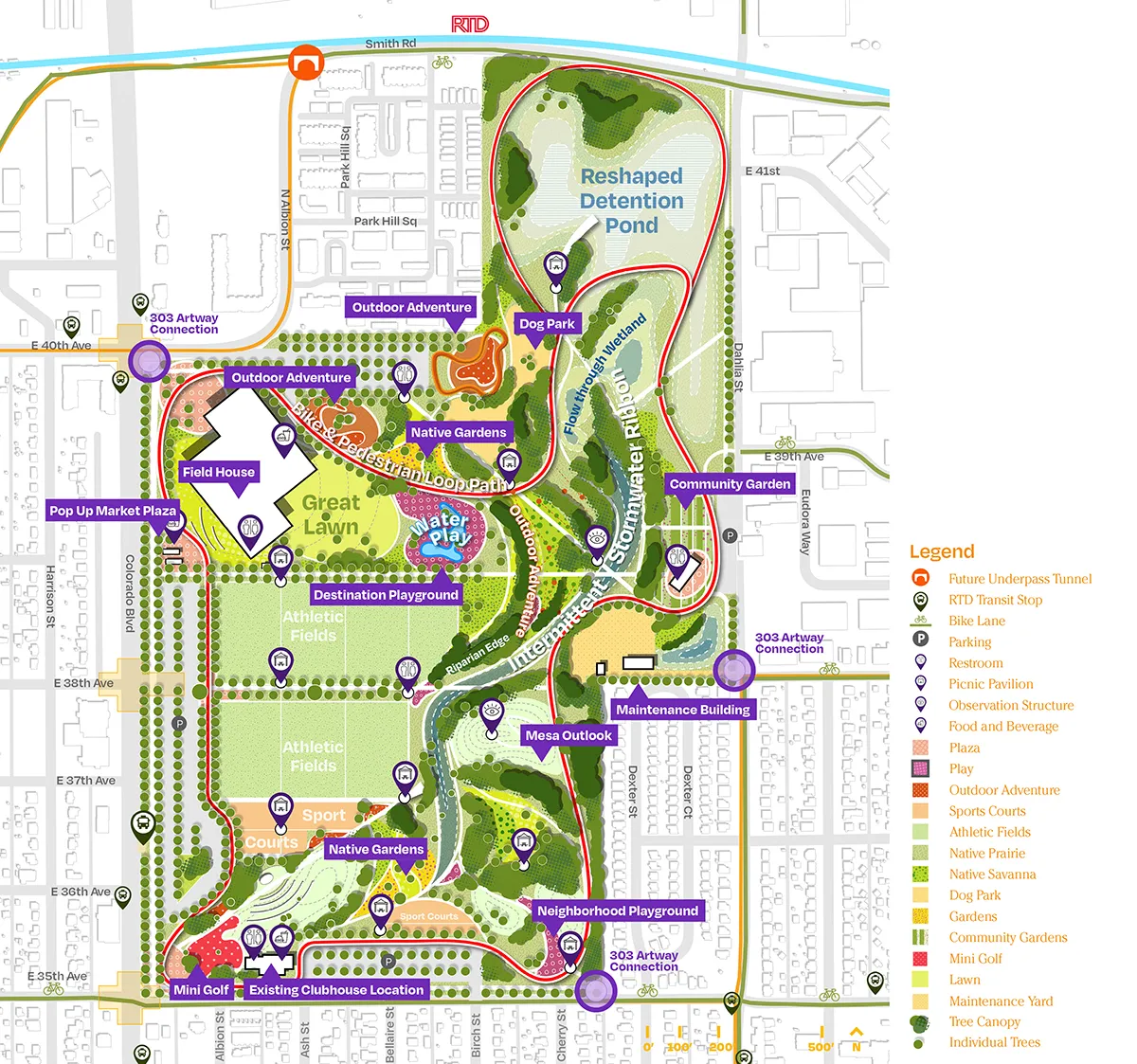
The Park Framework is defined by a central ribbon of ecologically rich open areas, with comprehensive stormwater management and place-based ecological interventions. The open space core is surrounded by recreational and cultural uses that bring users into a space that balances activity, interaction, respite, and community. The vision balances open space and active park activities. Visitors can immerse themselves in nature that extends through the park, with observation points and nature-based play, and actively recreate with diverse opportunities including multi-use fields, sports courts, and outdoor adventure programs.
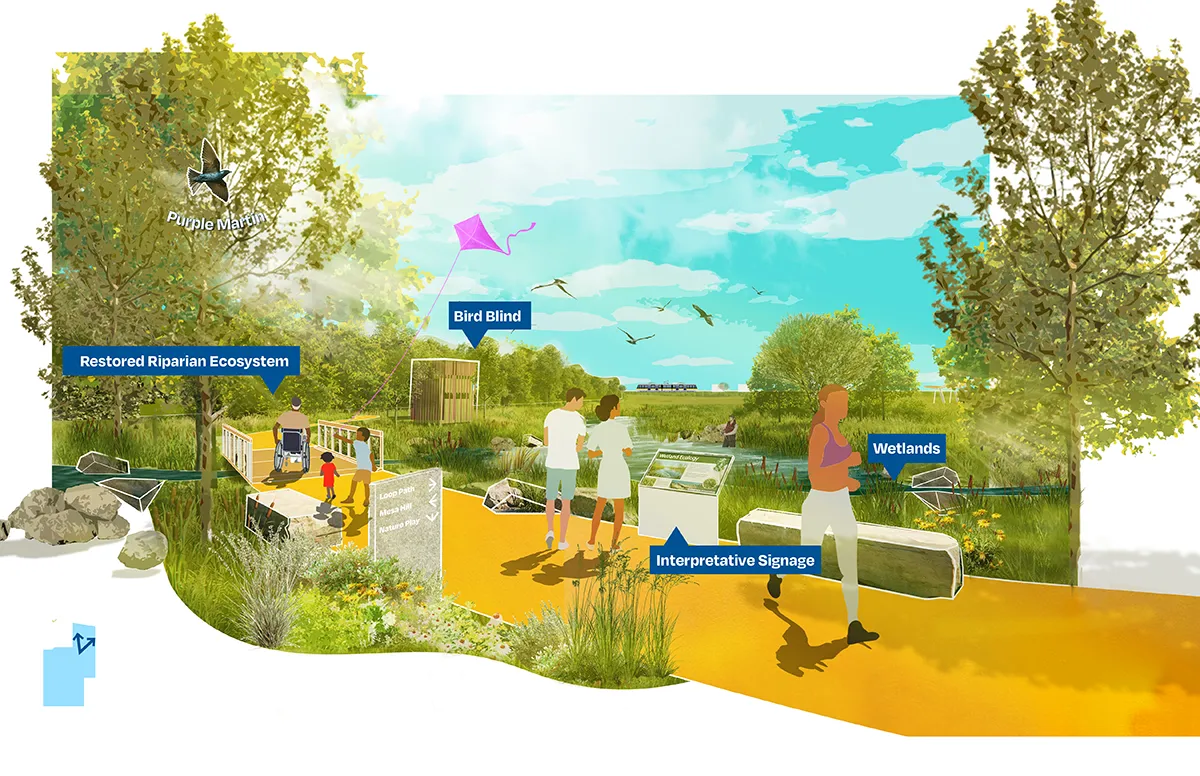
Capturing and cleansing stormwater is a key element of the design. The approach follows existing overall site grading and drainage to treat 100% of stormwater on site. The intermittent stormwater ribbon collects runoff from almost all areas of the site to create an educational, ecological, and interactive experience. There are several integrated stormwater strategies, including parking lot green infrastructure, a flow-through wetland, building runoff re-capture, and vegetative filtering. These strategies work together to reduce downstream flooding, and collectively create an ecological, hydrological, and educational resource for the community.
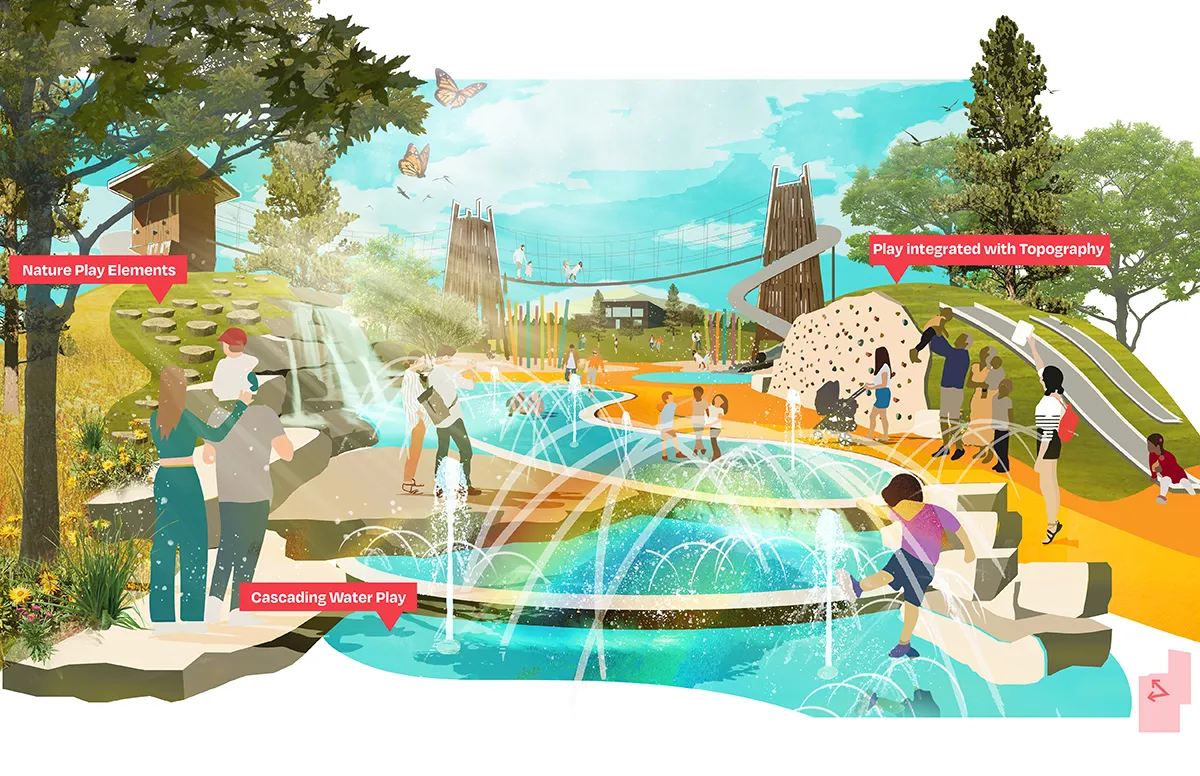
Higher energy areas of the park include spaces for traditional organized sports, alternative sports, and an aquatic experience. A meandering creek bed through the middle will manage stormwater while creating visual interest, education, and opportunities for ecological enhancement. A cultural hub for community gathering is envisioned around the existing clubhouse.
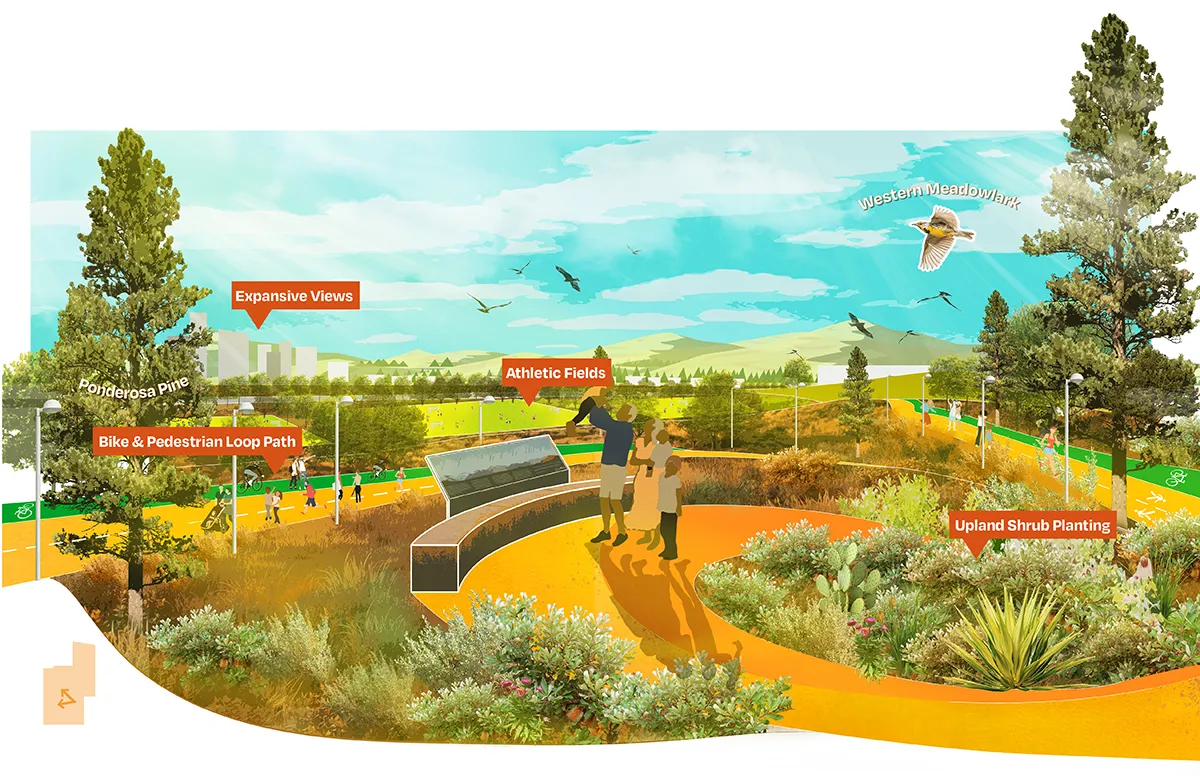
Ecosystem restoration and habitat enhancement drive design ideas. The plan proposes a range of native habitat types, providing wildlife habitat, pollinator forage, ecosystem services, and human health benefits. Native plantings are well adapted to Denver’s semiarid climate, reduce irrigation demand, and provide visitors with a respite in nature. Amenities such as restrooms, picnic pavilions, and observation structures are located throughout the park. The entire site is connected by a wide, multi-use park loop and pathway system for easy access throughout.
Unique Asset in Denver’s Parks System
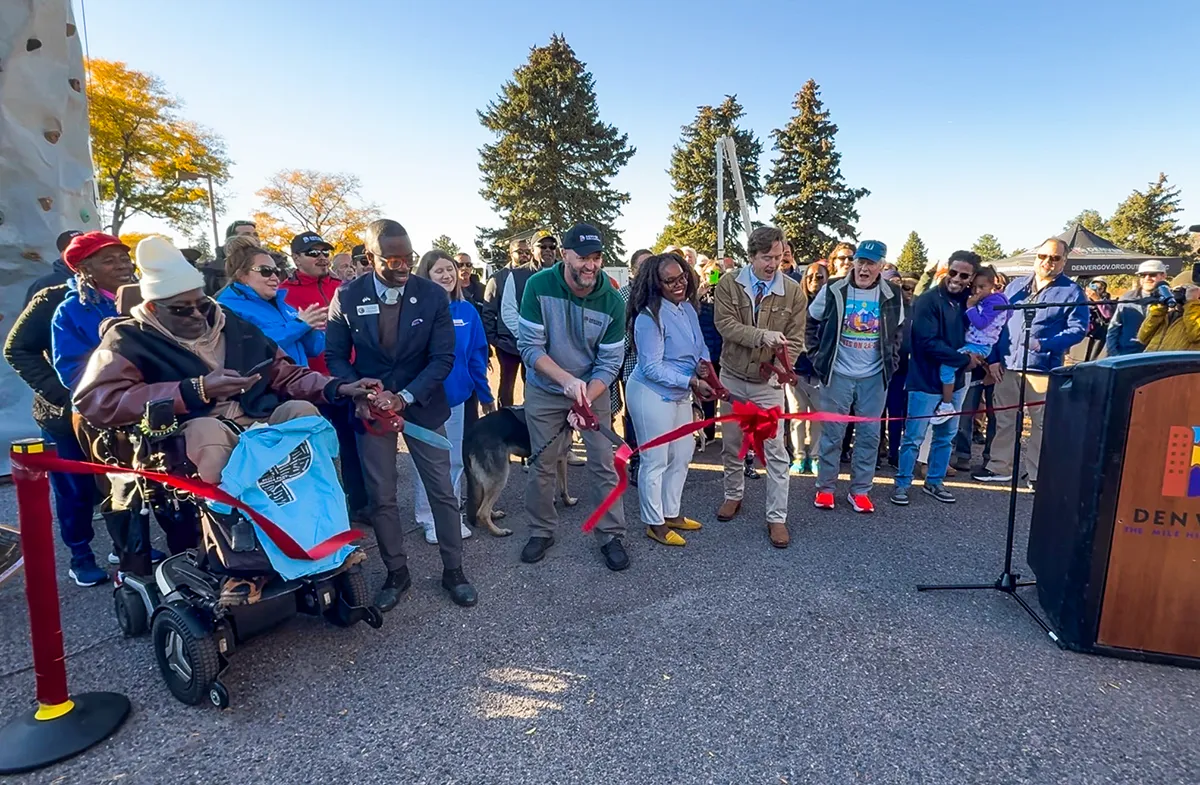
In 2024, Sasaki completed the Denver Parks Asset Condition and Park Quality Study, which provided a comprehensive view of the parks and open spaces under DPR’s purview. The data-driven study developed standardized criteria for asset assessment and helped inform a five-year capital planning process. Park quality assessment factors were drawn from Denver’s Game Plan for a Healthy City, another Sasaki-led planning effort. These factors included fostering diversity in park spaces, strengthening connections to Denver’s natural environment and cultural identity, and expanding equitable access to the park system for every resident.
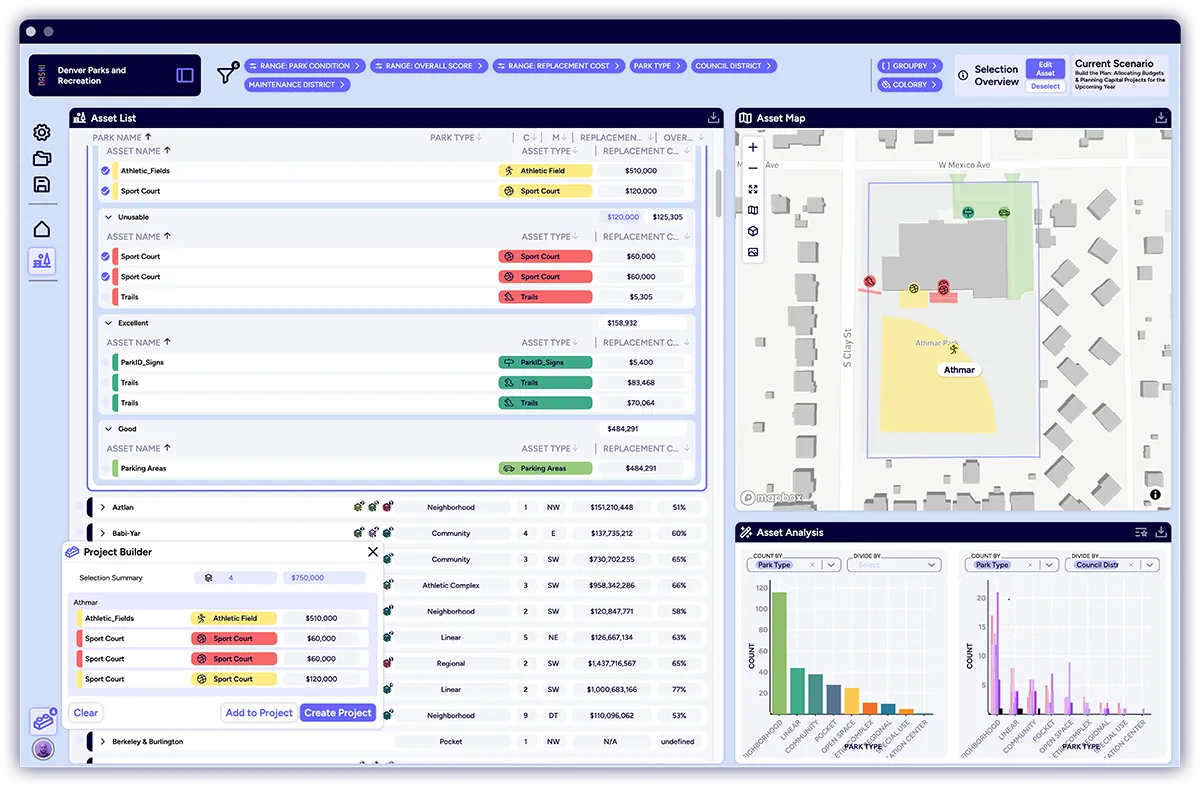
The process and study results informed Sasaki’s visioning approach for Park Hill Park, highlighting the site’s potential within Denver’s parks system. By merging the community’s aspirations with a deep understanding of the urban fabric, park assets, and ecological needs, Park Hill Park is poised to become a public green space that Denverites will return to for generations.