
Winner of the 2025 WLA Awards – Honourable Mention in the Built Private Residential Landscape Design
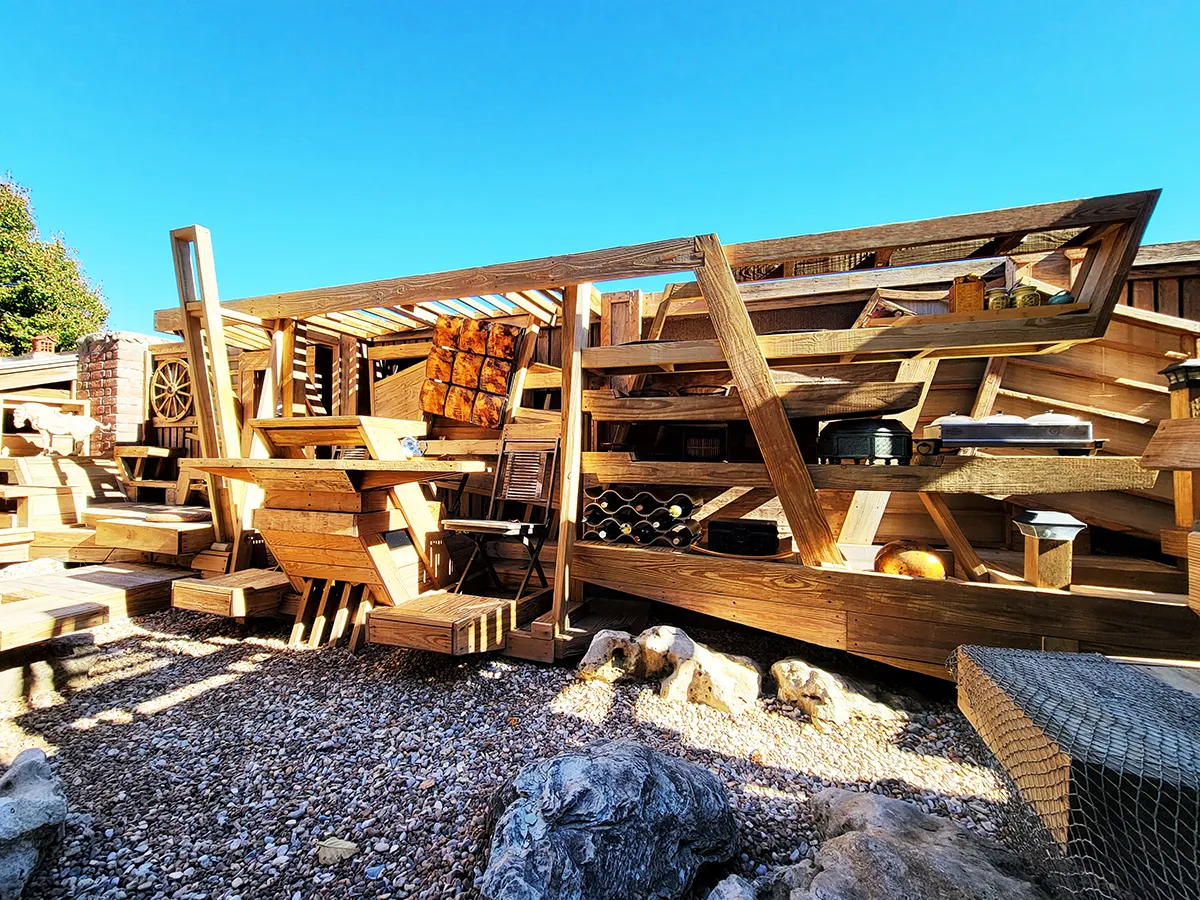
Dreaming in Lotus Bay is a small landscape project emerged during the COVID-19 pandemic as a rare solo effort—entirely conceived and built by the designer himself. Rooted in personal experience, it centers on the universal idea of a “family harbor.” Life is like sailing on a vast ocean, and home is its harbor—a timeless metaphor that transcends cultures. The pandemic deepened this shared sentiment, inspiring the creation of an unprecedented harbor within the designer’s own courtyard.
More than a home improvement, the project responds to the social shifts triggered by the pandemic through creative landscape design. It tells a broader story through the renewal of a small courtyard while exploring new possibilities within the most essential unit of life—the home. The result is both a functional artwork and an ecological sanctuary.
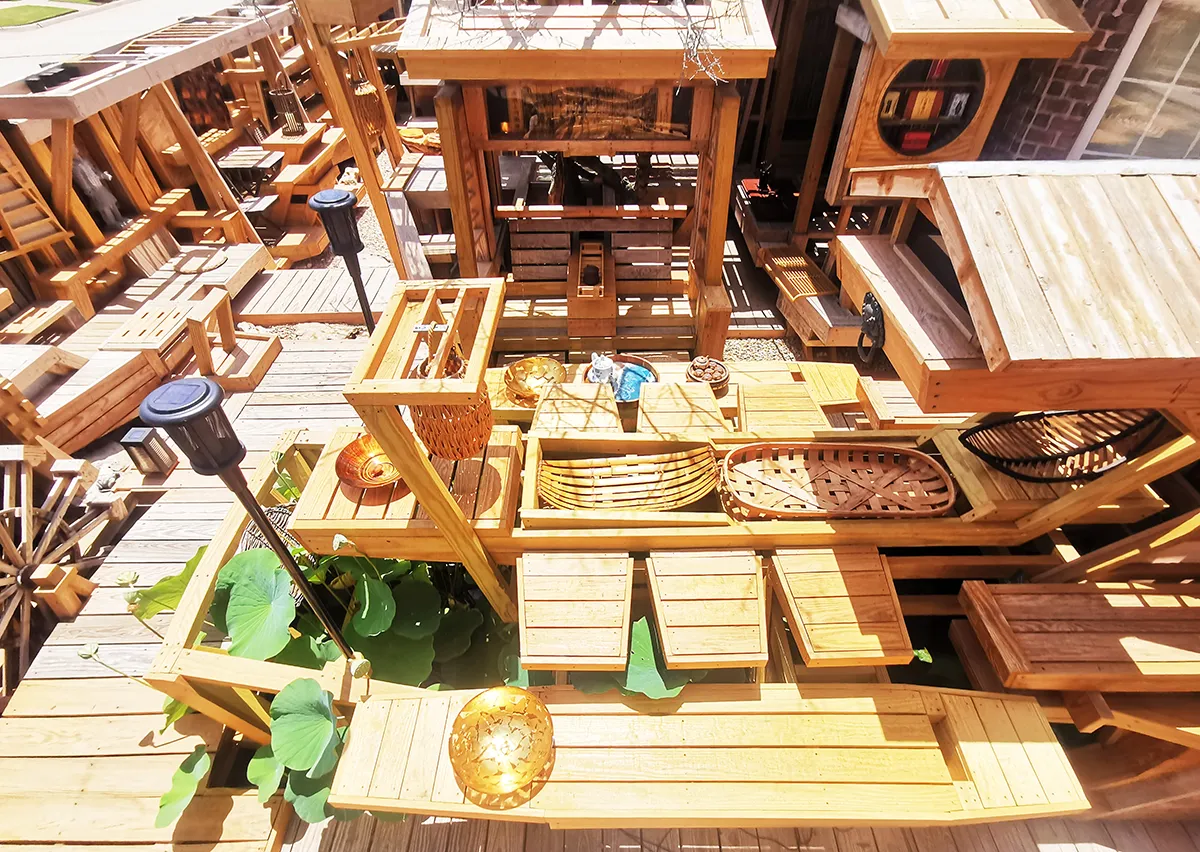
A dramatic yet intimate scene unfolds: sixty-eight “boats” are rhythmically arranged across the courtyard. These vessels take on diverse forms, each with its own spirit. Some rest quietly on the water, cradled in slumber. Others surge forward, slicing through imagined waves like high-speed vessels. Still others rise and crash, clashing with wind and tide—untamed, fearless.
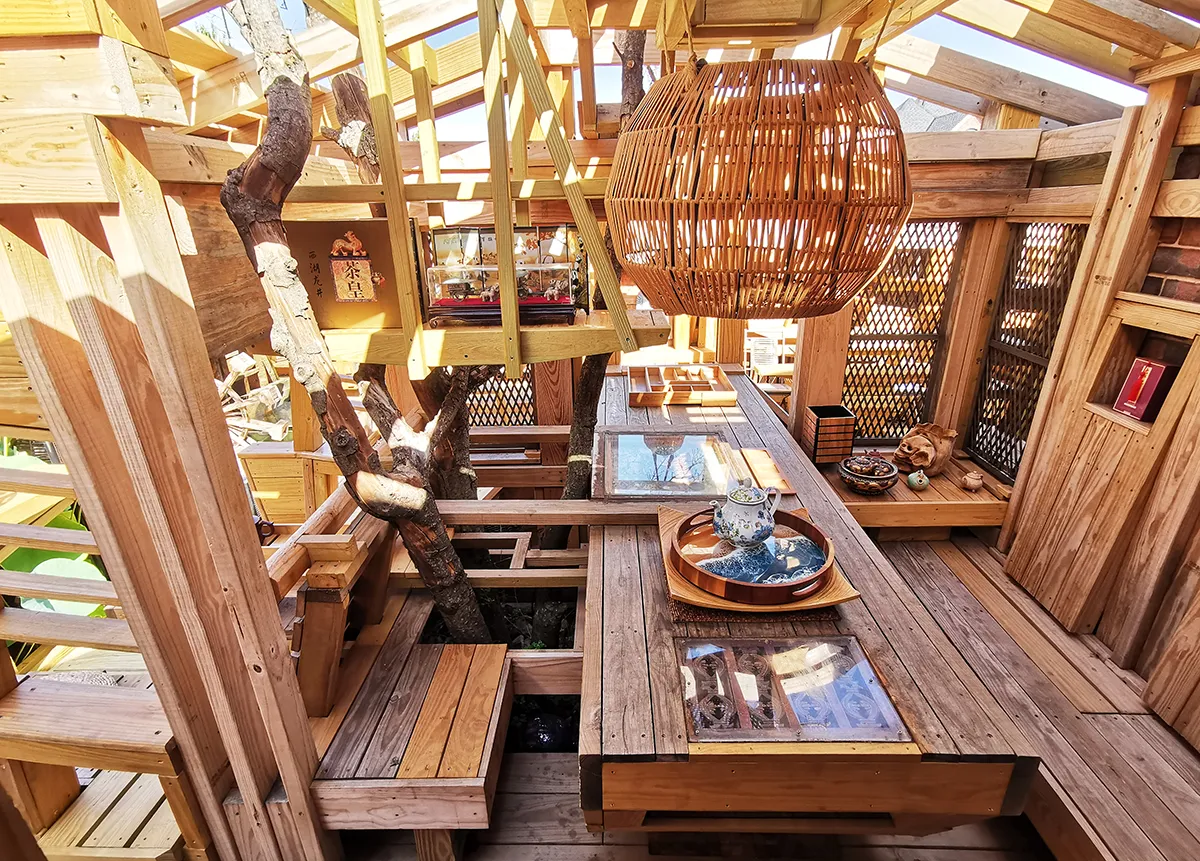
These dynamic forms—especially their dense, counter-directional motion—evoke tension and resistance, as if distilling the power of the ocean into this inland space. It’s not merely visual—it’s deeply symbolic. These are “vessels of life,” charging through invisible waves, echoing humanity’s perseverance through crisis. Together, they form a powerful tableau, honoring collective resilience and renewal in the face of the pandemic.
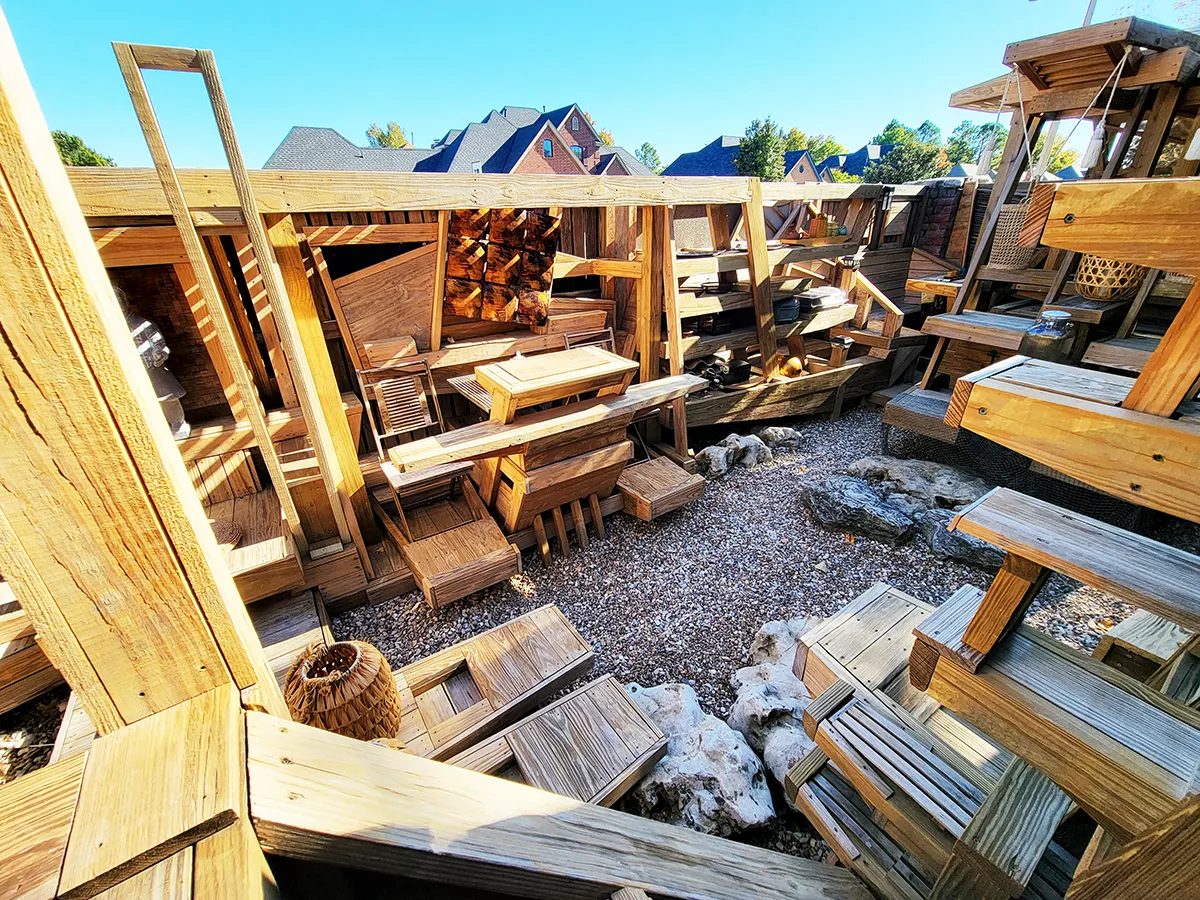
Here, the soul of the sea flows gently, soothing the turbulence of the world. Whether classical or avant-garde, each boat bridges the refined subtlety of Eastern gardens and the maritime spirit of Western civilization. The harbor metaphor unites them into a fluid composition, echoing the rhythms of a distant ocean and representing a voyage through adversity. More than physical shelter, the courtyard becomes an emotional sanctuary.
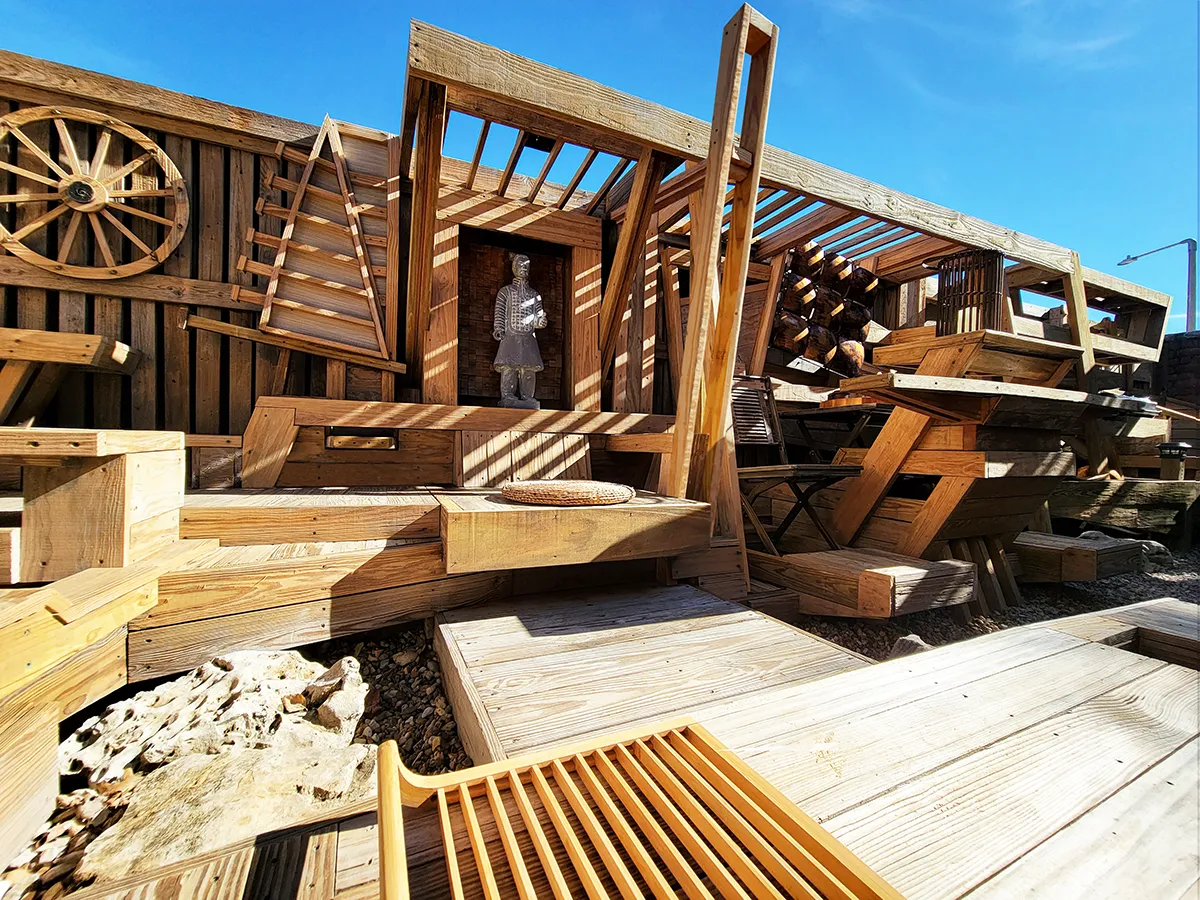
As night falls, Lotus Bay transforms. Rejecting the closed, single-household layout of traditional courtyards, the designer drew inspiration from harbor communities clustered around water. The result is a warm, village-like setting filled with intimacy, openness, and everyday charm.
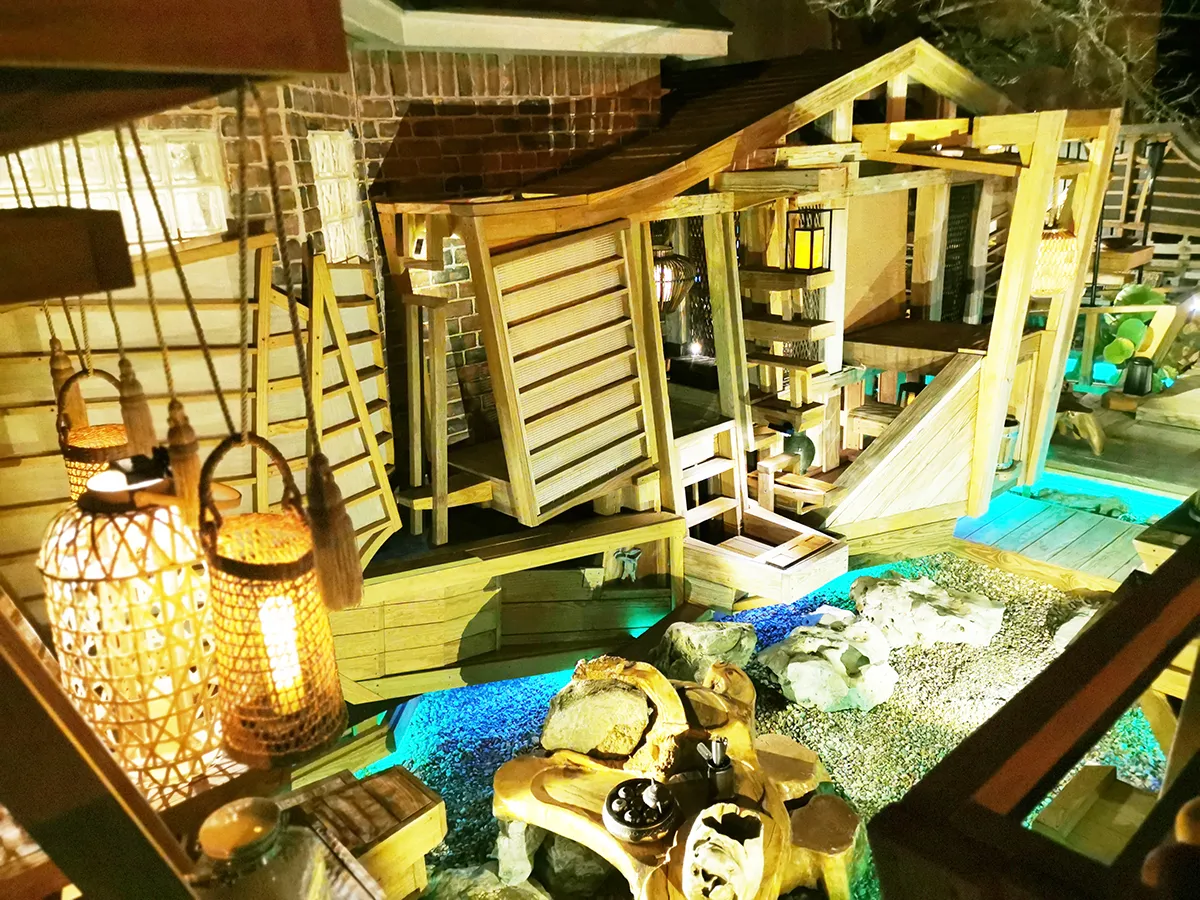
Under the soft glow of evening lights, the courtyard turns dreamlike: boats gently rise; lanterns flicker like fishing lights drifting in a quiet bay. Twenty-one boats form a fluid, celestial path. A waterwheel and moonlit bridge become radiant corridors, while the mirrored Lotus Bay Pavilion reflects the stars and moon—blurring the boundary between sky and water into a seamless dreamscape.
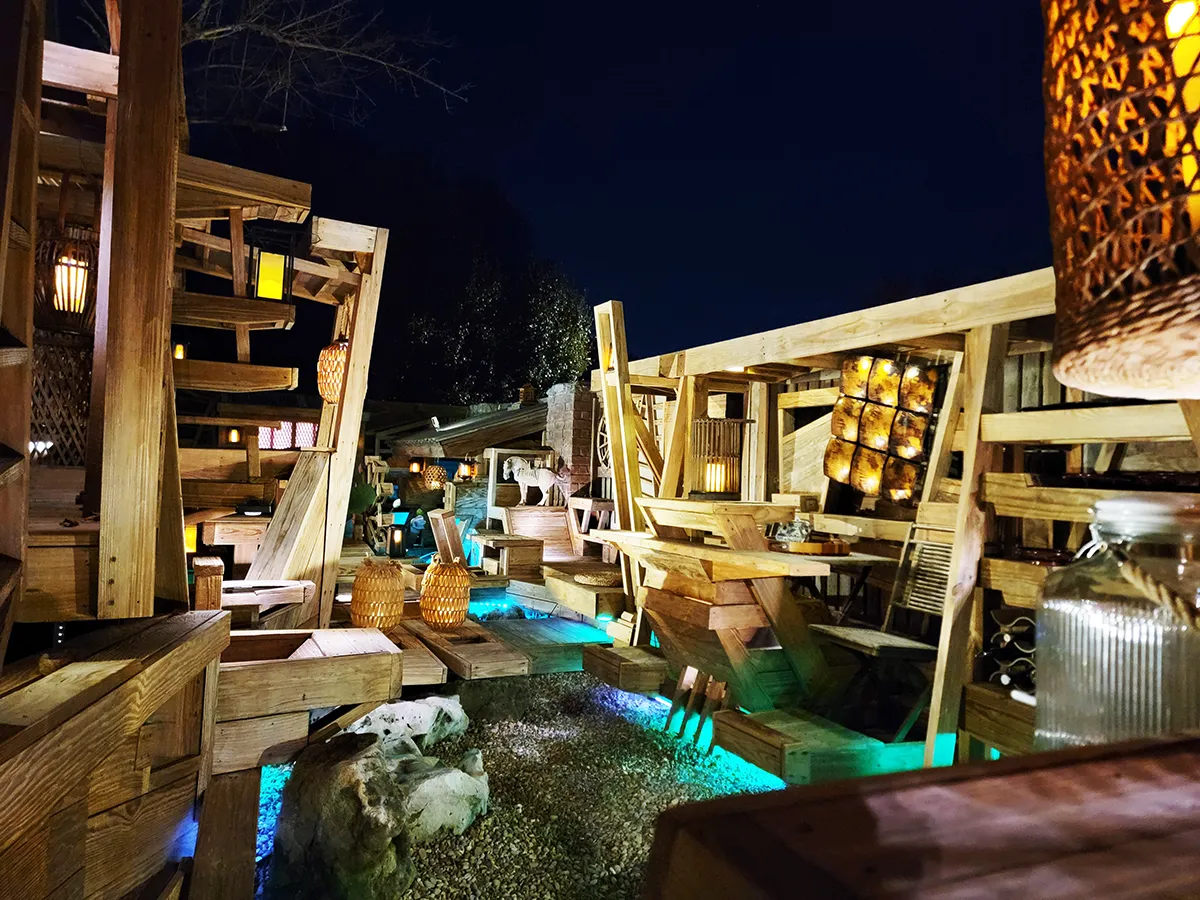
At this moment, the space transcends physical form: a cruise deck becomes an open-air terrace; boat-shaped tea tables welcome guests from distant shores. Warmth and romance intertwine. Light shimmers, stirs the soul, and makes departure difficult.
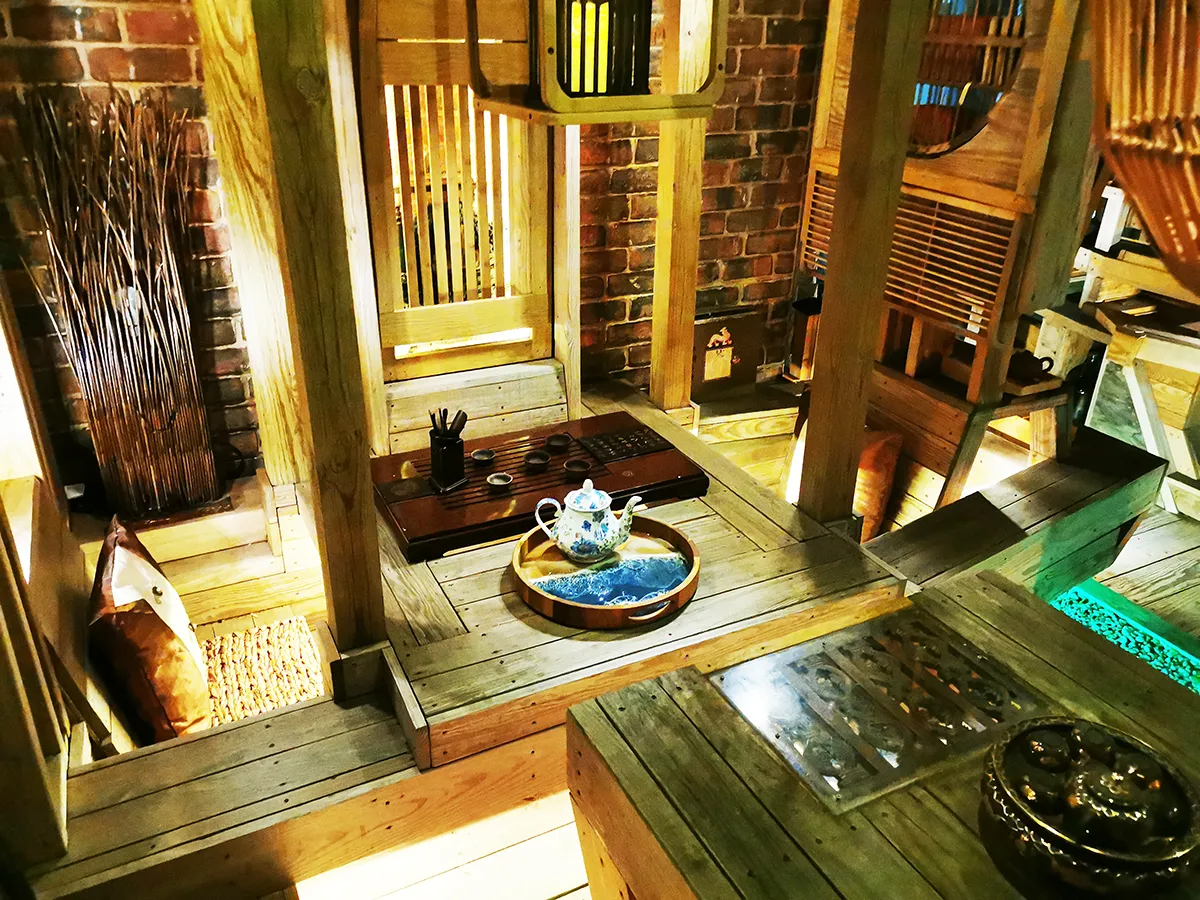
Lotus Bay is not simply a residence—it is an immersive experience that redefines the meaning of home. With the poetry of a harbor, it illuminates every corner of the courtyard. More than a refuge in uncertain times, it offers a fantastical reimagining of reality through the metaphor of boats.
At its core, the design breaks with convention. It moves beyond rigid typologies to express the collective emotions shaped by global upheaval. Blending Eastern and Western sensibilities, bridging time, culture, architecture, and digital-era creativity, the project redefines home as adaptable, expressive, and alive. It shows how residential design can become more diverse, human-centered, and deeply meaningful.
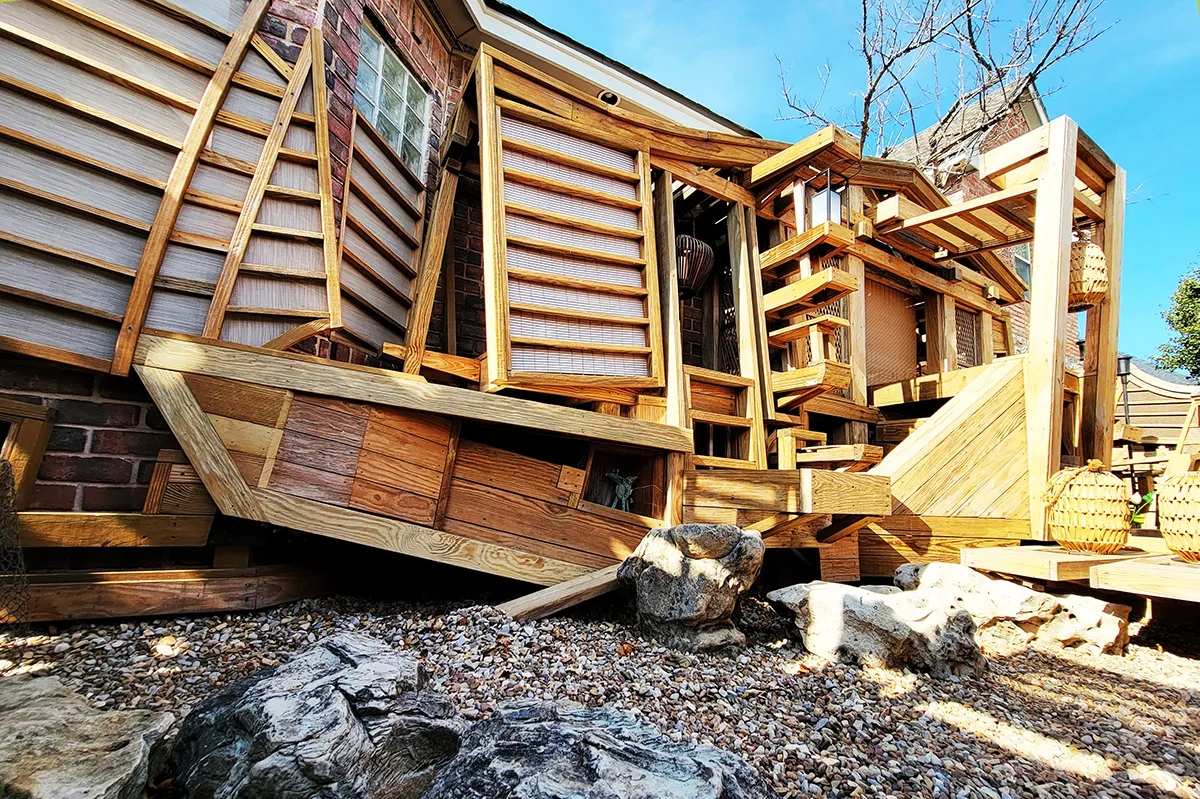
This courtyard is not merely a place to live—it is a harbor for the soul, honoring nature and celebrating life. It evokes a universe of stars and sea, filled with warmth and the promise of a new lifestyle. Unique gathering spots float on water or nest within boats, illustrating how homes can evolve in response to changing societal needs.
Ecological values run throughout. A preserved tree grows through the tea pavilion, anchoring the space with its living presence. Recycled natural materials are transformed into elegant structures. Sustainable features—solar devices, rainwater harvesting, and permeable paving—maximize environmental efficiency. Built at minimal cost by a senior working alone, the project embodies ingenuity, adaptability, and deep personal commitment.
Fully networked and interactive, this is a courtyard for the internet age. It offers not only comfort and creativity, but lasting memories—etched into our shared memory of an extraordinary chapter in human history.
Dreaming in the Lotus Bay
Location: Norman, Oklahoma, USA
Design Company: W. W. Designs, Inc.;
Designer: Wister Wenbing Wu
Photography: Wister Wenbing Wu & Lester Yucheng Wu