
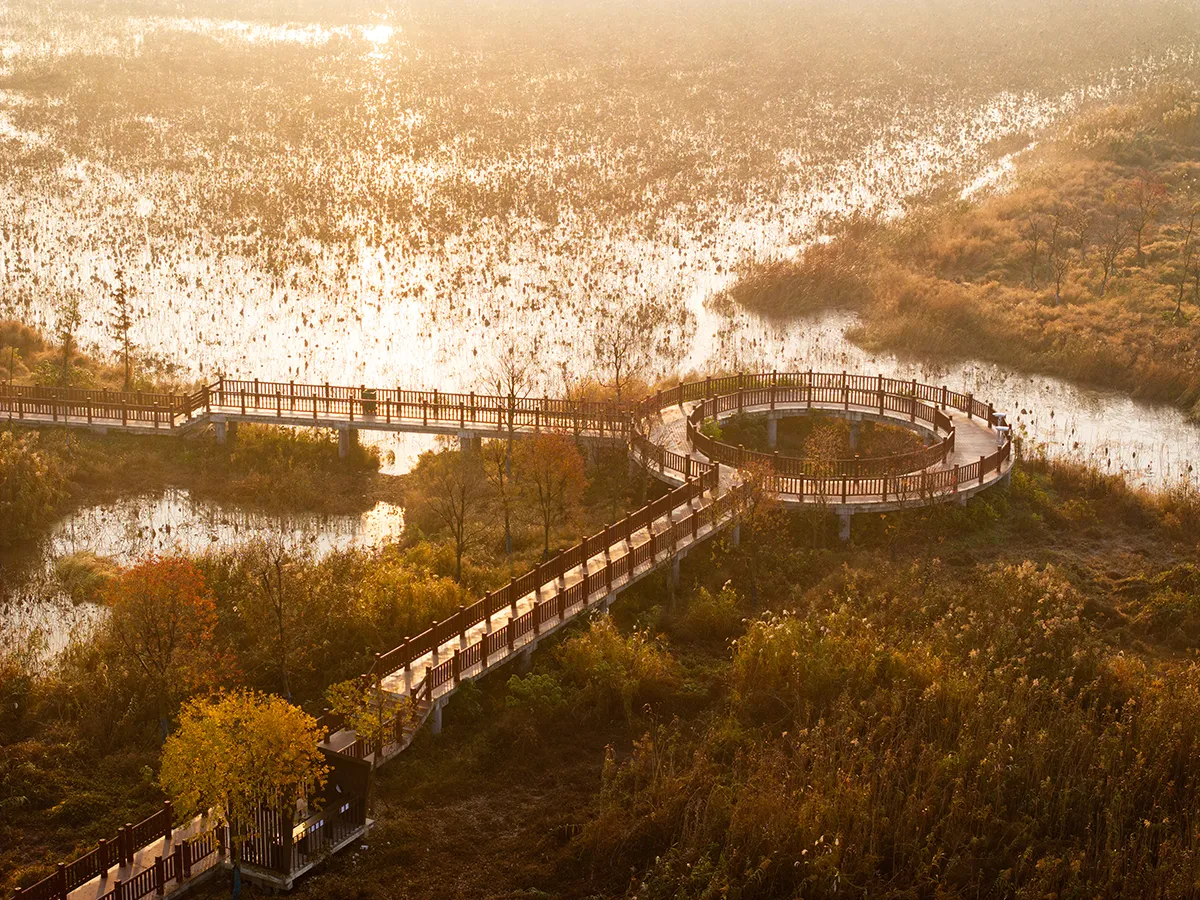
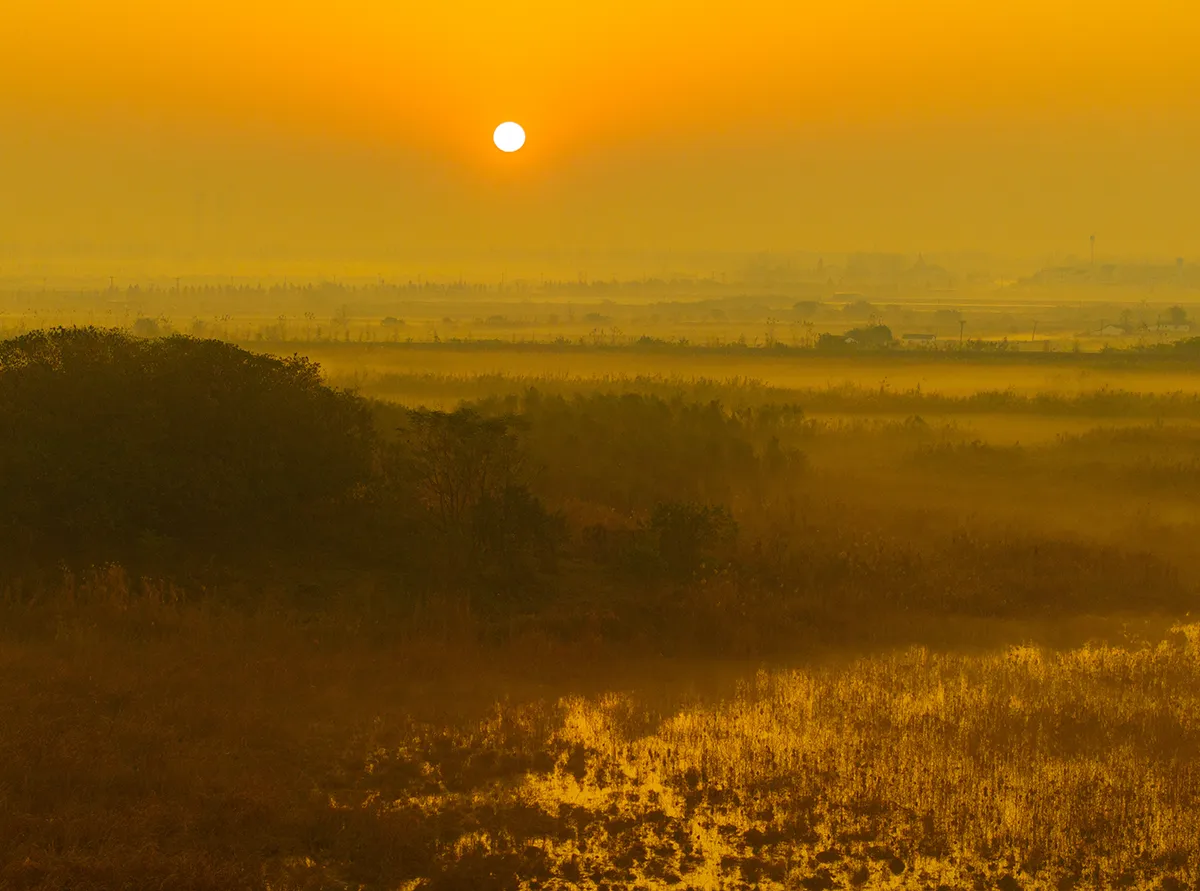
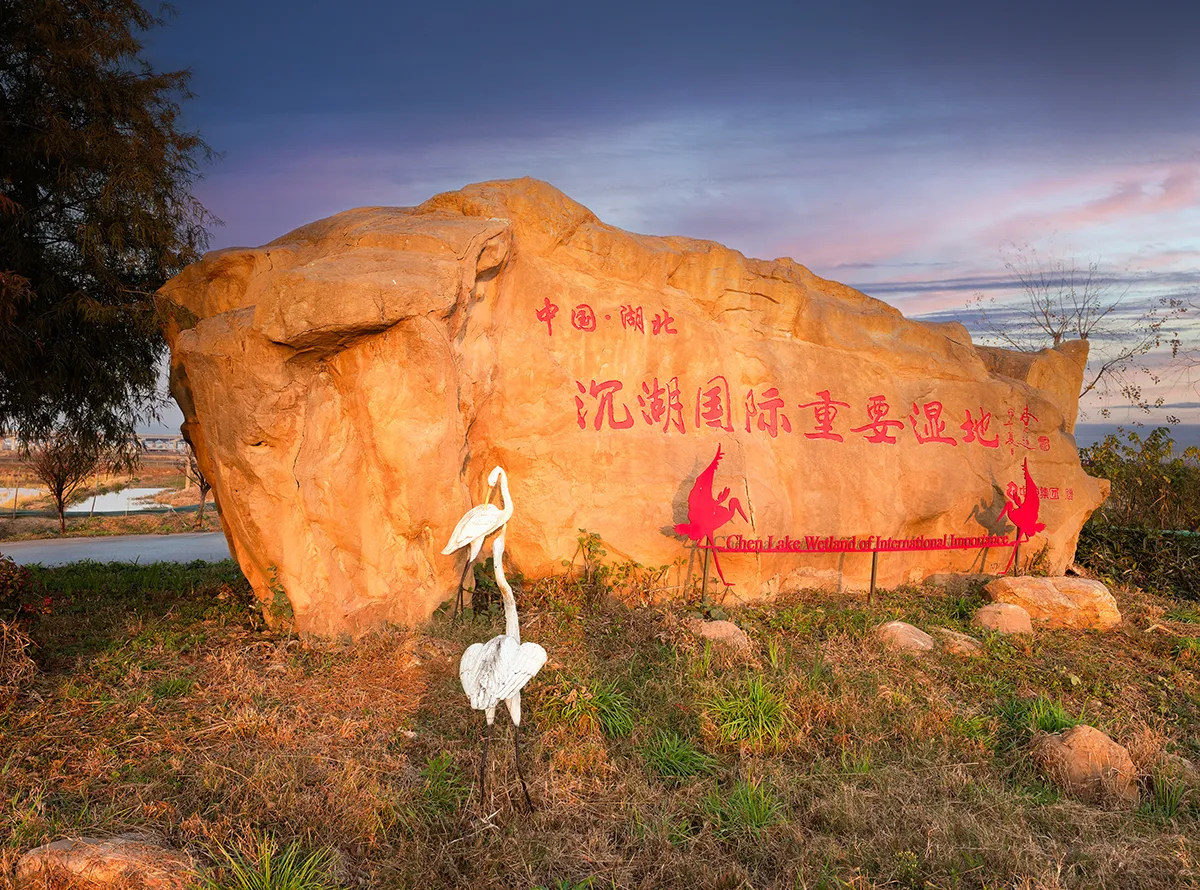
Located within the Jianghan Plain, the Chenhu International Important Wetland is a critical sanctuary along the East Asian-Australasian Flyway. Historically fragmented by intensive aquaculture and hydrological disruption, the wetland was restored to its natural rhythms through a systemic “de-engineering” strategy. By re-establishing hydrological connectivity, diversifying micro-habitats, and transitioning from production-oriented use to ecological preservation, the initiative has successfully revitalized a premier biodiversity hotspot. As a flagship site for the COP14 Ramsar Convention, it serves as a global model for large-scale wetland repair and sustainable coexistence.
Context and Ecological Challenges
Chenhu Wetland, a 11,579-hectare RAMSAR site, was once a vast, seasonal floodplain. However, decades of human intervention—primarily the construction of dikes for aquaculture—severed its hydrological arteries and homogenized the landscape. These internal “walls” obstructed the movement of aquatic species and degraded the complex mosaic of habitats (shallows, marshes, and meadows) required by diverse avian populations. The project’s mission was to “return the space to nature” by dismantling these barriers and restoring the site’s self-sustaining capacity.
Restoring the Hydrological Pulse
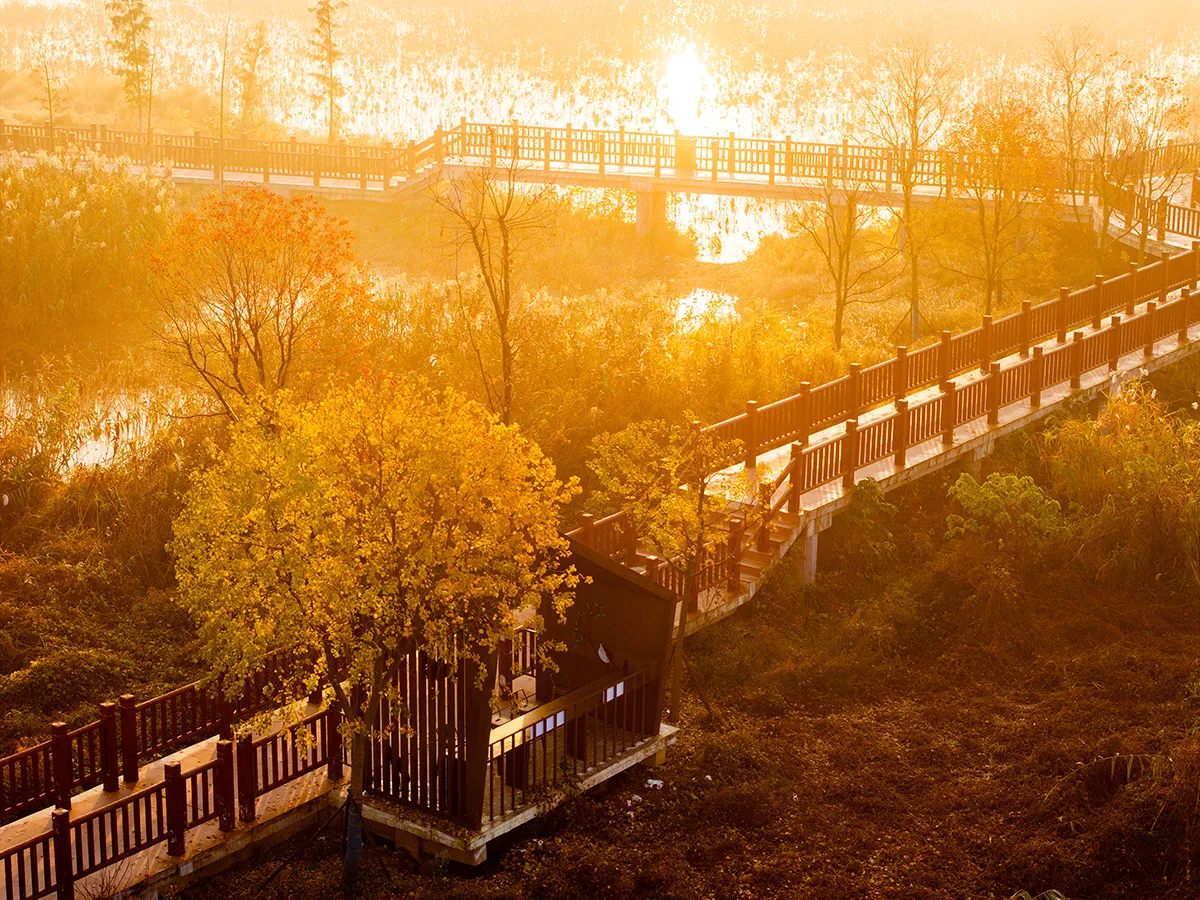
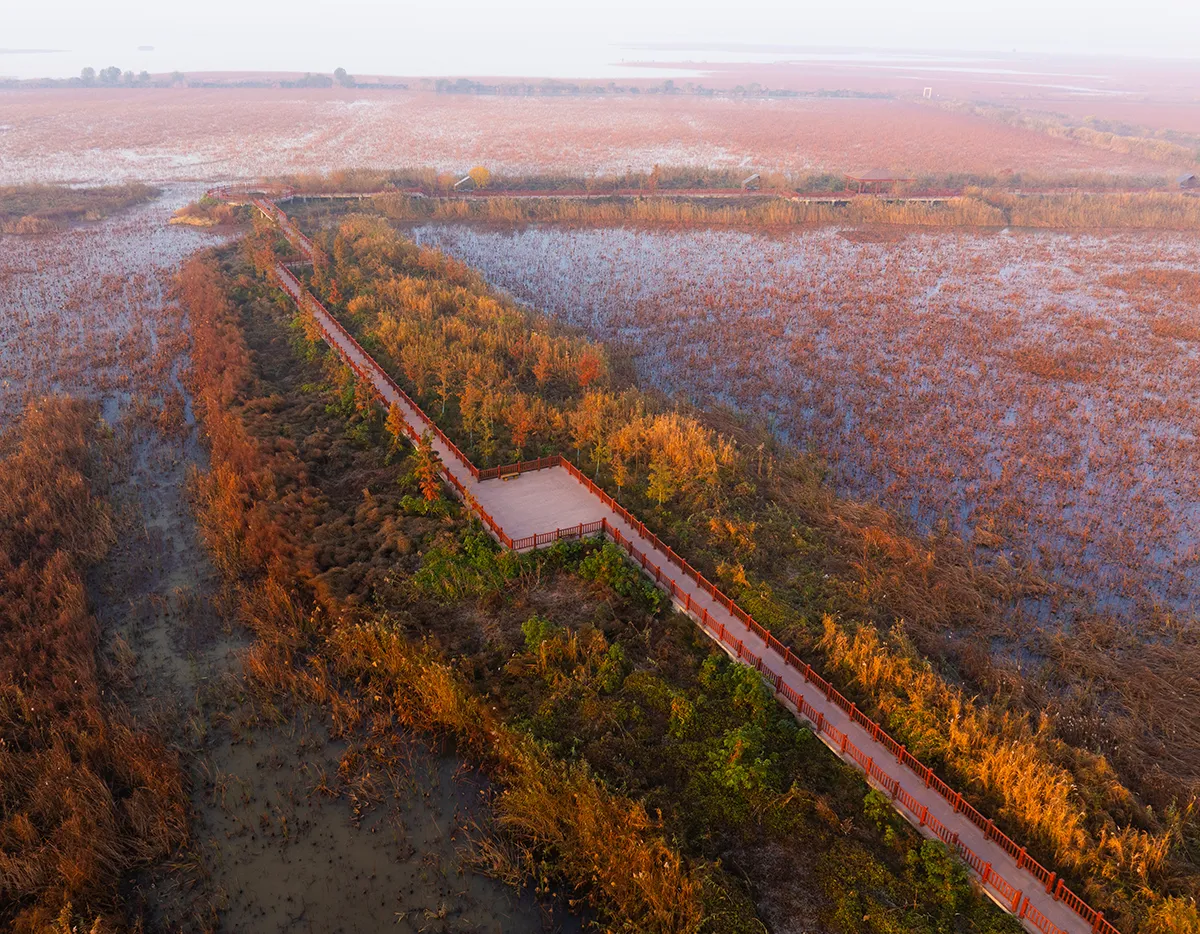
The restoration prioritized the recovery of the wetland’s “respiratory” cycle—the dramatic seasonal fluctuation of water levels. A massive hydrological connectivity initiative involved 63,500 cubic meters of targeted earthwork to clear silted channels and remove abandoned dikes. This “de-walling” approach integrated fragmented ponds back into the larger lake system, facilitating nutrient exchange and creating a seamless “bio-highway” for fish and amphibians, while ensuring reliable water supply during drought periods.
Habitat Heterogeneity and Food Web Reconstruction
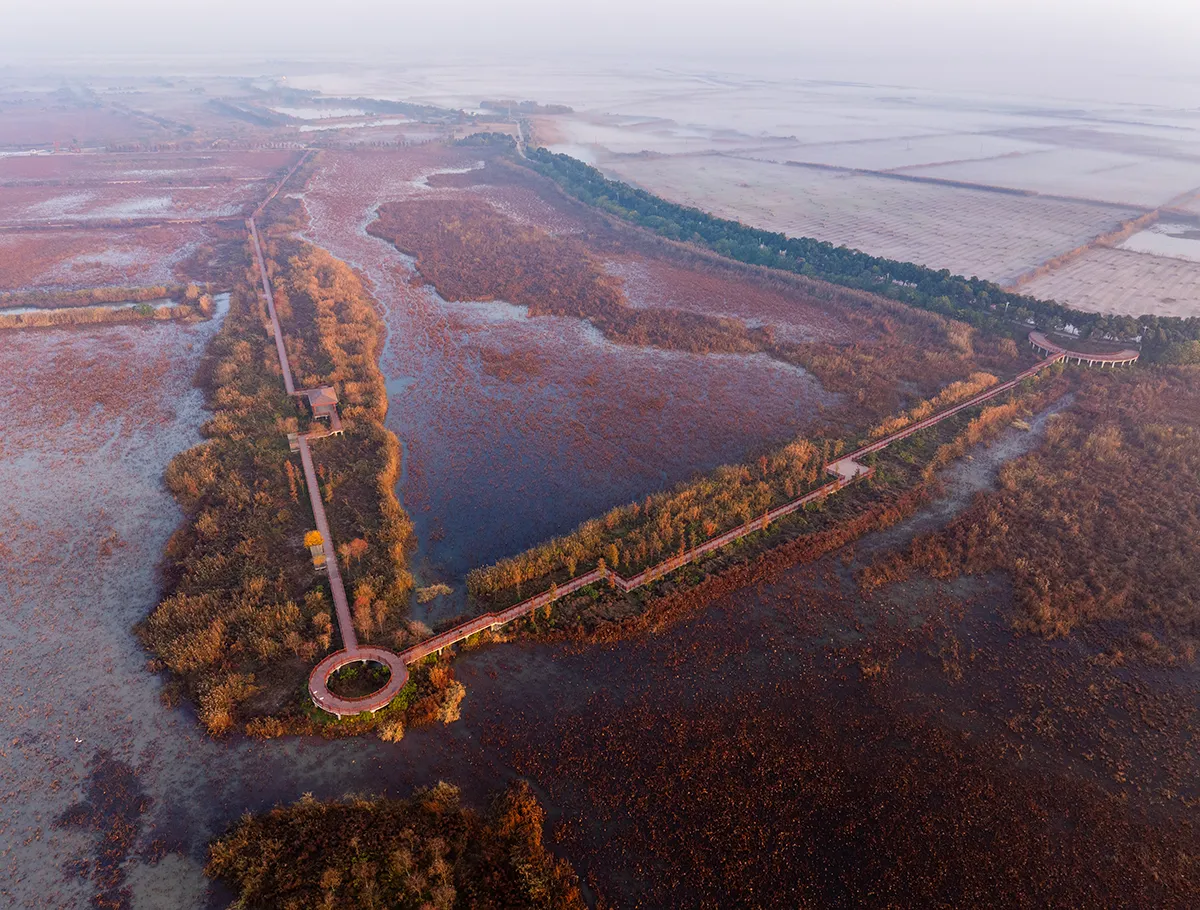
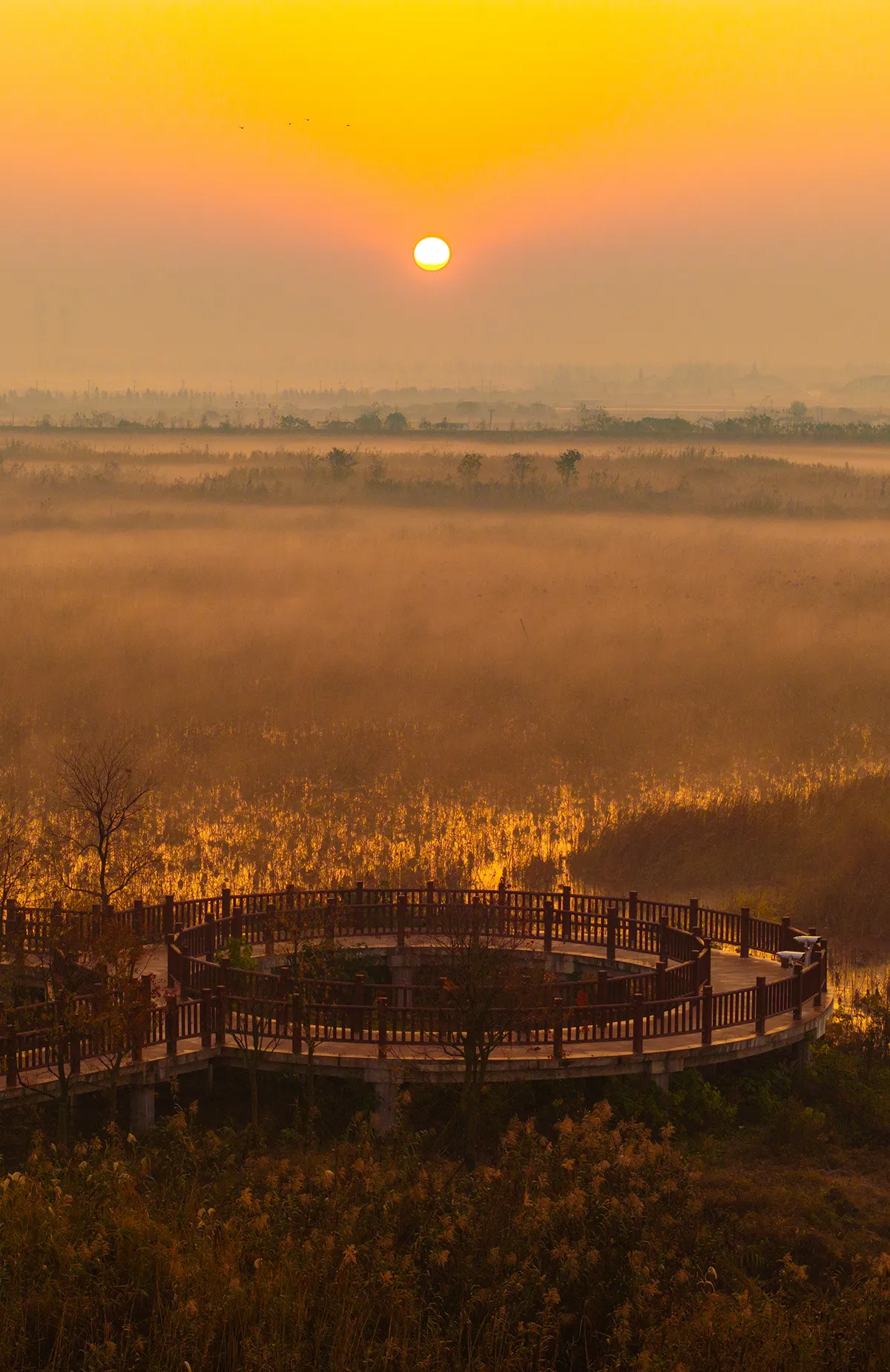
A core component was the transformation of 36,030 square meters of hyper-eutrophic fish ponds into high-functioning “avian canteens.” The team removed 4,370 cubic meters of polluted sediment, utilizing the nutrient-rich spoil to create topographical diversity through ecological islands and gentle slopes. Native vegetation, including Carex, Vallisneria, and Phragmites, was reintroduced to establish a multi-layered littoral zone. To jumpstart the ecosystem, the project reconstructed the food web by reintroducing native benthos (snails and clams) and fish species, effectively restoring the predator-prey balance essential for migratory birds.
Social-Ecological Stewardship
The project integrated an innovative ecological compensation and “livelihood replacement” program. By compensating local stakeholders for the transition away from intensive farming, the project reduced human interference while fostering a community-based stewardship model. This transition ensured that the restoration was not only an environmental victory but a socially sustainable transformation.
Impact and Legacy
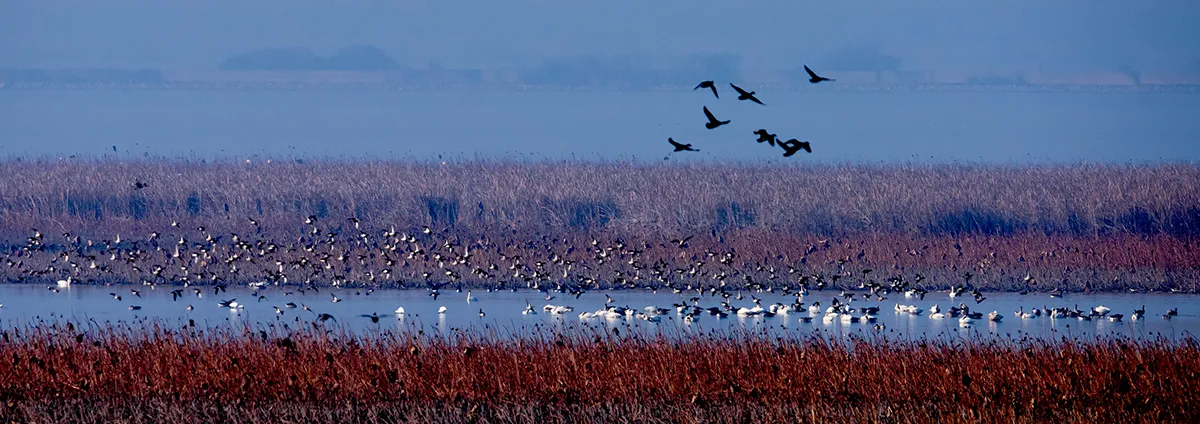
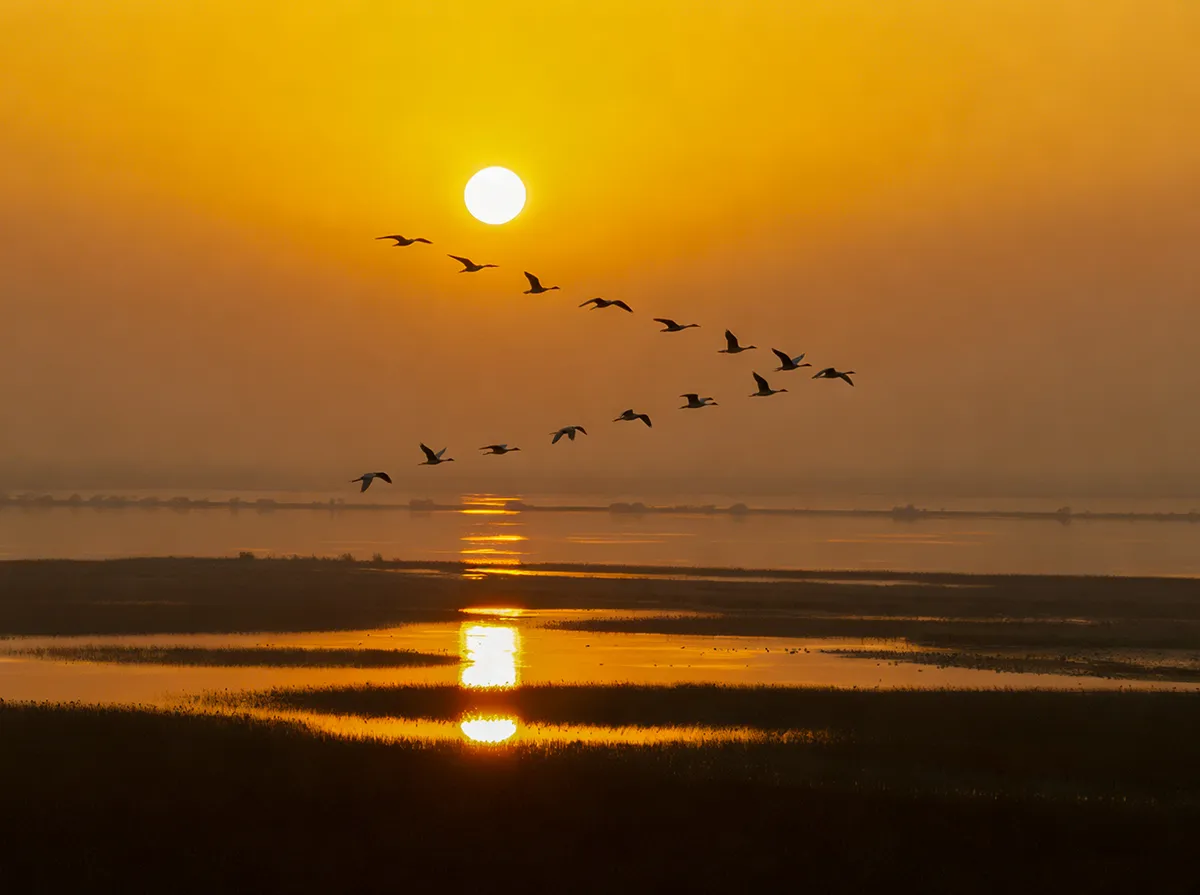
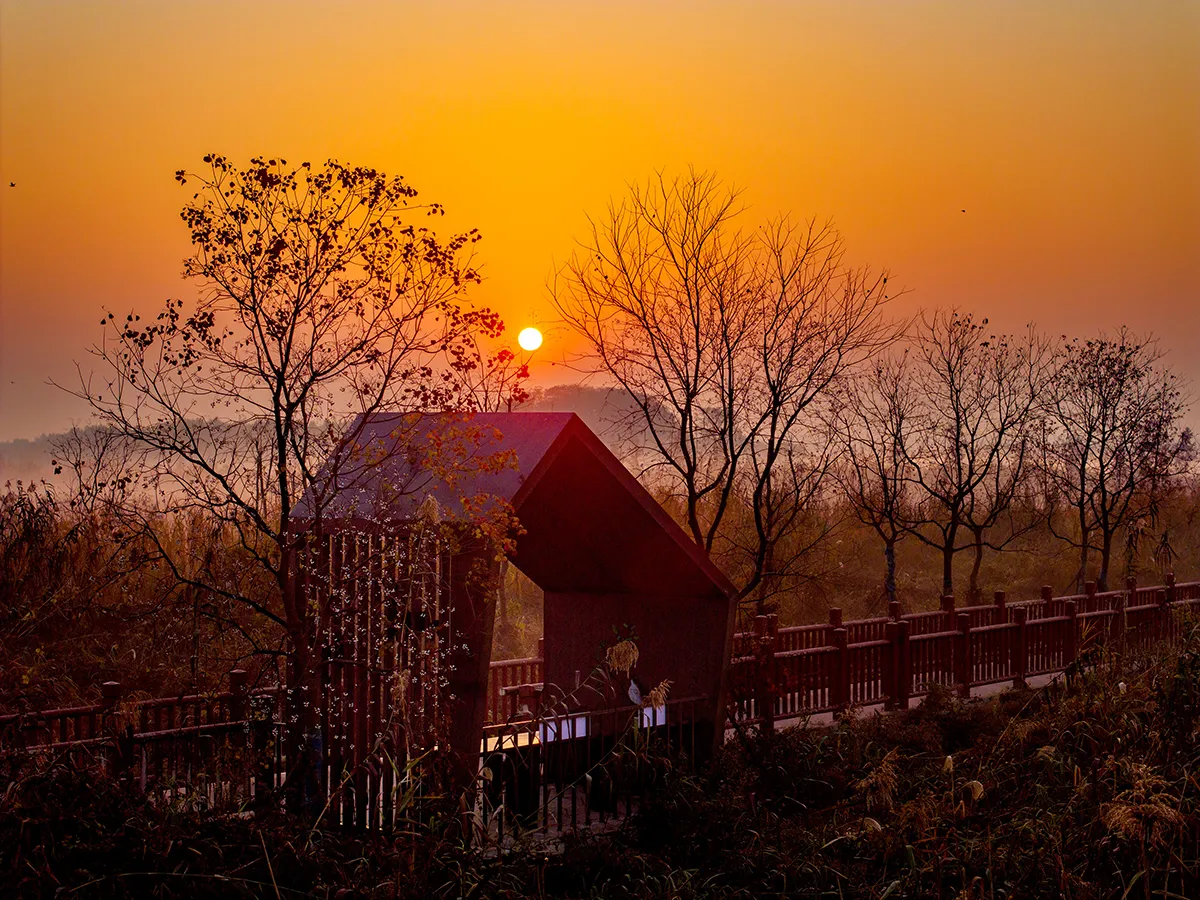
Today, Chenhu has reclaimed its status as a vital “Gene Bank.” Monitoring data shows a significant surge in both the diversity and density of rare species, such as the Oriental Stork and Greater White-fronted Goose. The project demonstrates how landscape architecture can transcend aesthetics to perform deep ecological repair, harmonizing ancient seasonal pulses with modern conservation imperatives.
Technical Information
Project Scale: The nature reserve covers a total area of 6,902.51 hectares, which is divided into functional zones including core, buffer, and experimental areas. To support seasonal avian migration, community-owned lands and wetlands have been designated under a comprehensive ecological benefit compensation framework.
Hydrological & Terrain Engineering: Silted canals and channels were cleared, and connecting sluice gates were reconstructed to restore natural water connectivity across the freshwater lake network. Adhering to sustainable principles, dredged mud from overgrown ponds was repurposed on-site to construct irregularly shaped habitat islands and diverse micro-topographies. Water source conservation forests were established along embankments to solidify shorelines, prevent erosion, and intercept agricultural surface runoff.
Plant Species List:
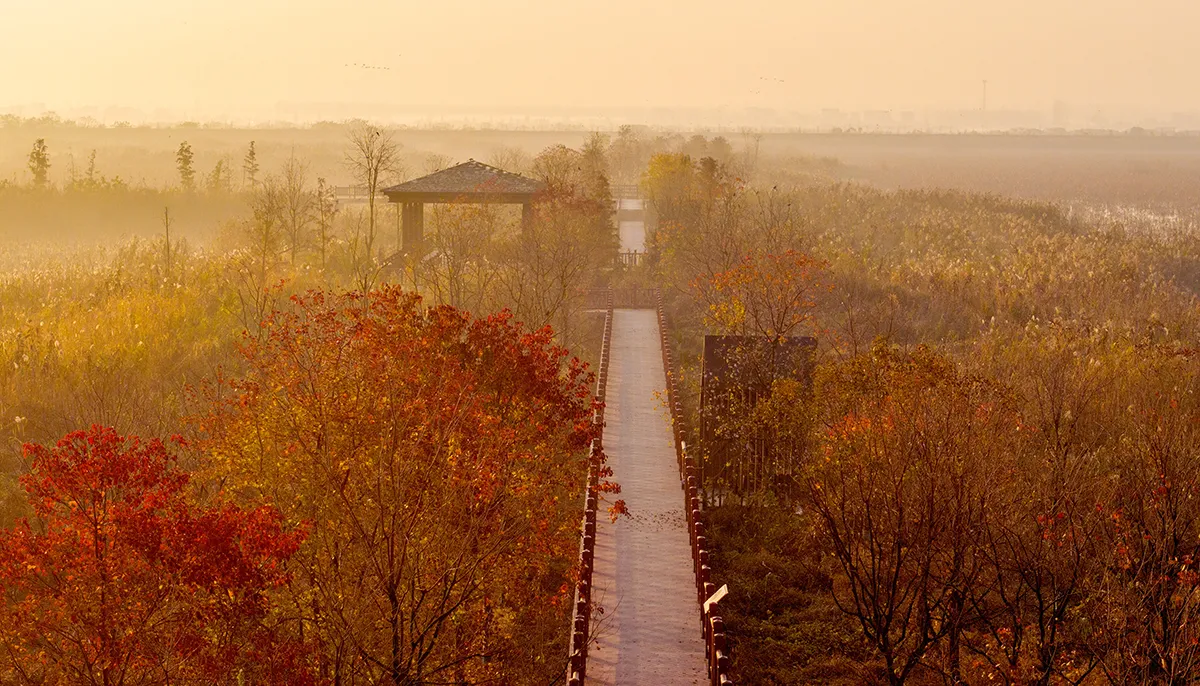
Canopy Trees: Pond Cypress was planted extensively for shoreline conservation and buffer creation alongside Chinese Tallow and Chinese Hackberry.
Wetland & Aquatic Vegetation: Emergent and submerged species were established to purify water and restore healthy aquatic ecosystems, featuring Common Reed, Cattail, Yellow Iris, Umbrella Papyrus, Dwarf Eelgrass, and Gorgon Vetch.
Terrestrial Grasses: Banks and ground surfaces were stabilized using ornamental varieties such as Little Bunny Pennisetum, Needle Grass, Golden Sedge, and Bermuda Grass.
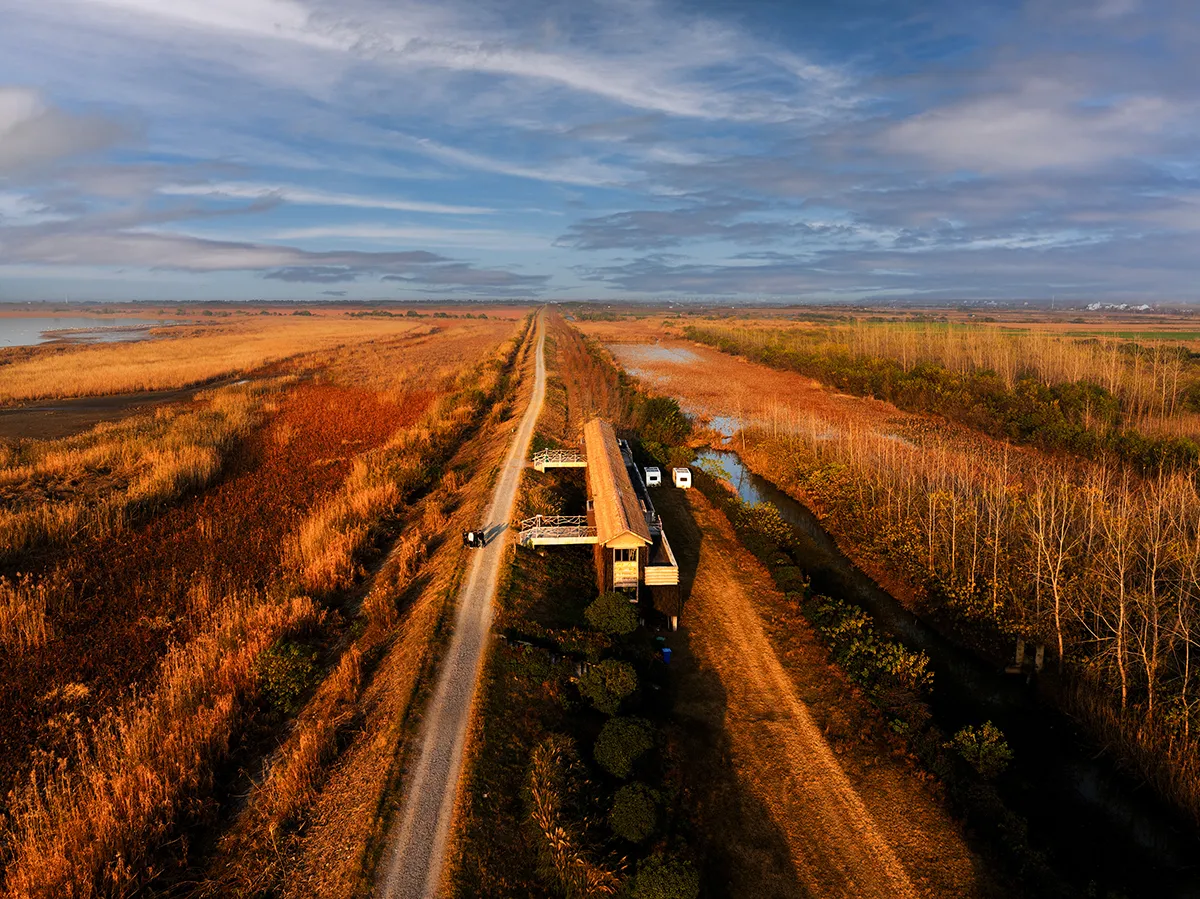
Materials & Hardscape: Preservative-treated pine wood decking and flamed granite were utilized for pedestrian pathways, platform decks, and steps. A bird monitoring station houses a multi-functional nature education hall, complemented by outdoor educational platforms and bird-watching hides constructed with steel frames and tempered safety glass. Durable concrete benches resembling natural logs are distributed along the pathways.
Standards & Technology: Planned and implemented in compliance with Ramsar Convention guidelines and national standards for nature reserves and wetland protection. The reserve is managed via a digitized biological monitoring system equipped with a comprehensive network of environmental Internet-of-Things sensing devices to monitor hydrology, weather, and wildlife populations.
Chenhu International Important Wetland
Designers:
Shanghai WEME Landscape Design Engineering Co.,Ltd.;
Shanghai JiaoTong University;
Wuhan Ecological WEME Landscape Planning and Design Research Institute Co.,Ltd.
Designers:
Zhu Liqing, Song Benyun, Chen Shu, Chen Yue, Xiong Zhangze, Zhu Xiaoyuan, Xue Ning, Zhang Aijiu, Jiang Min, Wan Fang, Yu Jiaying, Zheng Yingjie, Yang Tai, Zhou Juanzhen, Wu Mianzhi, Lu Jie, Ye Xiaotao, Shen Manjuan, Huang Yucui
Client:
Wuhan Chenhu Wetland Administration Bureau
Images & Text: Shanghai WEME Landscape Design Engineering Co.
Be the first to comment