
Panlong Tiandi renews a 700-year-old village through a landscape-led master plan that preserves the historic core while reanimating it as a place of civic, ecological, and cultural life. Set within a 55-hectare district anchored by a 22-hectare public park, the project treats landscape not as scenery around heritage, but as the medium through which memory, access, ecology, and urban life align.
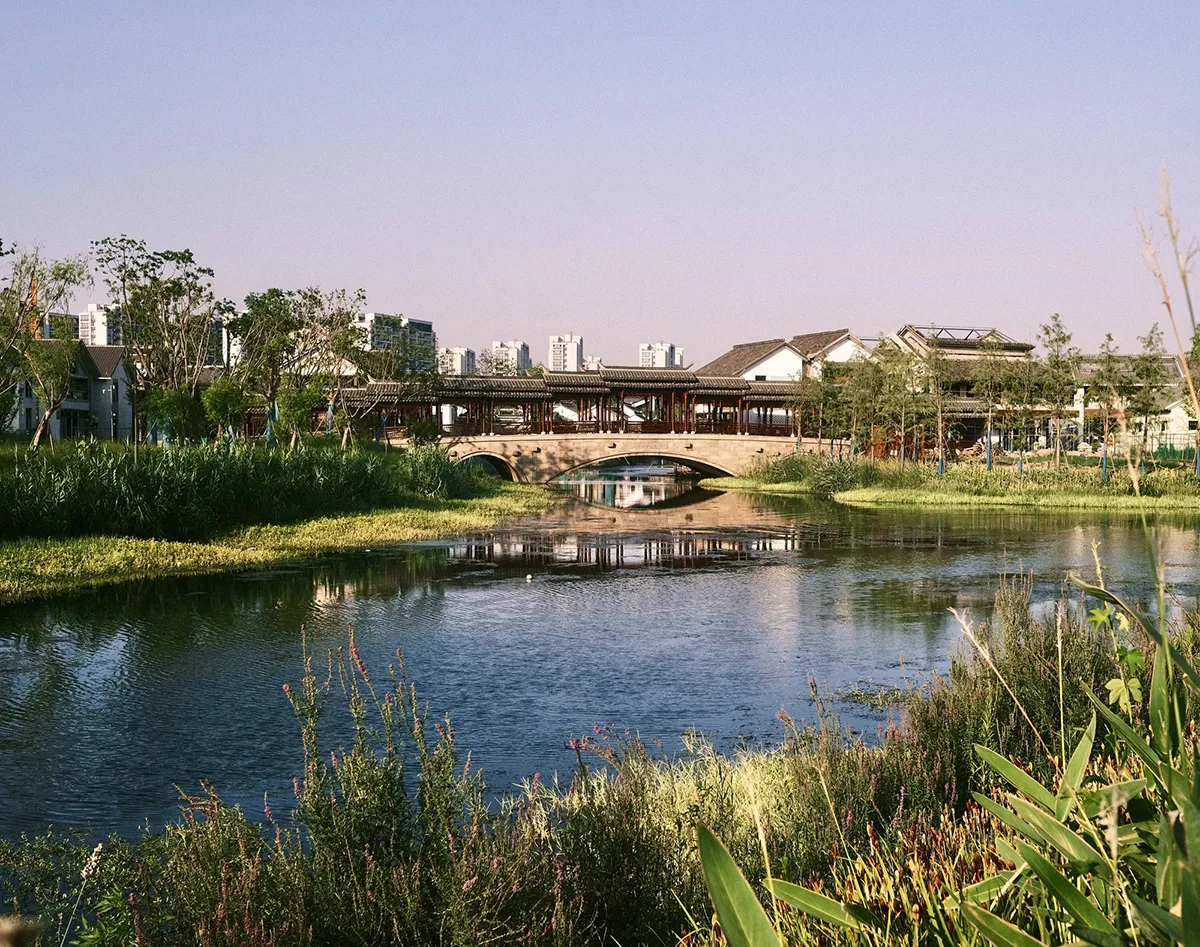
At its foundation are Panlong’s cultural landscape and the relationship between settlement and water that shaped it over centuries. Its canals, bridges, narrow lanes, and intimate grain became the framework for renewal. Rather than isolate the old town as a preserved artifact, the design retained and adapted these inherited structures to support contemporary life. New streets were aligned to respect the village fabric, building massing was shaped to enhance key views and reduce visual intrusion, and the pedestrian character of the historic core was maintained as the heart of the plan. What endures is not simply the image of the old town, but its scale, rhythms, and patterns of movement, as well as the intimacy between people, buildings, bridges, and water that gives Panlong its cultural memory and meaning.
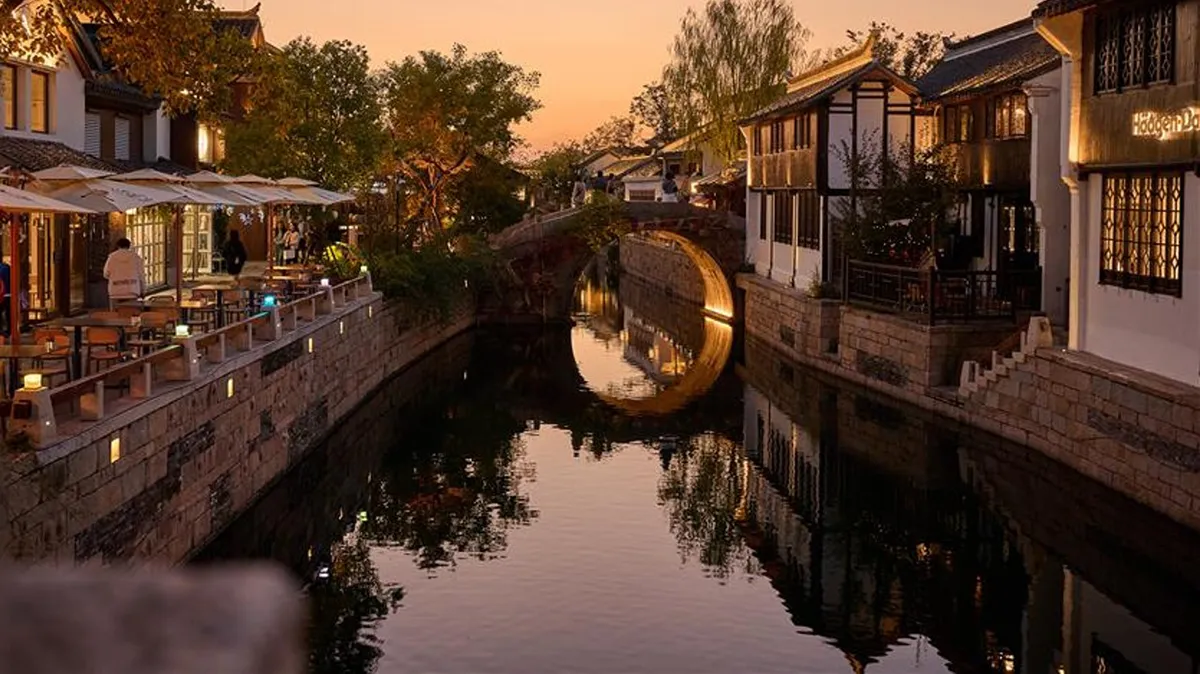
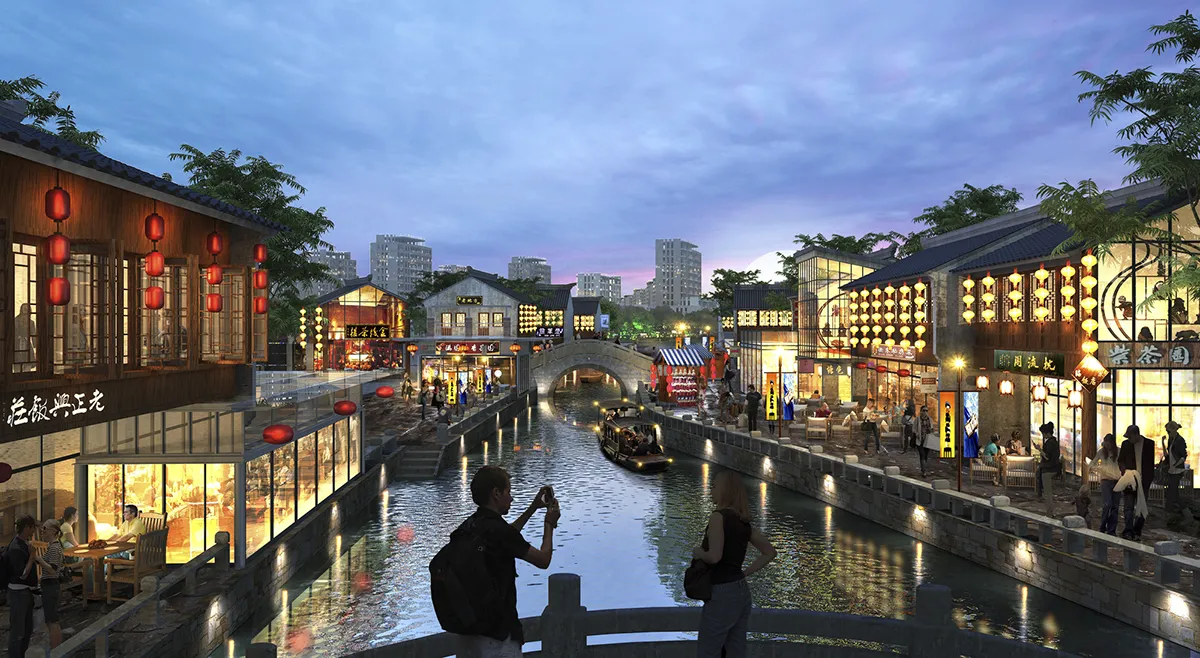
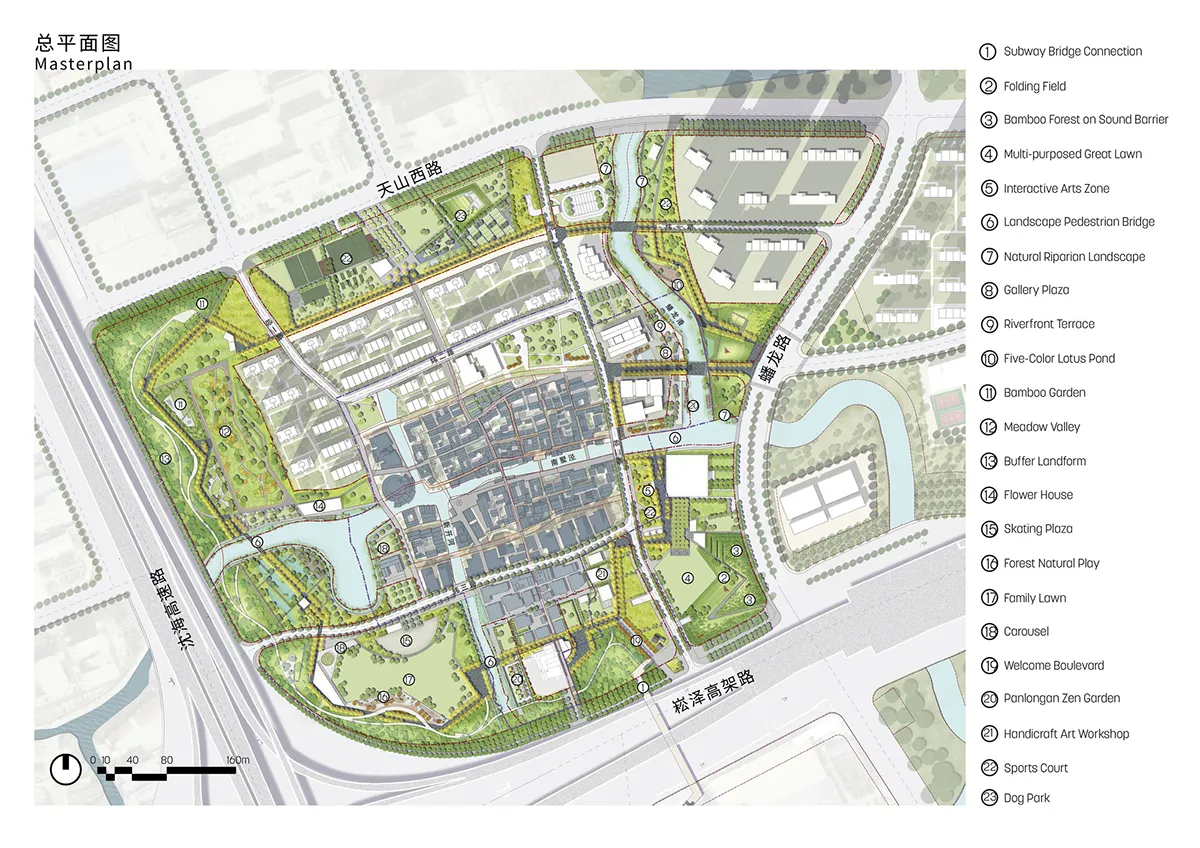
The project’s most consequential move was the transformation of a highway setback into PanlongPark, a public landscape woven around the old town and connected to neighborhoods and transit. The park extends the historic waterfront into a more continuous and accessible public edge, bringing people closer to the water while restoring Panlong’s identity as a canal town. What had once been an infrastructural edge condition became the project’s civic heart.
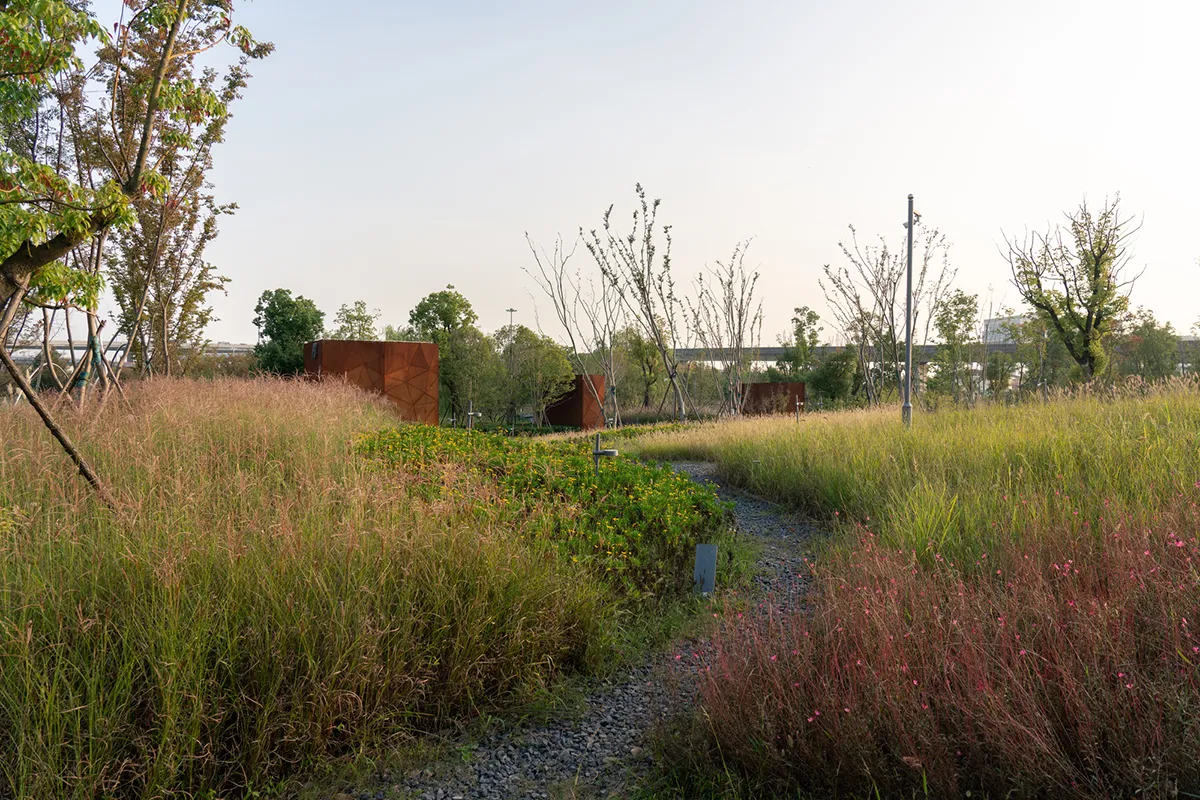
The relationship between the village and the park is deliberately porous. Rather than separating heritage from contemporary public space, a pedestrian-centric environment encourages visitors to move through canalside walkways, bridges, courtyards, and gardens, using them as stepping stones from the historic core into the park. Vehicular access is kept outside both the village and the park, forming a cultural landscape shaped by strolling, gathering, and discovery.
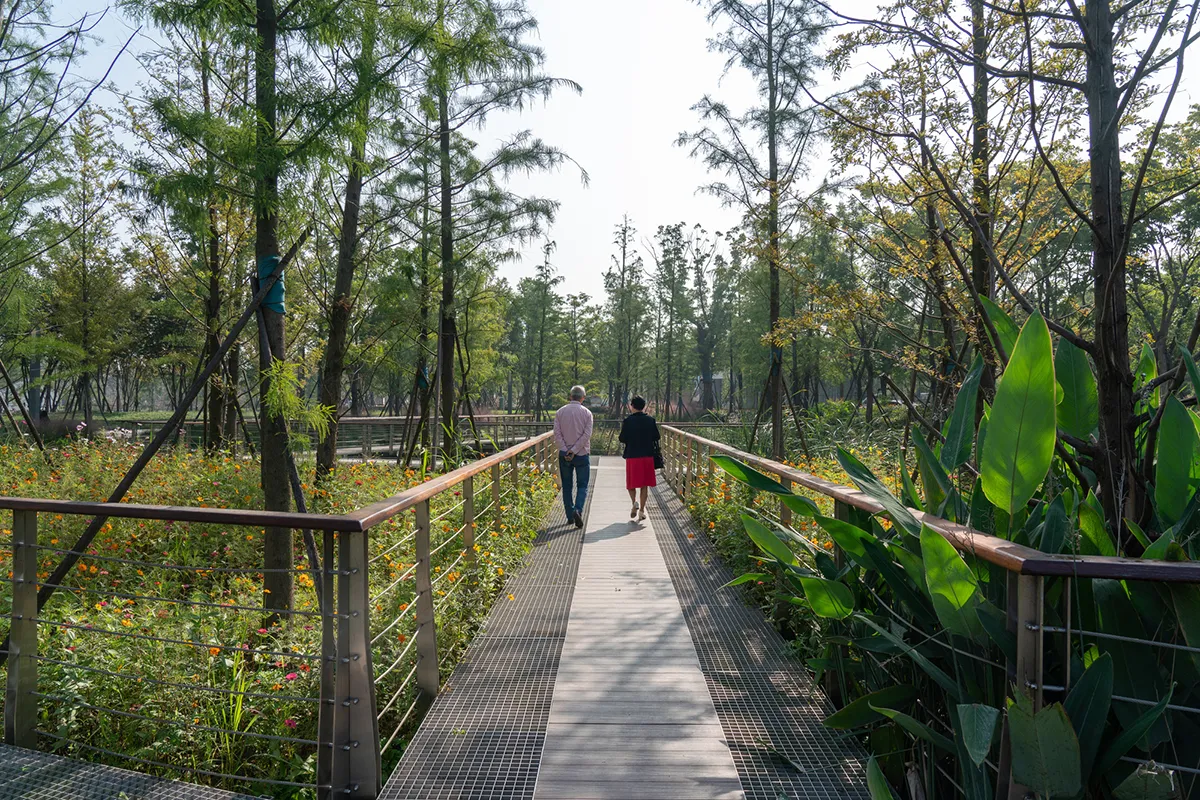
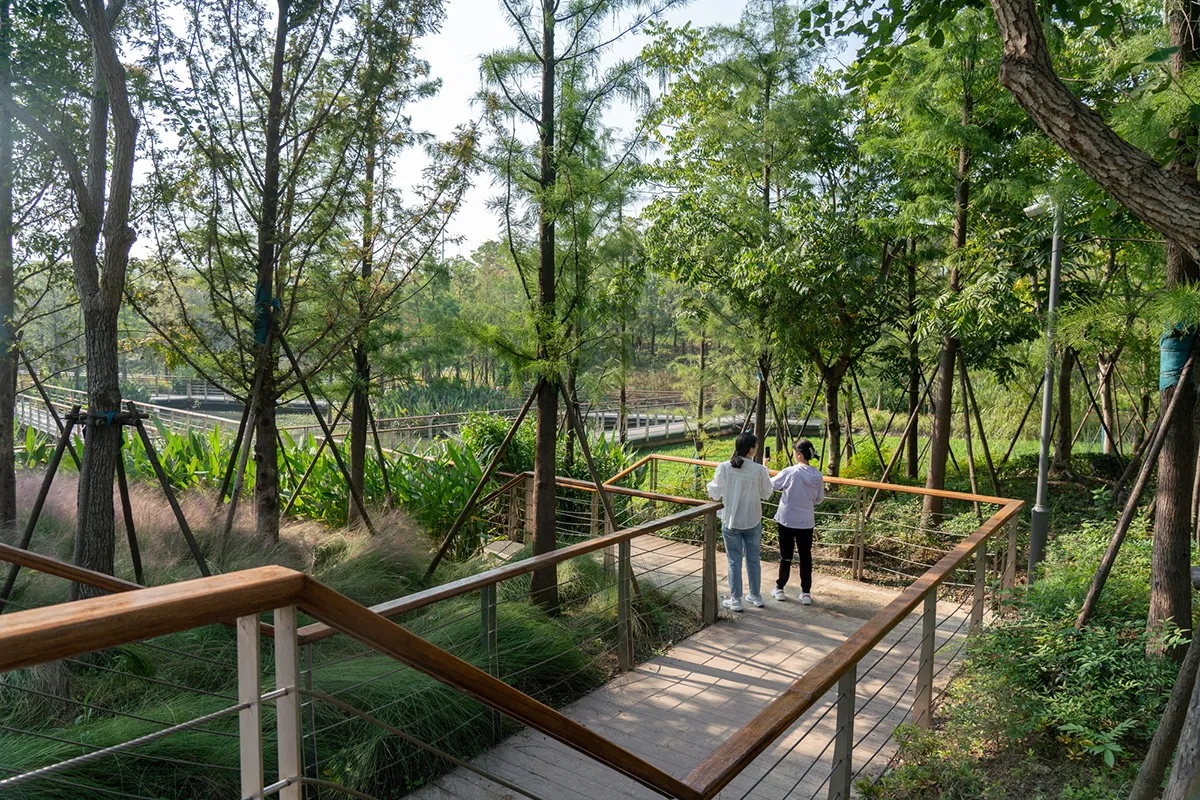
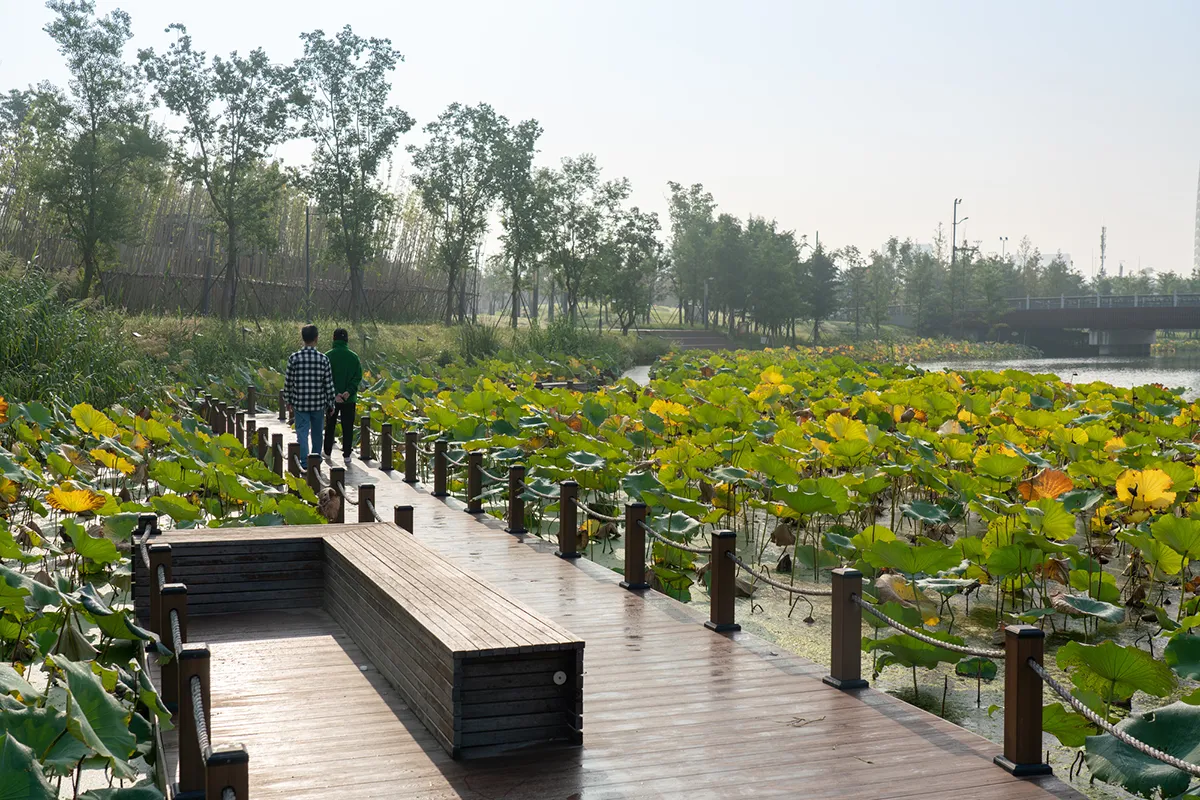
Within the park, contemporary interventions draw meaning from local history without becoming literal reconstructions. A path formed from salvaged roof tiles embeds material memory within everyday movement. The elevated walkway uses subtle landform transitions and tree canopy to open new perspectives across the landscape and toward the historic core. Restored waterways, shaded paths, gathering lawns, play spaces, habitat-rich planting, and spaces for recreation and reflection give the park equal force as civic infrastructure and cultural expression. Art installations, exhibitions, performances, and community events animate the public realm, allowing the site’s history to remain not only visible, but shared and continually reinterpreted.
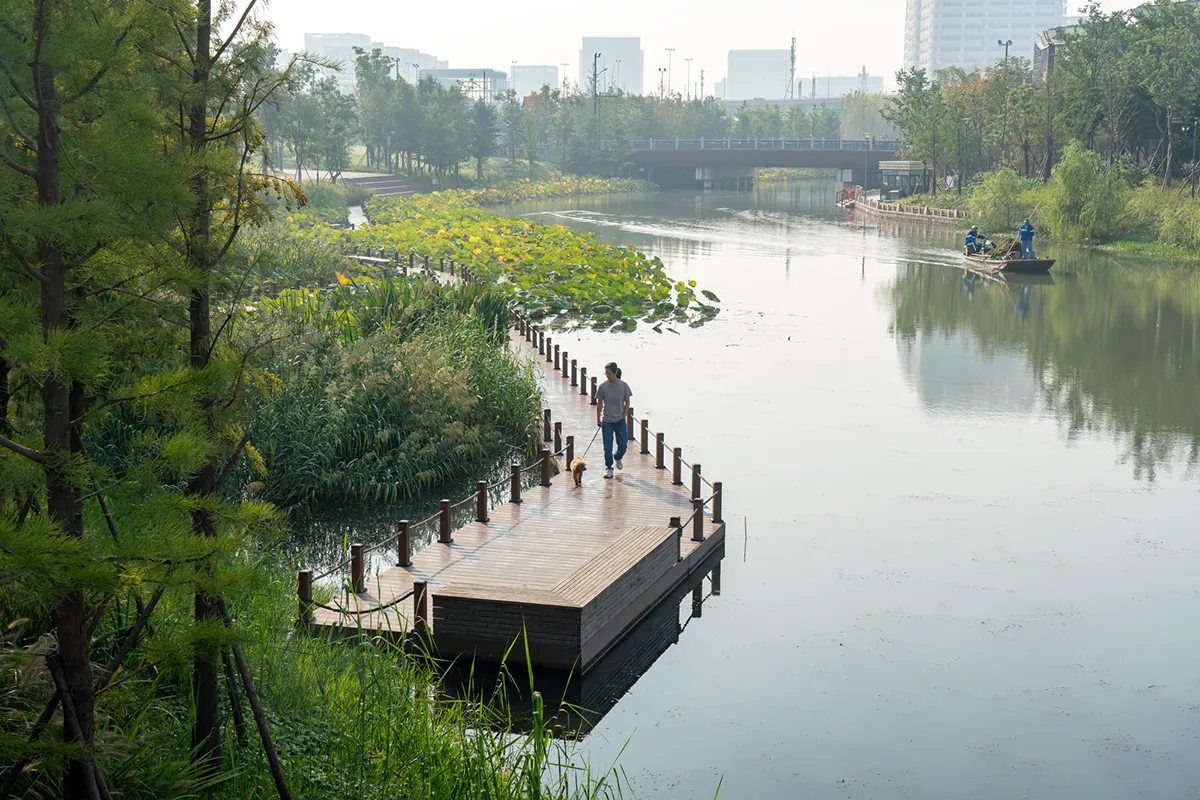
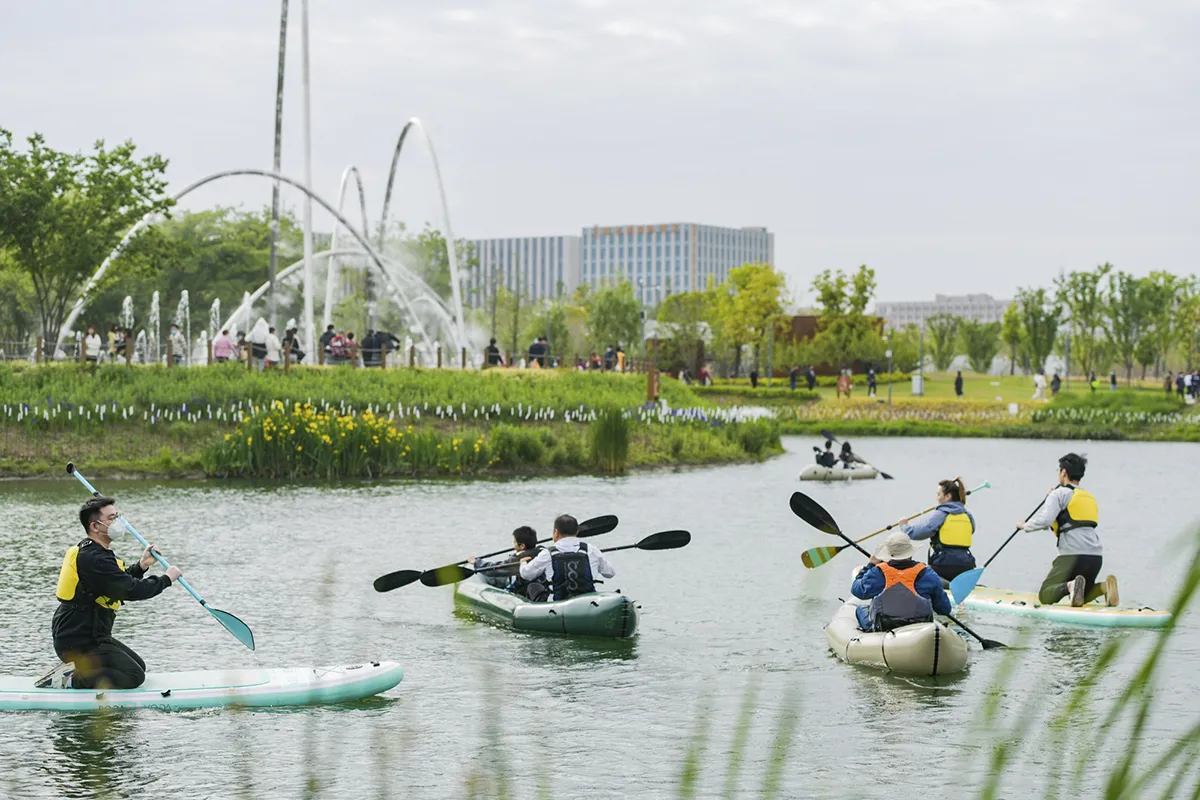
Panlong Tiandi demonstrates that adaptive reuse is more than preservation alone. By making landscape the primary agent of connection, remembrance, and public life, the project allows history to endure without being immobilized. It is not a museum of what once was, but a living cultural landscape where the memory of water, village life, and collective belonging is carried forward with warmth, dignity, and renewed meaning into the life of contemporary Shanghai.
Panlong Tiandi
Location: Shanghai, China
Client: Shui On Land
Design Team: Sasaki; Ben Wood Studio Shanghai; Design Land Collaborative Pte. Ltd.; Tianhua Architecture Planning & Engineering Co., Ltd.; East China Architectural Design & Research Institute; Shanghai Yingyi Urban Planning & Design Co., Ltd.; Scenic Architecture; Archi-Union Architecture; Laurent Landscape; UNOLAI Design & Associates;
Image Credits: Brandon McGhee; Sasaki; Shui On Land;
Text Credit: Sasaki
Be the first to comment