
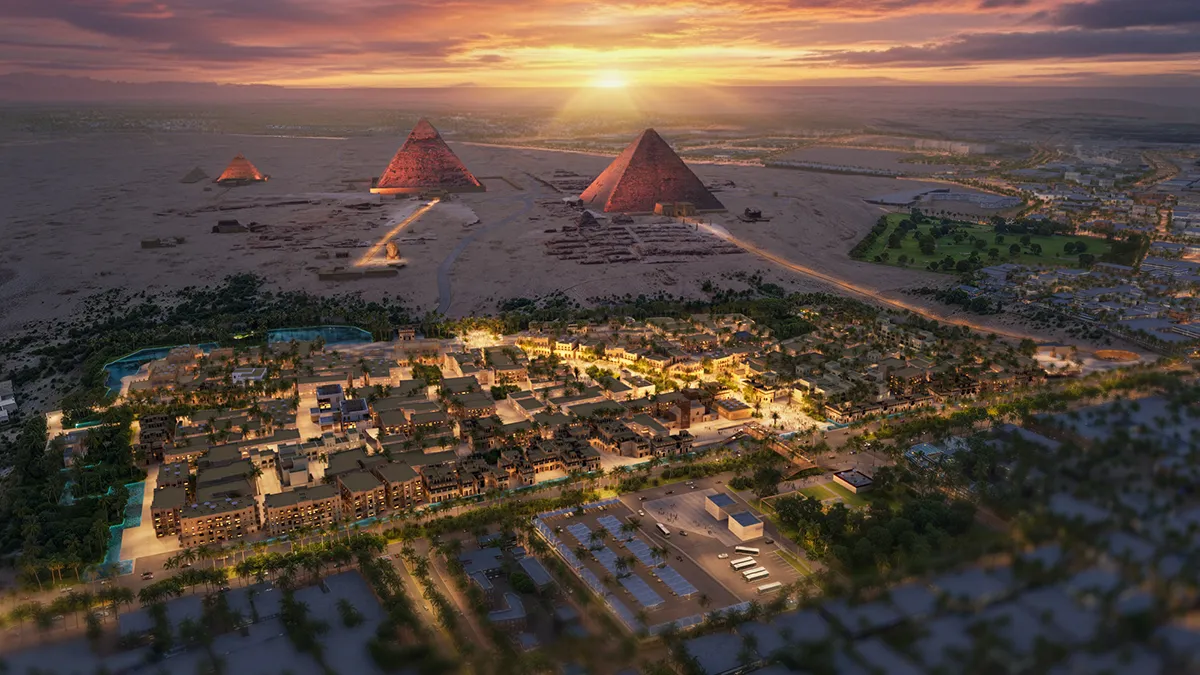
WATG recently shared an update on their work with the Egyptian government and the master-planning initiative for the Giza Pyramids region. This project represents a key cornerstone of Egypt’s nationwide tourism vision and economic growth strategy.
Egypt is embarking on an ambitious nationwide initiative to reimagine a thriving tourism industry. As a key element of its economic growth strategy, significant investments are now being channelled into destinations across the country, reflecting a bold vision to strengthen Egypt’s global tourism offering.
Within this context, the Egyptian government has recognised that the value and integrity of the Giza Pyramids destination — including one of the world’s most iconic UNESCO World Heritage Sites: Memphis and its Necropolis, the Pyramid Fields from Giza to Dahshur — has been diminished over time due primarily to uncontrolled urban sprawl surrounding this globally significant cultural landscape. This acknowledgement presents a major opportunity to revitalize these cultural heritage assets and the surrounding urban and agricultural areas, helping it to become a world-class destination that appeals to both cultural heritage tourists and travelers of every kind.
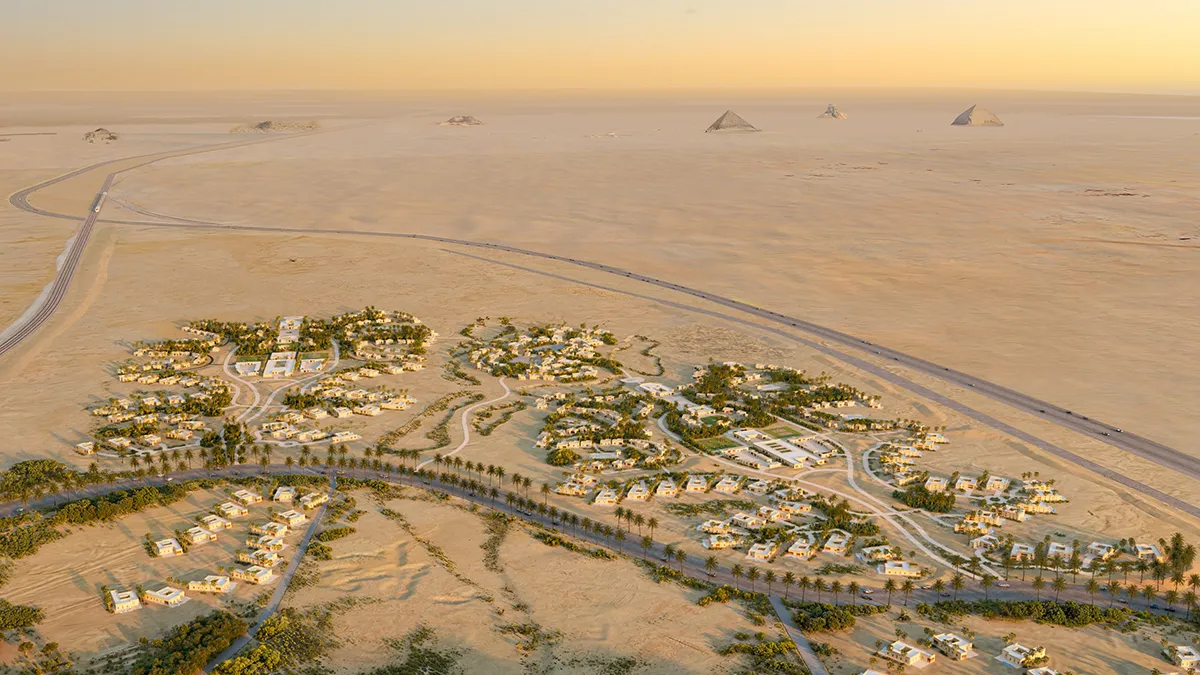
From WATG’s advisory and planning teams, the proposed master plan will reimagine a significant area spanning the Western Desert plateau overlooking the Nile Valley, aiming to deliver a more impactful and sustainable visitor experience. The plan aims to conserve one of the world’s most well-known UNESCO sites and culturally significant landscapes, while supporting Egypt’s tourism boom, infrastructure development, and local communities.
Integrating Global Best Practice with Local Expertise
This project offers a once-in-a-lifetime opportunity to protect these significant cultural assets and reimagine how both residents and travelers can engage with this iconic aspect of Egypt’s past.
The multi-disciplinary team includes international heritage planners and local Egyptologists. By integrating global best practices with deep local expertise, the team has developed a master plan that is both visionary and sensitive to the region’s unique historical and cultural fabric.
Over two intensive site visits, the team has conducted a detailed analysis of the plateau, necropolises, and floodplain, covering all major sites — Giza, South Saqqara, Dahshur — and their surrounding communities. The plan also emphasizes an implementation framework, which ensures an adaptable, future-proofed process that enables Egypt to evolve this region sustainably for decades to come.
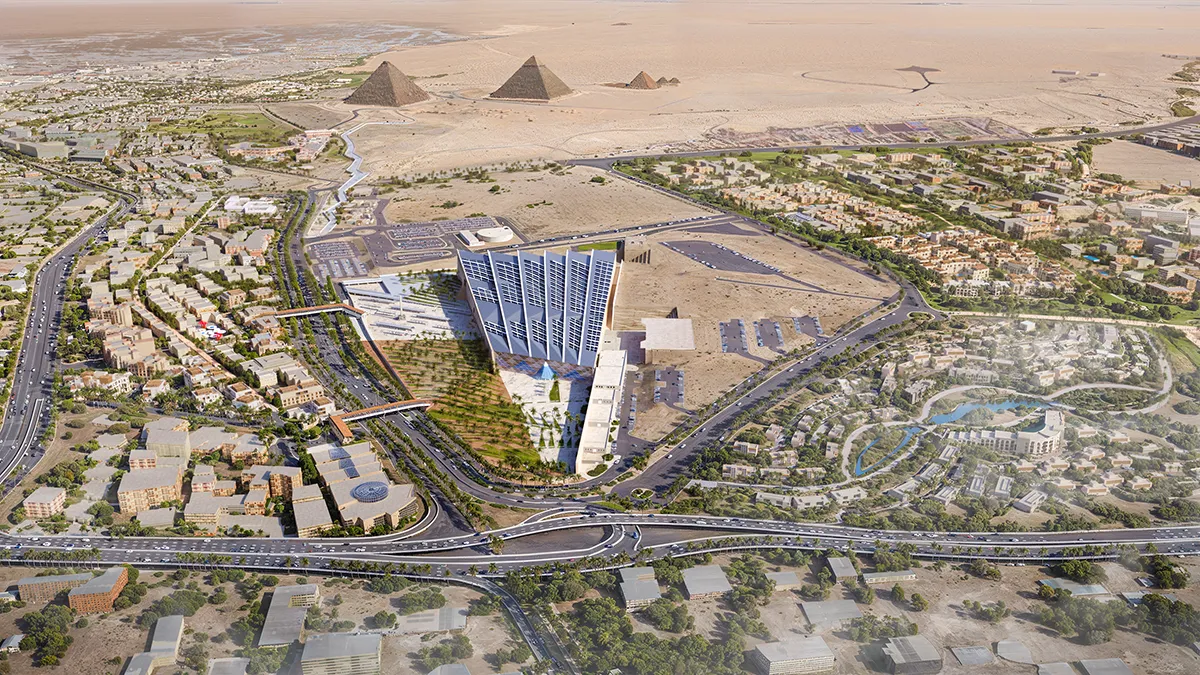
The master plan framework area spans both brownfield and greenfield sites on the plateau of the Western Desert, overlooking the Nile River valley and the city of Cairo. It involves complex challenges around cultural heritage and environmental conservation, community development and growth, and infrastructure and land ownership, while balancing the needs of a wide range of stakeholders.
TheWATG team will present the final package in December 2025 to the Ministry of Tourism, the Ministry of Housing, New Urban Communities Authority, the Deputy Governor of Giza, and others. The master plan will also be presented to Prime Minister Mostafa Madbouly.
Major steps in this development are already being made, with the opening of the Grand Egyptian Museum in November 2025. Looking ahead, this plan is designed to guide tourism development over the next 15 years and contribute to Egypt’s 2040 vision.