
In an area marked by time and depopulation, the proposal does not focus solely on intervening in the built environment but aims to reshape the dialogue between matter, landscape, and community. The objective is to restore meaning and identity, repair the urban fabric, and create new opportunities for relationships between the inhabited area and the surrounding environment.
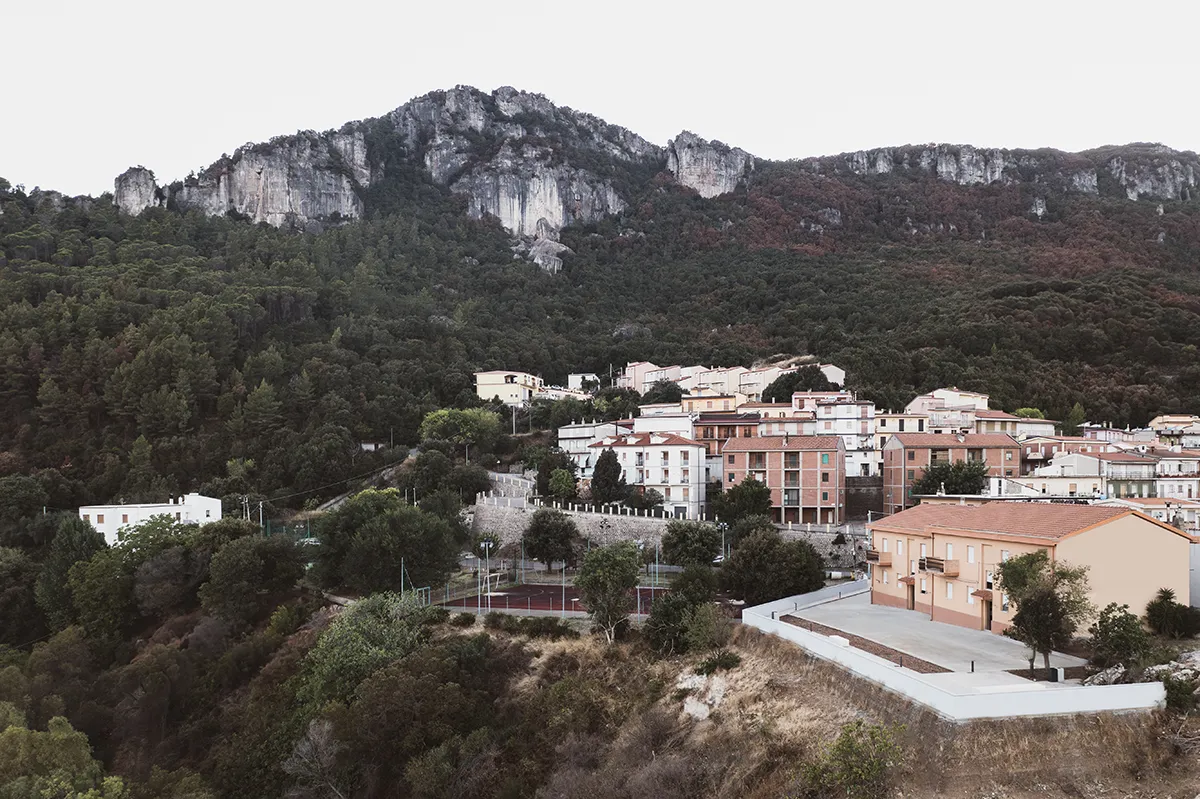
There are two central interventions, both conceived as landscape devices:
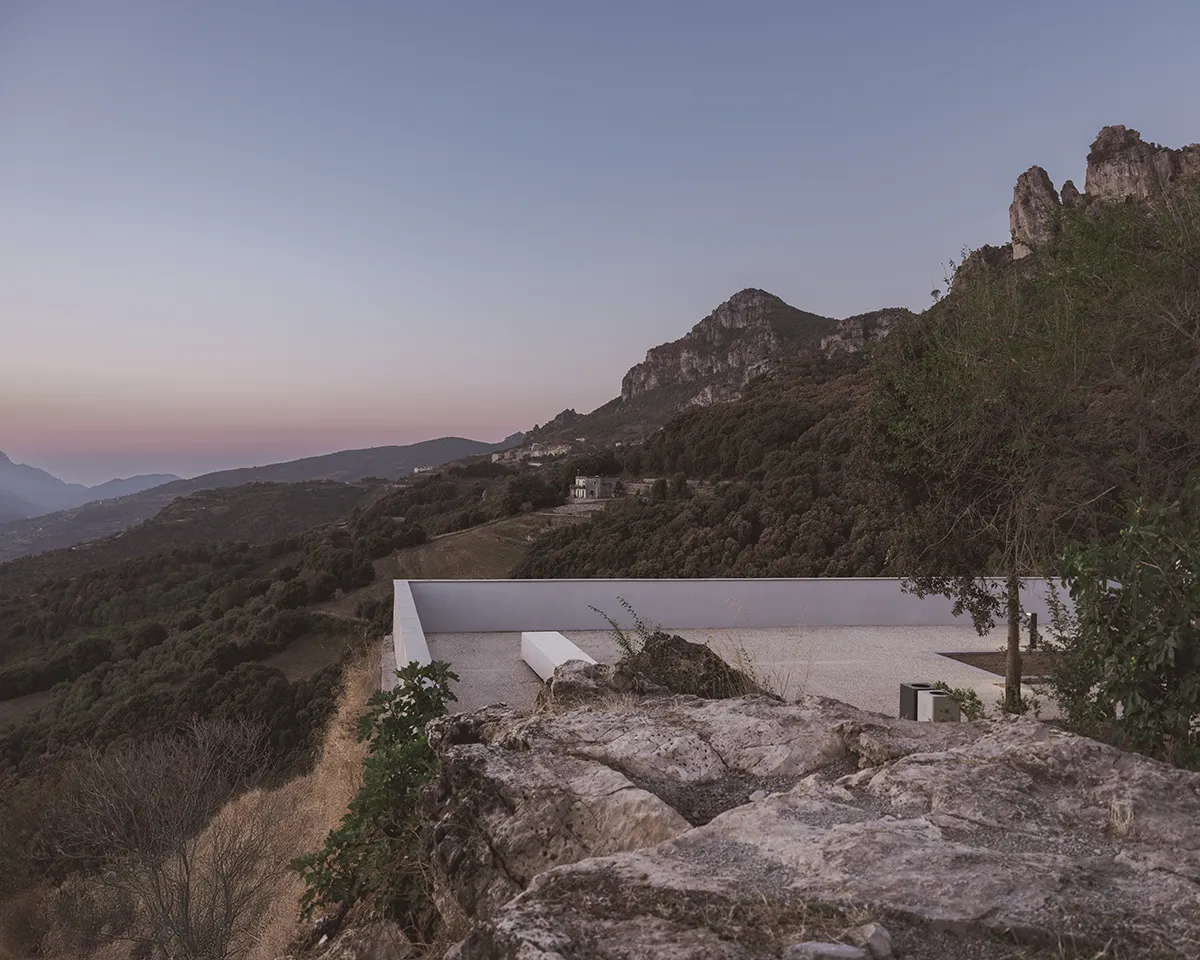
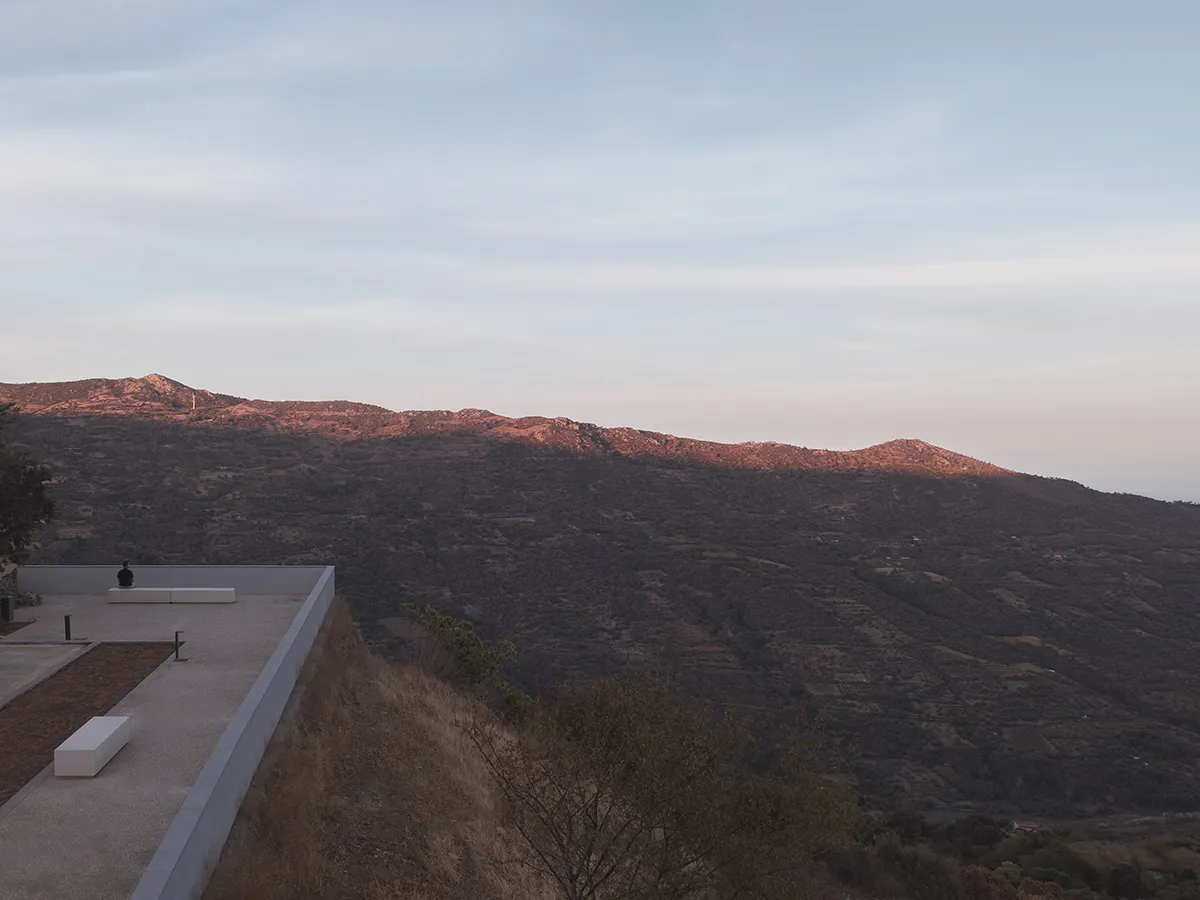
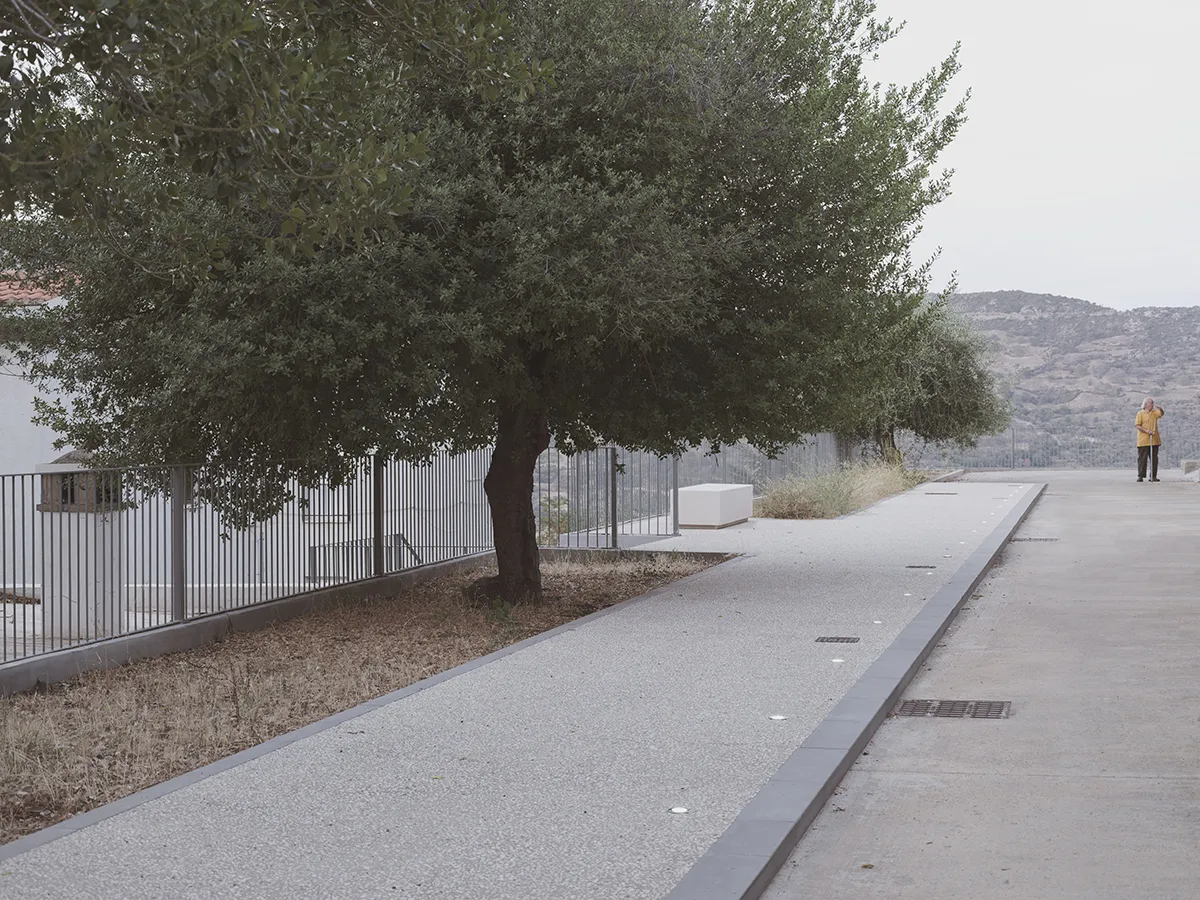
The belvedere of via Mannu, suspended over the void of the Riu Pardu valley, and the redefinition of via Mazzini, which introduces a new urban rhythm through ground design. In via Mazzini, the project restores dignity with a new mineral skin. The road surface, made of beaten concrete, creates a material continuity that engages with the surroundings, while the sidewalk becomes a tactile element: paved with washed stone using Orosei marble aggregates, and bordered by basalt stone kerbs, it is organised around existing trees, housed in light flowerbeds that become part of the story.
The light – discreet, grazing, recessed – accompanies each step and transforms the everyday into gesture, suggests presence without imposing itself.
The viewpoint on Via Mannu exemplifies a gesture of subtraction: removing asphalt creates space for a new material that quietly reestablishes the visual connection with the valley. It forms a minimal yet dense space that reasserts the centrality of the landscape. The guiding principles of the project – flexibility, sustainability, durability – are translated into practical decisions.
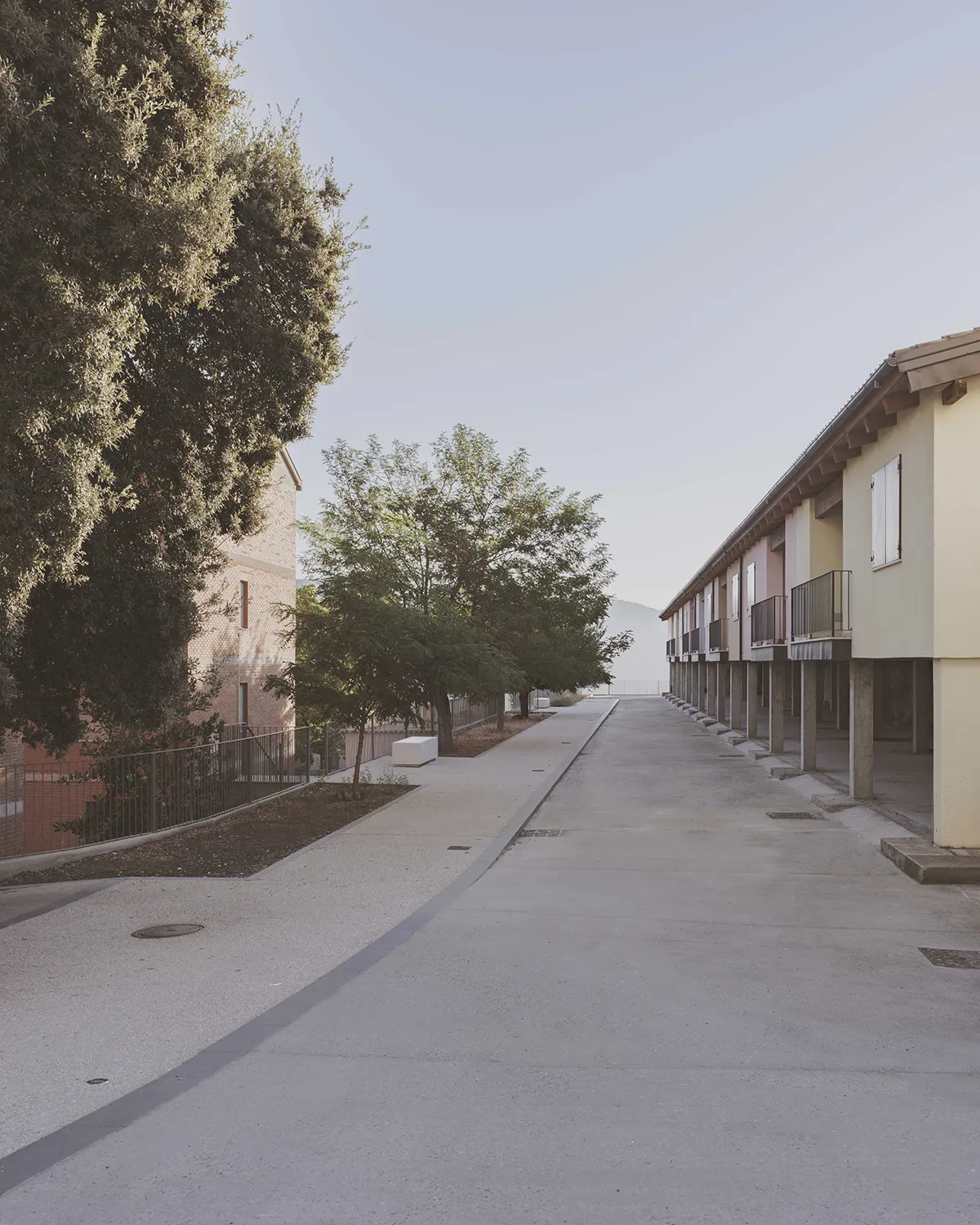
The material is considered part of the narration: the architectural concrete with exposed aggregates is not merely a finish but an ecological feature, created using processing waste to lessen the use of natural resources.
The monolithic furnishings – essential, solid – are designed to resist time, use, vandalism, reducing maintenance to a minimum.
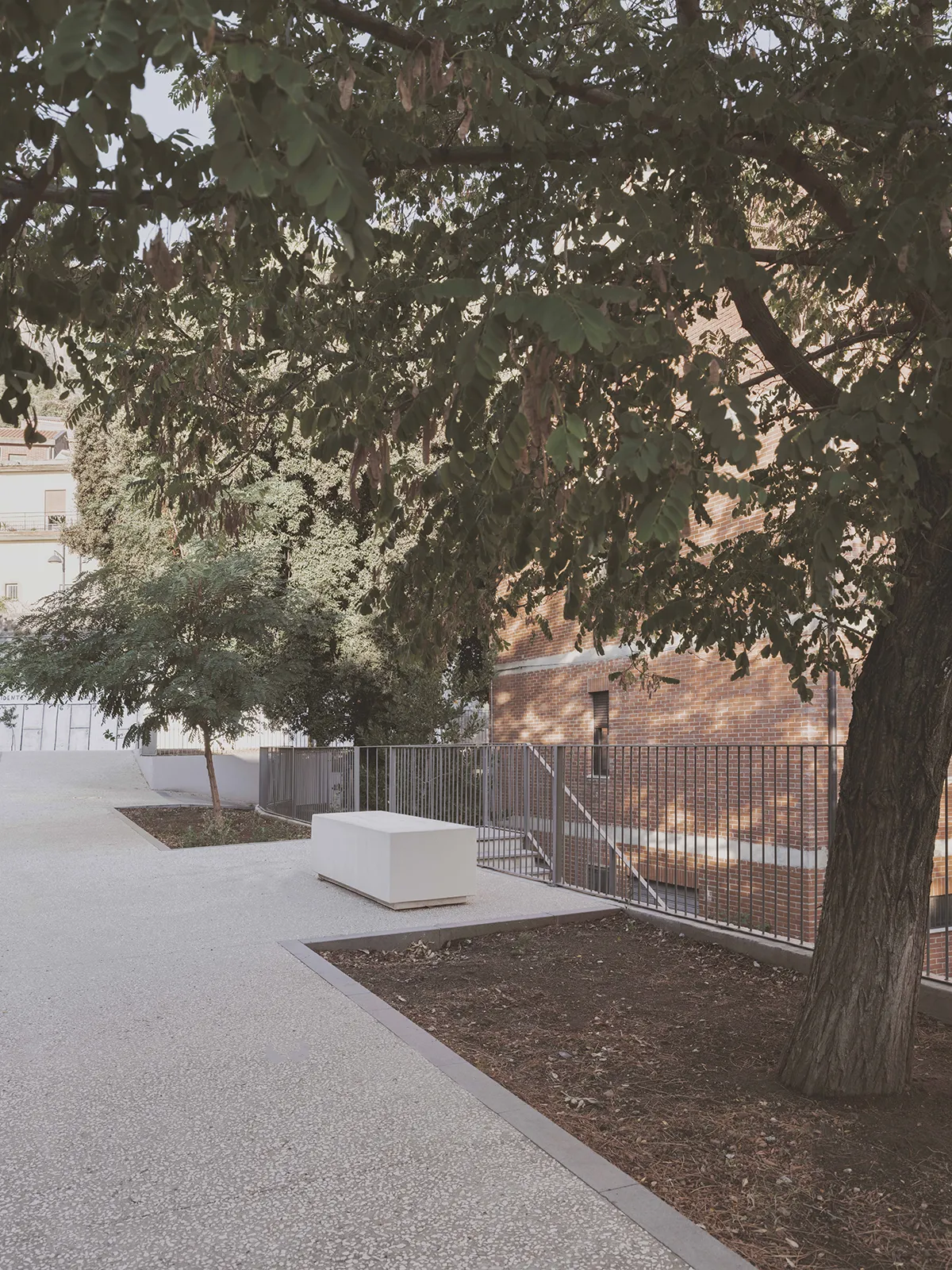
The vegetation, selected from native species, is not merely decoration but an active part of the system. The flowerbeds and green spaces become ecological infrastructure that reduces water needs and demonstrates a clear commitment to respect and integration with the land.
In this project, the village is not just a place but a possibility. An urban landscape that, despite its small size, aims to rebuild a collective sense of space. A new balance between people, architecture, and the environment.
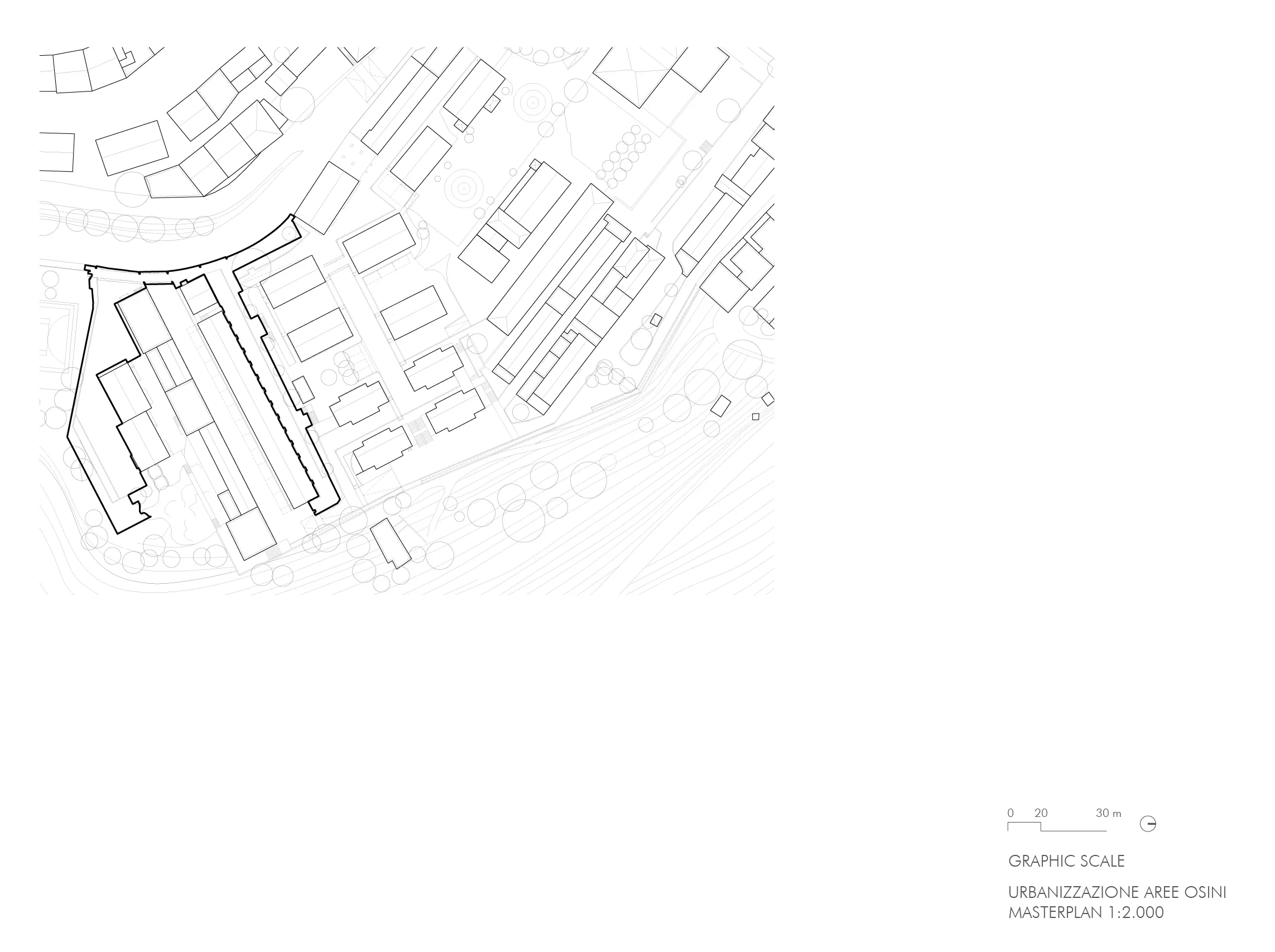
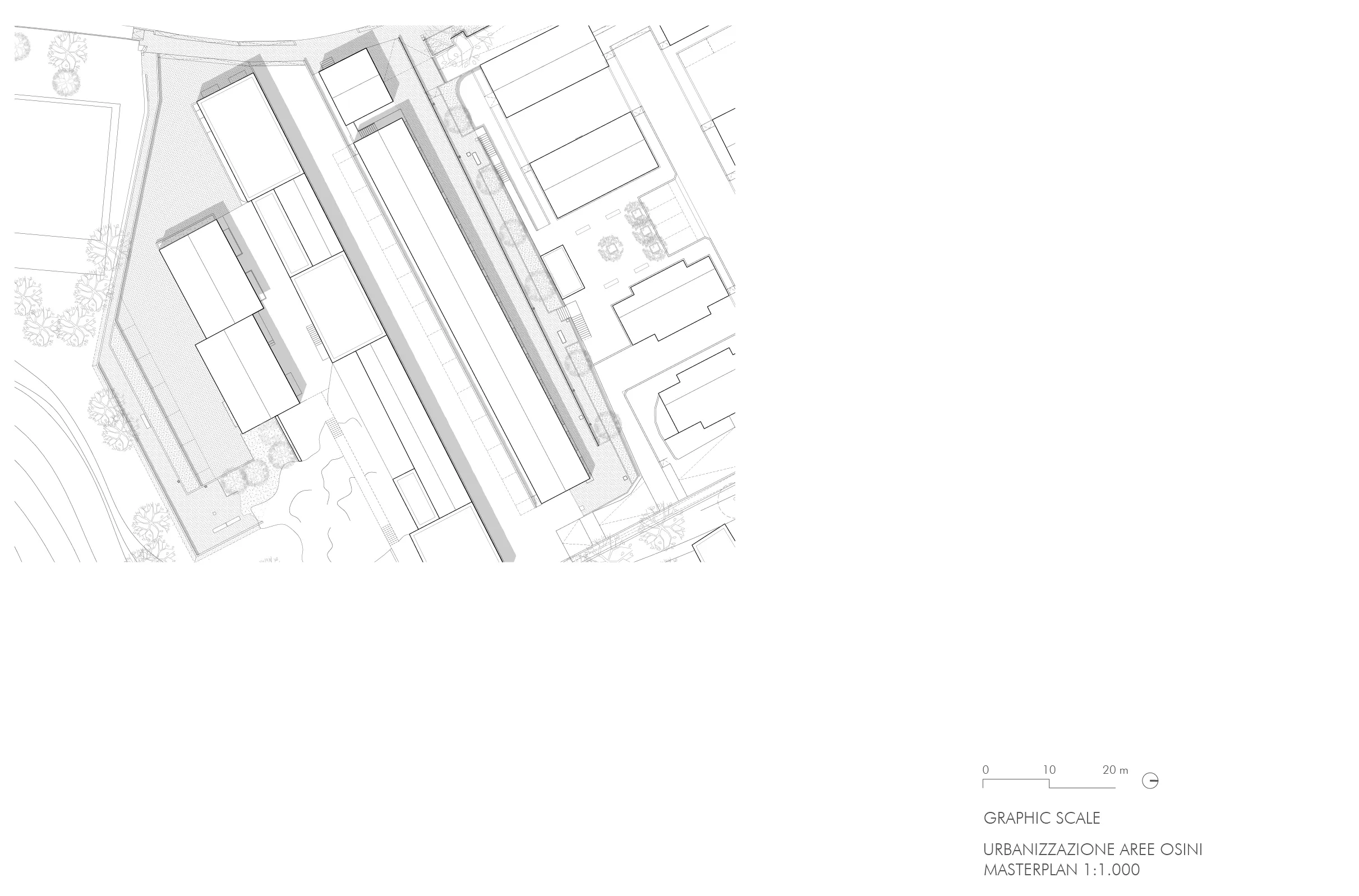
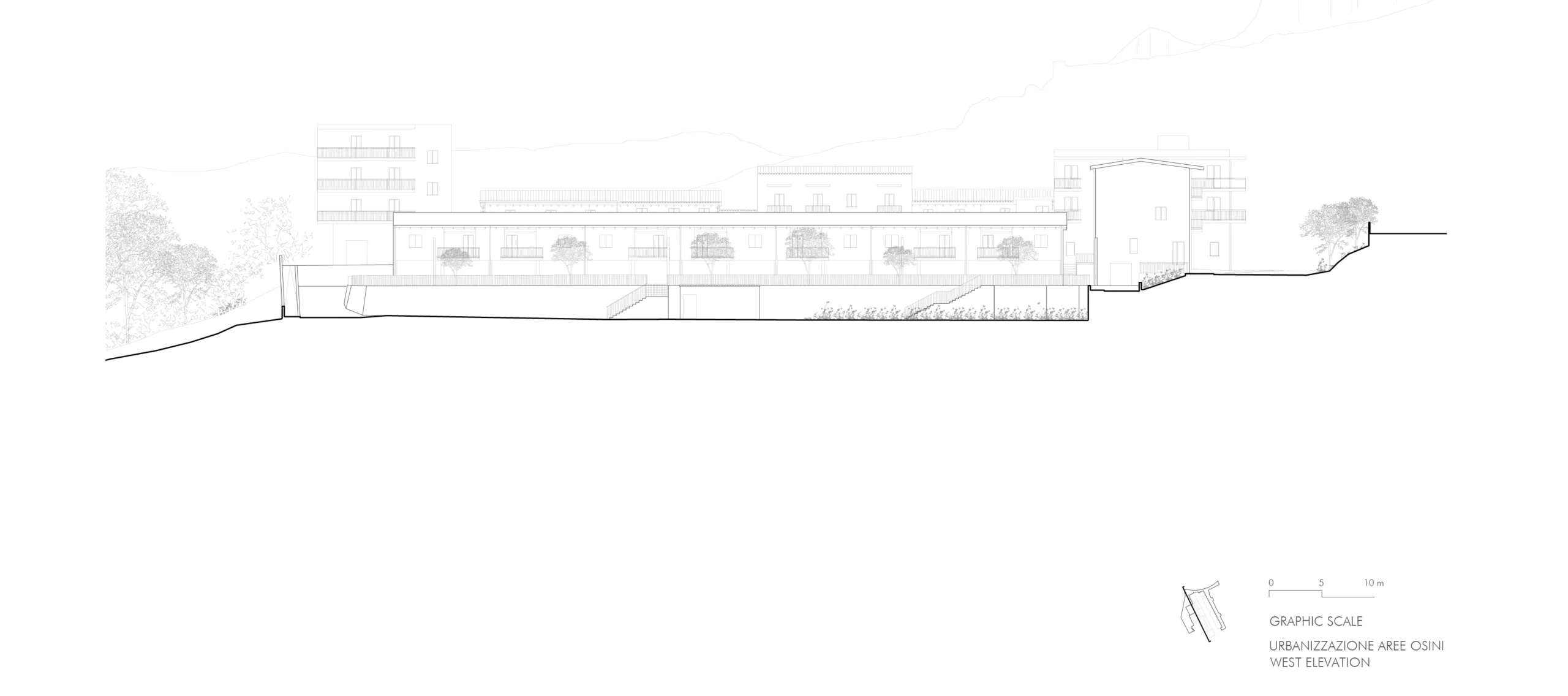
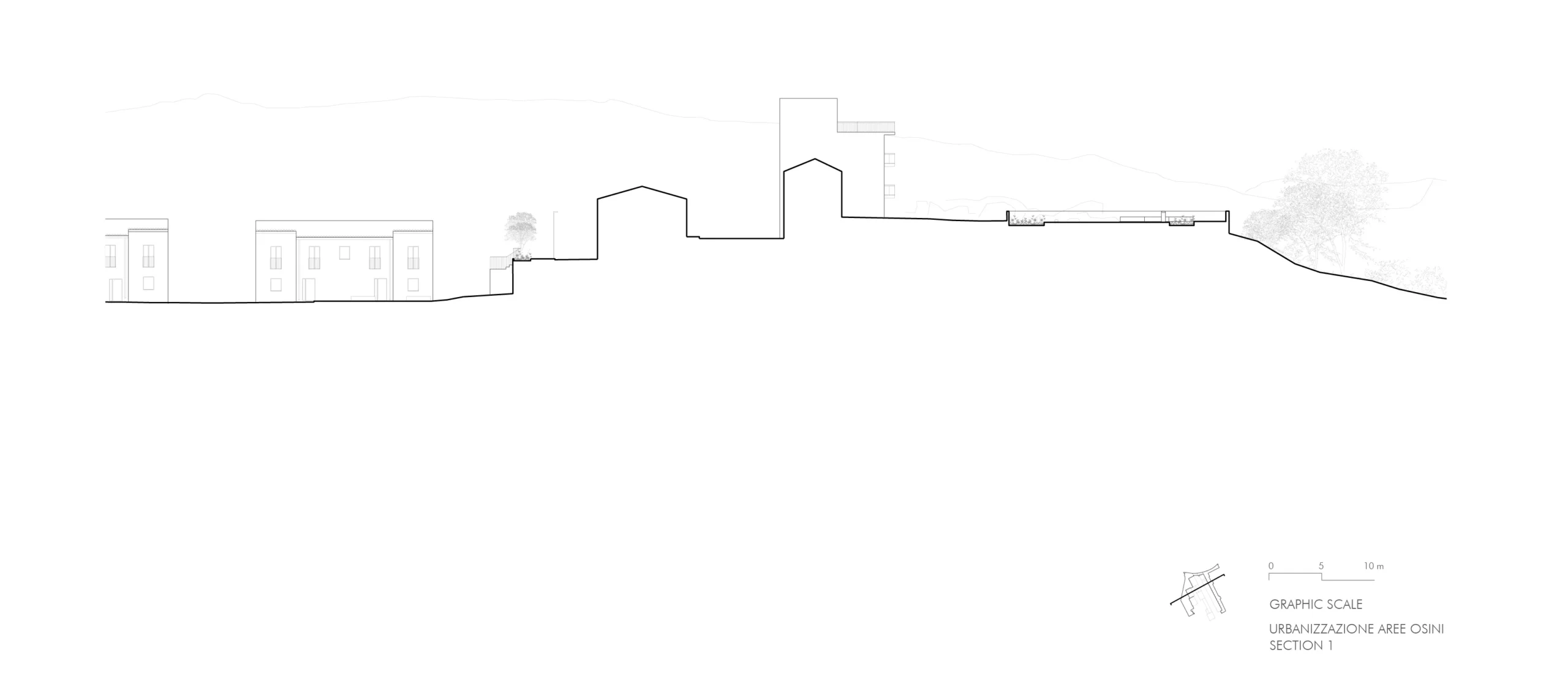
Urbanizzazione Aree
Location: Osini (NU), Sardinia, Italy
Design Team: Studio Associato di Architettura LERUA (Arch. Paolo Russo, Arch. Fabiana Ledda) + Architect Stefano Simone Pala
Client: Municipality of Osini (NU)
Construction Company: SO. FRA. SRL
Photography: Barbara Pau