
Winner of the Outstanding Award in the 2025 WLA Awards – Built Masterplan & Urban Design category
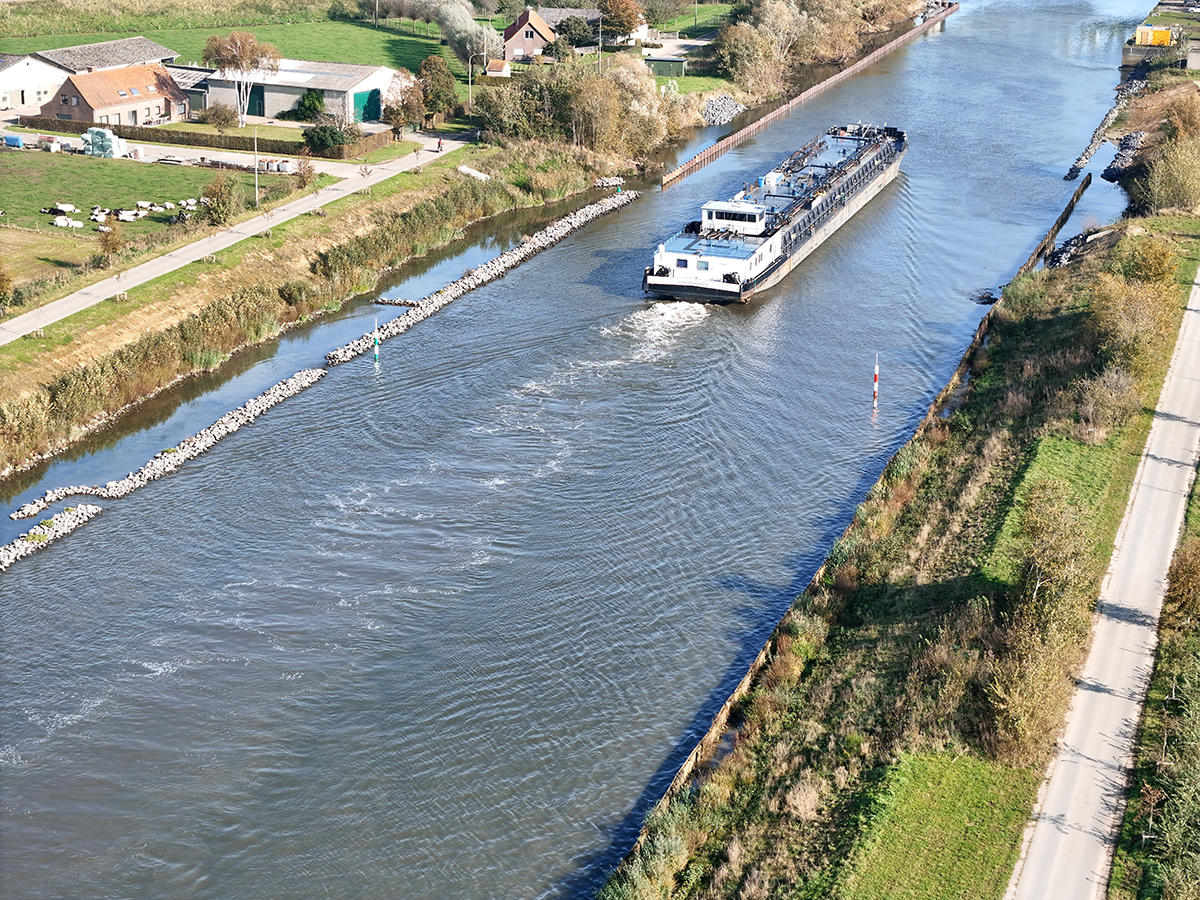
A multifunctional vision for the river Lys
The upgrading of the River Lys from Deinze to Waregem is part of the broader Seine-Scheldt project, a European waterway initiative that involves collaboration between France, Wallonia, and Flanders. Its goal is to establish a high-capacity inland navigation route (CEMT class Vb) connecting the Seine basin in the south with the Scheldt basin and the North Sea ports in the north.
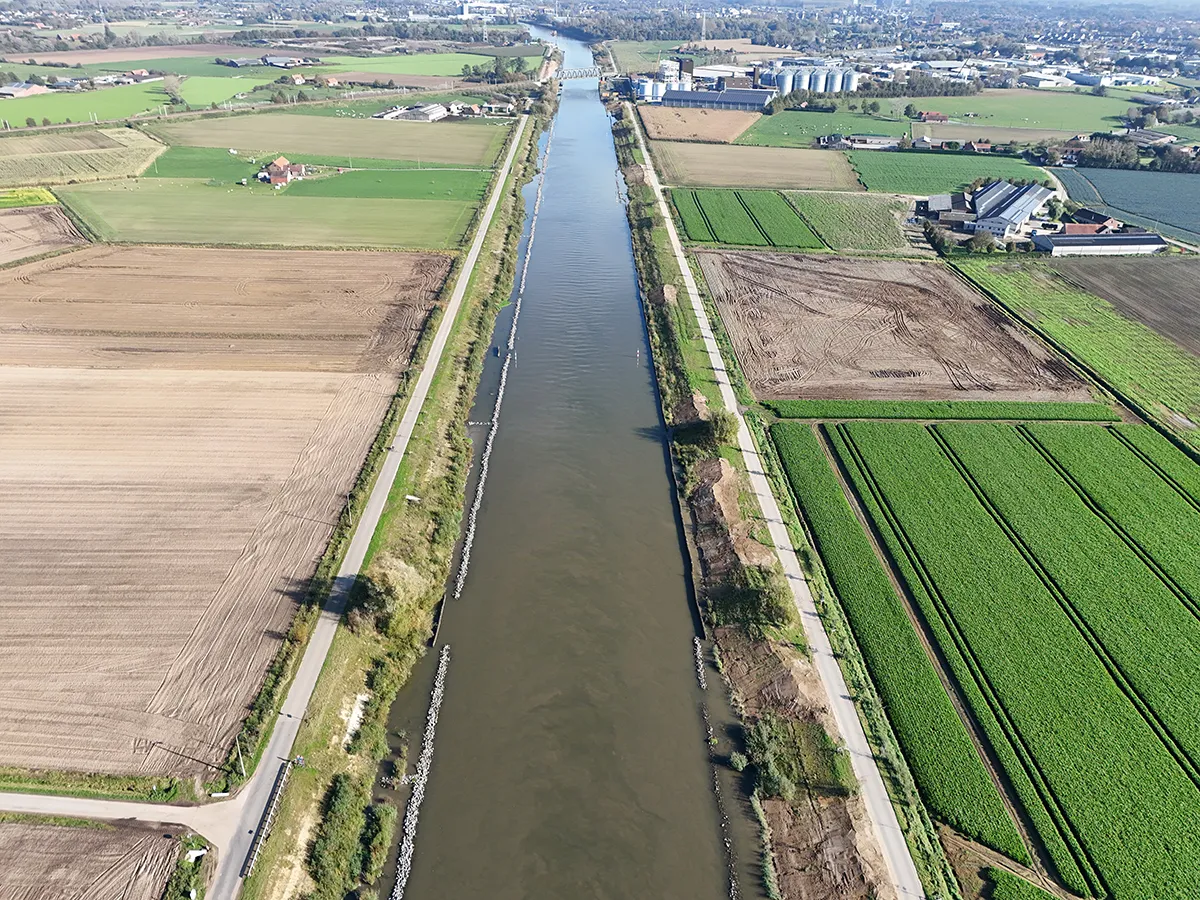
This project goes beyond economic objectives. It aims to give the waterway a multifunctional character that reflects and respects the natural landscape. Under the “Leie River Restoration” initiative, special attention is given to the valley’s historical, ecological, and scenic values.
Design philosophy: Integrating infrastructure, nature, and experience
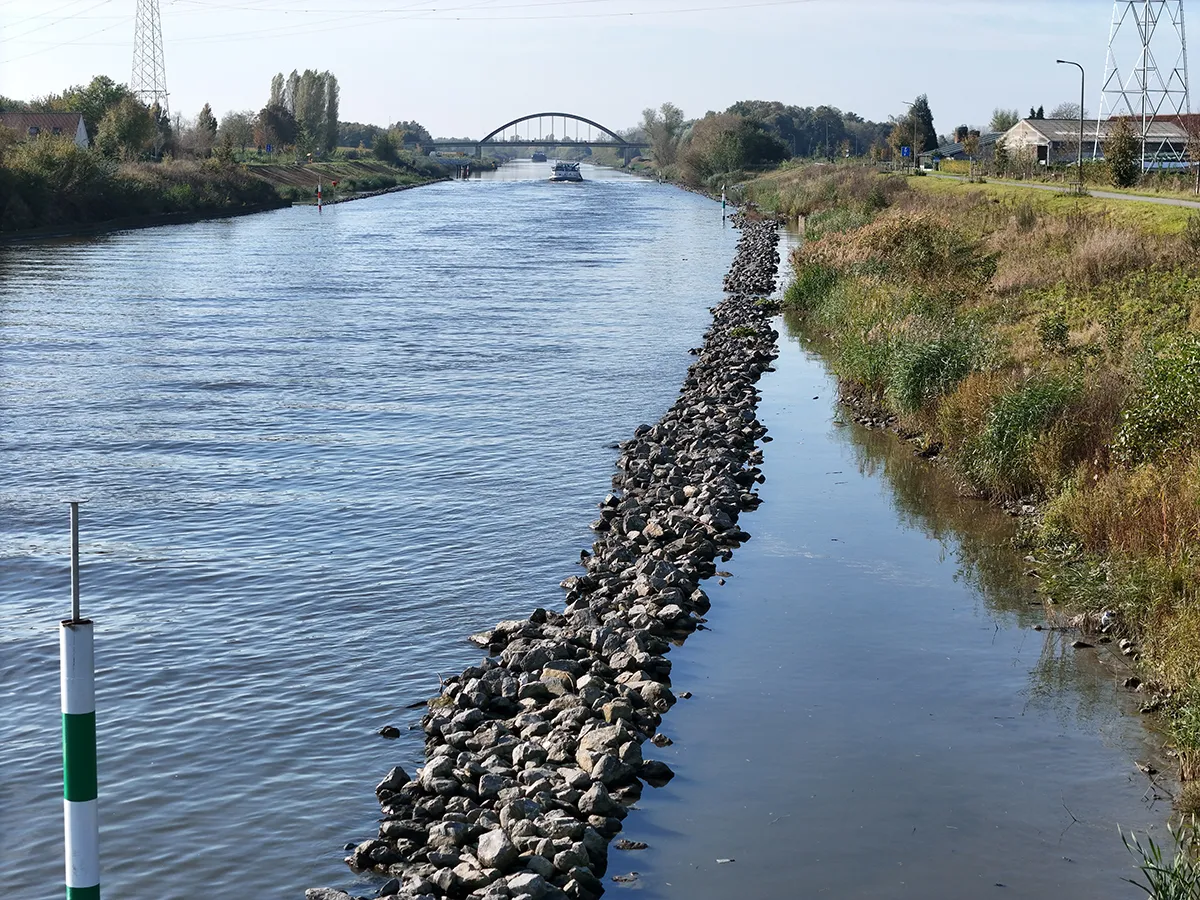
Our design philosophy is rooted in the belief that infrastructure, nature, and human experience should enhance one another. In designing the canal landscape, we focus on blending ecological, scenic, and recreational qualities. For the riverbanks, this translates into clear goals: creating space for water-bound nature, preserving existing ecological and aesthetic values, and developing a resilient ecosystem that requires minimal maintenance — one that is both visible and tangible from the towpath.
Nature-friendly riverbanks: A mosaic of habitats
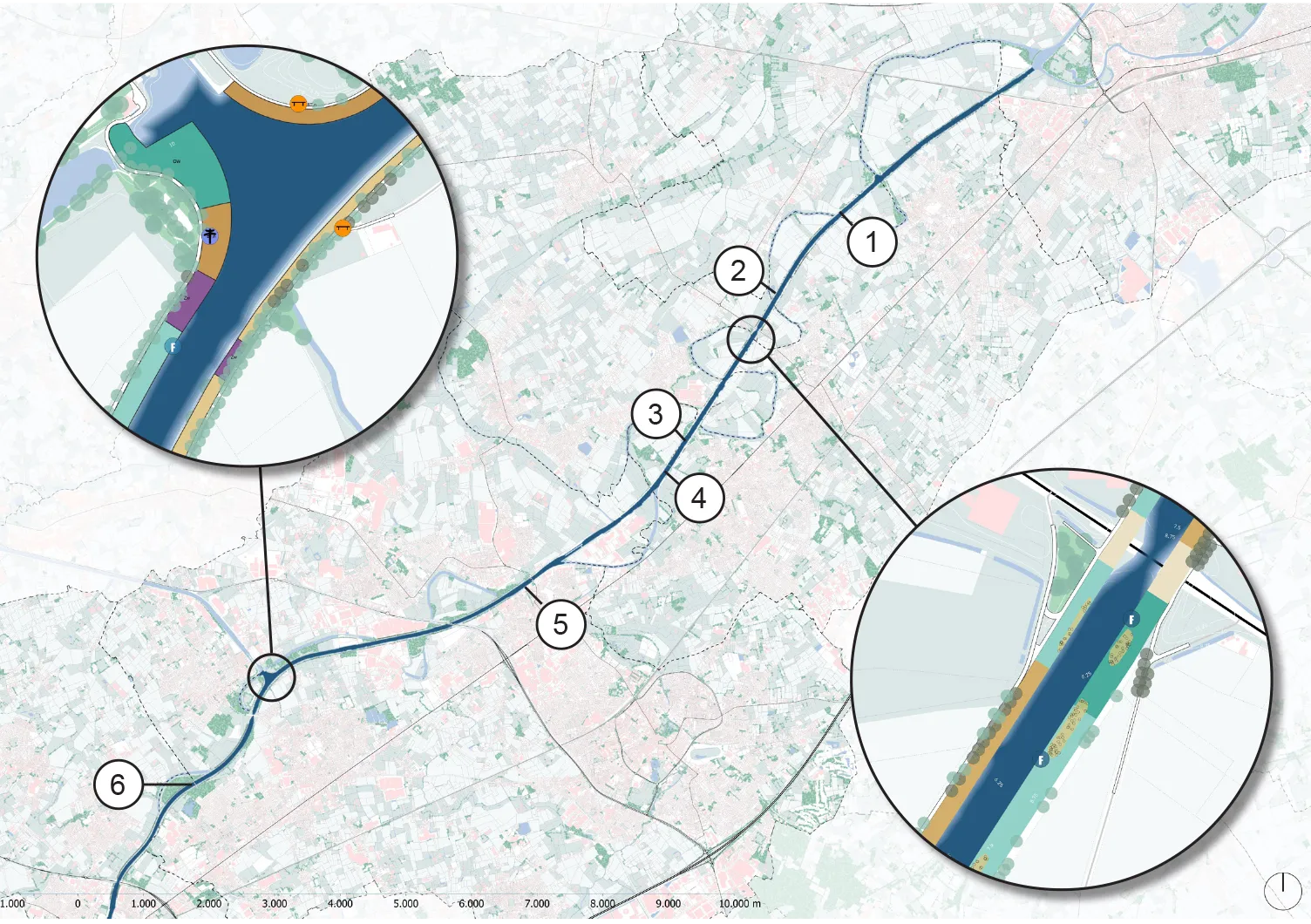
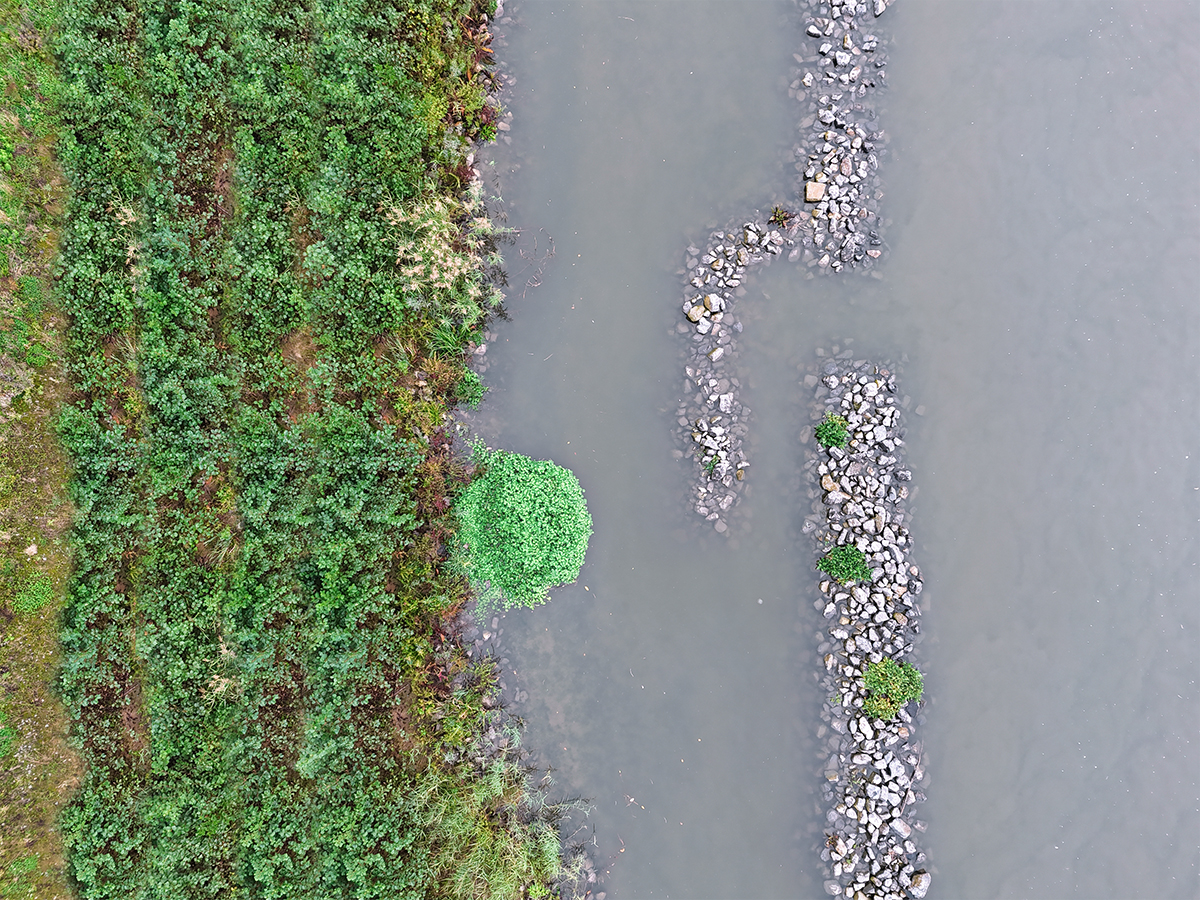
To achieve this, we designed a diverse range of nature-friendly riverbanks. By creating forelands – the combined area of the wave attenuation zone and the pond/marsh zone – with varying water depths, flow speeds, and vegetation, a dynamic shoreline emerges, rich in biodiversity. Gentle slopes and wetland zones provide breeding areas for amphibians and resting places for birds. Steep banks and swallow walls offer niche habitats, while fauna passages at strategic points allow for migration between land and water.
Each bank is carefully adapted to local conditions, including hydrodynamics and the presence of flora and fauna, resulting in a rich mosaic of habitats. By focusing explicitly on habitat quality, the project supports a range of target species, including the white-letter hairstreak, Eurasian reed warbler, common blue butterfly, sand martin, brown hairstreak, meadow brown, kingfisher, Daubenton’s bat, pike-perch, roach, and many other aquatic and riparian species.
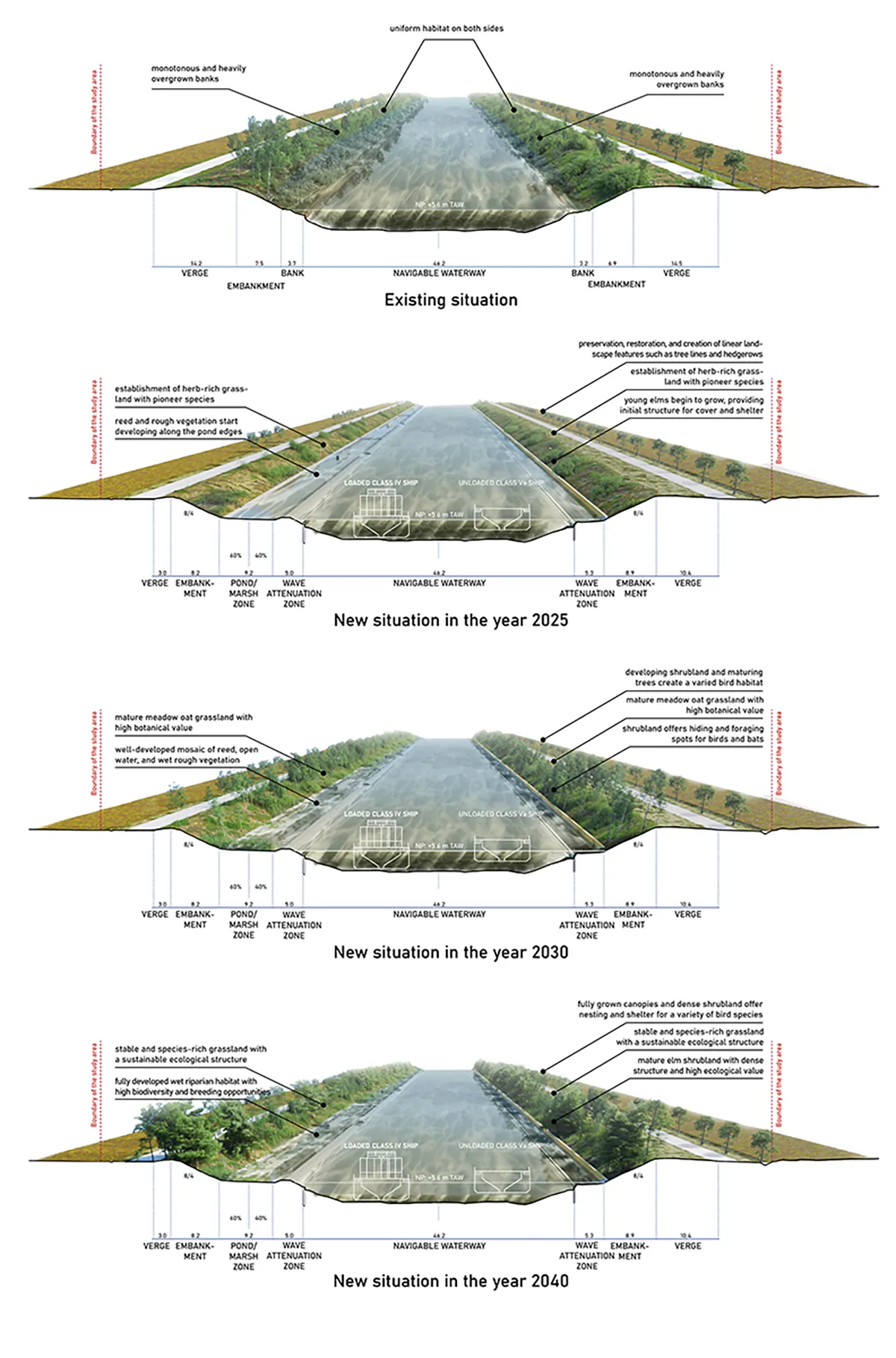
Another key ecological element is the preservation, restoration, and creation of linear landscape features such as tree lines and hedgerows. These structures serve as orientation routes and feeding corridors for bats and contribute to the area’s ecological connectivity. By focusing on continuity between habitats, we enhance the long-term resilience of the ecosystem.
A river for people: Recreation and public space
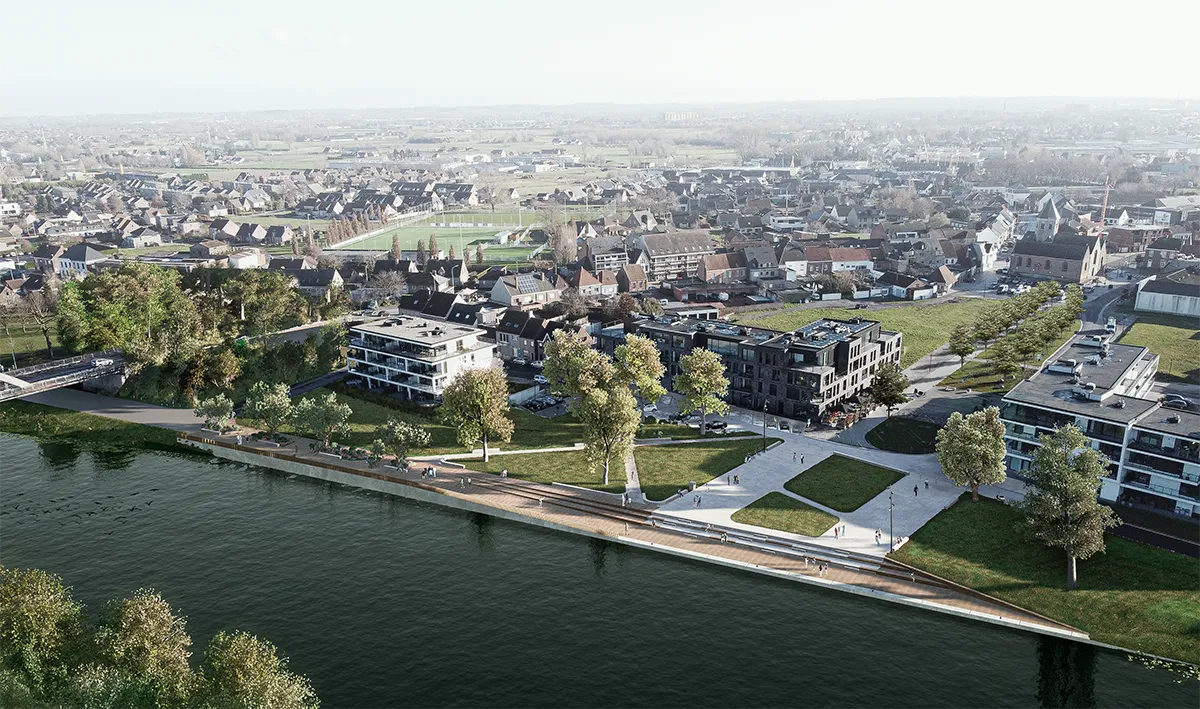
Recreational experience also plays a vital role in the project. We aim for a varied offering that responds to the needs of different user groups. This includes towpaths for cyclists, designated fishing areas, new bridges, and the transformation of former industrial sites into inviting public spaces. In doing so, we reconnect village centers with the river, create spaces for rest and recreation, and foster a deeper connection between people and the landscape.
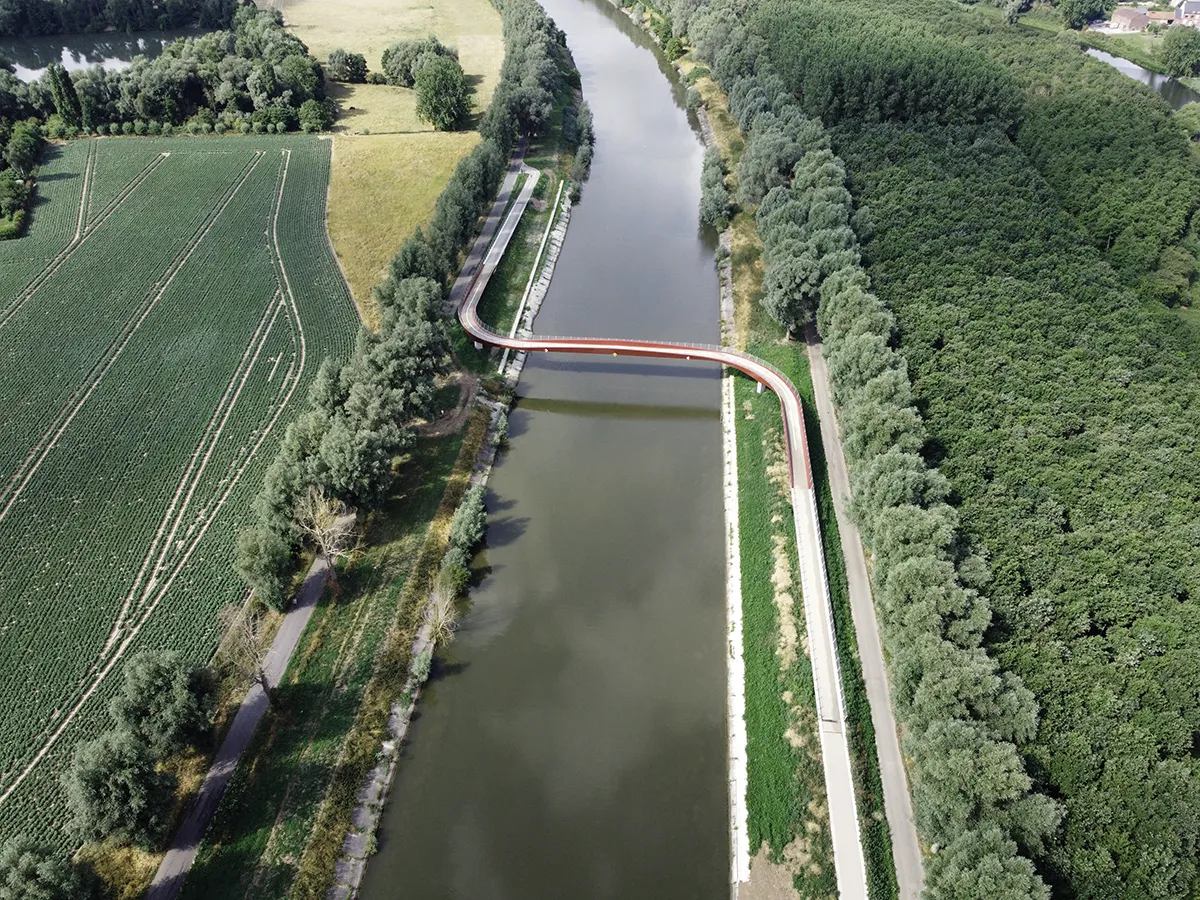
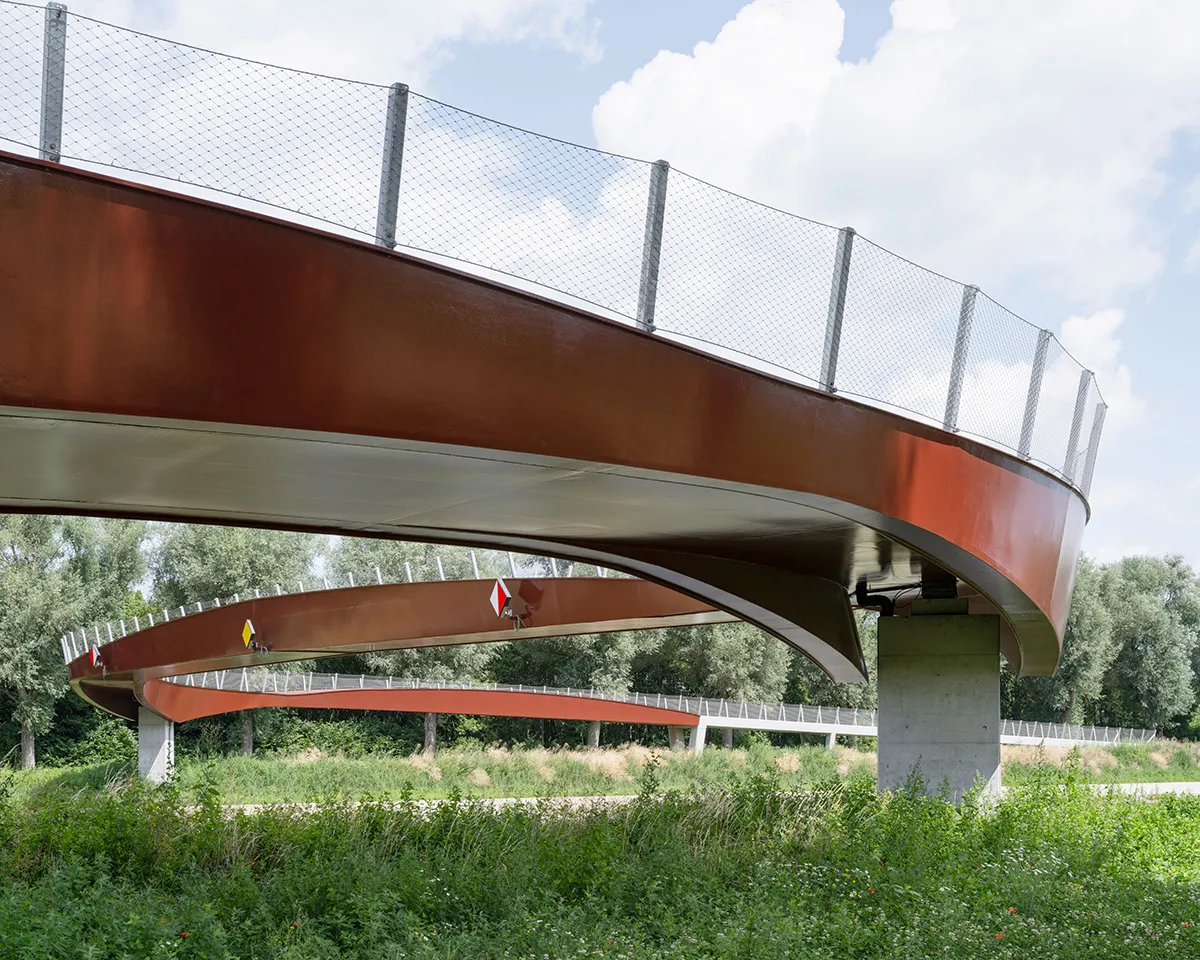
Through this project, we are defining a new type of canal landscape — one that unites its economic role as a transport corridor with ecological resilience, scenic identity, and social value. A place that lives and evolves, supported across municipal boundaries — now and into the future.
Adaptive management for long-term success
Importantly, the project is guided by intensive stakeholder engagement and local participation. Dialogue with municipalities, residents, environmental organizations, and recreational users ensures that the interventions respond to the needs and values of the communities involved. This collaborative approach strengthens both local ownership and long-term stewardship of the river landscape.
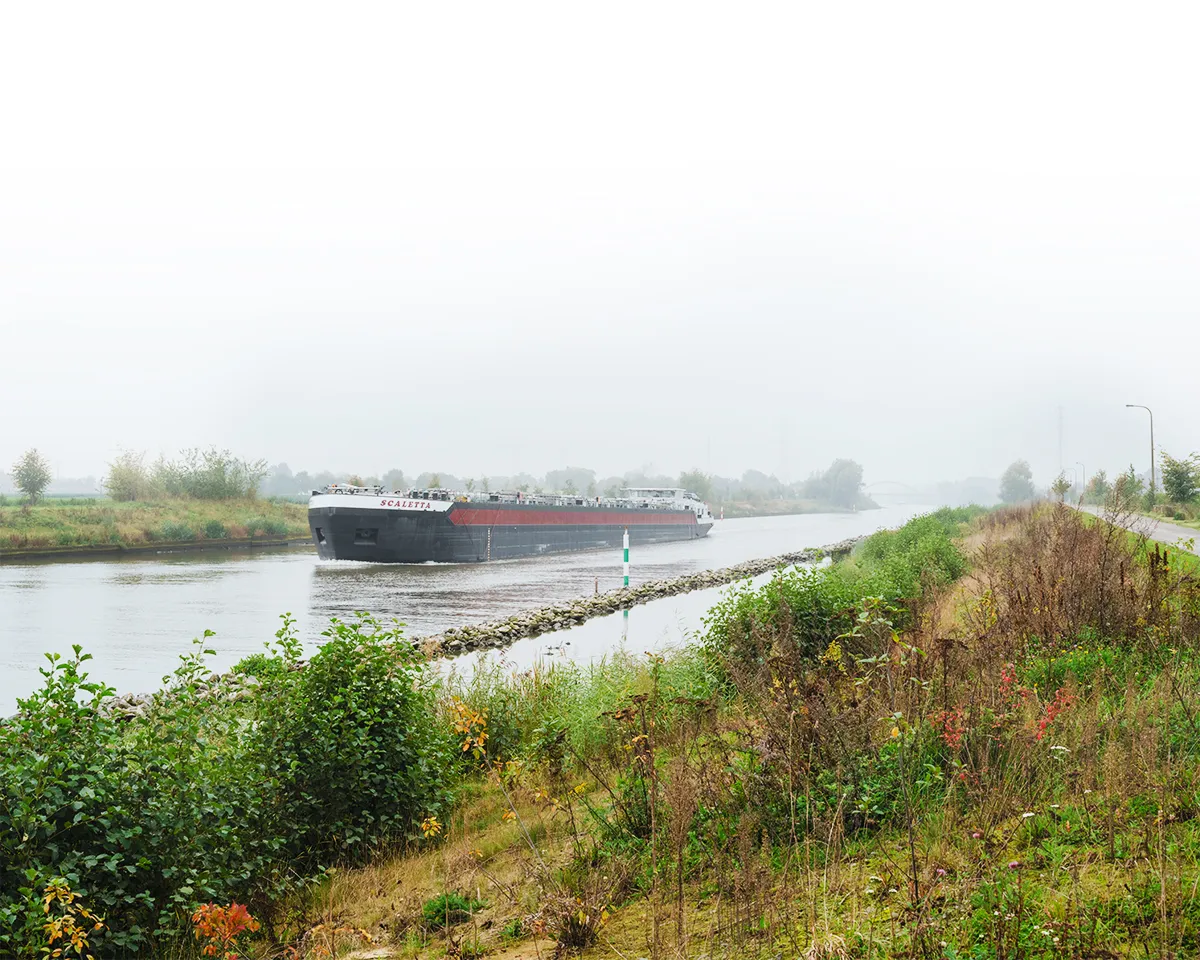
As we progress, monitoring and adaptive management are central to the strategy. Ecological indicators, user satisfaction, and maintenance performance are regularly evaluated to inform future improvements. This ensures that the canal landscape remains responsive to climate change, ecological shifts, and social dynamics. Flexibility and learning are built into the framework, allowing the River Lys corridor to remain vibrant and resilient for generations to come.
A living landscape for the future
In essence, the upgrading of the River Lys represents a paradigm shift in waterway design – one that integrates infrastructure and nature not as competing forces but as complementary systems. By weaving together transport efficiency, ecological health, and human experience, we are crafting a living landscape that honors its past, serves its present, and prepares for its future.
Upgrading River Lys
Location: In the cities of Wielsbeke, Waregem, Zulte, Deinze in Belgium
Designer Credit: SBE nv
Client: De Vlaamse Waterweg nv
Collaborators/Other Consultants: Landmax bv, (ecological experts)
Photographer/Image Credits: Jorn Jansoone, Johnny Umans