
The “Politics of Conservation” studio is part of a multi-year teaching and research initiative focused on landscape conservation in Northern Thailand. It demonstrates the studio’s—and the wider Master of Landscape Architecture (MLA) program’s—long-term dedication to addressing socio-ecological challenges specific to Southeast Asia, one of the world’s most critical and dynamic arenas for landscape architecture. The studio engages MLA students with challenges grounded in the region’s unique environmental, cultural, and developmental realities. It explores new frontiers of practice and identifies sites where landscape architects’ expertise, engagement, and interventions are crucial to enhancing socio-ecological resilience and equity.
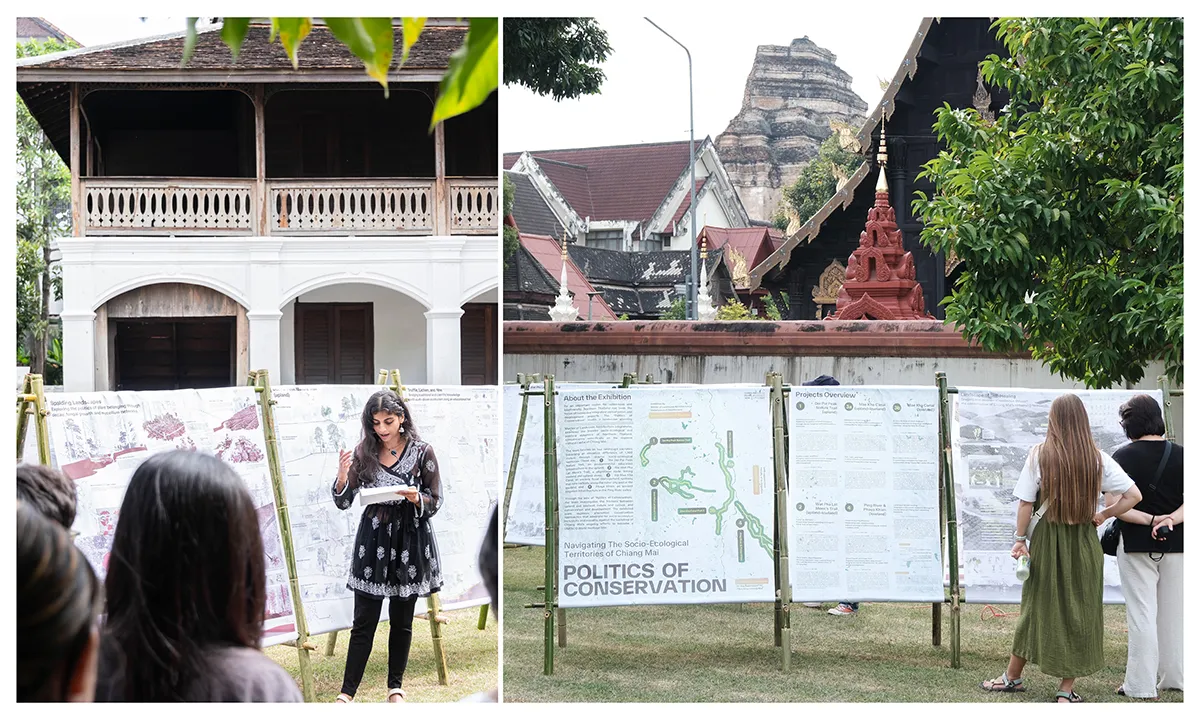
Exploring Culturally Engaged Conservation in Southeast Asia
Positioning itself as a proposal for action beyond analysis, the “Politics of Conservation” studio explores culturally engaged conservation approaches within a region-specific context. Northern Thailand is considered a critical region for wilderness and biodiversity conservation and has been the focus of various integrated conservation and development projects. The studio is situated within the broader socio-ecological and political complexities of Northern Thailand, with a specific focus on Chiang Mai, the cultural capital of the region.
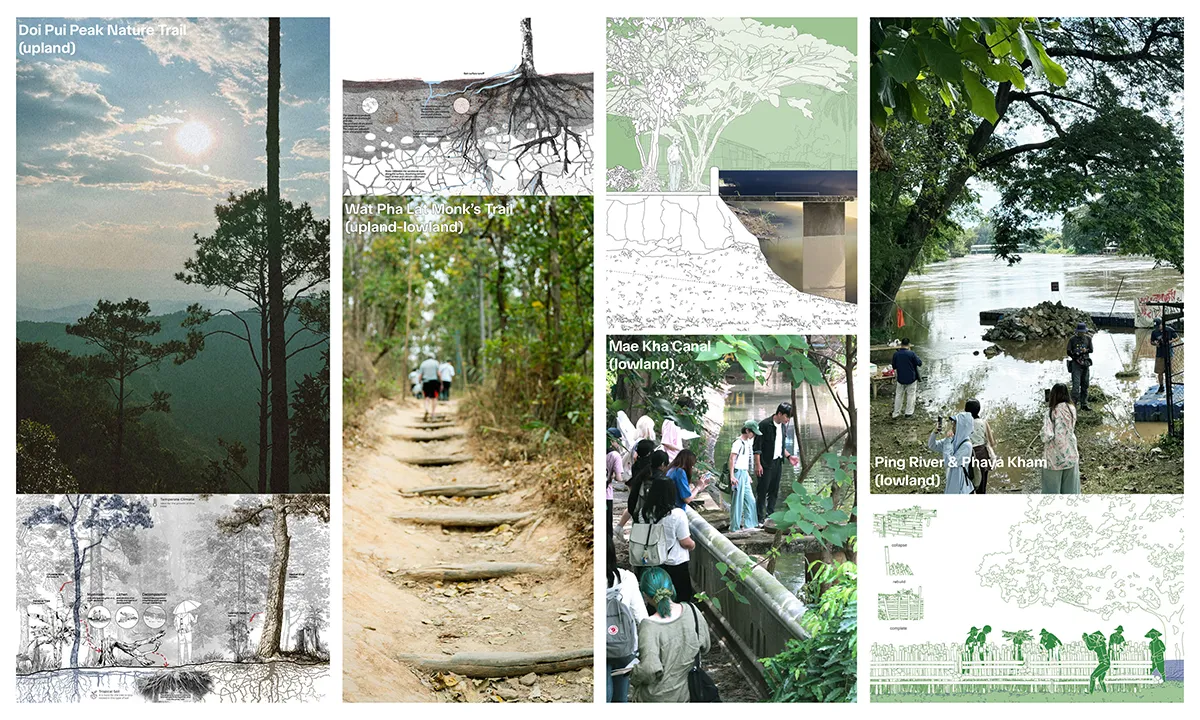
Longstanding efforts to conserve nature and culture have been complicated by Chiang Mai’s endeavors to attain UNESCO World Heritage Site status since the early 2010s. Students’ learning experience unfolds along four major landscape corridors situated at the forefront of ongoing cultural and natural conservation debates: the Doi Pui Peak Nature Trail, an environmental education infrastructure in the uplands shaped by over half a century of Thai upland policy; the Wat Pha Lat Monk’s Trail, a pilgrimage route that also functions as critical water infrastructure linking lowland and upland areas; the Mae Kha Canal, an ancient flood management spillway that runs partially along the outer city wall in the lowlands and is now a target of an informal settlement relocation programme; and Phaya Kham, an ancient irrigation infrastructure in the Ping River valley, which also plays a significant role in ensuring the city’s socio-ecological resilience. Students’ landscape planning strategies explore alternative conservation practices that mediate frictions between upland and lowland, nature and culture, and conservation and development.
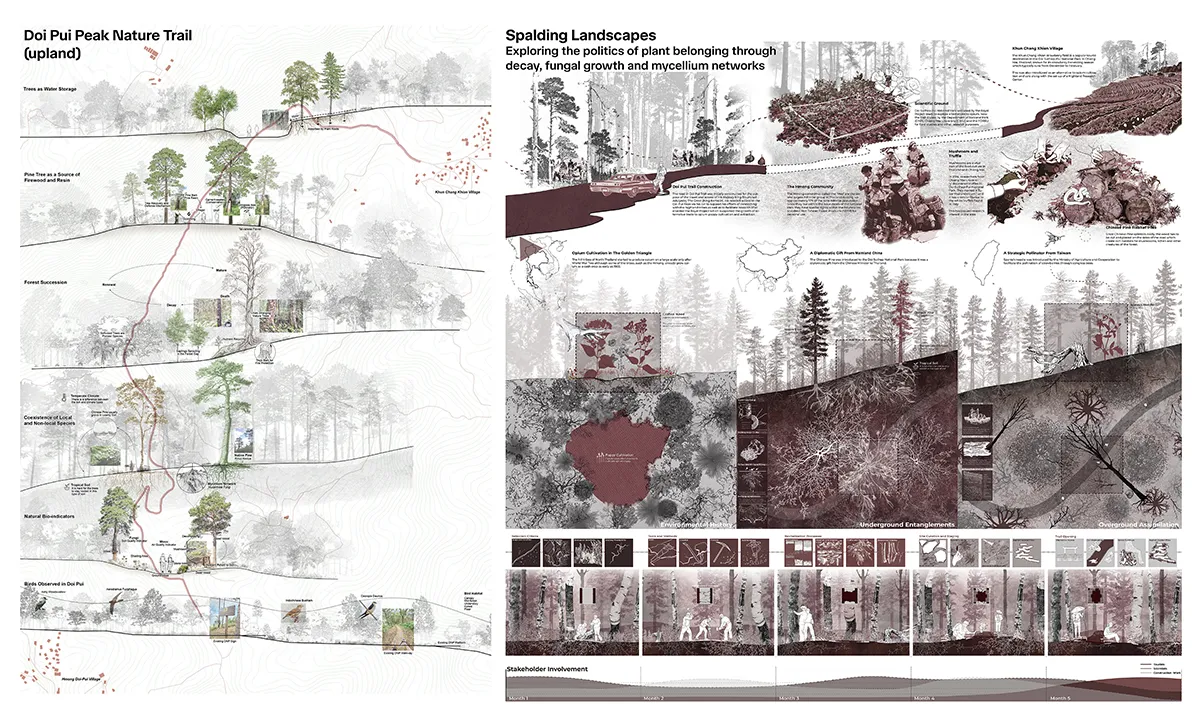
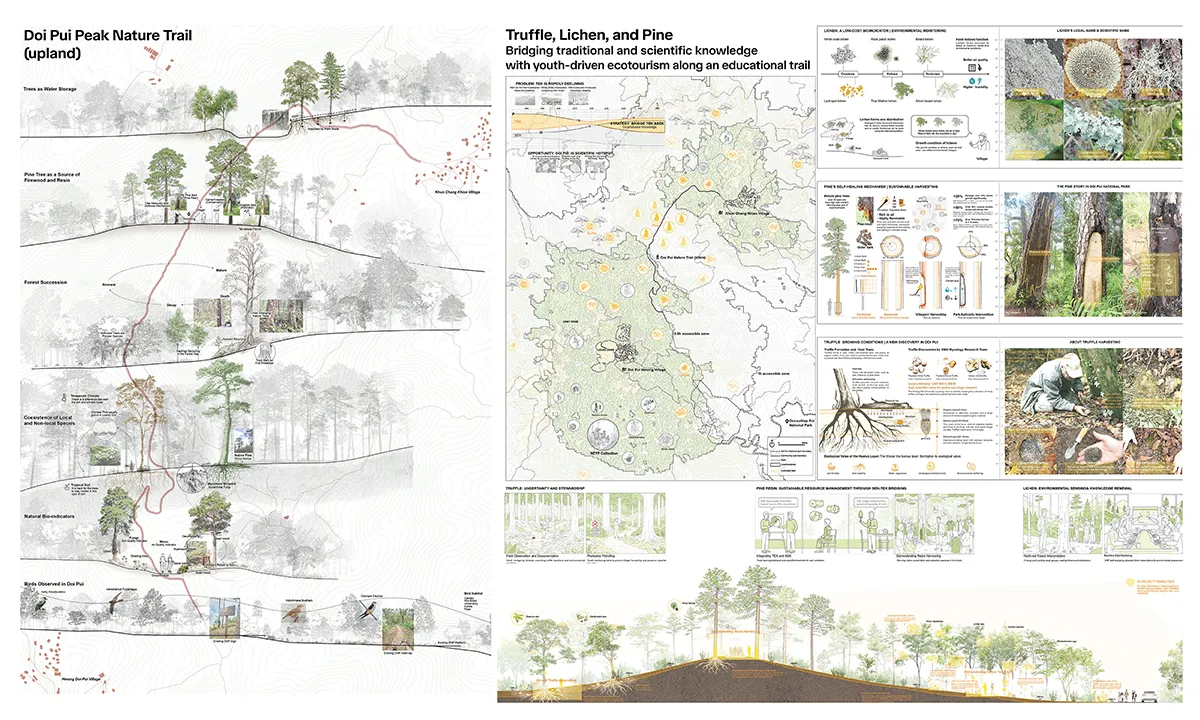
Maintaining a Stakeholder Network for Sustained Impact
This studio mobilized an extensive network of key stakeholders involved in the region’s cultural and natural conservation, a network built through the course instructor’s years of design research there. Stakeholders included the Thailand Department of National Parks, Wildlife, and Plant Conservation; the Chiang Mai World Heritage Initiative; the Faculty of Architecture at Chiang Mai University; and North Forest Studio, among others. This robust network sustains the multi-year teaching and research initiative within the MLA program, strengthening its leadership in innovative landscape conservation in the region.
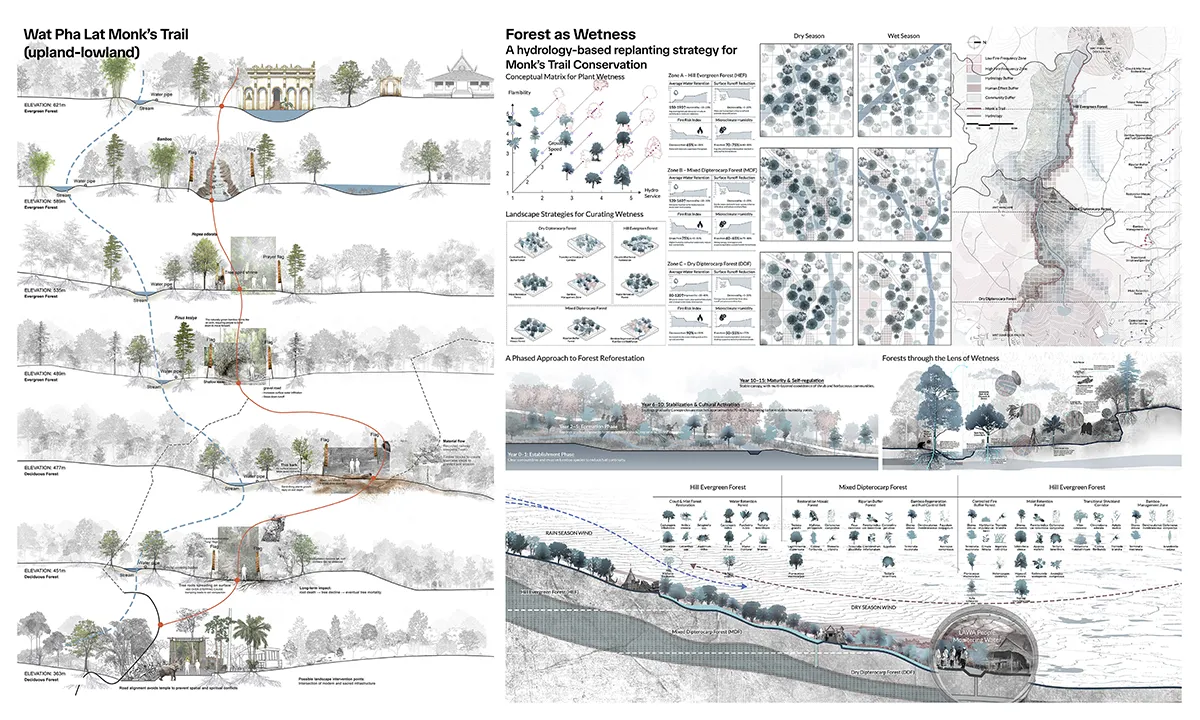
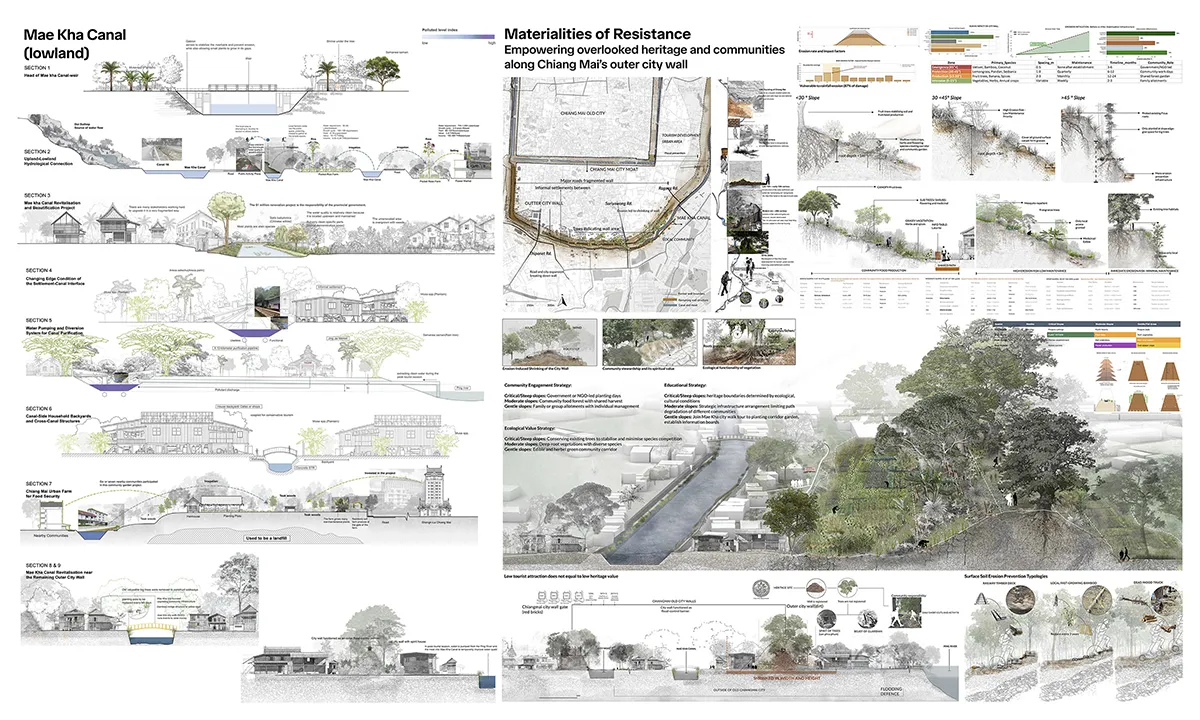
Students’ final projects create impact beyond the classroom through reciprocal relationships with these key stakeholders and broader audiences. For example, projects were presented to the stakeholders the class actively engaged with during fieldwork in Northern Thailand. They have also been exhibited in major regional events, including a recent month-long show at the Lanna Architecture Center as part of the 2025 Chiang Mai Design Week, raising public awareness and stimulating dialogue about natural and cultural landscape conservation.
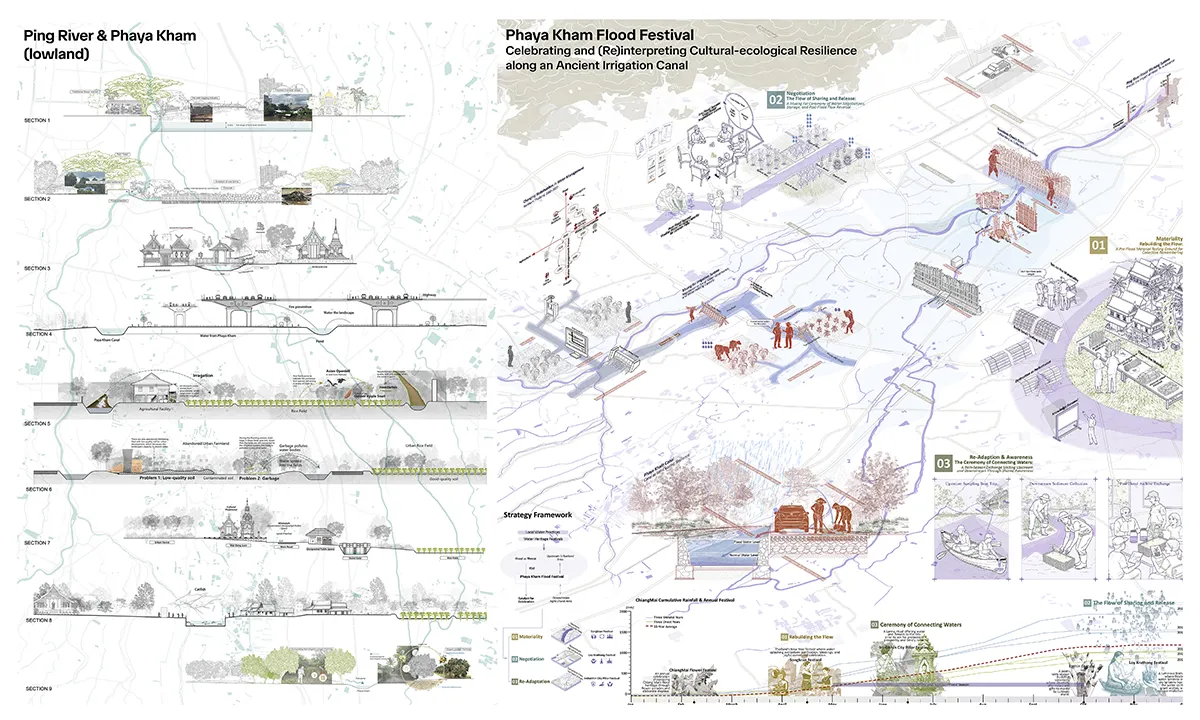
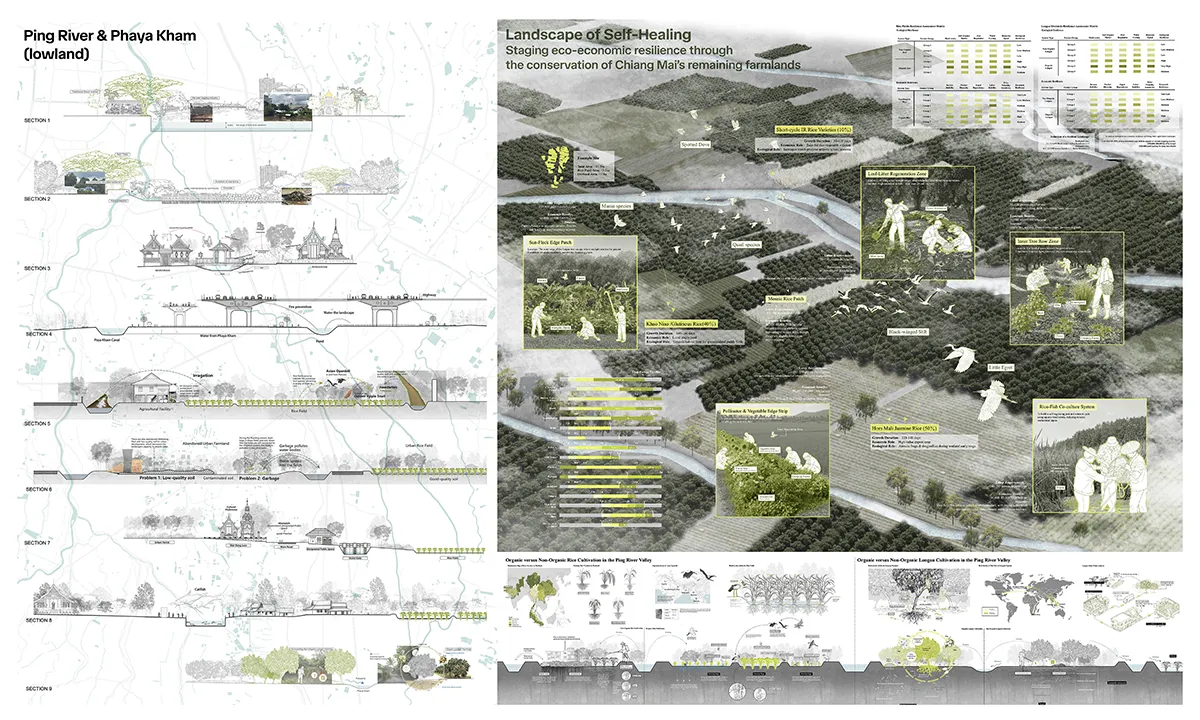
Politics of Conservation – The National University of Singapore
Supervisor: Xiaoxuan Lu
Students: Chen Jiaying, Ryan Chen Zhuoran, Emily Du Xinyang, Shruthakeerthi Karthikeyan, Li Kejie, Lydia Li Mu, Vivian Qi Kexin, Shu Yao, Whaley Wang Yi, Jadel Zhang Xinyao, Yulia Zhou Yao;
Be the first to comment