
Winner of the Outstanding Award in the 2026 WLA Student Awards – University Studio category
Process is one of the most fundamental aspects of landscape architecture. Teaching it effectively requires care and attention. This introductory graduate studio situates process at its core. Developed over eight years, the studio brings students into direct contact with a world in flux, championing process-based methodologies within landscape design and design thinking.
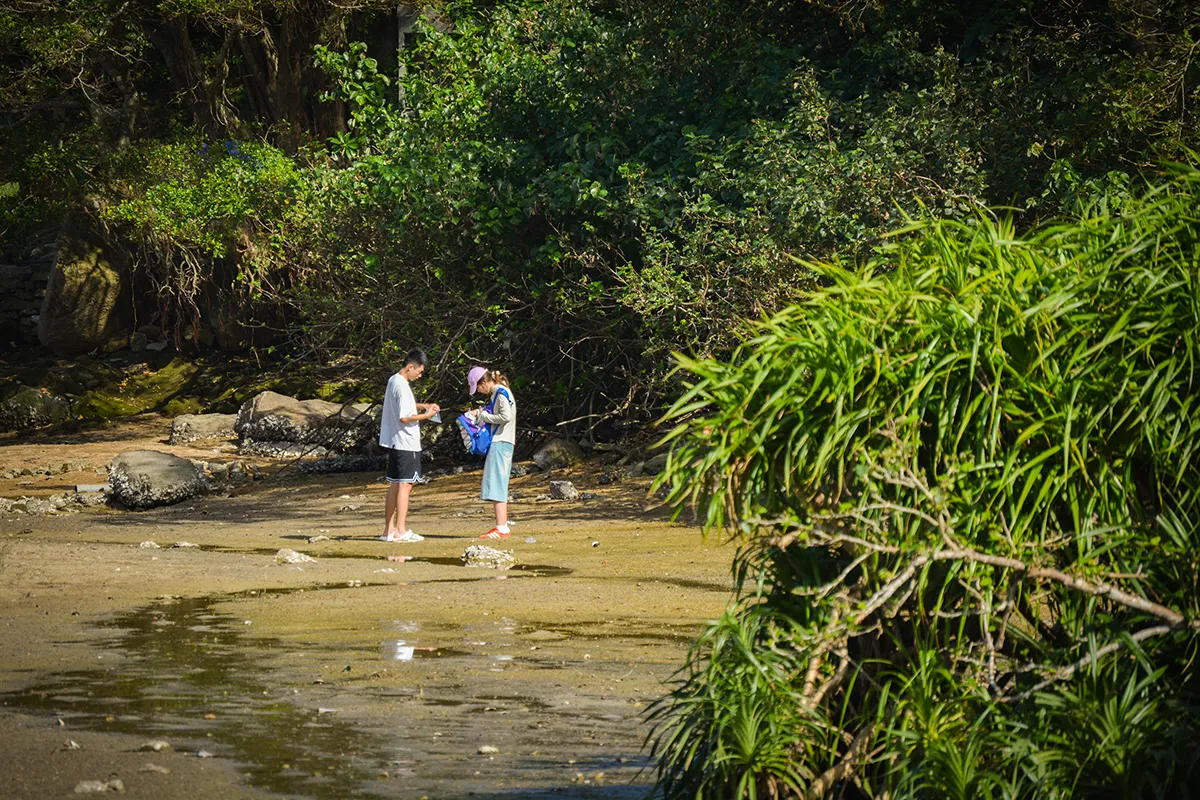
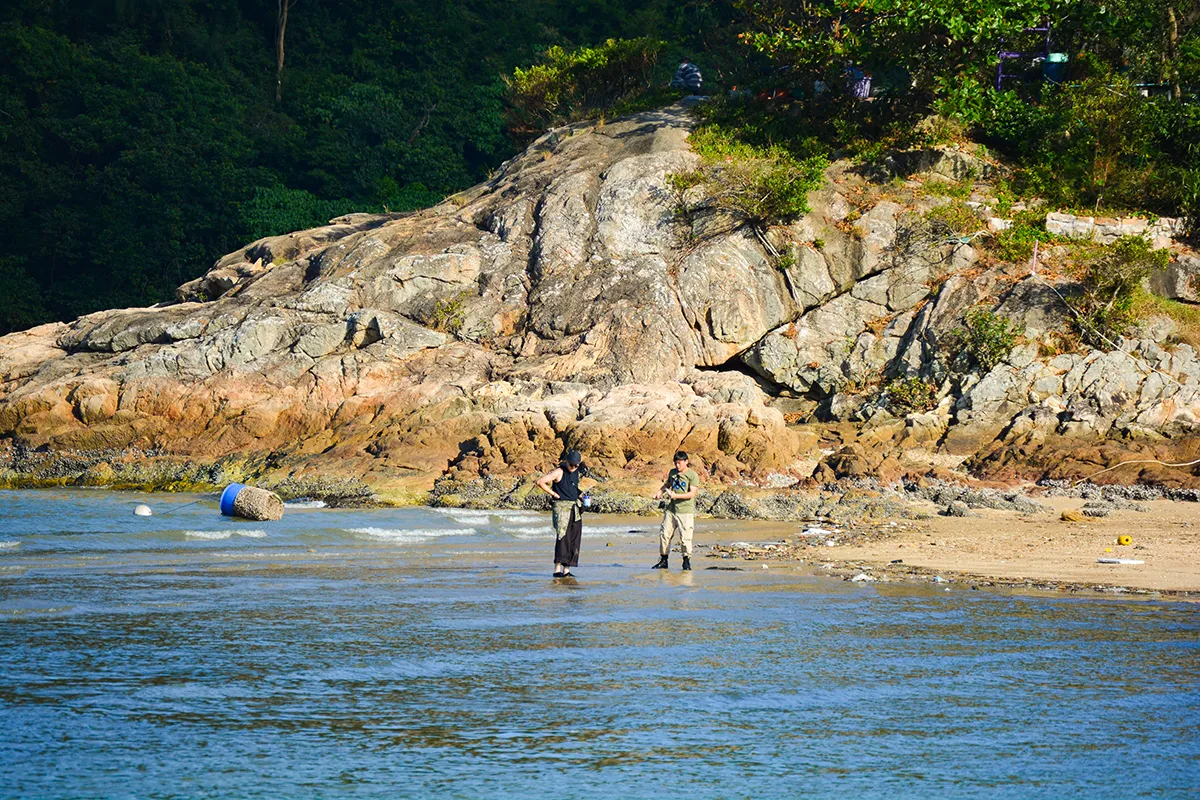
Operating in Hong Kong, the studio takes a purposefully rural approach to foreground issues and systems that shape the territory more broadly. Sited in a remote village on Lantau Island, the studio introduces students to dynamic forces like erosion, water flows, atmospheres, and populations in flux. Students learn to connect issues across scales, where small changes reflect larger environmental and cultural patterns. Students first trace and analyze from a distance, documenting landscape changes based on observations
from official maps and satellite imagery. They then undertake repeated site visits to ground-truth their observations and weave in their personal, situated reading of the site. The studio’s program changes from year to year, ranging from designing rural field stations, to small landscape rooms. Students’ repeated site visits are carried forward through an iterative working method, focusing on process models and drawings, which reflect a process of engaging representation as an epistemic tool for testing observations, framing
questions, and generating design knowledge.
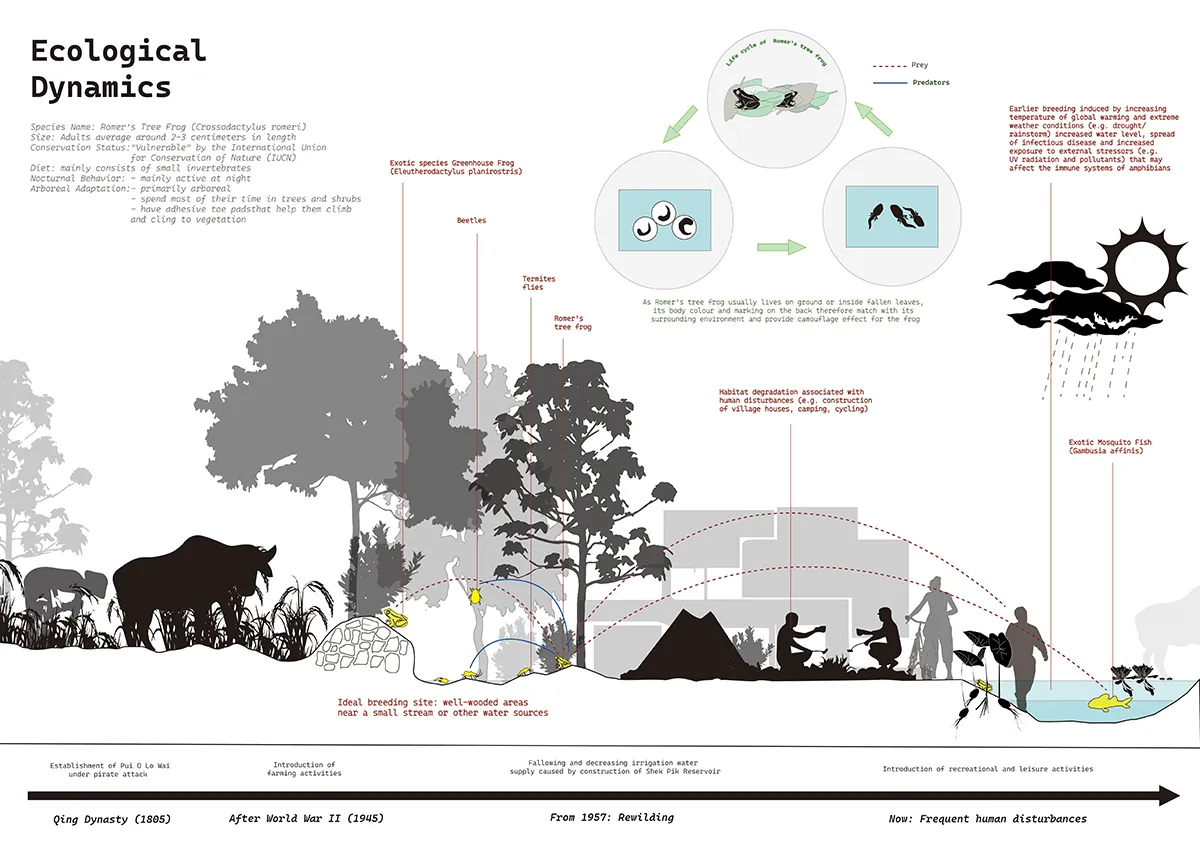
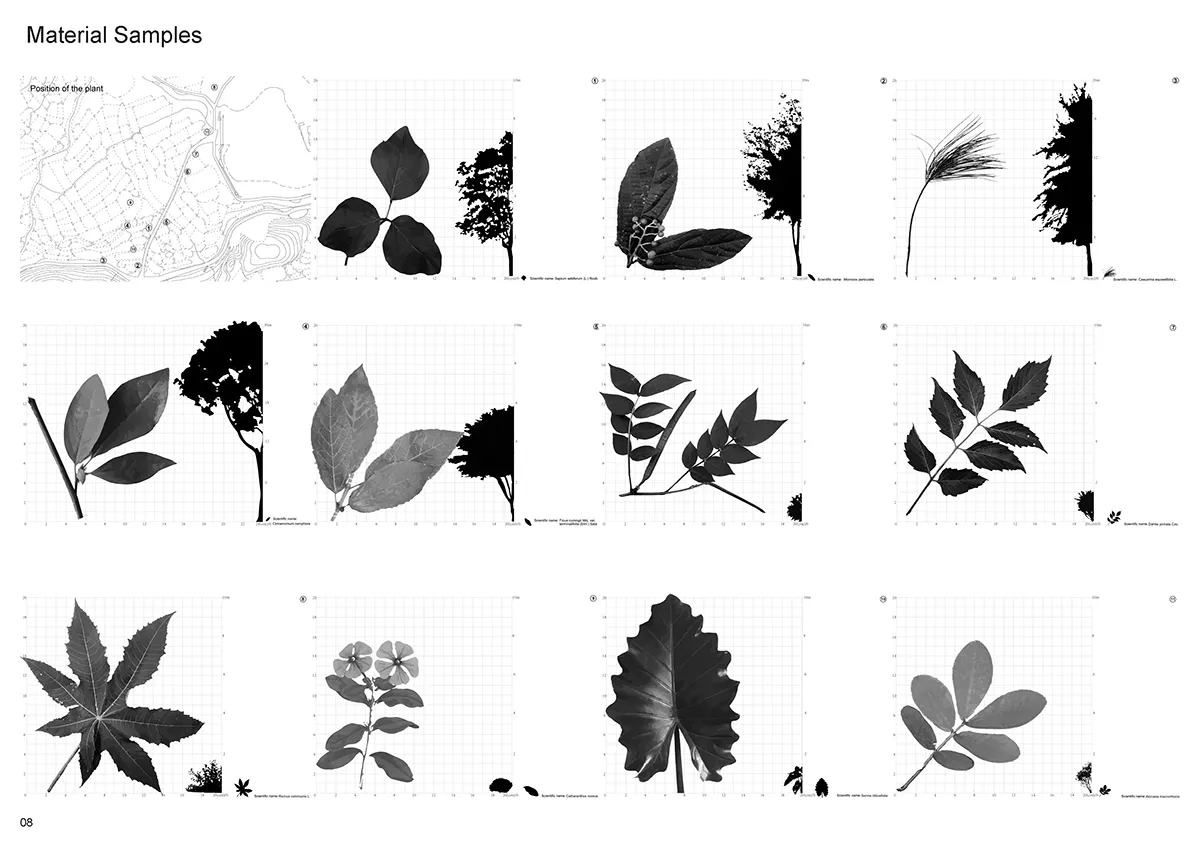
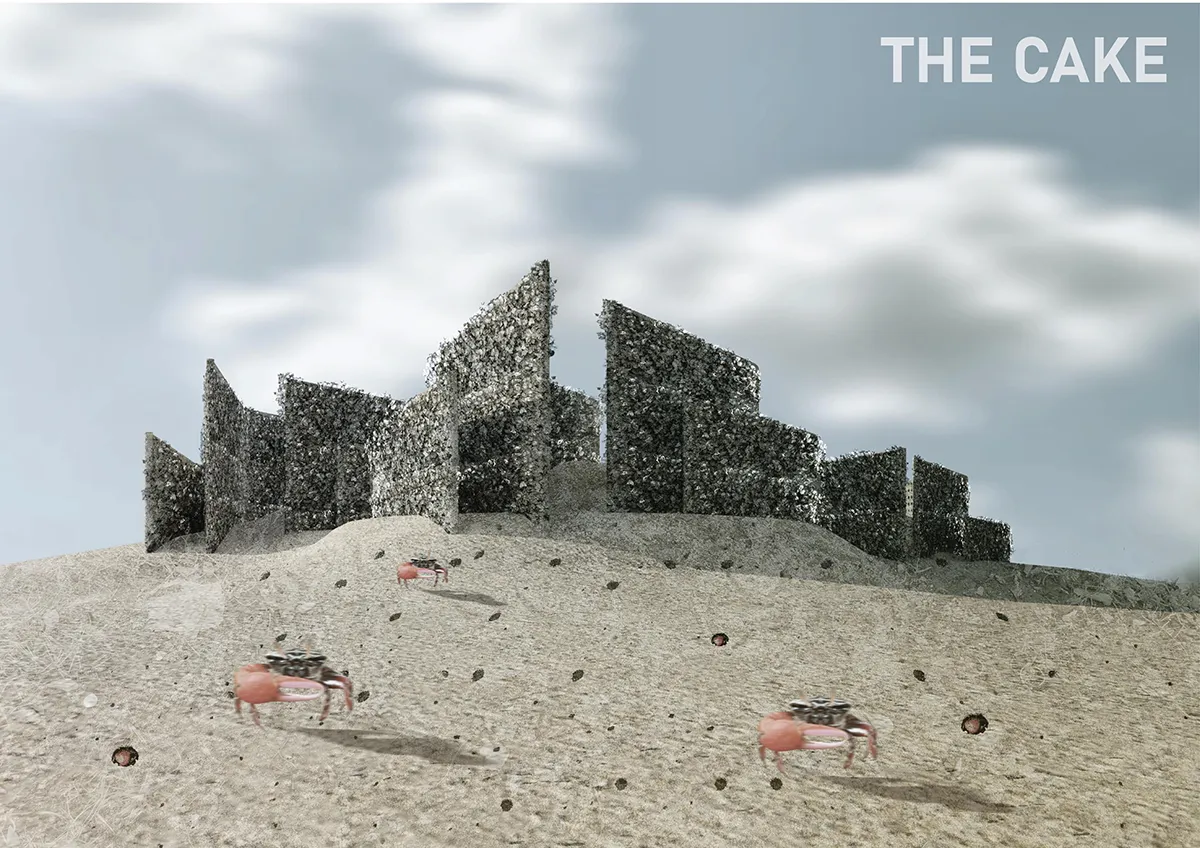
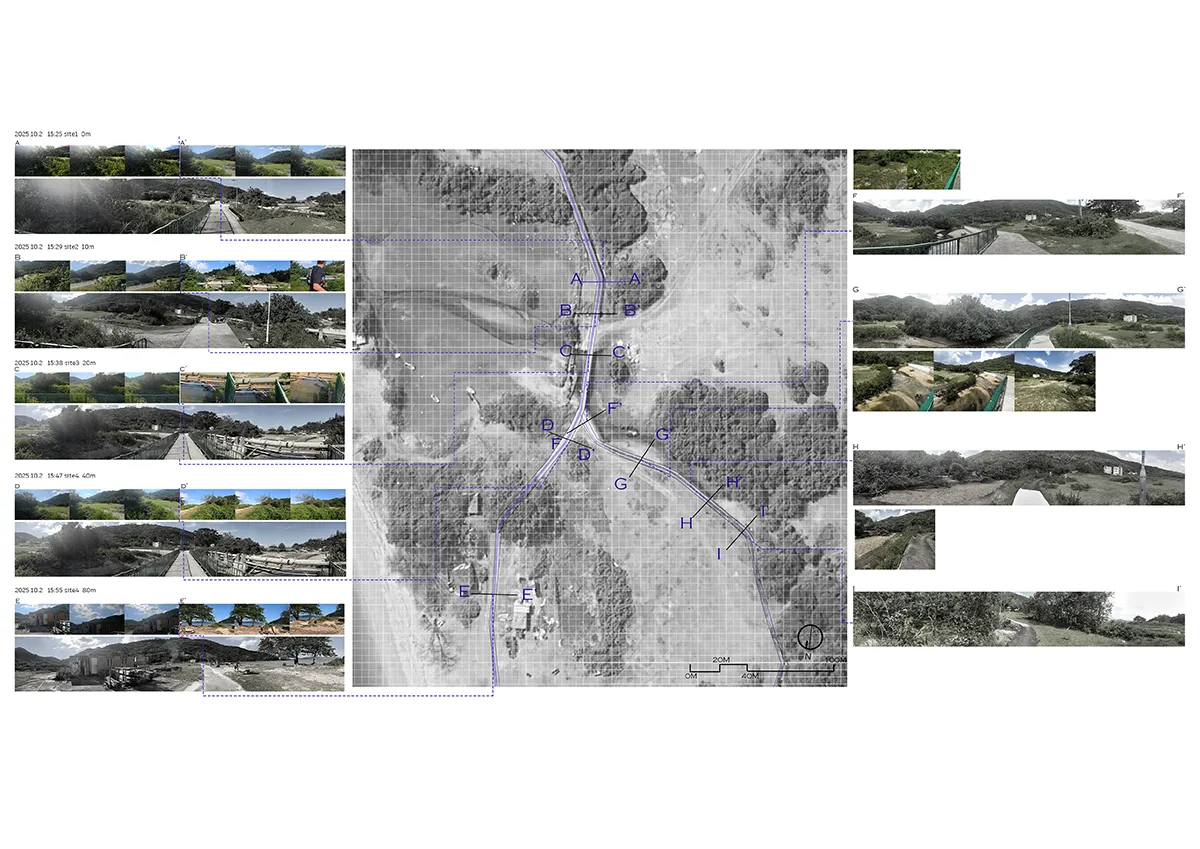
For most students, this is their first exposure to design and design thinking. The studio’s format establishes a rigorous framework for metacognitive development through experiential learning. Immersion into site bridges student learning from their lived experience and the new studio culture to a greater living laboratory. This pedagogical shift is deeply supported by process itself, underscoring repetition, reflection, evolution, and critical thinking. The studio is thus an exploration of reading and representing place, relation, material, time, and process. The exercises emphasize drawing and modeling not only as a creative project, but also as a design research method based on rigorous and critical practices. Design is thus learned as something that simultaneously emerges from site and one’s own experiences within it.
The studio functions in three key areas:
- Introduction to Fundamentals
The studio synthesizes content from all parallel courses and equips students with the critical thinking skills to apply at each stage of the studio. This approach builds continuity, understanding and care across the broader curriculum. - Fieldwork & Experiential Learning
Woven throughout the studio, students visit the site at least twice (once with faculty, once independently). Fieldwork provides students with the opportunity to apply their learning and begin to develop new relationships with the environments they study. - Design Process & Student Learning
Each task in the studio builds on the previous one, forming a cumulative record of student thinking, development, and inquiry with both the site and their own evolving design process.
Careful integration of process thus teaches students that the nuanced forces resonate
across rural and urban conditions alike. In a rapidly developing region, cultivating
students’ capacity to perceive and experience these dynamics helps build adaptive and
critically engaged future leaders in landscape architecture.
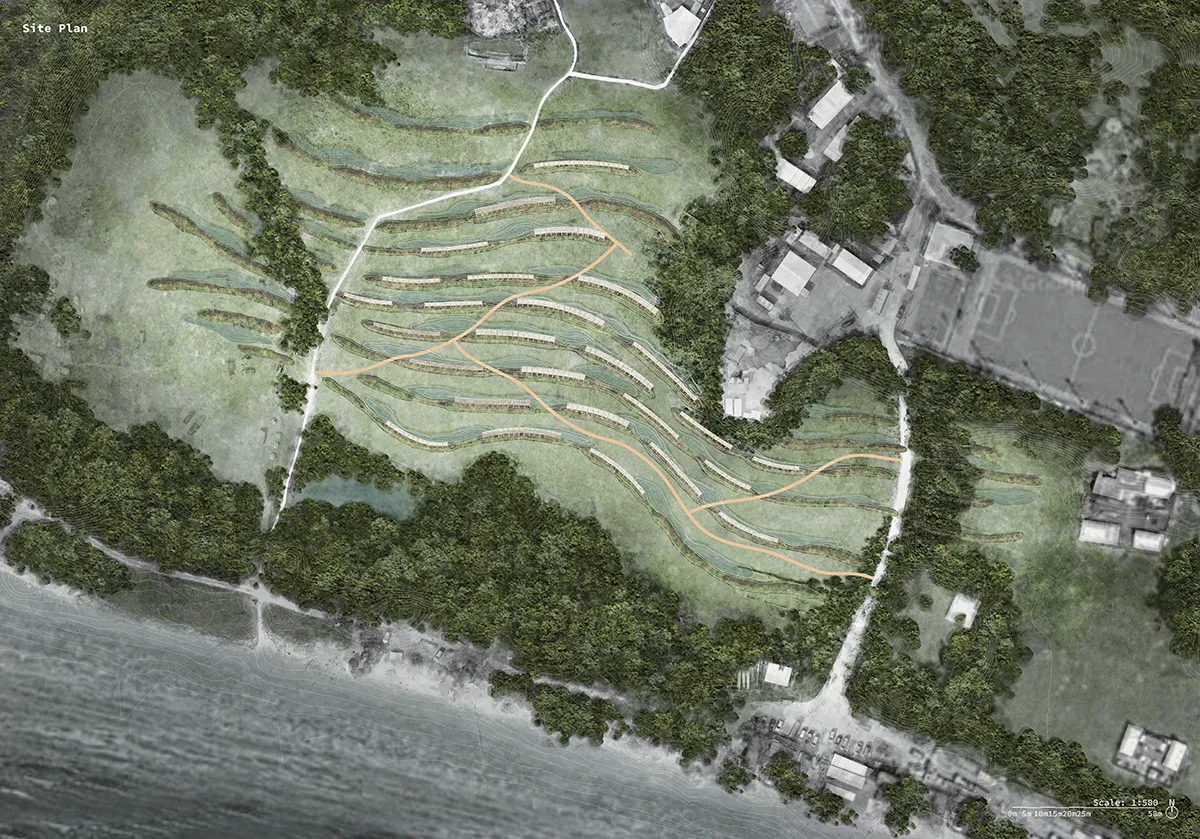
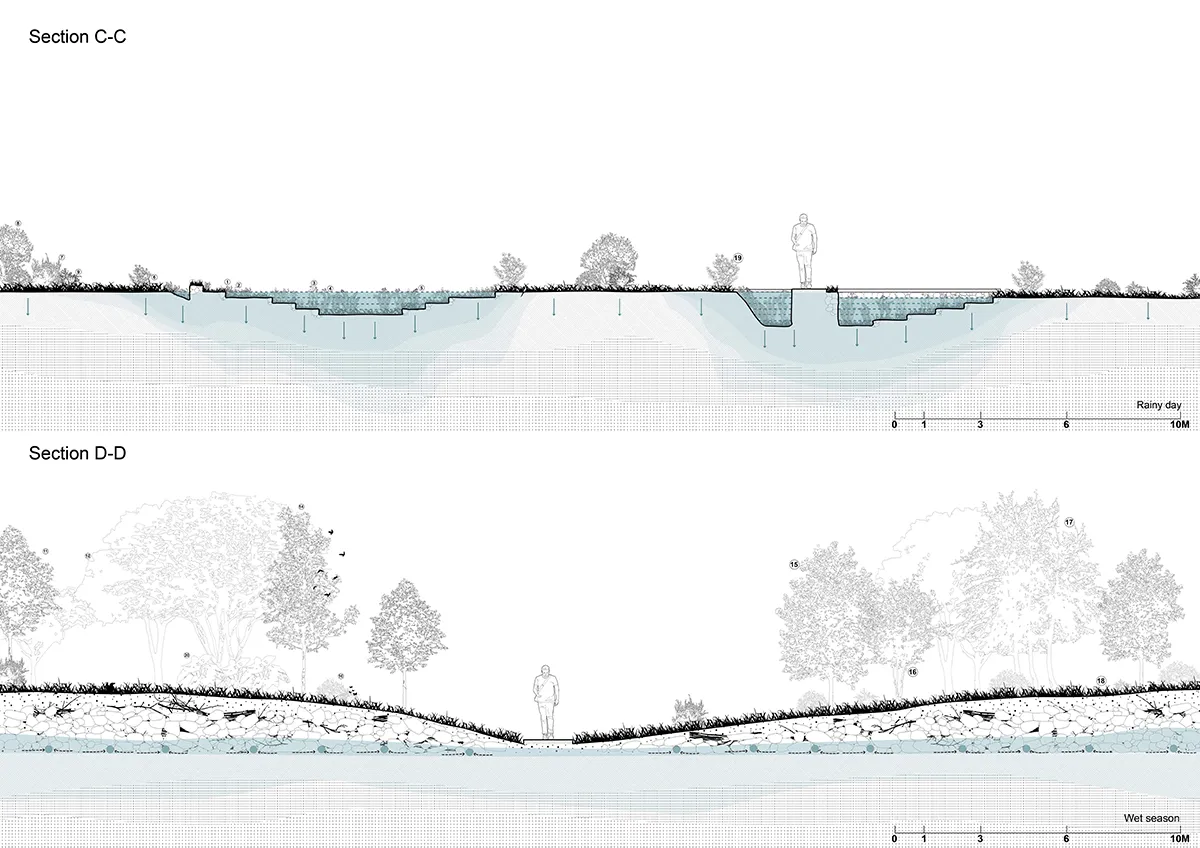
Dynamics & Encounters – University of Hong Kong
Supervisors: Francisco Cevallos Barragan, William Shivers, PhD, Ivan Valin – University of Hong Kong