
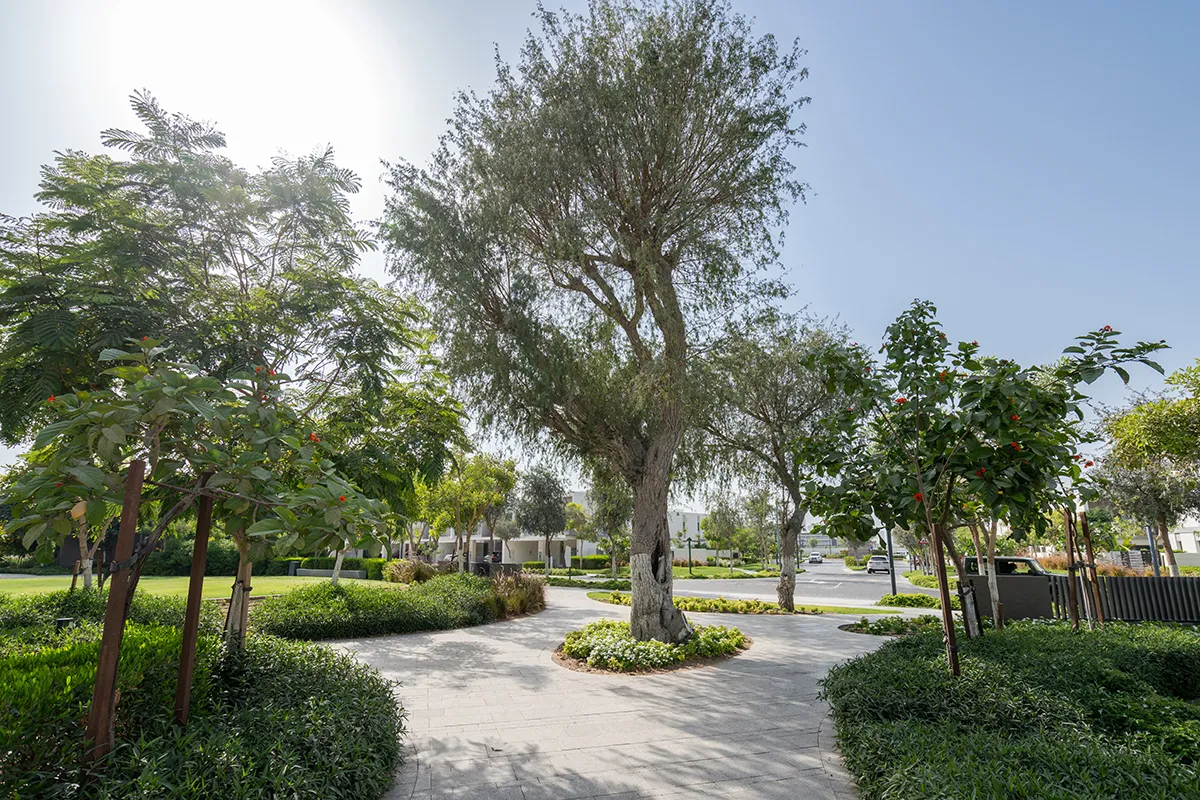
The site now home to Tilal Al Ghaf was, a few years ago, defined by gently rolling desert dunes punctuated by rugged silhouettes of mature ghaf trees. These resilient native trees, deeply rooted in Emirati heritage, became the conceptual anchor to a visionary masterplan that sought to transform this landscape into a thriving residential community defined by sustainability, connectivity and a high-quality lifestyle.
Commissioned by Majid Al Futtaim, Tilal Al Ghaf is now one of Dubai’s most recognisable residential destinations. Bringing their deep understanding of placemaking and environmental context, Cracknell helped define the landscape strategy to create a connected, modern lifestyle grounded in natural history. Split into 16 neighbourhoods, each with its own character, and with a network of shaded trails, parks and a central lagoon, the development is a layered and deliberate response to both place and purpose. Cracknell’s long-standing partnership with Majid Al Futtaim reflects a shared vision for people-centred environments.
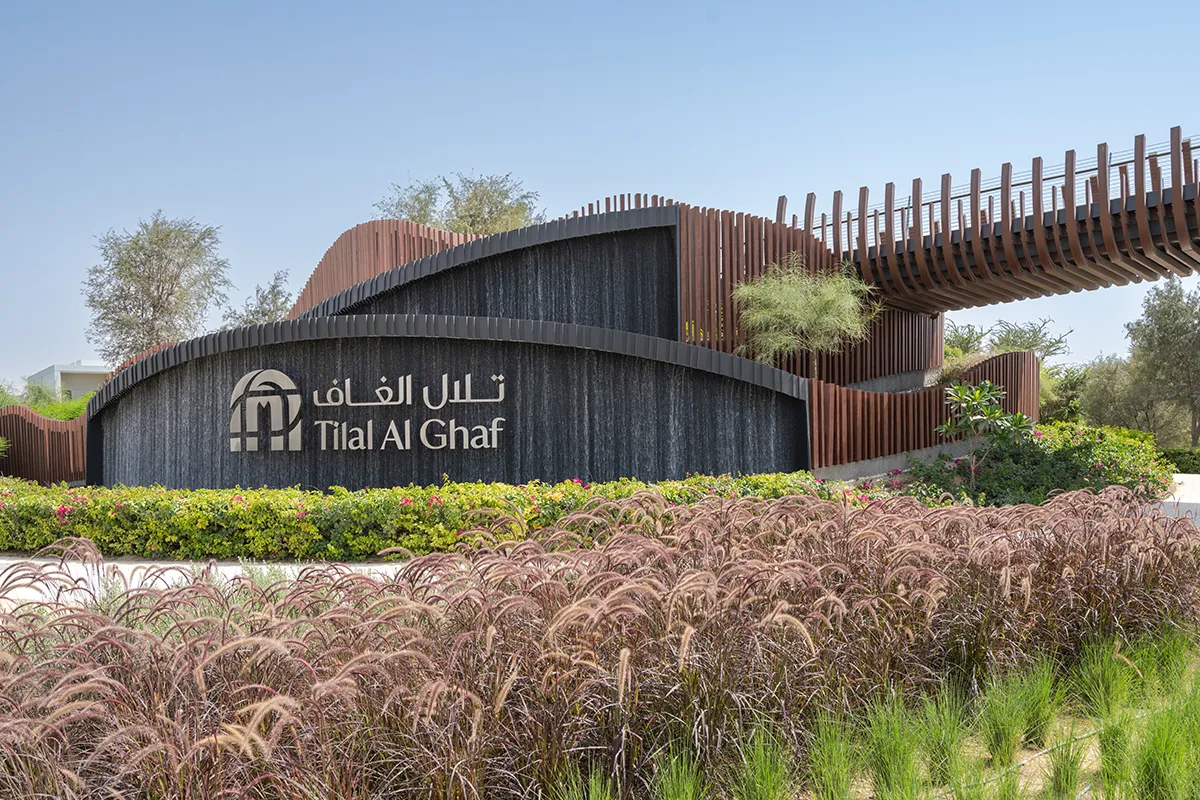
Spanning over 300 hectares, Tilal Al Ghaf is a mixed-use lifestyle destination that reimagines suburban living in Dubai. The name, meaning “Ghaf Hills,” pays tribute to the native tree that inspired the project’s identity and principles. Often seen as a symbol of endurance and togetherness, the ghaf tree represents a place to pause, to gather and to feel a sense of belonging. That spirit is embedded in the community’s open spaces, social landscapes and understated visual language.
“Tilal Al Ghaf was shaped by Majid Al Futtaim’s clear and ambitious vision to create more than just a place to live, we set out to design a landscape rooted in wellness and healthy living, somewhere people could escape to. That intent comes through in the strength of the placemaking and the quality it brings to everyday life.”
Cracknell’s Design Director for Tilal Al Ghaf, Daniel Thomson

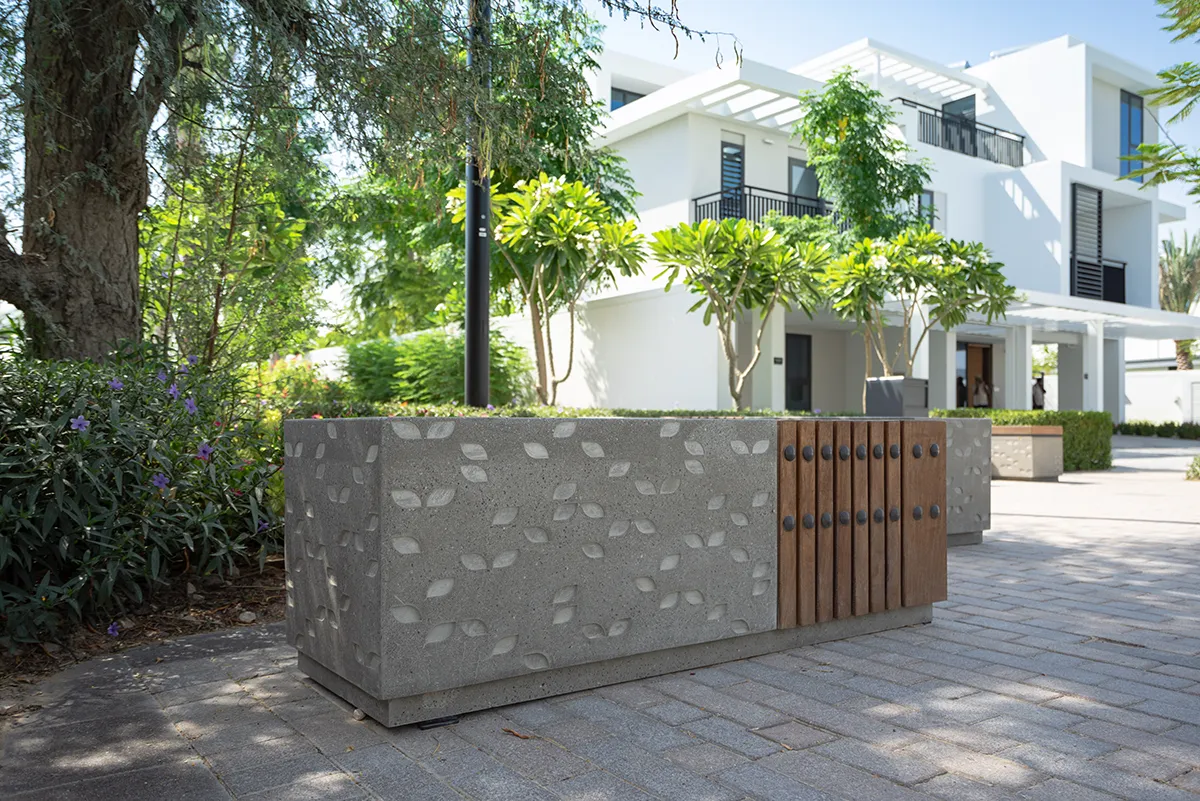
From early design stages through to construction, most of the site’s existing ghaf trees were either retained or relocated. The ghaf leaf was also stylised into an elegant motif across benches, bins and lighting elements, subtly reinforcing the project’s identity. Ghaf trees are strategically placed at key nodes and arrival areas, serving as natural wayfinding elements and visual anchors.
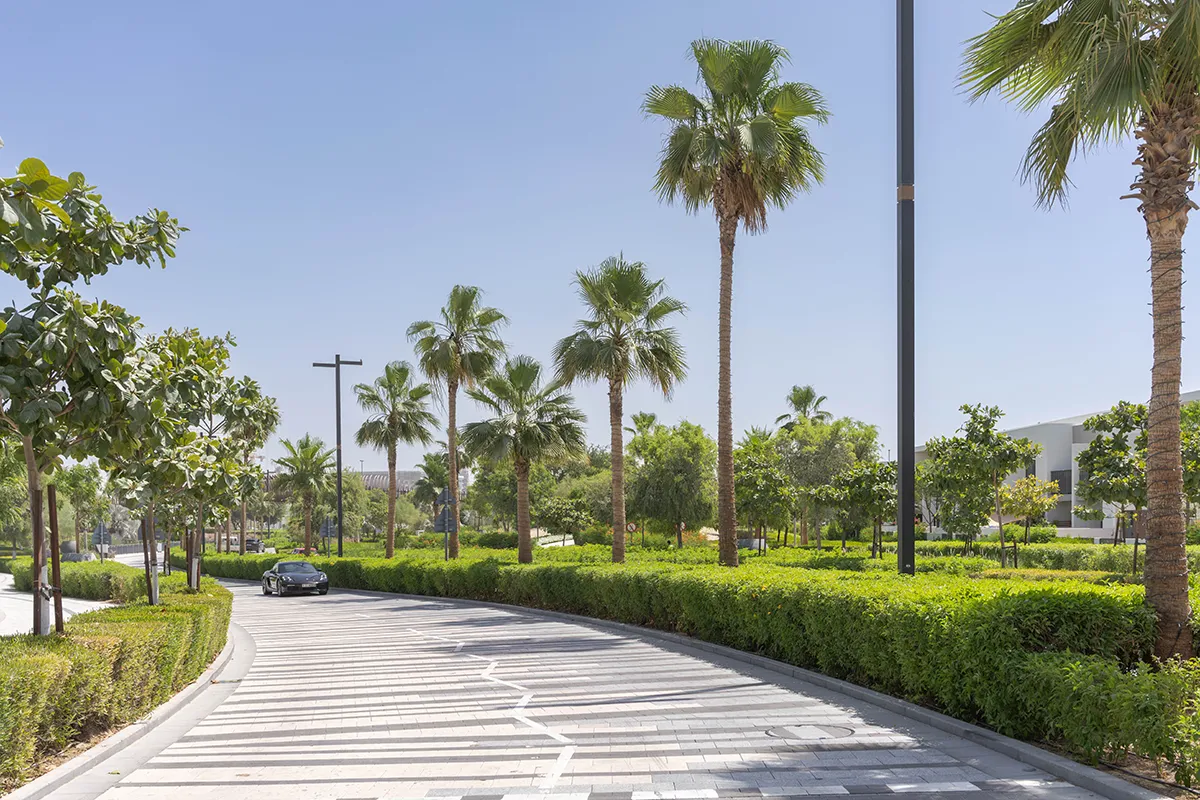
Translating the project’s vision into daily experience began with a clear focus on movement and connectivity. Micromobility was a priority from the outset. The masterplan includes shared pedestrian and cycle paths promoting an active lifestyle. A dedicated inter-neighbourhood trail runs alongside major parks and shaded sikkas, comfortably accommodating bikes, scooters and pedestrians. Lined with ghaf trees and layered planting, these corridors create cooler microclimates where dense canopy cover reduces solar exposure and enhances airflow, turning them into lush, walkable routes that connect the community.

At the heart of the community lies the Ghaf Lagoon. This crystal-clear body of water serves as the central recreational and social landmark. Naturalistic sandy beaches offer a resort-like setting for sunbathing, swimming, beach volleyball and informal gathering. The lagoon supports a range of water-based activities, such as kayaking and paddleboarding, with plans for floating play areas and a floating cinema.
Cracknell also led the design and delivery of the Sales Experience Centre, including the sales pavilion, a park and the first show homes. This early phase allowed potential residents to fully experience the public realm and landscape character long before full development. The immersive approach has since been adopted by other developers in the region.
Adjacent to the lagoon is Lagoon Park, a large green space for relaxation, events and play. At its centre is a lawn with amphitheatre-style seating. An entertainment hub under construction will include wet and dry play zones, sports courts and fitness areas. Where the park meets the lagoon, the landscape becomes a beach-like setting with cabanas, loungers and shaded retreats. The layered programme offers spaces that feel both energising and restorative.
Each neighbourhood within Tilal Al Ghaf is served by its own network of inclusive, step-free community parks. Play areas include equipment suitable for wheelchair users and feature both traditional and nature-based play. A timber aesthetic complements the surroundings, while locally sourced rocks provide informal seating and natural play elements. In sports areas, bright acrylic surfaces with dynamic patterns distinguish zones for games and fitness, encouraging activity and energy.
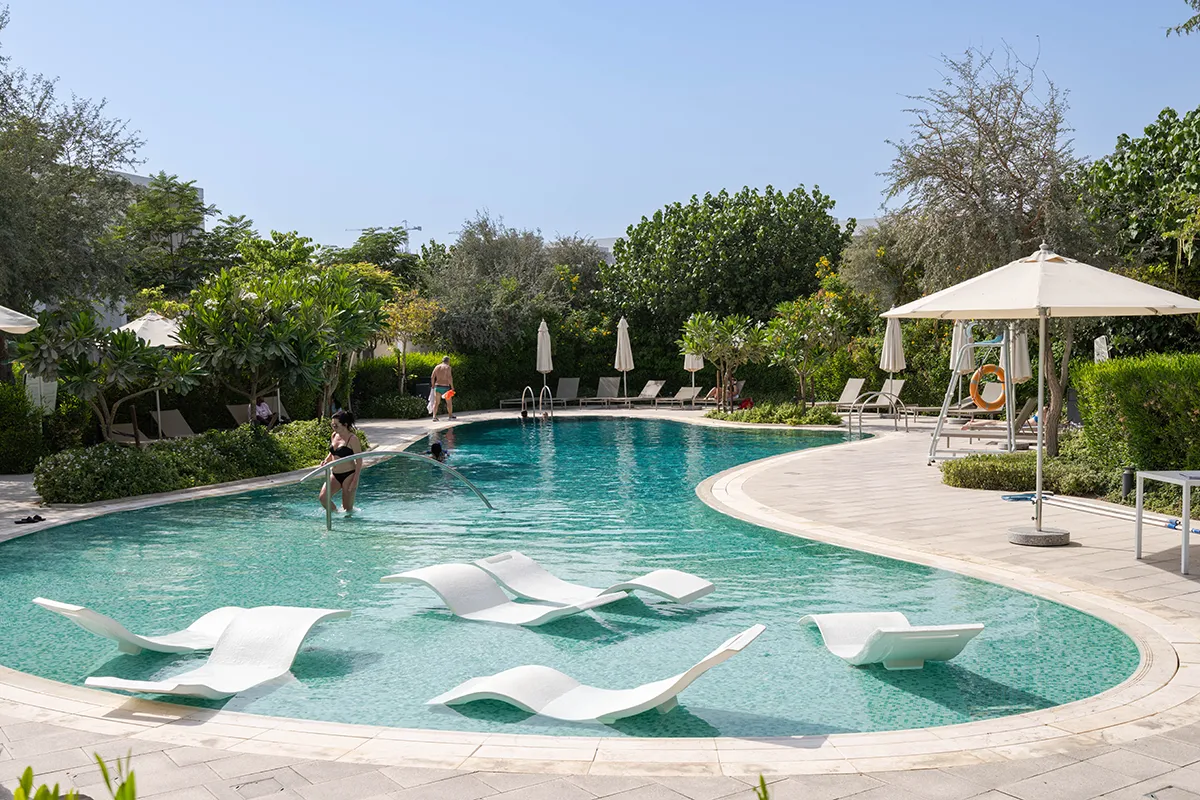
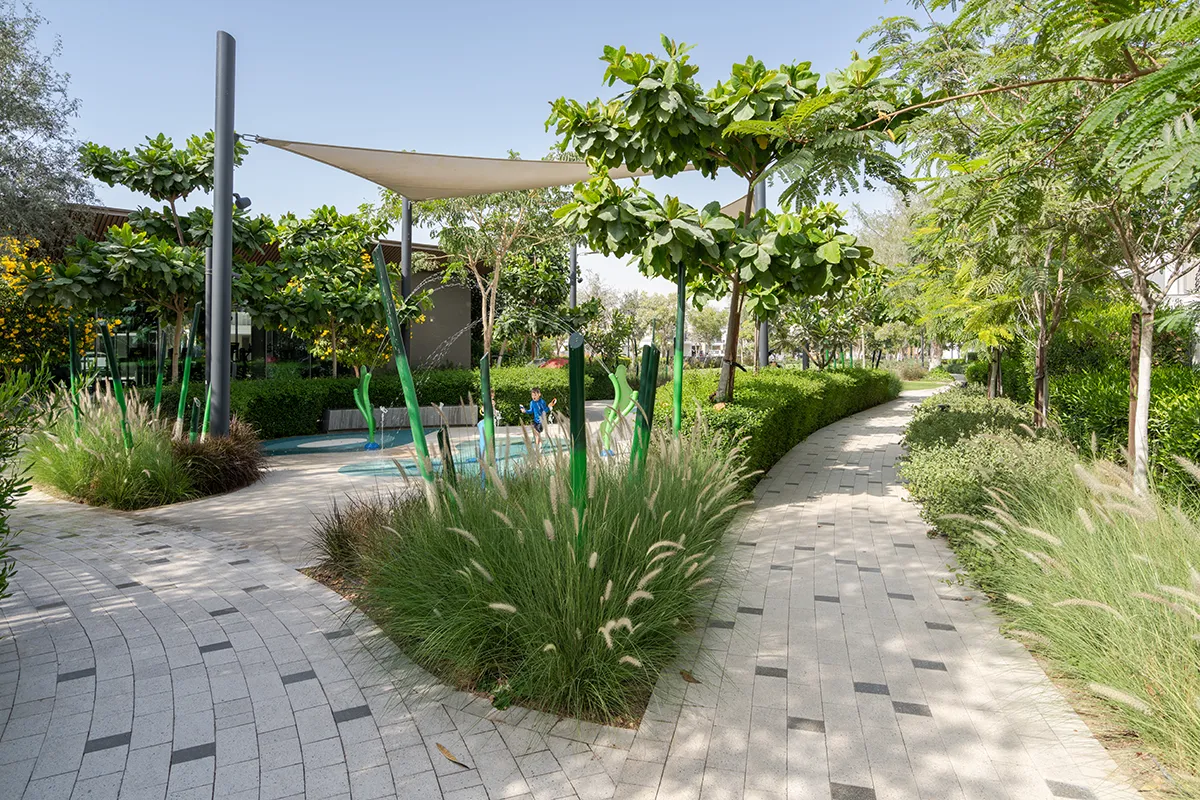
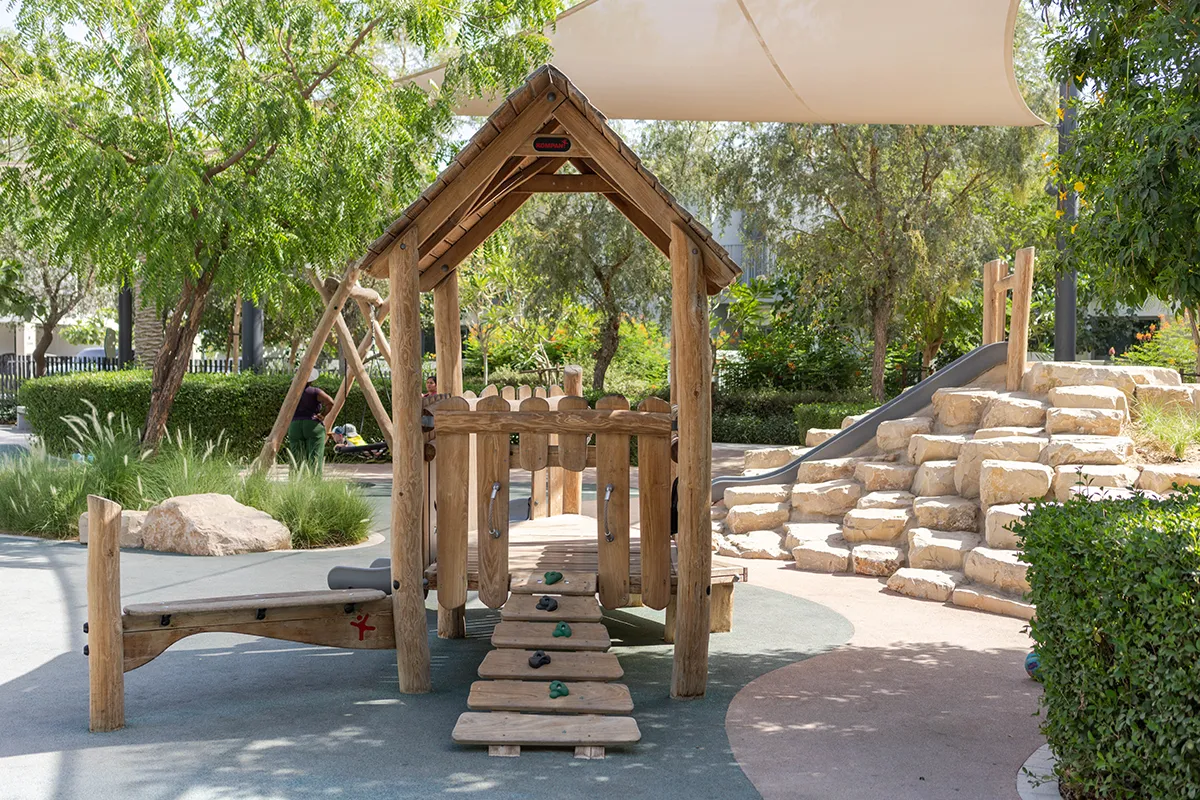
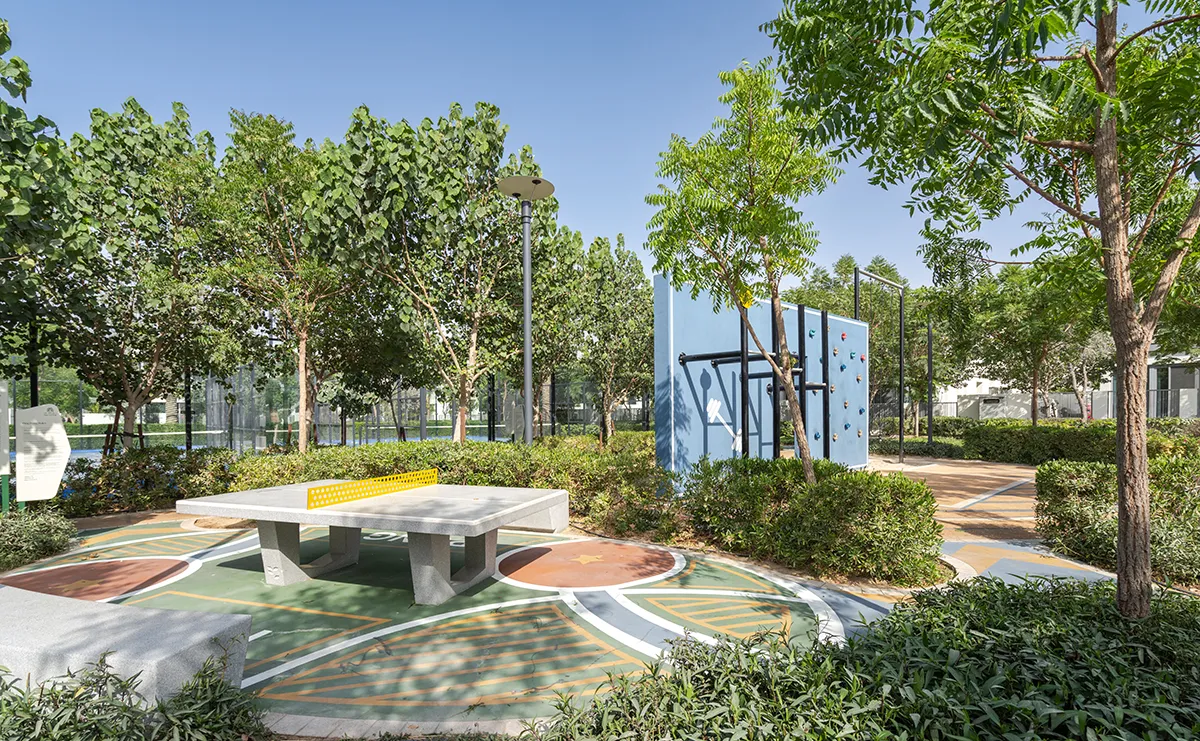
The planting strategy combines water-wise design with visual structure and variety. Native and adaptive trees form the framework, with accent species adding vibrancy. The understorey includes tall shrubs, grasses and colourful foliage. Desert buffer species provide a natural transition at the site edge. Closer to the lagoon, the palette becomes more tropical, with tall palms enhancing the resort-like feel. All planting is selected and placed to support sustainability and visual richness.
Wayfinding was integral to the design. A varied palette of paving patterns differentiates landscape zones, creating rhythm and clarity. Mature ghaf trees at key nodes act as informal markers, while feature paving announces thresholds such as park entrances and gateways. Human-scale art adds character, including totem sculptures of native fauna such as the Arabian fox, falcon and desert lizard, created as local landmarks and storytelling devices.
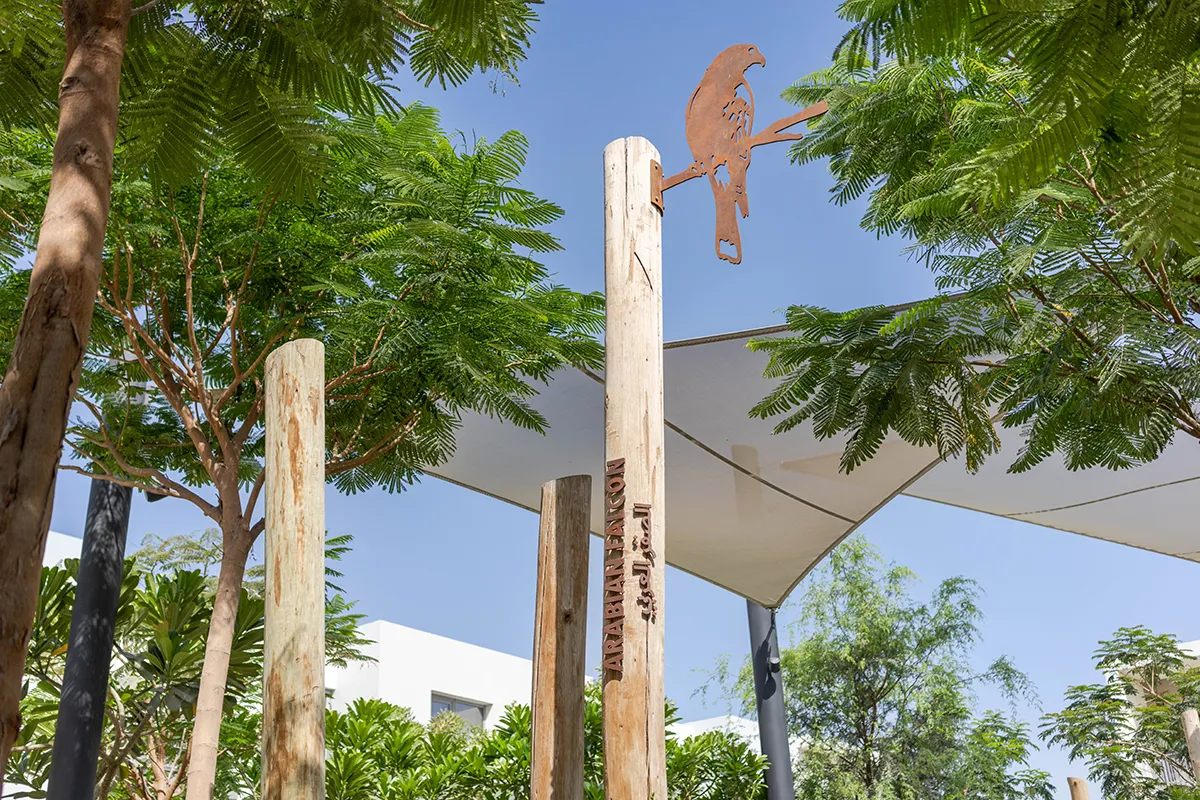
Tilal Al Ghaf has achieved BREEAM Excellent certification for its placemaking approach, one of the region’s first large-scale communities to do so. Strategies such as energy-efficient lighting, smart irrigation, low-impact materials and integrated stormwater systems reduce environmental impact and enhance long-term value.
As Dubai continues to grow, Tilal Al Ghaf offers an example of how residential development can prioritise liveability while maintaining character and environmental responsibility. Cracknell’s role across landscape design and masterplanning helped translate these ambitions into spatial reality. From the quiet presence of the ghaf trees to the rhythm of shared spaces, Tilal Al Ghaf is a landscape that feels rooted in place, purpose and design.
Tilal Al Ghaf
Location: Dubai, United Arab Emirates
Lead Landscape Architects: Cracknell
Client: Majid Al Futtaim
Photography: All project photography by Alessandro Merati © Cracknell