
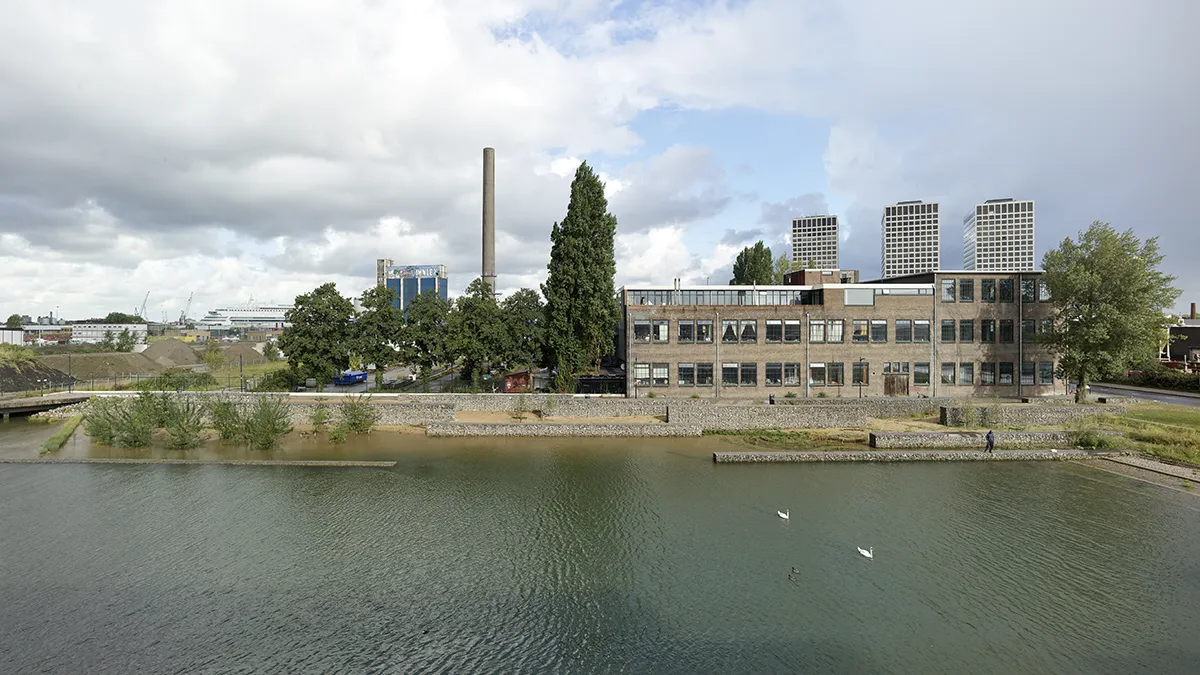
The Tidal Park Keilehaven combines the creation of a new urban park with the reintroduction of a natural estuarine system in the urban area of Rotterdam. This creates a new type of public space where the delta’s tidal landscape becomes visible and experienceable for visitors and residents.
Citywide strategy
The development of the tidal park in Keilehaven is part of a citywide strategy, “The River as Tidal Park.” This focuses on the transformation of the river and its banks from being purely economic to an ecological infrastructure. Step by step, Rotterdam is restoring its intrinsic relationship with water and transforming the river into an attractive living environment for people and animals alike.
Nature experience
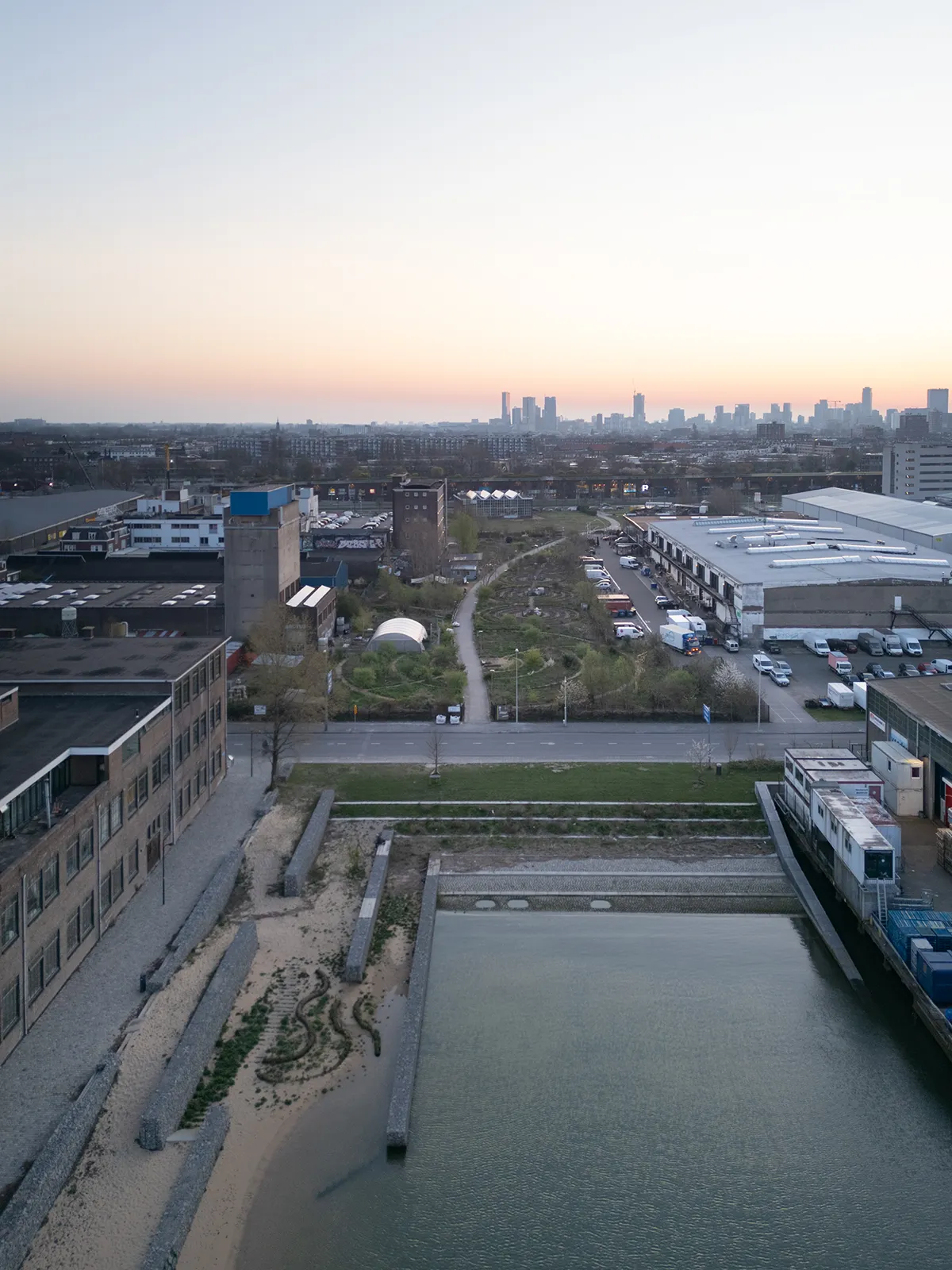
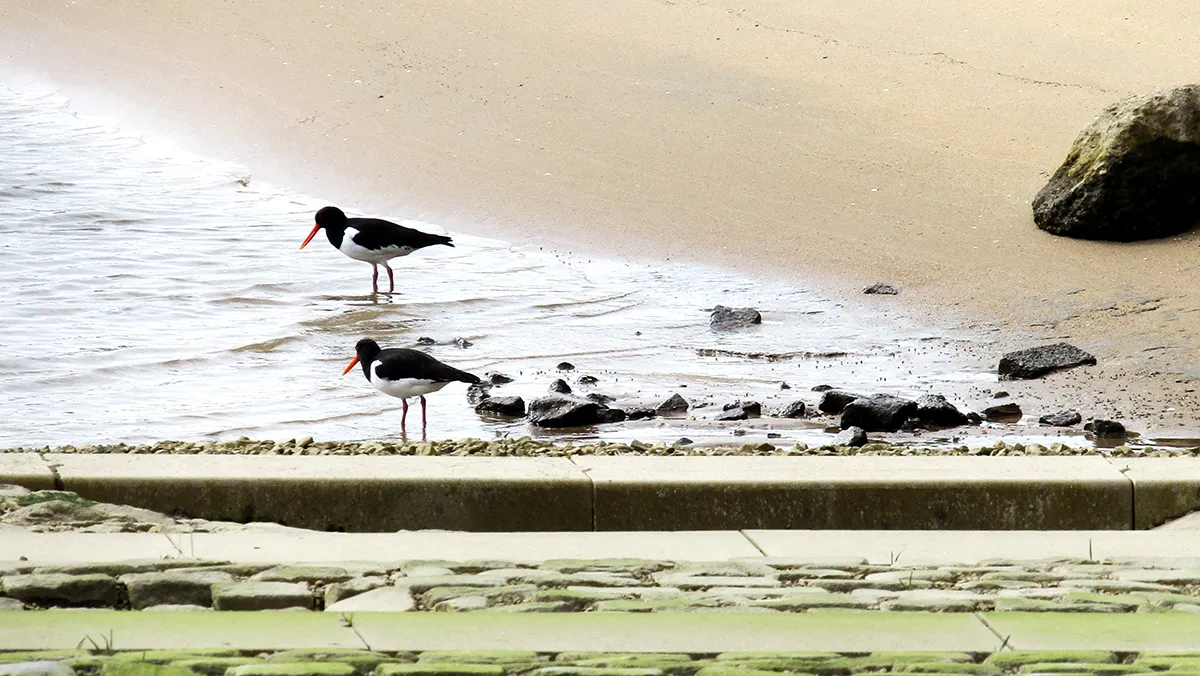
The tidal park aims for a regenerative balance between culture and natural, spontaneousprocesses. The dynamics created by tides form an important foundation; some parts of the park are accessible at low tide but not at high tide. This makes the park a dynamic urban space with an exceptional nature experience. Where else in the city can you spot wadersand see the marsh marigold blooming?
Gradients
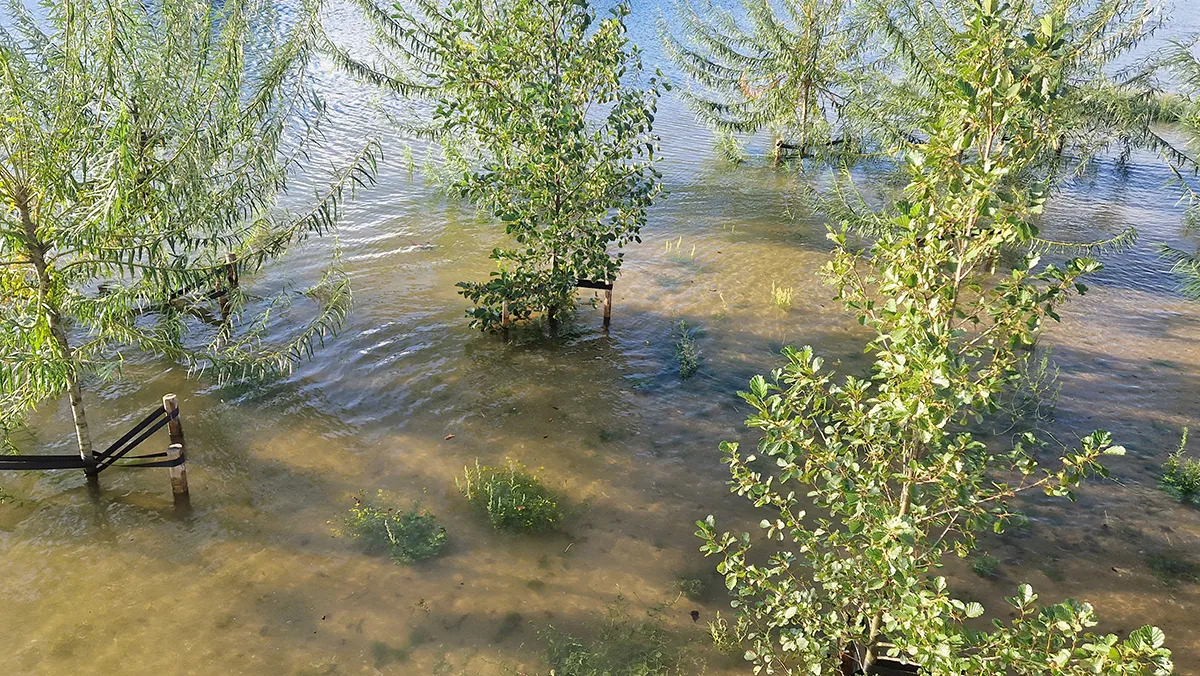
The tidal park offers various gradients (wet-dry, deep-shallow) that attract a diversity ofplants, trees and animals. This way, the river can be more valuable as a migration route for fish and animals seeking food-rich areas or places to rest or reproduce.
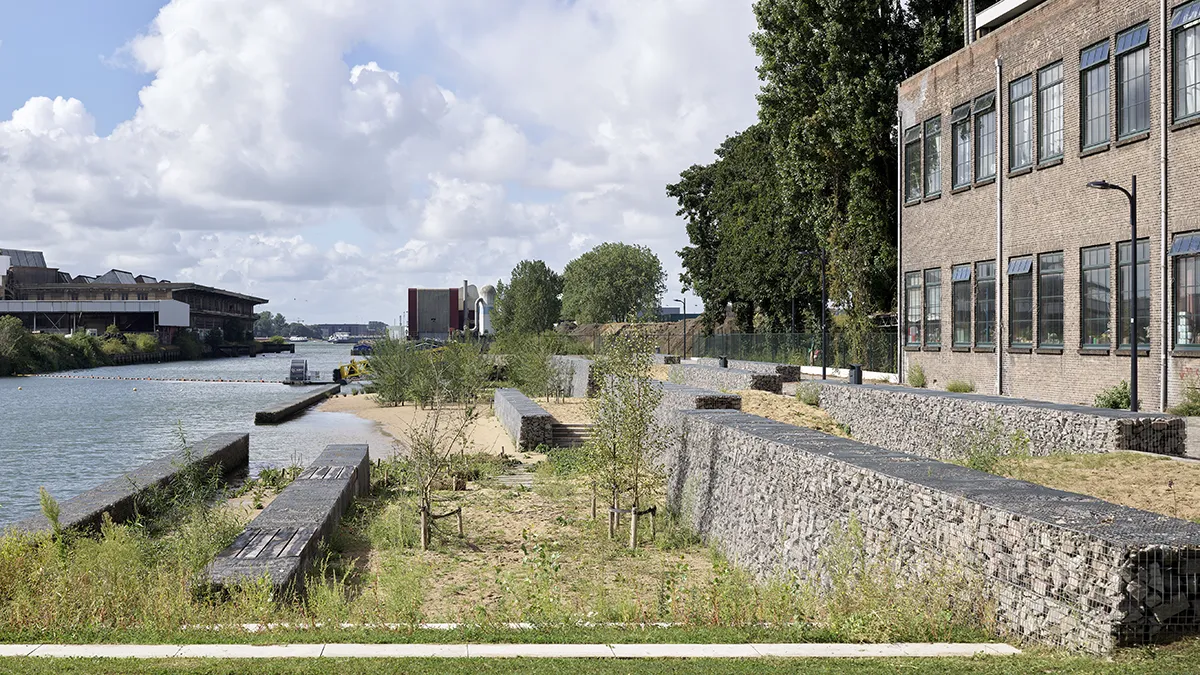
Soil and water
The basis of the tidal park is the three-dimensional design of soil and water. The harbour basin has been made shallower to allow plant growth on the bottom. Underwater structures provide support for plants and shellfish. Due to the elevation and flooding conditions of the various terraces, each terrace has its own characteristic flora, which is only partially planted (willows, alders, and sedges). There is ample space for spontaneous, natural development in the tidal park.
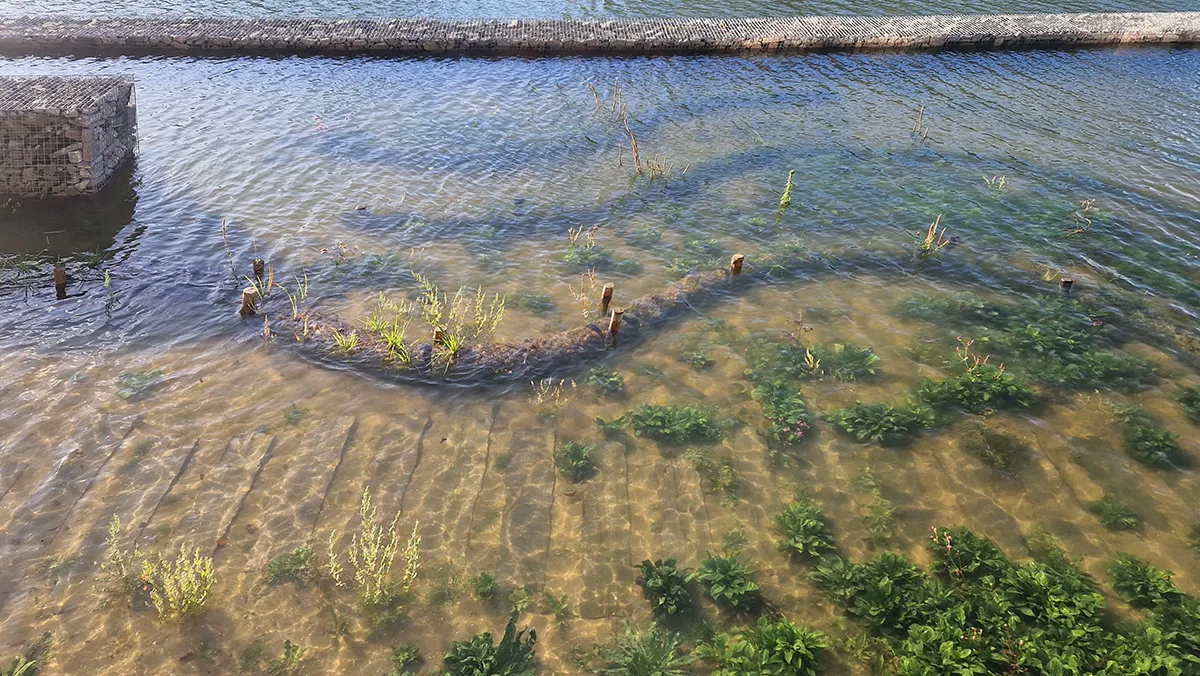
The aesthetics of wildness
This balance between ecology and culture creates a tension: how much natural spontaneity should be allowed in an urban park while maintaining a high-quality spatial experience and image? The main structure of the park, with its quay, staircases, and retaining walls, provides a clear spatial layout within which change over time through spontaneous natural processes will be possible.
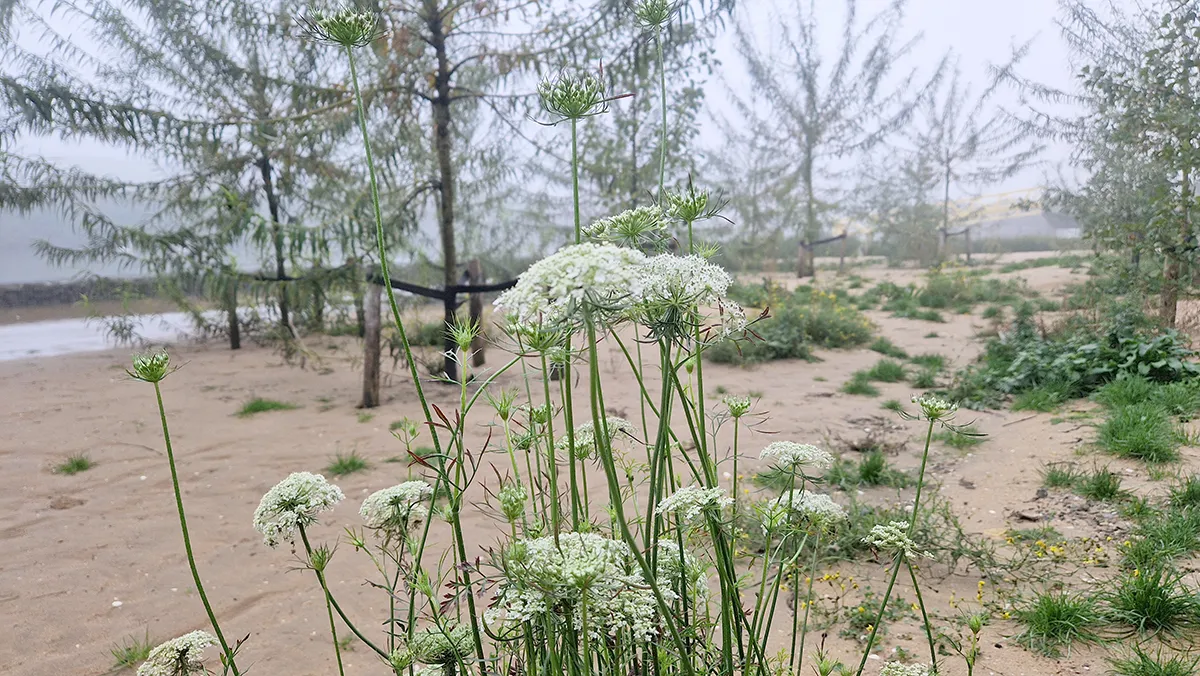
Reuse of materials
In the park, materials from public works elsewhere in Rotterdam have been reused. Circular applications were tested for their design, maintenance, and ecological value. A mockup with broken sidewalk tiles and pavers proved to be ecologically valuable because the stones have a rough texture where algae, mussels, and wall vegetation can attach. The reuse also results in significant savings on primary raw materials and on transportation fuel.
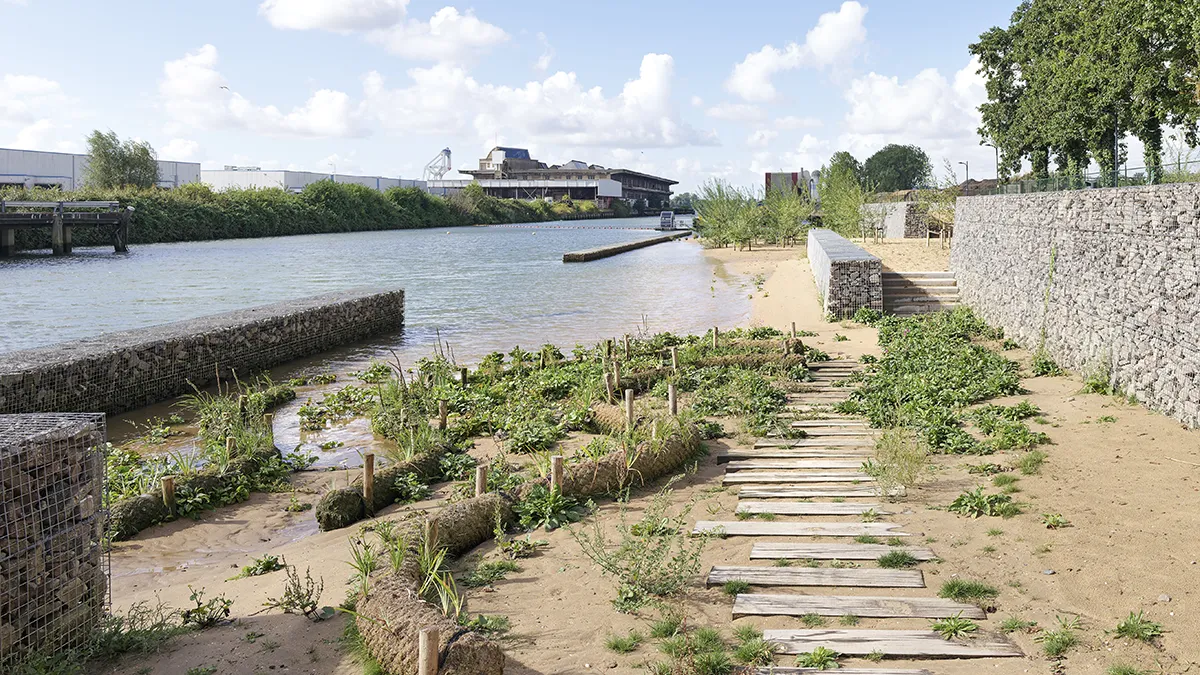
The project shows that reusing materials provides both environmental benefits and aesthetic and ecological advantages. This contributes to a new design approach that places sustainability and biodiversity at its core. Additionally, the cultural history of the harbour basin serves as a foundation for fostering new nature and a strong identity of the place.
Shortlisted in the 2025 WLA Awards – Built – Large Public Space category
Tidal Park Keilehaven
Location: Rotterdam, The Netherlands
Landscape Architect: De Urbanisten
Client: Municipality of Rotterdam
Collaborators:
The Municipality of Rotterdam
ARK Rewilding Nederland
Photography: Walter Herfst; Frank Hanswijk;