
As a respite from the busy life in the metropolis, nature has gradually become a green spiritual utopia, helping most younger generations release pressure, as high-density urban development has become increasingly similar and overly sophisticated. Returning to nature to discover the original wild fun has become a fashionable and healthy lifestyle. The natural trails in the mountains are the best public space for people to enjoy such a precious experience.
The Jiulong Lake Walkway is located in an ecological scenic area near Guangzhou. The scenic area has 4,500 acres of water and more than 20,000 acres of forests. Everything grows and thrives along the trail, including grasslands, a shallow beach, streams, and more.
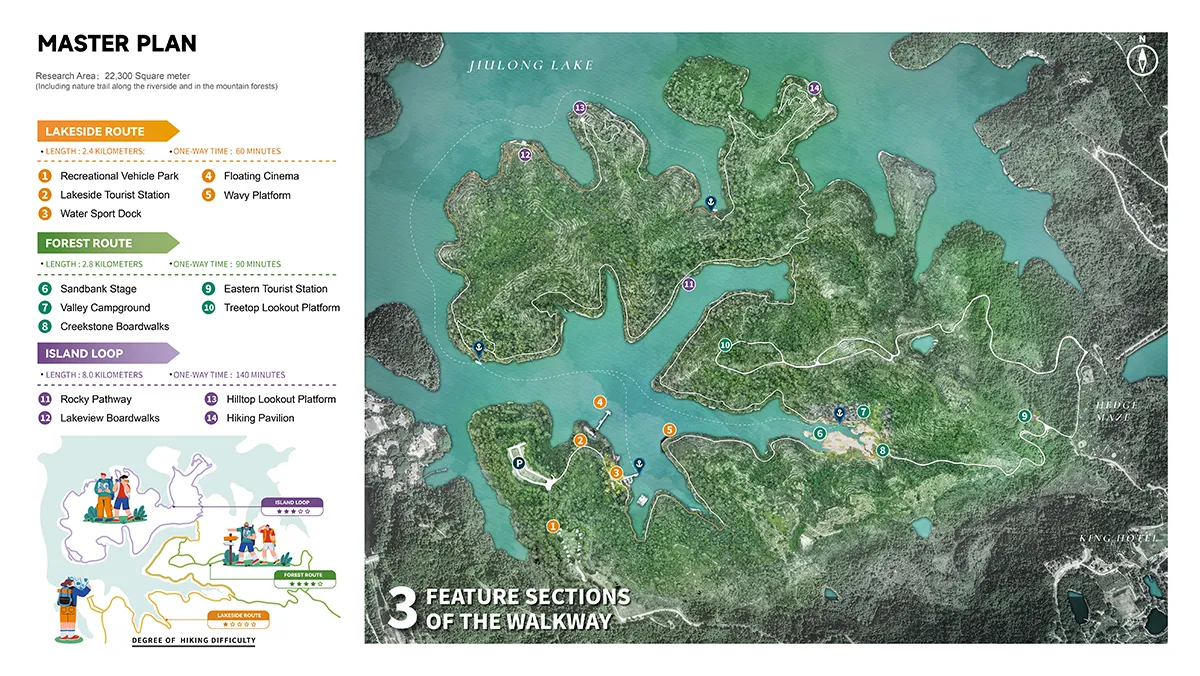
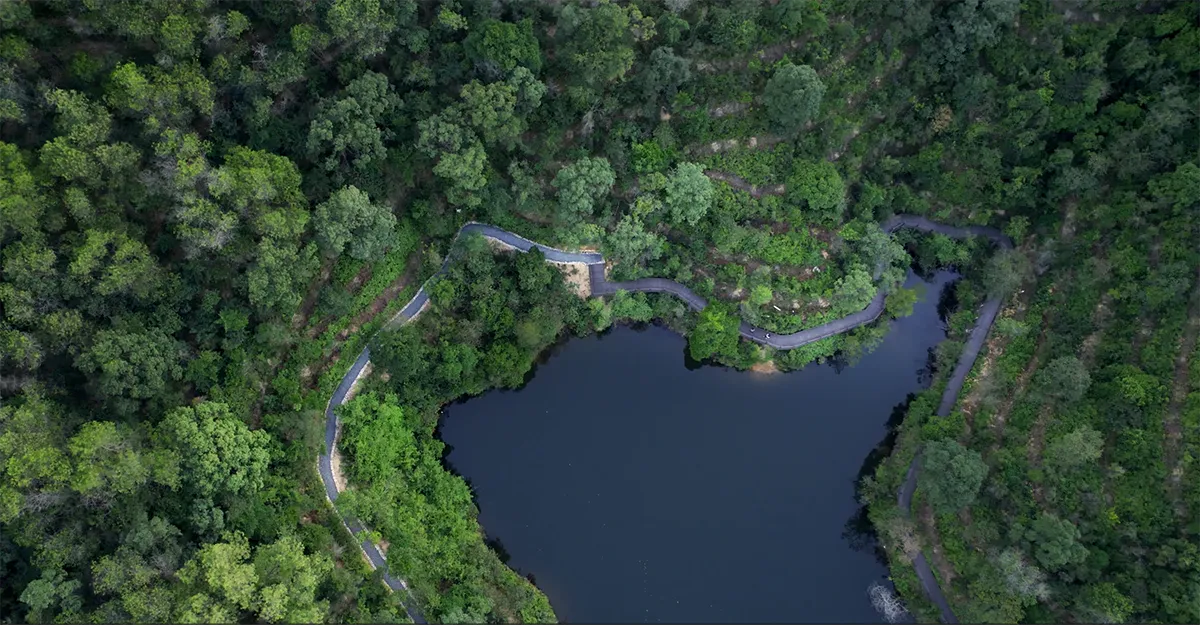
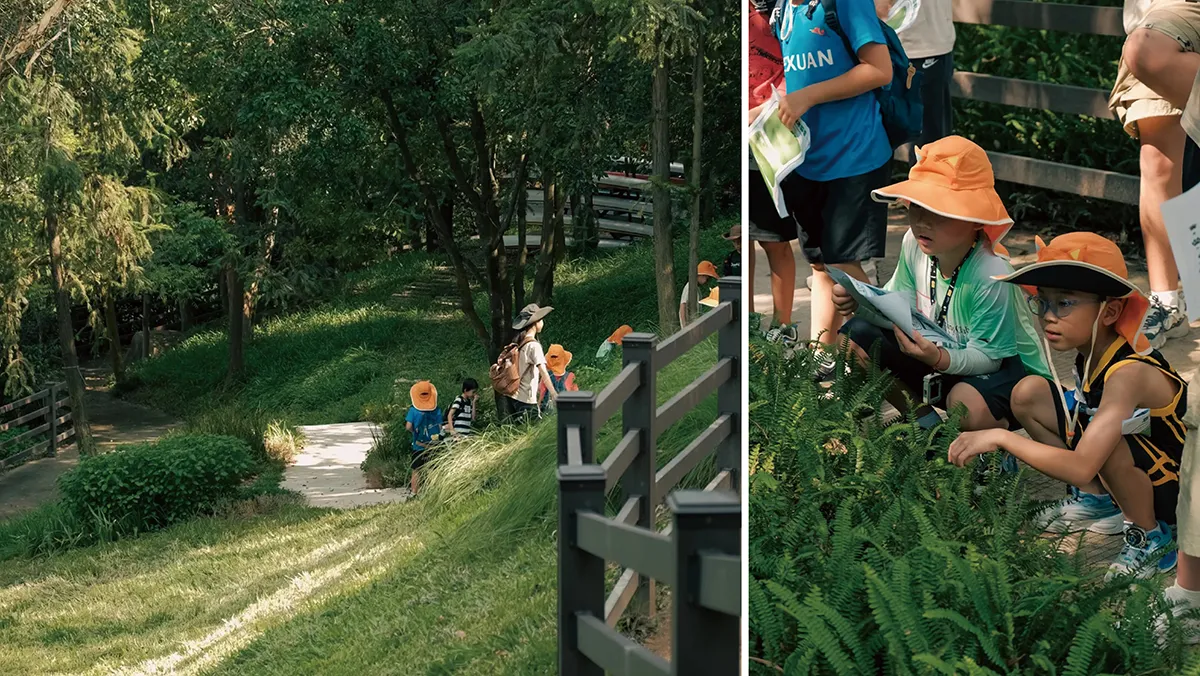
The design of this walkway is based on the existing muddy and unsafe wild trail. Based on natural solutions, the design team replanned and repaired the three feature sections, each with a different landscape theme, totalling more than 9km. From framework to implementation, it always adheres to the principles of low-intervention design and low-carbon construction. The trail planning and design also proposes three strategies: shaping a traceless forest, showcasing the beauty of wildland, and making wild fun sustainable. It makes hiking experiences more accessible and diverse, and combines operations to ensure year-round natural activities, thereby injecting new vitality into the tourism industry of the surrounding characteristic towns.
Three Strategies For ‘ Sustainable Design In Wildland ’
The planning and design of the Jiulong Lake Walkway differ from those of traditional urban parks or tourist attractions. It is based on the nature-based solution, with a low-intervention design that uses more flexible, natural and sustainable landscape design to achieve low-impact development on the natural environment, thereby preserving the original appearance of the mountains for citizens.
SHAPING A TRACELESS FOREST
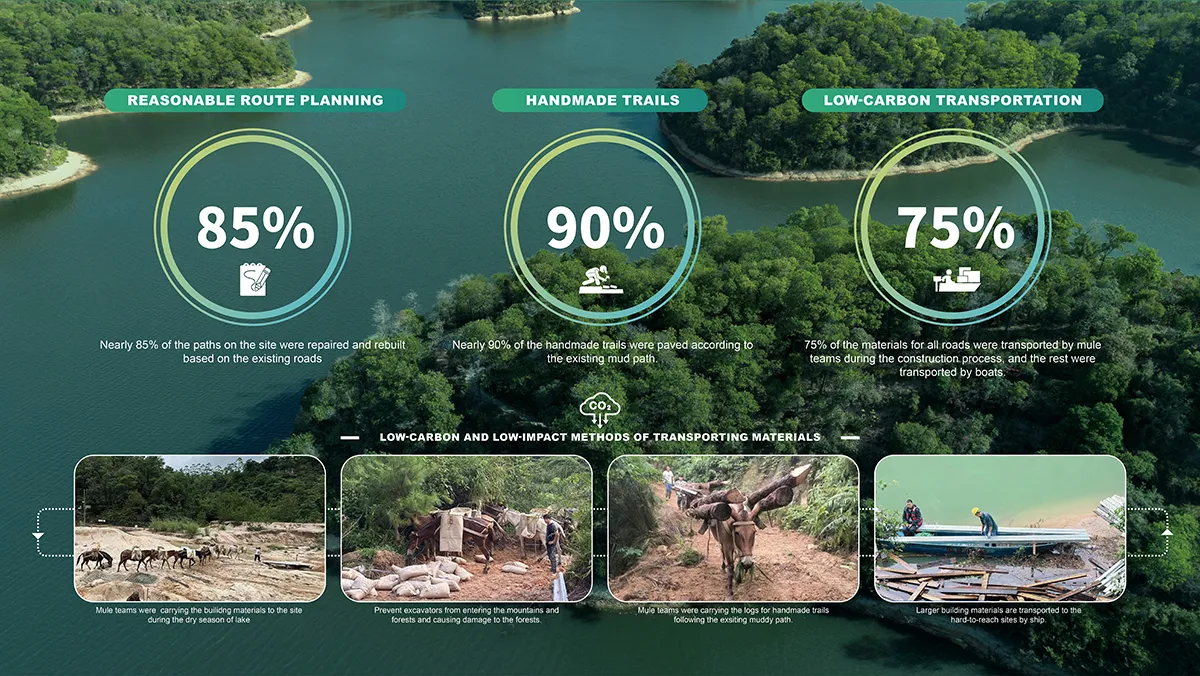
Nearly 85% of the site’s paths were repaired and rebuilt to match the existing roads, and 90% of the handmade trails were paved to match the existing dirt roads. Due to the rugged, narrow mountain roads and the lack of transportation along the lakeside trails, 75% of the materials for all roads were transported by mule teams during construction, and the rest by boats.
All the materials for the handmade trails on the site come from recycled materials on the site, such as fallen trees and stones. The choice of materials for the handmade trails is determined by the degree of sunlight through the path. Handmade log trails can be used in places with sufficient sunlight, and handmade stone trails can be used in humid places.
Local native plants are used as much as possible for restoring vegetation on the site, and nectar and bird-friendly plants are planted to restore the site’s diverse habitats.
PRESENTING THE BEAUTY OF WILDLAND
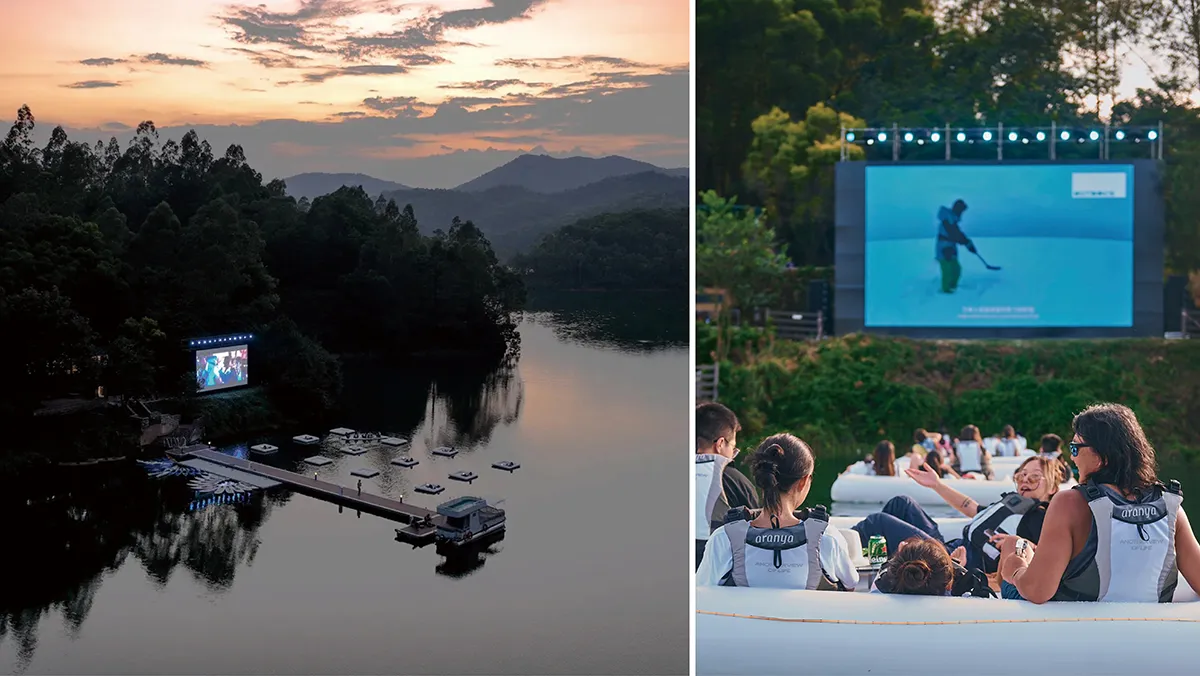
- Select appropriate water areas for water activities.
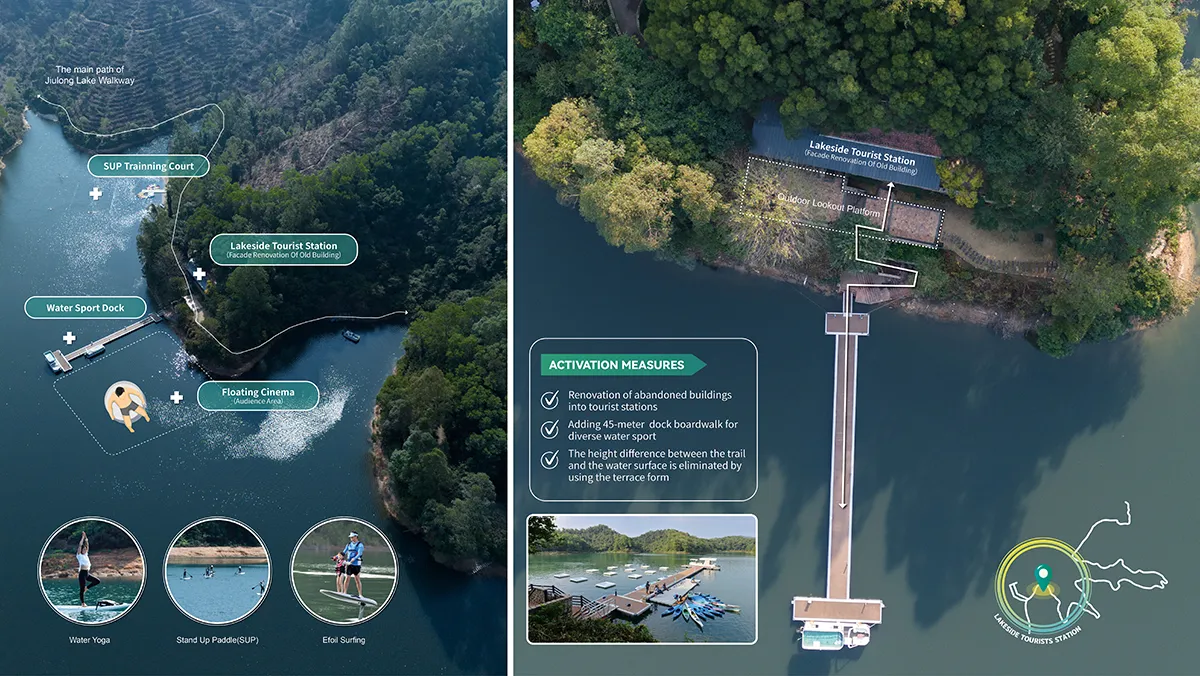
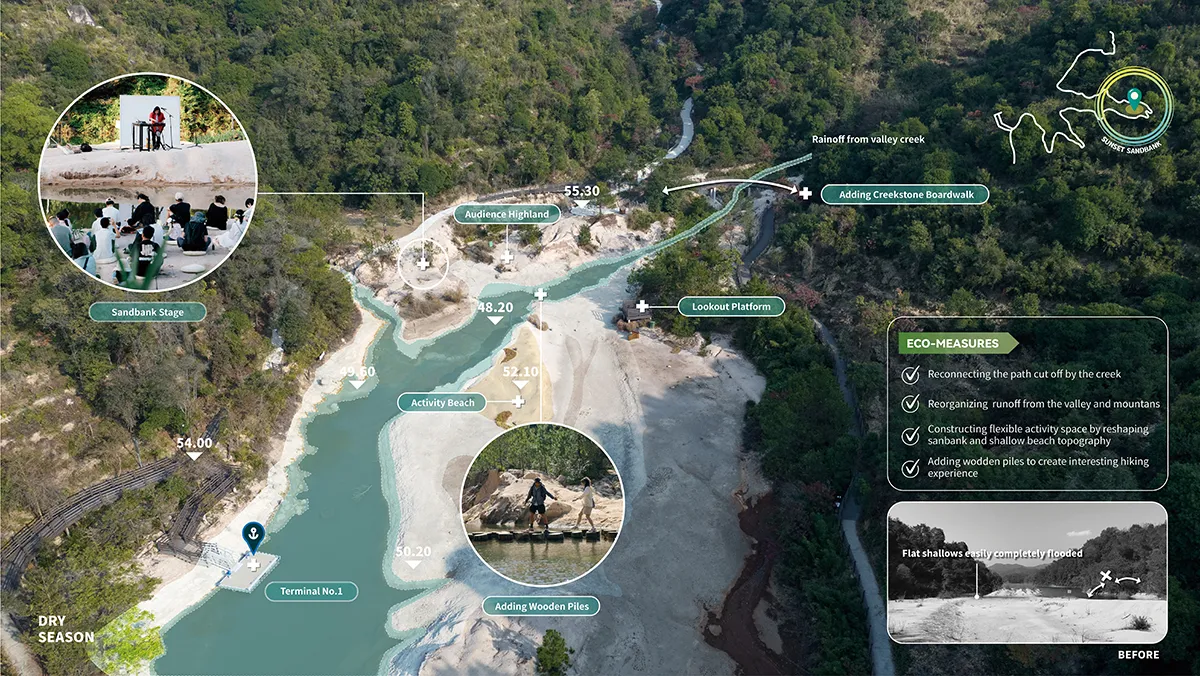
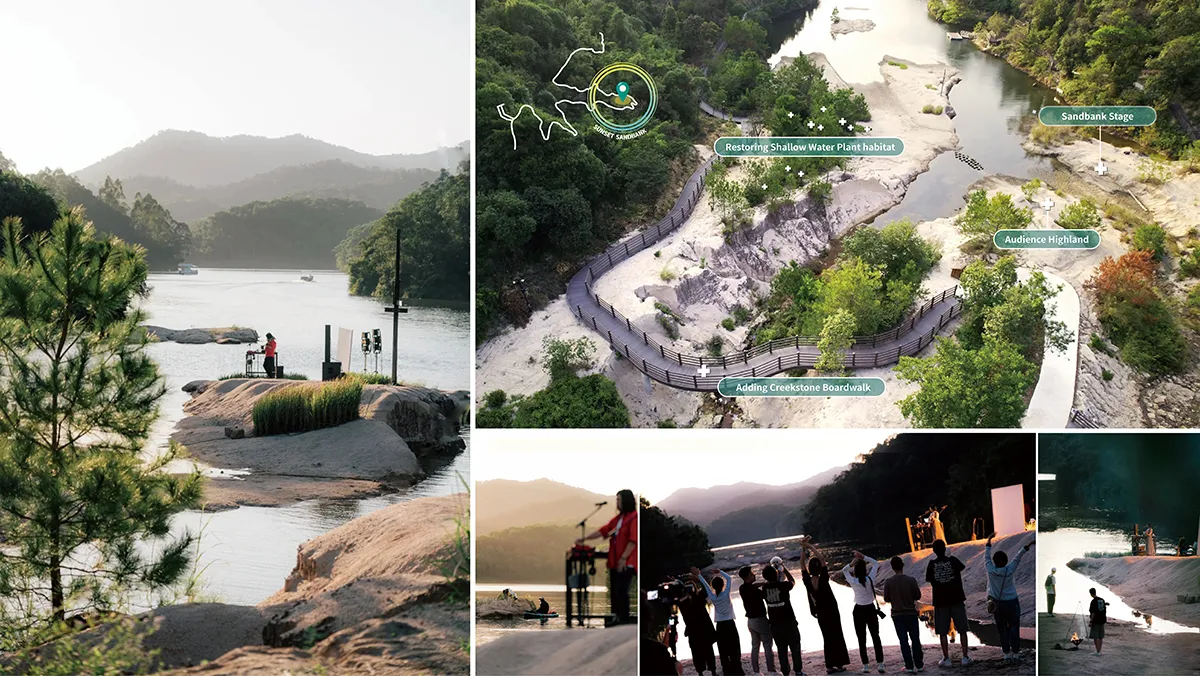
- Reshape the exposed riverbed in the shallow beach area through terrain to make it resilient to runoff and flooding in the mountains and forests, and to create a seasonal earth performance stage.
- Reconstruct diverse ecological shorelines by combining different landscape nodes.
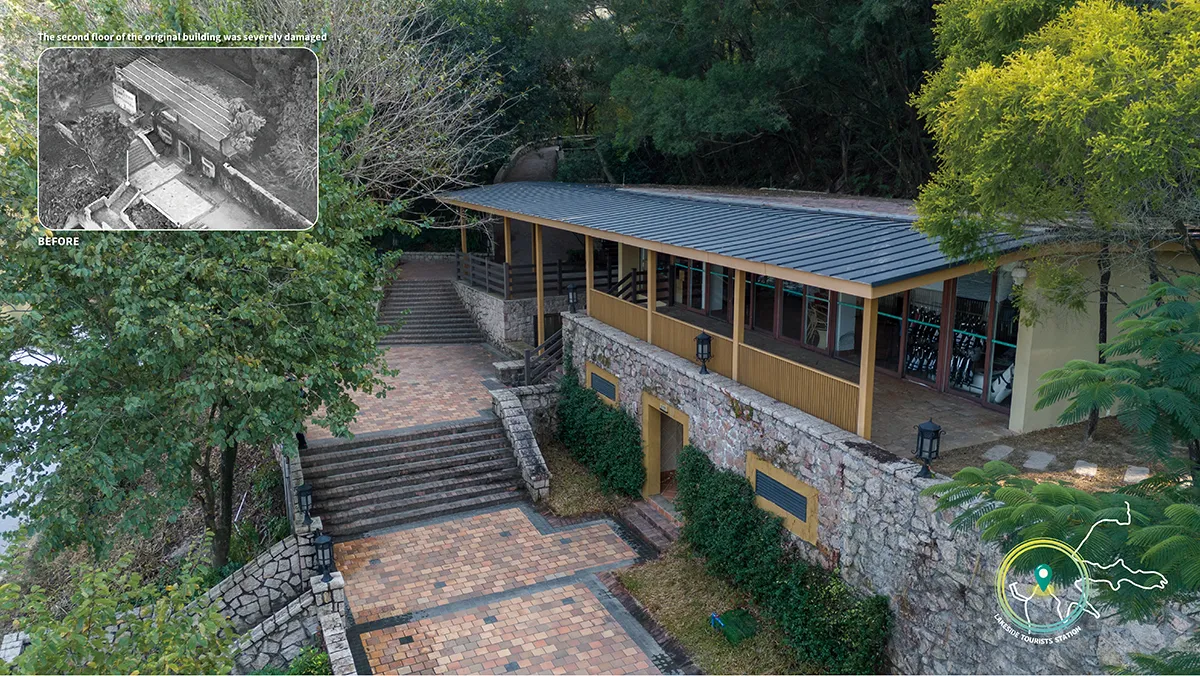
- Utilize the old abandoned post on the site, renovate the building through facade transformation, and add modern functions to the interior to provide citizens with a hiking-friendly resting point.
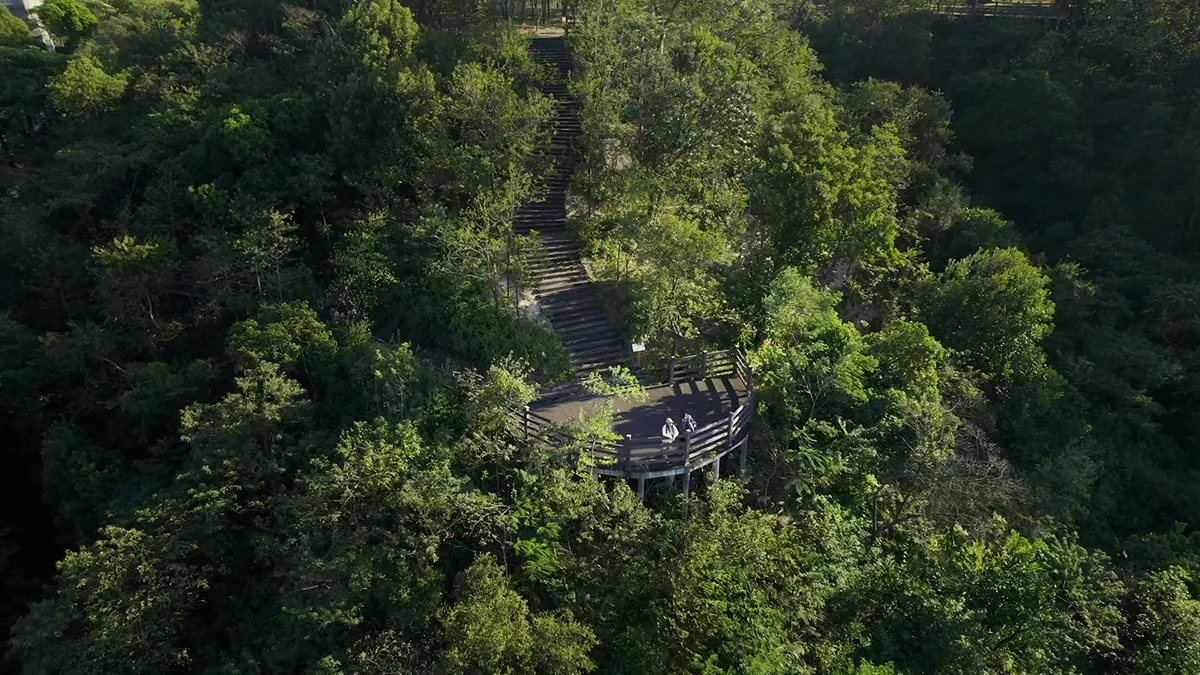
- Low-intervention forest overlooking platform design to minimize the impact on the forest.
MAKING WILD FUN SUSTAINABLE
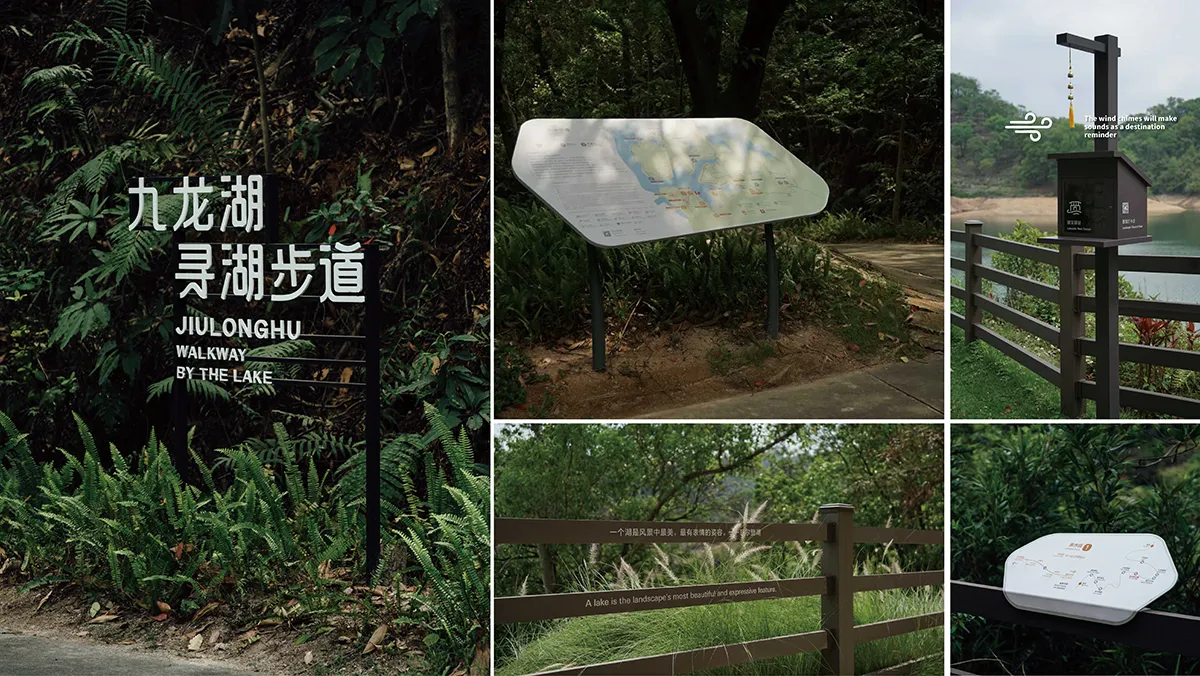
- Add a unique and interactive natural guide system to provide clear hiking instructions and natural science popularization for tourists in the mountains
- In conjunction with the Aranya operator, create a variety of interesting and low-intervention special activities along the Xunhu Trail throughout the year
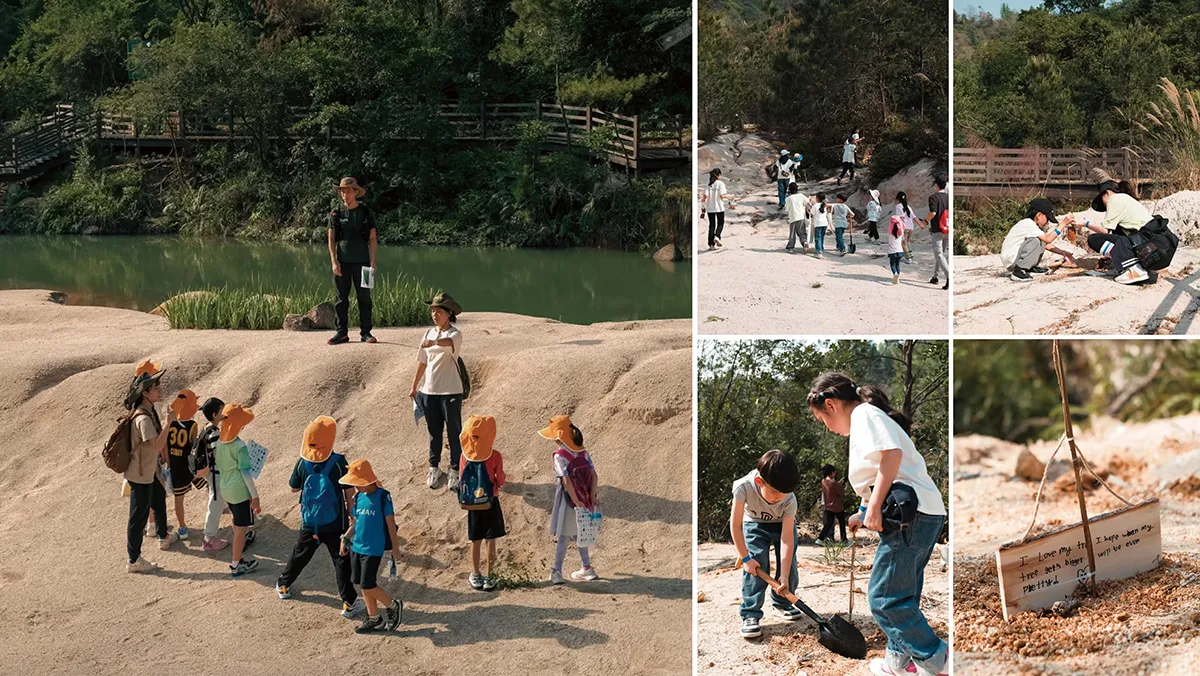
- Cooperate with local public welfare organizations and developers to encourage citizens to participate in the project’s tree planting activities in a non-profit manner, and work together to restore and conserve the mountains and forests.
The Walkway of CGT & Aranya Jiulong Lake Eco-Leisure Resort | Fanu Studio
Location: Guangzhou, Guangdong, China
Designer: Fanu Studio (Shenzhen) Landscape Design Co.ltd
Design Team: Hongsheng Zhou (Project Leader), Tianjing Ye (Design Director), Jian Hou (Technical Chief Engineer), Peng Yi (Chief Designer), Zhifeng Deng (Project Designer), Yaxian Peng (Project Designer), Jingmeng Lin (Plant Design Leader), Xianhong Kuang (Plant Designer), Chaosheng Zhang (Model design), Yue Cai (Construction Detail Designer), Yi Chen (Construction Detail Designer), Li Tu (Construction Detail Designer)
Signage Designer: Beijing SEED Cultural Media Co., Ltd.
Contractor :Shenzhen Sanlv Garden Industry Co.,Ltd. & Changzhou Innovation Landscape Engineering Co. Ltd