
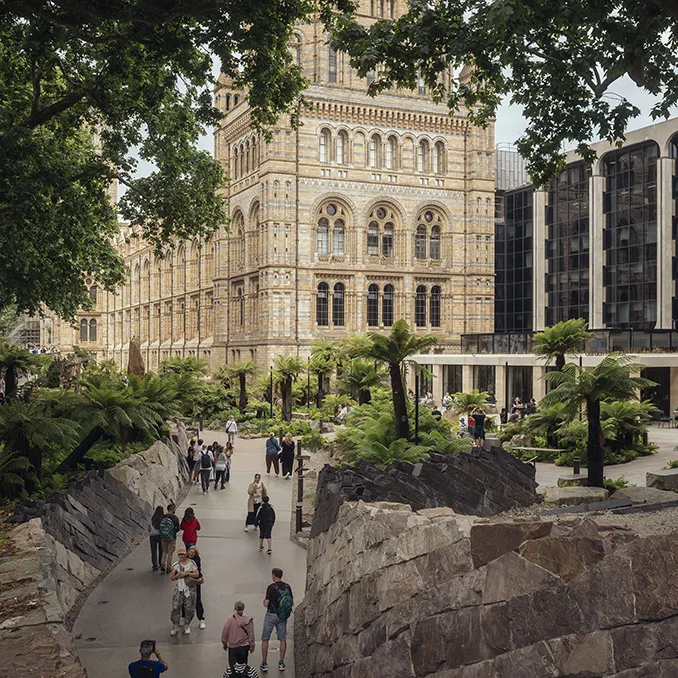
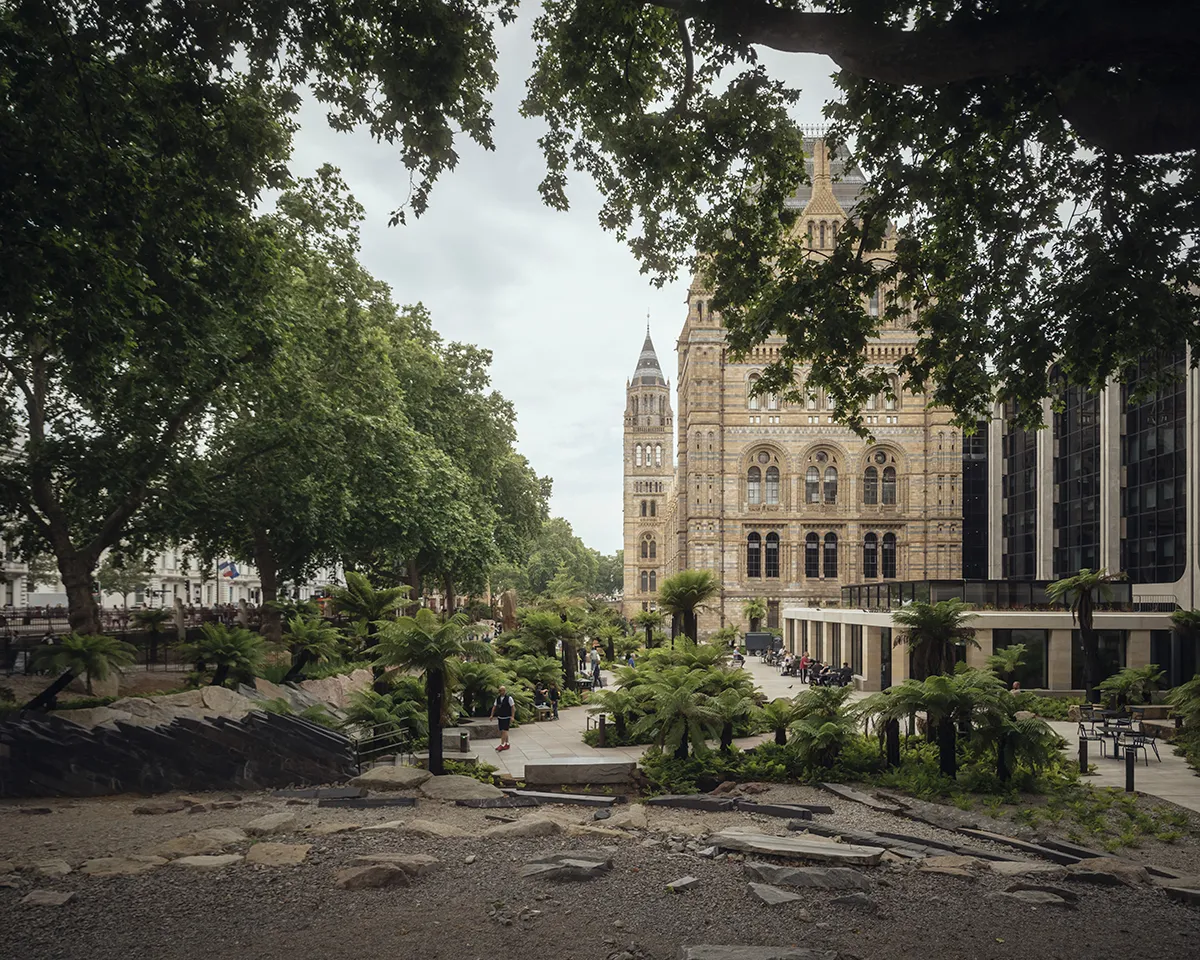
The Urban Nature Project reimagines the Natural History Museum’s 5-acre gardens to increase biodiversity, accessibility, scientific research and best practice outdoor nature-learning all year round. It has been designed as a response to the urgent need to monitor and record changes to the United Kingdom’s urban nature and to develop skills to study in this field, as part of a national drive to re-engage people with the natural world and urban wildlife. The project transforms an underused garden into an urban oasis, creating significant new areas of habitat and biodiversity, re-presenting the grounds as a living laboratory.
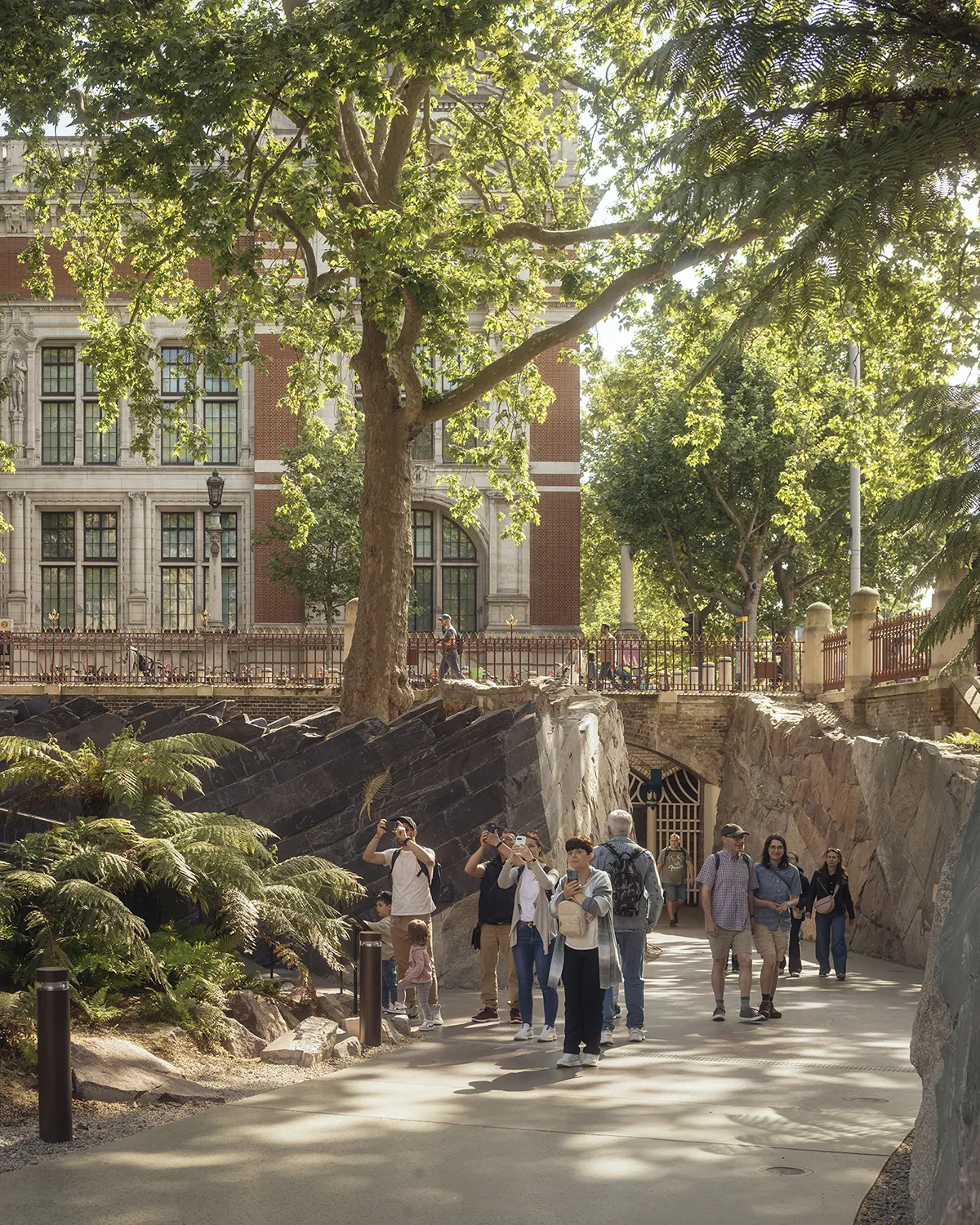
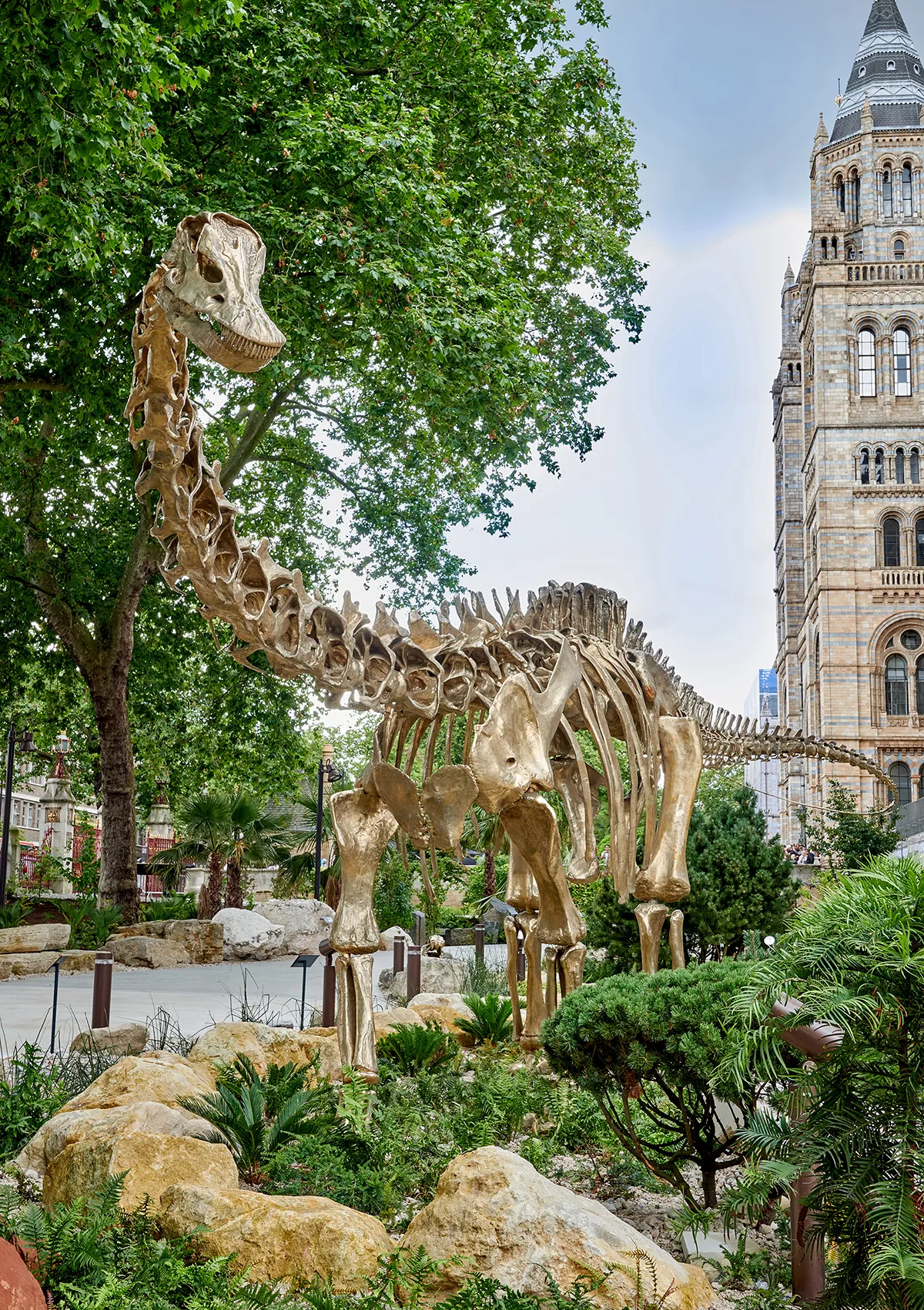
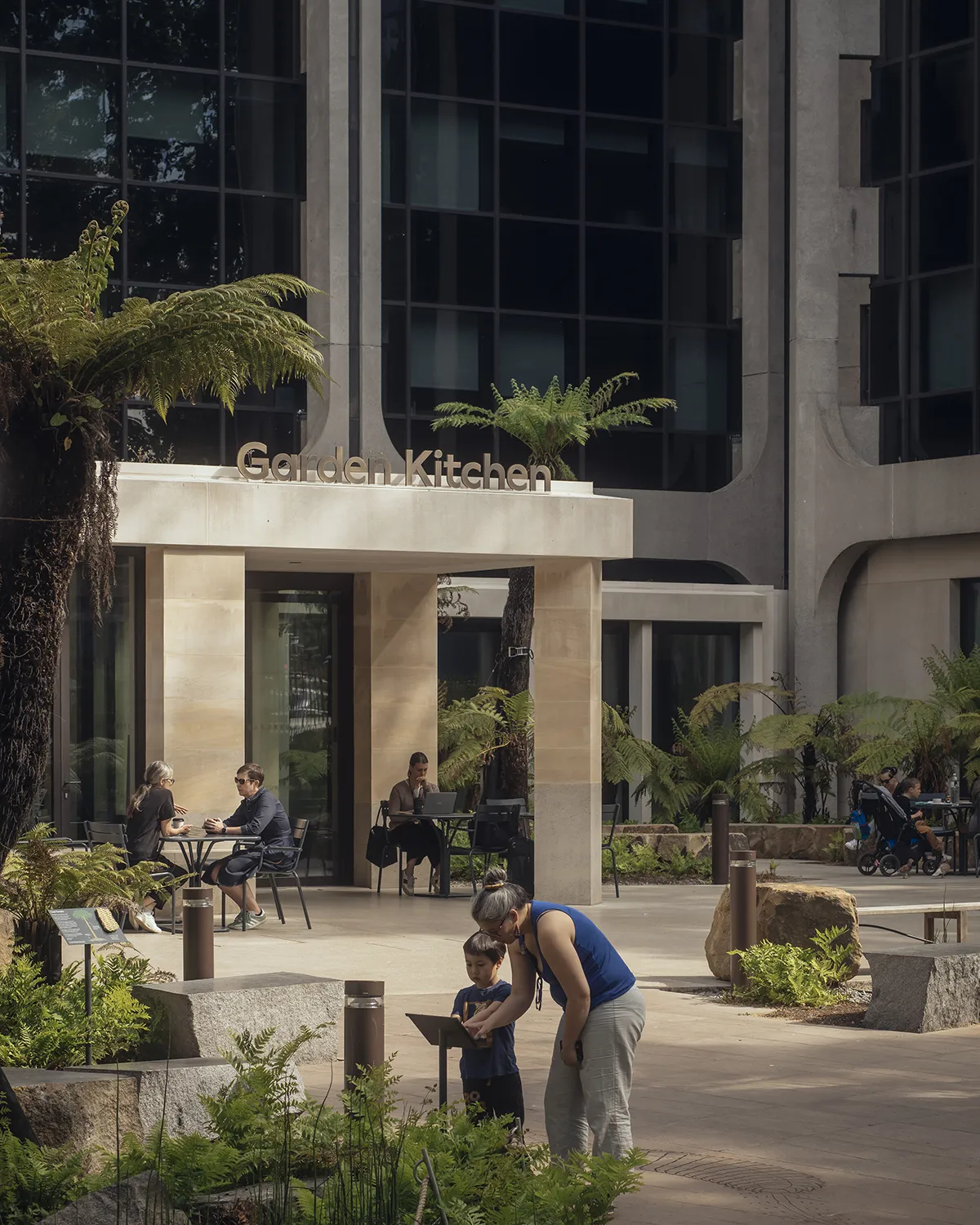
The gardens are arranged thematically into two areas. In the east, the Evolution Garden is a journey through Deep Time to the present day, where visitors can learn about 2.7 billion years of history of our planet. This captivating story is told through an immersive timeline of plants, rocks of different geological periods from across the UK, and representations of reptiles, birds, dinosaurs and mammals. The garden also features a full-size bronze replica of the Museum’s iconic Diplodocus specimen, now called Fern, and the Garden Kitchen cafe. The entire Evolution Garden is scaled to the Phanerozoic Eon, with 1 metre representing 5 million years.
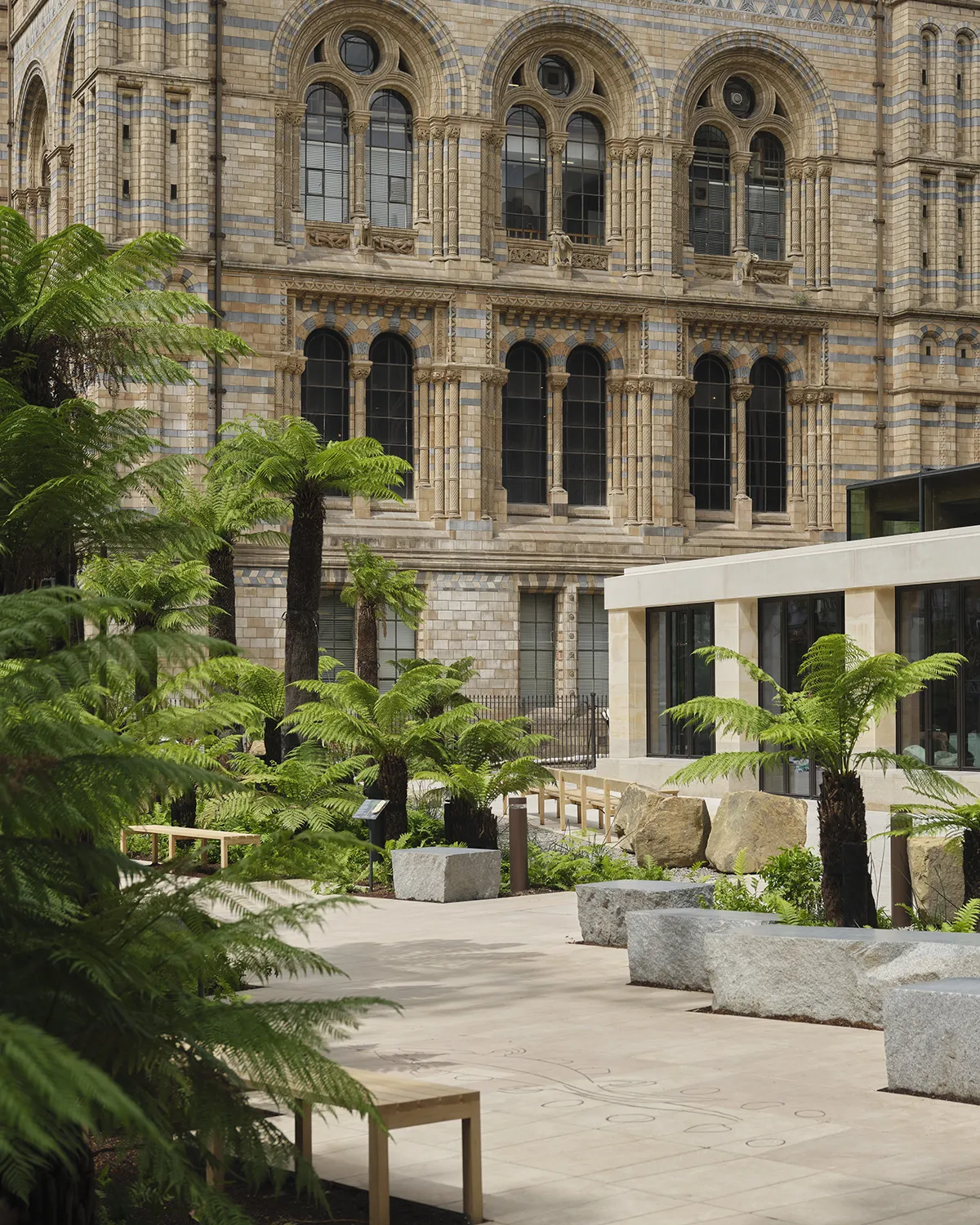
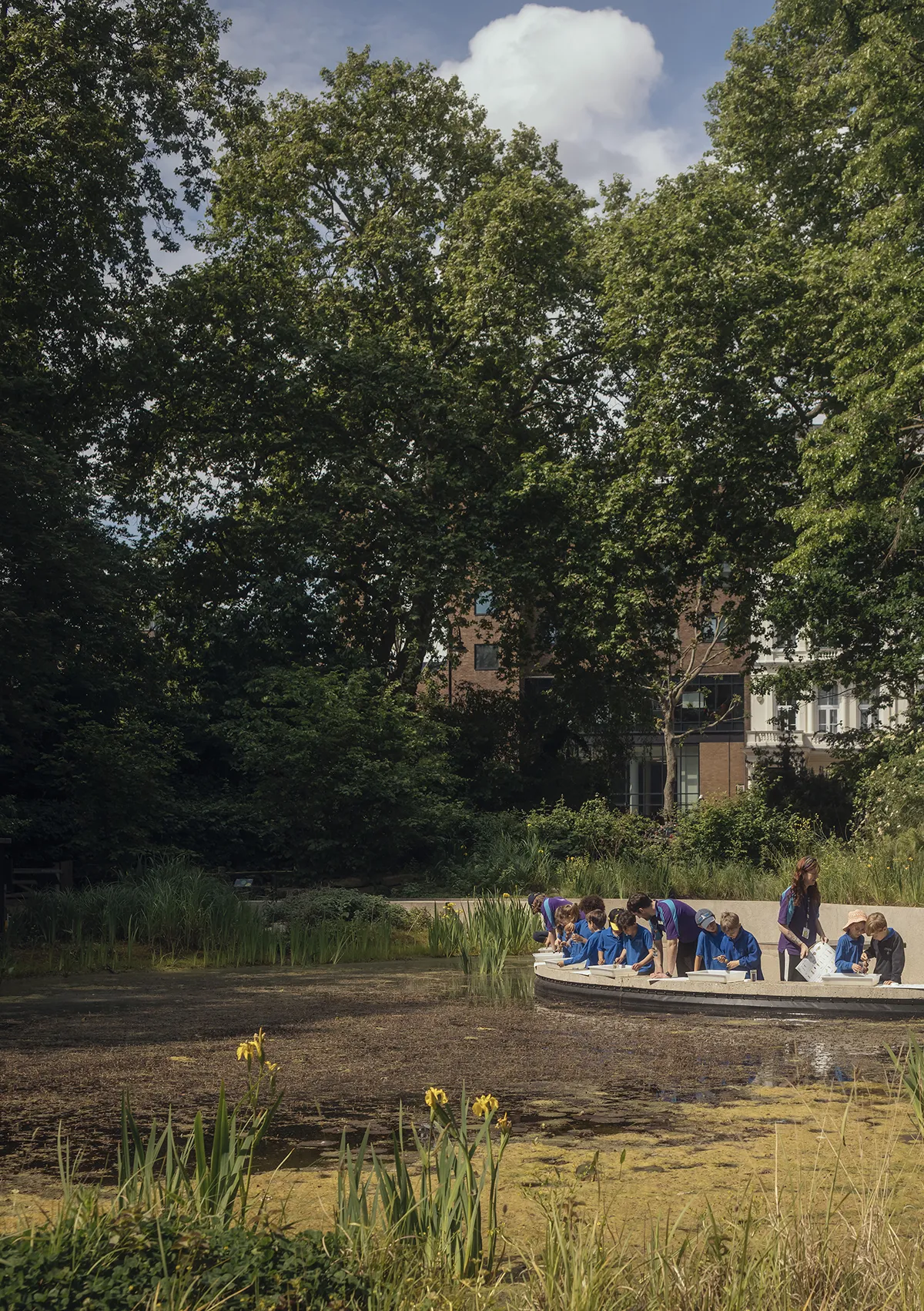
In the west, the Nature Discovery Garden supported by The Cadogan Charity, extends and enhances a multitude of habitat areas including woodland, grassland and wetlands. It explores approaches to climate adaptation set within an urban forest of the future. Embedded within the landscape is the Nature Activity Centre, supported by Amazon Web Services, providing classrooms, storage, and outdoor learning. The Nature Discovery Garden explores ‘future nature’ through pioneer species, exhibiting approaches to climate adaptation, resilient communities, water-sensitive design, and promoting improved biodiversity within our cities.
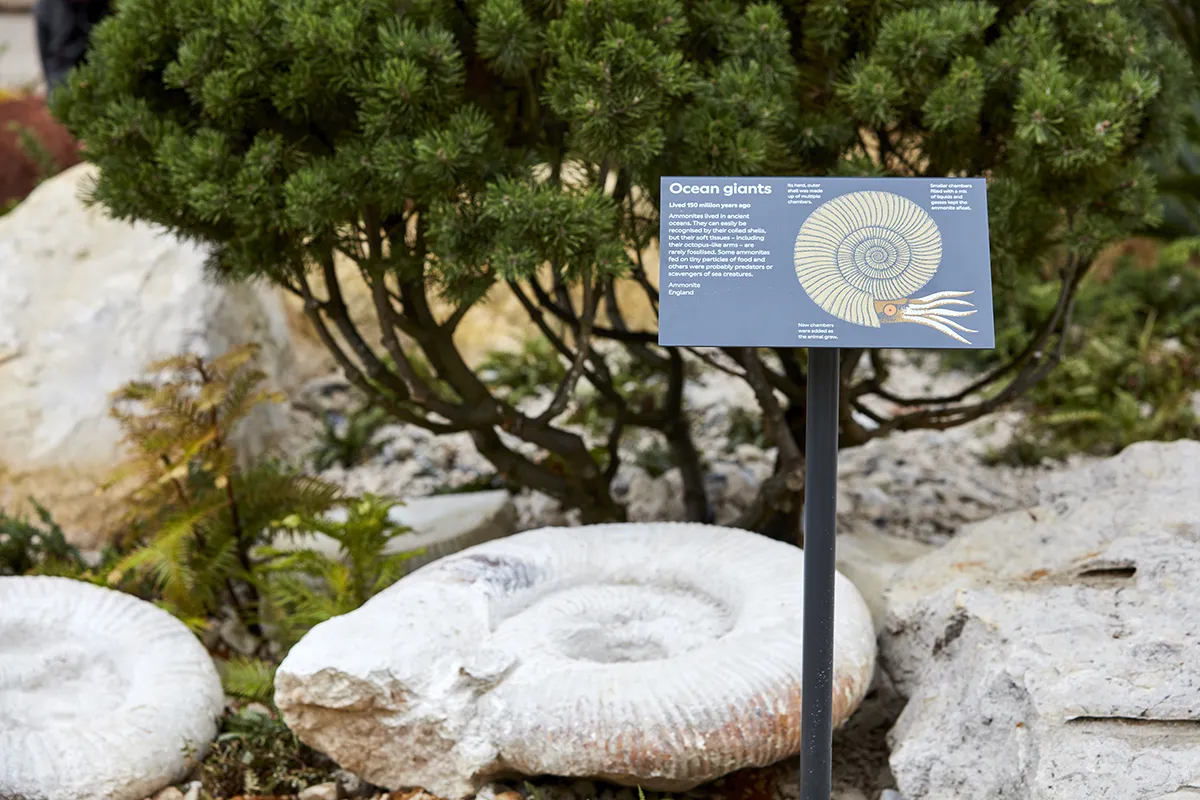
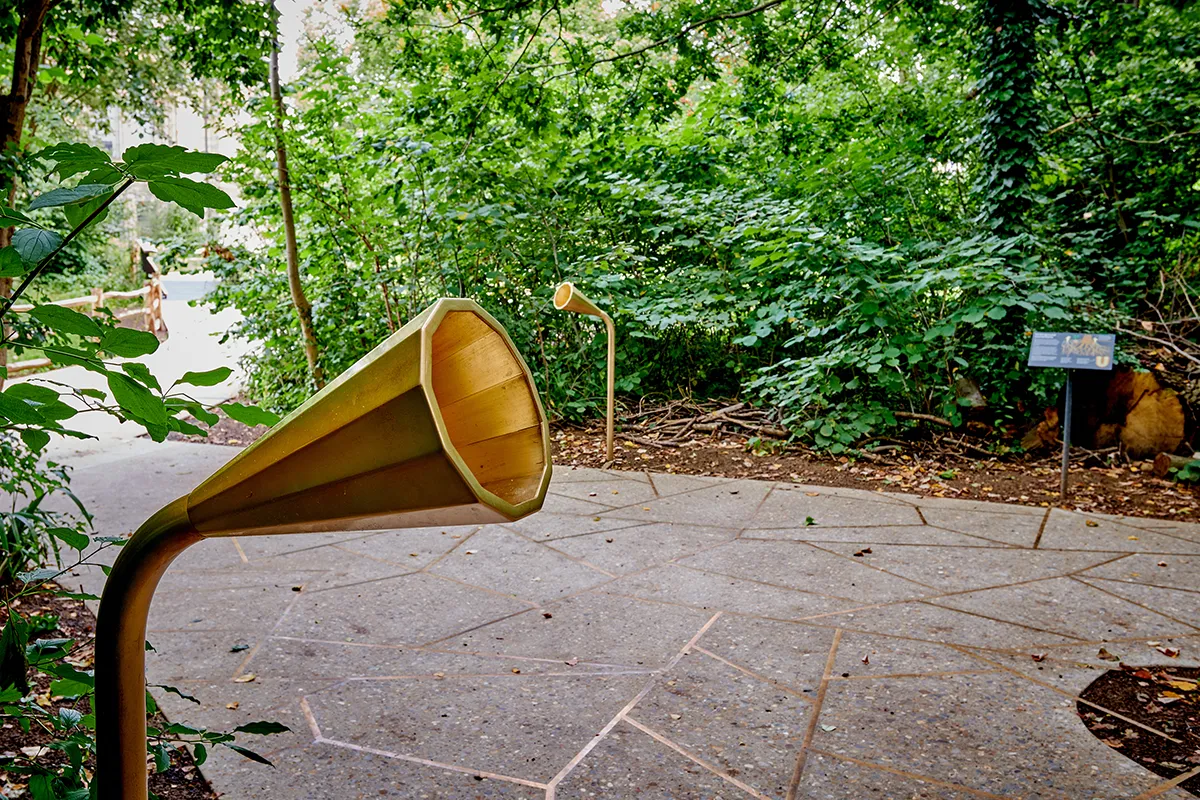
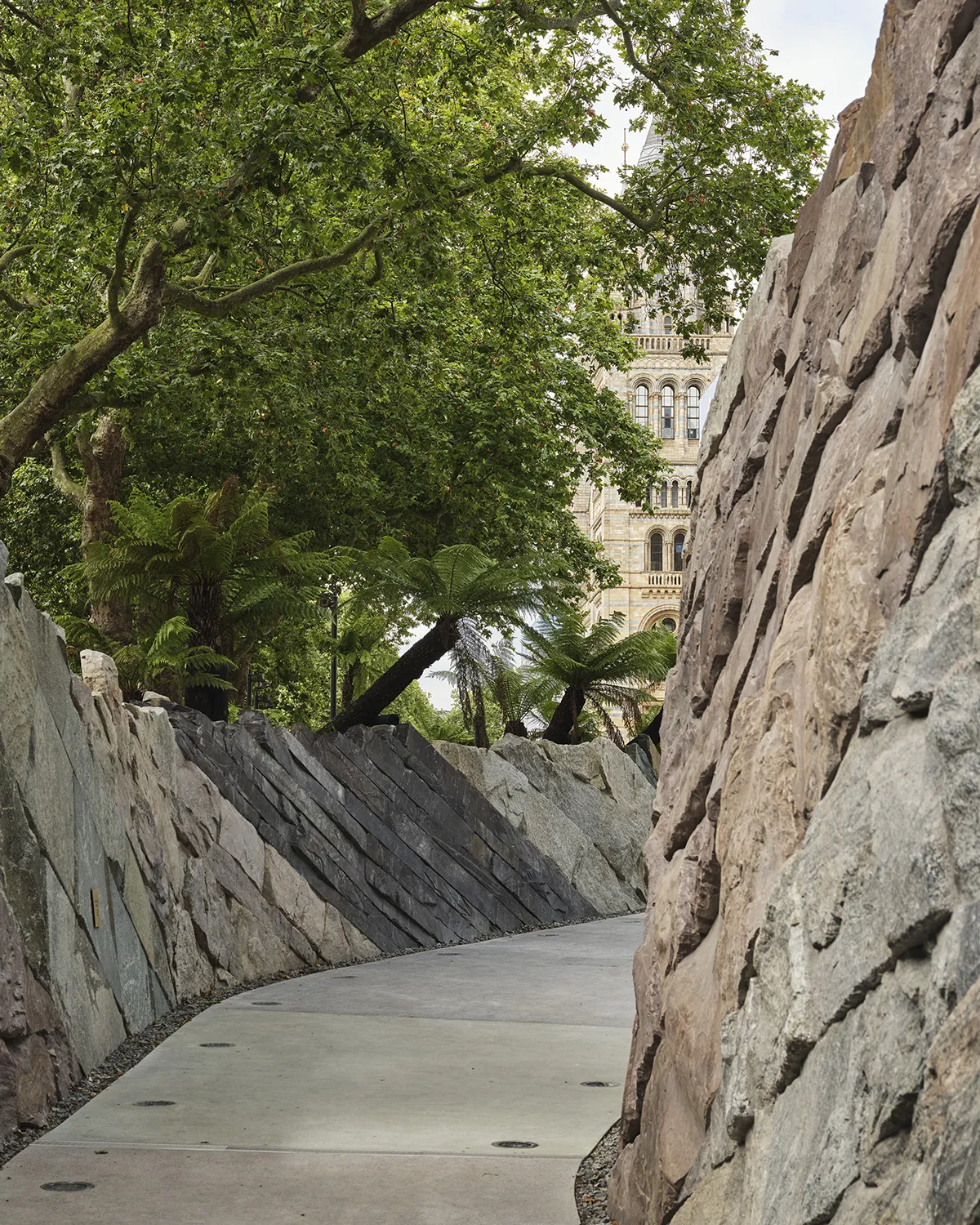
The Museum’s strategy in response to the planetary emergency focuses on environmental initiatives to engage the public with issues of climate instability and biodiversity loss. This is reflected in the design, which is considered forward-thinking and ecologically driven. Locally sourcing natural stone with low-embodied carbon was very important to meet sustainability targets, and this challenge also presented a wonderful opportunity to showcase the amazing breadth of geology found across the United Kingdom.
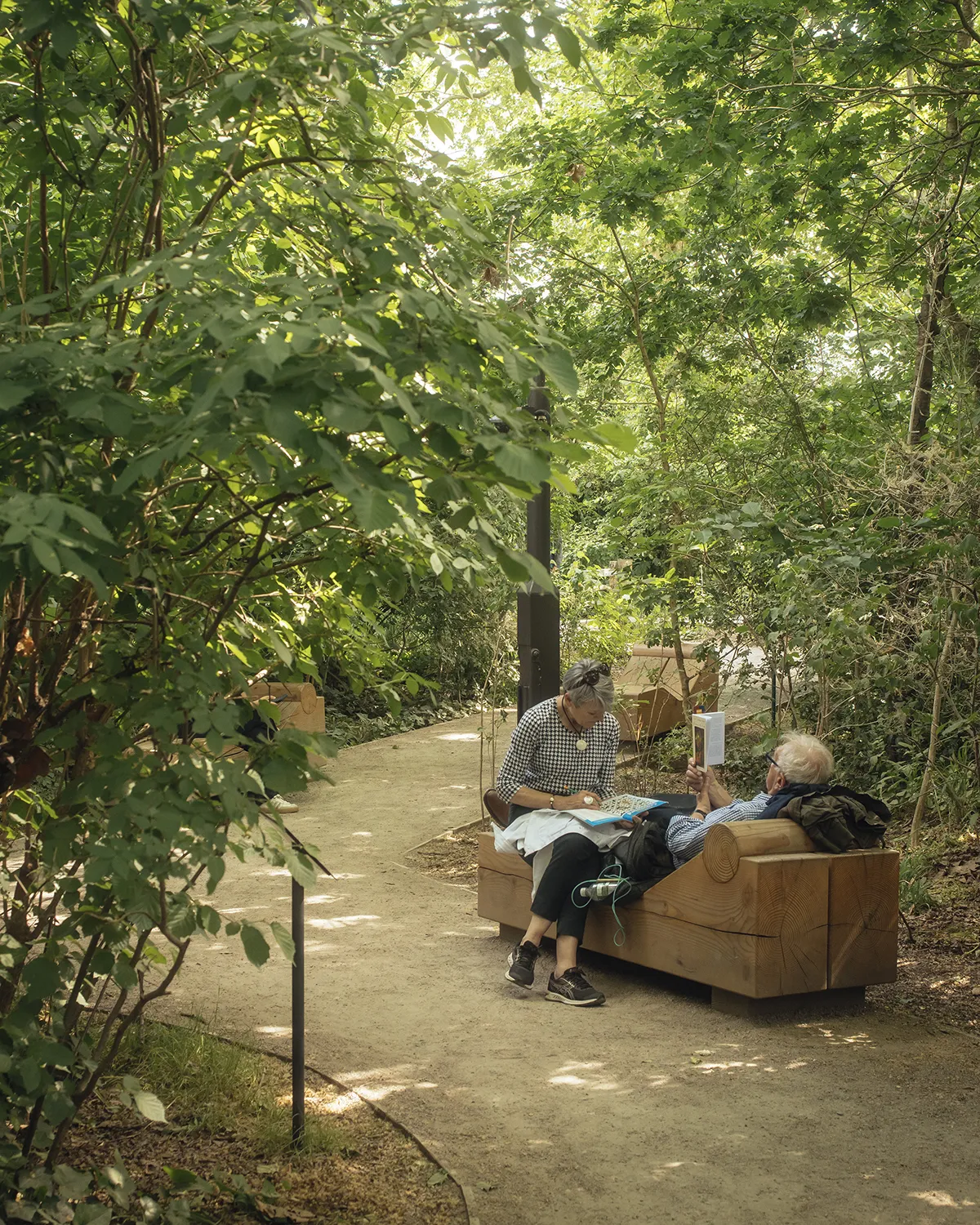
The project focuses on engaging diverse audiences that are least likely or able to access nature. The aim is to help people form a lifelong connection with the natural world, learn about its value and inform and empower people to understand and protect it. This includes increasing volunteer opportunities threefold via an outreach programme to neighbouring and diverse boroughs. Since reopening, the gardens have seen a marked increase in the number of visitors, peaking at over 28,000 a day.
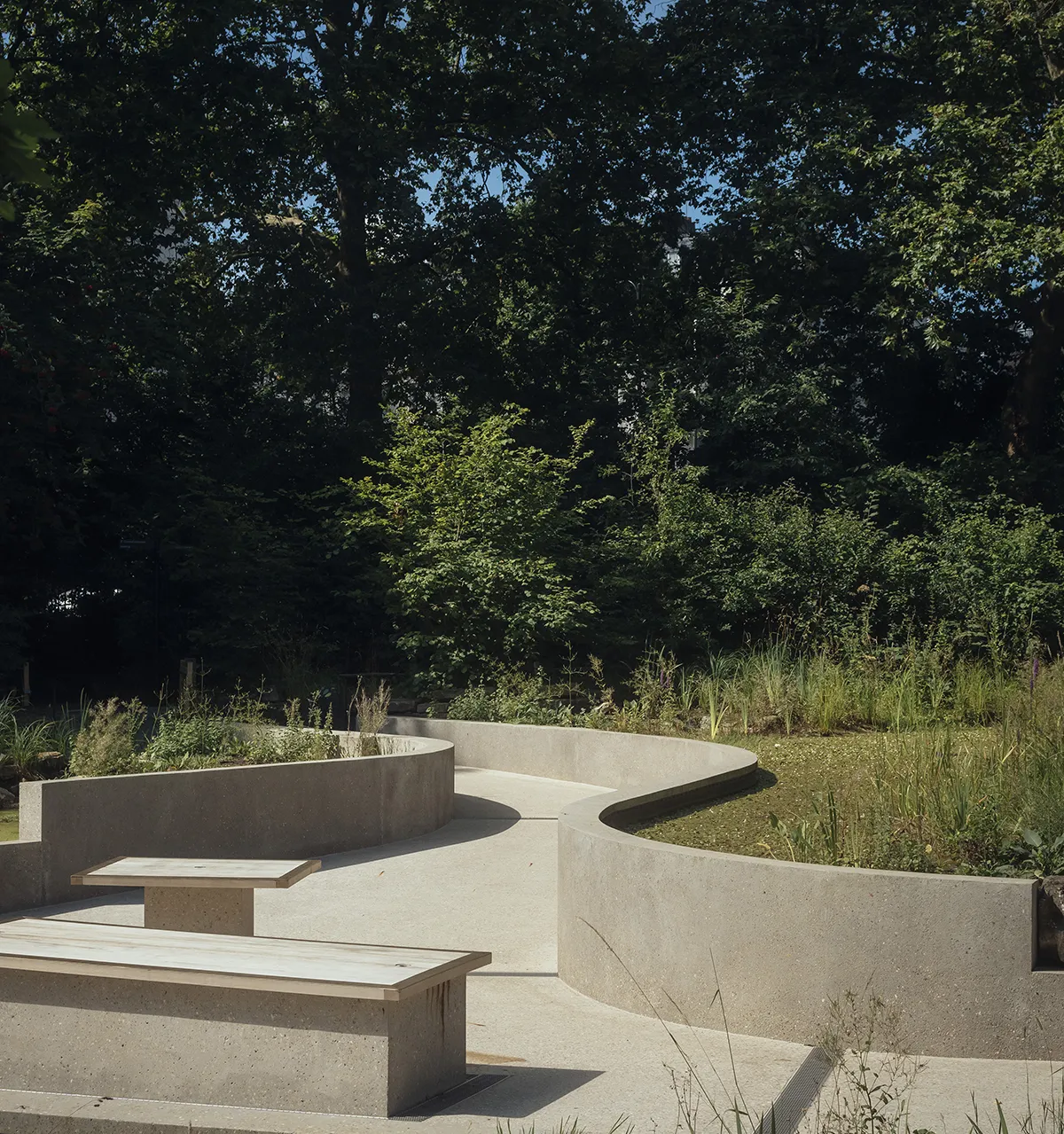
It is a transformation of urban space for increased biodiversity, urban cooling, recreational and wellbeing benefits while enabling scientific research, to develop a love for nature and inspire a new generation of naturalists.
The Urban Nature Project, Natural History Museum, London
Location: Natural History Museum, South Kensington, London, UK
Designers: J&L Gibbons + Feilden Fowles;
Landscape Architect: J&L Gibbons
Architect: Feilden Fowles
Client: Natural History Museum
Collaborators:
3D Design – Gitta Gschwendtner
Structural Engineer – engineersHRW
Civil Engineering – Infrastruct OS
M&E, Lighting and Acoustic Engineers – Max Fordham
Principal contractor – Walter Lilly
Project management – Mace
Quantity Surveyor – Mace
Sustainability Consultant – Deloitte
Heritage Consultant – Purcell
Access Consultant – Earnescliffe
Specialist Planting Consultants – Fossil Plants
Soil Scientist – Tim O’Hare Associates
Structural Engineer (Fern) – Structure Workshop
Artist/Fabricators (Fern) – Factum Arte
Image Credits:
©Jim Stephenson, The Trustees of The Natural History Museum, Feilden Fowles, J&L Gibbons
©Kendal Noctor, The Trustees of The Natural History Museum, Feilden Fowles, J&L Gibbons
©The Trustees of the Natural History Museum