
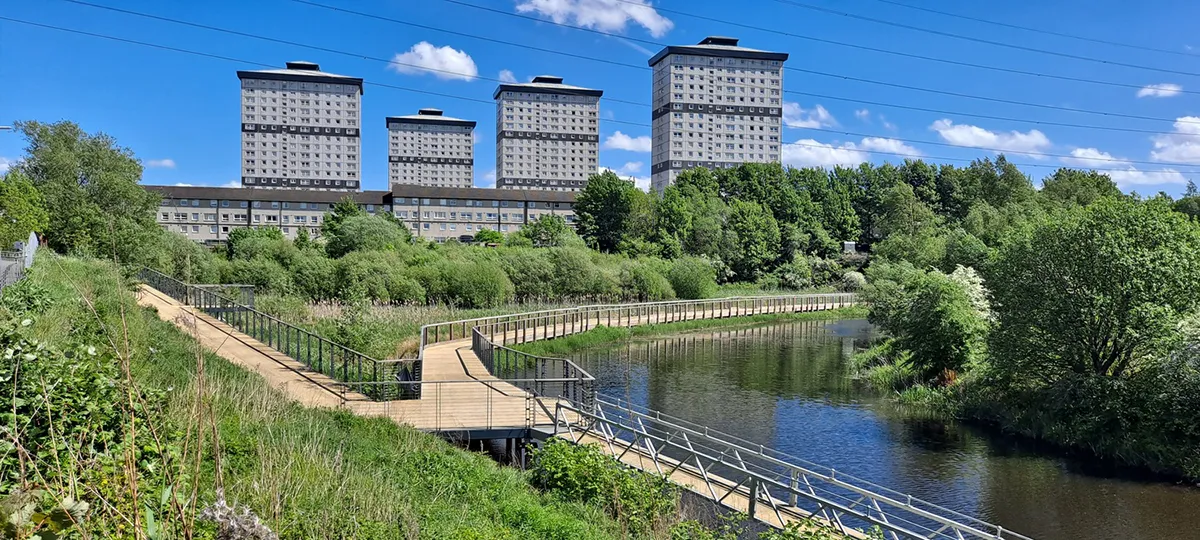
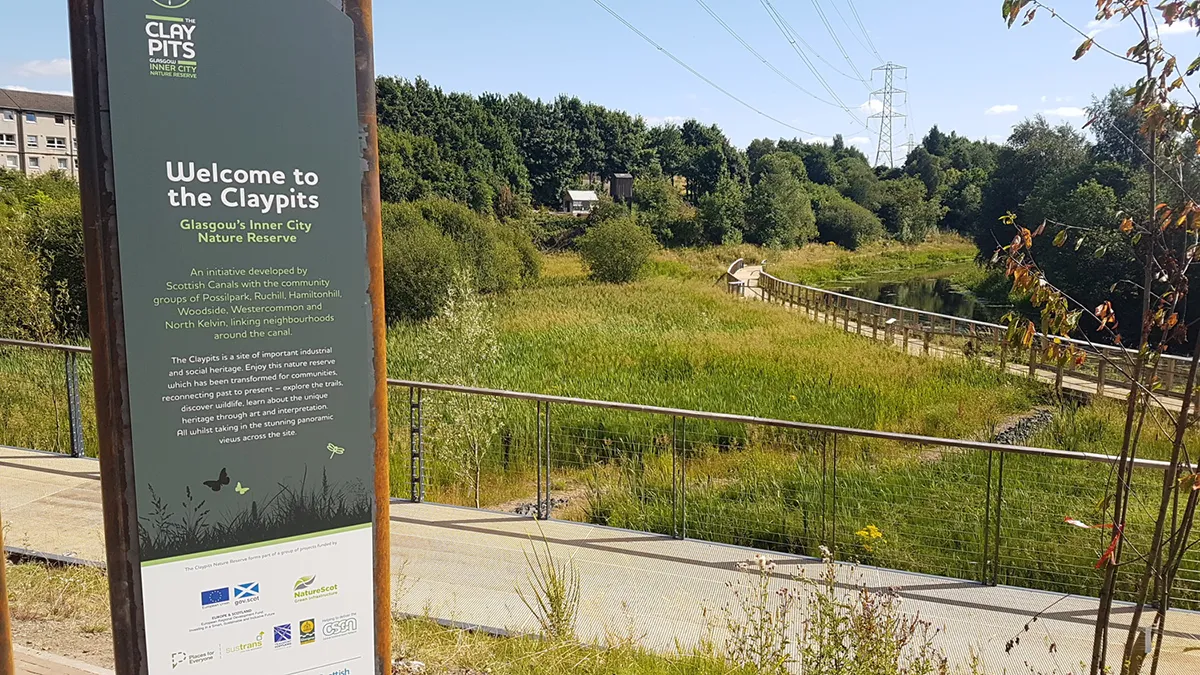
Located 1km north of Glasgow City Centre, the Claypits is a 17ha post-industrial site that straddles the Glasgow Canal. Prior to its transformation, it was contaminated and formed a barrier between disadvantaged communities that suffer from some of Europe’s worst health statistics. Whilst the site was overgrown, inaccessible and harboured anti-social behaviour, residents recognised its potential as a community asset and wildlife haven. In 2014, Scottish Canals and Glasgow City Council appointed a consultant design team led by LUC to facilitate a collaborative design charrette with communities and stakeholders to establish a shared vision for the Claypits. The resulting Green Infrastructure Masterplan focused on transforming this ‘Vacant and Derelict Land’ into a sustainable and resilient local nature reserve. The project faced numerous challenges, including contaminated land, invasive species, redundant mineshafts, topographic and hydrological constraints, and ecological sensitivities. Additionally, the canal is designated as a Scheduled Monument due to its industrial heritage and requires a sensitive design approach. The £ 7.5 million project was delivered by the team through 14 individual contracts to meet the challenging parameters of numerous funding partners.
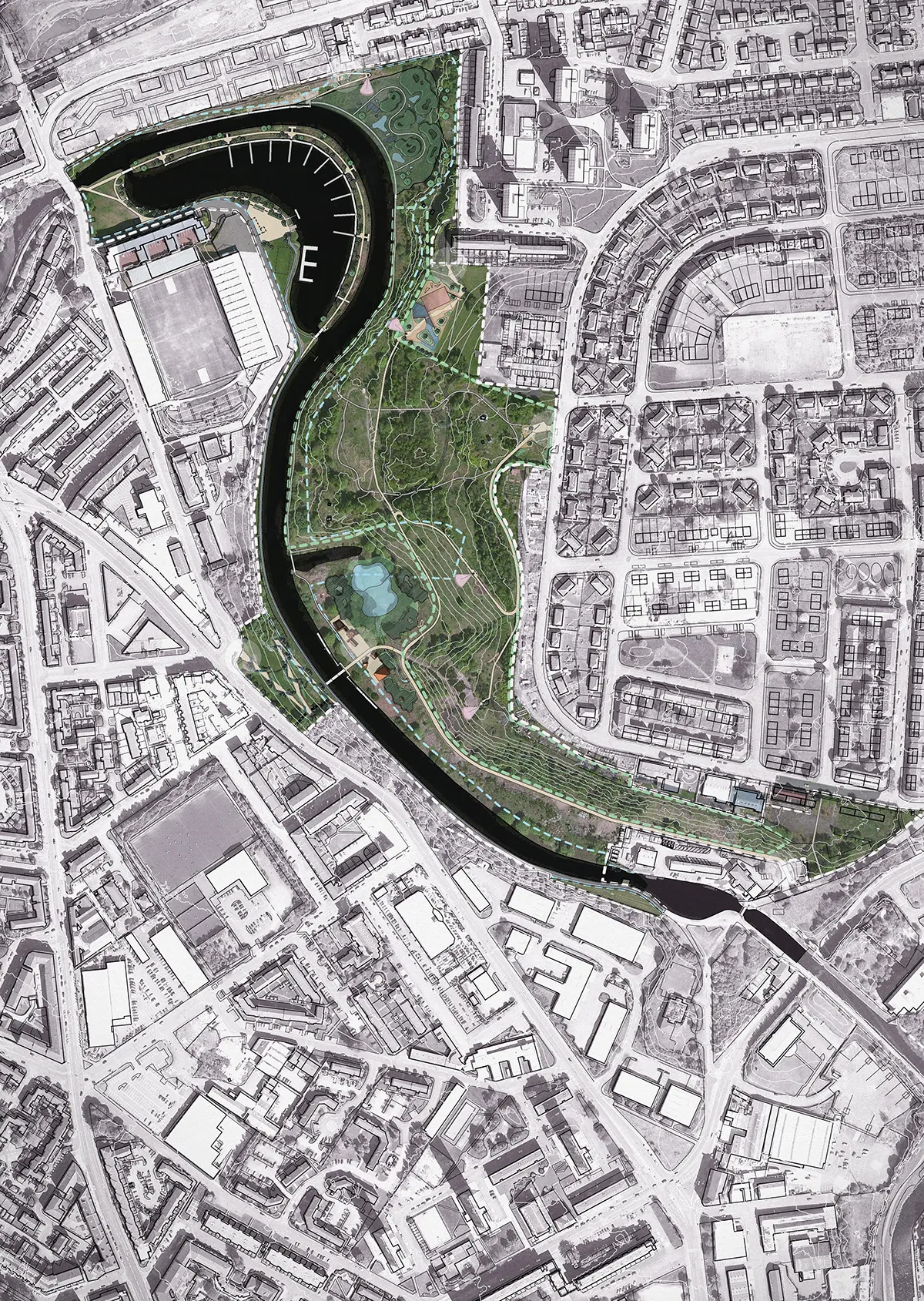
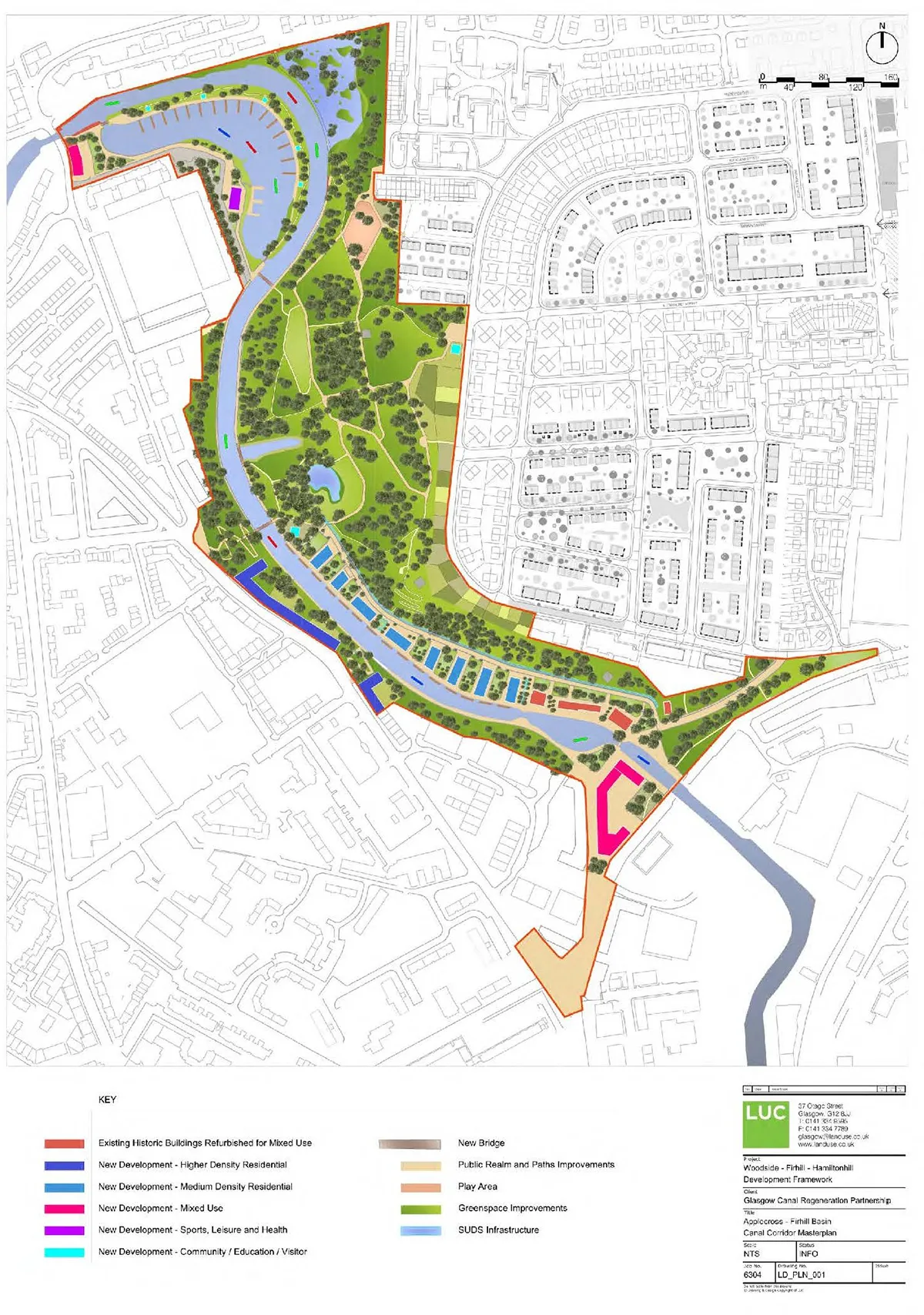
Key principles:
Ecological enhancement: The design harnessed the site’s intrinsic ‘wild’ character. The aim was to create a mosaic of biodiverse habitats including deciduous woodland, ‘wet’ woodland, acid grasslands, meadows, reedbeds, riparian water’s edge and open water. Wildlife monitoring has confirmed the presence of numerous species, including roe deer, otters, water rail, peregrine falcons, bats, newts, moths, butterflies, and other insects.
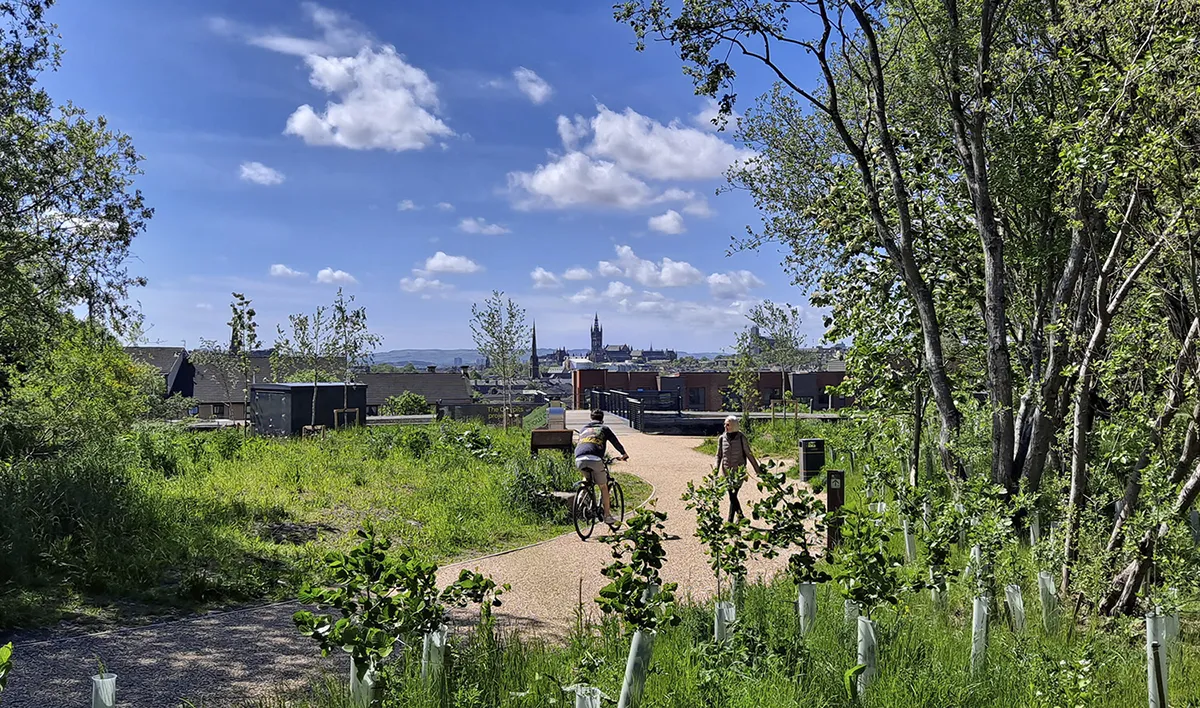
Climate resilience: Strategic SUDS infrastructure was integrated within the Claypits site with outfalls into the Glasgow ‘Smart Canal’. This is aiding flood management whilst creating further wetland habitats. In turn the SUDS has facilitated the construction of c. 700 affordable homes in adjacent sites. Over 8,000 trees have been planted to further aid urban cooling and carbon sequestration.
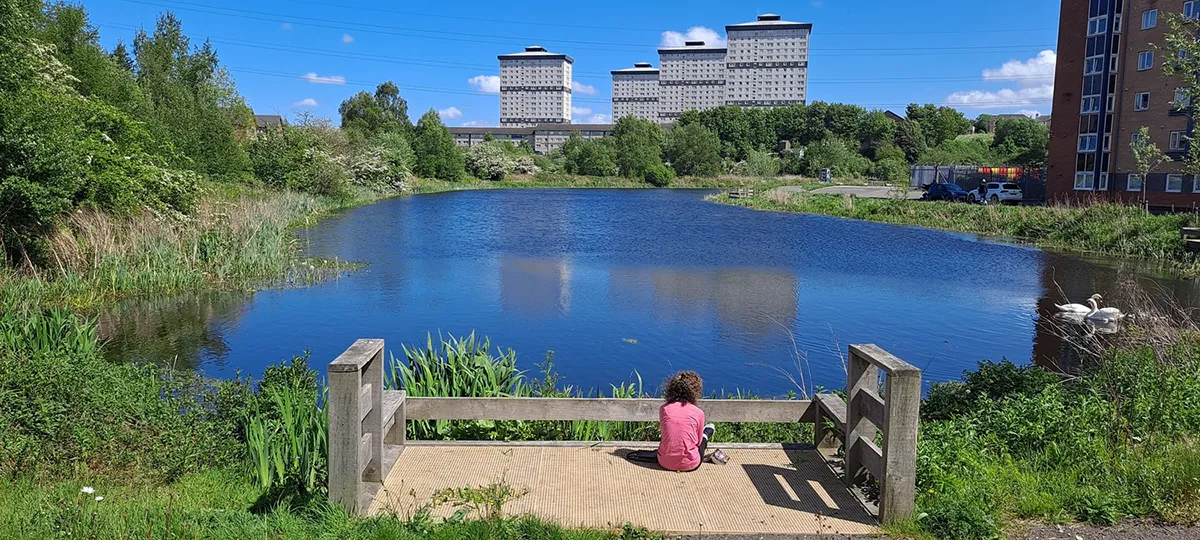
Health and wellbeing: The design improves connectivity through 1.5km of new path infrastructure, bridges, and boardwalks. Together with strategically placed activity nodes exercise, play and exploration is encouraged. Facilitating access to meaningful green spaces also provides significant mental health benefits through connecting people with nature in an otherwise urban setting. A Glasgow Caledonian University study found people living within 700m of the regenerated Glasgow canal had a 15% lower risk of cardiovascular disease, 12% lower risk of diabetes, and 10% lower risk of obesity.
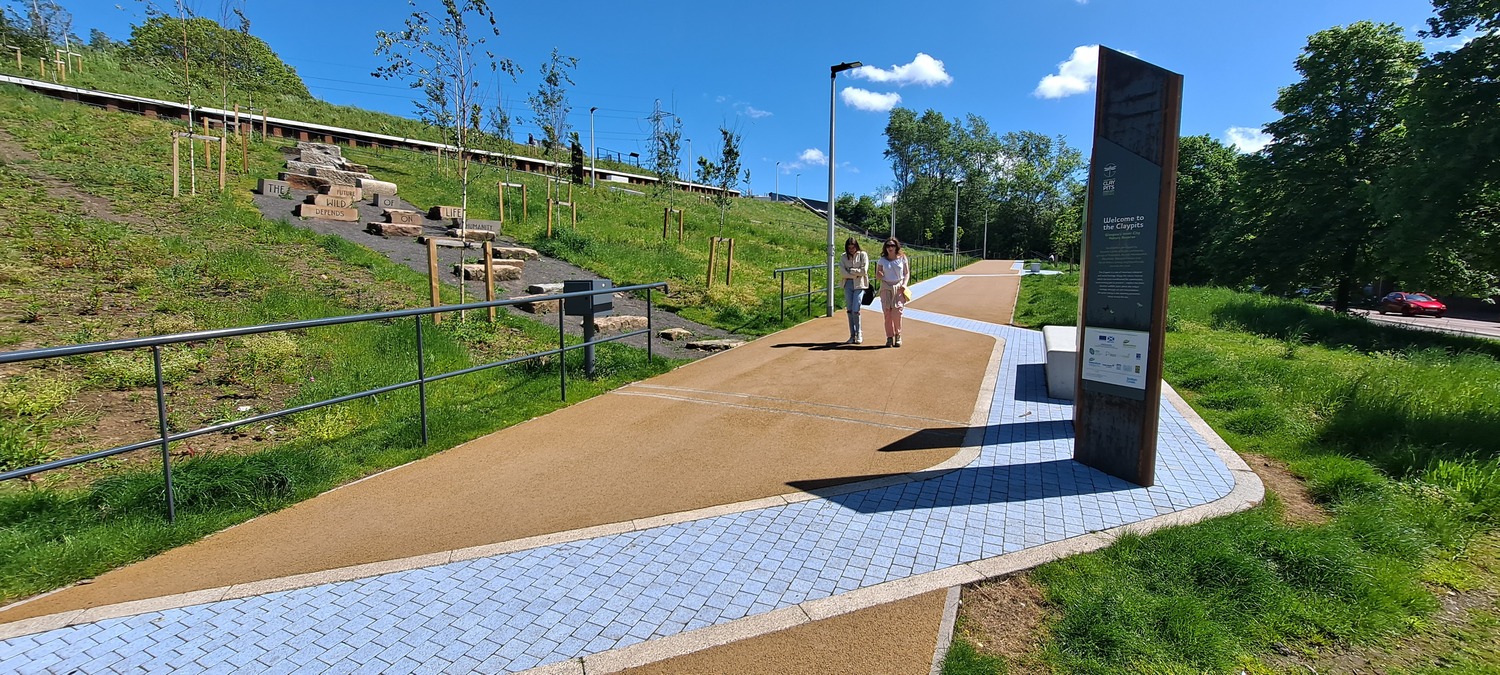
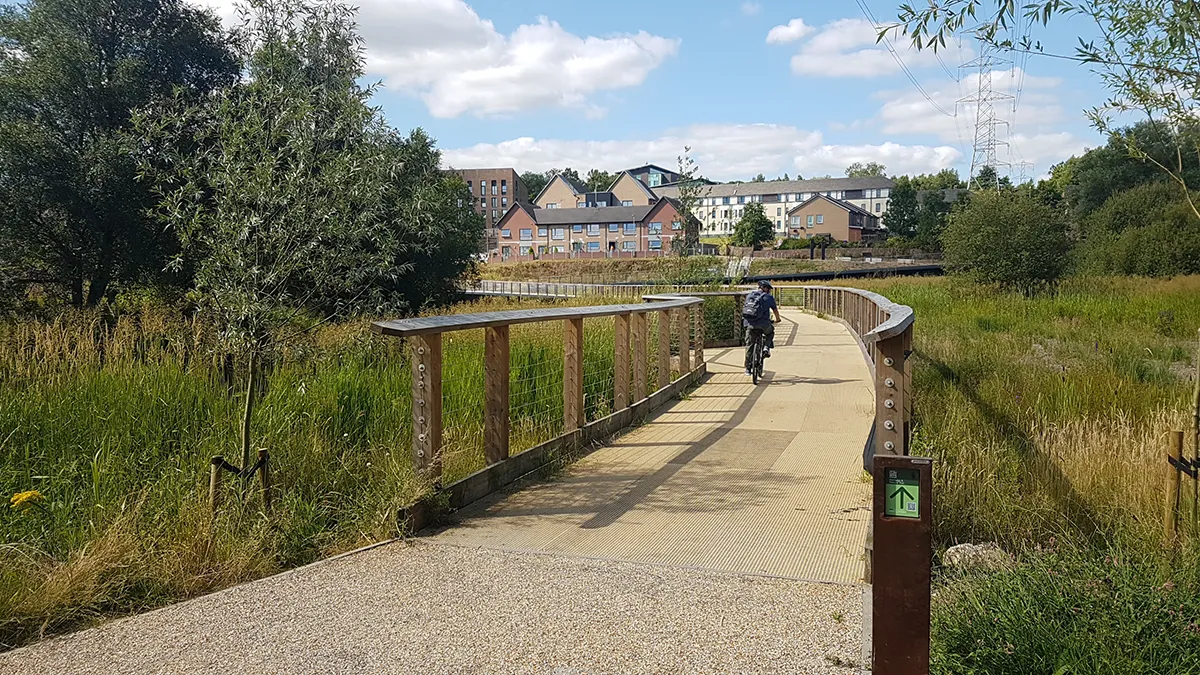
Community resilience: A volunteer community organisation now manages the site as a registered charity. They organise educational events, walks, and planting activities, ensuring ongoing engagement. The improved connectivity has contributed to creating a ‘20-minute neighbourhood’, enabling residents to access essential services without car dependency which is promoting social equity while reducing carbon emissions.
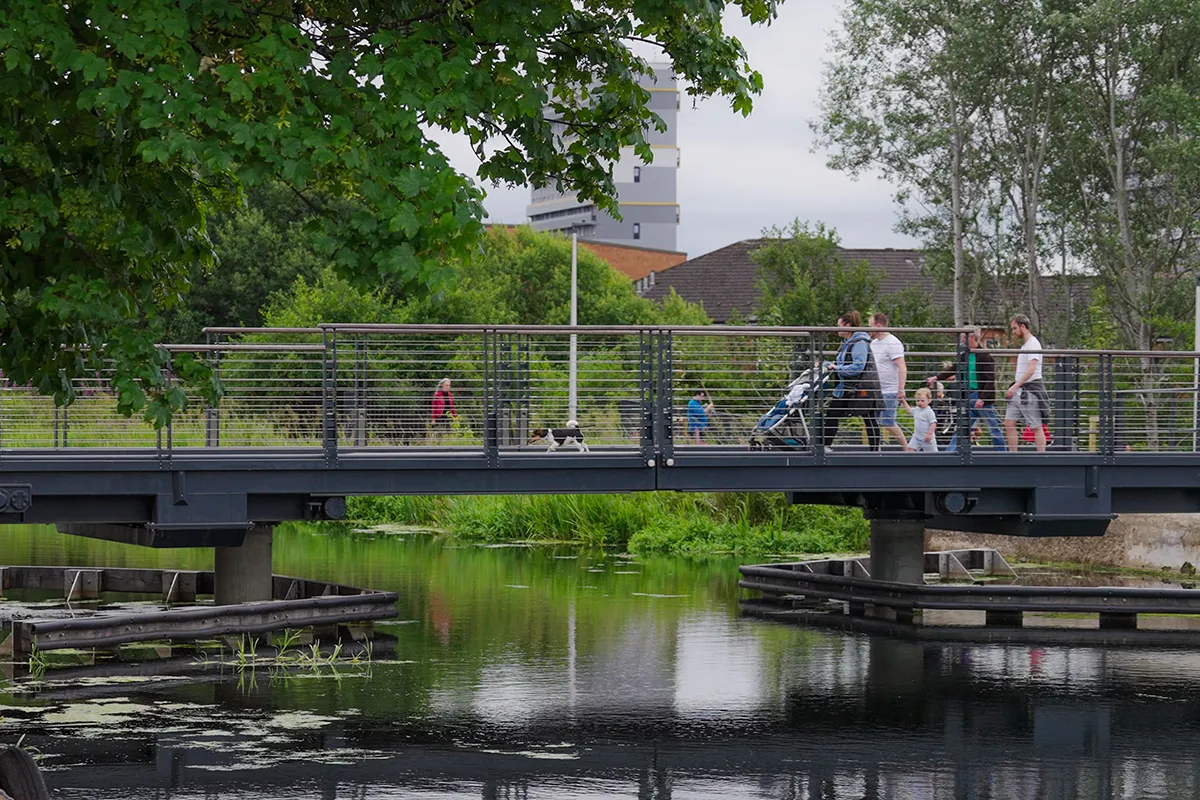
The transformation has been remarkably successful, with c. 800,000 annual visitors (~2,000 daily). The site now connects communities, promotes active travel, and provides access to nature that enhances wellbeing.
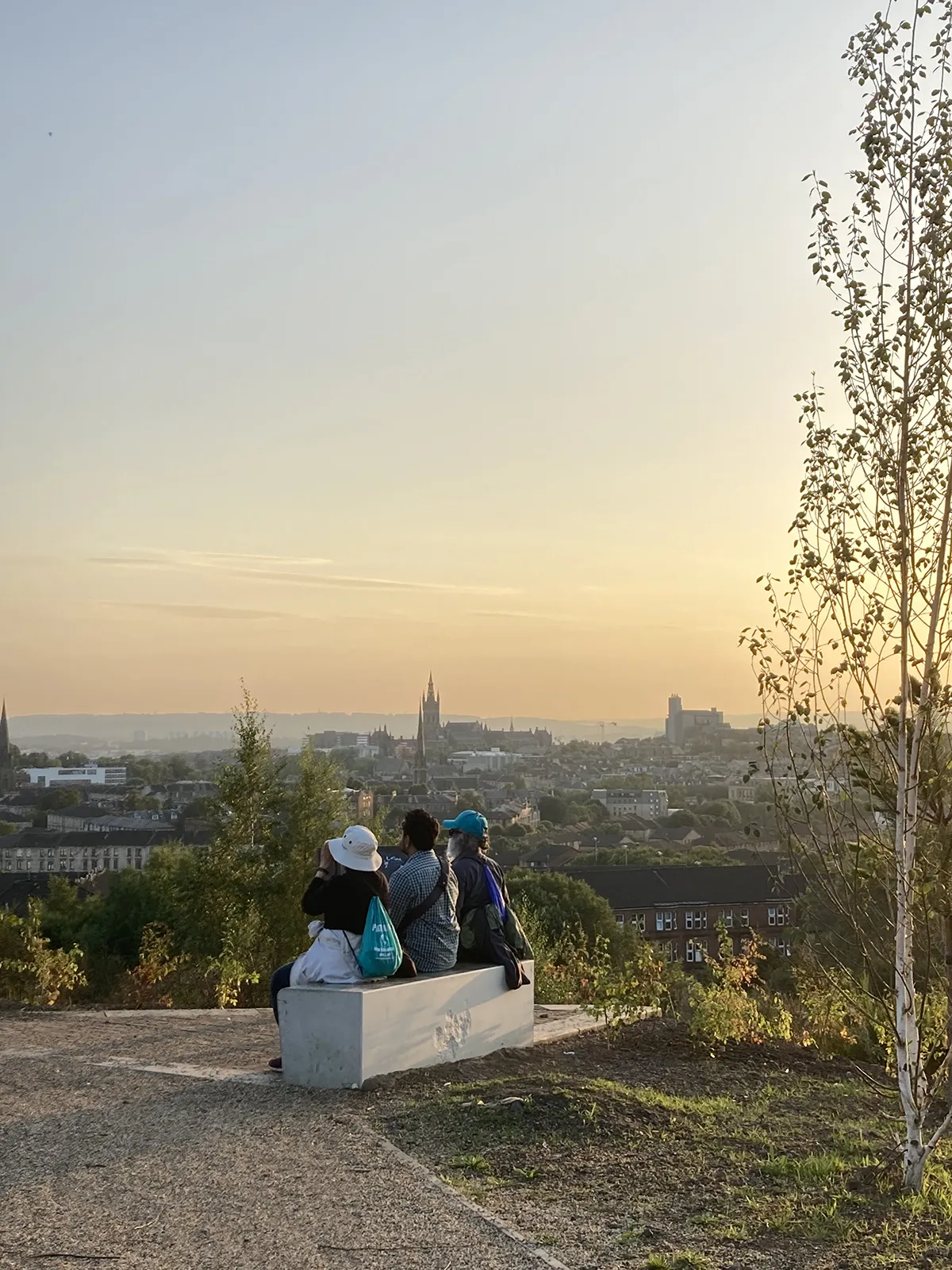
In August 2021, a motion was brought to the Scottish Parliament congratulating all involved, recognising its positive environmental and social impact.
The Glasgow Claypits
Designer Credit: LUC
Client: Scottish Canals
Collaborators/Other Consultants:
David Narro Associates, Thomas and Adamson, DSSR, AECOM, Mackenzie Construction Ltd
Photographer/Image Credits: LUC