
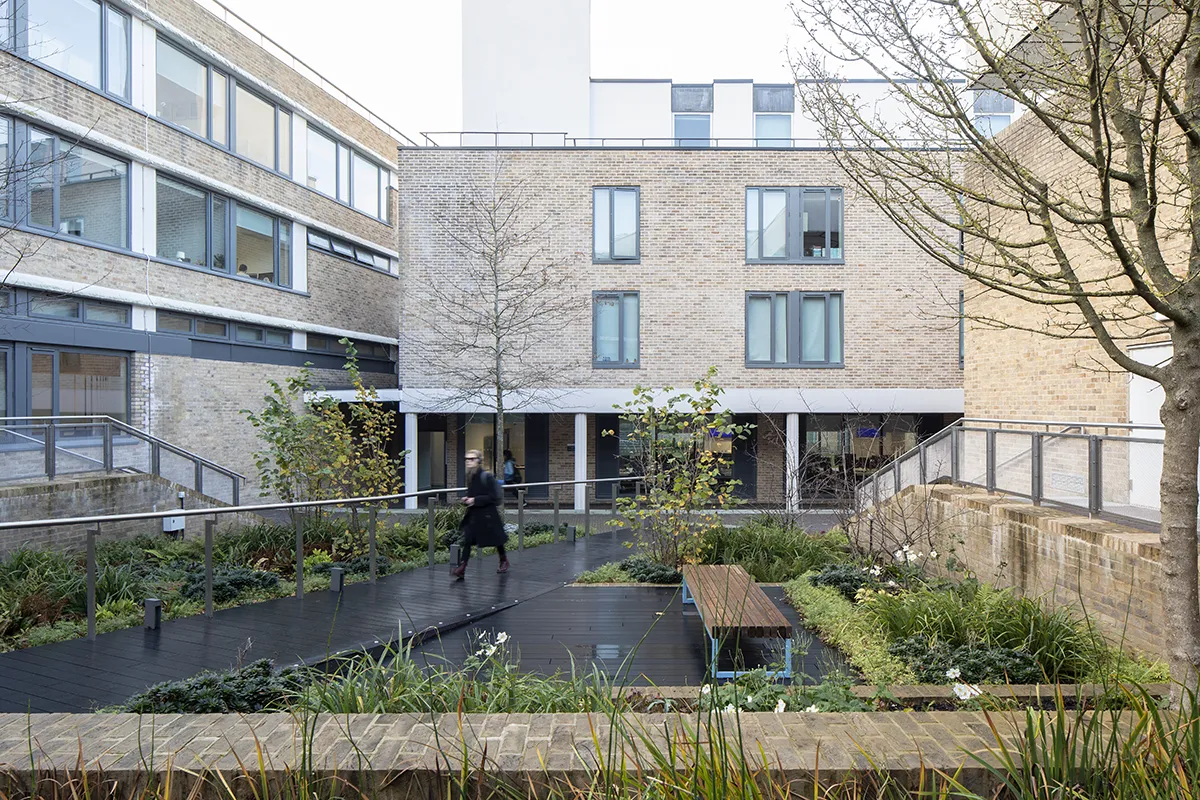
The Spine at Lancaster University – a kilometre-long pedestrian route through the heart of campus – has been reimagined as a necklace of garden rooms that reflect the identity, outdoor life, and evolving needs of this northern UK university.
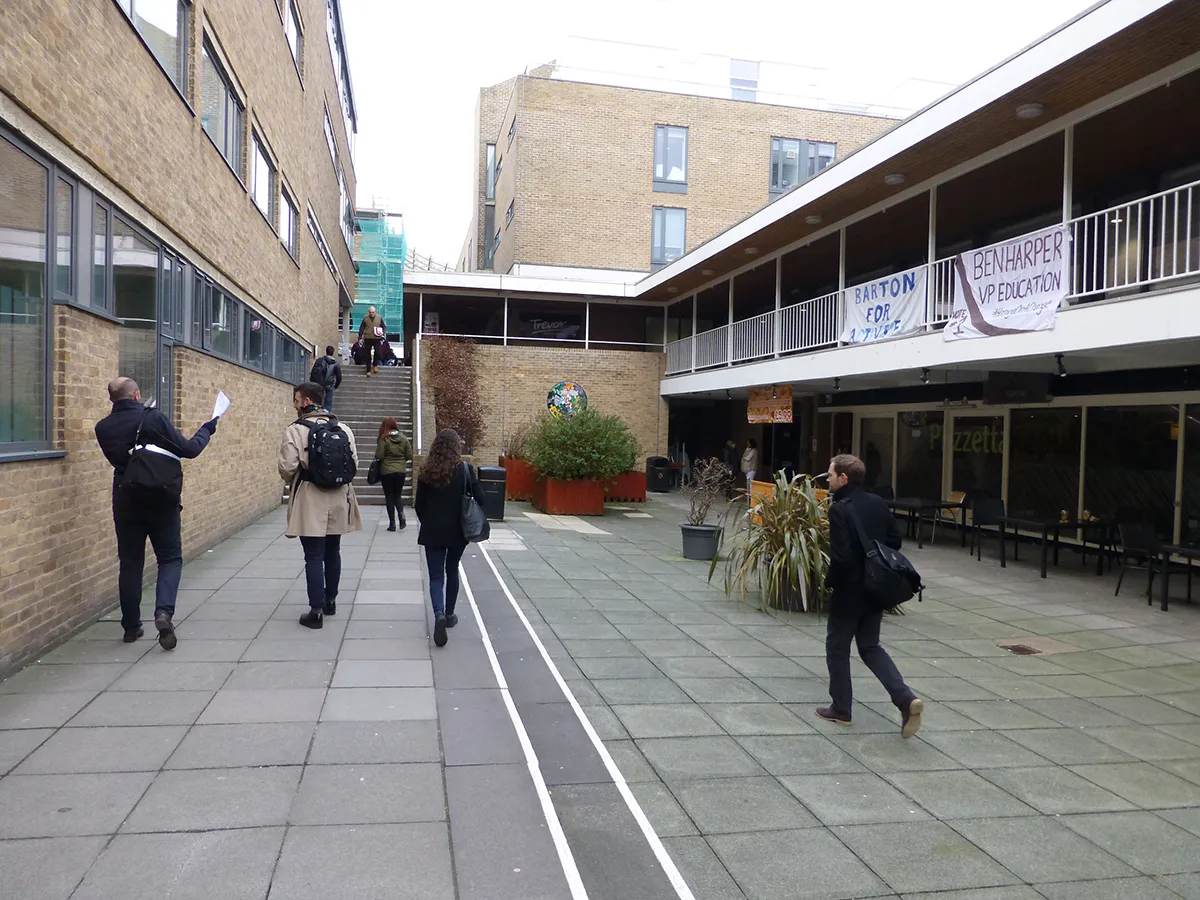
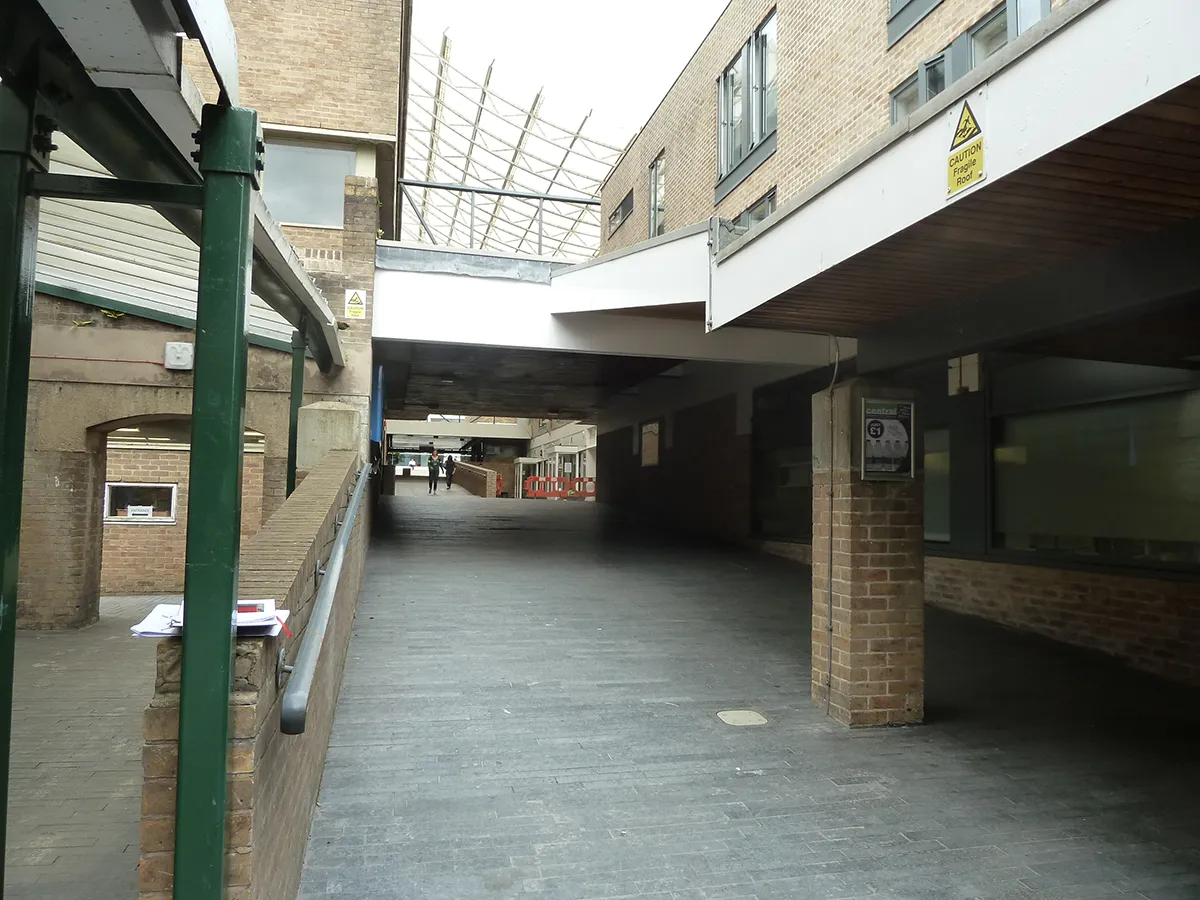
Originally envisioned in 1964 by Shepheard Epstein, the Spine was a bold statement of civic public realm within a university setting. Over time, however, its clarity and ambition were eroded by piecemeal interventions and heavy canopy structures that limited light, orientation, and user experience.
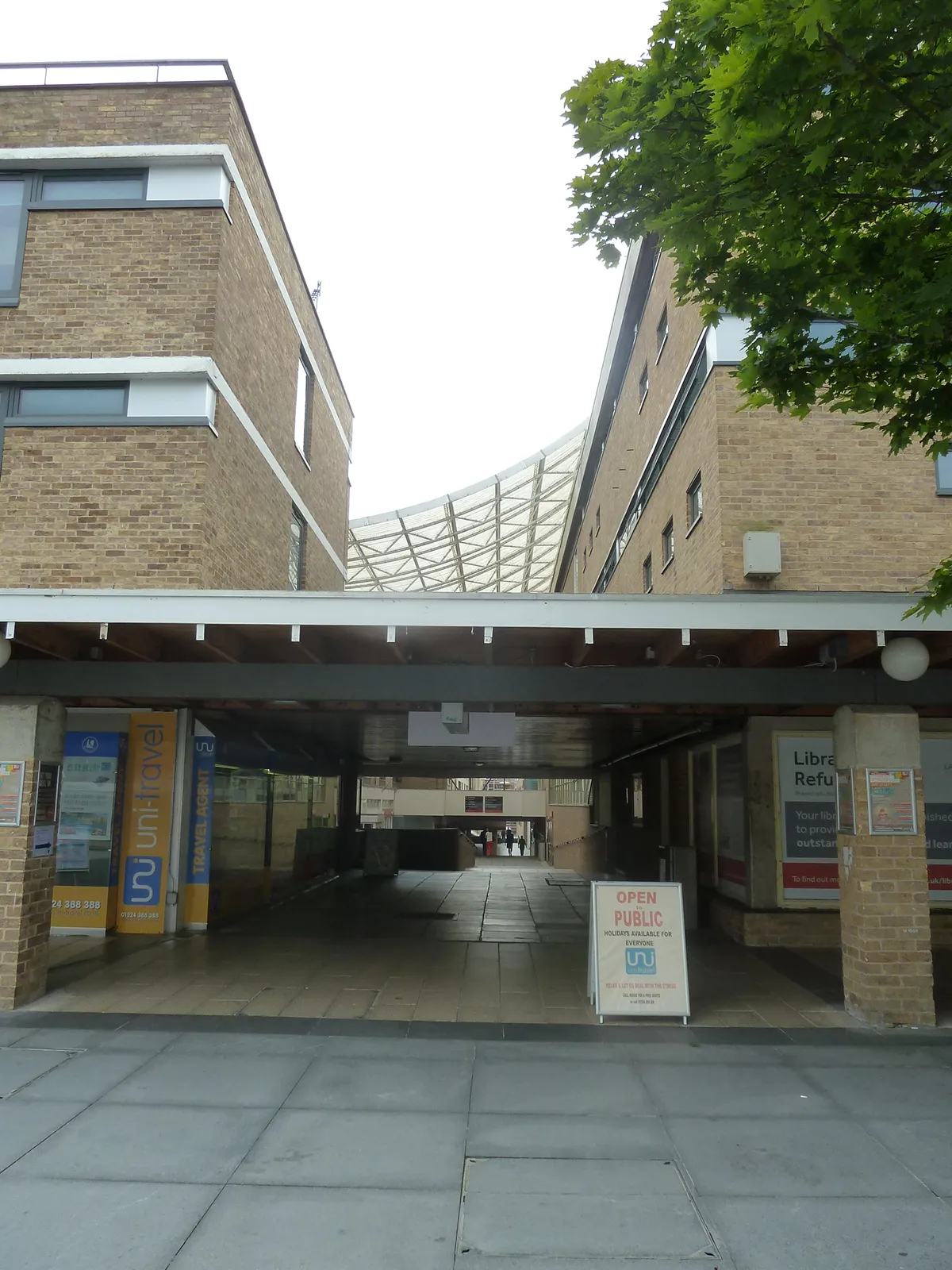

In collaboration with MICA Architects, Grant Associates won a national design competition in 2015 to transform the Spine – not just as a thoroughfare, but as a vibrant sequence of public spaces that celebrate the site’s landscape context while enhancing connectivity, wellbeing, and ecological performance.
From grey infrastructure to green interventions
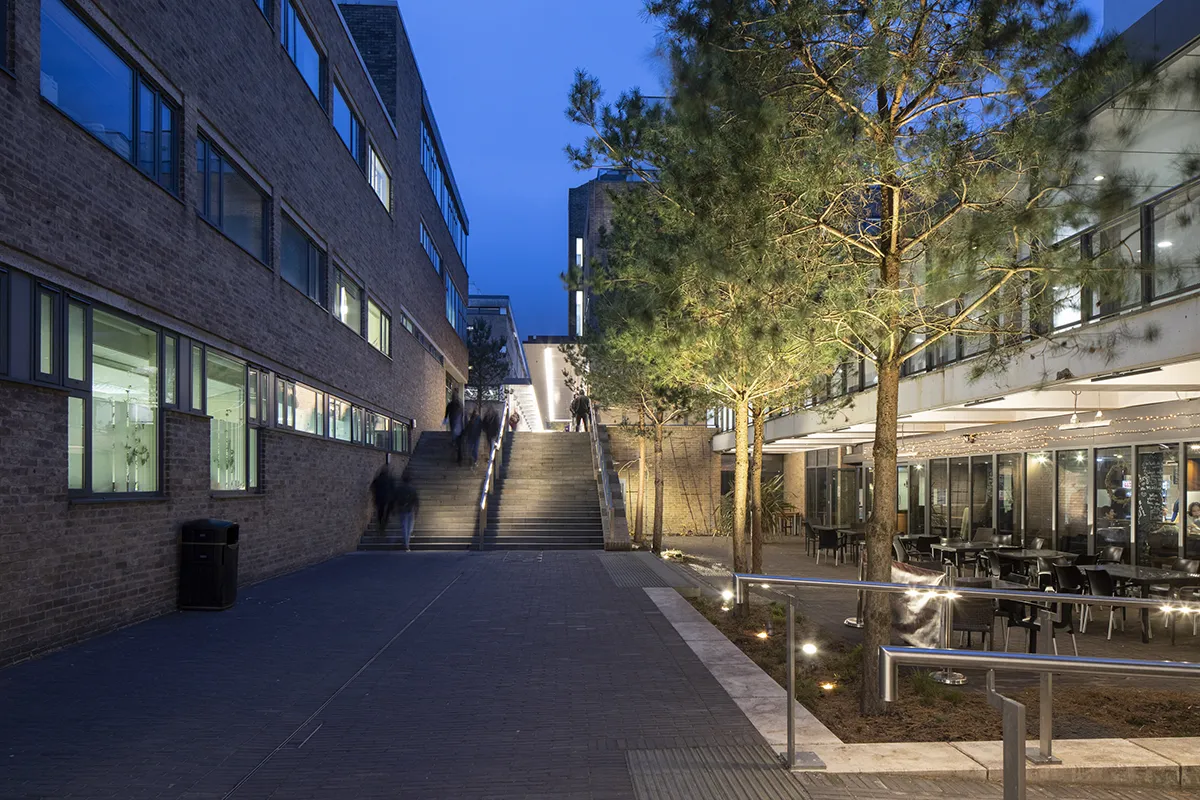
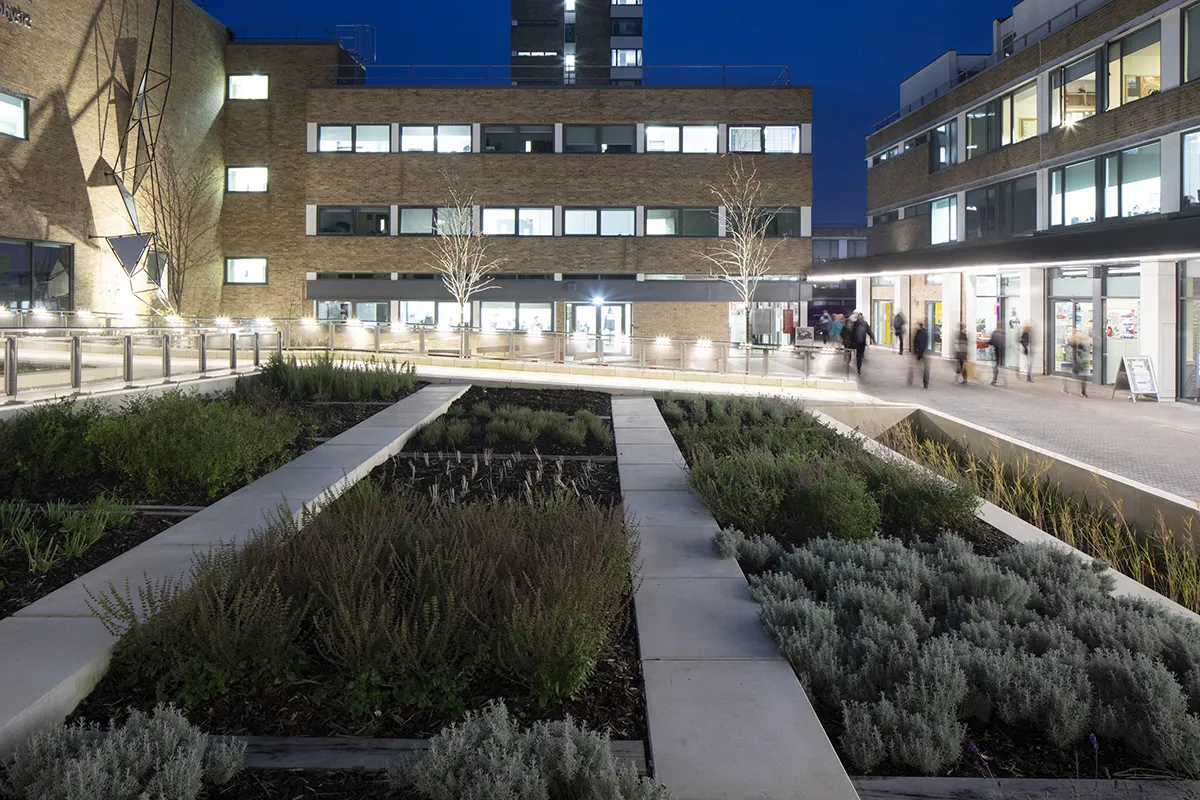
Set between Morecambe Bay and the Forest of Bowland AONB, the rejuvenated Spine draws inspiration from its wider ecological setting. The design establishes a series of distinctive spaces – from woodland courts and formal squares to productive gardens – each rooted in the surrounding landscape’s character.
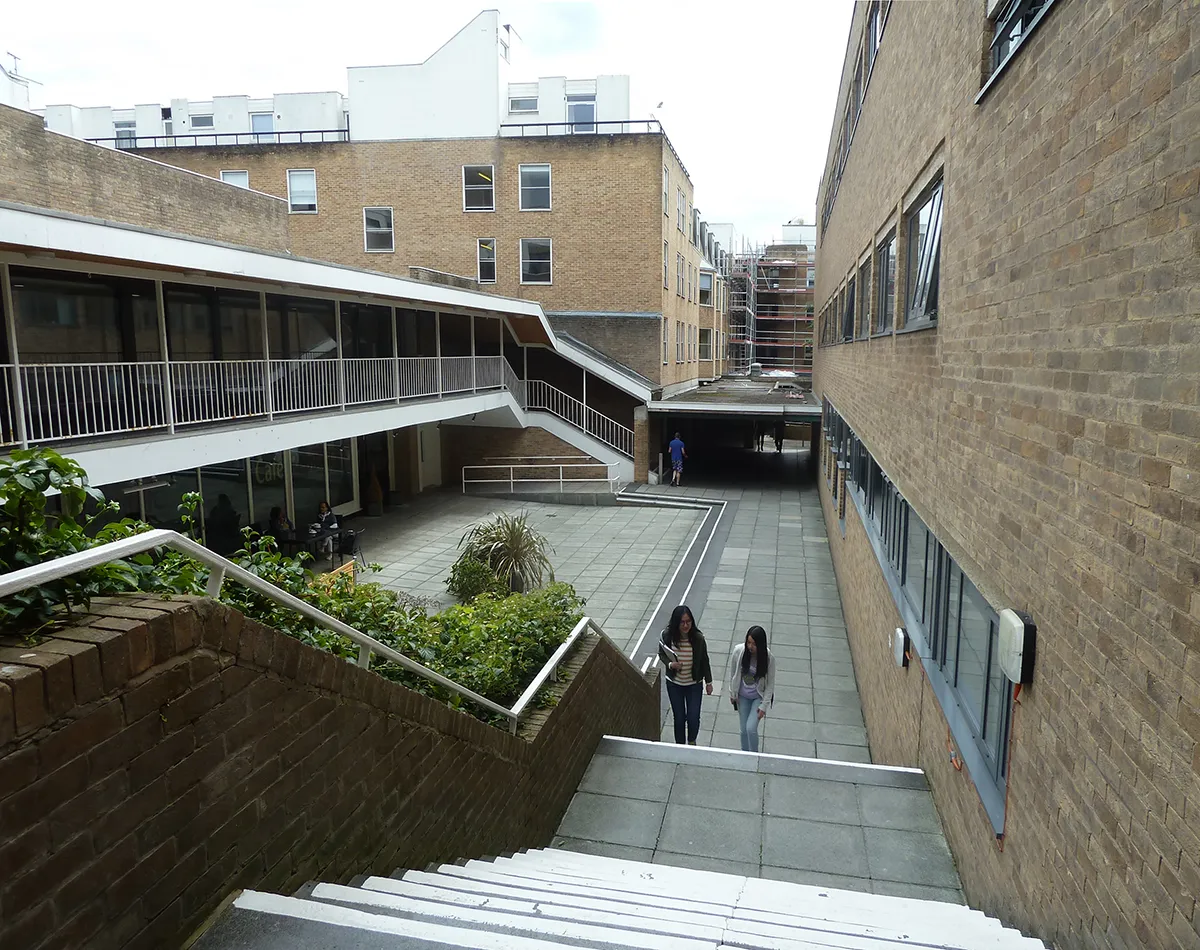
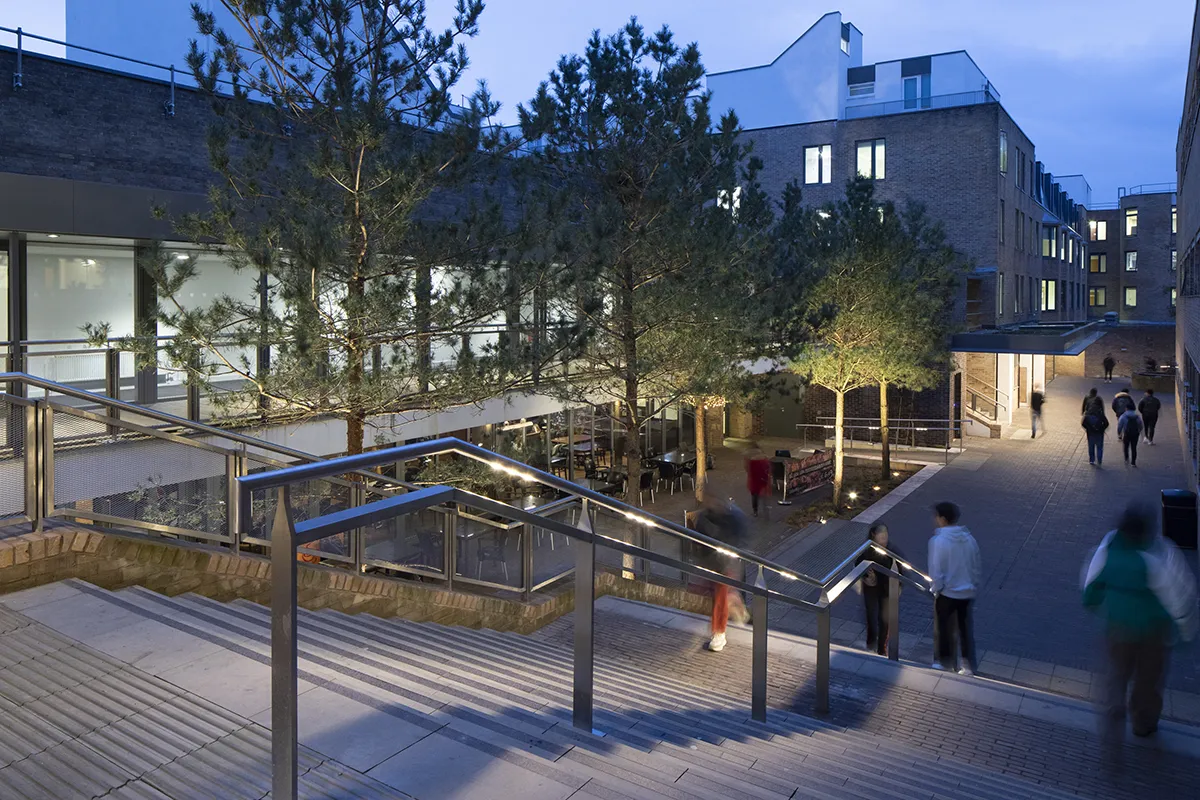
The planting is bold and resilient, delivering biodiversity, sensory variety, and seasonal change. Highlights include a Scots Pine Pinetum, edible gardens linked to the university’s sustainability programme, an orchard of regional fruit trees, and a lush fernery that filters surface water.
Lifting the canopy, revealing the landscape
One of the most significant interventions is the replacement of the outdated canopy system. Removing the central columns and introducing a cantilevered design opens views, maximises daylight, and creates a more generous sense of space. Its green sedum roof manages rainwater, while the reflective underside brightens the route and strengthens the dialogue between built and natural elements.

A resilient framework for the future
The Spine now integrates sustainable drainage (SuDS), climate-adapted planting, and modular construction. Inclusive spaces for walking, resting, gathering, and studying support mental wellbeing, biodiversity, and social connection. Wayfinding has been improved through material transitions, lighting, and distinct entrances at either end of the route.
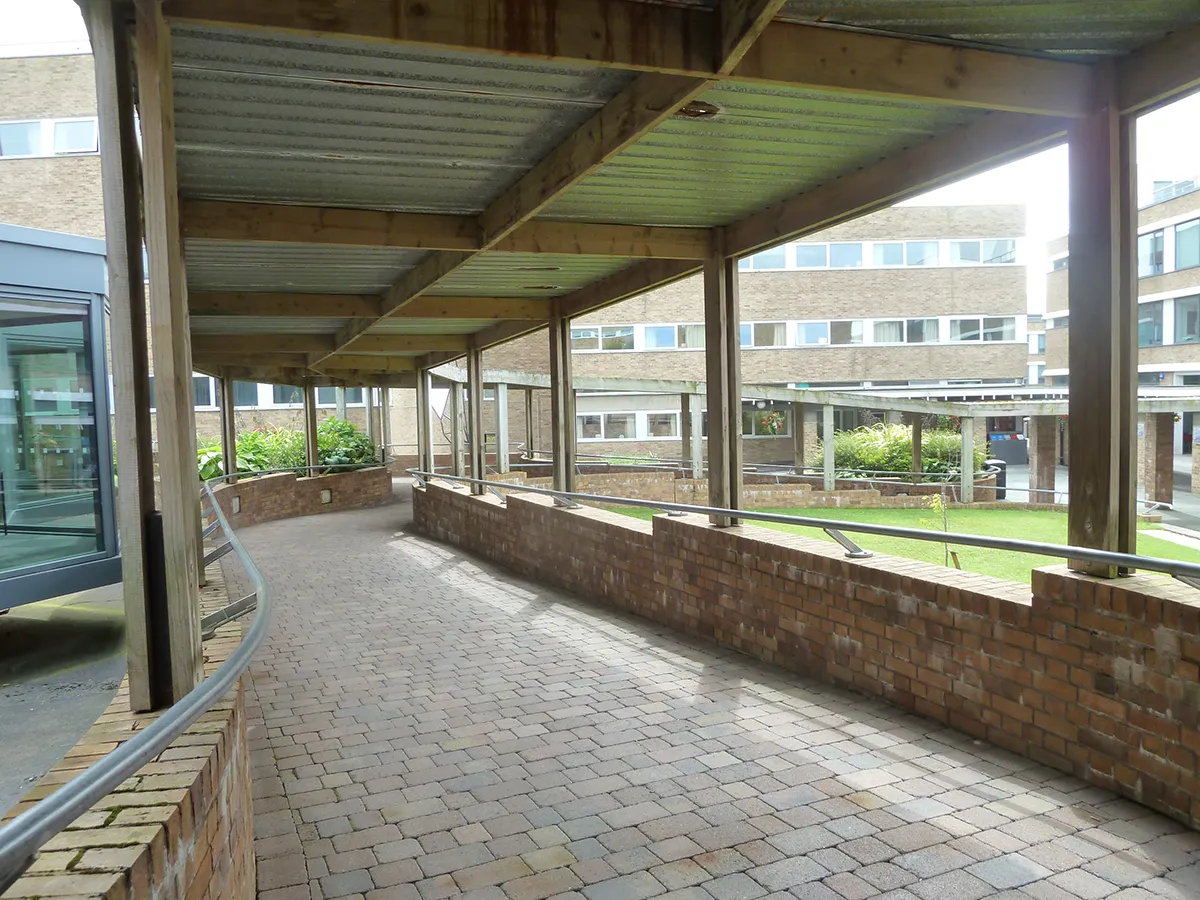
More than a walkway, the rejuvenated Spine is an adaptable, inclusive corridor – one that reconnects people with landscape, enriches campus life, and strengthens the university’s identity for generations to come.
Lancaster University’s ‘Spine’
Designers: Grant Associates, in collaboration with MICA Architects
Landscape Architect: Grant Associates
Images Credit: Grant Associates; Richard Chivers;