
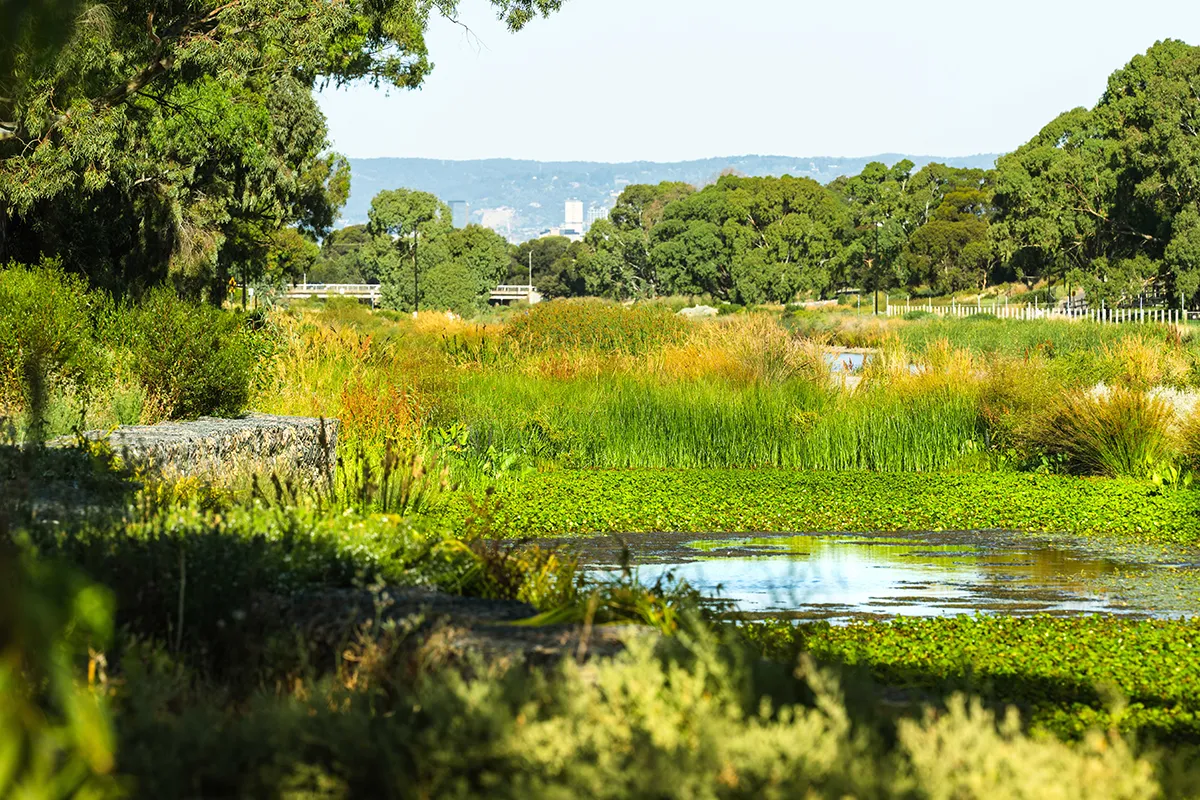
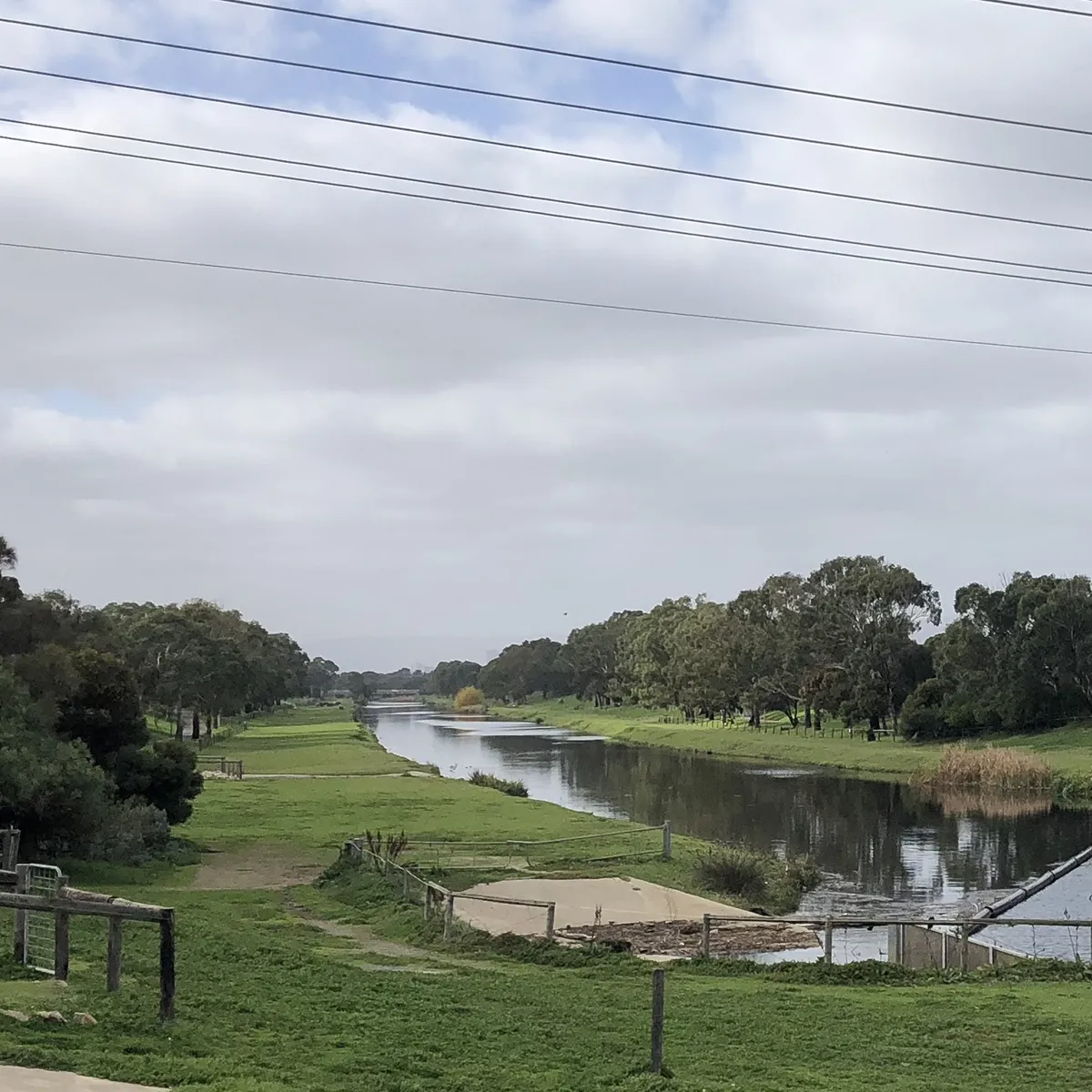
Purruna Pari (Breakout Creek) Stage 3 is the final stage that completes a nearly three-decade process to naturalise the river’s lower reaches. Located between Tapleys Hill Road and Seaview Road on Kaurna Country in Adelaide’s western suburbs, its delivery has relied on close collaboration between Green Adelaide, the City of Charles Sturt, the City of West Torrens, Kaurna Yerta Aboriginal Corporation, and a multidisciplinary team comprising TCL, engineers, ecologists, planners and contractors. Each organisation has contributed specific responsibilities and expertise – from flood protection and stormwater management to ecological restoration, active transport, community health and traditional custodianship – resulting in a shared landscape that respects each priority without allowing any one to dominate.
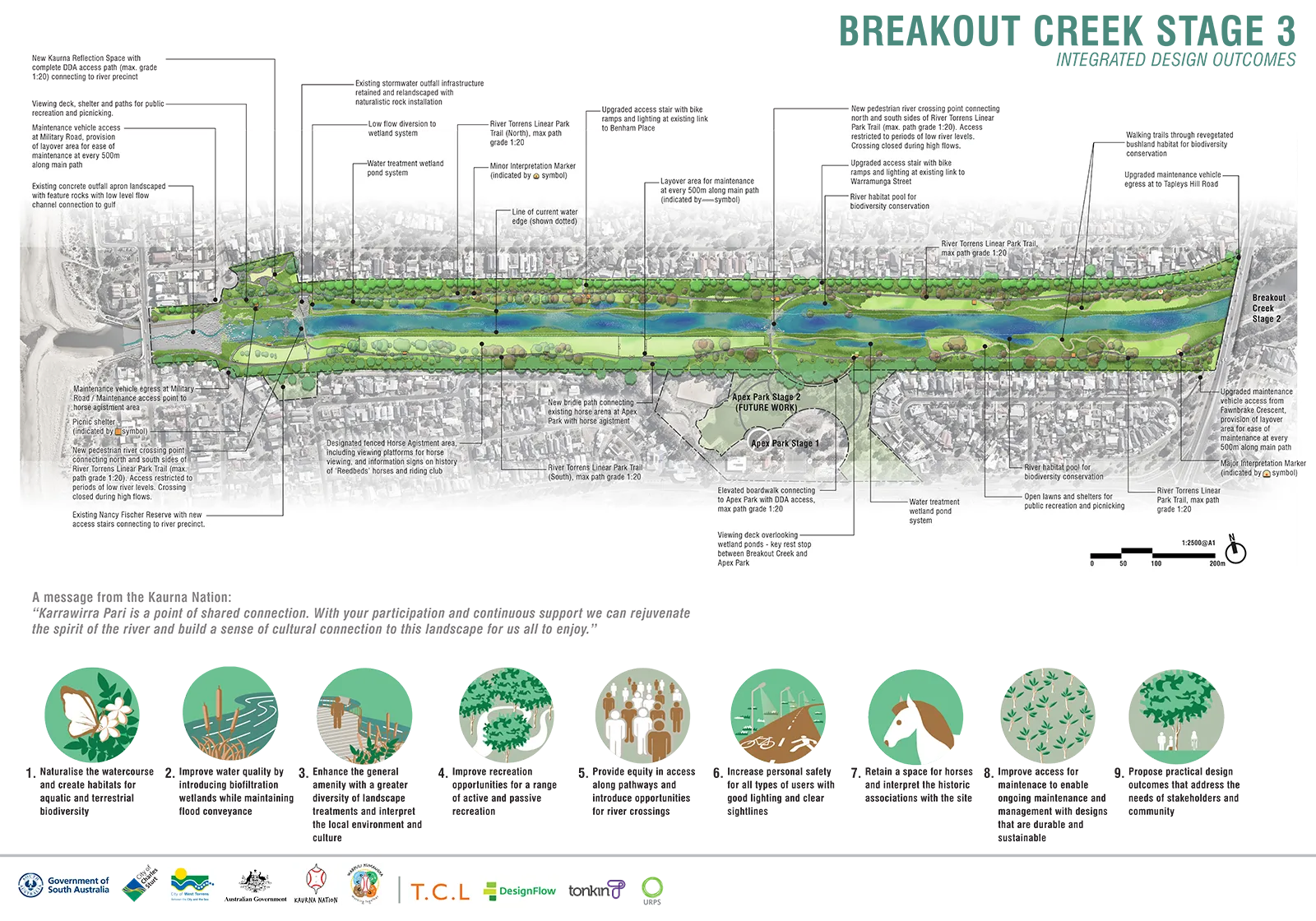
Lessons from previous stages helped the TCL design team understand the challenges and opportunities of the site’s location within a suburban context, whilst balancing flood control within a new naturalised river environment. The team recognised an opportunity to establish connections across the linear park between neighbouring areas, enhancing children’s school travel and residents’ easier access to sports and community facilities.
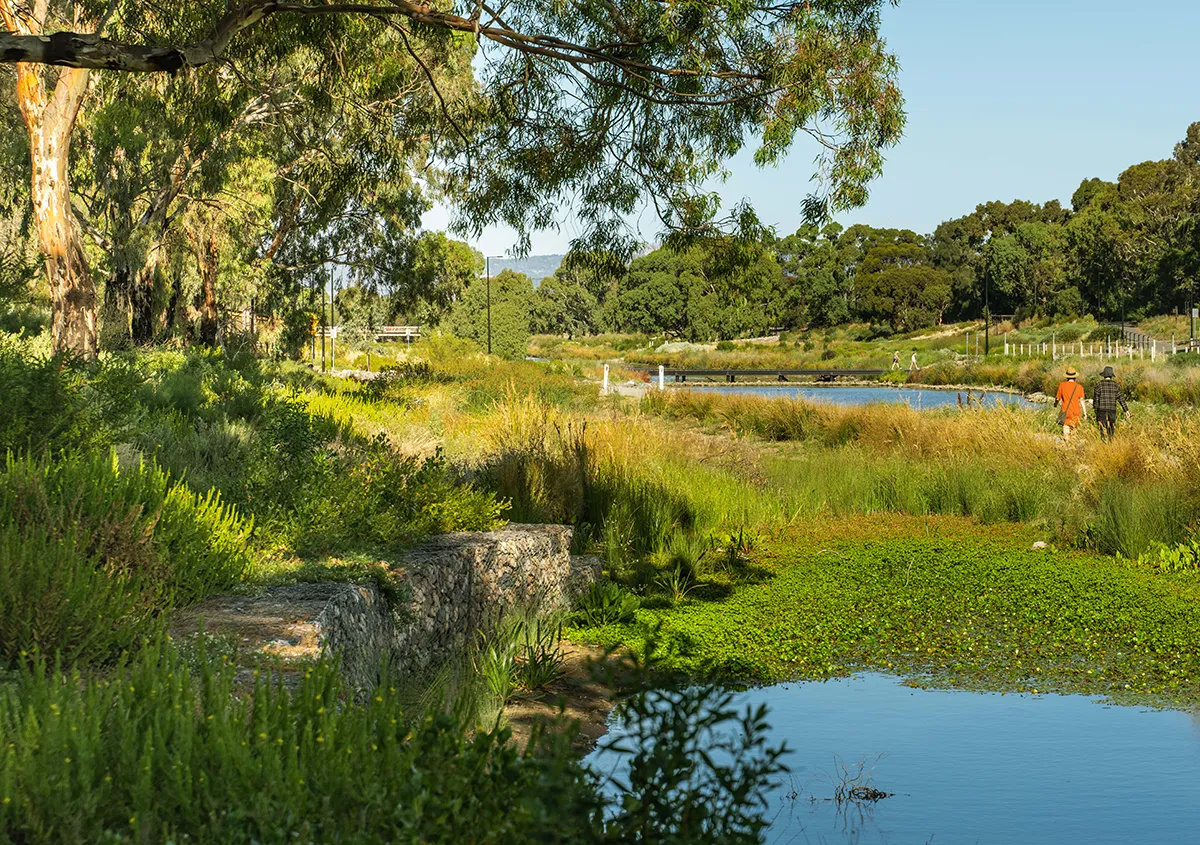
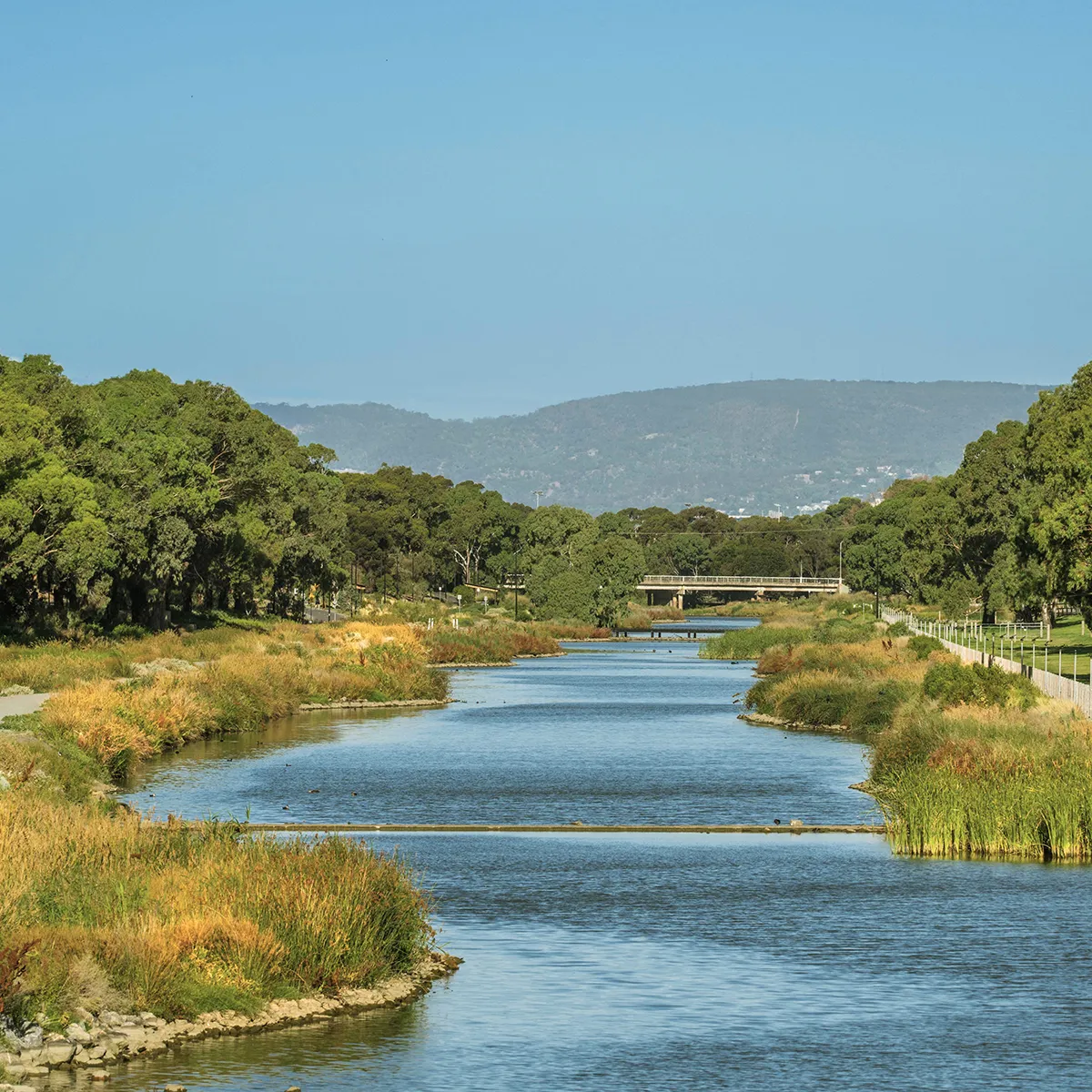
Critical levee structures to safeguard nearby neighborhoods were preserved, while the river corridor was redesigned into a more intricate and resilient system. The new wetlands, benches, backwaters, and in-stream features help slow and filter water; more than 245,000 indigenous plants across 80 species establish a robust riparian and floodplain ecosystem. Habitat structures support aquatic, bird, and terrestrial life. A dual wetland system now manages runoff from 125 hectares of residential land, balancing ecological health with technical needs.
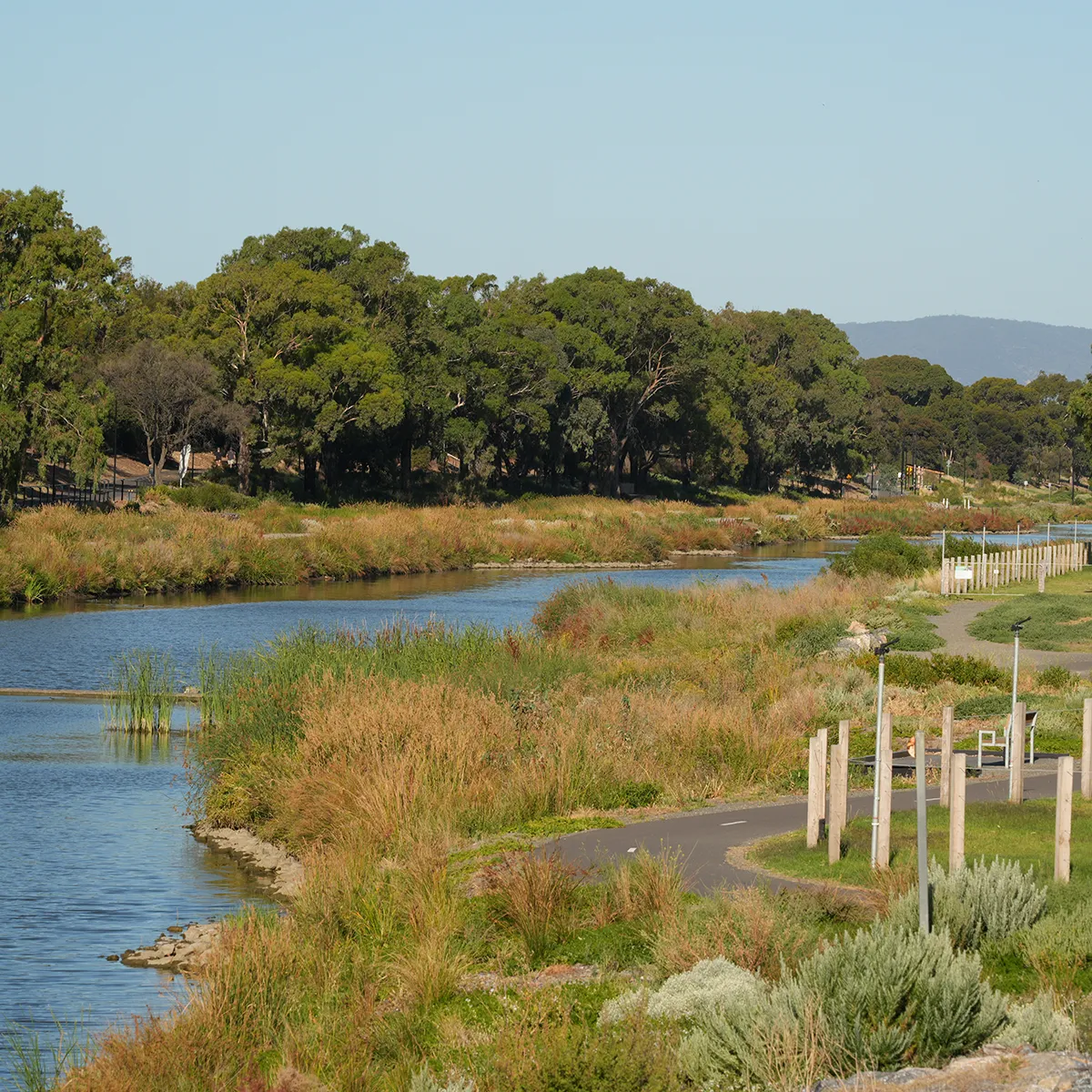
Purruna Pari (Breakout Creek) Stage 3 is built around achieving measurable ecological results. It uses a planting palette of locally suitable species that add structure, seasonal changes, and habitat diversity, supporting breeding sites for Rakali, Australasian Bittern, the Yellowish Sedge-Skipper butterfly, and rewilding efforts for Southern Purple-Spotted Gudgeon. Material choices and construction methods focus on reducing embodied carbon and waste by reusing on-site soils, avoiding imported fill, and using recycled materials. The system manages about 60 million litres of stormwater annually and prevents roughly 95 kilograms of nitrogen from entering Gulf St Vincent, helping the project meet its climate-positive goals throughout its lifespan.
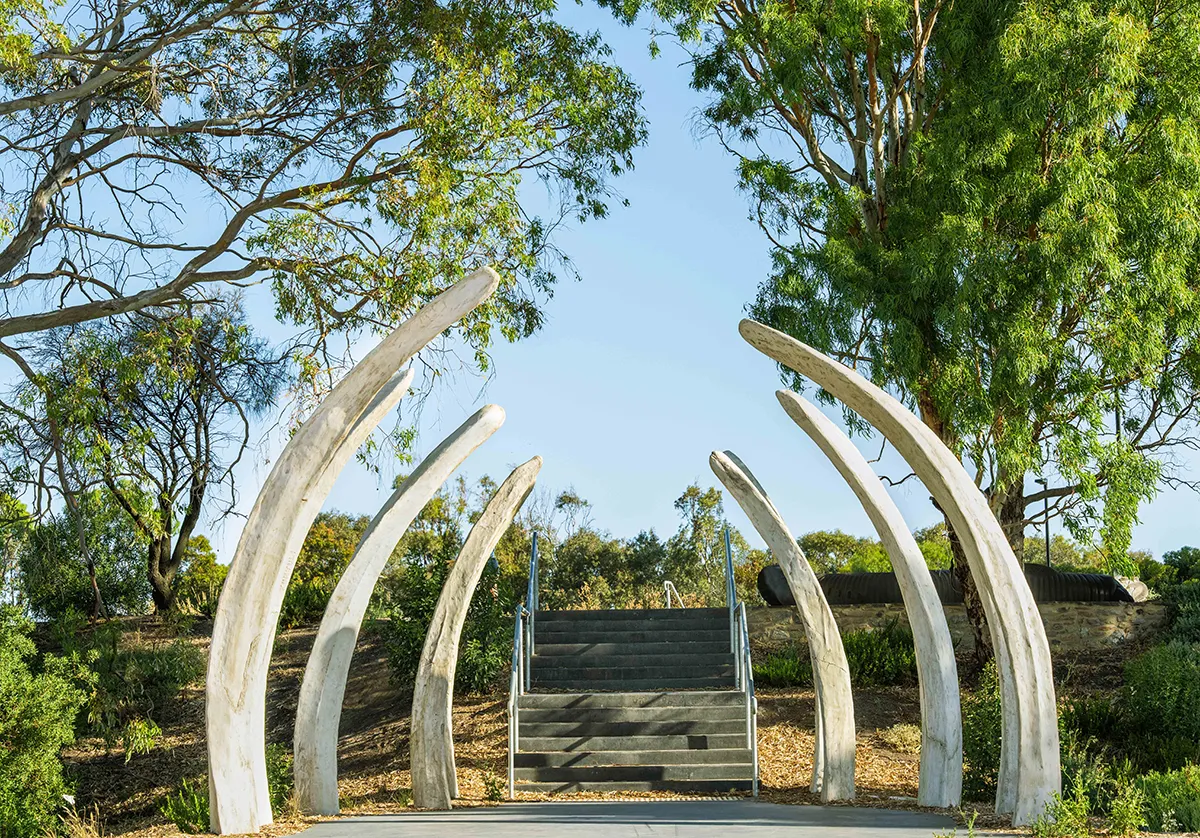
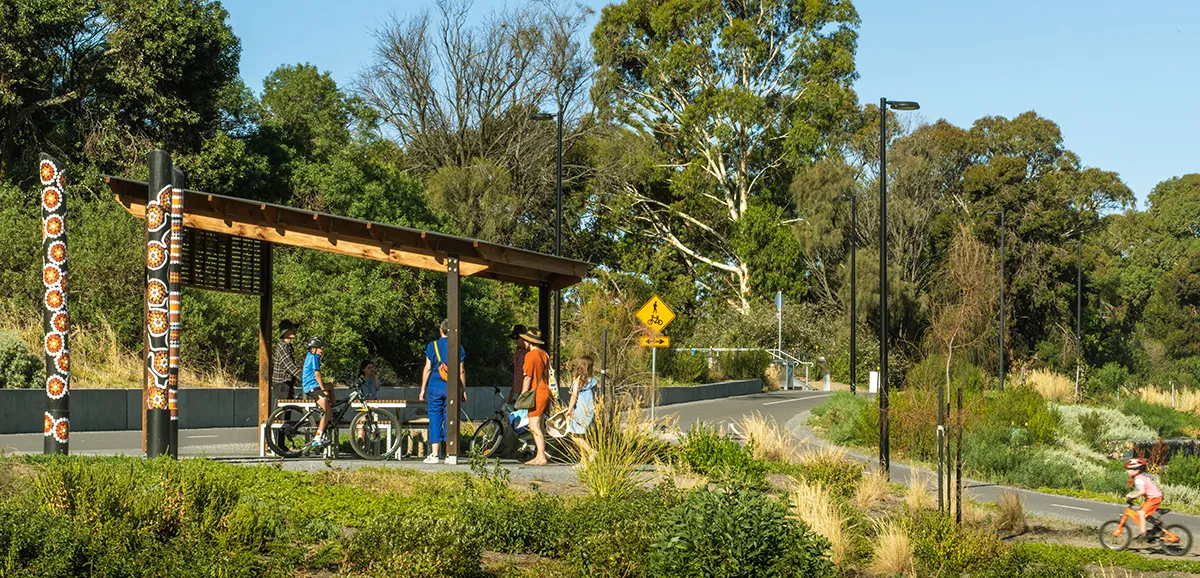
The transformation of Purruna Pari (Breakout Creek) has been guided by Kaurna knowledge and custodianship. Engagement with Kaurna Yerta Aboriginal Corporation and Kaurna Elders shaped the project’s approach to planting, access, interpretation and naming, while integrated artworks and cultural markers by Kaurna / Ngarrindjeri / Yankunytjatjara artist Allan Sumner bring forward stories, language and songlines specific to this stretch of river.
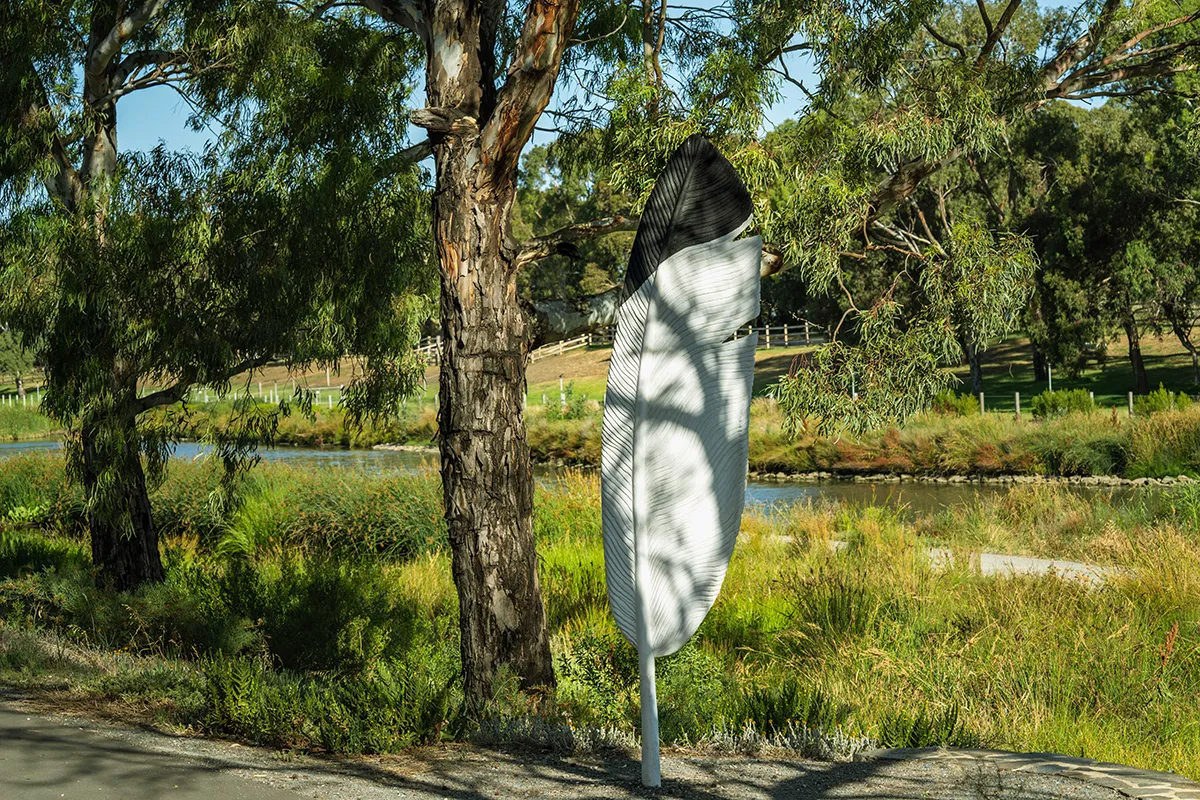
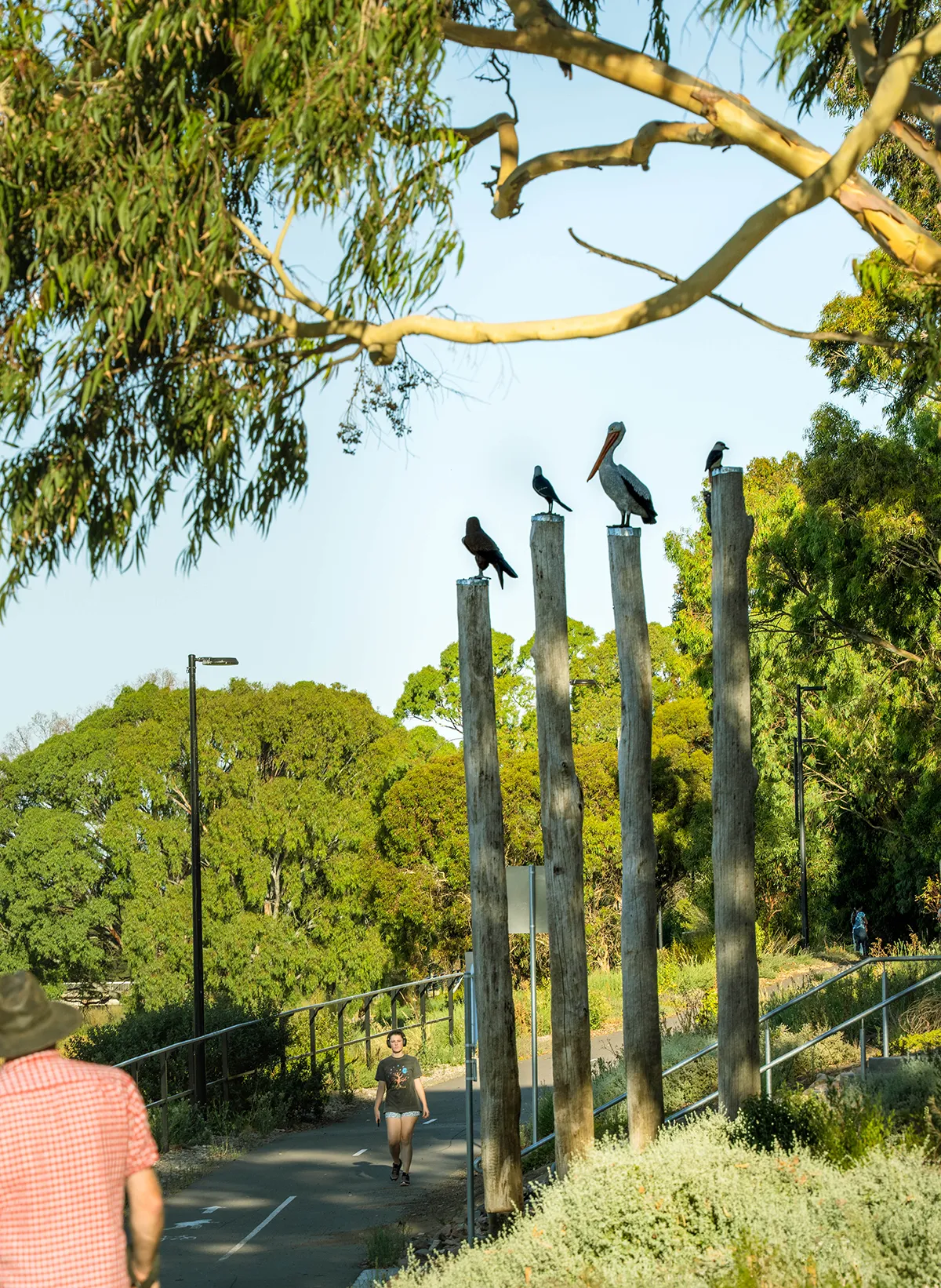
During the design process, the design team recognised the importance of creating an evolving document to elevate traditional owner engagement by including conversations and stories about the river’s significance and its past as a series of pools rather than a linear waterway.
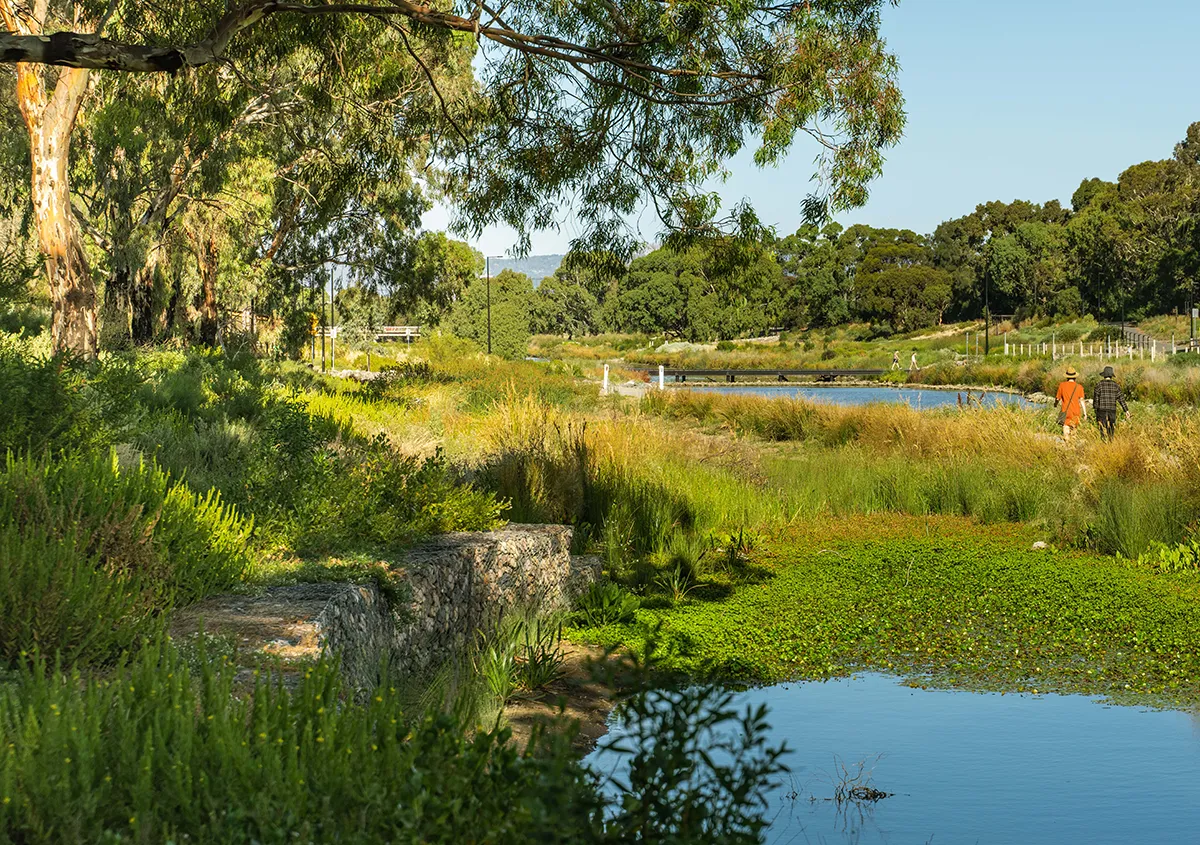
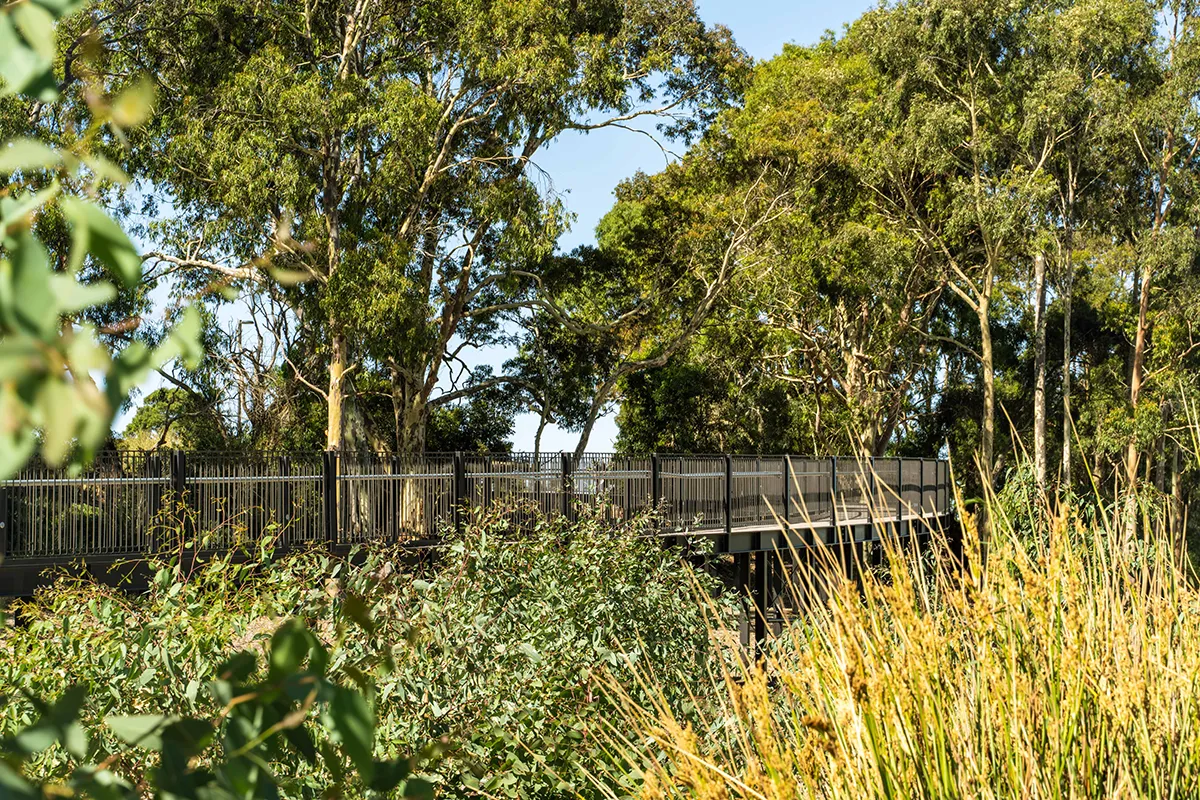
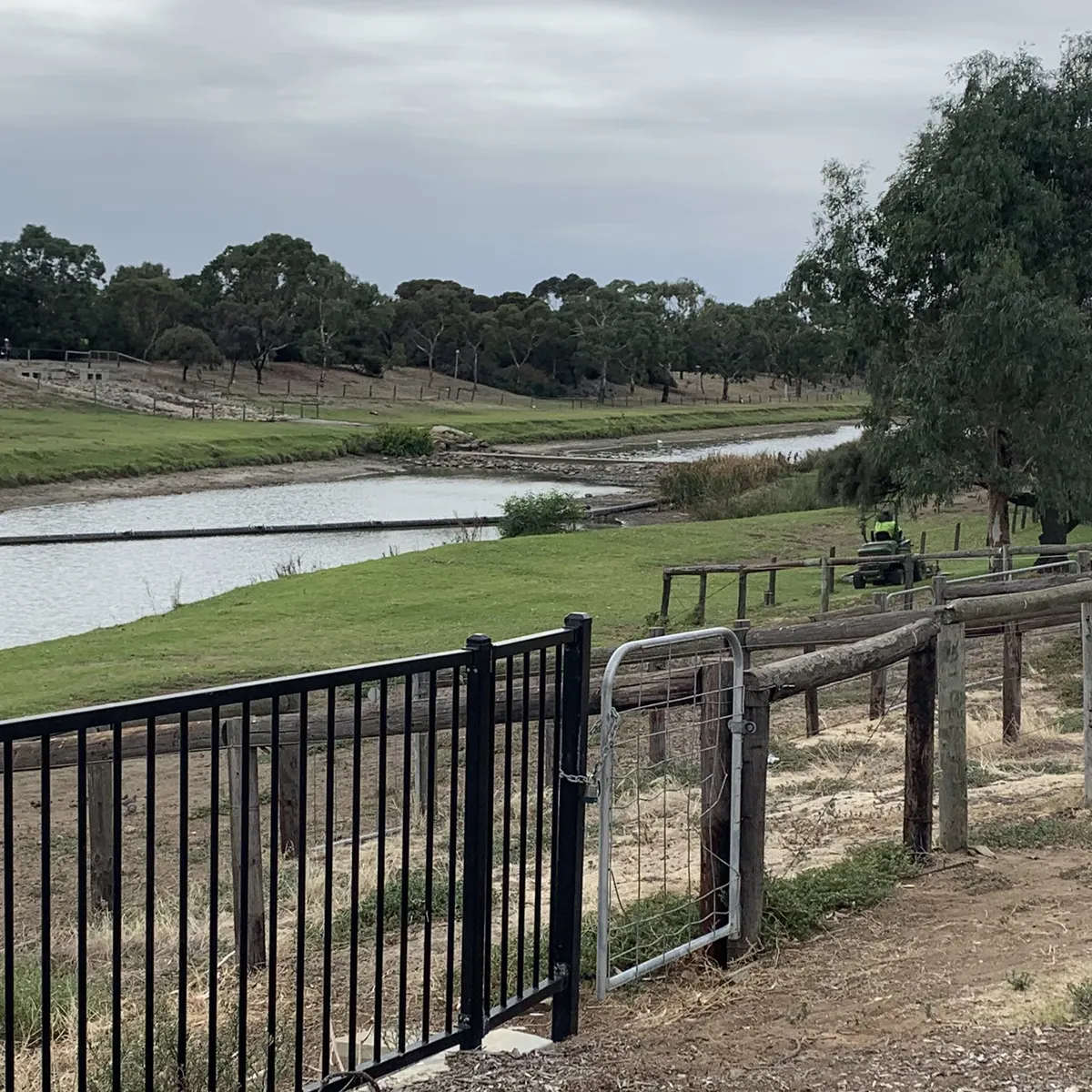
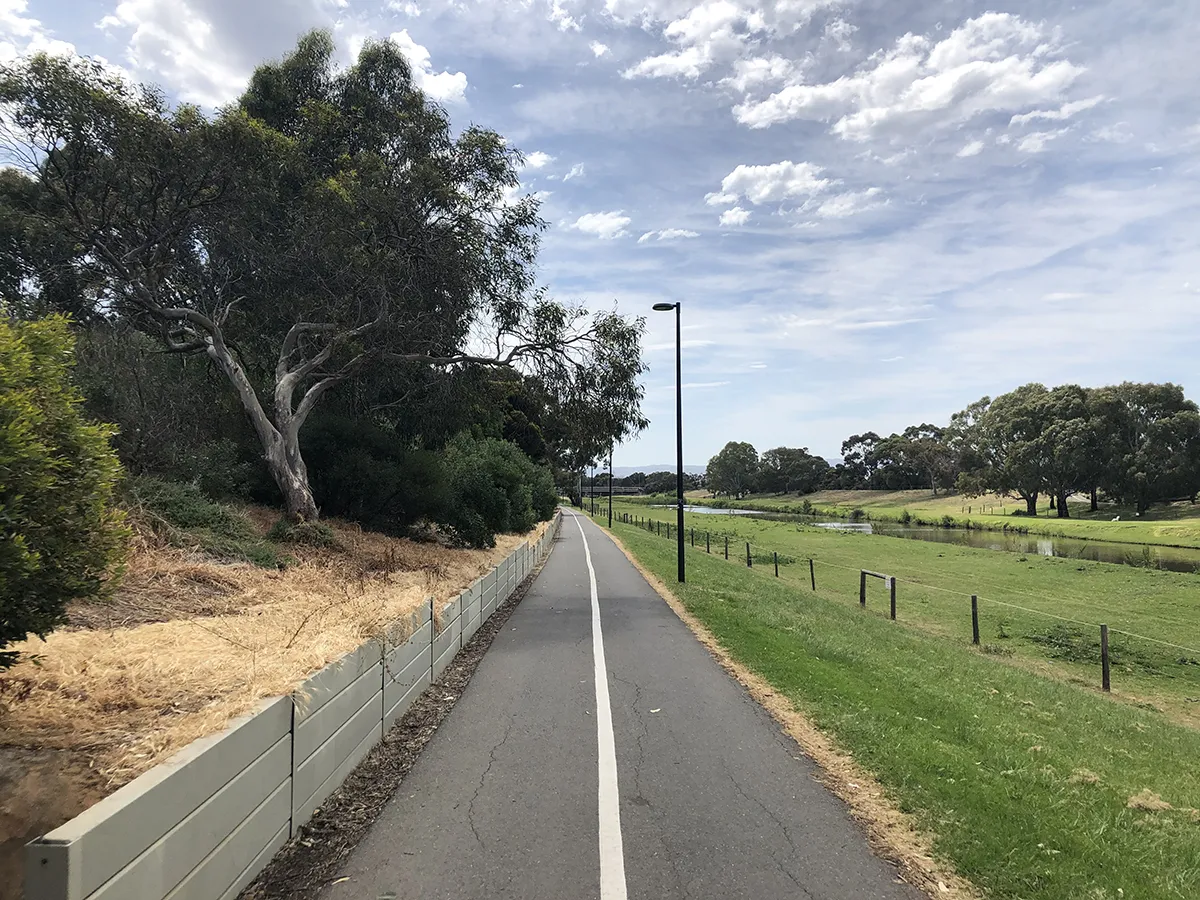
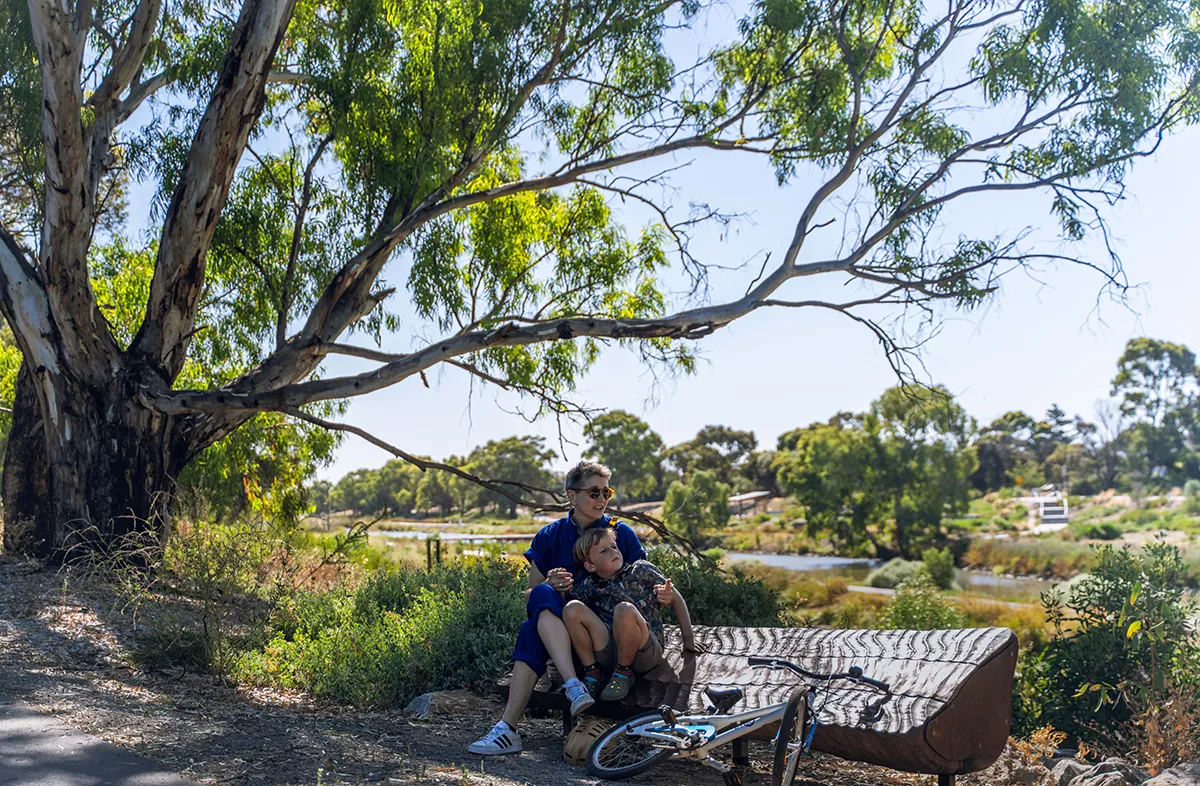
Alongside ecological renewal, the project enhances public access and wellbeing. New paths, bridges and boardwalks stitch together reserves, schools and sporting facilities on both sides of the river, creating a continuous walking and cycling corridor. Accessible connections, clear sightlines, lighting and a legible path hierarchy support safety and ease of movement, while viewing decks and small shelters invite people to slow down and observe the recovering river system. Retained and upgraded horse agistment areas ensure longstanding local uses continue alongside new forms of recreation, allowing the landscape to function as both a neighbourhood park and a piece of metropolitan green infrastructure.
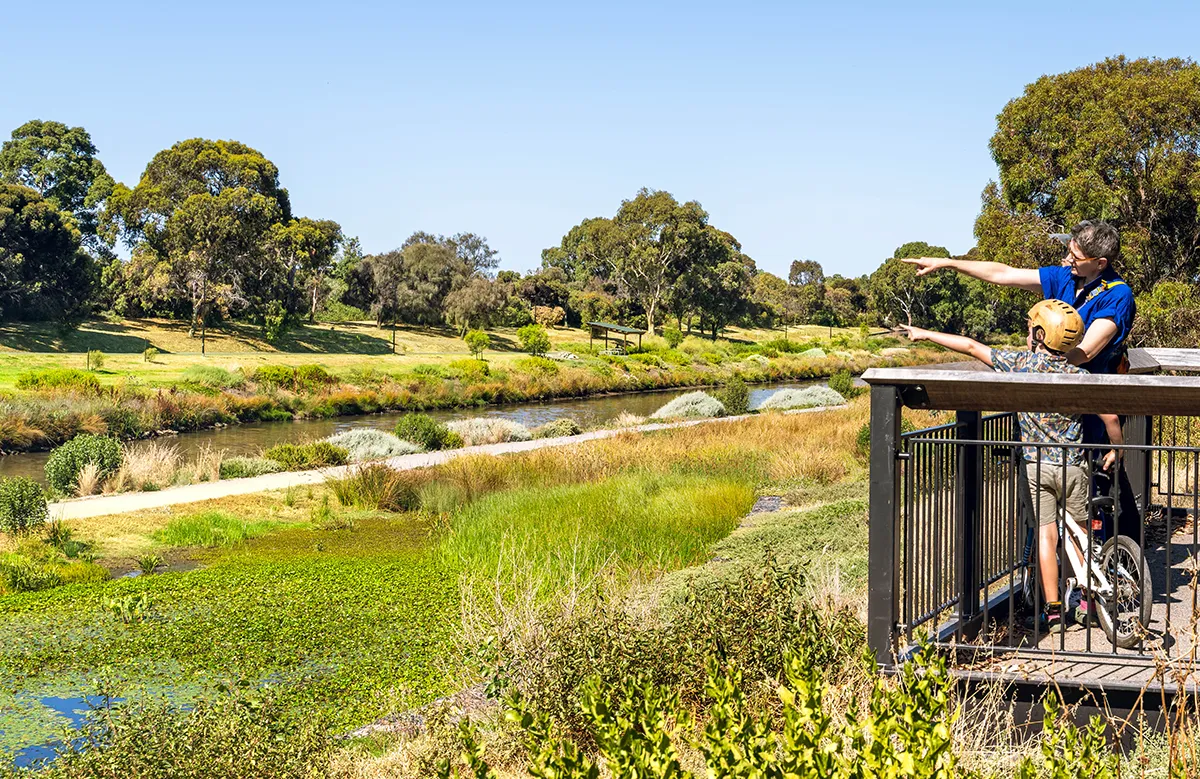
Purruna Pari (Breakout Creek) Stage 3 showcases what can happen when various agencies work together towards a long-term, integrated plan for an urban waterway. Flood control, ecological restoration, cultural recognition, recreation, and climate resilience are seen as interconnected aspects rather than separate goals. The recent awards recognize this joint success and highlight how coordinated efforts like this could help transform urban waterways in other locations.
Breakout Creek / Purruna Pari Stage 3
Location: Adelaide, South Australia, Australia
Landscape architect: TCL
Cultural Collaborators:
KYAC – Kaurna Yerta Aboriginal Corporation: Lynette Crocker
KYAC: Merle Simpson
KYAC: Corey Turner
Kaurna /Ngarrindjeri/Yankunytjatjara Artist: Allan Sumner
Other Collaborators:
Client Group: Green Adelaide, City of Charles Sturt, and City of West Torrens
Wetland / Hydrological Engineering: Design Flow
Civil, Structural & Hydrological Engineering: Tonkin
Planning and Consultation: URPS
Quantity Surveying: RLB
Certifier: Katnich Dodd
Soil management: ProAg Soil Management
Kaurna /Ngarrindjeri/Yankunytjatjara Artist: Allan Sumner
Civil / Landscape Construction Lead: Bardavcol
Landscape Construction Partners: EcoDynamics
Project Management: SA Water
Photography credits: Jackie Gu, TCL
Project Funding: Breakout Creek redevelopment is a joint project between #GreenAdelaide, City of Charles Sturt, City of West Torrens, the Australian Government, SA Department for Trade and Investment and SA Water