
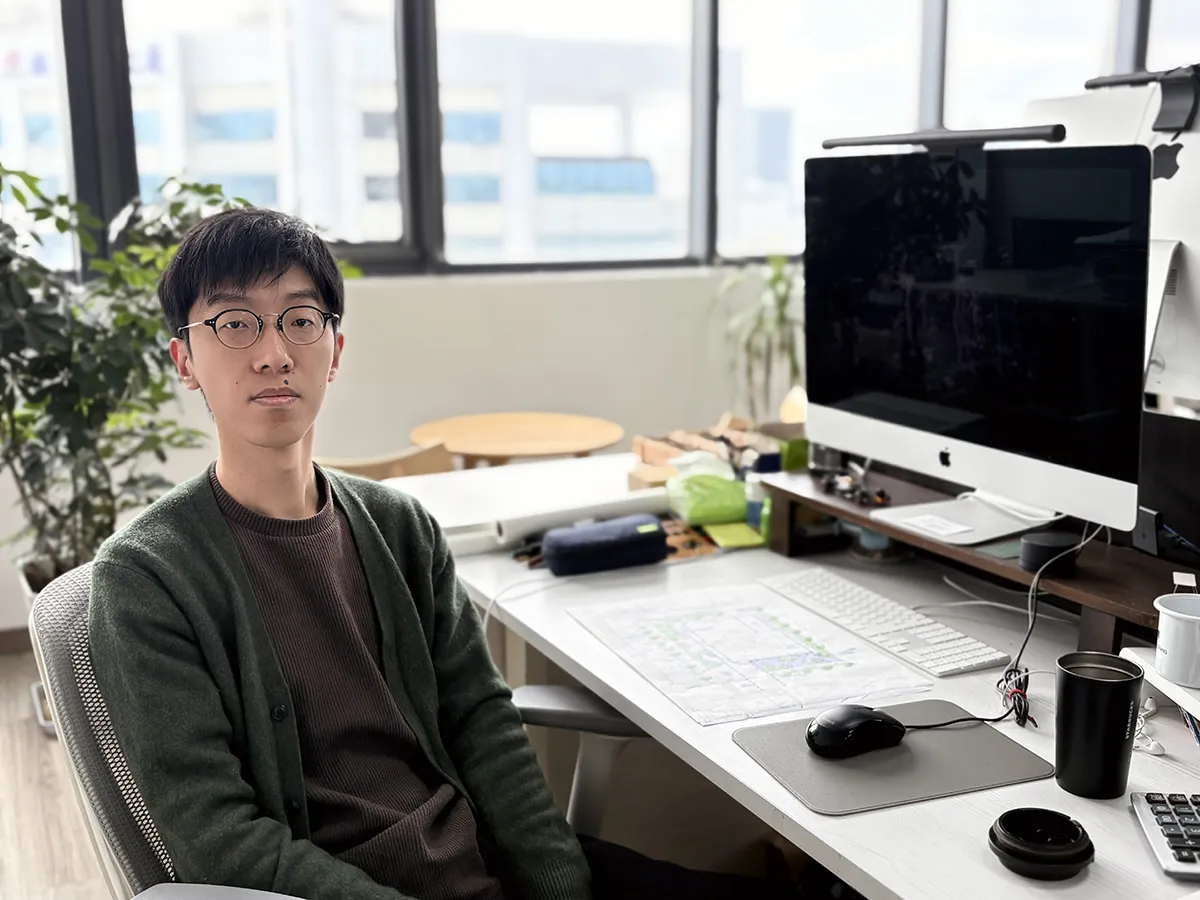
Zhang Li is a Senior Associate / Chief Landscape Architect at TOA Landscape Architecture in Shanghai. After completing his master’s degree in landscape architecture at Kogakuin University in Japan, Zhang Li joined the renowned design firm Studio on Site in 2016. There, he developed a hands-on design approach through involvement in various hospitality projects including Hoshinoya Guguan in Taiwan, Hoshinoya Okinawa, and OMO 7 Osaka. He joined TOA Landscape Architecture in 2023. Zhang Li is a registered landscape architect in Japan and a member of the Japan Landscape Architects Union.
WLA | In recent years, landscape architects have often become the lead consultant. Have you dealt with this shift during your career?
This shift has been very evident in my recent professional experience, particularly in China. As overall living standards have improved, expectations for outdoor environments have evolved beyond basic functionality—no longer just “whether it exists” or “whether it is sufficient,” but rather “whether it is enjoyable,” “comfortable,” and “emotionally and ecologically meaningful.”
This transition from a focus on quantity to quality has naturally pushed landscape architects from a supporting role into that of a lead consultant.
In practice, many urban regeneration, commercial development, and community projects now require landscape architects to be involved from the early planning stages. We are often responsible for coordinating ecological strategies, circulation, functional programming, and user experience, while working alongside architecture and engineering disciplines. This level of early involvement and leadership was far less common a decade ago.
Ultimately, this shift is less about designers actively seeking control, and more a result of changing market demands and evolving social values.
WLA | During your career, you have worked in Japan and China. What differences have you observed between the two countries?
From my experience, the most significant difference lies in how each culture understands the expression of space.
In Japan, designers tend to convey rich meaning through restrained elements. Stone, trees, and moss can form a complete landscape. What might appear as “emptiness” is actually an intentional space left for the user’s interpretation. Japanese gardens, in particular, are highly controlled and precise, with almost no unnecessary gestures. Every decision is carefully considered, resulting in clarity and refinement.
In contrast, clients in China often place greater emphasis on narrative and visual impact. Landscapes are expected to unfold like a story, with a clear sequence from entrance to focal point, incorporating rhythm, drama, and a sense of ceremony. As a result, designs tend to be richer, more layered, and sometimes even theatrical. In this context, “emptiness” can be perceived as a lack of design.
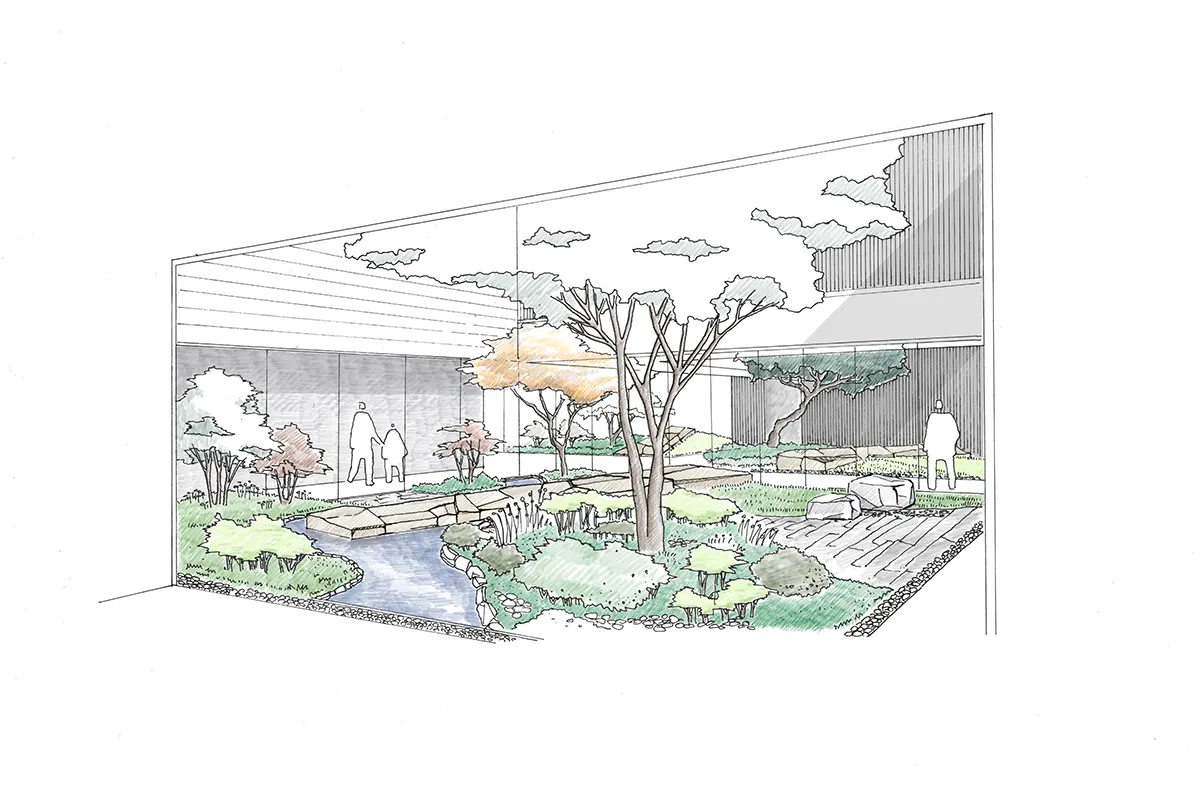
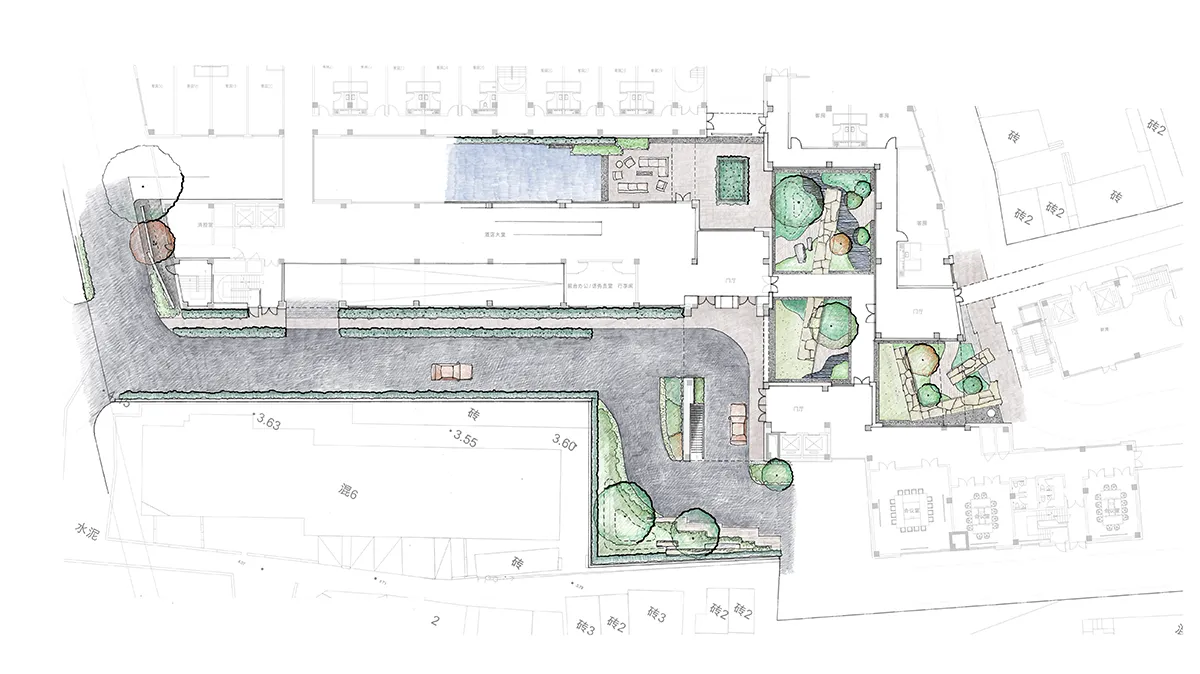
Both approaches have their strengths. The Japanese approach produces work that is disciplined and enduring, while Chinese clients are often more open to unconventional ideas, allowing greater creative freedom. One pursues timeless poetry; the other embraces narrative tension—both are valid in their own way.
WLA | What is a current trend in landscape architecture in China?
Building on this idea of narrative and visual intensity, a noticeable trend in China today is what I would describe as the “interiorization” of landscape.
To support strong and cohesive storytelling, outdoor spaces are increasingly designed to feel as refined and controlled as interiors. The raw, unpredictable qualities of natural materials—the irregular texture of stone, the spontaneous growth of plants, subtle variations in ground surfaces—are often minimized or corrected.
In their place, we see finely crafted paving, detailed edges, and meticulously polished stone elements. The landscape begins to resemble a curated exhibition space.
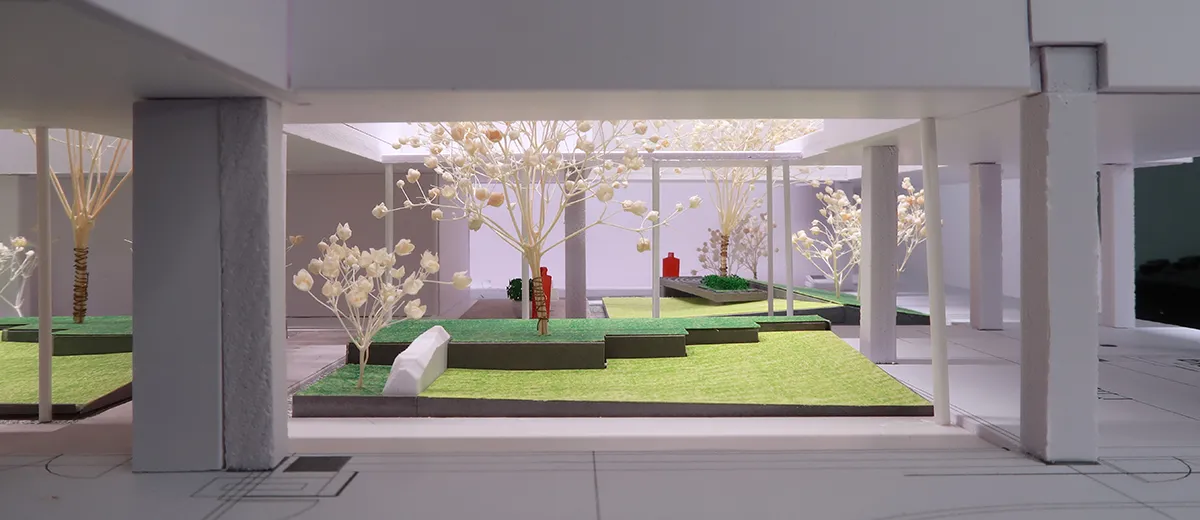
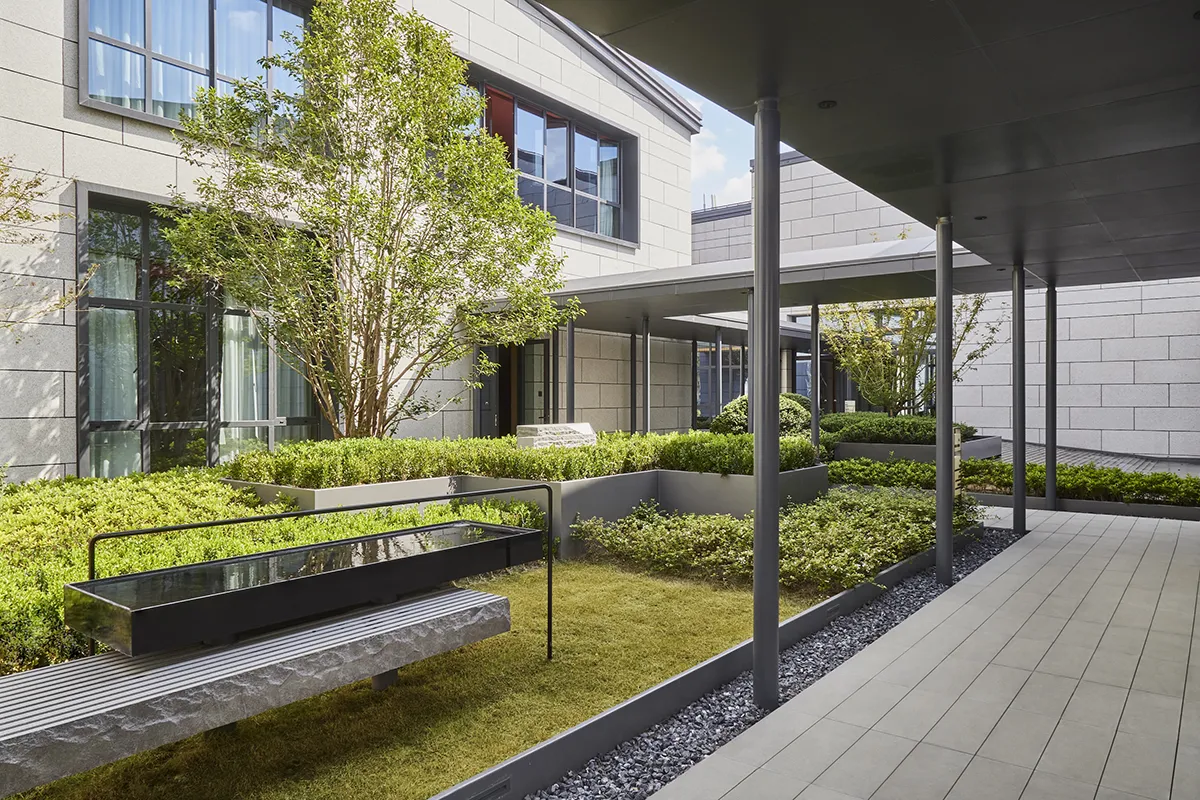
This brings up an important distinction: “scenery” and “landscape” are not the same. Scenery is like a perfectly composed image, pursuing static beauty and ideal proportions. Landscape, however, must consider people as active participants.
What makes a landscape truly moving is not perfection, but uncertainty—change over time, traces of nature, weathering, and seasonal transformation. These “imperfections” give outdoor spaces their vitality.
While the trend toward refinement reflects current market preferences, it also raises a question: if landscape loses its sense of natural breathing, does it also lose its most essential quality?
WLA | What is a design approach that you apply across all your projects?
I don’t believe there is a universal method that applies to every project. Each site has its own unique conditions—topography, climate, wind, sunlight, and surrounding context—which shape its inherent potential and inform every design decision. Imposing a fixed methodology can erase the site’s character.
If there is one consistent focus in my approach, it is the relationship between interior and exterior space. I spend considerable time studying how spaces transition from inside to outside, both in plan and section. This likely stems from my background in architecture.
I see no true boundary between landscape and interior. When the weather is pleasant, people naturally move outdoors—into gardens, terraces, and open lawns. Good design should make this transition feel seamless, not like crossing a threshold, but as a natural extension of space.
Rather than asking where architecture ends and landscape begins, I often question whether such a boundary needs to exist at all.
At the same time, this approach does not override the uniqueness of the site. On the contrary, factors like terrain, wind, and sunlight define how interior and exterior spaces can connect most comfortably. So rather than a fixed method, it is more a way of observing and thinking—each project reveals its own way of negotiating this relationship.
Q. For young landscape architects entering the field today, what is the most critical skill or mindset they should develop?
More than any specific technique, I believe the most important quality is a mindset: respect for the inherent character of the site.
Today’s market can easily be drawn toward polished narratives, strong visual impact, and refined, interior-like landscapes. But what makes landscape truly compelling is its uncertainty—its natural processes, its aging alongside weather and seasons.
Young designers need to learn when to add and when to hold back.
They should not see themselves merely as designers of outdoor space. There is no real boundary between inside and outside—good spatial experiences flow seamlessly between the two. Observe when people choose to step outside and reflect on where architecture ends and landscape begins. This question alone is worth continual exploration.
No single method applies to all projects. Topography, climate, orientation, and local habits all guide design decisions. The ability to listen—to the site and to its users—is more important than any particular style or formal language.
Thank you to Zhang Li for taking the time to answer WLA’s questions, and we hope you enjoyed learning more about his approach to design and the skills needed by young landscape architects.