
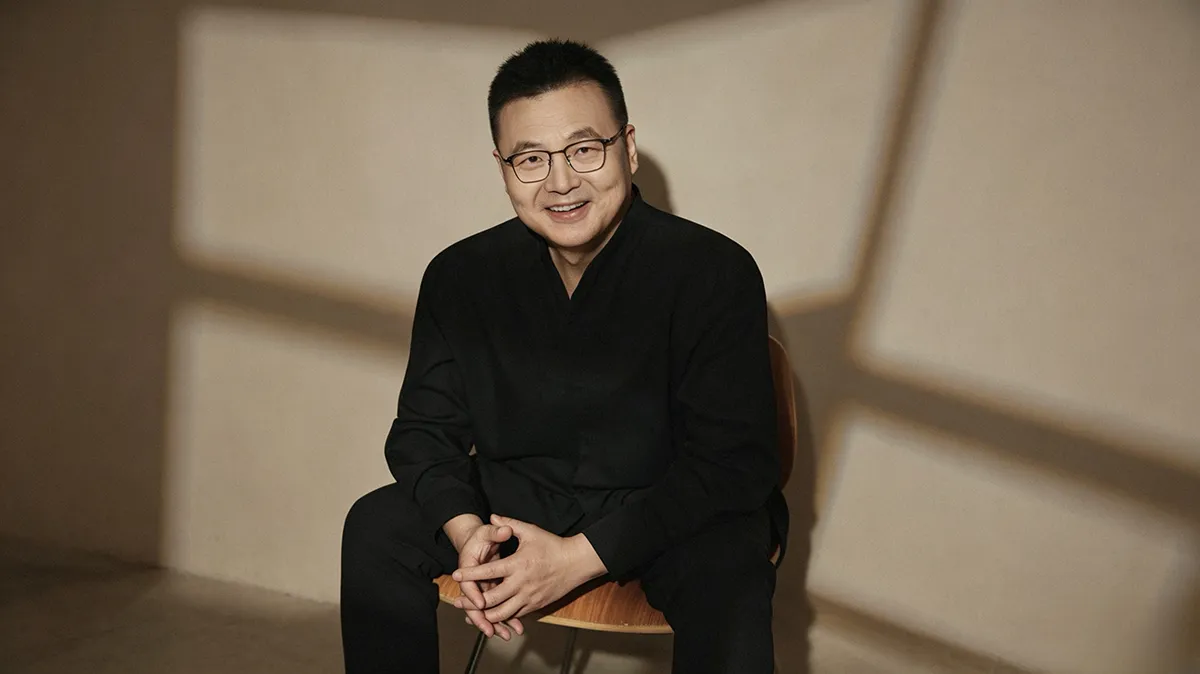
Yuan Songting, Professorate Senior Engineer, Registered Urban Planner, is the founder, and the principal designer of a Beijing-based, award winning design firm, DDON, best known for its full-scale integrated business segment from “place” to “field”, which including tourism planning, urban design, ecological restoration and residential environment design, and has become the leading design agency in the domestic industry throughout China.
As an industry practitioner who has deepened the practice of Chinese and Western landscapes, Yuan Songting has always been positive in leading the team to face the challenges and contributing their professional strength to maximize respect for history and the local culture without losing the beauty of art. Yuan Songting consistently approaches Chinese design projects from a deeper, socially responsible perspective. A multifaceted approach to connection, reinterpretation, and experimentation should be pursued in the field of landscape design. Relying upon his ability to plan and design on various scales, the sense of social responsibility, Yuan Songting has practised many social landscape projects, which truly fulfilled the starting point of the relevant government and social institutions as clients, and brought social, cultural, and ecological benefits, and put into the visible landscape practices.
WLA had the chance to discuss landscape design, technology and the future of public space in China with Yuan Songting.
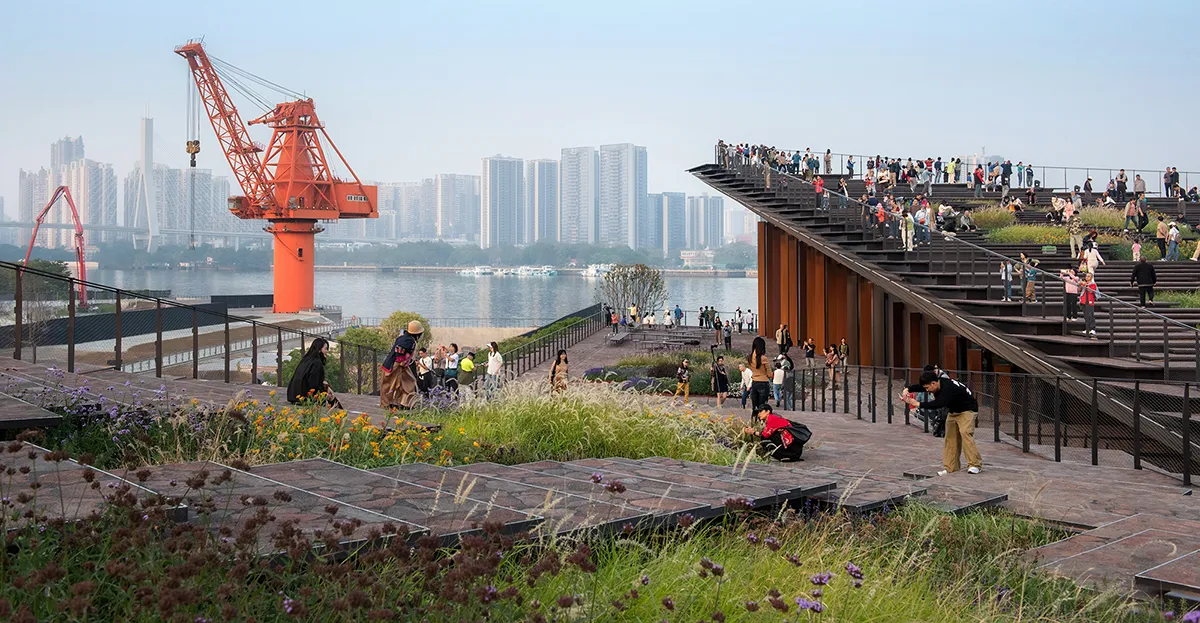
WLA | What is your approach to landscape design?
Our approach centres on a holistic integration that elevates a physical “place” into a meaningful social “domain.” While deeply respecting history and local heritage, I strive to maximize the impact of our designs without compromising artistic beauty. This philosophy is grounded in three core principles: Human-Centricity (Yi Ren), ensuring spaces respond directly to human needs and cultural aspirations; Contextual Resonance (Yi Di), allowing each project to organically reflect its unique regional character and cultural narrative; and Poetic Expression (Yi Jing). This third pillar infuses the design with the designer’s own passion and vision, utilizing multi-dimensional connectivity, fresh reinterpretations, and experimental solutions to create spaces that truly inspire.
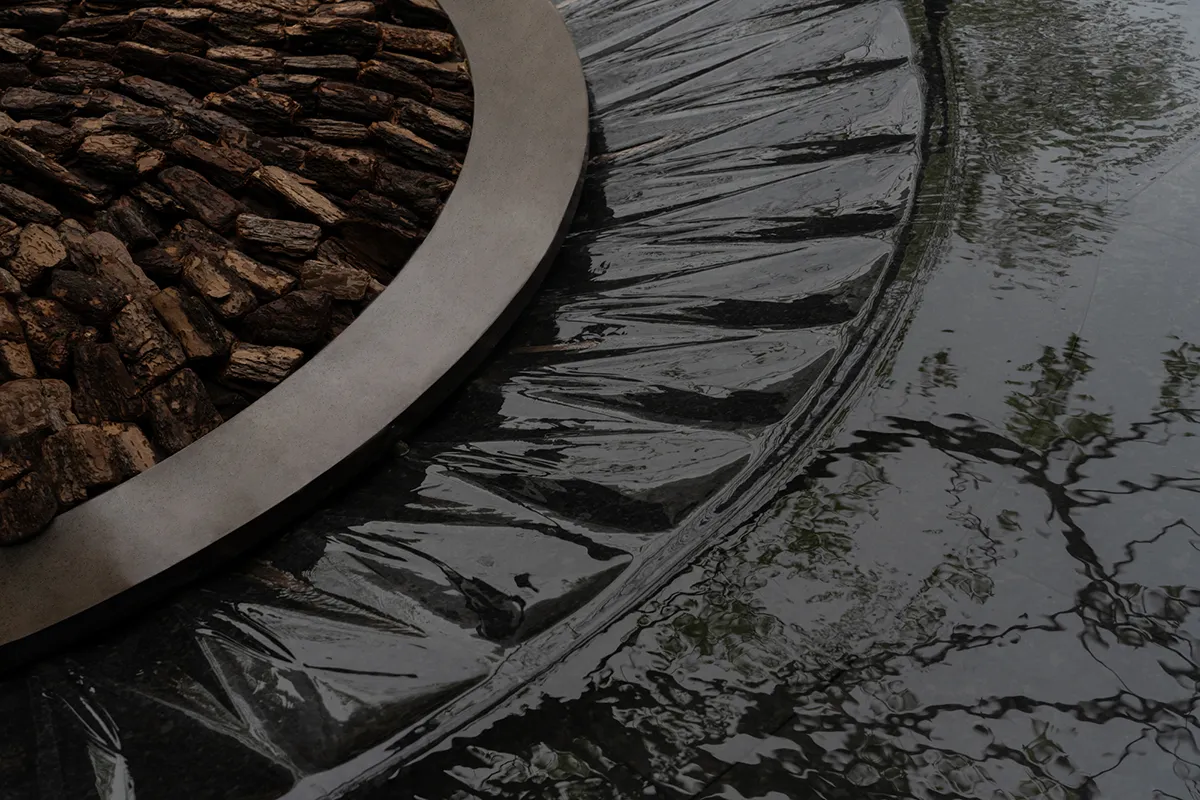
WLA | What role does technology play in your design process?
For us, technology and design exist in a symbiotic relationship where they mutually support and enrich one another, rather than technology acting as an absolute, rigid foundation. We firmly oppose the trend of over-standardization and the “cookie-cutter” templates that purely data-driven processes can sometimes produce. While we actively leverage advanced tools, such as site analysis data, ecological modeling, and smart systems, we treat them as vehicles for exploration rather than final answers. True landscape architecture requires a site-specific, human-centric touch that cannot be automated. By ensuring technology remains subservient to creative vision, we are able to break free from standardized design formulas, allowing us to deliver bespoke, innovative solutions that are tailored to the unique physical and cultural realities of every project.
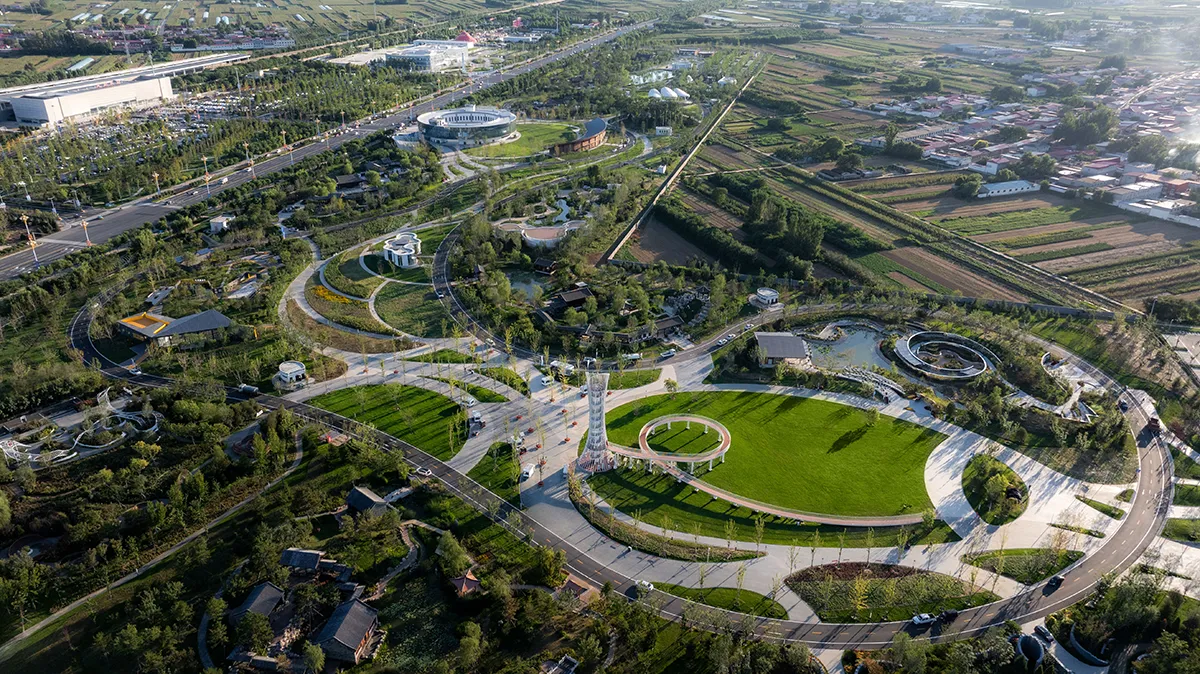
WLA | Where do you see the future of public space heading in China over the next decade?
Over the next decade, the design of public spaces in China will be driven by a much deeper sense of social responsibility and a more profound examination of cultural context. We are shifting away from purely aesthetic or decorative milestones and toward a model in which public spaces serve as vital instruments of social value. The future will be overwhelmingly dominated by urban renewal and the transformation of existing spaces, rather than new expansion. In this changing landscape, landscape architecture will act as a bridge that aligns the goals of government bodies, social institutions, and communities. Our role is to translate their collective aspirations into visible, high-quality landscape practices that deliver tangible social, cultural, and ecological benefits to everyday people.
Thank you to Yuan Songting for providing his thoughts and ideas about landscape design and the future of design in China.